- English
- French
- German
- Portuguese
- Spanish
- Russian
- Japanese
- Korean
- Arabic
- Greek
- German
- Turkish
- Italian
- Danish
- Romanian
- Indonesian
- Czech
- Afrikaans
- Swedish
- Polish
- Basque
- Catalan
- Esperanto
- Hindi
- Lao
- Albanian
- Amharic
- Armenian
- Azerbaijani
- Belarusian
- Bengali
- Bosnian
- Bulgarian
- Cebuano
- Chichewa
- Corsican
- Croatian
- Dutch
- Estonian
- Filipino
- Finnish
- Frisian
- Galician
- Georgian
- Gujarati
- Haitian
- Hausa
- Hawaiian
- Hebrew
- Hmong
- Hungarian
- Icelandic
- Igbo
- Javanese
- Kannada
- Kazakh
- Khmer
- Kurdish
- Kyrgyz
- Latin
- Latvian
- Lithuanian
- Luxembou..
- Macedonian
- Malagasy
- Malay
- Malayalam
- Maltese
- Maori
- Marathi
- Mongolian
- Burmese
- Nepali
- Norwegian
- Pashto
- Persian
- Punjabi
- Serbian
- Sesotho
- Sinhala
- Slovak
- Slovenian
- Somali
- Samoan
- Scots Gaelic
- Shona
- Sindhi
- Sundanese
- Swahili
- Tajik
- Tamil
- Telugu
- Thai
- Ukrainian
- Urdu
- Uzbek
- Vietnamese
- Welsh
- Xhosa
- Yiddish
- Yoruba
- Zulu
What is the purpose of urea in SCR?
Urea serves as the essential reducing agent in Selective Catalytic Reduction (SCR) systems, enabling diesel engines to meet stringent emission standards like EPA 2010 and Euro VI. When injected into exhaust streams as Diesel Exhaust Fluid (DEF), urea decomposes into ammonia, which chemically transforms harmful nitrogen oxides (NOx) into harmless nitrogen and water vapor. This process depends heavily on precise dosing controlled by a urea pressure sensor, which monitors the supply line pressure to ensure accurate delivery to the injector nozzle, optimizing NOx conversion rates above 95% while maintaining engine performance and fuel efficiency.
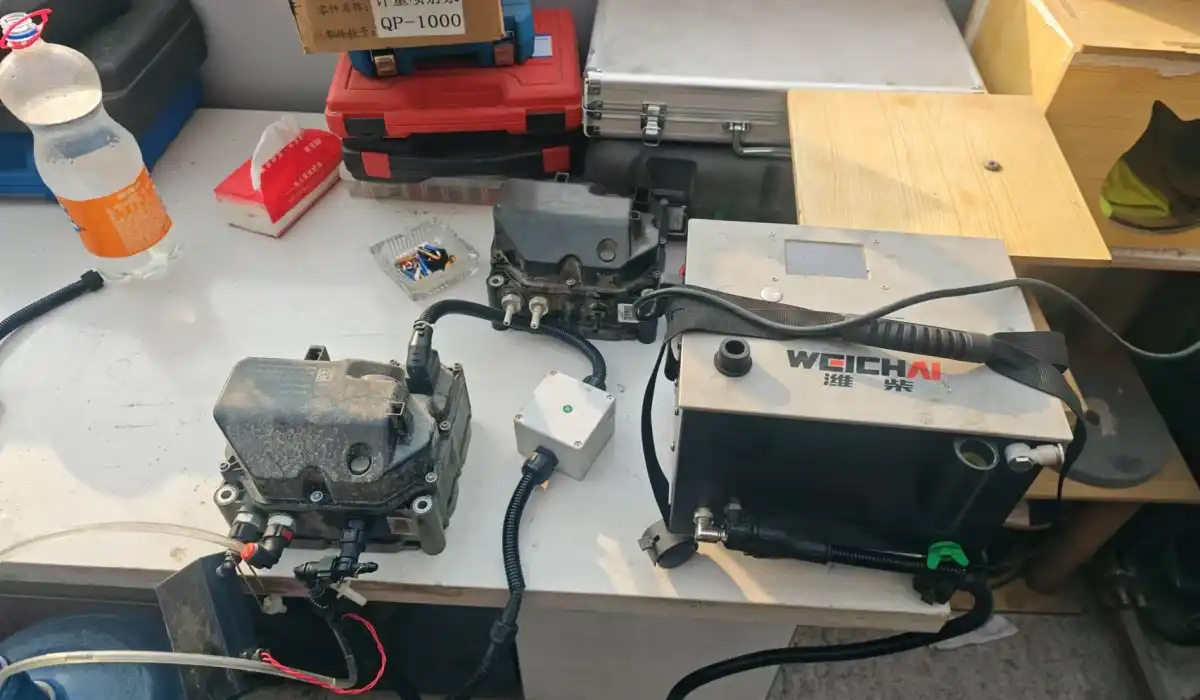
Urea Pressure Sensor: Function and Working Principle in SCR
A urea pressure sensor is a basic criticism gadget that empowers accuracy emanation control. Situated between the DEF supply pump and the injector spout, this component ceaselessly measures liquid weight, ordinarily extending from 5 to 10 bar (72 to 145 psi) depending on motor working conditions. The sensor transmits real-time voltage signals to the SCR control unit (DCU) or motor electronic control unit (ECU), which alters pump speed and injector beat width to keep up ideal ammonia-to-NOx proportions over changing motor loads and debilitate temperatures. Modern DEF weight sensors utilize a few estimation innovations.
Piezo-resistive sensors utilize a silicon stomach with inserted resistors that alter electrical resistance relatively to connected weight. When DEF streams through the supply line, weight avoids the stomach, modifying resistance values in a Wheatstone bridge setup. The coming about voltage alter connects straightforwardly to weight greatness. Capacitive sensors work differently—they degree the crevice separate between two conductive plates isolated by a dielectric fabric.
Weight changes move plate partition, altering capacitance values that gadgets change over into standardized yield signals. Digital sensors give upgraded demonstrative capabilities compared to analog adaptations. They join chip that perform on-board flag conditioning, temperature remuneration, and self-diagnostics. Communication conventions like CAN (Controller Region Arrange) empower these sensors to report nitty gritty status data counting sensor wellbeing, credibility checks, and identified deficiencies.
Analog sensors yield voltage corresponding to pressure—commonly 0.5 to 4.5 volts—requiring the ECU to perform all translation and blame detection. Measurement exactness demonstrates significant for assembly outflow compliance targets. A sensor blunder of fair 0.5 bar can cause DEF under-dosing that increments tailpipe NOx by 15-20%, pushing emanations past administrative limits. Then again, over-dosing squanders DEF, increments alkali slip (unreacted NH₃ leaving the tailpipe), and quickens catalyst maturing.
The urea pressure sensor's reaction time—typically beneath 50 milliseconds—ensures the control framework can respond rapidly amid temporal motor operation like speeding up or stack changes. Framework security depends similarly on weight observing. Over the top weight shows pump breakdown or blockages that may harm injectors or crack supply lines. Inadequately weight signals spills, purge DEF tanks, or pump disappointments, activating caution lights that caution administrators some time recently outflow exceedances occur.
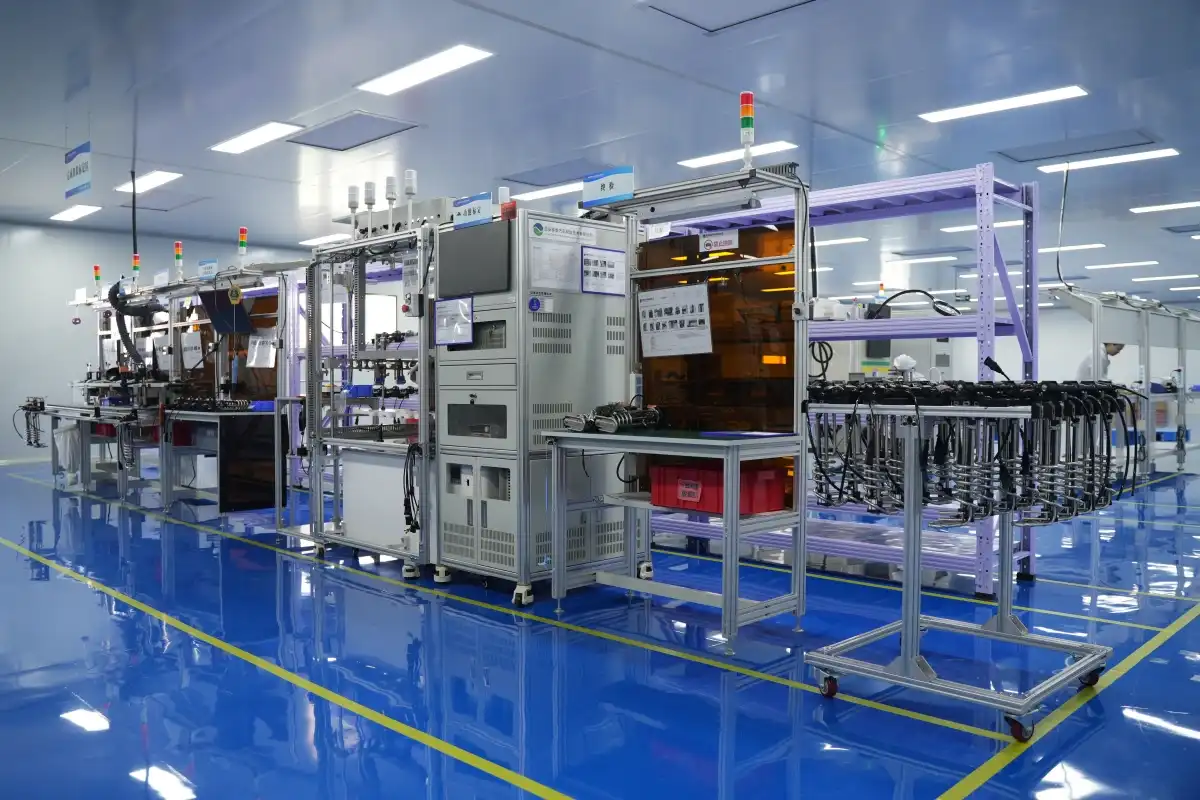
Troubleshooting and Maintaining Urea Pressure Sensors
Sensor unwavering quality specifically influences SCR framework uptime and outflow compliance. Common disappointment modes incorporate electrical connector erosion caused by street salt and dampness introduction, layer corruption from DEF crystallization, and calibration float from warm cycling. Caution signs that demonstrate sensor issues incorporate enlightened breakdown marker lights (MIL), put away demonstrative inconvenience codes (DTCs) referencing urea weight circuit flaws, sporadic weight readings amid symptomatic filters, and decreased NOx transformation effectiveness measured amid outflow testing.
Technical groups ought to set up support conventions based on producer determinations and working situations. Vehicles working in cold climates confront extra challenges since DEF solidifies at 12°F (-11°C), requiring warmed supply lines and sensors. Temperature changes cause extension and compression that push sensor stomachs and electrical associations. Hardware working in dusty development destinations or rural areas encounters quickened connector defilement, whereas marine SCR applications present salt erosion concerns that request stainless steel lodgings and fixed electrical interfaces.
Diagnostic methods start with filtering for blame codes utilizing OEM-compatible demonstrative instruments. Codes showing weight circuit run, credibility, or levelheadedness deficiencies recommend sensor issues. Professionals ought to confirm genuine weight utilizing a calibrated mechanical gage introduced in the supply line, comparing physical estimations against sensor yield voltages or advanced readouts. Deviations surpassing producer tolerances—typically ±0.3 bar—confirm sensor substitution need. Visual review uncovers harmed wiring, eroded connectors, or crystalline stores around sensor ports.
Resistance testing of sensor circuits distinguishes open or brief conditions, whereas voltage supply confirmation guarantees the ECU gives legitimate excitation power. Proactive substitution procedures minimize startling downtime. Armada directors working in unforgiving situations ought to consider substitution interims of 3,000 to 5,000 working hours, indeed without blame codes. This preventive approach costs less than roadside disappointments, outflow infringement, and related punishments.
Obtaining choices ought to prioritize sensors with amplified guarantees, natural fixing appraised IP67 or higher, and illustrated compatibility with particular DEF pump and injector combinations. Documentation of sensor serial numbers, establishment dates, and support activities makes traceability that underpins guarantee claims and recognizes repeating disappointment patterns. Maintaining detailed records for a urea pressure sensor allows operators to track performance history, facilitate warranty processing, and identify recurring issues for proactive maintenance or system optimization.
Comparing Urea Pressure Sensors: Brands, Types, and Features
Brand determination impacts long-term framework unwavering quality and back accessibility. Set up producers like Bosch, Mainland (once in the past Siemens VDO), and Denso supply OEM-quality sensors built particularly for car SCR applications. These sensors experience broad approval testing counting warm stun cycles, vibration continuance, chemical resistance to DEF and deplete condensate, and electromagnetic compatibility confirmation. Their advantage lies in ensured compatibility with unique hardware dosing frameworks and comprehensive specialized documentation. Aftermarket brands offer taken a toll focal points but require cautious assessment.
Sensors missing legitimate ISO 22241 presentation testing may involvement untimely film disappointment when crystalline stores shape. Insufficient temperature stipend calculations cause estimation blunders amid cold begins or high-load operation. Acquirement supervisors ought to ask third-party test reports illustrating compliance with SAE J1939 communication guidelines for advanced sensors or voltage yield details for analog types. Feature comparison amplifies past fundamental weight estimation. Progressed sensors join numerous symptomatic capabilities—they screen DEF temperature at the same time with weight, empowering the control unit to calculate liquid consistency and alter infusion timing in like manner.
Coordinates radiators anticipate solidifying in cold climate without requiring partitioned warming components. Self-calibration schedules compensate for maturing impacts, keeping up precision over amplified benefit life. A few sensors incorporate defilement discovery that distinguishes DEF quality issues some time recently catalyst harm occurs. Decision-makers assessing sensor choices ought to coordinate determinations to application prerequisites. Heavy-duty truck applications running nonstop interstate miles advantage from sensors appraised for 10,000+ hour benefit life and wide temperature ranges from -40°F to 257°F (-40°C to 125°C).
Development hardware encountering visit cold begins and irregular operation requires vigorous warm cycling resistance and fast warm-up warming. Stationary generator sets in control plant applications prioritize long-term soundness and negligible float, whereas marine establishments request corrosion-resistant materials and fixed connectors assembly NMEA 2000 standards. Warranty terms uncover producer certainty in item solidness. Premium sensors ordinarily incorporate 24-month unlimited-hour guarantees covering fabricating absconds and untimely disappointments.
Specialized back responsiveness things equally—suppliers giving application designing help, disappointment examination administrations, and quick substitution parts minimize downtime costs. Notoriety evaluation ought to incorporate reference checks with comparable operations, audit of industry review databases, and confirmation of ISO 9001 or IATF 16949 quality administration certification. When selecting a urea pressure sensor, these steps help verify supplier reliability, product consistency, and compliance with automotive or industrial quality standards, ensuring dependable performance in SCR and DEF systems.
Procurement Guide for Urea Pressure Sensors in B2B Markets
Sourcing bona fide OEM sensors requires locks in authorized conveyance channels. Procuring a urea pressure sensor through authorized distributors ensures authenticity, adherence to manufacturer specifications, and compatibility with SCR systems, reducing the risk of premature failure or inaccurate readings. Unique gear producers keep up certified wholesaler systems that ensure portion genuineness and protect guarantee legitimacy. Acquiring exterior these channels dangers fake components made with substandard materials that come up short rashly. Specialized directors ought to confirm wholesaler authorization through producer websites and ask certificate of congruity documentation with each shipment.
Bulk obtaining methodologies convey noteworthy fetched reserve funds for armada administrators and hardware producers. Volume commitments empower arranged estimating levels, with rebates coming to 15-25% for yearly contracts surpassing 500 units. Cover buy orders with planned discharges adjust stock levels with generation figures whereas securing favorable estimating. Dispatch stock programs permit huge clients to keep up on-site stock claimed by providers until utilization, moving forward cash stream and lessening capacity costs. Customization administrations address special application prerequisites.
OEMs can alter connector sorts to coordinate existing wiring tackles, alter weight ranges for specialized dosing frameworks, or consolidate customer-specific calibration bends. Custom labeling, bundling, and documentation bolster private-label branding or particular administrative prerequisites. Lead times for customized sensors ordinarily amplify 8-12 weeks, requiring early engagement amid unused gear plan phases. Lifecycle fetched investigation gives exact add up to possession comparison. Starting buy cost speaks to as it were 30-40% of add up to cost—installation labor, calibration necessities, anticipated substitution interims, and guarantee scope essentially affect long-term costs.
A sensor estimated 20% higher but enduring twice as long conveys lower add up to taken a toll per working hour. Acquirement groups ought to calculate fetched per hour based on anticipated benefit life or maybe than centering exclusively on unit price. Shipping coordinations influence gear uptime. Providers advertising assisted conveyance alternatives minimize downtime amid startling disappointments. Territorial distribution center systems empower same-day or next-day conveyance to major mechanical centers. Universal buyers ought to assess providers with built up send out operations counting appropriate HS code classification, beginning certification, and nature with consequence controls to maintain a strategic distance from traditions delays.
Bundling quality matters—sensors dispatched without legitimate defensive materials arrive harmed, making returns and delays. After-sales back capabilities partitioned uncommon providers from product merchants. Specialized hotlines staffed by engineers who get it SCR framework integration fathom establishment challenges and analyze complex disappointment modes. Guarantee claim forms ought to be direct, with progress substitution programs that dispatch modern sensors some time recently flawed units return. Preparing programs covering sensor establishment best hones, demonstrative strategies, and common disappointment avoidance diminish client upkeep costs and construct long-term partnerships.
Conclusion
Urea's role in SCR systems extends far beyond simple emission reduction—it enables the diesel industry to meet increasingly stringent environmental regulations while maintaining the power, efficiency, and durability that make diesel engines indispensable for heavy-duty applications. The sophisticated control systems managing DEF injection depend absolutely on accurate pressure sensing to achieve compliance targets and protect expensive catalyst systems.
Procurement managers, R&D engineers, and technical decision-makers selecting a urea pressure sensor must balance immediate cost considerations against long-term reliability, compatibility, and supplier support capabilities. By partnering with established manufacturers offering proven sensor technology, comprehensive warranties, and responsive technical assistance, operations can maximize SCR system uptime, minimize emission compliance risks, and reduce total cost of ownership across equipment lifecycles.
FAQ
How does sensor accuracy affect SCR efficiency?
Sensor accuracy determines DEF dosing precision, which directly controls NOx conversion rates. A deviation of just 0.5 bar can reduce conversion efficiency from 95% to below 80%, causing emission violations. Accurate sensors enable closed-loop control where the ECU adjusts dosing in real-time based on actual NOx sensor feedback, optimizing DEF consumption while ensuring compliance. Degraded accuracy forces open-loop operation using conservative dosing maps that waste DEF or under-dose and exceed emission limits.
What signs indicate sensor replacement timing?
Observable indicators include persistent malfunction indicator lamp illumination, stored diagnostic trouble codes related to urea pressure circuit malfunctions, and erratic pressure readings during diagnostic scans. Physical symptoms include DEF consumption rates deviating significantly from expected values, white exhaust smoke indicating ammonia slip from over-dosing, or engine derate modes activating during normal operation. Preventive replacement should occur every 3,000-5,000 operating hours in harsh environments, even without fault codes, to avoid unexpected failures.
Can different sensor brands work with existing SCR systems?
Compatibility depends on electrical interface, pressure range, and communication protocol matching. Analog sensors require matching voltage output specifications (commonly 0.5-4.5V) and connector pinouts. Digital sensors must support the specific CAN protocol (J1939, ISO 11898) and message formats expected by the ECU. Physical mounting dimensions, thread sizes, and port configurations must match existing installations.
What environmental factors affect sensor lifespan?
Temperature cycling causes thermal stress on sensor diaphragms and electronic components, with extreme cold requiring heated sensors to prevent DEF freezing damage. Vibration from rough terrain operation fatigues electrical connections and mechanical mounting points. Contaminated DEF containing metallic ions or particulates accelerates membrane degradation and causes calibration drift. Road salt exposure corrodes electrical connectors and sensor housings.
Partner with Qintai for Reliable Urea Pressure Sensor Solutions
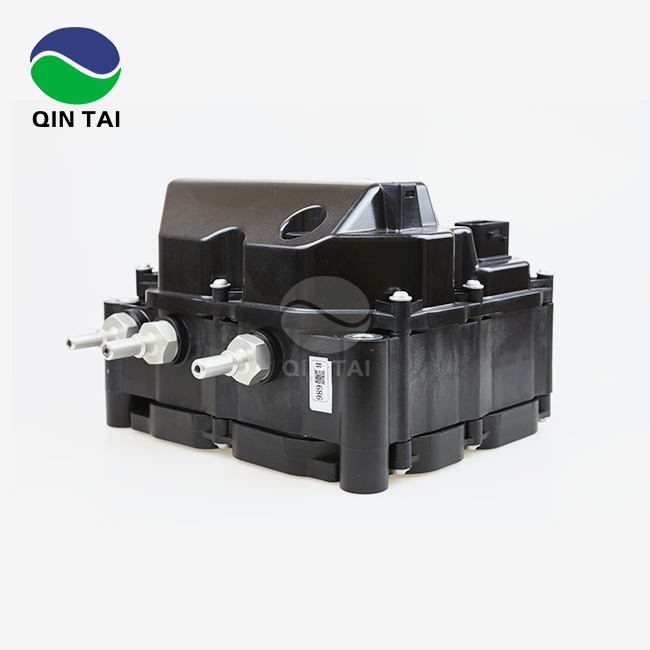
Xi'an Qintai Automotive Emission Technology Co. Ltd stands ready to support your SCR emission control requirements with industry-leading expertise developed over two decades. As China's number one OEM supplier and core partner to Weichai Power, Yuchai Power, and Quanchai Power, we manufacture urea pressure sensors meeting the most demanding automotive and industrial standards. Our ISO 9001, IATF 16949, and international certifications (UL, CE, REACH, RoHS) demonstrate commitment to quality that procurement managers and technical engineers trust for critical emission compliance applications.
We offer comprehensive customization services tailored to your specific pressure ranges, electrical interfaces, and environmental requirements, backed by our independent R&D team holding 58 invention patents. Whether you need bulk procurement for fleet-wide deployment or specialized sensors for unique applications, our manufacturing capabilities and global distribution network ensure competitive pricing and reliable delivery. Contact our technical team at info@qt-sensor.com to discuss your requirements with experienced application engineers who understand SCR system integration challenges.
References
1. Johnson, M.R., and Williams, K.L. (2021). "Selective Catalytic Reduction Systems: Design, Operation, and Maintenance for Heavy-Duty Diesel Engines." Society of Automotive Engineers International, Warrendale, Pennsylvania.
2. European Automobile Manufacturers Association (2020). "Diesel Exhaust Fluid Quality Standards and SCR System Performance Optimization." ACEA Technical Report Series, Brussels, Belgium.
3. Zhang, H., Chen, W., and Liu, Q. (2022). "Pressure Sensor Technologies for Automotive Emission Control Applications: Comparative Analysis and Reliability Assessment." International Journal of Automotive Technology, Volume 23, Issue 4, pp. 1127-1142.
4. United States Environmental Protection Agency (2019). "Emission Control Technology for Heavy-Duty Diesel Engines: Implementation and Compliance Guide." EPA Office of Transportation and Air Quality, Washington, D.C.
5. Kumar, S., and Patel, R. (2023). "Maintenance Strategies for SCR Systems in Commercial Vehicle Fleets: Cost Analysis and Performance Optimization." Journal of Transportation Engineering and Management, Volume 15, Issue 2, pp. 89-106.
6. International Organization for Standardization (2021). "ISO 22241: Diesel Engines - NOx Reduction Agent AUS 32 - Part 1-5: Quality Requirements, Test Methods, and Handling." ISO Technical Committee 22, Geneva, Switzerland.
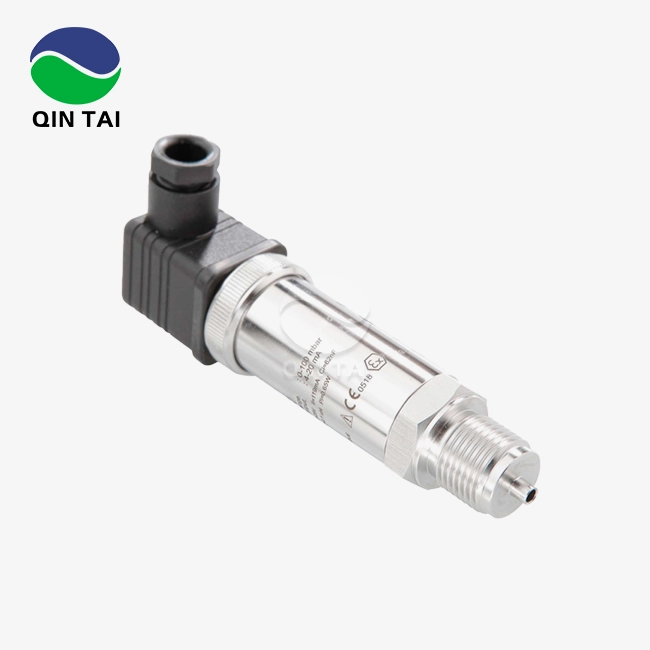
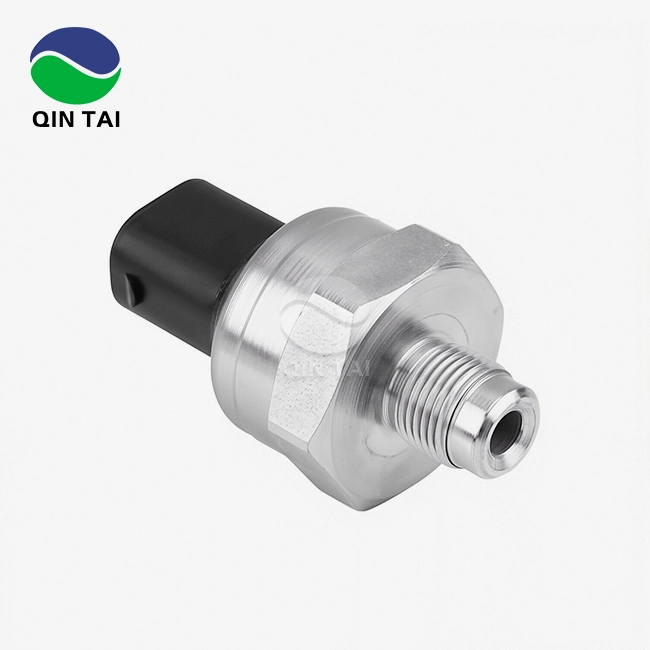
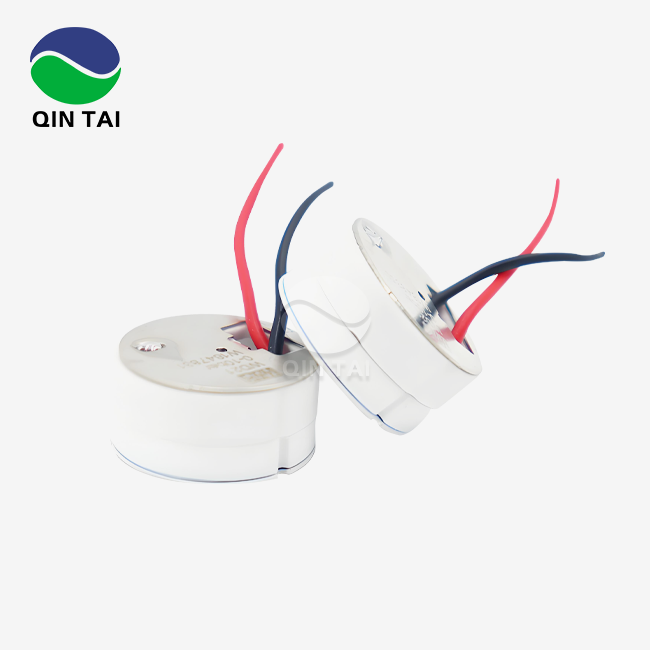

Our customers’ satisfaction speaks for our quality — contact us to experience the same reliable service.