- English
- French
- German
- Portuguese
- Spanish
- Russian
- Japanese
- Korean
- Arabic
- Greek
- German
- Turkish
- Italian
- Danish
- Romanian
- Indonesian
- Czech
- Afrikaans
- Swedish
- Polish
- Basque
- Catalan
- Esperanto
- Hindi
- Lao
- Albanian
- Amharic
- Armenian
- Azerbaijani
- Belarusian
- Bengali
- Bosnian
- Bulgarian
- Cebuano
- Chichewa
- Corsican
- Croatian
- Dutch
- Estonian
- Filipino
- Finnish
- Frisian
- Galician
- Georgian
- Gujarati
- Haitian
- Hausa
- Hawaiian
- Hebrew
- Hmong
- Hungarian
- Icelandic
- Igbo
- Javanese
- Kannada
- Kazakh
- Khmer
- Kurdish
- Kyrgyz
- Latin
- Latvian
- Lithuanian
- Luxembou..
- Macedonian
- Malagasy
- Malay
- Malayalam
- Maltese
- Maori
- Marathi
- Mongolian
- Burmese
- Nepali
- Norwegian
- Pashto
- Persian
- Punjabi
- Serbian
- Sesotho
- Sinhala
- Slovak
- Slovenian
- Somali
- Samoan
- Scots Gaelic
- Shona
- Sindhi
- Sundanese
- Swahili
- Tajik
- Tamil
- Telugu
- Thai
- Ukrainian
- Urdu
- Uzbek
- Vietnamese
- Welsh
- Xhosa
- Yiddish
- Yoruba
- Zulu
How does a urea pressure sensor work?
A urea quality sensor operates by monitoring critical parameters of urea solutions, particularly pressure levels, within Selective Catalytic Reduction (SCR) systems. The urea pressure sensor, a vital component in diesel exhaust aftertreatment, measures the pressure of AdBlue or DEF solutions to ensure precise dosing and optimal NOx reduction performance. These sensors utilize piezoelectric, capacitive, or resistive technologies to convert pressure variations into electrical signals, enabling real-time monitoring and control of the urea injection process for emissions compliance.
Introduction
This comprehensive guide introduces urea quality sensors, essential components in automotive and industrial sectors for monitoring urea solution quality, crucial to emission control and process efficiency. Targeted at global B2B procurement professionals, it highlights the sensor's working principles, applications, and procurement strategies. By understanding these elements, stakeholders can optimize their sourcing decisions, ensuring reliable, cost-effective sensor integration tailored to their operational requirements.
The growing emphasis on environmental regulations has made diesel exhaust aftertreatment systems indispensable across heavy trucks, construction machinery, agricultural equipment, and generator sets. Understanding how these sensors function becomes critical for purchasing managers and R&D engineers seeking compliance with stringent emission standards like China VI and Euro VI.
Understanding Urea Quality Sensors: Working Principles and Functionality
Core Technology and Detection Mechanisms
Urea quality sensors measure important things about urea solutions, like their pressure and concentration, which are necessary for Selective Catalytic Reduction (SCR) systems to work properly. Multiple sensor technologies are used in these high-tech devices to make sure they measure accurately and work reliably in harsh industrial settings.
The basic function depends on how to measure pressure and turn changes in real pressure into electrical messages. There are three main ways that modern sensors measure things: piezoelectric technology, which creates electrical charges when mechanical stress is applied; capacitive sensing, which checks changes in electrical capacitance based on changes in pressure; and resistive mechanisms, which find changes in resistance in materials that are sensitive to strain.
Key Components and System Integration
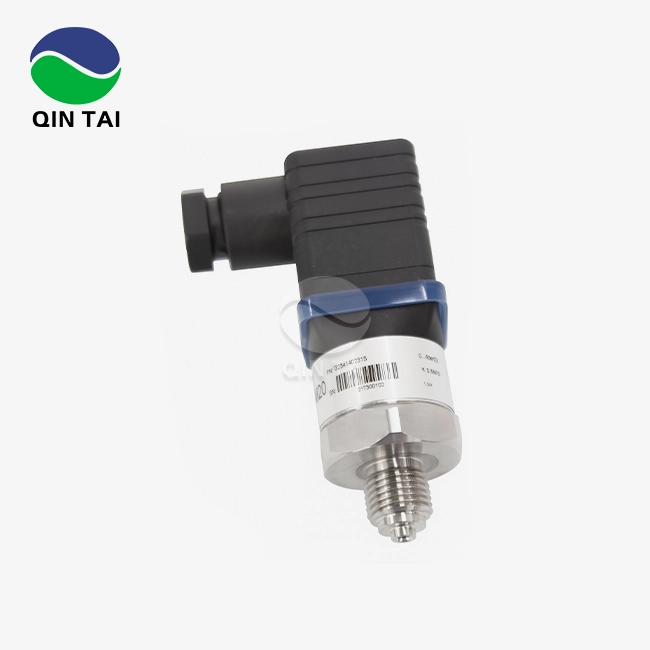
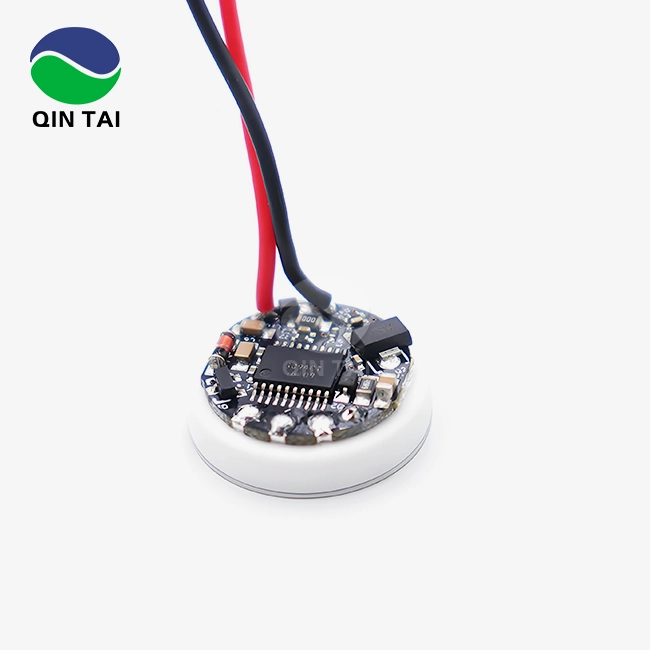
Advanced urea pressure sensor systems are made up of several parts that are all linked and work together. The main sensor part has the pressure-sensitive membrane inside it. This membrane is usually made of special materials like ceramic or stainless steel that can handle urea conditions that are acidic. Raw pressure data is turned into standard electrical outputs by signal emitters. These outputs are then interpreted by control units for dose system regulation.
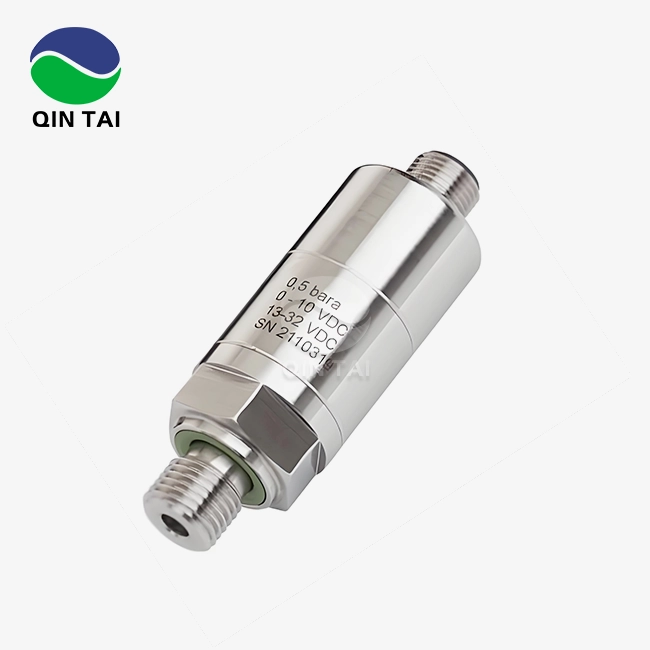
As part of the integration process, measurement ranges are carefully calibrated. For automobile systems, these run from 0 to 10 bar, while for industrial systems, they go up to higher pressures. Temperature compensation methods make sure accuracy across working ranges from -40°C to +85°C, which takes into account the problems that come with handling urea crystallization.
Precision and Environmental Compatibility Advantages
Here are the main benefits of modern urea quality sensors that make them essential for use in industry:
• Enhanced Measurement Precision: Modern sensors can get within ±0.5% of full scale, which lets you control doses precisely to meet strict emission standards while using the least amount of solution.
• Robust Environmental Resistance: Specialized materials and protection coats stop corrosion from harsh urea solutions, and sealed housings keep out moisture, dust, and vibrations in rough working conditions.
• Extended Operational Lifespan: High-quality sensors are reliable for more than 1 million cycles, thanks to modern diaphragm materials and well-thought-out mechanical designs that don't wear out or get worn down.
• Real-time Diagnostic Capabilities: Smart sensors can constantly check on themselves, finding problems before they affect the system's performance and letting repair plans plan ahead.
These benefits make it easier to meet pollution standards, keep operations running smoothly, and lower the overall cost of ownership for commercial uses.
Common Challenges and Calibration of Urea Pressure Sensors
Typical Operational Challenges
There are a few problems that can happen with urea pressure sensor systems that can make measurements less accurate and the system less reliable. A big problem is contamination, because urea crystals can block pressure ports and make it hard for the diaphragm to move. Because urea solutions are corrosive, they speed up the breakdown of materials. This is especially true for closing elements and electrical links that are used for long periods of time.
Another big problem is sensor drift, which happens when measurements become less accurate over time because of things like material age, changing temperatures, and mechanical stress. In systems with a lot of pressure changes or uses that use high temperatures, this effect is more noticeable. Changes in temperature also make measurements less accurate because the qualities of urea change a lot across working temperature ranges.
Comprehensive Calibration Procedures
To keep measurements accurate, you need to follow systematic calibration methods that are made to fit your unique operating conditions. Setting reference pressure standards with approved calibration tools that can be traced back to national standards is the first step in the calibration process. Initial zero-point adjustment gets rid of offset mistakes, and span calibration makes sure that measurements are correct across the whole working range.
In multi-point calibration methods, the reaction of the sensor is tested at 0%, 25%, 50%, 75%, and 100% of its rated pressure range. Linearity characteristics are recorded, and possible non-linear behavior is found. Temperature correction calibration checks how well the sensor works across a certain temperature range, which for car uses is usually between -40°C and +85°C.
Maintenance Optimization Strategies
Effective repair plans keep sensors working well for longer periods of time while keeping their accuracy. Using the right chemicals and cleaning methods on a regular basis to keep the sensor's integrity stops urea crystals from building up. Electrical testing done on a regular basis checks the features of the signal output and finds signs of wear and tear before they affect performance.
Environmental protection measures include using the right building methods to keep vibrations to a minimum and keep water out of electricity connections. Recording the past of calibrations lets you look for patterns and plan when to replace parts, which lowers the cost of maintenance and makes sure that the system keeps working properly.
Comparative Analysis: Choosing the Right Urea Pressure Sensor for Your Application
Leading Brand Performance Evaluation
To choose the best urea pressure sensor, you need to look at all of the top makers and how they use technology. Well-known companies like Bosch have a lot of experience with cars and make sensors that are especially made for SCR uses. These sensors have temperature compensation built in and are made to last in automotive conditions. Siemens offers options for businesses that are more resistant to chemicals and work better in a wider range of temperatures for long-term use.
Honeywell adds aerospace-based reliability standards with sensors that can work in harsh environments. Meanwhile, specialized companies like Qintai offer low-cost options with settings that can be changed to fit the needs of each application. The factors for review include how accurate the measurements are, how stable they are over time, how well they work in harsh environments, and the total cost of ownership.
Functional Differentiation and Application Matching
Knowing the differences in how urea pressure sensor systems and similar technologies work can help you avoid making mistakes in system design that cost a lot of money. Ammonia sensors find the amount of gas in waste streams, while urea pressure sensor systems measure pressure in dosing circuits very exactly. This difference is very important when making full SCR tracking systems that need to control pressure and check for efficiency.
With IP67 or IP68 ratings that can handle high-pressure washing and extreme weather, waterproof sensor setups offer better safety for mobile equipment uses. Industrial-grade sensors are made with advanced materials and design features that make them last longer and need less upkeep. This makes up for their higher starting costs through lower lifecycle costs.
Market Insights and Selection Criteria
The market is showing that there is a growing need for smart sensors that can diagnose problems and have communication links that work with current control systems. According to customer comments, the most important thing for selection is trustworthiness, followed by accuracy, resistance to external factors, and the ability of the provider to provide support.
During the decision process, specific needs for the application should be taken into account, such as the range of pressures, the extremes of temperature, chemical compatibility, and reaction time. Procurement teams should look at a supplier's skills, such as whether they are ISO certified, meet car standards, and have a history of success in similar projects.
Procurement Guide: How to Source Quality Urea Pressure Sensors Efficiently?
Strategic Sourcing Approaches
To effectively find urea pressure sensor systems, you need to know about the different ways to find suppliers and the benefits of each. When you buy in bulk, you can get better prices and customization options when you deal directly with the maker. Authorized distributors offer local stock, faster shipping, and professional support for common setups.
Wholesale outlets can give good deals on big orders, but they might need more proof that the goods are real and meet quality standards. Online industrial platforms make it easy to compare prices and connect with sources around the world, but it's still important to carefully check the credentials of sellers.
Pricing Optimization and Contract Considerations
Understanding how prices are set makes it easier to negotiate and make the most of your budget. When you buy more than 100 to 500 units a year, depending on the complexity of the sensor and your customization needs, volume-based price tiers usually offer big savings. Long-term contracts often get better prices and make sure that important uses can keep getting supplies.
Payment terms change from supplier to supplier, but for qualified buyers, known makers usually offer net 30 to 60 days terms. Letters of credit or advance payments may be needed by international sellers, especially for custom setups or large first orders. When you sign a multi-year deal with a foreign seller, it's important to protect yourself from currency fluctuations.
Supply Chain Management and Quality Assurance
Lead times for basic sensors are usually between 2 and 6 weeks, but for customized setups, the first orders may take 8 to 12 weeks. Setting strategic inventory levels is important for keeping important production tools from running out because it balances the costs of having stock with the risks of running out of it.
Protocols for incoming inspections, performance validation testing, and source check programs are all things that should be part of quality verification processes. Certificate of conformance paperwork makes sure that things can be tracked and that they meet the standards that apply. By building relationships with backup suppliers, you can lower the risk of supply disruptions while keeping the pressure on your major suppliers.
Installation, Maintenance, and Future Trends of Urea Quality Sensors
Professional Installation Protocols
Following the right steps during installation will make sure that the urea pressure sensor works safely and accurately for a long time. Before starting the installation, the system's pressure grade, temperature range, and chemical compatibility needs to be carefully looked over. The choice of mounting position takes into account how easy it is to do upkeep, how safe it is from physical damage, and how much vibration it will be exposed to.
To keep leaks from happening, pressure port connections need to be properly sealed with thread glue and torqued to the right levels. If they are too tight, they could damage sensor housings. When connecting electrical devices, you need to use the right kinds of cables that are protected against water, chemicals, and electromagnetic interference. Grounding methods protect both the signal and the user.
Maintenance Excellence and Performance Optimization
Routine repair procedures keep measurements accurate during service intervals and stretch the life of sensors. Visual checking methods find corrosion, physical damage, or contamination early on before they become a problem that affects performance. Electrical testing checks the features of the signal output and finds degradation trends before they affect how the system works.
For cleaning to work properly and protect sensors, the right chemicals and methods must be used to get rid of urea deposits without hurting sensitive parts. The frequency of calibration checks depends on how important the application is and any rules that need to be followed. For most industrial applications, the frequency is between three and twelve months.
Emerging Technologies and Innovation Trends
IoT integration is a big step forward for sensor technology because it allows for remote tracking, repair that can be planned ahead of time, and data analytics that improve system performance. The ability to communicate wirelessly lowers the cost of installation while improving diagnostic data for planning upkeep.
Predictive maintenance algorithms look at patterns in sensor behavior to find possible failures before they happen. This cuts down on unplanned downtime and maintenance costs. Machine learning programs keep improving dose formulas based on how they're being used and feedback on how well they're working. This makes it easier to meet emissions standards and use reagents more efficiently.
New materials offer better resistance to chemicals and longer service life, and trends toward miniaturization make integration possible in applications with limited room. These new ideas help procurement pros get ready to use cutting-edge sensor technologies that keep up with changing regulations and business needs.
Conclusion
Understanding how urea quality sensors work, alongside the critical function of a urea pressure sensor, empowers procurement professionals to make informed decisions that balance performance, reliability, and cost-effectiveness. These sophisticated devices play crucial roles in emissions compliance and operational efficiency across diverse industrial applications. The selection process requires careful consideration of technical specifications, supplier capabilities, and long-term support requirements. As regulations continue tightening and technology advances, investing in quality sensor solutions becomes increasingly important for competitive advantage and environmental responsibility.
FAQ
Q1: How often should urea pressure sensors be calibrated?
A: Calibration frequency depends on application criticality and operating conditions. Most automotive applications require annual calibration, while critical industrial processes may need quarterly verification. Harsh operating environments or regulatory requirements may necessitate more frequent calibration schedules. Always consult manufacturer recommendations and applicable standards for specific requirements.
Q2: Can urea pressure sensors and ammonia sensors be used interchangeably?
A: Ammonia sensors and urea pressure sensors are not the same thing and can't be used together. In dosing devices, urea sensors measure the pressure of the liquid, and ammonia sensors measure the amount of gas in the waste streams. If you use the wrong type of sensor, the system might not work right, you might not meet compliance standards, and there could be safety issues.
Q3: What factors most significantly affect sensor lifespan in automotive applications?
A: Temperature cycling, vibration exposure, and urea quality represent the primary factors affecting sensor lifespan. Frequent freeze-thaw cycles stress mechanical components, while road vibration can cause fatigue failures. Contaminated urea solutions accelerate corrosion and clogging issues. Proper installation and regular maintenance significantly extend operational life.
Partner with Qintai for Advanced Urea Pressure Sensor Solutions
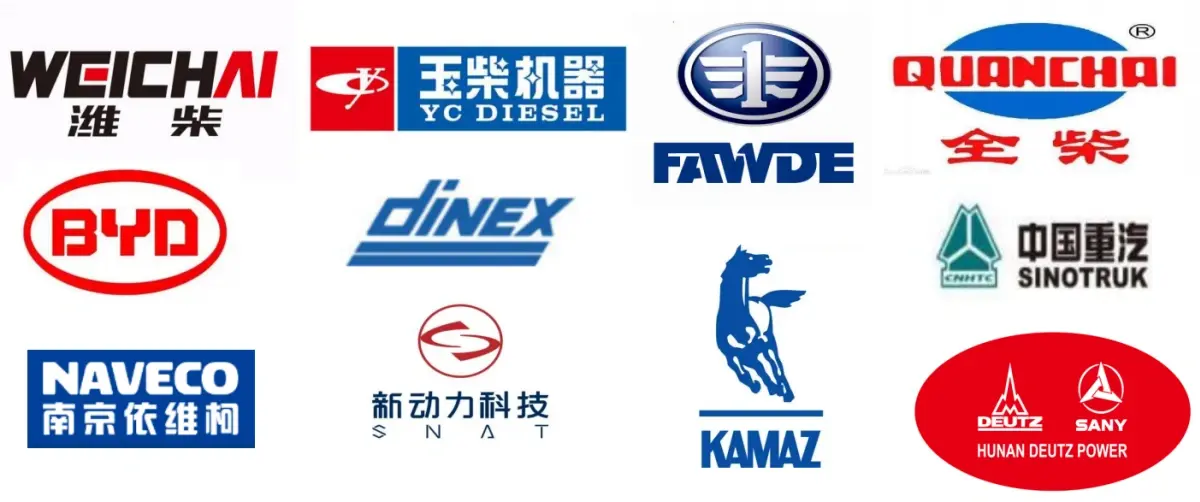
Qintai stands as China's leading urea pressure sensor manufacturer, delivering innovative SCR aftertreatment solutions to global automotive and industrial markets. Our 20+ years of expertise, combined with ISO9001 and IATF16949 certifications, ensures reliable sensor performance for emissions compliance applications. As the preferred supplier to Weichai Power, Yuchai Power, and Quanchai Power, we understand the demanding requirements of modern diesel engines and provide customized solutions that meet specific operational needs.
Our comprehensive product portfolio includes pressure sensors, temperature sensors, and complete SCR system components designed for heavy trucks, construction machinery, agricultural equipment, and generator sets. Contact our technical team at info@qt-sensor.com to discuss your specific requirements and discover how our advanced sensor technologies can optimize your emissions control systems while reducing operational costs.
References
1. Society of Automotive Engineers. "Diesel Exhaust Fluid Quality and SCR System Performance Standards." SAE International Technical Paper Series, 2023.
2. Environmental Protection Agency. "Heavy-Duty Engine and Vehicle Standards and Highway Diesel Fuel Sulfur Control Requirements." Federal Register Documentation, 2022.
3. International Organization for Standardization. "Road Vehicles - Environmental Conditions and Testing for Electrical and Electronic Equipment." ISO 16750 Standards Series, 2021.
4. Automotive Industry Research Institute. "Advanced Sensor Technologies in Diesel Aftertreatment Systems." Annual Technical Review, 2024.
5. European Commission. "Euro VI Emission Standards Implementation and Compliance Monitoring." Technical Regulation Handbook, 2023.
6. American Society for Testing and Materials. "Standard Test Methods for Diesel Exhaust Fluid Quality Assessment." ASTM D7714 Specification Guidelines, 2022.

Our customers’ satisfaction speaks for our quality — contact us to experience the same reliable service.