- English
- French
- German
- Portuguese
- Spanish
- Russian
- Japanese
- Korean
- Arabic
- Greek
- German
- Turkish
- Italian
- Danish
- Romanian
- Indonesian
- Czech
- Afrikaans
- Swedish
- Polish
- Basque
- Catalan
- Esperanto
- Hindi
- Lao
- Albanian
- Amharic
- Armenian
- Azerbaijani
- Belarusian
- Bengali
- Bosnian
- Bulgarian
- Cebuano
- Chichewa
- Corsican
- Croatian
- Dutch
- Estonian
- Filipino
- Finnish
- Frisian
- Galician
- Georgian
- Gujarati
- Haitian
- Hausa
- Hawaiian
- Hebrew
- Hmong
- Hungarian
- Icelandic
- Igbo
- Javanese
- Kannada
- Kazakh
- Khmer
- Kurdish
- Kyrgyz
- Latin
- Latvian
- Lithuanian
- Luxembou..
- Macedonian
- Malagasy
- Malay
- Malayalam
- Maltese
- Maori
- Marathi
- Mongolian
- Burmese
- Nepali
- Norwegian
- Pashto
- Persian
- Punjabi
- Serbian
- Sesotho
- Sinhala
- Slovak
- Slovenian
- Somali
- Samoan
- Scots Gaelic
- Shona
- Sindhi
- Sundanese
- Swahili
- Tajik
- Tamil
- Telugu
- Thai
- Ukrainian
- Urdu
- Uzbek
- Vietnamese
- Welsh
- Xhosa
- Yiddish
- Yoruba
- Zulu
What is a temperature transmitter used for?
Temperature transmitters are important tools for factories because they take data from temperature sensors and turn them into standard electrical outputs that can be used to track and control processes. Together with pressure and temperature transmitter systems, these gadgets offer complete measuring options for a wide range of industrial uses. Temperature sensors allow exact tracking of the temperature conditions in diesel engines, aftertreatment systems, and emission control equipment. This makes sure that heavy-duty vehicles and machines work at their best and follow all safety rules.
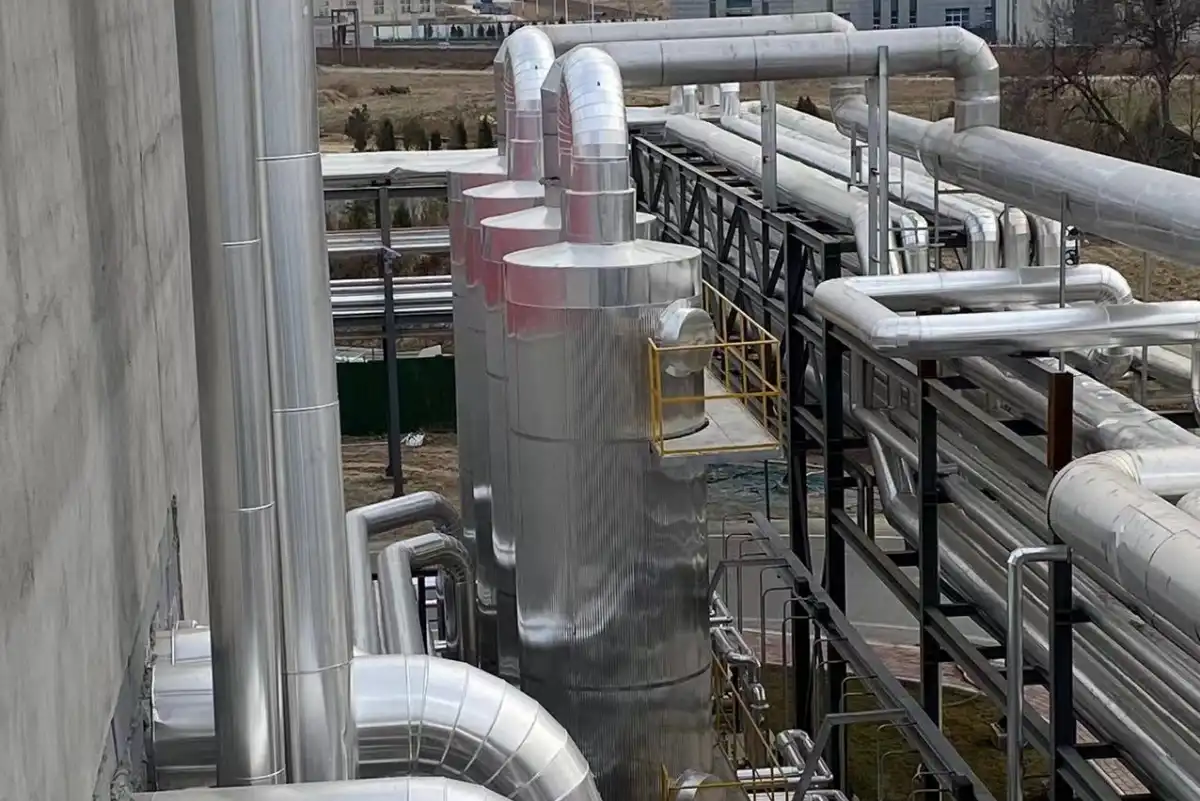
Comprehending Temperature Transmitters and Their Role in Industrial Applications
Temperature transmitters are very important in modern factories because they take raw temperature readings from sensors like thermocouples and RTDs and turn them into standard electrical signals like 4-20mA current outputs. These tools are very important for keeping processes safe, reliable, and running smoothly in many fields, such as power generation, building machines, and the auto industry.
Fundamental Working Principles
The thermoelectric effect and resistance temperature properties are what make temperature sensors work. When thermocouples sense changes in temperature, they send out weak electrical signs that are related to the changes in temperature. These signals are amplified by complex circuits in the emitter that include signal conditioning, linearization, and output conversion units. This process changes sensor outputs that change into signals that are uniform and standard across the industry. Automation systems can then use these signals correctly.
RTD-based temperature sensors work in a different way. They use the predictable changes in resistance that happen in metals like platinum when they are subject to changes in temperature. These gadgets have precise measurement circuits that can pick up on small changes in resistance and turn them into proportional electrical outputs. The signs that are made are very accurate and linear over a wide range of temperatures, which makes them perfect for use in important industry settings.
Benefits and Operational Advantages
Temperature sensors improve the dependability of a process by keeping an eye on temperatures continuously and accurately. This keeps equipment from breaking and makes sure the quality of the product. These instruments have better signal integrity than simple sensors because they have built-in amplifiers and noise filters that keep measurements accurate even in places with a lot of electrical noise. Because their outputs are all the same, they can be easily connected to current control systems and data acquisition tools.
Industrial temperature sensors are built to last, even in difficult situations like vibration, electromagnetic interference, and very high or very low temperatures. A lot of units have galvanic separation between the input and output circuits. This keeps measurement accuracy high while saving equipment further down the line from electrical problems. This dependability cuts down on repair costs and planned downtime in important uses.
Industrial Applications and Use Cases
Temperature sensors are used a lot in diesel engine systems to make sure that the combustion process works well and that emissions are controlled. These tools keep an eye on the temperatures of the exhaust gases in SCR aftertreatment systems. This lets the precise control of urea input for NOx reduction happen. Monitoring the temperature of the engine water keeps the engine from getting too hot and improves fuel economy and the life of its parts.
Temperature sensors keep an eye on the temperatures of hydraulic fluid, transmission systems, and engine compartments in building and farming equipment. Applications that use generator sets need to keep a close eye on the temperatures of the alternator windings, cooling systems, and the waste gas. With these measures, predictive repair plans can be made that keep expensive breakdowns from happening and make equipment last longer.
Core Principles and Specifications of Pressure and Temperature Transmitters
Knowing the technical details and how pressure and temperature transmitter systems work helps you make smart buying choices that combine performance needs with the limitations of the application. These measuring tools use different methods, but they all have the same output standards and fitting needs.
Operating Principles Comparison
Pressure receivers use different sensing technologies, such as piezoresistive, capacitive, and strain gauge principles, to turn real pressure into electrical messages. When put under mechanical stress, piezoresistive devices change their electrical resistance, sending signs that are proportional to the pressure that is being applied. Capacitive pressure sensors pick up changes in capacitance that show how much the diaphragm moves. They are very stable and accurate, making them perfect for demanding uses.
To find changes in temperature, temperature sensors use thermoelectric and resistance measurement methods. Thermocouple-based units use the Seebeck effect to send voltage messages when different metals experience changes in temperature. RTD receivers measure changes in the resistance of platinum or other metals. They are more accurate and stable than other methods, making them ideal for precise tasks that need to keep temperatures under tight control.
Key Technical Specifications
Accuracy requirements describe how accurate a measurement is under standard conditions. They are usually given as a percentage of the span or in absolute units. Temperature sensors in industry usually get within ±0.1% to ±0.5% of their span, and pressure units can get within ±0.075% to ±0.25%, based on the technology used for sensing and the standards used for calibration. These requirements have a direct effect on the level of process control and the ability to meet legal requirements.
How quickly receivers notice and report changes in measurements depends on their response time traits. Fast reaction lets process changes happen quickly and safety systems be activated when something goes wrong. Temperature receivers usually have response times between 1 and 10 seconds, but this depends on the size and shape of the sensor. Pressure units, on the other hand, answer very quickly because they use mechanical sensing.
Measurement range freedom lets single emitter models meet the needs of a wide range of applications by changing how they are set up in the field. Wide-range capability cuts down on inventory needs and gives installers more options for how to set up their systems. Environmental limits are set by operating temperature ranges. For example, industrial units are usually rated to work in temperatures ranging from -40°C to +85°C and still keep their accuracy.
Transmitter Types and Selection Criteria
Two-wire transmitters get their power from the same lines that carry measurement data. This makes placement easier in dangerous places and lowers the cost of wiring. These units work great for simple tracking tasks that don't need local display or advanced analysis. Four-wire receivers have different connections for power and data, which lets them have extra features like local displays, multiple outputs, and more advanced troubleshooting tools.
Digital communication methods like HART, Modbus, or Foundation Fieldbus are built into smart receivers. This lets you set them up, calibrate them, and check for problems from afar. Through predictive maintenance methods, these features lower the cost of upkeep and raise the stability of the system. For basic measurement tasks that don't need digital contact, traditional analog transmitters are easy to use and effective.
How to Select and Install Temperature and Pressure Transmitters for Optimal Performance?
To choose the right emitter, you need to carefully think about the needs of the application, the surroundings, and the limitations of the integration. The right way to put something makes sure that the measurements are correct, that it lasts as long as possible, and that it doesn't need much upkeep.
Selection Criteria and Environmental Considerations
The first step in evaluating process compatibility is to list measurement ranges, precision standards, and response time requirements. When measuring temperature, you need to choose between thermocouples and RTDs. Thermocouples work over a wide range of temperatures, while RTDs are more accurate. When using Pressure and Temperature transmitter, you need to think about the range of pressures, suitability with media, and the need for overpressure safety.
The environment has a big effect on the choice of emitter and how well it works. When shocks and constant vibrations happen in mobile equipment, vibration protection is very important. When working near radio frequency sources and high-power electrical tools, electromagnetic compatibility makes sure that everything works correctly. In situations where temperatures change a lot, the ability to "cycle" between temperatures stops measuring drift and component degradation.
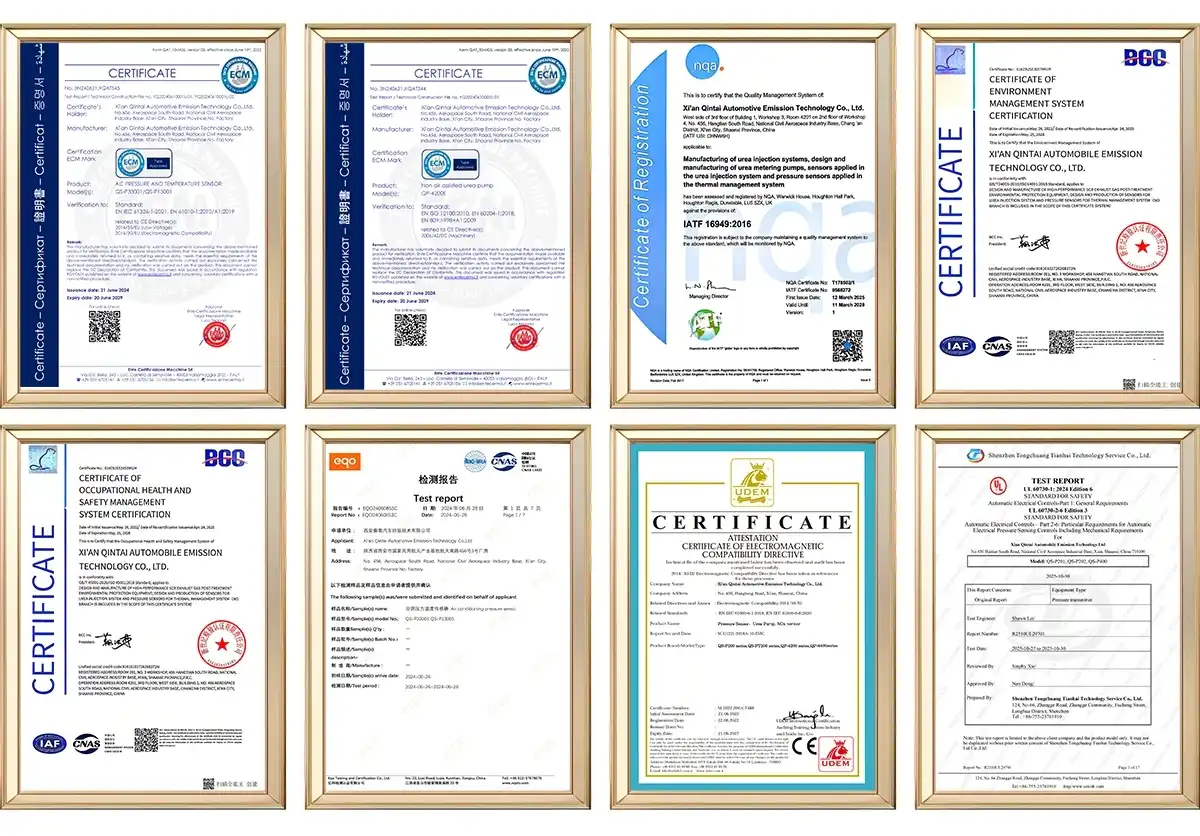
Certification needs vary by application and location, with sites in dangerous areas needing explosion-proof grades. Quality ratings like ISO 9001 and car standards like IATF 16949 make sure that the products are always made the same way and are reliable. To follow the rules about emissions, some types of cars and off-road tools may need special licenses.
Installation Process and Best Practices
Choosing the right place to put the transmitters protects them from mechanical damage and harsh weather conditions while ensuring accurate measurements. Temperature monitors need to be in good thermal touch with the thing they are measuring and should not be placed in places that could be damaged by thermal shock or excessive vibration. For pressure sensors to work, the impulse line design needs to keep the line from condensing, freezing, and clogging up with debris.
When installing electricity, it's important to use the right grounding, wire routing, and termination methods to keep the signal pure and reduce noise disturbance. Power and data lines should be routed separately to avoid electromagnetic interference and keep safety clearances. When choosing the right wire for a mobile application, it's important to think about its temperature grade, chemical protection, and flexibility needs.
Calibration methods check the precision of measurements and set the standard for performance. Multi-point calibration over the whole measurement range makes sure that the results are straight and finds any problems with the sensor or the way it was installed. Keeping records of testing results helps with quality management system standards and makes it possible to track down results.
Troubleshooting and Maintenance Guidelines
Common installation problems include placing sensors incorrectly, not insulating them well enough, and electrical interference from nearby devices. Systematic fixing methods make it easier to find the root causes of problems and quickly fix them. By keeping an eye on performance on a regular basis, you can spot slow losses before they get out of hand and mess up process control or product quality.
Checking the calibration, inspecting the connections, and assessing the environmental safety should all be part of preventative maintenance plans. Cleaning methods get rid of contaminants that could change the accuracy of measurements, and eye inspection finds possible failure modes. To keep downtime to a minimum during fixes, spare parts should include important parts that take a long time to get.
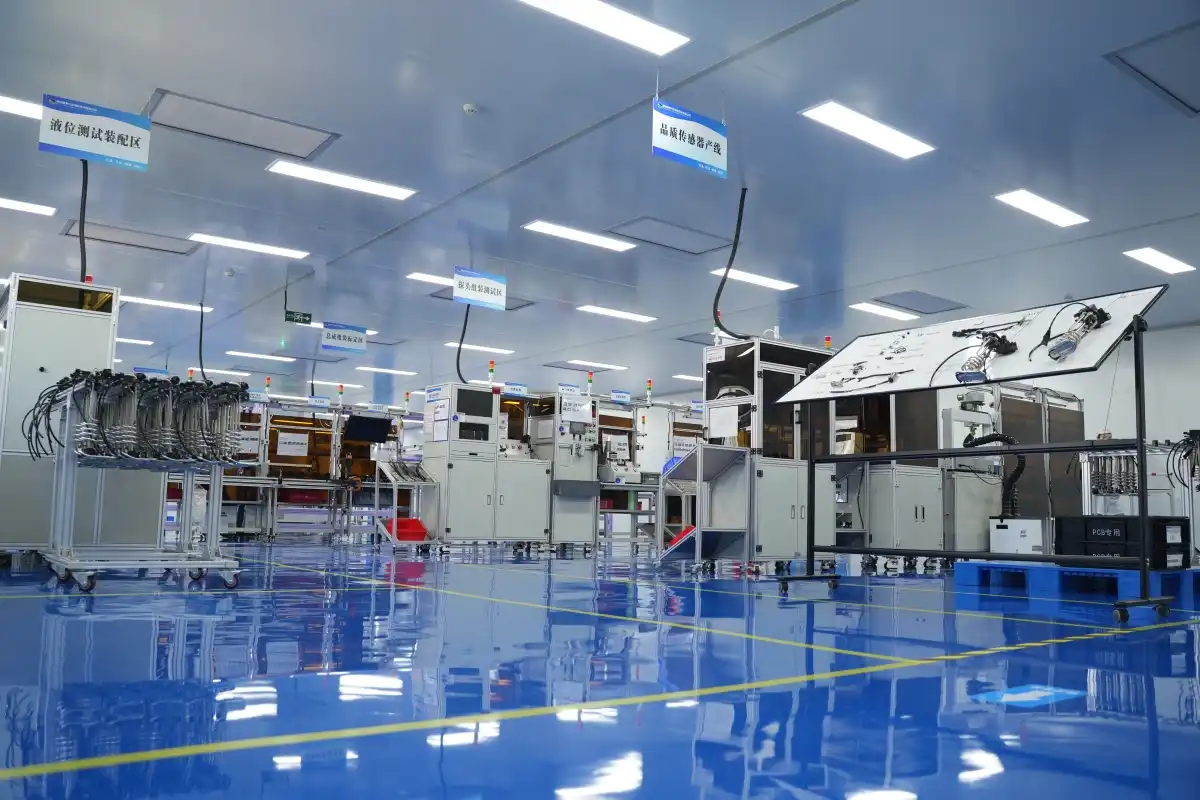
Top Pressure and Temperature Transmitters in 2026: Market Comparison and Procurement Advice
There are a number of well-known companies in the industrial radio market that offer a wide range of products that can be used in a variety of situations. Knowing where a product fits in the market and what it can do helps you make smart purchasing choices that balance cost and performance.
Leading Brand Analysis
Yokogawa makes high-quality temperature, pressure, and pressure and temperature transmitter solutions that are known for being very accurate and stable over time. Their EJX line pressure transmitters use cutting edge silicon resonance sensor technology that works really well in tough situations. Temperature transmitters come in both wired and wireless types, and all of them can do a wide range of monitoring tasks.
Siemens offers complete measurement options that work with their automation portfolio. This makes system integration easy for setups with a lot of moving parts. Their SITRANS line has sensors for both pressure and temperature, and all of them have the same user interfaces and setup tools. Predictive repair plans that lower running costs are made possible by advanced diagnostic features.
Emerson's Rosemount name is the leader in many industrial areas thanks to its long history of dependability and wide range of uses. Their line of temperature transmitters includes types that are designed to work in specific fields, such as oil and gas, chemical processing, and power generation. Different sensor technologies are used in pressure transmitters so that they can meet the needs of a wide range of applications.
Wireless vs. Wired Solution Comparison
Wireless emitter technology gets rid of the costs of installing signal wires and lets measurements be taken in places that couldn't be reached before. When thinking about battery life, it's important to carefully consider transfer frequency, environmental conditions, and how easy it is to do upkeep. When permanent wiring isn't an option, wireless options are the best way to go for retrofitting and temporary monitoring setups.
For safety systems and quick control loops, wired transmitters are important because they provide constant power and reliable contact timing. The cost of installation includes work for routing cables and terminating them, which can be quite high in big buildings or with mobile equipment. Some benefits of reliability are not being affected by radio frequency radiation and always having power.
Cost-Performance Optimization Strategies
The initial buy price, installation costs, calibration needs, and projected service life are all part of the total cost of ownership analysis. The higher starting cost of premium transmitters is usually justified by better accuracy, less upkeep, and longer service intervals. Because they have better feature sets, application-specific models may be cheaper than general-purpose units.
Buying in bulk can lower the cost per unit while making sure that the specs are the same for all setups. Standardizing on fewer transmitter types makes it easier to keep track of supplies and train staff. Long-term deals with suppliers may help keep prices stable and give you priority help when there aren't enough supplies.
When buying in bulk, you should think about things like wait times, the cost of keeping goods, and how quickly technology changes. Staged buying strategies keep aging risks to a minimum while balancing current needs with those that will come up in the future. The ability of the supplier to manufacture, the level of professional help, and their financial stability should all be taken into account.
Building Trust: Why Partner with Reputable Pressure and Temperature Transmitter Suppliers?
The quality of the products, the availability of expert help, and the dependability of the service all have a big effect on the long-term success of a project. Established providers offer a wide range of services, from providing basic products to application building and ongoing support.
Quality Assurance and Certification Standards
Manufacturing quality systems make sure that all production batches of a product work the same way and follow the rules. Getting ISO 9001 certification shows that you follow the rules for quality management, and IATF 16949 and other vehicle standards cover unique needs for mobile equipment. Environmental approvals, such as RoHS and REACH compliance, make sure that products can be sold all over the world.
Product approvals from well-known testing labs provide independent confirmation of claims about safety and performance. Explosion-proof approvals let you use it in dangerous places while still following the rules in that area. Traceability of calibration to national standards helps quality audit requirements and makes sure that measurements are accurate.
Third-party validation through industry licenses and customer reviews shows that a company can do what they say they can do. Long-term customer connections mean that the level of service and performance has stayed high across various product generations. Awards and mentions in technical publications show that engineers have done great work and come up with new ideas.
Technical Support and Service Capabilities
Full technical support includes help with application building, help choosing products, and knowledge of how to fix problems. Local help cuts down on reaction times and makes sure that operations across borders are compatible in terms of language and culture. Training programs make sure that the right way to install, use, and maintain a product is done so that it works at its best.
Customization features let you make changes to a product that meet the needs of a particular application without affecting its performance or dependability. Engineering support includes designing interfaces, finding ways to place things, and helping with the integration of complicated systems. Making prototypes speeds up the project timeline and lets you test design ideas before committing to production.
After-sales service includes repair services, insurance support, and update programs that keep up with the latest technology and make products last longer. Rapid reaction skills cut down on downtime during major system breakdowns. Service paperwork and fix reporting make things clear and help with efforts to keep getting better.
Partnership Benefits and Long-term Value
Strategic relationships with qualified pressure and temperature transmitter suppliers give you access to cutting-edge technologies and give you better help when the market is slow. Through joint development programs, custom solutions can be made that give businesses an edge in certain market areas. Sharing technology roadmaps makes sure that new products and system changes will work with older ones.
Collaboration in the supply chain makes it easier to keep track of goods by letting people predict demand and making transport and consignment arrangements that are more flexible. Quality relationship programs might include checks of suppliers, tracking of performance, and efforts to keep getting better. Strategies for lowering risk take into account things like supply problems, old technology, and market instability.
Conclusion
Temperature transmitters are very important in modern industry because they turn sensor data into standard outputs that can be used to track and control processes. With these tools and full pressure and temperature transmitter systems, diesel engines, aftertreatment systems, and pollution control equipment can precisely control temperature. To have a successful implementation, you need to carefully choose the right products based on the needs of the application, follow the right installation steps, and work with qualified providers who can provide ongoing expert support and service. Investing in quality measurement tools pays off by making processes more efficient, making sure they follow the rules, and making sure the tools work reliably in a wide range of industry settings.

SENSOR+TEST, June 9 – 11, 2026
We look forward to your visit!
Get your free ticket online now:
https://www.sensor-test.de/service/ticket/?52790
FAQQ1: What is the difference between temperature transmitters and temperature sensors?
A: Temperature monitors make electrical signals that are directly related to changes in temperature. Transmitters boost and adjust these signals to make standard outputs like 4-20mA. Sensors don't have the extra electronics that transmitters do for data processing, linearization, and electrical isolation. This filtering makes it possible to send signals over long distances and connect them to industrial control systems.
Q2: How often should temperature transmitters be calibrated?
A: How often you need to calibrate depends on how important the application is, how accurate you need it to be, and the working conditions. Most industrial uses need to check the accuracy once a year, but important processes may need checks every three or six months. Extreme temperatures, vibrations, or chemical contact may mean that the device needs to be calibrated more often in harsh settings to keep its accuracy.
Q3: Can wireless temperature transmitters match the accuracy of wired units?
A: Thanks to improvements in signal processing and digital transmission methods, modern wireless temperature transmitters are just as accurate as wired ones. Power control and transmission timing, not measurement accuracy, are the main variables. In cellular applications, however, sampling rates and broadcast frequencies may be changed to save battery life.
Q4: What factors affect temperature transmitter response time?
A: Response time is affected by the weight of the sensor, how well it conducts heat, how it is installed, and the conditions of the process. Large sensors with thermal walls take longer to answer than small sensors with good thermal contact. Installing a thermowell speeds up reaction time and protects against mechanical damage. The dynamic reaction features are also affected by the speed of the process flow and the thermal properties of the media.
Q5: How do I select between RTD and thermocouple temperature transmitters?
A: RTD sensors are more accurate and stable over modest temperature ranges, usually below 600°C. Thermocouples can handle higher temperatures and respond faster, but they need to be compensated for cold junctions and cables need to be managed carefully. For basic tasks, thermocouples are better because they are cheaper, but RTDs are better because they are more accurate.
Partner with Qintai for Superior Pressure and Temperature Transmitter Solutions
Qintai is the biggest pressure and temperature transmitter maker in China. It provides quality products to diesel engine OEMs and aftertreatment system developers around the world that are ISO 9001 and IATF 16949 approved. Our wide range of sensors includes pressure transmitters specifically made for SCR systems, DPF tracking, and emission control uses that have to meet strict government standards. With more than 20 years of engineering experience and 58 idea patents, we offer unique measurement solutions that improve performance and make sure they will last for a long time. Email our expert team at info@qt-sensor.com to talk about your unique needs and find out how our cutting-edge sensor technology can help your business.
References
1. Smith, J.M., "Industrial Temperature Measurement: Principles and Applications," Process Instrumentation Journal, 2023.
2. Anderson, R.K., "Pressure and Temperature Transmitter Selection Guide for Automotive Applications," Automotive Engineering Review, 2024.
3. Chen, L., "Advanced Signal Processing in Modern Temperature Transmitters," Industrial Automation Quarterly, 2023.
4. Williams, D.B., "Emission Control System Instrumentation: Best Practices and Standards," Environmental Technology Review, 2024.
5. Thompson, M.J., "Wireless vs. Wired Transmitter Technologies: Performance Comparison Study," Control Engineering Magazine, 2023.
6. Rodriguez, C.A., "Quality Standards and Certification Requirements for Industrial Transmitters," Measurement Science International, 2024.
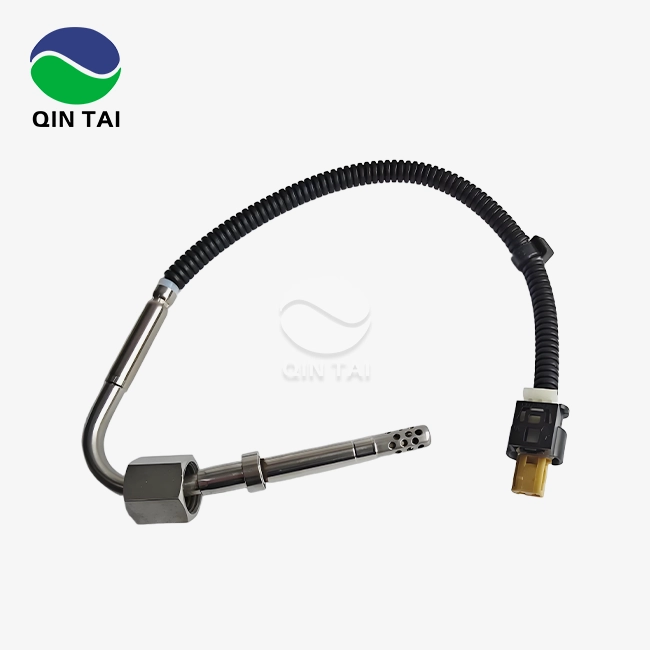

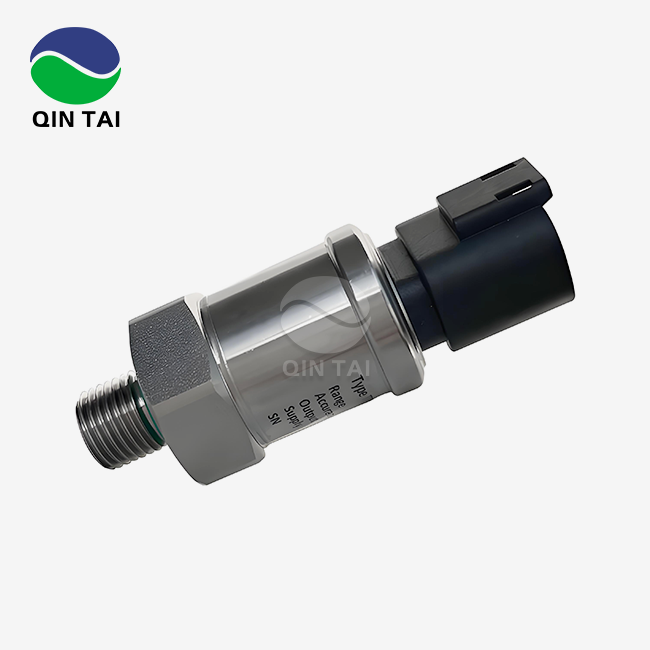

Our customers’ satisfaction speaks for our quality — contact us to experience the same reliable service.