- English
- French
- German
- Portuguese
- Spanish
- Russian
- Japanese
- Korean
- Arabic
- Greek
- German
- Turkish
- Italian
- Danish
- Romanian
- Indonesian
- Czech
- Afrikaans
- Swedish
- Polish
- Basque
- Catalan
- Esperanto
- Hindi
- Lao
- Albanian
- Amharic
- Armenian
- Azerbaijani
- Belarusian
- Bengali
- Bosnian
- Bulgarian
- Cebuano
- Chichewa
- Corsican
- Croatian
- Dutch
- Estonian
- Filipino
- Finnish
- Frisian
- Galician
- Georgian
- Gujarati
- Haitian
- Hausa
- Hawaiian
- Hebrew
- Hmong
- Hungarian
- Icelandic
- Igbo
- Javanese
- Kannada
- Kazakh
- Khmer
- Kurdish
- Kyrgyz
- Latin
- Latvian
- Lithuanian
- Luxembou..
- Macedonian
- Malagasy
- Malay
- Malayalam
- Maltese
- Maori
- Marathi
- Mongolian
- Burmese
- Nepali
- Norwegian
- Pashto
- Persian
- Punjabi
- Serbian
- Sesotho
- Sinhala
- Slovak
- Slovenian
- Somali
- Samoan
- Scots Gaelic
- Shona
- Sindhi
- Sundanese
- Swahili
- Tajik
- Tamil
- Telugu
- Thai
- Ukrainian
- Urdu
- Uzbek
- Vietnamese
- Welsh
- Xhosa
- Yiddish
- Yoruba
- Zulu
What causes urea dosing pressure sensor failures across SCR systems?
Urea dosing pressure sensor failures are among the most common causes of SCR system breakdowns in diesel engines. These sensors monitor AdBlue injection pressure in real time, feeding data directly to the engine control unit. When a urea dosing pressure sensor fails, the dosing control unit loses accurate pressure feedback, triggering fault codes, improper NOx reduction, and in severe cases, limp mode. Understanding why these failures happen — and how to prevent them — is critical for OEM engineers, fleet operators, and aftertreatment system integrators who depend on consistent emissions compliance.

Understanding Urea Dosing Pressure Sensors and Their Role in SCR Systems
What These Sensors Actually Do
A urea dosing pressure sensor, which is sometimes called an AdBlue pressure sensor, checks the hydraulic pressure of the urea solution as it flows through the dosing module. It gives constant analog signals to the dose control unit, which uses real-time pressure data to change the amount of fluid that is injected. This closed-loop feedback is what makes NOx reduction work even when engine loads and exhaust temperatures change.
How They Integrate With Engine Management
These sensors are connected to other parts of the SCR system, like the dose pump, spray nozzle, and ECU. The pressure data from the sensor have a direct effect on the amount and time of the injection. Any change in the signal, even a small drift, can make the ECU figure out dose rates incorrectly, which can cause either too much or too little injection or a system shutdown.
Key Performance Parameters That Matter
A good AdBlue pressure sensor has three qualities: it is accurate, it can handle changes in temperature, and it keeps the signal stable. EPA Tier 4 Final and Euro VI standards say that SCR systems must keep reducing NOx by more than 90%. That performance goal depends on precise delivery of urea, which depends on the sensor working as it should.
Common Causes of Urea Dosing Pressure Sensor Failures
Failures of sensors almost never happen without warning, and most of them can be traced back to a few clear causes. Getting to know them helps buying teams make better choices about where to buy things right from the start.
Urea Crystallization and Internal Contamination
AdBlue is a solution of 32.5% urea in water. When it stays still or gets too hot inside the sensor chamber, it crystallizes and blocks the flow paths inside. This pollution changes pressure values or stops the sensing diaphragm from working at all. This risk is greatly reduced by sensors that are made with minimal dead-volume internal geometry. This is a design feature that you should check out before you buy.
Diaphragm Fatigue and Mechanical Stress
Diesel engines always make vibrations. This mechanical stress wears down the sensing diaphragm of the urea dosing pressure sensor over time, creating tiny cracks that let urea move into the sensing element. When AdBlue freezes at -11°C (12°F) and then thaws, its volume grows by about 9%. This means that a diaphragm that isn't flexible enough will crack or bend, sending out signals that aren't consistent.
Electrical Degradation and Wiring Faults
Signal dropout or offset mistakes can happen because of corrosion at connector connections, chafed wire cables, or electromagnetic interference from parts close by. Most of the time, oxidized connector pins or damaged shielding are to blame for fault code P204B (Urea Pressure Sensor Circuit Range/Performance). In these situations, sensors with gold-plated terminals and high EMC resistance work a lot better.
Installation Errors and Compatibility Mismatches
If the thread pitch is wrong, like M10x1 instead of the required M12x1.5, there is a chance that the mechanical seal will fail and the signals will not work together. Input data must exactly match the tuning of the ECU. A sensor that sends a 0.5–4.5 VDC ratiometric signal can't be used instead of a SENT-protocol sensor until it is re-calibrated. These mistakes are often not seen until the system records a fault or a physical leak appears.
Symptoms and Early Warning Signs of Sensor Failures
Diagnostic Fault Codes to Watch
When the ECU finds problems with the pressure data, it saves certain diagnostic trouble codes (DTCs). Some common codes are P204B, P20E8, and alerts for the SCR system. These codes mean that the signal is out of range, there is a problem with the circuit, or the pressure readings don't make sense. All of these things point to sensor wear and tear before a full failure.
Operational Performance Signals
Besides fault codes, keep an eye out for higher NOx levels in the exhaust, power that is unstable or surges, and DEF use that is higher than usual. Based on these signs, it looks like the dose system is using wrong pressure data. If the problem isn't fixed, the ECU might stop AdBlue injection completely to protect system parts, which would mean the car wouldn't meet emissions standards.
Impact on Engine Operation
When the sensor stops working completely, cars often go into limp mode, which is a low-power state set off by the ECU as a safety measure. In commercial trucking or heavy construction, limp mode means lost time and money because the truck can't do its job. Early sensor repair is much cheaper than having to shut down without warning, which would have a big impact on operations.

Mitigating Risks and Prolonging Sensor Life — Best Practices for Maintenance and Calibration
Scheduled Cleaning and System Flushing
Over time, urea builds up in the urea dosing pressure sensor cells and dose lines. A regular flushing protocol, usually at the end of each major service interval or based on what the OEM diagnostics say, gets rid of deposits before they harden and cause blockages. This practice alone makes sensor service life much longer and lowers the number of false trouble codes that happen.
Calibration and Signal Verification
Calibration should be done once a year or whenever the sensor is changed. Technicians use troubleshooting tools made by the OEM to make sure that the output voltage matches the known pressure sources correctly. Signal drift above ±1% of the full scale means the sensor needs to be replaced instead of just being re-calibrated.
Selecting the Right Sensor From the Start
Picking a sensor that was made for the working area is the best way to keep it in good shape. Sensors with an IP69K grade for ingress protection, a working range of -40°C to +125°C, and internal structures that can't freeze or thaw easily just fail less often. Integrating telematics lets fleet managers keep an eye on data about pressure trends and plan replacements ahead of time, before they break down in the field.
How to Choose Reliable Urea Dosing Pressure Sensors — Procurement Insights and the Qintai QS-P226
Procurement engineers should look at more than just unit price when choosing AdBlue pressure sensor suppliers. When you look at the total cost of ownership, which includes warranty coverage, field failure rates, OEM certifications, and the reliability of the supply chain, you can get a fuller picture.
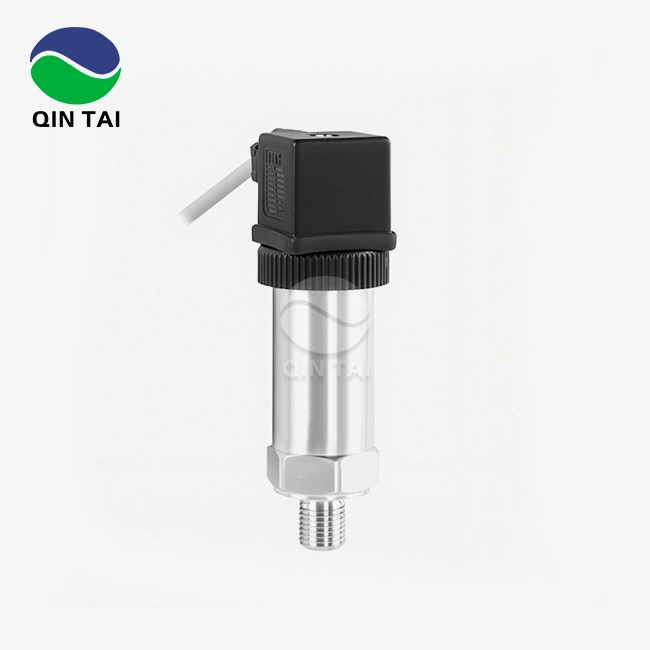
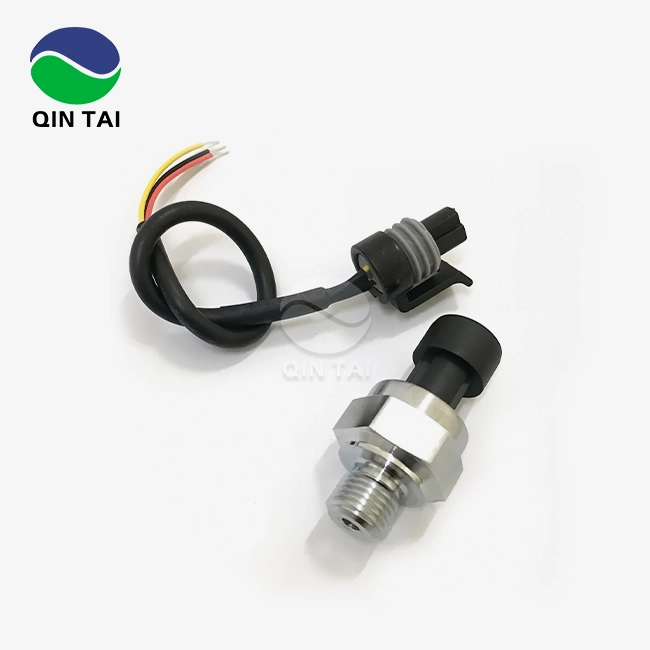
Qintai made the QS-P226 urea dosing pressure sensor on their own, and it was made for heavy-duty gasoline uses. Here are some of the most important technical details about this device:
- Measurement Range: -14 psi to +130.5 psi
- Signal Output: 0.5–4.5 VDC ratiometric
- Supply Voltage: 5V
- Accuracy: ±0.5% full scale
- Measuring Medium: Urea (AdBlue)
- Warranty: 12 months, 100% tested before shipment
With these specs, the QS-P226 is a high-precision choice for heavy trucks, construction, farming, and generator sets, both as an OEM integration and an aftermarket replacement.
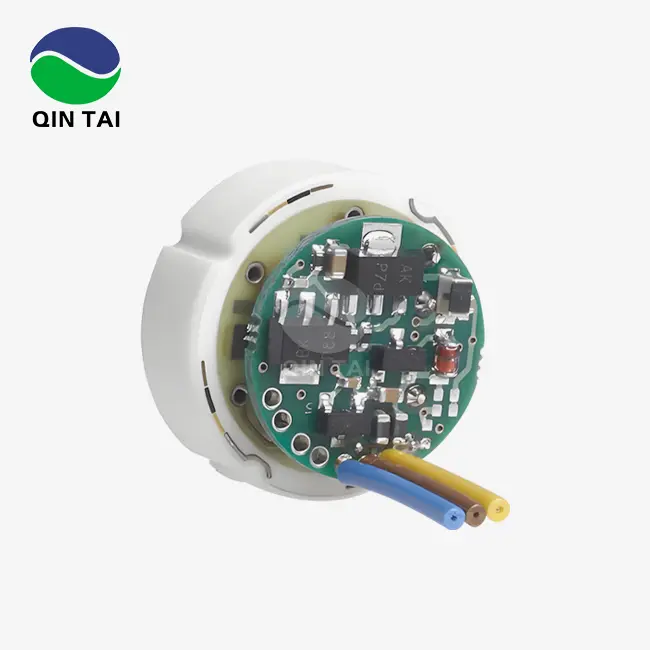
Making the sensor core in-house by Qintai is what makes the QS-P226 unique. Since Qintai makes its own sense element instead of buying it from outside sources, the company has full control over both quality and supply chain stability, which are very important in mass production settings. Due to its sealed design, the sensor is resistant to water, dust, and chemicals, so it stays stable in harsh field circumstances. Monitoring pressure in real time through its analog output gives the SCR control unit instant feedback for accurate dosing corrections. This directly improves fuel efficiency and lowers the demand for passive regeneration.
Qintai is certified by ISO9001 and IATF16949, and it has applied for 58 idea patents for systems that treat diesel engines after they are made. Qintai has more than two million sensors that it can make every year and sells to OEM customers all over the world. It has core supply partnerships with Weichai Power, Yuchai Power, and Quanchai Power and has the largest market share in China for this type of product.
These advantages in manufacturing translate into advantages in purchasing: consistent part quality across high-volume orders, shorter lead times, and technical support from an R&D team of 86 people.

Conclusion
In SCR systems, urea dosing pressure sensor problems rarely have a single cause. Crystallization, diaphragm wear, electrical degradation, and fitting mistakes are all factors that play a role, and in real life, they often interact with each other. The easiest way to lower the number of failures is to choose a sensor that is made of the right materials, gives accurate readings, and has been tested and shown to last in the field. When OEM engineers and procurement managers are looking for a lot of sensors, the track record of the manufacturer and the consistency of production are just as important as the technical specs.
FAQ
How does the QS-P226 handle AdBlue crystallization?
The internal flow path uses a dead-volume minimization design, which prevents urea from stagnating near the diaphragm. This reduces the risk of crystalline deposits fouling the sensing element during normal operation or after shutdown periods.
What does fault code P204B indicate?
P204B typically signals a circuit range or performance issue with the pressure sensor. Common causes include corroded connector pins, wiring damage, or sensor aging. Sensors with gold-plated terminals significantly reduce this failure mode.
Can this sensor work across different SCR platforms?
Physical thread compatibility and signal output must both match the target ECU calibration. The QS-P226 produces a 0.5–4.5 VDC ratiometric signal, which is widely supported. Confirm ECU specifications before installation on a non-standard platform.
Is the sensor resistant to freezing AdBlue expansion?
Yes. The QS-P226 incorporates internal structural flexibility that accommodates the approximately 9% volume expansion of frozen urea, preventing diaphragm damage during cold-start or winter storage cycles.
What is the expected service life?
Under standard commercial operating conditions, Qintai's urea pressure sensors are engineered for a minimum of 15,000 to 20,000 operating hours.
Partner With Qintai for Dependable Urea Dosing Pressure Sensor Supply
How well your SCR system works depends on how well all the parts in the feeding loop work together. The QS-P226 urea dose pressure sensor from Qintai has been fully tested by the company, is OEM-certified, and is backed by a global supply chain that can handle more than two million pieces per year. Qintai makes urea dosing pressure sensors that are trusted by major diesel OEMs in more than 60 countries. They come in both standard and custom configurations. To get specs, samples, or a quote for a large order, please email our technical team at info@qt-sensor.com or visit our website at qt-sensor.com.
References
1. SAE International Journal of Engines — "Performance and Durability of Urea-SCR Systems for Heavy-Duty Diesel Engines," SAE International, 2019.
2. Emissions Engineering — "Diagnosing SCR System Faults: Sensor-Level Analysis and Field Data," Emissions Engineering, 2021.
3. Journal of Aerosol Science — "AdBlue Crystallization Mechanisms in Diesel Aftertreatment Dosing Systems," Elsevier, 2020.
4. Sensors and Actuators A: Physical — "Piezoresistive MEMS Pressure Sensors in Corrosive Media Applications," Elsevier, 2018.
5. Heavy Duty Trucking Magazine — "SCR System Reliability: What Fleet Managers Need to Know About DEF Sensor Failures," HDT Media, 2022.
6. International Journal of Engine Research — "Euro VI Aftertreatment System Integration: Sensor Accuracy and NOx Compliance," SAGE Publications, 2020.

Our customers’ satisfaction speaks for our quality — contact us to experience the same reliable service.