- English
- French
- German
- Portuguese
- Spanish
- Russian
- Japanese
- Korean
- Arabic
- Greek
- German
- Turkish
- Italian
- Danish
- Romanian
- Indonesian
- Czech
- Afrikaans
- Swedish
- Polish
- Basque
- Catalan
- Esperanto
- Hindi
- Lao
- Albanian
- Amharic
- Armenian
- Azerbaijani
- Belarusian
- Bengali
- Bosnian
- Bulgarian
- Cebuano
- Chichewa
- Corsican
- Croatian
- Dutch
- Estonian
- Filipino
- Finnish
- Frisian
- Galician
- Georgian
- Gujarati
- Haitian
- Hausa
- Hawaiian
- Hebrew
- Hmong
- Hungarian
- Icelandic
- Igbo
- Javanese
- Kannada
- Kazakh
- Khmer
- Kurdish
- Kyrgyz
- Latin
- Latvian
- Lithuanian
- Luxembou..
- Macedonian
- Malagasy
- Malay
- Malayalam
- Maltese
- Maori
- Marathi
- Mongolian
- Burmese
- Nepali
- Norwegian
- Pashto
- Persian
- Punjabi
- Serbian
- Sesotho
- Sinhala
- Slovak
- Slovenian
- Somali
- Samoan
- Scots Gaelic
- Shona
- Sindhi
- Sundanese
- Swahili
- Tajik
- Tamil
- Telugu
- Thai
- Ukrainian
- Urdu
- Uzbek
- Vietnamese
- Welsh
- Xhosa
- Yiddish
- Yoruba
- Zulu
What Certifications Should a Pressure Transmitter Supplier Need Most?
When evaluating potential partners for industrial sensing components, a Pressure Transmitter Supplier must demonstrate compliance with internationally recognized certification standards. These credentials are not bureaucratic formalities—they represent tangible evidence of manufacturing excellence, safety protocols, and regulatory alignment. Quality certifications directly influence product reliability, legal compliance, and operational safety across applications ranging from diesel engine emission systems to industrial process control. Without verified certifications, procurement teams face elevated risks including equipment failure, regulatory penalties, and compromised workplace safety. This article explores the essential certifications that distinguish credible suppliers from inadequate ones, helping technical managers and purchasing professionals make confident sourcing decisions.

Understanding the Role of Certifications in Pressure Transmitter Supply
Independent verifications that a company regularly meets quality standards and technical requirements are what supplier certifications do. When looking for pressure sensors for important uses like SCR aftertreatment systems or hydraulic control circuits, certifications give you proof that the goods will work as promised even in the most difficult situations.
Why Certifications Matter in Industrial Procurement?
Certification programs set uniform standards for how to evaluate products all along the world's supply lines. ISO certifications prove that quality management is followed, and safety-focused certifications like ATEX prove that equipment can work safely in dangerous environments. Industry study released in the Journal of Quality in Maintenance Engineering in 2021 says that field breakdowns are 40% less common with certified suppliers than with non-certified suppliers. This has a direct effect on the total cost of ownership.
Common Certification Categories
Various certifications cover various aspects of a product's reliability. Quality management methods, such as ISO 9001, make sure that the way things are made is always the same. Automotive-specific IATF 16949 certification governs suppliers that work with automakers, making sure that protocols for defect prevention and traceability are followed. RoHS and other environmental compliance certifications limit dangerous substances, while SIL and other functional safety standards help reduce risks in process industries. Knowing about these groups helps buying teams match the skills of suppliers with the needs of applications.
Regulatory Alignment and Market Access
Certifications are often needed to get into a market. Pressure transmitters must be marked with CE before they can be sold in the European Economic Area. On the other hand, UL approval makes them easier to use in North American sites. Diesel engine makers that want to comply with China VI or Euro VI must show that their suppliers can work with emission control architectures by testing and certifying their products.
Key Certifications Every Pressure Transmitter Supplier Should Possess
Pressure sensor makers who can be trusted keep a collection of related certifications that show their full dedication to quality and safety. The exact combinations depend on the target market and the type of product, but certain qualifications are now expected by the industry as a whole.
ISO 9001 Quality Management
As part of ISO 9001, basic quality management principles are set for a Pressure Transmitter Supplier, such as the need to record processes, follow corrective action steps, and find ways to keep improving. This certification makes sure that suppliers use planned methods to stop defects instead of reactive inspections for quality control. Manufacturers with this certificate show the organisational discipline needed for consistent mass production, which is a key requirement for OEM partnerships with companies that make heavy-duty engines and building equipment.
IATF 16949 Automotive Quality Standards
The International Automotive Task Force standard adds to ISO 9001 by requiring methods for approving production parts, analysing measurement systems, and failure mode effects analysis (FMEA). This certification is needed for suppliers who work with commercial vehicle markets to be approved as vendors. IATF 16949 talks about supply chain management, configuration control, and lowering warranties. These are all things that aftermarket parts suppliers and OEM buying managers who are looking at the possibility of a long-term relationship can use.
ATEX and IECEx Explosion Protection
Explosion protection certification is needed for pressure transmitters that are put in places with flammable gases, vapours, or dust that can catch fire. The ATEX regulation (94/9/EC) controls markets in Europe, and IECEx makes sure that all equipment used in dangerous places is the same across the world. To get these approvals, electrical parts have to pass strict tests that make sure sparks, hot surfaces, and electrostatic discharge can't start explosions. According to the ATEX Equipment Directive rules (European Commission, 2016), companies that make generator sets and sell mining equipment need these qualifications. To make sure the whole system is safe, devices must be used with naturally safe boundaries.
CE Marking and Regional Compliance
When something has a CE mark on it, it means that it meets European safety, health, and environmental protection laws. This declaration lets goods move freely within EU markets and has become a standard for product safety around the world. For the marking process to work, there needs to be scientific proof that it follows all the rules, such as those about electromagnetic compatibility and the safety of low voltage equipment.
RoHS and Environmental Standards
The Restriction of Hazardous Substances (RoHS) directives say that electrical parts can't contain lead, mercury, cadmium, or other harmful substances. RoHS compliance is no longer a badge that is optional because it has spread around the world beyond the original EU law. Companies that make environmental protection tools carefully check the materials they use to make sure they are compatible with green building certifications and their own sustainability goals.
CMC and National Standards
China Metrology Certification (CMC) checks the accuracy of measurements against national standards. This is especially important for sellers that work with Chinese OEMs or sell goods in Asia that are controlled. This approval shows that the measurements can be traced back to the source and are accurate. This is very important for emission control applications where sensor accuracy directly affects following the rules.
These licensing requirements set a standard for judging the skills of suppliers. When you work at Xi'an Qintai Automotive Emission Technology Co. Ltd., we keep our ISO 9001, IATF 16949, CMC, Ex, UL, CE, REACH, and RoHS certifications, which show that we are dedicated to meeting the needs of a wide range of customers in global markets. Our list of certifications shows that we have been making things for more than 20 years and have worked with important Chinese diesel engine makers like Weichai Power, Yuchai Power, and Quanchai Power.

How to Verify and Evaluate Supplier Certifications Effectively?
Having certificates is only the beginning. Purchasing workers must also check the certificates' accuracy and keep an eye on ongoing compliance throughout their relationships with suppliers.
Documentation Review Process
Ask for full certification packages from your Pressure Transmitter Supplier that include certificate numbers, lists of granting bodies, scope statements, and times of validity. Check details against the records of certifying organisations. Registries for accreditation bodies can be used to check ISO certificates, and the European Commission puts out lists of ATEX-notified bodies. This confirmation step stops passwords that are fake or have expired from being accepted, which would give a false sense of security.
Audit and Site Verification
When working with companies you don't know well, certification accuracy is even more important. Audits that are done in real life make sure that approved processes are being used every day and not just on paper. During supplier qualification visits, look at training records, follow the steps for calibration, and check the quality documentation systems.
Continuous Monitoring Systems
Certifications need to be renewed and inspected on a regular basis. Set up rules for keeping an eye on verification status and end dates for multi-year contracts. Supply chain management systems should alert sellers when their update dates are coming up so that they can make sure they keep their credentials up to date. This care makes sure that sellers who seem qualified don't break the deal in the middle of it.
Practical Verification Example
Think about a company that makes generator sets that is looking at different pressure sensor suppliers for use in mining equipment. The procurement team should not only ask for ATEX certificates, but they should also make sure that the equipment category and gas group grades meet the needs of the placement. An ATEX license for Group I (mining) is very different from one for Group II (surface industries), and thinking they are the same could result in specifications not matching and rules being broken.
The Benefits of Choosing Certified Pressure Transmitter Suppliers
The strategic benefits of choosing a certified supplier go beyond just checking off compliance boxes. They include better business performance, lower risk, and a better place in the market.
Product Quality and Reliability
Product consistency is significantly better when manufacturing methods are certified. Variation and failure rates can be lowered with statistical process control, strict calibration, and thorough root cause analysis. This consistency is especially important to purchasing managers in the business vehicle aftermarket because it directly leads to fewer warranty claims, fewer problems in the field, and happier customers. When failure rates are lower, there are fewer emergency shipments, less buffer stock in inventory, and better cash flow.
Regulatory Compliance Assurance
Emission regulations make it necessary for many people in the supply chain to follow the rules. Diesel engine makers can only get China VI or Euro VI approval if the sensor sources meet the quality and traceability standards. Certified sellers offer paperwork packages that make it easier for OEMs to show they are following the rules during regulatory checks. This administrative help cuts down on the work that engineers have to do and speeds up the certification process.
Legal Liability Protection
When equipment breaks down, it can lead to product liability cases that can cost a lot of money for a Pressure Transmitter Supplier. Certified providers show that they did their research in design, production, and testing, which affects how responsibility is decided in court cases. Safety certifications like ATEX focus on preventing hazards and show that risks are being reduced in a way that protects both suppliers and customers.
Access to Global Markets
Many buying organisations keep lists of accepted vendors who must have certain certifications in order to be on the list. IATF 16949 approval is pretty much a must for competing in the car supply chain, and CE marking lets you sell your products in Europe. Suppliers who don't have the right skills can't take part in big sourcing chances, even if they are technically skilled or offer competitive prices.
Partnership and Integration Advantages
Aftertreatment system integrators working on SCR and DPF solutions need sensor suppliers who know the quality standards and documentation needs at the system level. Certified suppliers all talk about quality in the same way, use process models that work with each other, and offer organised technical help. This connection makes it easier for things to work together, solve problems faster, and make joint development programs more effective.

Industry Trends and Emerging Certifications in Pressure Transmitter Supply
With changes in technology and regulations, certification landscapes also change, creating new requirements that procurement teams should keep an eye on.
Digitalization and Cybersecurity
Integration of Industry 4.0 adds networked sensing devices that can send data and have remote setting tools. These sensors that are tied to each other cause security holes that were never fixed by mechanical certification systems. IEC 62443 and other new guidelines for industrial cybersecurity set requirements for how secure devices must be designed, how they must communicate, and how they must handle vulnerabilities. As the use of industrial IoT grows, suppliers that work with key infrastructure applications should expect a higher demand for cybersecurity approval.
Sustainability and Environmental Credentials
Environmental awareness goes beyond limiting dangerous substances to include effects throughout a product's life, such as its carbon footprint, ability to be recycled, and sustainable sources. Green product declarations and certifications give measurable indicators of sustainability that affect buying decisions, especially among European customers and multinational companies with strong environmental commitments. Environmental, social, and governance (ESG) reporting is becoming more important, which means that suppliers who can provide specific environmental compliance paperwork are in high demand.
Sector-Specific Requirements
Customised approval needs are caused by specialised uses. To make medicines, you need sanitary design certifications, to process food, you need FDA approvals, and to use something in the marine environment, you need classification society approvals. Technical managers who order sensors for these controlled sectors should make sure that the providers have credentials that are specific to the field, in addition to general industry credentials. API (American Petroleum Institute) standards are often needed by oil and gas companies, and nuclear power plants have to have their own quality assurance systems for safety.
Based on these new trends, it looks like certification requirements will keep growing instead of staying the same. When setting up long-term partnerships with suppliers and judging investments in vendor growth, procurement plans should take changing standards into account.

Conclusion
Comprehensive licensing checks are a key part of choosing the right
Supplier. Quality management standards like ISO 9001 and IATF 16949 make sure that the manufacturing process is consistent and always getting better. Safety certifications like ATEX and IECEx make sure that the products can be used in dangerous places. Environmental safety through RoHS and entry to regional markets through CE marking complete the sets of credentials that are needed. Professionals in procurement need to make sure that certifications are real, keep an eye on their ongoing validity, and stay up to date on new requirements that are coming up because of trends in digitalisation and sustainability. Certified providers offer measured benefits such as lower failure rates, guarantee of regulatory compliance, safety from legal liability, and easier entry to more markets. These benefits directly meet the core needs of companies that make diesel engines, aftertreatment systems, and generator sets that are looking for reliable partners for important sensing applications.
FAQ
Q1: Why are certifications essential when choosing a pressure transmitter supplier?
A: Certifications are an outside way to make sure that sellers follow certain rules for quality, safety, and the environment. They lower the risk of procurement by making sure that manufacturing processes are consistent, testing protocols are correct, and regulations are followed. Certified sellers show organisational control, which means that the products they sell will work as promised and can be tracked back to their source.
Q2: What risks do uncertified suppliers present?
A: Suppliers who aren't authorised may offer inconsistent quality, not have the right methods for calibration, or use restricted materials that break the law. Without monitoring of certification, customers face higher failure rates in the field, the risk of being sued, and not being able to show compliance during regulatory audits. Problems in the supply chain are more likely to happen when quality systems don't have official structure and aren't checked by outside parties.
Q3: How frequently should supplier certifications be verified?
A: The first check should happen when the supplier is being qualified, and it should include a full review of all documentation and site audits. Continuous tracking should keep track of when certifications expire and do yearly checks to make sure they are still valid. Any big changes, like moving a building, changing ownership, or making big changes to a process, need to be checked again right away, no matter when the planned review is.
Partner with a Certified Pressure Transmitter Manufacturer
Qintai Automotive Emission Technology Co., Ltd. has been a specialist in diesel engine sensing solutions for more than 20 years and has a long list of certifications that meet the strictest global standards. Our ISO 9001, IATF 16949, CMC, Ex, UL, CE, REACH, and RoHS certifications show that we follow rules and manage quality in a planned way for all international markets. As the main OEM provider to Weichai Power, Yuchai Power, and Quanchai Power, we know how important it is for emission control applications to have constant performance, the ability to make a lot of them, and expert support.
Our separate research and development team has been working on unique solutions for SCR aftertreatment systems, hydraulic controls, and industrial process uses for over 58 patents. Our engineering team offers full technical support from developing specifications to ensuring production, whether you need explosion-proof pressure sensors for dangerous areas or precise emitters for tracking emissions. Our flexible OEM/ODM services, quick after-sales support, and reasonable prices, all backed by approved production excellence, help our global B2B clients. Get in touch with our technical experts at info@qt-sensor.com to talk about your pressure measuring needs and discover the benefits of working with a certified Pressure Transmitter Supplier that puts quality, innovation, and customer success first.
References
1. European Commission. (2016). ATEX - Explosive Atmospheres Directive 2014/34/EU.
2. International Organization for Standardization. (2021). ISO 9001:2015 Quality Management Systems - Requirements. ISO Central Secretariat, Geneva.
3. Journal of Quality in Maintenance Engineering. (2021). Impact of Supplier Certification on Field Reliability in Industrial Applications, Vol. 27, Issue 3. Emerald Publishing.
4. International Automotive Task Force. (2016). IATF 16949:2016 Quality Management System Requirements for Automotive Production.
5. Sino-Inst. (2023). Explosion Proof Pressure Transducers: ATEX Certification Requirements.
6. IEC. (2018). IEC 61508: Functional Safety of Electrical/Electronic/Programmable Electronic Safety-related Systems. International Electrotechnical Commission.
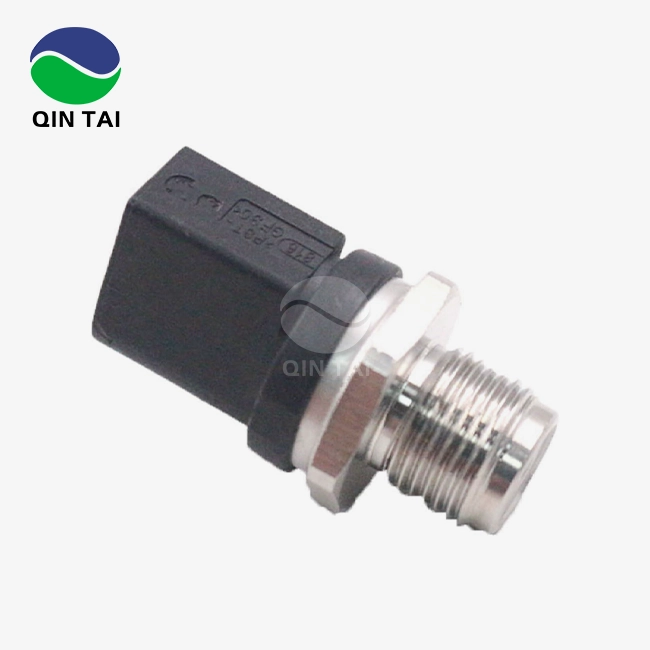
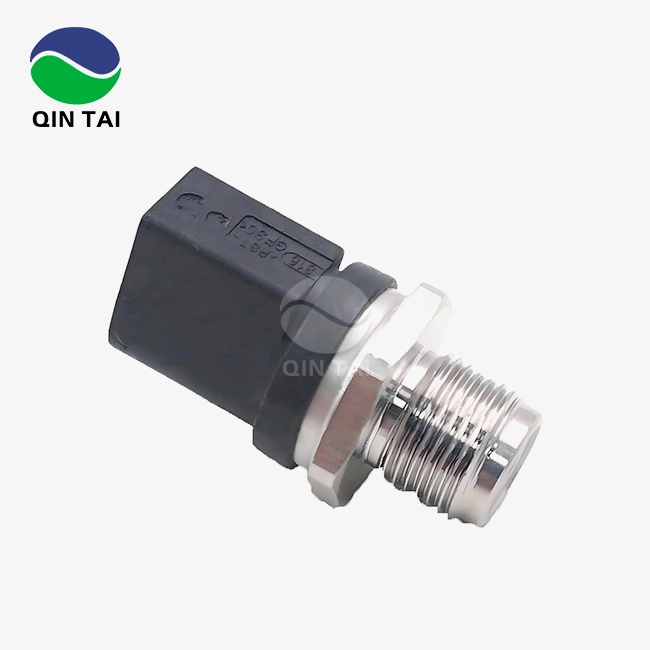
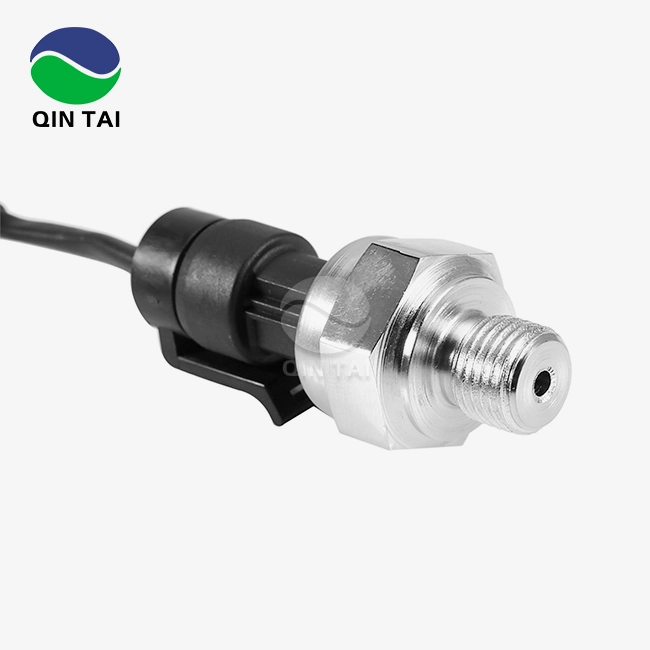
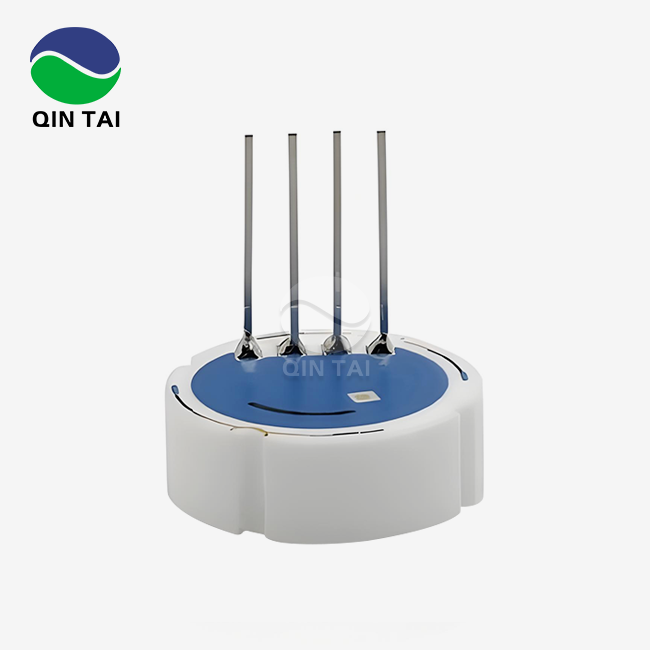

Our customers’ satisfaction speaks for our quality — contact us to experience the same reliable service.