- English
- French
- German
- Portuguese
- Spanish
- Russian
- Japanese
- Korean
- Arabic
- Greek
- German
- Turkish
- Italian
- Danish
- Romanian
- Indonesian
- Czech
- Afrikaans
- Swedish
- Polish
- Basque
- Catalan
- Esperanto
- Hindi
- Lao
- Albanian
- Amharic
- Armenian
- Azerbaijani
- Belarusian
- Bengali
- Bosnian
- Bulgarian
- Cebuano
- Chichewa
- Corsican
- Croatian
- Dutch
- Estonian
- Filipino
- Finnish
- Frisian
- Galician
- Georgian
- Gujarati
- Haitian
- Hausa
- Hawaiian
- Hebrew
- Hmong
- Hungarian
- Icelandic
- Igbo
- Javanese
- Kannada
- Kazakh
- Khmer
- Kurdish
- Kyrgyz
- Latin
- Latvian
- Lithuanian
- Luxembou..
- Macedonian
- Malagasy
- Malay
- Malayalam
- Maltese
- Maori
- Marathi
- Mongolian
- Burmese
- Nepali
- Norwegian
- Pashto
- Persian
- Punjabi
- Serbian
- Sesotho
- Sinhala
- Slovak
- Slovenian
- Somali
- Samoan
- Scots Gaelic
- Shona
- Sindhi
- Sundanese
- Swahili
- Tajik
- Tamil
- Telugu
- Thai
- Ukrainian
- Urdu
- Uzbek
- Vietnamese
- Welsh
- Xhosa
- Yiddish
- Yoruba
- Zulu
Top 5 Urea Injection System Benefits for Diesel Equipment Owners
If you operate diesel-powered equipment — whether heavy trucks, construction machinery, agricultural vehicles, or generator sets — a reliable urea injection system is no longer optional. It sits at the core of modern Selective Catalytic Reduction (SCR) aftertreatment, converting harmful nitrogen oxides (NOx) into harmless nitrogen and water vapor through a precise chemical reaction. For OEM engineers, purchasing managers, and aftermarket professionals, understanding these five key benefits helps drive smarter procurement decisions, reduce total cost of ownership, and maintain compliance with tightening emission standards across global markets.

Enhanced Emission Control Compliance
Meeting Euro VI and EPA Tier 4 Final Standards
In the US, diesel engines must meet EPA Tier 4 Final standards. Around the world, more and more foreign fleets are having to meet Euro VI or China VI standards. The US Environmental Protection Agency says that a urea injection system that is properly calibrated can cut NOx emissions by as much as 90%. This much of a drop can't be reached by changing the engine alone.
Dosing accuracy is what sets a high-quality urea injector apart from a common DEF part. When the injection tube is working at pressures of 5 to 9 bar, it turns AdBlue into very small drops that mix evenly with the exhaust gasses. It's easy to understand the chemical reaction:
CO(NH₂)₂ + H₂O → 2NH₃ + CO₂
4NO + 4NH₃ + O₂ → 4N₂ + 6H₂O
Fleet operators who have upgraded to SCR systems that are in line with regulations say they break the rules less often and do better in government bids. To protect their companies from product liability, OEM purchasing managers must get certified parts that meet IATF16949 and ISO9001 standards.
Improved Fuel Efficiency and Operational Cost Savings
How SCR Technology Reduces Overall Operating Costs
The measurable fuel savings that come with a modern urea injection system are one of the best reasons to use one. Since SCR aftertreatment takes care of emissions from the outside, the engine's calibration is not limited by internal emission goals and can be adjusted for the most efficient combustion. There are studies from the Engine Manufacturers Association that show diesel engines with SCR can get 3–5% better fuel economy than older diesel engines with EGR technology alone.
These savings add up over the life of a fleet in this way:
- Reduced fuel consumption per operating hour: Leaner combustion settings lower fuel burn without lowering power output, which is very important in heavy-duty situations like mining or long-haul freight.
- Lower urea solution consumption through precise dosing: A well-designed electromagnetic measuring actuator stops overloading and stops "urea slip," which is the unwanted release of extra ammonia that wastes fluid and could damage catalysts further down the line.
- Fewer regulatory penalties and downtime costs: Sticking to the rules lowers the chance of getting fined, having tools taken away, or failing checks that cause unexpected losses in operations.
Over time, these saves add up, especially for fleet owners who are in charge of dozens or hundreds of units. This efficiency advantage lasts as long as the equipment is used as long as the urea dose module is serviced at the suggested times.

Extended Engine Life and Reduced Engine Wear
The Relationship Between NOx Control and Engine Durability
A side effect of good NOx control with a urea injection system that isn't given enough credit is lowering the temperature of burning. When an SCR system takes care of lowering emissions further down the line, engineers can lower the temperature stress inside the cylinder. This directly lowers the wear on the pistons, rings, and valve seats. Industry data from Cummins technical papers shows that engines that use optimized aftertreatment have significantly less thermal fatigue over longer service cycles.
A common way for this durability advantage to be lost is for urea to crystallize at the injection nozzle. Modern nozzle designs take this into account by including heating parts that keep AdBlue above its freezing point of -11°C (12°F) and stop crystals from building up at the output port. When crystallization does happen, technicians can fix it in three ways: they can clean it by hand using special tools, set up automatic self-cleaning flush cycles in the control module, or replace the nozzle if the blockage keeps happening.
When procurement teams are looking for replacement nozzles or whole dosing assemblies, they should focus on parts that have a history of long life and low failure rates. This is especially important for generator sets used in mines or power plants, where unplanned downtime can have very bad effects on operations.
Versatility and Adaptability Across Diesel Equipment Types
One Platform, Multiple Applications
Technology called SCR aftertreatment isn't just for big cars. Heavy machinery for construction, farm combines, stationary generator sets, and industrial exhaust gas treatment systems all use the same basic injection principles. The dosing rate, nozzle design, and interface settings are the only things that change from one application to the next. All of these can be changed by the responsible maker.
Aftermarket and OEM-fit urea injection system parts are made for different types of customers. When R&D engineers choose parts for building a new platform, they put smooth CAN bus integration and calibration freedom at the top of their list of priorities. Repair shops and parts wholesalers, on the other hand, value parts that work with a wide range of vehicles, are readily available, and are easy to install.
Electric urea injectors are most common on modern highways because they are easy to handle electronically. However, mechanical dosing systems are still used in some off-road and naval situations. The decision between them relies on the working temperature range, exhaust flow rate, and control system design. A good technical support team should go over these factors with the customer before the final specification is made.
Enhanced Safety and Environmental Responsibility
Handling, Storage, and Sustainability Commitments
Diesel exhaust fluid (AUS32, which meets ISO 22241) is not dangerous to touch or catch on fire, which makes it a lot safer than many other chemical additives used in heavy industry. Proper storage below 30°C in sealed containers stops degradation and keeps the 32.5% urea concentration that is needed. Fluid that is contaminated or broken down is still one of the main reasons why SCR systems fail, so how well you store fluid has a direct effect on how reliable your system is.
Besides improving the performance of individual pieces of equipment, reducing NOx on a large scale has important effects on the environment. The EPA says that NOx helps make ground-level ozone and small particulate matter, which are both linked to lung diseases. As supply lines become more scrutinized for environmental, social, and governance (ESG) issues, fleet owners and original equipment manufacturers (OEMs) that invest in strong emission control technology will be in a good position. More and more, fleet emission profiles are used as a measured sign of environmental responsibility in corporate sustainability reports.

Conclusion
A well-designed urea injection system gives clear benefits in five areas: following the rules, saving money on fuel, making the engine last longer, being able to be used in different situations, and caring for the environment. When OEM engineers, system programmers, service professionals, and generator set buying teams choose the right urea dosing components, it's a technical and business choice that affects how things work for years to come. Working with a certified, experienced provider cuts down on qualification times, lowers the risk of failure in the field, and supports long-term program consistency in a global market that is becoming more controlled.
FAQ
Q1: What is the difference between a urea injection system and a standard DEF system?
A: In a broad sense, a DEF system is the framework for storing, supplying, and distributing fluids. A urea injection system includes a high-precision dose pump, an electromagnetic injector tip, heating elements, and a control unit. These parts work together to send atomized AdBlue into the exhaust stream at the right pressure and volume. The most difficult part to work on technically is the injector, which is also where most field failures happen.
Q2: How often should a urea injector be serviced?
A: Service intervals vary by manufacturer and use, but most OEM guidelines say that on-highway generator sets should be inspected every 100,000 km and stationary generator sets should be inspected once a year. Whenever dosing problems or crystallization signs show up, the nozzle should be cleaned or replaced.
Q3: How do I identify a reliable urea injection system supplier?
A: Give more weight to providers who have IATF16949, ISO9001, and other related emission certifications. Verified OEM supply history, proven mass production capacity, and quick technical support are all strong signs of long-term dependability.
Q4: Can urea injection components be customized for specific platforms?
A: Yes. OEM and ODM services from reputable manufacturers cover interface parameters, dosing ranges, connector configurations, and environmental protection ratings to meet the needs of each application.
Partner with Qintai for Your SCR Dosing System Needs
Qintai was founded in 2001 and is a national high-tech company. It sells parts for diesel SCR aftertreatment to more than 60 countries. Qintai is the top OEM provider to Weichai Power, Yuchai Power, and Quanchai Power. It has 58 applied idea patents and ISO9001, IATF16949, CE, UL, and Ex approvals. Our engineering team can help you whether you need a certified urea injection system manufacturer for large-scale production or a dosing solution that can be changed to fit a specific platform. Contact us at info@qt-sensor.com to get more information or a quote.
References
1. U.S. Environmental Protection Agency — Diesel Exhaust and Emission Control Technologies, 2022.
2. Engine Manufacturers Association — SCR Technology and Fuel Economy Outcomes in Heavy-Duty Diesel Applications, 2021.
3. Cummins Inc. — Aftertreatment Technical Reference Guide for On-Highway Engines, 2023.
4. ISO 22241 — Diesel Engines: NOx Reduction Agent AUS 32, International Organization for Standardization, 2019.
5. SAE International — Selective Catalytic Reduction System Design and Integration for Commercial Vehicles, Journal of Engines, 2022.
6. Transport & Environment — Euro VI Emission Standards: Real-World Performance and Fleet Compliance Data, 2023.

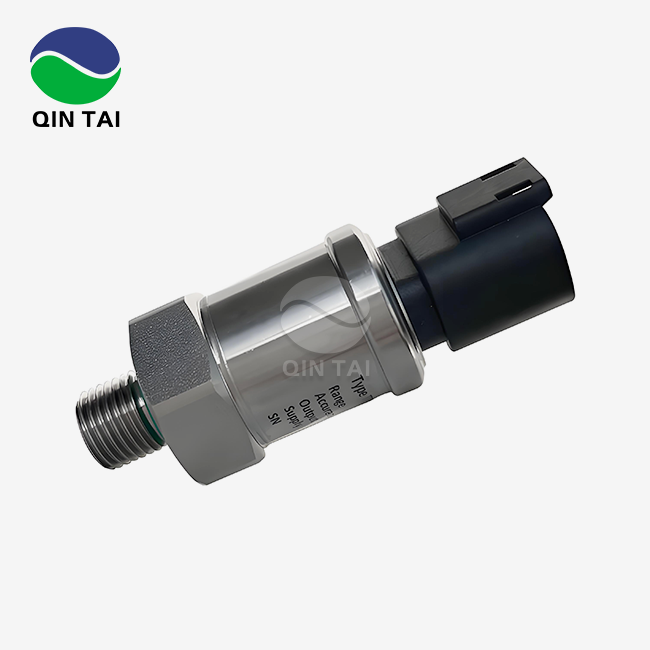
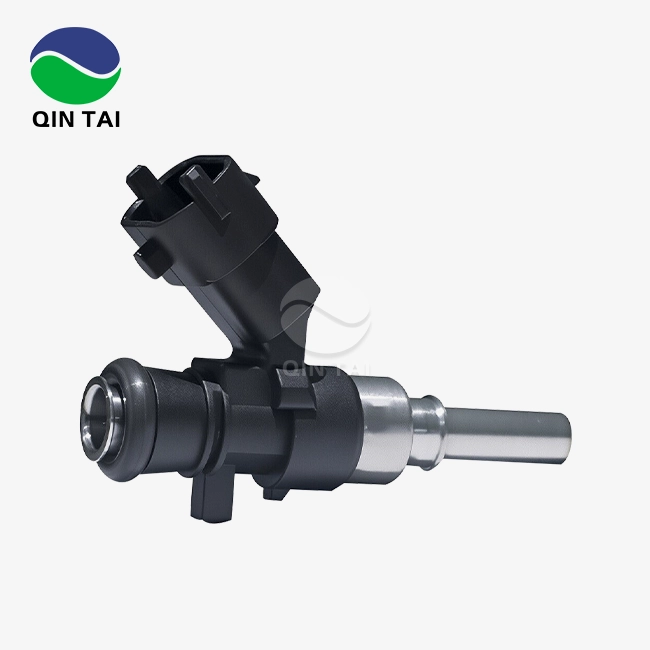
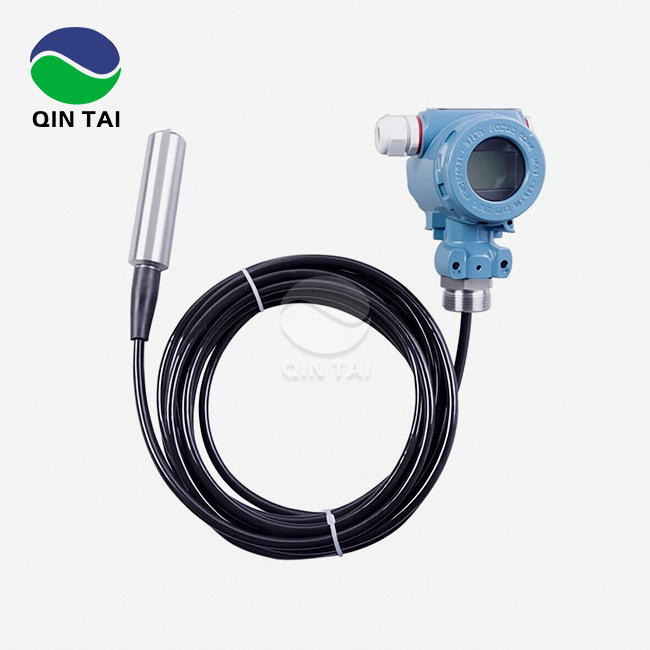

Our customers’ satisfaction speaks for our quality — contact us to experience the same reliable service.