- English
- French
- German
- Portuguese
- Spanish
- Russian
- Japanese
- Korean
- Arabic
- Greek
- German
- Turkish
- Italian
- Danish
- Romanian
- Indonesian
- Czech
- Afrikaans
- Swedish
- Polish
- Basque
- Catalan
- Esperanto
- Hindi
- Lao
- Albanian
- Amharic
- Armenian
- Azerbaijani
- Belarusian
- Bengali
- Bosnian
- Bulgarian
- Cebuano
- Chichewa
- Corsican
- Croatian
- Dutch
- Estonian
- Filipino
- Finnish
- Frisian
- Galician
- Georgian
- Gujarati
- Haitian
- Hausa
- Hawaiian
- Hebrew
- Hmong
- Hungarian
- Icelandic
- Igbo
- Javanese
- Kannada
- Kazakh
- Khmer
- Kurdish
- Kyrgyz
- Latin
- Latvian
- Lithuanian
- Luxembou..
- Macedonian
- Malagasy
- Malay
- Malayalam
- Maltese
- Maori
- Marathi
- Mongolian
- Burmese
- Nepali
- Norwegian
- Pashto
- Persian
- Punjabi
- Serbian
- Sesotho
- Sinhala
- Slovak
- Slovenian
- Somali
- Samoan
- Scots Gaelic
- Shona
- Sindhi
- Sundanese
- Swahili
- Tajik
- Tamil
- Telugu
- Thai
- Ukrainian
- Urdu
- Uzbek
- Vietnamese
- Welsh
- Xhosa
- Yiddish
- Yoruba
- Zulu
Why Aftertreatment Dosing Units Fail and How to Prevent Downtime
When an aftertreatment dosing unit malfunctions on a heavy-duty truck or construction machine, the consequences extend far beyond a warning light on the dashboard. Unplanned downtime, emission non-compliance penalties, and costly component replacements can cascade quickly. Understanding why these units fail — and what you can do to prevent it — is one of the most practical investments a purchasing manager or R&D engineer can make. This guide walks through the root causes, prevention strategies, and procurement considerations that matter most.

Understanding Aftertreatment Dosing Units and Their Common Failure Modes
What Does a Dosing Unit Actually Do?
Every SCR (Selective Catalytic Reduction) device has a dosing unit that makes it work. It takes a certain amount of Diesel Exhaust Fluid (DEF/AdBlue) from a storage tank and injects it into the exhaust stream. This starts a chemical reaction that turns harmful NOx into nitrogen and water vapor. A supply pump, a dosing syringe, a urea pressure monitor, and a dosing control unit (DCU) all need to work together for the system to work.
Where Failures Begin
Four main stress points cause most fails. Over time, mechanical wear breaks down pump diaphragms and injector tips. This is especially true in places with a lot of shaking, like mining equipment or long-haul trucks. Fluid that doesn't meet ISO 22241 purity standards, called contaminated DEF, leaves behind crystallized urea waste that blocks flow paths and jams sensor diaphragms. Electrical problems, like corroded connector pins and signal drift, make it impossible for the pressure sensor and ECU to talk to each other. Extreme temperatures, like below -11°C, which makes AdBlue freeze, can put physical stress on internal parts if they are not designed to be resilient to freeze cycles.
Each of these types of failure sets off a chain reaction. If the pressure sensor reading is outside of its set range, for example, the DCU will get the injection volume wrong, which could lead to NOx spikes and the engine going into limp mode, which is very dangerous for companies that have to follow EPA Tier 4 Final or Euro VI rules.
Root Cause Analysis: Why Aftertreatment Dosing Units Fail?
Material Degradation and Blockages
Urea naturally breaks down metals that aren't made to handle 32.5% liquid urea solutions in an aftertreatment dosing unit. Internal rust happens in tanks and fittings made of low-quality materials. This lets loose particles that move downstream and stop injector orifices. Over time, heat cycling can cause pump check valves to lose their ability to seat properly. This makes the pressure unstable, which the urea dose pressure sensor sees as a fault and often reports as the P204B fault code, which means that the circuit range or performance is off.
Sensor Inaccuracy Amplifying System Faults
When it's working right, a urea dosing pressure sensor can measure between 0 and 12 bar and be accurate to within 1.5% of full scale. If the signal drifts past this level because of an old sensor or a dirty connector, the whole dosing process loses its calibration. Miscalibration of sensors caused a disproportionate number of SCR system warranty claims in fleet case studies from heavy-duty logistics operations. This was especially true for vehicles that had traveled more than 500,000 km. It's easy to see what the lesson is: sensor quality is not an extra feature; it's what makes something reliable.
Software and Compatibility Gaps
The program used for dosing must be perfectly matched to the base of the engine. When the DCU and ECU calibration files don't match up with the firmware, it leads to fake trouble codes and strange injection behavior. Cross-platform compatibility problems happen a lot when aftermarket replacements are made without checking the output signal protocols, like 0.5V–4.5V analog or SENT digital, against what the OEM ECU expects before they are installed.

Proven Strategies to Prevent Aftertreatment Dosing Unit Downtime
It is always cheaper to avoid problems than to fix them. Fleets that use structured maintenance routines regularly have less downtime due to SCR than fleets that only do reactive service.
These are the main maintenance tasks that get results that can be measured:
Only use DEF that meets ISO 22241 standards for your aftertreatment dosing unit. Fluid that doesn't meet standards is the main reason why crystallization blockages and sensor fouling happen. Check the quality of the DEF before you buy it, especially if you plan to store a lot of it in a mine or a power plant.
- Use only ISO 22241-compliant DEF. Substandard fluid is the single most preventable cause of crystallization blockages and sensor fouling. Verify DEF quality at the point of purchase, particularly for bulk storage applications in mining or power generation environments.
- Schedule pressure sensor calibration checks at defined intervals. In commercial vehicle applications, calibration verification every 100,000 km or annually — whichever occurs first — keeps dosing accuracy within compliance thresholds and catches sensor drift before it triggers fault codes.
- Maintain DEF storage temperatures between -5°C and +25°C. Proper storage conditions prevent pre-use degradation. In cold climates, heated tank systems with freeze-resilient sensors rated to -40°C are non-negotiable for operational continuity.
- Perform injector flush cycles during scheduled maintenance. Residual urea crystallizes in dormant injector passages. Periodic flushing removes deposits before they accumulate to obstruction levels.
When you consistently follow these steps, service intervals get longer and unplanned component replacements happen less often. When procurement teams include these needs in supplier specifications, they also get better warranty rights.
Choosing the Right Aftertreatment Dosing Unit: Key Considerations for Procurement
OEM vs. Aftermarket: A Practical Assessment
OEM units from companies like Bosch, Continental, and Denso are factory-calibrated and guarantyd to work with their own engine systems. They pose the least amount of risk for building new equipment and protecting fleets with warranties. Aftermarket units from approved sources with IATF 16949 approval and traceable technical paperwork can save a lot of money on high-volume aftertreatment dosing unit replacement programs, but only if they are fully tested for compatibility before being bought.
What to Verify Before Issuing a Purchase Order?
Price alone should never be used to decide what parts of a dose system to buy. The following things have direct practical effects:
- Pressure sensor thread specification (M10×1 or M12×1.5) and signal output protocol must match the target ECU without adapter workarounds.
- IP rating should meet IP67 at minimum; IP69K is the appropriate standard for washdown-intensive environments such as agricultural or construction machinery.
- Supplier certifications — ISO 9001, IATF 16949, CE, RoHS — provide baseline assurance of manufacturing consistency.
- Lead time commitments and in-stock inventory availability matter significantly for fleet operators and repair facilities managing multiple vehicle lines.
Optimizing Aftertreatment Dosing Unit Performance for Long-Term Efficiency
The long-term success of an SCR system relies on more than just the quality of the parts that were installed. By adding dosing unit health tracking to the engine management system, fleet workers can find problems with pressure before they get worse. Modern piezoresistive MEMS-based pressure sensors send constant feedback in real time to the DCU, which lets maintenance plans be made ahead of time instead of fixing problems as they happen.
Staff training is an asset that isn't given enough credit in this case. If technicians know how DEF quality, dose pressure, and NOx output are connected, they can read diagnostic data more correctly and avoid making the wrong diagnosis. Regular performance reviews, which compare actual NOx reduction efficiency to design targets, hold people accountable and find systemic problems early on.

Conclusion
Failures of aftertreatment dosing units don't happen by chance. Patterns can be predicted based on the quality of the materials, how they are handled with DEF, how the sensors are calibrated, and how well they are maintained. When companies treat these systems with the same technical care as the main engine parts, they always get better pollution compliance, longer component life, and a lower total cost of ownership. When you make buying decisions, having full technical knowledge about things like sensor accuracy, environmental ratings, certification credentials, and supplier dependability all affects how well heavy trucks, construction equipment, farm equipment, and generator sets work.
FAQ
Q1: How often should a dosing unit be inspected?
A: Every 100,000 km or once a year, or whenever the vehicle is serviced, the dosing system should be inspected thoroughly. This includes checking the integrity of the pump, the condition of the injectors, and the calibration of the pressure sensor. In places with a lot of stress, like mines or places where generators run all the time, shorter gaps may be necessary.
Q2: What are the early warning signs of dosing unit failure?
A: The most reliable early warning signs are repeated P204B fault codes, DEF crystallization around injector fittings, readings from NOx sensors that don't make sense, and drops in SCR conversion efficiency that can't be explained. Any single sign should lead to a diagnosis right away.
Q3: Are OEM dosing units always preferable to aftermarket options?
A: OEM units come factory-calibrated and are compatible with all platforms. But aftermarket units from authorized makers with checkable technical specs and IATF 16949 compliance can give the same performance for less money, as long as signal compatibility and environmental ratings are checked before buying.
Q4: How does freezing affect the dosing pressure sensor?
A: When frozen, AdBlue grows by about 9%. If a pressure sensor doesn't have built-in freeze-resilience buffering, the diaphragm can deform or the signal can drift after multiple freeze-thaw cycles. When sensors are made with flexible internal storage structures, they keep their accuracy even after many freeze-thaw cycles.
Q5: What is the typical service life of a quality dosing pressure sensor?
A: A well-made urea dosing pressure sensor is meant to last between 15,000 and 20,000 hours of normal commercial use with no problems.
Partner with Qintai for Reliable Aftertreatment Dosing Solutions
Since 2001, Qintai has been a core aftertreatment dosing unit manufacturer for Weichai Power, Yuchai Power, and Quanchai Power, providing them with precision SCR sensing components. The company has ISO 9001, IATF 16949, CE, and RoHS certifications, and it has filed 58 invention patents. Our engineering team is ready to help your program, whether you need OEM-grade urea dosing pressure monitors, pricing for large orders, or tweaks to the interface settings. To get a technical quote or consultation, email our team at info@qt-sensor.com.
References
1. SAE International Journal of Engines — "DEF Quality Effects on SCR System Durability," 2021.
2. Emissions Analytics Research Report — "NOx Compliance Failures in Heavy-Duty Diesel Fleets," 2022.
3. ISO 22241-1:2019 — "Diesel engines — NOx reduction agent AUS 32," International Organization for Standardization, 2019.
4. MTZ Worldwide (Motortechnische Zeitschrift) — "Advances in Urea Dosing Control for Euro VI Applications," 2020.
5. Society of Automotive Engineers (SAE) Technical Paper 2019-01-0985 — "Urea Pressure Sensor Diagnostics in SCR Aftertreatment Systems," 2019.
6. Diesel Progress North American Edition — "Maintenance Best Practices for SCR Systems in Commercial Vehicles," 2023.

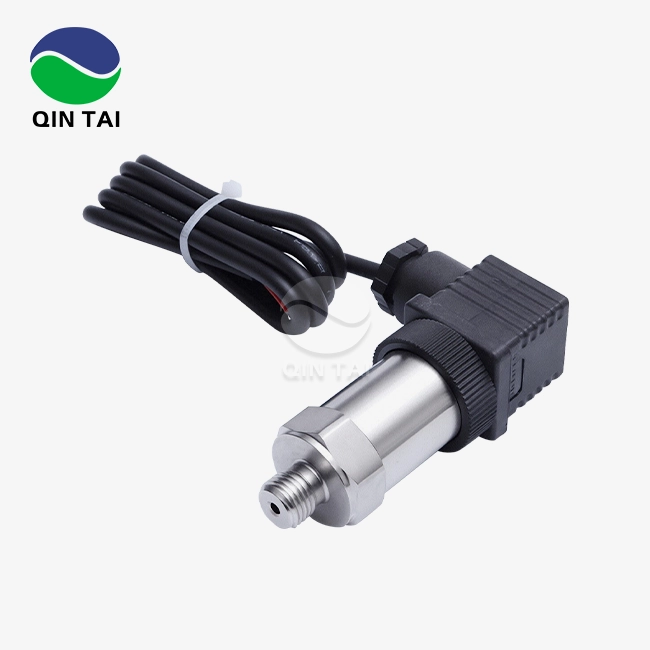
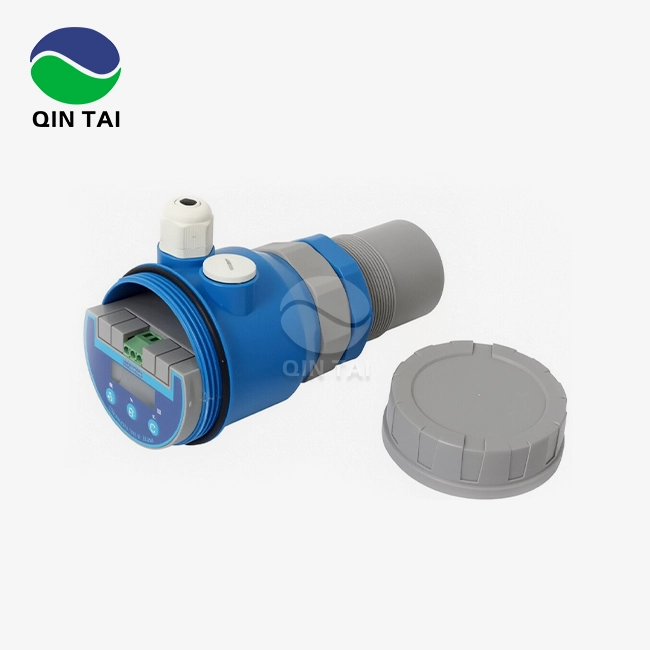
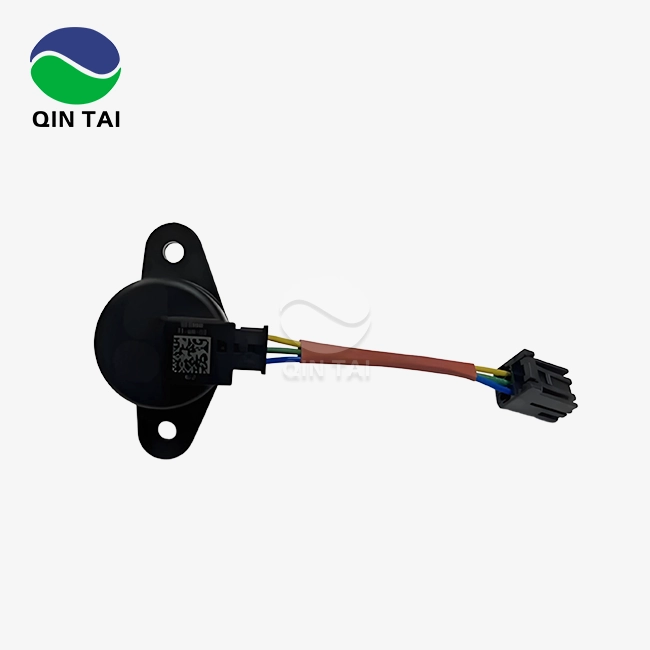

Our customers’ satisfaction speaks for our quality — contact us to experience the same reliable service.