- English
- French
- German
- Portuguese
- Spanish
- Russian
- Japanese
- Korean
- Arabic
- Greek
- German
- Turkish
- Italian
- Danish
- Romanian
- Indonesian
- Czech
- Afrikaans
- Swedish
- Polish
- Basque
- Catalan
- Esperanto
- Hindi
- Lao
- Albanian
- Amharic
- Armenian
- Azerbaijani
- Belarusian
- Bengali
- Bosnian
- Bulgarian
- Cebuano
- Chichewa
- Corsican
- Croatian
- Dutch
- Estonian
- Filipino
- Finnish
- Frisian
- Galician
- Georgian
- Gujarati
- Haitian
- Hausa
- Hawaiian
- Hebrew
- Hmong
- Hungarian
- Icelandic
- Igbo
- Javanese
- Kannada
- Kazakh
- Khmer
- Kurdish
- Kyrgyz
- Latin
- Latvian
- Lithuanian
- Luxembou..
- Macedonian
- Malagasy
- Malay
- Malayalam
- Maltese
- Maori
- Marathi
- Mongolian
- Burmese
- Nepali
- Norwegian
- Pashto
- Persian
- Punjabi
- Serbian
- Sesotho
- Sinhala
- Slovak
- Slovenian
- Somali
- Samoan
- Scots Gaelic
- Shona
- Sindhi
- Sundanese
- Swahili
- Tajik
- Tamil
- Telugu
- Thai
- Ukrainian
- Urdu
- Uzbek
- Vietnamese
- Welsh
- Xhosa
- Yiddish
- Yoruba
- Zulu
Top 5 AdBlue Dosing System Benefits for Commercial Diesel Fleets
If you manage a commercial diesel fleet or engineer SCR aftertreatment systems, you already know that emission control is no longer optional—it's a legal and operational requirement. A properly specified adblue dosing system does more than reduce NOx output. It protects engine hardware, lowers operating costs, and keeps your fleet running without regulatory interruptions. In this article, I break down five real, measurable benefits that procurement managers, R&D engineers, and system integrators need to weigh before their next sourcing decision.

Enhanced Emissions Compliance and Environmental Impact Reduction
The main reason most fleets buy SCR equipment is to meet Euro VI or EPA Tier 4 guidelines. AdBlue is a 32.5% high-purity urea solution that is added to the exhaust stream. It starts a chemical process inside the catalytic converter that turns NOx into nitrogen and water gas, which are safe. The European Environment Agency says that heavy trucks with SCR reduce NOx emissions from their tailpipes by up to 90% compared to diesel engines that don't have SCR.
Regulatory Pressure Is Accelerating
The Heavy-Duty Engine and Vehicle Standards from the U.S. EPA lower the NOx standards for Class 8 trucks to 0.035 g/bhp-hr, which is 75% less than the old standard. If fleets can't show they're following the rules, their license could be denied and they could be fined more than $44,000 per day.
Corporate Sustainability Goals Matter Too
In addition to having to follow the rules set by the government, investors and clients expect big logistics and construction companies to report on ESG issues. Running a verified low-emission fleet directly supports those reports, lowering the risk of carbon responsibility.
Fluid Purity Is the Foundation
A clean DEF supply chain starts with a good urea filter. 5–10 micron filters made to ISO 22241 standards stop crystalline deposits and particulate matter before they reach the dosing injector. This keeps the NOx conversion efficiency the same throughout the whole working hour.
Improved Fuel Efficiency and Cost Savings
Many fleet managers are surprised to learn that a DEF injection system that is properly set up can indirectly make diesel engines use less fuel. When the SCR catalyst works at its best, engine control systems let the combustion temperatures go a little higher. This lets more energy be extracted from each fuel cycle. The American Transportation Research Institute found that trucks with well-maintained SCR systems got 3–5% better gas mileage than trucks with systems that weren't working as well.
Precise Injection Rates Eliminate Waste
Modern dosing controllers within the adblue dosing system change the amount of fuel injected in real time based on feedback from NOx sensors, the engine load, and the temperature of the exhaust. This accuracy keeps you from over-dosing, which burns DEF fluid and can damage the catalyst, or under-dosing, which raises NOx levels and could activate limp mode.
Total Cost of Ownership Drops Over Time
The price of AdBlue fluid in the U.S. market is between $0.80 and $1.20 per gallon. A dosing system that works right uses about 2–6% of the amount of fuel. This keeps fluid costs stable. On the other hand, an engine derating event caused by a broken dosing pump or clogged injector can cost fleets hundreds of dollars per hour in lost productivity.
Procurement Factors Worth Evaluating
When looking for parts, you should look at data on how reliable the system is, whether the parts are made of materials that can be used with 32.5% urea solutions, and whether the guarantee covers both parts and work. These things have a direct effect on the total cost balance over the life of a car, which is three to five years.

Increased Engine Longevity and Reduced Maintenance Needs
A system that adds adblue doesn't just clean up exhaust gasses; it also protects the engine from the long-term damage that deposits from NOx do. The combustion parameters stay fixed when SCR conversion efficiency stays high. This means that pistons, valves, and cylinder walls are not subjected to as much thermal stress.
Component Quality Determines System Life
The quality of the SCR circuit's weakest part determines how long the whole thing will last. Here are the main things that make something reliable over time:
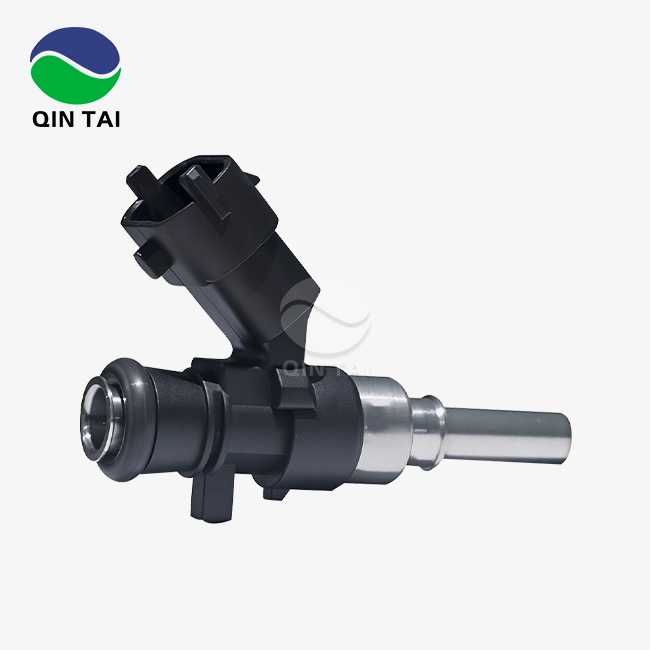
- Dosing injector: Precision-machined nozzles rated for continuous operation at temperatures up to 600°C prevent spray pattern degradation that leads to poor urea atomization and catalyst fouling.
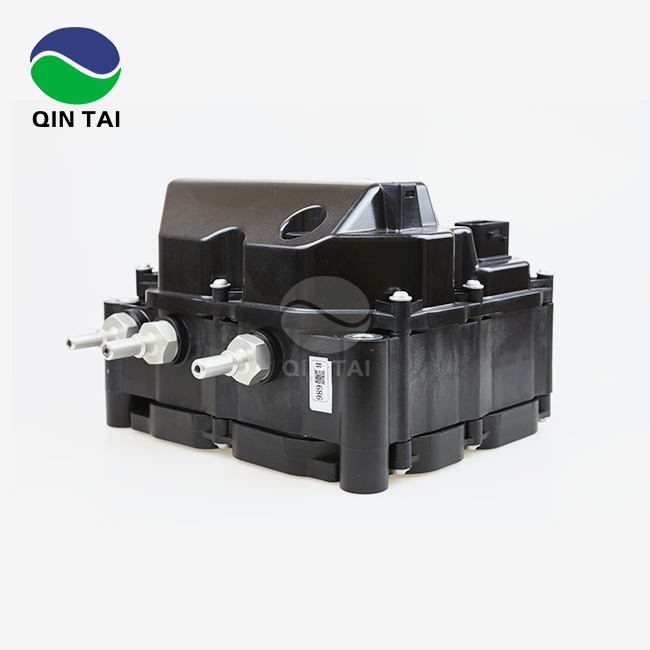
- DEF pump: Stainless steel or PTFE-lined pump housings resist urea corrosion, maintaining consistent pressure across thousands of operating hours.
- Urea filter: A multi-layer synthetic fiber filter rated to ISO 22241 traps crystalline deposits before they reach the injector, preventing the most common cause of premature SCR pump failure.
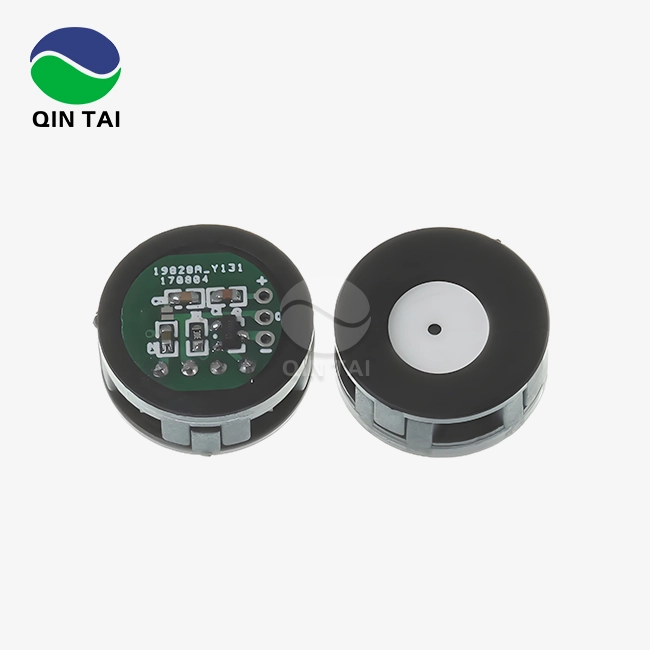
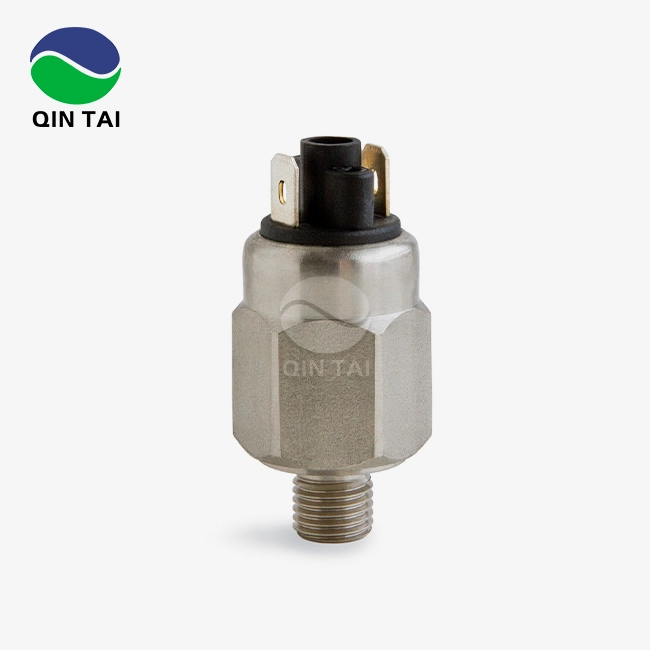
- NOx and temperature sensors: Accurate sensor feedback allows the ECU to make real-time dosing corrections, preventing both over-treatment and under-treatment scenarios.
All of these parts work together to make a complete adblue dosing system. When all of them meet the right requirements, planned maintenance times get longer and unexpected repairs happen a lot less often. According to data compiled by the Technology and Maintenance Council (TMC), fleets that switch to certified, OEM-grade SCR parts have up to 30% fewer repair events related to emissions for every 100,000 miles driven.
Operational Efficiency and Reduced Downtime
It costs money for every hour that a truck sits in a repair bay. According to the TMC's 2022 Fleet Maintenance Survey, one of the top five reasons for unexpected downtime for Class 8 fleets in North America is problems with the emission system. These problems include dose injector clogs and pump failures. That risk is cut down by a lot with a reliable urea injection system that includes built-in diagnostic feedback.
Real-Time Monitoring Changes Maintenance Planning
Dosing controllers that are connected send live data to fleet telematics platforms. These platforms then send alerts for NOx sensor errors, higher filter differential pressure, and low fluid levels, so that problems don't get worse. This changes upkeep from being reactive to being planned, which fleet managers regularly say is one of the top three ways to cut costs.
System Integration With Fleet Management Platforms
These days, SCR controls talk to each other using the CAN bus or J1939 protocols. This means that they work directly with fleet management software that is already in use. This lets dispatch teams see information about the health of the emission system, as well as GPS data and fuel use, all in one dashboard.
Fewer Breakdowns Mean Higher Asset Utilization
If a fleet of 50 Class 8 trucks can cut down on unplanned downtime due to SCR by just two hours per truck per month, they will gain back 1,200 useful hours per year. At an average hourly rate of $150, that's $180,000 in regained capacity, which is enough to justify choosing a higher-priced component.
Compliance With Global and Regional Regulatory Requirements
In the U.S., commercial diesel equipment constantly moves from one state to another, and in global supply chains, it moves across borders. Regulatory standards vary from place to place, and failing to follow them anywhere causes operational and financial danger.
AdBlue Systems Bridge Regulatory Gaps
It doesn't matter if your fleet follows EPA Tier 4, Euro VI, or China VI standards; the best technical solution is always a certified SCR system with an adblue dosing system that works. If you buy from a seller with IATF 16949 and ISO 9001 certifications, you can be sure that the parts you buy meet the quality control and traceability standards that regulators and inspectors look for.
Government Incentives Reward Compliance
Since 2008, the U.S. EPA's Diesel Emissions Reduction Act (DERA) program has given out more than $900 million to help companies switch to better diesel technology. These funds and tax credit programs can help fleets that have approved SCR systems pay for a lot of the costs of upgrades.
Future Regulatory Changes Are Already Scheduled
The EPA's 2027 HD engine standards will make NOx limits even stricter. By choosing SCR parts that meet or go beyond the current Euro VI standards, you can get your fleet ready for the next compliance cycle without having to completely rebuild the system.

Conclusion
Emissions compliance, fuel economy, engine durability, less downtime, and cross-jurisdictional regulatory coverage are the five benefits listed here. They make a strong business case for investing in a properly specified adblue dosing system. How consistently these benefits show up in real-world use depends on the quality of each part in the SCR circuit, especially the urea filter, dosing injector, and pump. R&D engineers and procurement teams that put qualified, tested parts first protect the long-term performance of the fleet and the company's legal standing.
FAQ
How often should a urea filter be replaced in a commercial fleet?
Replacement intervals typically fall between 120,000 and 200,000 km, or at major service checkpoints. High-dust environments—construction sites, agricultural fields, and mining roads—demand shorter cycles because elevated particulate loads accelerate filter saturation and increase pressure drop across the dosing pump.
Can a used DEF filter be cleaned and reinstalled?
No. The synthetic fiber media captures particles deep within its structure. Attempting to clean it damages the fiber matrix and allows contamination to pass through, which leads to injector clogging and potential SCR catalyst damage.
What symptoms indicate a failing urea filter?
Watch for increased DEF consumption, NOx sensor fault codes on the dashboard, and engine derating or limp-mode activation. These are the most common indicators that the filter is restricting flow or allowing contaminated fluid to reach the injector.
Does filter brand matter for SCR system performance?
Yes. Filters built with ISO 22241-compliant materials use adhesive-free construction that prevents chemical leaching into the DEF fluid. Lower-grade alternatives may use adhesives that dissolve in urea solution, introducing contaminants that poison the SCR catalyst over time.

Partner With Qintai for Your AdBlue Dosing System Requirements
Qintai has been a supplier of SCR aftertreatment parts since 2001 and is certified by IATF 16949, ISO 9001, CE, and UL. Qintai is the top DEF dosing system supplier to China's top diesel OEMs, such as Weichai Power and Yuchai Power. It offers OEM/ODM manufacturing, 58 registered invention patents, and exports to more than 60 countries. Please email our technical team at info@qt-sensor.com or visit qt-sensor.com to talk about part specifications, customization options, or bulk pricing.
References
1. European Environment Agency. Heavy-Duty Vehicle Emissions and SCR Performance Review. EEA, 2022.
2. American Transportation Research Institute (ATRI). Operational Costs of Trucking. ATRI, 2021.
3. Technology and Maintenance Council (TMC). Fleet Maintenance Survey: Emission System Reliability Data. SAE International, 2022.
4. U.S. Environmental Protection Agency. Heavy-Duty Engine and Vehicle Standards: Final Rule. EPA, 2023.
5. U.S. Environmental Protection Agency. Diesel Emissions Reduction Act (DERA) Program Report. EPA, 2022.
6. International Organization for Standardization. ISO 22241: Diesel Engines — NOx Reduction Agent AUS 32. ISO, 2019.

Our customers’ satisfaction speaks for our quality — contact us to experience the same reliable service.