- English
- French
- German
- Portuguese
- Spanish
- Russian
- Japanese
- Korean
- Arabic
- Greek
- German
- Turkish
- Italian
- Danish
- Romanian
- Indonesian
- Czech
- Afrikaans
- Swedish
- Polish
- Basque
- Catalan
- Esperanto
- Hindi
- Lao
- Albanian
- Amharic
- Armenian
- Azerbaijani
- Belarusian
- Bengali
- Bosnian
- Bulgarian
- Cebuano
- Chichewa
- Corsican
- Croatian
- Dutch
- Estonian
- Filipino
- Finnish
- Frisian
- Galician
- Georgian
- Gujarati
- Haitian
- Hausa
- Hawaiian
- Hebrew
- Hmong
- Hungarian
- Icelandic
- Igbo
- Javanese
- Kannada
- Kazakh
- Khmer
- Kurdish
- Kyrgyz
- Latin
- Latvian
- Lithuanian
- Luxembou..
- Macedonian
- Malagasy
- Malay
- Malayalam
- Maltese
- Maori
- Marathi
- Mongolian
- Burmese
- Nepali
- Norwegian
- Pashto
- Persian
- Punjabi
- Serbian
- Sesotho
- Sinhala
- Slovak
- Slovenian
- Somali
- Samoan
- Scots Gaelic
- Shona
- Sindhi
- Sundanese
- Swahili
- Tajik
- Tamil
- Telugu
- Thai
- Ukrainian
- Urdu
- Uzbek
- Vietnamese
- Welsh
- Xhosa
- Yiddish
- Yoruba
- Zulu
Urea Injection System: A Complete Guide for Fleet Operators
If you manage a diesel fleet, you already know that staying ahead of emission regulations is not optional—it is a business requirement. A properly functioning urea injection system is the backbone of any SCR aftertreatment setup, converting harmful NOx emissions into harmless nitrogen and water vapor. This guide walks you through how these systems work, how to maintain them, how to choose the right one, and what to look for when sourcing from suppliers. Whether you run heavy trucks, construction equipment, or generator sets, this resource gives you the clarity to make confident procurement decisions.

Understanding the Urea Injection System: Working Principles and Benefits
How the Chemical Conversion Works
Diesel Exhaust Fluid (DEF), which is a solution of 32.5% urea in deionized water and is defined as AUS32 under ISO 22241, is pumped into the exhaust stream to start the urea injection process. Heat causes hydrolysis, which splits urea into CO₂ and ammonia (NH₂). This is what happens when the ammonium and NOx meet inside the SCR catalyst:
- CO(NH₂)₂ + H₂O → 2NH₃ + CO₂
- 4NO + 4NH₃ + O₂ → 4N₂ + 6H₂O
This reaction turns 4NO + 4NH₂ + O₂ into 4N₂ + 6H₂O. It lowers NOx levels by up to 90%, which makes diesel engines meet the requirements of EPA Tier 4, Euro VI, and China VI.
Key Components and Their Roles
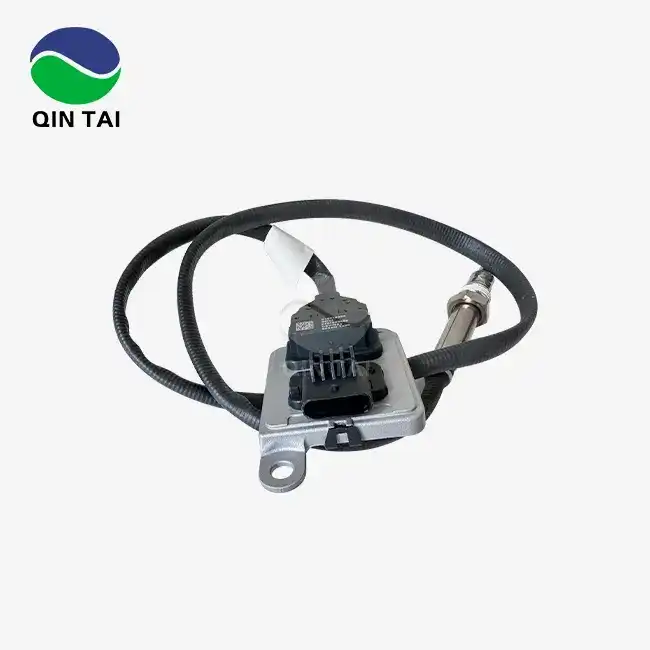
A full SCR dosing system has a control unit, NOx sensors, a dosing pump, a DEF tank, and an injection nozzle for urea. Every part has to work together. The high-precision electromagnetic measuring actuator in the urea injection tip breaks down DEF into tiny particles at pressures ranging from 5 to 9 bar. This makes sure that the DEF is spread out evenly across the exhaust flow. Urea crystallizes at the exhaust port when atomization isn't good enough. This is one of the most common places where SCR systems fail.
Operational Benefits for Fleet Operators
A well-kept DEF dosing system does more than just follow the rules; it also gives you measured practical returns. Fuel use goes down because the engine doesn't have to run rich to get rid of NOx. Because exhaust backpressure stays within design limits, engine wear goes down. Fleet owners also escape EPA fines for not following the rules, which can be more than $44,539 per day per violation under current government rules. Based on these numbers, system reliability is not only an environmental issue but also a direct financial one.
Comprehensive Maintenance and Troubleshooting Guide
Routine Inspection Practices
Most SCR system problems can be avoided by inspecting the system regularly. I suggest that you check the quality of the DEF fluid once a month. Fluid that is contaminated or diluted can damage the catalyst and cause the sensor to move. Every 25,000 miles or at the next service interval, you should check the urea injection system pump pressure, hose connections, and tank seals. It is important to compare the tuning of sensors, especially NOx and differential pressure monitors, to the manufacturer's instructions.
Common Failure Symptoms and Causes
There are three main warning signs that show up most often in field reports: fault codes that keep coming up for not converting NOx enough, white powder around the injection nozzle that shows crystallization, and DEF usage that changes a lot. Crystallization usually happens when the heating element in the nozzle breaks.
AdBlue freezes at -11°C (12°F), and the dosing port stops working completely without active thermal management. A lot of new systems have automatic self-cleaning cycles that use heated fluid to flush the nozzle and get rid of buildup. If automatic cleaning doesn't get rid of the blockage, the next step should be to change the nozzle.
When to Escalate to a Service Technician
The fleet level can't fix all problems. If the fault codes don't go away after cleaning and replacing the fluid, the dosing control module or NOx sensor may need to be checked out by a professional. If you wait too long to escalate, the catalyst could get damaged, which is much more expensive to fix than replacing a single injector or sensor assembly.
Comparing Urea Injection Systems: Making the Right Choice for Your Fleet
DEF, AdBlue, and AUS40—What Is the Difference?
DEF and AdBlue both use the same AUS32 fluid standard, but in different parts of the world, they are sold in different ways. AUS40, which has a 40% urea content, is used in naval and some stationary industrial settings where tanks don't need to be refilled very often. AUS32 is still the standard for big trucks and building equipment that are used on the road. Dosing mistakes and catalyst damage happen when amounts are mixed, so always check fluid specifications before buying in bulk.
Evaluating System Performance Metrics
The most important things to look at when considering SCR dosing systems are the reaction delay, the accuracy of the injection, and the range of working pressures. When systems work at 5–9 bar and have closed-loop NOx feedback, they consistently lower emissions even when the load changes. In high-temperature exhaust environments, the service life is directly related to how long the material lasts, especially how well it resists corrosion in stainless steel nozzle bodies.
Matching System Specifications to Application Type
Long-haul heavy-duty trucks need high-frequency dosing control that can respond quickly to changes in temperature for the urea injection system. Construction equipment works in dusty, shaking places, so IP-rated housings and mounting that doesn't move around are important. When used in a mine or power plant, generator sets need to be very reliable and have long repair intervals—often 500 hours or more between checks. Getting a system that is set for your job cycle will keep it from breaking down early and wasting time.

Procurement Guide: How to Buy and Source Urea Injection Systems
Defining Fleet-Specific Requirements
Write down your engine platform, duty cycle, operating environment, and regulatory target (EPA Tier 4, Euro VI, China VI) before you contact any urea injection system suppliers. This information tells us about the flow rate of the nozzle, the type of sensor interface, and the compatibility of the control module. Mismatched parts are a major reason for warranty claims and problems that happen after installation.
OEM vs. Aftermarket Components
Original Equipment Manufacturer (OEM) parts come with full manufacturer warranties and are calibrated to meet the needs of the original engine management. It is possible to save 20–40% on costs with aftermarket parts, but the quality changes a lot. Before accepting a replacement, I suggest that fleet owners with a lot of vehicles check the ISO 9001 and IATF 16949 certification records of aftermarket providers. Documentation, not just product examples, should be used to check the stability of each batch.
Identifying Trustworthy Global Suppliers
Here are the most important things to look for in a possible SCR component supplier:
- Certification portfolio: ISO 9001, IATF 16949, CE, and emission-specific approvals such as China VI type approval.
- Production capacity: Confirm whether the supplier can meet your volume forecast without compromising lead times.
- Technical support: Assess availability of engineering documentation, calibration data, and after-sales response time.
- Reference accounts: Tier 1 OEM partnerships indicate validated product performance at scale.
Suppliers who meet all four criteria greatly lower the risk of procurement and help keep the supply chain stable over the long term.
Future Trends in SCR Dosing Technology
IoT Integration and Predictive Maintenance
Monitoring SCR systems is moving toward gathering data in real time. IoT-enabled NOx sensors and dosing control units for the urea injection system can now send operational data to fleet management platforms. These platforms can then spot patterns of deviation before they cause fault codes to be sent. This cuts down on unplanned downtime and the total cost of repair for each car.
Tightening Emission Standards and System Implications
As part of the Clean Trucks Plan, the EPA is continuing to lower the NOx limits. By 2031, Phase 3 standards aim to have NOx levels that are almost zero. To meet these standards, SCR systems will need more accurate doses and faster catalyst light-off performance. As standards get stricter, retrofitting will cost less for fleets that build ties with suppliers of forward-compatible systems now.
Material and Design Advances
Extreme-duty uses are getting longer service lives thanks to ceramic-coated needle tips, more efficient heating elements, and wider temperature ranges. These improvements directly help generator set operators in mines or power plants that are far away and where it's hard to get parts or pay for replacements.

Conclusion
A good urea injection system isn't something you can just buy; it's a practical choice that will affect compliance, fuel costs, and engine life. Fleet operators have a big advantage when they know how DEF dosing works, take care of parts before they break, and buy from certified suppliers. As emission standards get tighter, the quality of your SCR parts becomes a bigger part of the total cost of ownership.
FAQ
How often should a urea injection system be serviced?
Service intervals vary by application, but most manufacturers recommend inspecting the dosing unit, nozzle, and sensors every 25,000 miles for on-road vehicles or every 500 operating hours for stationary generator sets. DEF fluid quality should be checked monthly.
Can a urea injection system work with petrol engines?
No. SCR systems with DEF dosing are designed specifically for diesel engines. Petrol engines use three-way catalysts and do not produce the exhaust gas composition or temperatures required for urea-based NOx reduction.
Why does DEF quality matter so much?
Contaminated or incorrectly concentrated DEF causes catalyst degradation, nozzle crystallization, and sensor drift. Always use ISO 22241-compliant AUS32 fluid from verified suppliers. Even minor impurities—such as calcium or magnesium above 0.5 mg/kg—can permanently damage SCR catalysts.
What causes urea crystallization in the nozzle?
Crystallization occurs when DEF residue dries inside or around the nozzle tip, often caused by a failed heating element or incorrect purge cycles. Systems with active thermal management and automated back-flush functions significantly reduce this risk.
Is nozzle pressure important for system performance?
Yes. The standard operating pressure range is 5–9 bar. Insufficient pressure results in poor atomization, uneven DEF distribution, and reduced NOx conversion efficiency.
Partner with Qintai for Proven Urea Injection System Solutions
Since 2001, Xi'an Qintai Automotive Emission Technology Co., Ltd. has sent parts for SCR aftertreatment to more than 60 different countries. It is a certified urea injection system manufacturer with ISO 9001, IATF 16949, CE, and China VI approvals. Qintai is a main OEM supplier to Weichai Power, Yuchai Power, and Quanchai Power, and it has the largest share of the SCR sensor market in China. Heavy trucks, building equipment, farm tools, and generator sets can all be made in OEM, ODM, and custom designs. You can email our engineering team at info@qt-sensor.com or go to qt-sensor.com to get a detailed datasheet or a price on buying something.
References
1. U.S. Environmental Protection Agency. Diesel Exhaust Fluid and Selective Catalytic Reduction Systems. EPA Publication, 2022.
2. International Organization for Standardization. ISO 22241: Diesel Engines—NOx Reduction Agent AUS 32. ISO Standard, 2019.
3. Society of Automotive Engineers. SCR System Performance and DEF Quality Requirements for Heavy-Duty Diesel Engines. SAE International, 2021.
4. Engine Manufacturers Association. Emission Control Technologies for On-Road Heavy-Duty Diesel Engines. EMA Technical Report, 2020.
5. U.S. Environmental Protection Agency. Clean Trucks Plan: Phase 3 Heavy-Duty Vehicle Emission Standards. EPA Rulemaking Document, 2023.
6. Dieselnet Technology Guide. Urea-SCR Systems for Mobile Applications. Dieselnet Publication, 2022.

Our customers’ satisfaction speaks for our quality — contact us to experience the same reliable service.