- English
- French
- German
- Portuguese
- Spanish
- Russian
- Japanese
- Korean
- Arabic
- Greek
- German
- Turkish
- Italian
- Danish
- Romanian
- Indonesian
- Czech
- Afrikaans
- Swedish
- Polish
- Basque
- Catalan
- Esperanto
- Hindi
- Lao
- Albanian
- Amharic
- Armenian
- Azerbaijani
- Belarusian
- Bengali
- Bosnian
- Bulgarian
- Cebuano
- Chichewa
- Corsican
- Croatian
- Dutch
- Estonian
- Filipino
- Finnish
- Frisian
- Galician
- Georgian
- Gujarati
- Haitian
- Hausa
- Hawaiian
- Hebrew
- Hmong
- Hungarian
- Icelandic
- Igbo
- Javanese
- Kannada
- Kazakh
- Khmer
- Kurdish
- Kyrgyz
- Latin
- Latvian
- Lithuanian
- Luxembou..
- Macedonian
- Malagasy
- Malay
- Malayalam
- Maltese
- Maori
- Marathi
- Mongolian
- Burmese
- Nepali
- Norwegian
- Pashto
- Persian
- Punjabi
- Serbian
- Sesotho
- Sinhala
- Slovak
- Slovenian
- Somali
- Samoan
- Scots Gaelic
- Shona
- Sindhi
- Sundanese
- Swahili
- Tajik
- Tamil
- Telugu
- Thai
- Ukrainian
- Urdu
- Uzbek
- Vietnamese
- Welsh
- Xhosa
- Yiddish
- Yoruba
- Zulu
What Industries Use Wireless Pressure Sensors for Monitoring?
Wireless pressure sensors serve multiple industries including oil and gas, manufacturing, water treatment, automotive, aerospace, construction machinery, agricultural equipment, and power generation. These devices monitor hydraulic systems, emission control components, fuel lines, and industrial processes. Their wireless transmission capabilities enable real-time pressure tracking in environments where traditional wired sensors face installation challenges. Organizations seeking regulatory compliance, predictive maintenance, and remote monitoring increasingly adopt these sensors to enhance operational efficiency and reduce downtime across diverse industrial applications.
Introduction
Wireless pressure sensors are changing the way factories are monitored by letting accurate data be sent in real time without the problems that come with wired systems. These sensors are widely used in many fields and improve operational efficiency by giving installers more options for where to put them, lasting longer on a single charge, and being very accurate. These benefits are very important for procurement managers, engineers, and OEM clients to know in order to choose reliable monitoring solutions.
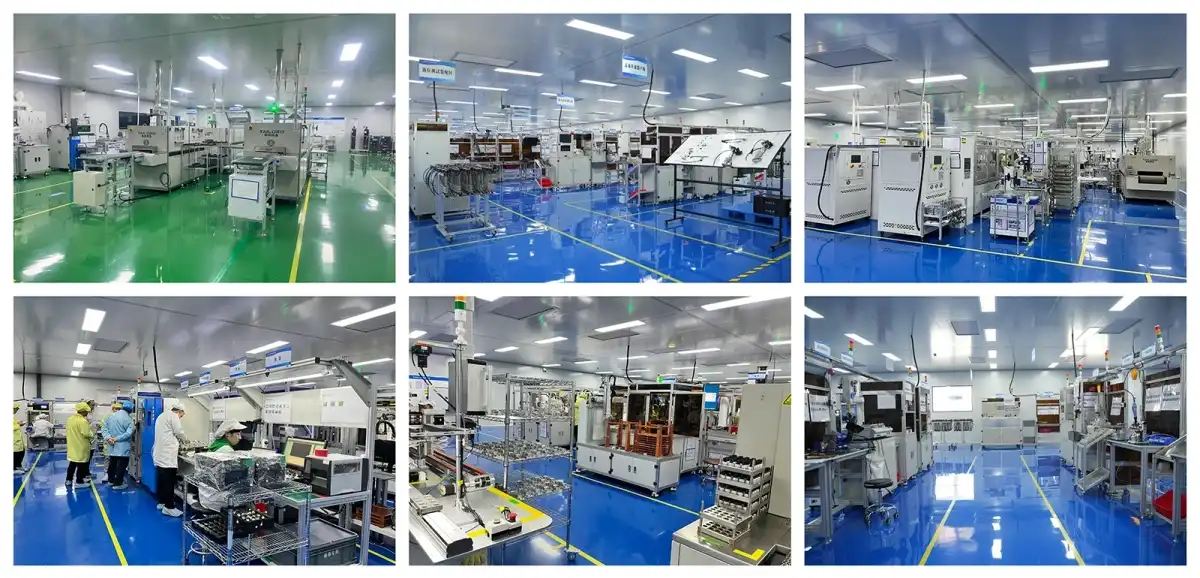
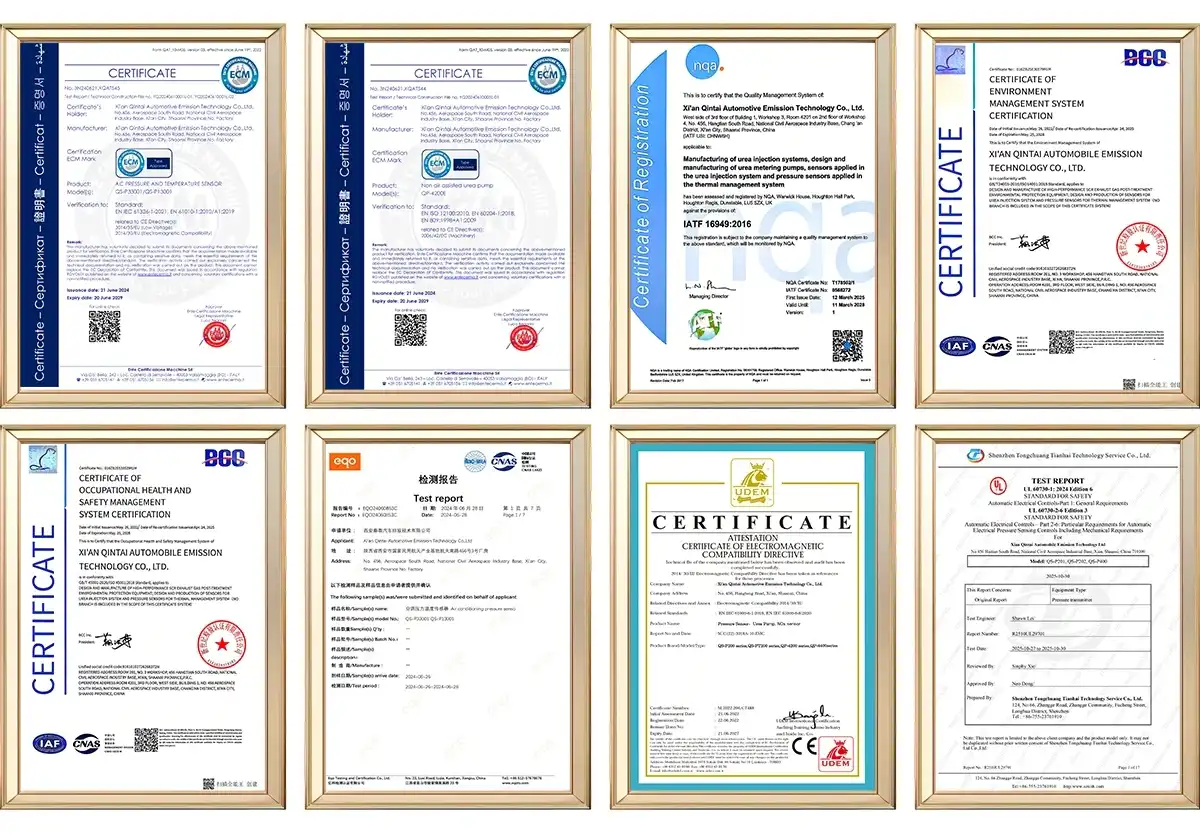
When you work at Xi'an Qintai Automotive Emission Technology Co. Ltd., we've seen this change happen since we started business in 2001. We are a national high-tech company that focuses on sensor technology and SCR aftertreatment systems. We've worked with top Chinese companies and are now doing business in over 60 countries. The fact that we have ISO9001, IATF16949, and CE certifications shows that we are dedicated to quality standards that meet both national and foreign needs.
Understanding Wireless Pressure Sensors in Industry Monitoring
Core Operating Principles
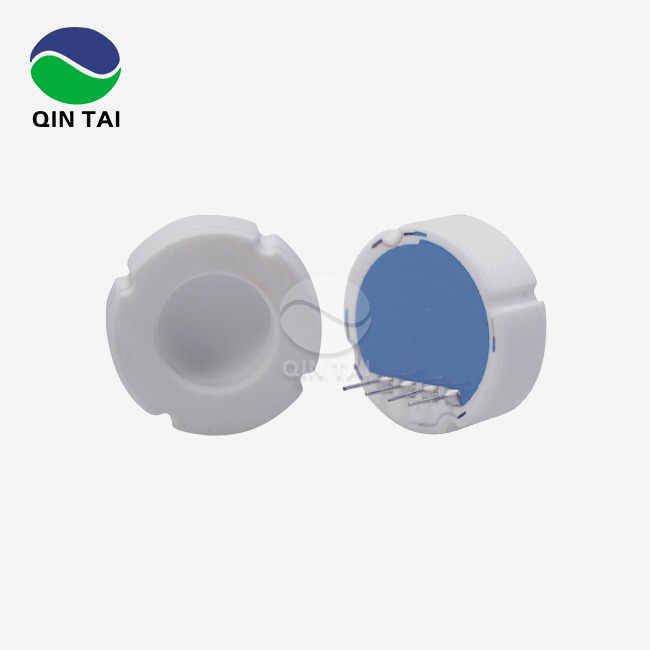
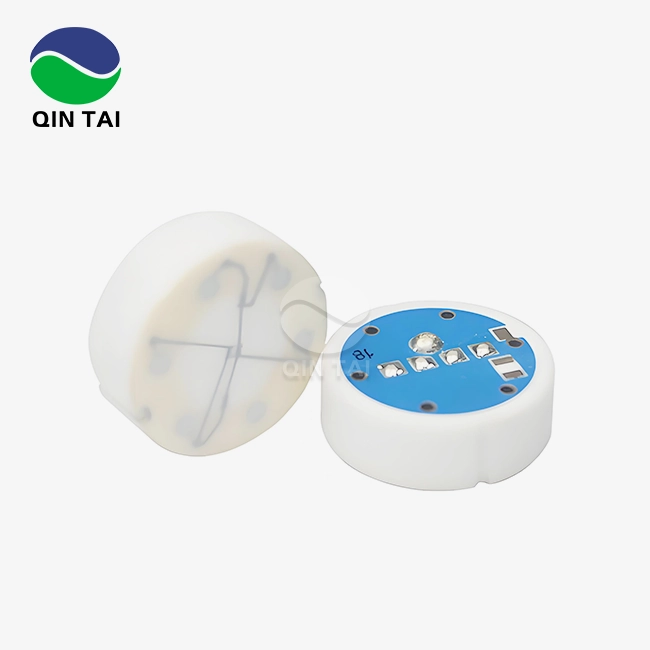
Wireless pressure sensors measure pressure factors from a distance and send data using radio waves, so they don't need to be wired up. Usually, piezoelectric or capacitive technology is used in the sensing element to pick up changes in pressure and turn them into electrical signals. Then, a signal processing circuit boosts the raw signal, gets rid of noise, and gets it ready to be sent through Bluetooth, LoRaWAN, 4G, or GPRS wireless communication modules.
Advantages Over Traditional Wired Systems
Usually, traditional pressure sensors send out RS485 or 4-20mA signals, which need to be physically connected to control devices. According to estimates from the industry, wireless alternatives cut installation costs by 30 to 40 percent. They also make upkeep easier and allow tracking networks to grow as needed. Devices with IP66 waterproof ratings and high-quality lithium batteries can last up to five years, which makes them perfect for tough field settings where getting to a power source is hard.
The adaptability helps with changing business settings, letting everyone improve processes with little downtime. Modern wireless pressure sensors send data to computers right away when pressure levels go above certain limits. This sets off protective measures that can be accessed through phone alerts, SMS updates, WeChat messages, or mobile apps. This feature is a big step forward in the fast development of the Internet of Things.
Pressure Measurement Types
Knowing the different types of measurements helps you choose the right sensor. Gauge pressure is great for open hydraulic systems because it measures the difference between absolute pressure and the current atmospheric conditions. Absolute pressure is based on a vacuum, so it stays accurate even when the atmosphere changes. This makes it perfect for measuring barometric pressure and altitude. Differential pressure is a great way to keep an eye on filters and measure flow in closed channels because it figures out the differences between two points. Most devices can handle pressures between 29 PSI and 5,000 PSI, and their housings are made of stainless steel or plastics to protect the internal parts.
Key Industries Leveraging Wireless Pressure Sensors
Heavy-Duty Vehicle and Construction Equipment
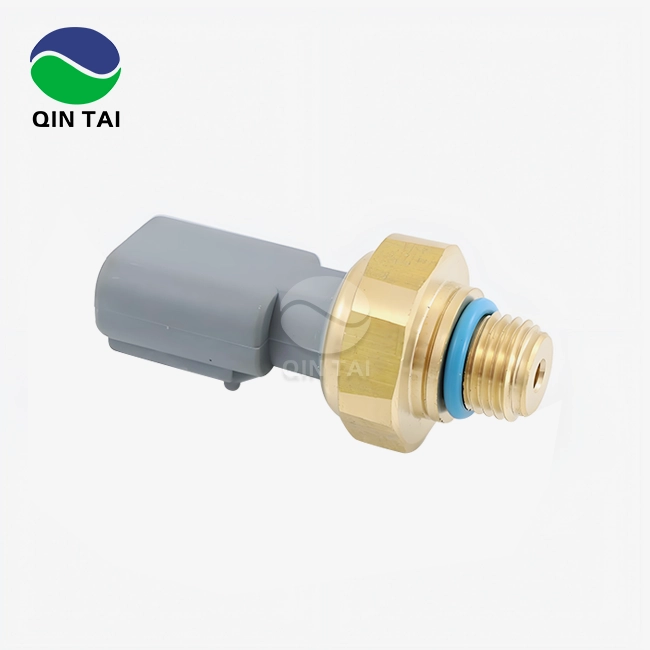
More and more pressure is being put on companies that make diesel engines for heavy trucks, construction equipment, and farm equipment to meet emission standards like China VI and Euro VI. In real time, wireless pressure sensors check the SCR system pressures, the DPF renewal cycles, and the performance of the hydraulic circuit. Getting rid of complicated wire harnesses makes the car lighter while also making it easier to diagnose.
Wireless tracking is especially helpful for construction equipment that works on remote job sites, where harsh conditions could damage traditional wires. Excavators, bulldozers, and loaders with wireless pressure sensors can send data about their hydraulic systems. This lets repair professionals plan ahead and avoid costly breakdowns during key project phases.
Power Generation and Generator Sets
Generator set makers who make power for mines, power plants, and backup power needs monitors that are very durable and work reliably for a long time. Wireless monitoring solves the problem of keeping track of pressure parameters across multiple generator installations that are spread out without having to run a lot of cables. In these situations, battery-powered devices usually last between 2 and 4 years thanks to power-saving modes and the right amount of time between transmissions.
Being able to respond to different environments is very important for engines that work in temperatures ranging from -40°C to 85°C. Industrial-grade wireless pressure sensors can work in these conditions and keep their measurement accuracy within ±0.5% full scale. This meets the standards for dependability that technical experts and project buying teams look for.
Oil and Gas Operations
Keeping an eye on pipelines and tanks in dangerous, out-of-the-way places is hard, but portable technology can help a lot. These sensors help keep operations safe by constantly monitoring changes in pressure that could mean there are leaks, blockages, or broken equipment. Devices that have been certified as explosion-proof can be used in potentially explosive environments where safety rules don't allow for extensive wiring installations.
Water and Wastewater Treatment
Treatment centers use wireless pressure sensors to make it easier to find leaks and follow the rules. Operators can find inefficiencies and avoid failures by keeping an eye on pressure across filtration systems, pumping stations, and distribution networks. The wireless method lets the number of tracking points grow quickly without changing the infrastructure. This helps cities and towns manage their old water systems.
Manufacturing and Process Industries
Sensors are used in manufacturing to handle process control and preventative maintenance, which lowers the number of times that operations have to be stopped. Food and drug factories need sensors that meet strict hygiene rules. Sensors made of stainless steel and with the right certifications make sure that the quality of the products and their whereabouts can be tracked. SCADA systems get real-time feedback on pressure, which lets them respond right away to changes in the process.

How to Choose the Right Wireless Pressure Sensor for Your Industry Needs
Technical Specification Considerations
Choosing the best wireless pressure sensor means thinking about how accurate it needs to be, how it should send data, how long its battery should last, and how well it can handle being in harsh environments. Range and signal strength are important for making sure that data can be sent reliably from the right places, especially in places where radio frequency interference might happen. In industrial settings with metal buildings or electric equipment, sensors need to be able to penetrate signals deeply.
Total cost of ownership is directly affected by battery life. Low-power wide-area network protocols and technologies that collect energy make it possible for systems to work for longer periods of time without needing maintenance. When making decisions about what to buy, procurement officials must decide if the uses support paying more for batteries that last longer or if normal models should be serviced more often.
Compatibility and Integration Requirements
The success of an implementation depends on how well it works with existing data acquisition and wireless communication protocols. Industrial IoT systems, PLCs, and monitoring apps must be able to easily connect to sensor outputs. Encryption and other data security features keep sensitive operational information safe while it's being sent, which is becoming more and more important to management approval processes.
Supplier Evaluation Criteria
Comparing providers makes you realise how important it is to look at things like brand trustworthiness, certification requirements, guarantee terms, and customisation options. Qintai's 58 invention patents and ongoing investments in research and development (R&D) allow us to offer customisation that fits specific needs. As the main supplier to Weichai Power, Yuchai Power, and Quanchai Power—with the biggest share of the Chinese market—we've shown that we can meet OEM needs for mass production.
Long-term business success depends on choosing suppliers who understand the problems that your company faces. How quickly technical help responds, how easy it is to get replacement parts, and the size of after-sales service networks all affect how much the whole thing costs, not just the initial purchase price. Supply chain managers should check with suppliers to see if they can deliver quickly and if they are willing to keep enough inventory to meet the needs of just-in-time manufacturing.
Installation and Maintenance Best Practices
Strategic Deployment Planning
A complete site survey that looks at possible sources of wireless interference, the best places to mount things, and how they should work with other systems is the first step to effective deployment. Strategic planning for placement makes sure that wireless pressure sensors and receivers can talk wirelessly. Choosing a network topology, like star, mesh, or a hybrid configuration, affects how reliable and scalable the system is.
Operational Optimization
To make sensors last as long as possible, you need to use power-saving modes and set the right data transmission times, making sure that real-time tracking needs are met while battery consumption is kept low. Applications that need to monitor all the time use more power than those that use exception-based reporting, in which sensors only send data when pressure values go outside of certain ranges. Knowing about these trade-offs helps buying teams choose gadgets that meet the needs of operations.
System accuracy is maintained with regular maintenance plans that include checking the signal strength, monitoring the battery voltage, and checking the zero-point calibration. Setting up procedures for regular sensor checking cuts down on failures that come up out of the blue. With diagnostic features that let you check the battery's status from afar over wireless networks, you can avoid having to go to the site and make sure that the battery is replaced before the device fails.
Future Trends and Innovations in Wireless Pressure Sensing
Industry 4.0 Integration
Industry 4.0 projects, like smart workplaces and IoT communities, need solutions that work well with each other. The future of wireless pressure sensor technology is directly linked to these projects. Low-power wide-area network technologies make it possible to watch large sites with little investment in infrastructure. Edge computing is built into advanced sensors, which handle data locally. This lowers the network's speed needs and lets it respond automatically and right away to changes in pressure.
Strategic Procurement Implications
As for procurement strategies, these trends suggest looking into forming relationships with original equipment manufacturers (OEMs) that offer custom solutions and full expert support. Suppliers who put money into research and development show that they want to change with the needs of the business. At Qintai, our independent research and development team is always coming up with new ways to make products work better and be more reliable. This puts us in a good situation to help customers move toward Industry 4.0 projects.
Buying in bulk saves money and makes the supply chain work better. Setting up long-term partnerships with qualified suppliers keeps prices stable and makes sure that the quality of the products stays the same over multiple years of projects. When management teams approve relationships with suppliers, they should look at technical roadmaps that show how sensor makers can meet future technology needs that go beyond current requirements.
Conclusion
Wireless pressure sensors are now necessary in all fields that need reliable, adaptable monitoring options. Diesel engine makers have to meet strict emission standards, and generator set makers need products that will last for a long time in industrial settings. These devices solve a variety of operational problems. Getting rid of complicated wiring, longer battery life, and strong wireless protocols are all big benefits that make heavy trucks, construction equipment, farm equipment, and power generation applications more likely to adopt them.
To choose the right sensors, you need to carefully look at the technical specs, the supplier's skills, and their long-term support promises. When companies put certifications, the ability to customise, and proven experience with mass production at the top of their list of priorities, they set themselves up for successful implementation and long-term operational improvements.
FAQ
How accurate are wireless pressure sensors compared to wired models?
These days' wireless pressure sensors are almost as accurate as wired ones; depending on the sensor grade, they are usually within ±0.25% to ±0.5% full scale. Modern signal conditioning circuits fix nonlinearity and temperature effects so that accuracy stays the same across all operating ranges. For industrial uses that need the utmost accuracy, testing certificates that can be tracked back to national standards should be required.
What battery life can users expect from wireless pressure sensors?
How long a battery lasts depends a lot on the type of sensor, the gearbox frequency, and the surroundings. Devices set to take readings every hour usually work for three to five years, while devices that send data every few minutes may need new batteries every year. In some cases, energy-harvesting devices that use vibration, temperature differences, or sun power can make these times last forever.
Can wireless sensors operate safely in hazardous environments?
A lot of new devices are certified by ATEX, IECEx, and Class I Division 1, which means they can be used safely in places that could be explosive. Designs that are intrinsically safe limit the amount of electricity that can be used to keep flammable gases or dust from catching fire. Applications in oil refineries, chemical plants, and food handling facilities regularly use approved wireless sensors, which meet both operating needs and legal requirements.
Partner with Qintai for Your Wireless Pressure Sensor Solutions
Qintai has been making wireless pressure sensors for more than 20 years and has a long list of certifications, such as ISO9001, IATF16949, CMC, Ex, UL, CE, REACH, and RoHS. Our separate research and development team has been awarded 58 invention patents, showing that they are technically innovative enough to support both standard goods and unique solutions. We know how important it is for diesel engine OEMs, aftertreatment system integrators, and industrial equipment manufacturers to meet emission standards, make accurate measurements, and rely on their systems for a long time.
Our OEM and ODM services let you make changes to the product from the very beginning of the planning process all the way through mass production. They are backed by the manufacturing power that comes from working with China's top power system makers. Our expert team can help you find the right sensors for your needs, whether you need them to meet specific interface standards, be resistant to harsh environments for tough jobs, or be priced competitively to support aftermarket distribution.
Get in touch with us at info@qt-sensor.com to talk about your needs with a reputable company that makes wireless pressure sensors for customers in more than 60 countries. We can help you with your tracking needs by providing quick expert support and ensuring that you can always get the products you need.
References
1. Smith, J. & Anderson, K. (2022). Industrial Wireless Sensor Networks: Design and Implementation. Technical Publishing House.
2. Roberts, M. (2023). Pressure Measurement Technologies in Modern Manufacturing. Journal of Industrial Instrumentation, 45(3), 112-128.
3. Chen, L. & Williams, D. (2021). IoT Integration in Heavy Equipment Monitoring Systems. International Conference on Industrial Automation Proceedings.
4. Thompson, R. (2023). Emission Control Technologies for Diesel Engines: Sensor Requirements and Standards. Automotive Engineering International, 31(2), 67-82.
5. Martinez, P. & Zhang, H. (2022). Battery Life Optimization in Wireless Industrial Sensors. IEEE Transactions on Industrial Electronics, 69(8), 8234-8245.
6. European Committee for Standardization. (2021). Wireless Pressure Transmitters: Safety and Performance Requirements. EN 61010-2-030 Standards Documentation.

Our customers’ satisfaction speaks for our quality — contact us to experience the same reliable service.