- English
- French
- German
- Portuguese
- Spanish
- Russian
- Japanese
- Korean
- Arabic
- Greek
- German
- Turkish
- Italian
- Danish
- Romanian
- Indonesian
- Czech
- Afrikaans
- Swedish
- Polish
- Basque
- Catalan
- Esperanto
- Hindi
- Lao
- Albanian
- Amharic
- Armenian
- Azerbaijani
- Belarusian
- Bengali
- Bosnian
- Bulgarian
- Cebuano
- Chichewa
- Corsican
- Croatian
- Dutch
- Estonian
- Filipino
- Finnish
- Frisian
- Galician
- Georgian
- Gujarati
- Haitian
- Hausa
- Hawaiian
- Hebrew
- Hmong
- Hungarian
- Icelandic
- Igbo
- Javanese
- Kannada
- Kazakh
- Khmer
- Kurdish
- Kyrgyz
- Latin
- Latvian
- Lithuanian
- Luxembou..
- Macedonian
- Malagasy
- Malay
- Malayalam
- Maltese
- Maori
- Marathi
- Mongolian
- Burmese
- Nepali
- Norwegian
- Pashto
- Persian
- Punjabi
- Serbian
- Sesotho
- Sinhala
- Slovak
- Slovenian
- Somali
- Samoan
- Scots Gaelic
- Shona
- Sindhi
- Sundanese
- Swahili
- Tajik
- Tamil
- Telugu
- Thai
- Ukrainian
- Urdu
- Uzbek
- Vietnamese
- Welsh
- Xhosa
- Yiddish
- Yoruba
- Zulu
Why Urea Injection Is Essential for Modern Diesel Engines
Modern diesel engines are under more legal pressure than ever to keep their efficiency high while reducing nitrogen oxide emissions. Using Selective Catalytic Reduction technology, the Urea Injection System has become the cornerstone solution. It converts harmful NOx into harmless nitrogen and water vapor. With this transformation, diesel engines in heavy trucks, construction equipment, and generator sets can meet Euro VI and EPA Tier 4 Final standards without losing power or fuel economy. As emission standards around the world get stricter, procurement managers, R&D engineers, and fleet operators looking for cost-effective, compliant aftertreatment options need to understand Urea Injection System technology.
Understanding the Urea Injection System and Its Role in Diesel Engines
Due to high combustion temperatures and pressures, diesel engines inherently emit nitrogen oxide emissions during combustion. Because these NOx emissions contribute to air pollution and regulatory non-compliance, proper aftertreatment is necessary. The Urea Injection System overcomes this difficulty through precise chemical conversion inside the exhaust stream.
Core Components of SCR Technology
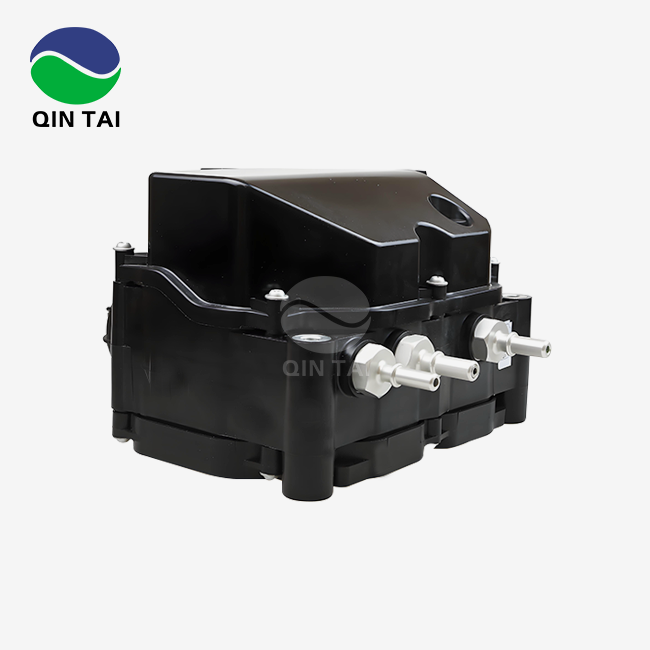
The system consists of multiple interconnected sections functioning in Coordination. Diesel Exhaust Fluid ( DEF ) is usually an aqueous urea solution ( 32.5 % ) that complies with ISO 22241 . It is stored in a separate tank . The dosing mechanism measures exact amounts of fluid, depending on engine load and exhaust temperature. Electromagnetic injectors of high precision atomise DEF into tiny droplets, which are thoroughly mixed with exhaust gases. The SCR catalyst subsequently helps the chemical reaction where the NOx molecules combine with ammonia from urea.
Chemical Process Behind Emission Reduction
The injected urea is decomposed thermally and hydrolysed in the exhaust flow. The method goes as follows: CO(NH₂)₂ + H₂O -> 2NH₃ + CO₂ The ammonia thus formed decreases the nitrogen oxides by the following reaction: 4NO + 4NH3 + O2 → 4N2 + 6H2O. When properly calibrated, this process reduces NOx levels by over 95%, converting pollutants into environmentally benign compounds. The exhaust gases are passed through the catalyst chamber at temperatures of between 250 °C and 500 °C. The whole process takes place within milliseconds.
Compliance with Global Emission Standards
Older diesel engines cannot reach the NOx levels needed by legislation around the world. Euro VI legislation limits NOx emissions to 0.4 g/kWh for heavy-duty vehicles, while EPA Tier 4 Final has comparable limitations for off-road equipment. This is reflected in the China VI standards, which is increasing demand for advanced aftertreatment systems. The one sure option to achieve certification is through urea-based SCR technology, which allows producers to join the market and avoid costly non-compliance penalties. Operators receive longer operating licences, access to low emission zones in city centres.
Advantages of Urea Injection Systems for Heavy-Duty Diesel Engines
Adopting Urea Injection System technology delivers tangible benefits extending beyond regulatory compliance. These advantages translate into measurable operational improvements and long-term financial gains for industrial diesel applications.
Enhanced Fuel Economy Through Engine Optimization
Engineers can tune engines for maximum combustion efficiency with SCR systems instead of having to compromise for emissions. Without in-cylinder limitations, manufacturers can tune injection timing, boost pressure and air-fuel ratios to deliver top performance. This optimisation typically produces a 3-5% reduction in fuel consumption compared to engines that only employ in-cylinder pollution controls such as Exhaust Gas Recirculation. That means fuel savings of thousands of dollars throughout the life of a heavy-duty truck and, proportionally, reductions in carbon dioxide emissions.
Operational Reliability and Maintenance Simplicity
The components of the modern Urea Injection System are surprisingly durable when properly maintained. High-end injection nozzles have heated elements to prevent urea crystallisation when the temperature is below -11°C, and so they work all year around. The routine maintenance is to add extra DEF periodically depending on gasoline usage and assess the health of the system. The SCR catalyst has no complex moving elements, which reduces the chance of mechanical failure. The system is designed by leading manufacturers for 500,000 km service intervals before major component replacement, matching the standard engine overhaul schedule and minimising unnecessary downtime.
Superior Performance Versus Alternative Technologies
Comparison of emission control strategies . SCR is the clear winner . EGR systems minimise NOx levels by recirculating exhaust into the intake air to cool the combustion process. However, EGR increases soot formation, increases exhaust temperatures and decreases fuel economy. The two technologies complement each other to obtain best results, with EGR handling the initial NOx reduction and SCR the last cleanup. SCR is the specific solution for NOx control . Particulate matter is dealt with separately by Diesel Particulate Filters . This supplementary technique offers a full emission control of all regulated contaminants.
These operational and cost advantages make the Urea Injection System an essential tool, not just a compliance necessity. The method has been deployed in millions of vehicles worldwide, proving its commercial feasibility and technical maturity.
Comparing Urea Injection Systems: Making the Right Choice for Your Fleet
To make informed purchasing choices, procurement managers must understand product categories, manufacturer capabilities, and the unique needs of each application. The diversity of available systems necessitates careful evaluation aligned with operational parameters.
Clarifying DEF Consumables Versus Hardware Systems
Industry terminology sometimes creates confusion between the fluid and the machinery. Diesel Exhaust Fluid represents the consumable aqueous urea solution requiring regular replenishment, while the Urea Injection System encompasses the physical hardware—tanks, pumps, injectors, sensors, and control modules. Procurement managers must source both elements from reliable suppliers, though they typically follow different purchasing channels. DEF quality directly impacts system longevity, making ISO-certified fluid selection critical. Contaminated or degraded DEF causes injector fouling, catalyst poisoning, and premature component failure.
Evaluating OEM Versus Aftermarket Solutions
You are assured of full warranty coverage and compatibility when you choose parts from the original equipment manufacturers, such as Bosch, Denso, and Cummins. These systems are extensively validated on specific engine platforms to provide optimum performance under all operating circumstances. Aftermarket vendors offer cost-competitive solutions for replacement and retrofit applications. Quality aftermarket components give economic advantages of 20-40% over OEM specs or better. If an aftermarket option is being considered for a fleet-wide rollout, procurement teams should make sure certifications, compatibility documentation and technical support availability are available.
Application-Specific System Selection
For heavy-duty vehicles, compact and weight-optimized systems with fast warm-up capability for urban duty cycles are needed. Vibration resistance and long service intervals are required from construction equipment to follow maintenance schedules. Generator sets must be of industrial standard reliability to operate continuously under stable load circumstances. Agricultural equipment shall be able to withstand significant temperature changes and dusty conditions. The system requirements must meet the demands of the application to prevent operational issues and maximise return on investment. Technical consultation with competent providers can help determine the best configuration for your specific use case.

Procurement Guide: How to Buy and Maintain Urea Injection Systems?
Strategic sourcing decisions impact both initial capital expenditure and lifecycle operating costs. Understanding procurement best practices ensures successful implementation and long-term satisfaction.
Supplier Evaluation Criteria
It is required to analyse across several parameters to select qualified vendors. Product verification is still key with counterfeit parts still a problem in the aftermarket. Check that vendors are ISO 9001 quality management certified, and also IATF 16949 automotive quality if possible. Request documentation that product testing complies with applicable emission requirements. Warranty periods should be a minimum of 12 months with defined processes for defect claims. Assess the logistics capabilities to support regular delivery timetables, especially when working with lean inventory techniques. The availability of technical support (application engineering support and troubleshooting help) adds tremendous value to the price of the product.
Total Cost of Ownership Analysis
Purchase price is merely one piece of the system economics. Installation labour depends on system complexity and vehicle integration requirements, but is typically 4-8 hours for heavy-duty applications. Allow for constant DEF usage of around 2-3% of diesel fuel volume or $0.15-$0.25 per gallon of fuel burnt. The costs of the maintenance such as cleaning or replacement of the injectors (every 300,000-500,000 km) and catalyst (up to 1,000,000 km) are considered. Calculate net savings from better fuel economy to establish payback times for these expenditures. Bulk purchase arrangements with vendors can sometimes generate 15-25% pricing advantages for fleet scale deployments.
Installation and Calibration Best Practices
Professional installation is required for rated efficiency and reliability. Sufficient mixing and reaction time is needed for exhaust systems to be accurate in the positioning of components. Injector placement must consider exhaust flow patterns and temperature profiles. Electrical connections need protection from heat, vibration, and moisture. After installation, the ECU automatically calibrates the system to the engine’s operating characteristics. This calibration determines the injection schedule, the dose rates and the diagnostic thresholds . Improper calibration may lead to high DEF use, incomplete NOx reduction, or nuisance fault codes. Working with qualified installation providers or manufacturer certified specialists reduces commissioning problems and ensures systems meet design performance.
Future Trends and Innovations in Urea Injection Technology
Urea Injection System capabilities continue advancing through technological evolution, driven by both regulatory progression and market demands for enhanced efficiency.
Smart Dosing and Predictive Controls
Next generation systems have advanced algorithms that estimate the best dosage rates depending on real-time operating parameters. Machine learning models analyse patterns in engine load, exhaust temperature and ambient conditions to change injection techniques ahead of time. These predictive controllers lower DEF usage by 10-15% while still meeting emission compliance margins. Integrated diagnostics monitor system health metrics and anticipate component degradation before failures. Connectivity characteristics enable remote monitoring of fleet management software that alert operators to refill requirements and maintenance needs. These intelligent solutions simplify operations and they become at the same time more reliable by intervening proactively.
Material Science Advances
Development of catalyst technology continues to improve activity at lower temperatures, which is important for reduction of cold start emissions and urban duty cycle performance. New formulations with zeolite structures and precious metal coatings provide 90% NOx conversion at temperatures as low as 200°C, increasing practical operating ranges. Injector materials resist corrosion from long-term DEF exposure, allowing longer service intervals. Better atomisation nozzle designs result in finer droplets distributions that improves the mixing efficiency and reduces the formation of urea deposits. Such developments in material directly result in less maintenance and longer life of the components.
Regulatory Trajectory and Market Implications
Global emission requirements are tightening, with proposed Euro VII legislation seeking further reductions in NOx to 0.2 g/kWh and implementing real driving emissions monitoring. China is expected to roll out comparable guidelines within five years. These rising needs will require greater SCR efficiency possibly utilising multiple dosing approaches or alternative emission control technology. Emerging markets are progressively aligning with industrialised economies in terms of emission requirements, hence extending the market opportunity for Urea Injection Systems. Manufacturers and fleet operators who embrace modern technology early will be ahead of regulatory curves, preventing costly retrofits and operational disruptions.
Conclusion
Urea Injection System technology has transitioned from specialized emission control to a fundamental requirement for diesel engines worldwide. SCR systems are indispensable for modern diesel applications because they effectively reduce NOx, provide operational benefits, and are required by law. As emission standards intensify and technology advances, early adoption positions organizations competitively while demonstrating environmental responsibility. Strategic sourcing from qualified suppliers ensures access to reliable, cost-effective solutions backed by comprehensive technical support. Understanding system components, operational requirements, and procurement best practices empowers informed decisions protecting both regulatory compliance and long-term profitability across diverse diesel applications.
FAQ
Q1: What maintenance intervals do urea injection systems require?
A: Routine maintenance focuses on DEF replenishment synchronized with fuel stops and periodic system diagnostics every 50,000 kilometers. Once a year, check the injector nozzles for crystallization buildup. If necessary, use automated cleaning processes or manual procedures. Dosing module filters should be replaced according to manufacturer specifications, typically every 100,000 kilometers. Monitor catalyst efficiency through OBD diagnostics, planning replacement when conversion efficiency drops below 85%, usually after 800,000-1,000,000 kilometers of operation.
Q2: Can older diesel engines be retrofitted with urea injection systems?
A: Retrofitting feasibility depends on engine generation and available exhaust space. Engines equipped with electronic controls can integrate SCR systems through ECU reprogramming and hardware installation. The process requires exhaust system modifications to accommodate catalyst chambers and injection points. Consult specialized retrofit suppliers who provide application-specific kits including all necessary components and calibration services. Economic viability improves for high-value equipment with remaining service life exceeding five years.
Q3: How do I identify early warning signs of system malfunction?
A: Monitor dashboard indicators for DEF level warnings, dosing system faults, or catalyst efficiency codes. Increased DEF consumption relative to fuel usage suggests leaks or dosing errors requiring investigation. White or blue exhaust smoke indicates excessive urea injection or incomplete reaction. Ammonia odor from exhaust signals over-dosing or catalyst saturation. Addressing these symptoms promptly prevents secondary damage to catalysts and injectors while maintaining emission compliance.
Partner with Qintai for Reliable Urea Injection System Solutions
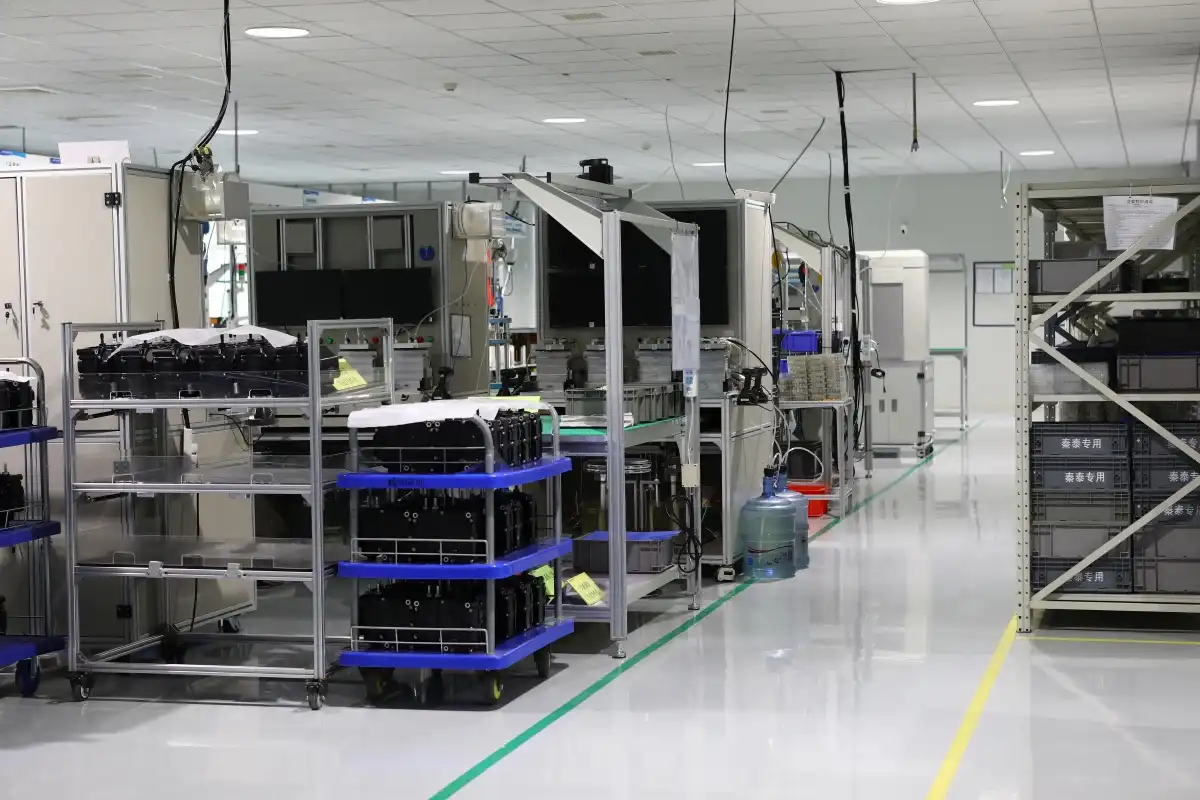
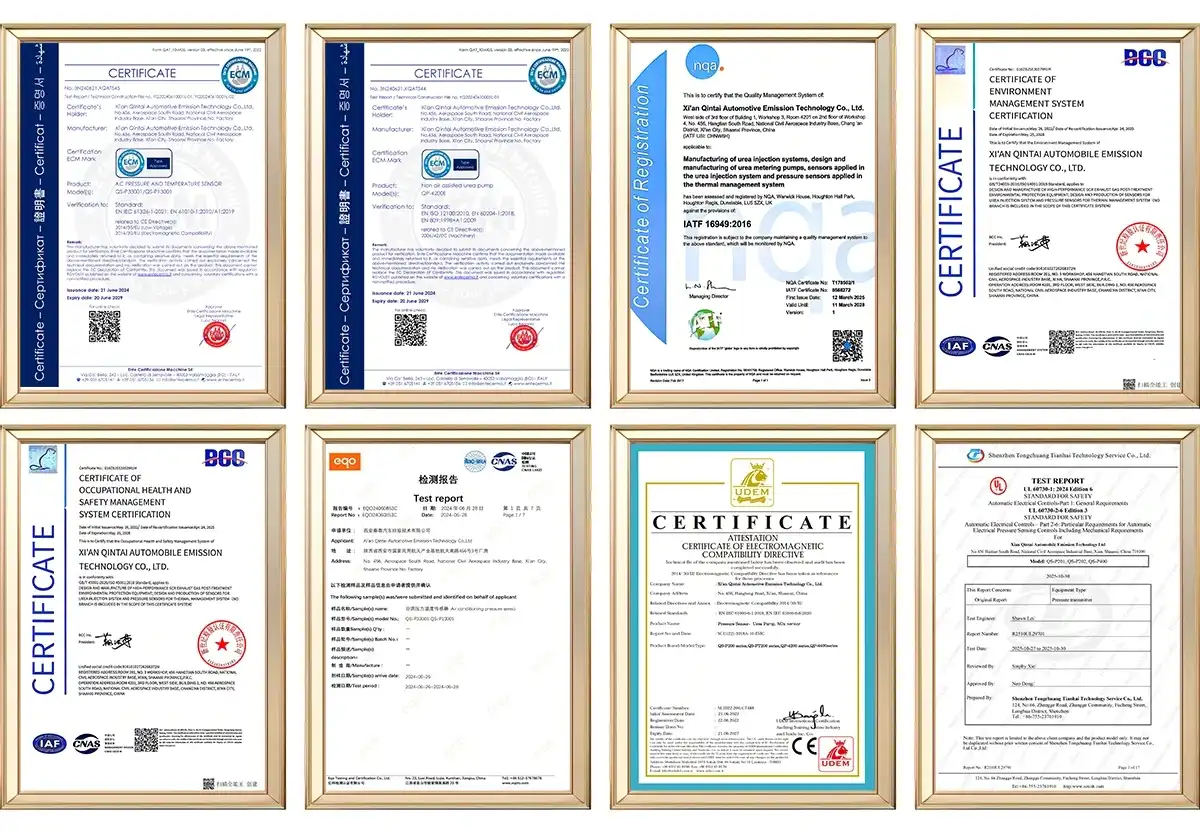
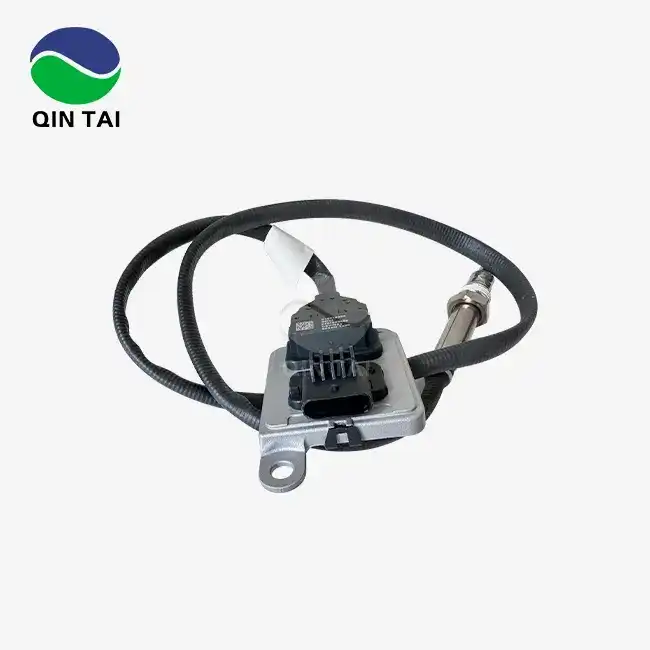
Xi'an Qintai Automotive Emission Technology Co. Ltd. delivers proven SCR aftertreatment solutions trusted by leading diesel engine manufacturers worldwide. As the leading Urea Injection System manufacturer in China's market, our products serve Weichai Power, Yuchai Power, and Quanchai Power as their core OEM supplier. Our comprehensive portfolio includes high-precision injection nozzles engineered to prevent crystallization, robust dosing modules designed for industrial reliability, and complete system integration capabilities. Certified under ISO 9001, IATF 16949, and holding 58 invention patents, we combine technical innovation with manufacturing excellence perfected since 2001.
Our engineering team provides customized solutions addressing specific application requirements, whether for heavy trucks, construction machinery, agricultural equipment, or generator sets. We support full OEM and ODM services from concept through mass production, ensuring your emission compliance objectives align with cost targets and production schedules. Technical support includes application engineering, system calibration assistance, and responsive after-sales service maintaining your operational uptime.
Contact our team at info@qt-sensor.com to discuss your specific requirements and discover how Qintai's advanced Urea Injection System technologies can optimize your fleet's emission performance while reducing total cost of ownership.
References
1. Johnson, T.V. (2015). "Review of Selective Catalytic Reduction (SCR) and Related Technologies for Mobile Applications." SAE International Journal of Engines, 8(3), 1088-1108.
2. European Commission Directorate-General for Internal Market, Industry, Entrepreneurship and SMEs. (2018). "Commission Regulation on Type-Approval of Motor Vehicles with Respect to Emissions (Euro VI)." Official Journal of the European Union.
3. United States Environmental Protection Agency. (2016). "Nonroad Diesel Emission Standards and Implementation Timeline." EPA Office of Transportation and Air Quality Technical Report.
4. Chatterjee, S., Conway, R., Viswanathan, S., et al. (2017). "NOx and PM Emissions Control for Heavy-Duty Diesel Engines: Technologies and Global Regulations." Emission Control Science and Technology, 3(2), 156-184.
5. International Organization for Standardization. (2019). "ISO 22241: Diesel Engines—NOx Reduction Agent AUS 32—Quality Requirements." Geneva: ISO Standards.
6. Ministry of Ecology and Environment of China. (2018). "China Stage VI Emission Standards for Heavy-Duty Diesel Vehicles: Technical Guidelines and Implementation Framework." Beijing: China Environmental Science Press.
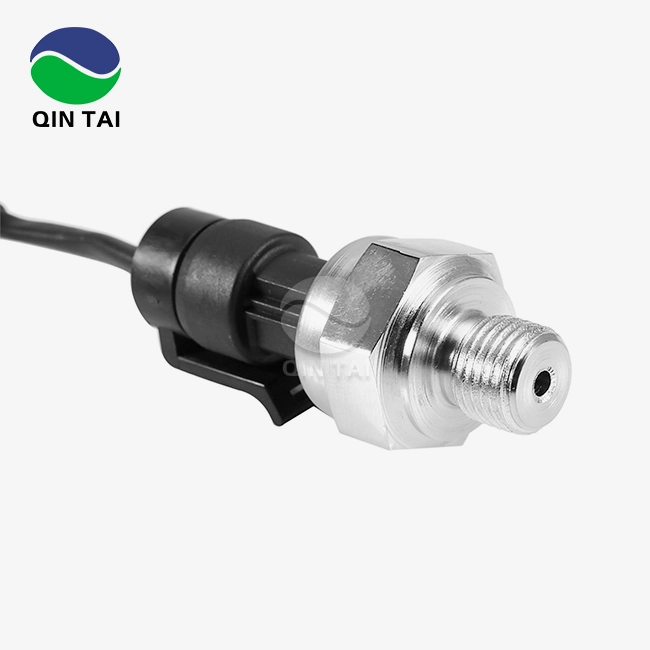
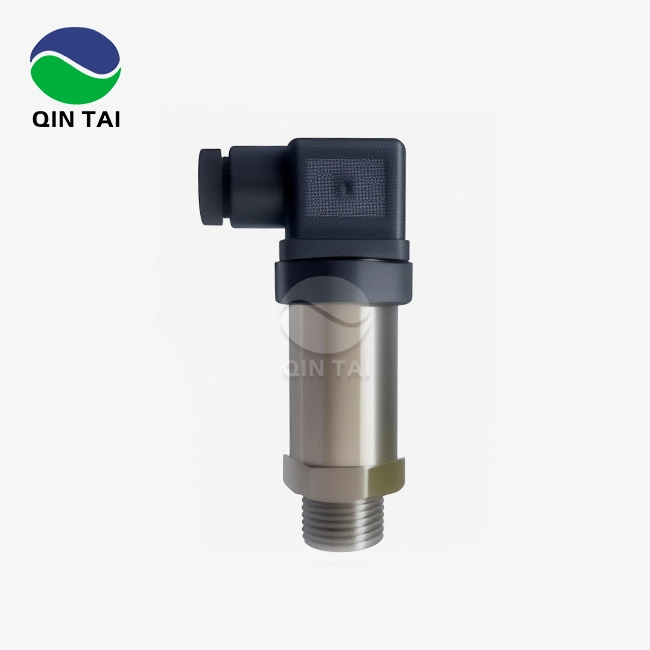

Our customers’ satisfaction speaks for our quality — contact us to experience the same reliable service.