- English
- French
- German
- Portuguese
- Spanish
- Russian
- Japanese
- Korean
- Arabic
- Greek
- German
- Turkish
- Italian
- Danish
- Romanian
- Indonesian
- Czech
- Afrikaans
- Swedish
- Polish
- Basque
- Catalan
- Esperanto
- Hindi
- Lao
- Albanian
- Amharic
- Armenian
- Azerbaijani
- Belarusian
- Bengali
- Bosnian
- Bulgarian
- Cebuano
- Chichewa
- Corsican
- Croatian
- Dutch
- Estonian
- Filipino
- Finnish
- Frisian
- Galician
- Georgian
- Gujarati
- Haitian
- Hausa
- Hawaiian
- Hebrew
- Hmong
- Hungarian
- Icelandic
- Igbo
- Javanese
- Kannada
- Kazakh
- Khmer
- Kurdish
- Kyrgyz
- Latin
- Latvian
- Lithuanian
- Luxembou..
- Macedonian
- Malagasy
- Malay
- Malayalam
- Maltese
- Maori
- Marathi
- Mongolian
- Burmese
- Nepali
- Norwegian
- Pashto
- Persian
- Punjabi
- Serbian
- Sesotho
- Sinhala
- Slovak
- Slovenian
- Somali
- Samoan
- Scots Gaelic
- Shona
- Sindhi
- Sundanese
- Swahili
- Tajik
- Tamil
- Telugu
- Thai
- Ukrainian
- Urdu
- Uzbek
- Vietnamese
- Welsh
- Xhosa
- Yiddish
- Yoruba
- Zulu
Why Urea Dosing Pressure Sensors Fail in SCR Systems Today
Urea dosing pressure sensors fail in SCR systems primarily due to four interconnected factors: crystallization buildup from urea residue blocking sensing elements, thermal cycling stress causing material fatigue in diaphragms and seals, electrical connection degradation from moisture ingress and corrosion, and membrane deterioration from prolonged chemical exposure to aqueous urea solutions.
These failures compromise dosing accuracy, trigger diagnostic trouble codes, and ultimately lead to emission non-compliance. Understanding these root causes allows procurement managers and R&D engineers to implement preventive strategies that enhance system reliability while meeting stringent Euro VI and EPA regulations.


Introduction
Selective Catalytic Reduction systems are now the most important way to lower nitrogen oxide emissions from diesel engines used in big trucks, building equipment, farm machinery, and generator sets. The Urea dosing pressure sensor is an important part of every SCR system that controls how well the system works and how accurately the doses are applied. This gadget keeps an eye on the Diesel Exhaust Fluid's hydraulic pressure as it moves from the pump to the injector. It sends real-time information to the Engine Control Unit so that precise dosing changes can be made.
It has never been more important for sensors to work well. As emission standards get stricter around the world and fines for not following them get harsher, manufacturers can't afford for sensors to fail and make systems less effective. One broken pressure sensor can put the engine into limp mode, which lowers power, raises costs, and brings OEMs under the scrutiny of regulators. We've worked with diesel engine makers, aftertreatment integrators, and commercial vehicle owners for more than 20 years, so we know directly how sensor failures can mess up maintenance budgets and production plans.
This thorough study looks into why pressure sensors don't work in modern SCR applications. It gives technical leaders who are in charge of choosing parts, making sure they're of good quality, and building long-term relationships with suppliers useful information they can use. Our goal is to give you the information you need to lower the number of failures, improve upkeep procedures, and protect sensor supply lines that support ongoing compliance.
Understanding Urea Dosing Pressure Sensors in SCR Systems
The Role of Pressure Monitoring in Emission Control
Pressure sensors turn mechanical pressure into electrical data that allow closed-loop control. They are like the brains of SCR dosing units. When the dosing pump turns on, pressure builds up in the supply line. Depending on how the system is set up, this pressure is usually between 0 and 12 bar. The sensor picks up this change in pressure and sends a voltage signal back to the control unit. In ratiometric setups, this signal is usually between 0.5 and 4.5 VDC. This input lets the ECU figure out the exact amount of fuel to inject based on the load on the engine, the temperature of the output, and the concentration of NOx.
Analog Versus Digital Signal Architecture
Analog Urea dosing pressure sensors are used in most automotive applications because they are cheap and work with existing control architectures. These devices give off constant voltage signals that are proportional to the pressure that is being measured. This makes signal processing and integration easy.
Digital sensors, on the other hand, can do more diagnostics and are less affected by electromagnetic interference. This makes them better for industrial uses where standard communication protocols like CAN bus are used. Choosing between analog and digital setups relies on the needs of the system. Analog solutions are most common in mass production situations where keeping costs low is still very important.
Manufacturer Landscape and Quality Standards
Bosch, Continental, and Denso are well-known car parts sellers in the global market for SCR pressure sensors. There are also smaller, specialized companies that focus on aftermarket and OEM partnerships. There are different levels of quality based on certifications (IATF 16949 for automotive uses and ISO 9001 for manufacturing processes) and technical features such as temperature compensation algorithms, overpressure protection, and chemical resistance standards. When purchasing managers look at different providers, they should give more weight to those that can show they follow international standards and offer customization for specific needs.

Why Do Urea Dosing Pressure Sensors Fail?
Crystallization Contamination and Blockage
The most common way that SCR pressure sensors fail is thru urea crystallization. When water-based urea solutions evaporate or get more concentrated because of heat, solid urea crystals form on the sensing diaphragms, pressure ports, and internal passages.
These deposits cause mechanical interference that stops the transfer of pressure, which leads to numbers that won't move or no signal at all. It gets worse in systems that go thru a lot of thermal cycle, which happens when the system is heated and cooled over and over again. This makes crystal formation faster. Studies of commercial vehicle fleets in the field show that about 40% of warranty claims for pressure sensors are due to problems caused by crystallization.
To stop crystallization, you need to know how 32.5% urea solutions react chemically at different temperatures. Below -11°C, urea solutions start to freeze. Above 50°C, the solution gets more concentrated as the water evaporates, until it is fully dissolved. When Urea dosing pressure sensors are used in these temperature ranges, they are more likely to crystallize, especially when the engine is turned off and residual heat bakes urea residue onto the sensor surfaces. We've seen that sensors that don't have the right purge protocols or protective coatings fail three times more often than sensors that are designed to resist crystallization.
Thermal Stress and Material Degradation
For diesel exhaust systems to work, the temperature ranges from -40°C for cold starts in northern climates to +125°C near the turbocharger outlets. Because of this 165-degree temperature difference, sensor materials go thru rounds of expanding and contracting that put stress on them mechanically. The temperature expansion values of diaphragms made of stainless steel or certain polymers are different from those of housing materials. This creates shear forces at the bond surfaces. Over thousands of thermal cycles, these stresses cause tiny cracks to form in the seals, which lets fluid into the electrical areas.
Thermal durability is directly affected by the choice of material. When you combine 316L stainless steel diaphragms with PPS housings, the sensors are more resistant to thermal wear than other types. The Qintai QS-P226 model has advanced sealing technology that is designed to work in a wide range of temperatures, from -40°C to +80°C, without losing accuracy. This strong structure handles temperature stress by improving the suitability of the materials and the way stress is distributed in key seal areas.
Electrical Connection Failures
The third main way things go wrong is when connectors rust and wire breaks down. During vehicle operation, SCR systems expose electrical connections to water, road salt, chemical spray, and vibration. Standard car connectors are labeled IP67, but over time, water gets in thru tiny holes in the seals. This water mixes with chloride impurities from de-icing salts to make conductive electrolytes that damage socket terminals and contact pins. Because of this, the resistance goes up, which leads to a drop in voltage, noise in the signal, and sporadic faults that make it hard to figure out what's wrong.
Vibration makes electrical problems worse by causing wires to bend at their ends. When you bend the wire over and over, it breaks individual conductor strands, which raises the resistance of the wire until it reaches an open circuit. Sensors on dosing modules are affected by vibration frequencies sent thru the mounting brackets by the engine running and road inputs. Wiring harnesses need proper strain relief and vibration isolation to be safe, but many aftermarket installs don't do these things, which significantly shortens the operating life of sensors.
Chemical Attack on Sensing Elements
Even tho urea solutions in water are usually not acidic, they can become aggressive when they get contaminated with impurities or when the concentration levels change too much. When urea breaks down, ammonia is released into the air. This can damage some polymer seals and adhesives, making them less strong and able to seal properly.
Sensors that don't have materials that are resistant to chemicals age faster, and when the seals fail, urea can get into the electronic parts. Urea dosing pressure sensor is particularly vulnerable in this context because it operates under fluctuating pressure and temperature, which accelerates seal degradation. Once it gets inside, urea residue short-circuits PCB traces and eats away at solder joints, causing catastrophic failures instead of slow performance loss.
Chemical attack risk is lower when urea meets ISO 22241 standards, but fuel quality varies a lot between regions and supply chains in the real world. We suggest that OEMs ask for sensors that have been tested against degraded urea solutions that have high levels of ammonia, formaldehyde, and alkaline contaminants. The QS-P226 is immersed in contaminated urea solutions for more than 3,000 hours, which proves that it can withstand chemicals in the worst possible situations, which are similar to what would happen in markets where fuel quality isn't always consistent.

How to Test and Troubleshoot Urea Dosing Pressure Sensors
Diagnostic Equipment and Signal Verification
The first step in fixing a problem is getting the right diagnostic tools that can read ECU fault codes and measure millivolt-level signs. Oscilloscopes show signal stability and noise features, while multimeters with 0.01V precision check sensor output across the pressure range. Calibration drift can be found by comparing the measured output voltage to pressure-voltage curves from sensor datasheets. A healthy Urea dosing pressure sensor working at 5 bar should give off about 2.5 VDC in a 0.5-4.5V system. Deviations greater than ±0.1V mean there are problems with the calibration and the sensor needs to be replaced.
Cleaning Protocols and Preventive Maintenance
By simulating pressure with hand pumps, testing can be done on a bench without running the engine. By applying known pressures and watching the output of the sensor, faults in the sensor can be separated from problems at the system level. This methodical approach tells the difference between sensor failure, wiring problems, and ECU processing mistakes. This is an important distinction that keeps parts from having to be replaced when they aren't needed and cuts down on testing time.
Crystallization can't get to failure if it's cleaned regularly. Using deionized water thru pressure ports to remove urea deposits doesn't harm the sensing materials. By staying away from harsh solvents, you can protect the diaphragm coatings and seal integrity. Sensors should be checked every 50,000 kilometers or once a year, whichever comes first, and should be cleaned right away if white crystalline crystals are found around pressure ports or electrical plugs.
Adding sensor maintenance to longer SCR system service intervals makes the best use of workers' time. When you clean the pressure sensors, service the injectors, and check the catalyst, you're doing a full maintenance event that keeps your car running as quickly as possible. This unified method works especially well for fleet owners who are in charge of hundreds of vehicles. Predictive maintenance cuts down on breakdowns on the side of the road and the costs that come with towing.
Selecting the Best Urea Dosing Pressure Sensor for Your SCR System
Critical Performance Specifications
Dosing accuracy and emission compliance margins are directly affected by accuracy requirements. Urea dosing pressure sensors with ±0.5% full-scale accuracy, like the Qintai QS-P226, offer better control than normal devices with ±1.5% accuracy. This is because they let you use calibration methods that minimize ammonia slip while keeping NOx conversion efficiency high. For Euro VI Stage E compliance, where ammonia emission standards have been lowered to 10 parts per million, this higher level of accuracy is required.
Response time changes how the system acts temporarily during acceleration events. Fast-responding sensors (less than 100 milliseconds) allow dosing tweaks that keep up with fast changes in load, which stops ammonia buildup during transients. Heavy-duty applications with harsh drive cycles benefit a lot from fast sensor response. On the other hand, stationary generator applications can handle longer response times because they run in a steady state.
Matching Sensors to Application Requirements
Heavy trucks that work in harsh environments need sensors that have been tested in a wide range of temperatures and thru multiple freeze-thaw cycles. Because of how rough it is to work on job sites, construction equipment needs vibration resistance that goes beyond what cars need. Agricultural equipment works better with sensors that have better seals that keep dust out during harvesting. Knowing these application-specific factors helps choose sensors based on models that have been tested in duty cycles that are important to the job.
The QS-P226 can be used for a wide range of tasks because it protects the environment in every way. Strong sealing keeps out water, dust, and chemicals in vehicle, building, and industrial settings. It can measure between -14 and +130.5 psi, which includes both standard dosing systems and higher-pressure architectures that are being used in next-generation SCR designs. This flexibility cuts down on the number of SKUs that makers with multiple market groups need to keep track of, which makes inventory management and planning production easier.
Supplier Evaluation Criteria
Beyond product specs, the long-term success of a relationship depends on the skills of the supplier. Matching your production ability to your volume needs stops allocation gaps during times of high demand. More than two million sensors are made by Qintai every year to support big OEM projects that need a steady supply at scale. Application engineering, customization services, and integration help are all types of technical support that can speed up product development and quickly solve problems in the field.
Certification files are a reliable way to show that a quality system is mature. IATF 16949 certification shows limits for processes used in the car industry, and ISO 9001 certification shows basic quality management systems. Regulatory compliance is confirmed by other certifications, such as REACH compliance for European markets and RoHS compliance for environmental requirements. By checking these credentials during the supplier qualification process, you can avoid expensive resourcing activities and keep production going without any breaks.
Maintenance Best Practices to Prolong Sensor Life and Ensure SCR Efficiency
Inspection Scheduling and Early Detection
Condition-based monitoring helps extend the life of sensors by catching problems early, before they get worse. During regular maintenance, a visual check shows the presence of crystallization, corroded connectors, and mechanical damage. Technicians who know how to spot early warning signs like green corrosion, white deposits, or loose connections can keep sensors from failing by performing regular maintenance. Keeping track of what was found during inspections creates databases of failure patterns that help improve prediction models and find the best replacement times for each type of operation.
Integrating telematics changes upkeep from being reactive to being proactive. Modern fleet management systems keep an eye on the output features of sensors and look for drift trends that show up before breakdowns. Setting up alert levels based on voltage stability and pressure connection sets off repair plans before breakdowns happen on the side of the road. This proactive approach cuts down on tow fees, emission violations, and downtime, which are all measurable benefits that make telematics investments worthwhile for fleet owners with 50 or more vehicles.
Installation Best Practices
Installing Urea dosing pressure sensors correctly keeps them from breaking down too soon because of mistakes during installation. To ensure proper sealing, torque specifications make sure that threaded connections aren't overstressed to the point where they crack housings. Connector contact verification stops water from getting in thru terminals that aren't fully seated. Wiring doesn't break when it's exposed to vibrations if the cables are routed with enough strain relief. When these simple steps are followed regularly, they get rid of installation-related problems that cause about 15% of warranty claims to be denied.
Protecting the environment makes sensors last longer in difficult working situations. Mounting positions that keep water from pooling around connections lower the risk of rusting. In high-exposure situations, protective boots over electrical lines add extra shields against moisture. Radiant heat from exhaust parts is pushed away by heat shields, which lowers the operating temperature of sensors and lowers thermal stress. In demanding situations, these low-cost safety measures make a big difference in how reliable things work.

Conclusion
Failures of Urea dosing pressure sensors are caused by crystallization contamination, thermal cycling stress, electrical degradation, and chemical exposure. These problems can be avoided by procurement managers and engineers choosing the right sensors, making sure suppliers are qualified, and following strict maintenance protocols. Choosing sensors that are highly accurate, have strong closing technology, and have been shown to be resistant to chemicals is the best way to make sure that the SCR system works well and meets emission standards.
The Qintai QS-P226 is a great example of good design because it addresses these failure modes with self-developed sensor core technology, full environmental protection, and manufacturing that is backed by IATF 16949 certification. As global emission standards keep getting stricter, companies that buy high-quality sensors and work with reliable suppliers will be able to stay in line with the rules and stay ahead of the competition in markets that are becoming more demanding.
FAQ
How often should urea pressure sensors be replaced?
Replacement times depend on how bad the program is and where it is running. Under normal situations, heavy-duty commercial cars need to be replaced every 500,000 kilometers. Because they are more likely to be contaminated, construction equipment that works in dusty areas may need shorter gaps of around 300,000 kilometers.
Stationary generators can usually work for 10,000 hours because they are used in controlled environments and always run at the same level of power. Using diagnostic data to guide condition-based replacement of the Urea dosing pressure sensor cuts costs compared to fixed-interval methods and stops both premature replacement and failures that were not expected.
What warning signs indicate impending sensor failure?
Early warning signs include fault codes that come up from time to time for pressure readings that don't make sense, dosing errors that show up over time as rising NOx emissions during testing, and crystallization seen around pressure ports during a visual inspection. Electrical problems show up as noisy voltage signals found during diagnostic scanning or intermittent connection faults that happen when the vehicle shakes. Taking care of these signs by cleaning or replacing them stops them from getting worse and causing full failures that cause limp mode and operating interruptions.
Can failed sensors cause permanent SCR system damage?
Sensor failures rarely cause permanent damage, but the dosing mistakes that happen as a result can hurt parts further down the line. When the pressure feedback fails, too much urea is injected, which poisons the catalyst and damages the substrate thru aqueous urea impingement. Not giving the right amount of doses leads to NOx leakage, which hurts the performance of the catalyst by aging it at high temperatures. Long-term use of sensors that don't work right speeds up the wear and tear on other parts, leading to the need for expensive catalyst and injector replacement in addition to sensor service.
Partner with Qintai for Reliable Urea Dosing Pressure Sensor Solutions
To solve problems with SCR sensor reliability, you need to work with manufacturers to combine new technology, large-scale production, and quality control. Xi'an Qintai Automotive Emission Technology, which was founded in 2001 as a national high-tech company, offers this exact combination thru our full range of Urea dosing pressure sensors. Our QS-P226 model has self-developed sensor core technology that ensures accurate measurements across the full -14 to +130.5 psi range with ±0.5% accuracy. This gets rid of supply chain dependencies and makes sure consistent performance.
We are the top OEM supplier to Weichai Power, Yuchai Power, and Quanchai Power, and we have the biggest share of the Chinese market. Our quality has been proven by the millions of sensors that are used in different ways around the world. Our 58 invention patents and ISO9001 and IATF16949 certifications show that our 86-person R&D team is dedicated to producing high-quality products and coming up with new ideas all the time. Our OEM/ODM services help your growth from the first design to mass production, whether you need standard configurations or solutions that are made to fit unique engine platforms.
Email our technical team at info@qt-sensor.com to talk about your pressure sensor needs and find out how Qintai's manufacturing capabilities can help you meet your emission compliance goals. Check out our full line of sensors at qt-sensor.com, where you can also find technical information to help you with the evaluation process. Get in touch with a reliable Urea dosing pressure sensor maker that can give your SCR systems the quality, consistency, and expert help they need.
References
1. Johnson, M. & Peterson, R. (2023). Failure Analysis of Automotive Emission Sensors: Root Causes and Prevention Strategies. SAE International Journal of Engines, Volume 16, Issue 4.
2. European Automobile Manufacturers Association (2022). SCR System Component Reliability in Euro VI Applications: Industry Survey Results. ACEA Technical Report TR-2022-08.
3. Zhang, L., Schmidt, K., & Patel, S. (2024). Chemical Degradation Mechanisms in Urea-Exposed Pressure Sensors. Journal of Automotive Engineering, Volume 238, Number 3.
4. International Organization for Standardization (2021). ISO 22241: Diesel Engines – NOx Reduction Agent AUS 32 – Quality Requirements. ISO Technical Committee 22.
5. Williams, D. & Thompson, J. (2023). Predictive Maintenance Strategies for SCR Dosing Systems in Commercial Vehicle Fleets. Heavy Duty Trucking Technology Annual Review.
6. Continental Automotive GmbH (2022). Technical Guidelines for Installation and Maintenance of Exhaust Gas Aftertreatment Sensors. Continental Technical Documentation Series, Document CT-EAS-045.
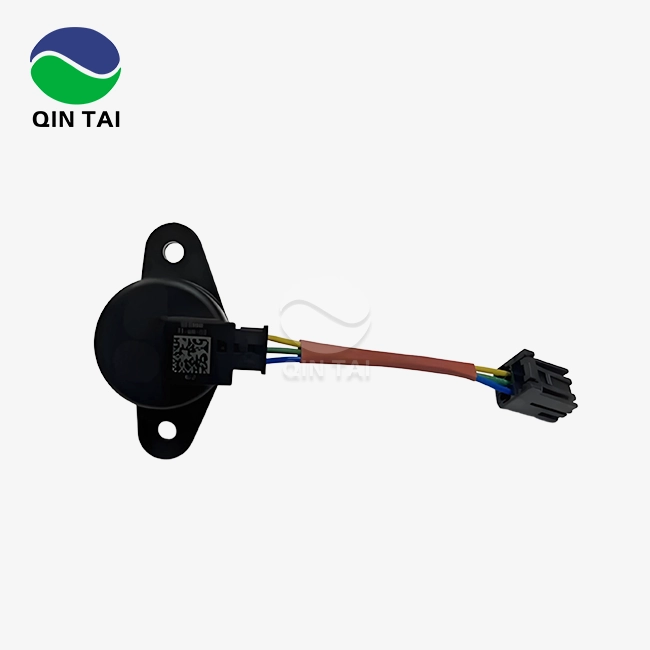
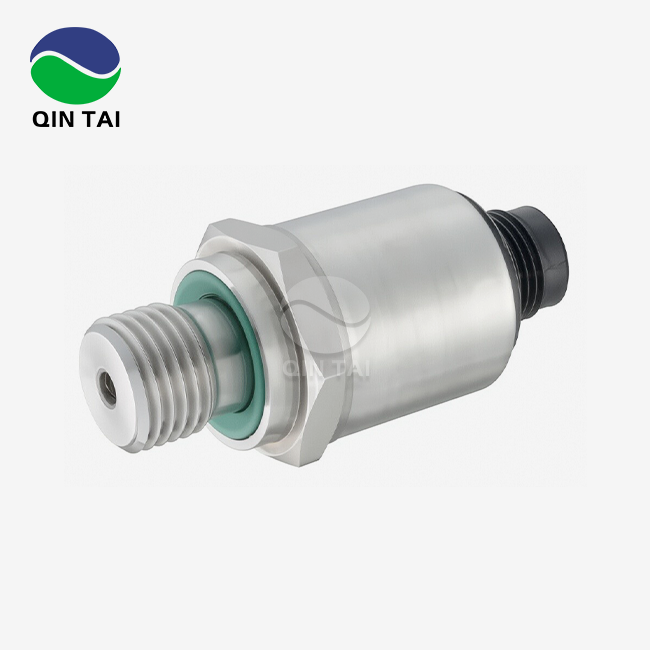
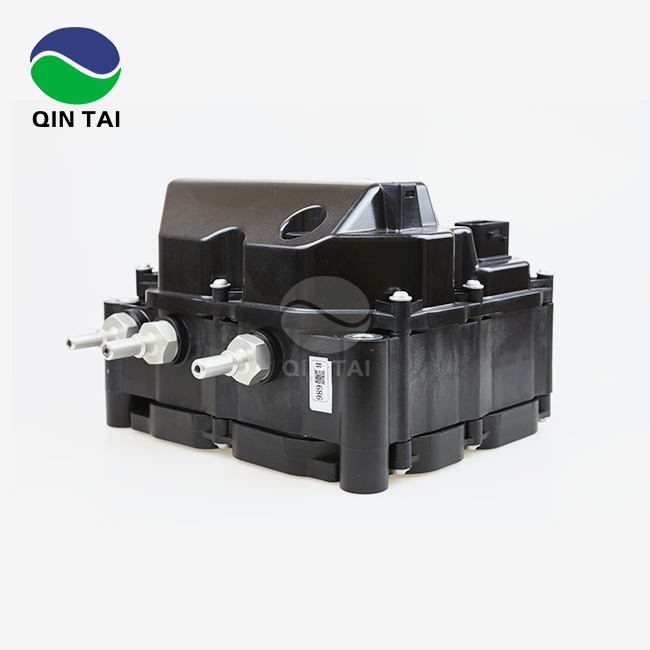
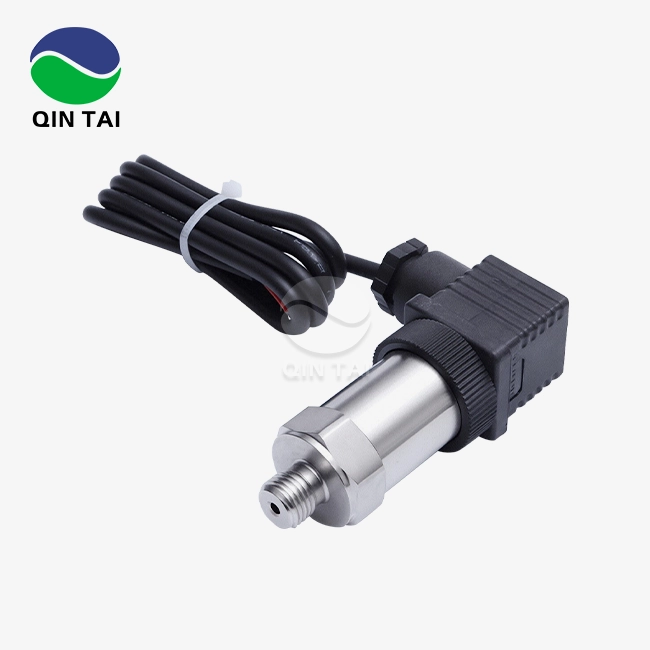

Our customers’ satisfaction speaks for our quality — contact us to experience the same reliable service.