- English
- French
- German
- Portuguese
- Spanish
- Russian
- Japanese
- Korean
- Arabic
- Greek
- German
- Turkish
- Italian
- Danish
- Romanian
- Indonesian
- Czech
- Afrikaans
- Swedish
- Polish
- Basque
- Catalan
- Esperanto
- Hindi
- Lao
- Albanian
- Amharic
- Armenian
- Azerbaijani
- Belarusian
- Bengali
- Bosnian
- Bulgarian
- Cebuano
- Chichewa
- Corsican
- Croatian
- Dutch
- Estonian
- Filipino
- Finnish
- Frisian
- Galician
- Georgian
- Gujarati
- Haitian
- Hausa
- Hawaiian
- Hebrew
- Hmong
- Hungarian
- Icelandic
- Igbo
- Javanese
- Kannada
- Kazakh
- Khmer
- Kurdish
- Kyrgyz
- Latin
- Latvian
- Lithuanian
- Luxembou..
- Macedonian
- Malagasy
- Malay
- Malayalam
- Maltese
- Maori
- Marathi
- Mongolian
- Burmese
- Nepali
- Norwegian
- Pashto
- Persian
- Punjabi
- Serbian
- Sesotho
- Sinhala
- Slovak
- Slovenian
- Somali
- Samoan
- Scots Gaelic
- Shona
- Sindhi
- Sundanese
- Swahili
- Tajik
- Tamil
- Telugu
- Thai
- Ukrainian
- Urdu
- Uzbek
- Vietnamese
- Welsh
- Xhosa
- Yiddish
- Yoruba
- Zulu
Urea Pressure Sensor Applications, Specs, and Cost for Fleets
Fleet managers and procurement professionals face mounting pressure to ensure diesel engines meet stringent emission standards while maintaining operational efficiency. At the heart of this challenge lies the urea pressure sensor, a critical component within SCR aftertreatment systems. This precision device monitors hydraulic pressure within Diesel Exhaust Fluid (DEF) delivery systems, enabling proper AdBlue dosing that reduces NOx emissions by up to 90%.
Understanding sensor specifications, applications, and total cost of ownership empowers purchasing managers to make strategic decisions that balance regulatory compliance with long-term fleet profitability. Whether managing heavy trucks, construction equipment, or generator sets, choosing reliable sensors from certified suppliers protects your investment and operational continuity.
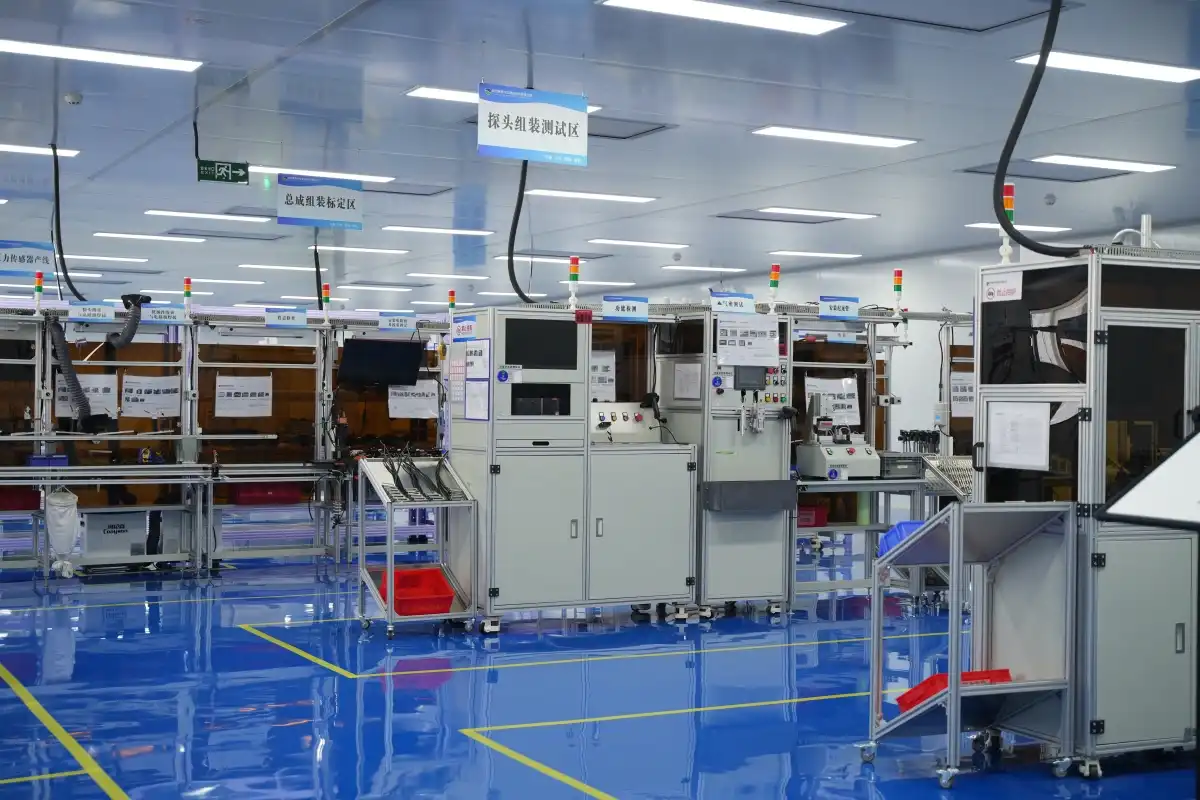
Understanding Urea Pressure Sensors: Function and Types
These special monitors keep an eye on the pressure inside SCR urea dosing systems all the time and send real-time information to the engine control units. This closed-loop contact makes sure that the right amount and time of fluid injection, which has a direct effect on how well emissions are reduced.
Core Functionality in SCR Systems
There are more uses for pressure tracking than just measuring. The sensor finds problems in the system, like leaks that lower pressure, blockages that cause too much pressure, and worn-out pumps that change how consistently the fluid is delivered. When pressure readings don't match what should happen, the ECU changes the dosing rates or sets off diagnostic problem codes. This keeps parts from breaking and emissions from being violated. This proactive monitoring finds problems before the whole system fails, which cuts down on unplanned maintenance.
OEM Versus Aftermarket Solutions
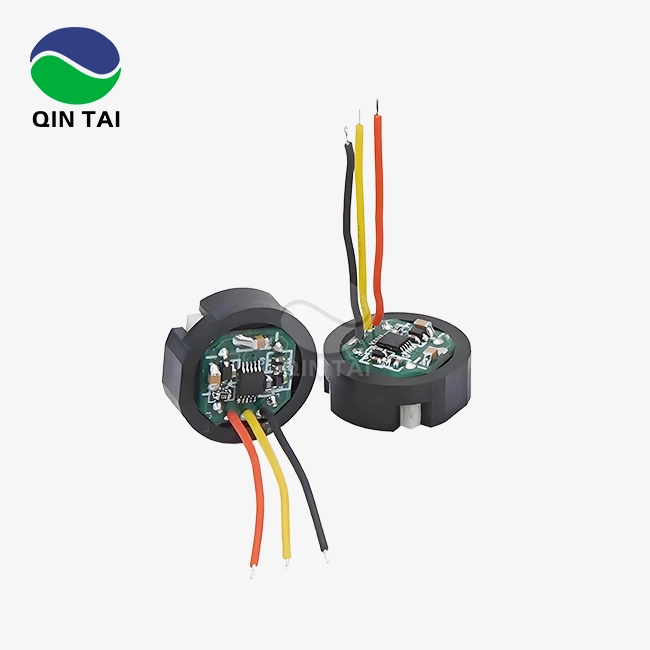
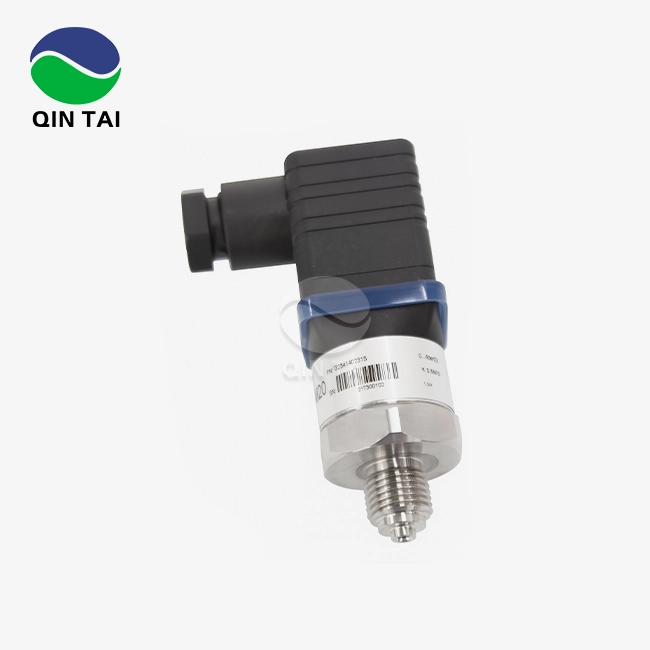
Original equipment sensors usually go thru a lot of validation testing with certain engine platforms to make sure they work with custom ECU programming. Aftermarket alternatives are cheaper, but you have to be very careful to match the specs exactly to avoid performance gaps. Analog vs. digital signal output, connector configurations, and pressure range calibration are some of the most important differences. The Qintai QS-P226 is an example of a self-developed sensor core that combines OEM-level accuracy with aftermarket freedom. It has an analog output and can work with a wide range of measurement ranges.
Technical Specifications That Matter
One of the most important factors is measurement accuracy, which directly affects dose precision and is usually between ±0.5% and ±2% across the working range. The pressure ranges from -14 psi to +130.5 psi allow for a variety of system designs, ranging from low-pressure constant injection to high-pressure pulsed doses. Extremes in temperature must be matched by operating temperature ranges.
This is especially important for cold weather starting situations where frozen DEF can make operations difficult. To keep integration from being hard, the signal output types—ratiometric voltage, current loop, or digital protocols—must match the infrastructure of the existing ECU.
Applications and Importance of Urea Pressure Sensors in Fleets
Pressure sensors are like the brains of emission control. They make it possible to follow the rules for EPA Tier 4 Final, Euro VI, and China VI, which are the rules for commercial diesel operations around the world.
Emission Control Compliance
Strict NOx limits are set by regulations and are measured in grams per brake horsepower-hour. If these limits are not met, punishments include fines and restrictions on operation. Consistent urea injection is possible even when the engine is under a lot of stress or the environment is changing. The sensor allows adaptive dosing that keeps emission performance within legal limits while avoiding excessive DEF usage that raises running costs. This is useful when driving on the highway, in cities with stop-and-go traffic, or when towing a big load.
Predictive Maintenance and Diagnostics
Condition-based repair plans are used by modern fleet management tools that use data from sensors. Gradual pressure drift means that the filter is clogged or the pump is wearing out, so the part can be replaced at regular service intervals instead of having to be fixed on the side of the road. Sudden changes in pressure can be caused by crystallization, air getting in, or electrical problems that need to be fixed right away. Industry fleet management studies show that this diagnostic ability cuts repair costs by 30 to 40 percent on average compared to reactive maintenance methods.
Sector-Specific Benefits
Less variation in DEF use is good for long-haul trucking operations because it makes fuel budgeting more accurate across routes that go thru multiple states. Construction fleets that work in dusty, high-vibration areas need sensors that can withstand the elements without breaking down too soon. Seasonal trends in the use of agricultural equipment mean that sensors need to be reliable during long periods of storage to avoid costly downtime during important planting or harvest times. Generator sets used in mines and backup power systems need to be very durable so they can work all the time in harsh circumstances.
Qintai QS-P226: Technical Specifications for Procurement Decisions
The QS-P226 sensor was made by our engineering team to meet the specific needs of purchasing managers who look at accuracy, durability, and system compatibility when choosing a supplier.
Performance Parameters
The QS-P226 has a measurement range of -14 to +130.5 psi and is accurate to within ±0.5%. This means that it gives accurate pressure readings in all situations, from starting up the system to doing the most. This specification is better than many rival goods that offer accuracy within ±1-2%. This means that emissions are better controlled and component stress is lower. The sensor works with a standard 5V supply voltage and sends out a 0.5-4.5 VDC ratiometric signal. This means that it can directly communicate with most diesel engine ECUs and doesn't need any signal conditioning modules.
Operating temperatures between 60°F and 80°F are ideal for performance, but the device can still work above or below these levels with only minor accuracy loss. This temperature range is good for uses that don't need to be in high temperatures, but there are other versions that can handle those conditions. Each unit goes thru 100% factory testing and comes with a 12-month guarantee, which shows how committed we are to quality security.
Enhanced SCR Performance Through Continuous Monitoring
Accurately measuring pressure keeps the right amount of AdBlue in the engine by sending constant feedback to the engine control unit. This lets you control the injection exactly, which increases the effectiveness of reducing NOx. The sensor's wide range of measurement options helps tell the difference between different system problems. Urea pressure sensor data, in particular, is critical for identifying pressure deviations; drops in pressure below what is predicted are a sign of system leaks that make doses less accurate.
When readings go above the normal operating pressure, it means that there are blockages that are causing overpressure, which could damage the injectors. Watching how pressure changes over time can show when a pump is losing its effectiveness before it stops working completely, while sudden changes can show when an injector isn't working right and needs service.
Durability Features for Demanding Environments
Automotive sensors have to work in tough situations that speed up wear and failure. Our engineering approach solves these problems by carefully choosing the materials and building methods we use. Chemical resistance comes from sensor materials that can withstand urea corrosion and crystallization. This means that they can stay accurate even when exposed to contaminated AdBlue, which happens to lower-quality products. Thermal stability makes sure that the sensor stays calibrated during cold starts and high-temperature operation cycles that are common in business job cycles. This means that the sensor can work reliably even when the temperature changes.
Vibration resistance comes from strong building that can handle steady car vibration without affecting the accuracy of the measurements, which is very important for off-highway uses. Environmental safety has a sealed design that keeps water and dirt from getting into internal parts and causing electrical problems. By extending service intervals and lowering the frequency of replacements, these durability features lower the total cost of ownership.
Selecting the Right Sensor for Your Fleet Requirements
When making a procurement decision, you have to weigh technical requirements against operational needs, budget constraints, and the supplier's abilities. This is what determines long-term value.
Matching Specifications to Application Needs
The size of the fleet affects the buying strategy. Standardized sensor platforms make inventory management and worker training easier for big operators. Different engine configurations have different ECU programming, connector types, and installation locations that determine what kind of physical sensors are needed. Operating settings with a range of temperature and vibration levels, as well as contamination exposure, decide the safety grades and material requirements that are needed.
Evaluation Criteria for Supplier Selection
The most important technical factor is measurement precision, which has a direct effect on emission compliance and system life. Environmental resistance, mean time between failures, and proven field performance that lowers the frequency of replacement are all parts of durability. Unit cost, volume discounts, and the total cost of ownership, which includes maintenance costs, are all things that affect the price. Checking for compatibility makes sure that sensors can work with current ECU systems without having to make expensive changes.
Certification qualifications including ISO 9001, IATF 16949, and regional compliance marks show that the product is made well and follows the rules. Supplier lead times affect plans for supplies and the ability to change parts quickly, which is especially important for fleets that are spread out physically. Warranty coverage and the availability of after-sales support affect how risks are reduced and how operations continue when sensors fail.
Brand Considerations and Market Positioning
Established OEM providers like Bosch, Delphi, and Continental offer tried-and-true technology, as well as a wide range of application engineering support and parts that can be shipped anywhere in the world. Their high prices come from the reputation of the brand and the fact that they have been thoroughly tested on a wide range of vehicle platforms. Emerging providers offer cheaper options with better quality standards, but buying teams need to do a lot of research to make sure they follow all the rules for getting certified and have a history of doing well in the field.
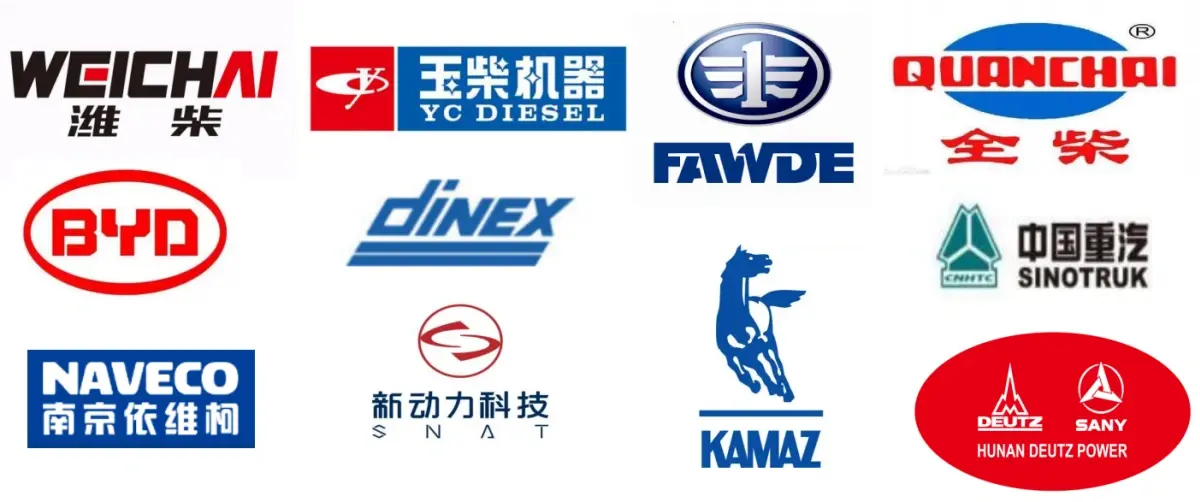
Xi'an Qintai Automotive Emission Technology is in a third group: well-known companies with a strong presence in the region that are now expanding into global markets. With a large part of the Chinese market, Qintai is the main OEM provider to Weichai Power, Yuchai Power, and Quanchai Power. Its high-volume production skills are well-known, and its prices are competitive on the foreign market.
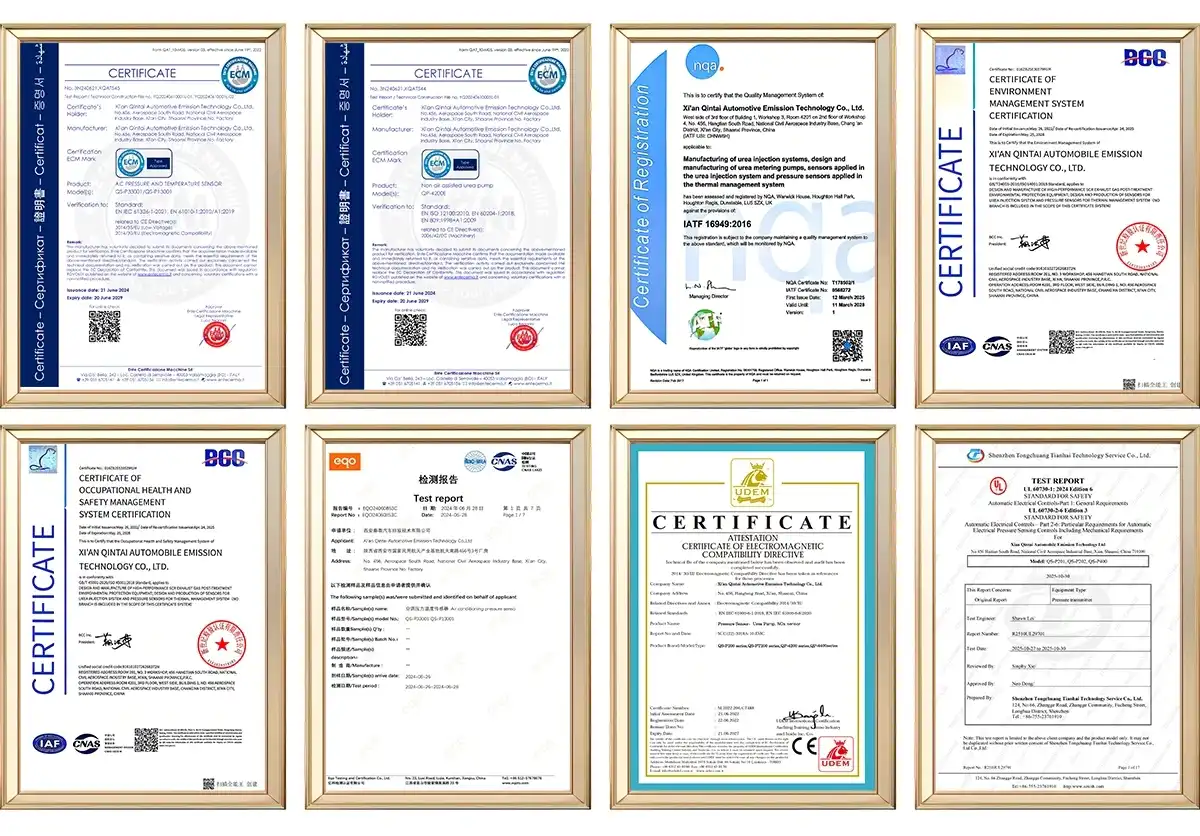
Our collection of 58 invention patents and certifications, such as IATF 16949, CE, REACH, and RoHS, shows that we have the technical know-how to meet Western quality standards. Urea pressure sensor technology, in particular, underpins many of our patented designs, ensuring precise dosing and system reliability across diverse operating conditions.
Installation Best Practices and Troubleshooting Guidance
Installing sensors correctly and following regular repair steps will improve their performance and service life while reducing the number of interruptions to operations.
Installation Protocol for Optimal Performance
Before starting the installation, make sure that the electrical connectors work together and that the pressure port thread specifications match what the vehicle needs. To keep contamination from getting into the installation process, clean the mounting surfaces very well. Use the right thread sealant that can handle DEF exposure, and don't use too much of it because it could block the pressure ports. By tightening the screws to the manufacturer's specs, you can avoid mechanical stress that could affect the calibration. Wiring cables should be kept away from heat sources and moving parts with secure attachment to avoid damage from chafing.
Once the system is physically set up, it needs to be tested for pressure to make sure the sensors work properly across their entire operating range. Get rid of any existing diagnostic codes and test the vehicle on the road under a range of load conditions to make sure the ECU can communicate correctly. Write down the values of your baseline blood pressure for future medical use.
Common Failure Symptoms and Diagnostic Approaches
Often, measures of erratic pressure mean that there are problems with the electrical connections, like corroded terminals or broken wire that needs to be inspected and fixed. Always low pressure readings could mean that there are leaks in the system, a pump that isn't working right, or a problem with the sensor's calibration. To fix the problem, the system leaks must be tested and the pump's flow must be confirmed. If you see high pressure readings, it means that there are blockages, ice buildups, or broken pressure release valves that need to be inspected and the quality of the DEF evaluated.
Complete sensor failure typically triggers diagnostic trouble codes with accompanying performance degradation or limp mode operation. Replacement decisions depend on failure mode, component age, and cost comparison between repair and replacement options. Systematic analysis keeps you from replacing parts that aren't needed and finds the root causes that might affect substitute sensors.
Preventive Maintenance Strategies
Visual inspections done on a regular basis look for physical damage, corroded connectors, and fluid leaks that could be signs of problems that are starting to form. DEF quality tracking stops crystallization and contamination, which make sensor failure happen faster. Cleaning an electrical connection gets rid of corrosion before it causes resistance to rise and signal quality to drop. Environmental protection verification makes sure that seals and covers stay in place, which stops water from getting in.
Regular calibration checks thru provider service programs ensure that measurements stay accurate. This is especially helpful for old sensors that are getting close to the end of their useful life. Recording maintenance tasks and changes in pressure levels allows for data-driven replacement planning, which improves inventory management.
Cost Analysis and Strategic Procurement Approaches
By understanding how costs are structured and using smart sourcing practices, you can get the most out of your procurement funds while still meeting the quality standards needed to follow the rules. Urea pressure sensor selection, for instance, directly impacts both cost efficiency and regulatory compliance, as its precision affects AdBlue consumption and emission control system performance.
Cost Components and Pricing Factors
Base sensor prices depend on the technology used to make them. For example, ceramic pressure elements cost more than silicon-based ones because they are more accurate and last longer. Costs for regulatory certifications like safety approvals and emissions compliance tests add a lot to the development costs that are recovered thru prices. Brand premiums are based on things like image, guarantee promises, and support systems that give the product more value than just the product itself.
There are tiered pricing structures that start at 50 units and go up at 100, 500, and 1000 units, with volume pricing structures offering big discounts for buying in bulk. Customization needs for connection types, pressure ranges, or signal outputs come with technical costs that are spread out well over large orders.
Bulk Purchasing Benefits and Negotiation Tactics
When large fleet operators buy things for all of their vehicles and maintenance centers at once, they have more negotiating power. Annual supply agreements with volume commitments lock in good prices and make sure that inventory is always available, even when there are problems in the supply chain. Partnering with providers can help you get extra services like expert support, longer warranty periods, and consignment inventory programs that lower your need for operating capital.
By mixing OEM and aftermarket sources, sourcing strategies lower supply risk and save money on less important uses. Supplier vetting processes check vendors' ability to make things, their quality systems, and their financial stability. This keeps problems from happening when vendors aren't reliable. By working together on the design, custom production relationships with skilled suppliers can help improve specifications and possibly lower costs.
Certification and Warranty Considerations
Emission certification compliance is a must, so it's important to check that suppliers have the right regulatory approvals during the vendor qualification process. Warranty terms that range from 12 to 36 months have a big effect on the total cost of ownership. Full coverage lowers repair costs, which makes up for higher starting prices. For mission-critical applications where downtime costs more than component savings, after-sales support features like technical hotlines, field service availability, and expedited replacement programs make the higher price point worth it.
Conclusion
A strategic approach to buying sensors takes into account technical requirements, the skills of suppliers, and costs. All of these factors affect how well the fleet meets emission standards and how efficiently it runs. The Qintai QS-P226 is an example of current sensor technology because it combines accurate measurements, a sturdy design, and full flexibility that makes it useful for a wide range of business uses.
Purchasing managers who look at requirements for accuracy, environmental needs, and supplier credentials can make smart choices that maximize long-term value. Strategies for buying in bulk that use volume discounts and partnership agreements to cut costs and keep supplies going. Urea pressure sensor monitoring is critical in SCR systems, and its integration into the purchasing strategy ensures that emission control performance is not compromised by overlooked component-level failures.
Systematic troubleshooting and preventative maintenance plans make instrument service lives longer, which increases the return on investment. As emission standards continue to get stricter around the world, it is still very important to have accurate pressure tracking for fleet operations to be sustainable.
FAQ
What indicators suggest sensor malfunction requiring replacement?
Diagnostic trouble codes that deal with the performance of the SCR system, along with the check engine light, are the main signs of a problem. Some operating signs are less engine power when the vehicle goes into limp mode, more DEF use without better emissions, and irregular pressure readings that can be seen on diagnostic scan tools. A physical check that shows corroded connectors, broken wiring, or damaged sensor bodies proves that the device needs to be replaced.
What lifespan should fleet operators expect from quality sensors?
Heavy-duty uses usually last between 3 and 5 years, or 300,000 to 500,000 miles, before they need to be replaced. However, the operating conditions have a big effect on how long they last. Extremely hot or cold environments, high vibrations, or problems with the quality of the DEF can speed up wear and tear and cut service life in half. Regular upkeep and good DEF use make sensors last longer. In good situations, some units last over 600,000 miles.
How do OEM and aftermarket sensors compare in reliability?
OEM sensors have been thru a lot of reliability testing with different engine platforms, which usually means they work better at first and come with better guarantee support. Quality aftermarket options from approved manufacturers offer similar performance at a lower cost, but procurement teams need to make sure that the specifications exactly match the needs of the application. Third-tier aftermarket goods that don't have the right certifications pose reliability risks that cost a lot more in operating delays and compliance fails than they save in the beginning.

Partner with Qintai for Reliable Emission Control Solutions
Xi'an Qintai Automotive Emission Technology can help your fleet run better because they have over 20 years of experience with diesel aftertreatment. We make precise sensors that meet strict Euro VI and EPA compliance requirements as China's top OEM supplier that is certified to IATF 16949 and ISO 9001 standards. Our QS-P226 urea pressure sensor is an example of the high-quality engineering that has earned us partnerships with Weichai Power, Yuchai Power, and Quanchai Power. This makes us your reliable supplier for large-scale purchases.
We provide full OEM and ODM services that allow for customization from the first design phase thru mass production, with flexible specifications that can be tailored to your specific application needs. Thru 58 invention patents, our independent research and development team is always making sensor technology better so that your fleet can get the newest performance gains. Over 60 countries are covered by global distribution, which provides stable supply chain support and quick expert help.
Contact our purchasing experts at info@qt-sensor.com to talk about how much urea pressure sensors for sale cost in bulk, how to change the specifications, and how to work together. Visit qt-sensor.com to see our full line of sensors and learn how Qintai quality can help you handle emissions better while also lowering your total cost of ownership.
References
1. Johnson, M. & Williams, R. (2022). "Diesel Emission Control Technologies: SCR System Components and Performance Optimization." Society of Automotive Engineers International Journal of Engines, Vol. 15, Issue 4, pp. 512-528.
2. Chen, L., Schmidt, T., & Anderson, K. (2021). "Sensor Technologies for Heavy-Duty Vehicle Emission Compliance: Reliability and Cost Analysis." International Journal of Automotive Technology, Vol. 22, No. 3, pp. 745-762.
3. European Automobile Manufacturers Association (2023). "Commercial Vehicle Emission Standards: Technical Requirements and Component Specifications for Euro VI Compliance." ACEA Technical Report Series, Brussels, Belgium.
4. Martinez, P. & Thompson, J. (2022). "Fleet Maintenance Strategies for SCR Aftertreatment Systems: Predictive Diagnostics and Cost Optimization." Journal of Transportation Engineering, Vol. 148, No. 8, Article 04022056.
5. United States Environmental Protection Agency (2023). "Heavy-Duty Highway Compression-Ignition Engines and Urban Buses: Exhaust Emission Standards." EPA Office of Transportation and Air Quality, EPA-420-B-23-001.
6. Zhang, H., Mueller, S., & Roberts, D. (2021). "Pressure Sensor Performance in Diesel Exhaust Fluid Dosing Systems: Environmental Durability and Measurement Accuracy." Sensors and Actuators A: Physical, Vol. 331, Article 112950.


Our customers’ satisfaction speaks for our quality — contact us to experience the same reliable service.