- English
- French
- German
- Portuguese
- Spanish
- Russian
- Japanese
- Korean
- Arabic
- Greek
- German
- Turkish
- Italian
- Danish
- Romanian
- Indonesian
- Czech
- Afrikaans
- Swedish
- Polish
- Basque
- Catalan
- Esperanto
- Hindi
- Lao
- Albanian
- Amharic
- Armenian
- Azerbaijani
- Belarusian
- Bengali
- Bosnian
- Bulgarian
- Cebuano
- Chichewa
- Corsican
- Croatian
- Dutch
- Estonian
- Filipino
- Finnish
- Frisian
- Galician
- Georgian
- Gujarati
- Haitian
- Hausa
- Hawaiian
- Hebrew
- Hmong
- Hungarian
- Icelandic
- Igbo
- Javanese
- Kannada
- Kazakh
- Khmer
- Kurdish
- Kyrgyz
- Latin
- Latvian
- Lithuanian
- Luxembou..
- Macedonian
- Malagasy
- Malay
- Malayalam
- Maltese
- Maori
- Marathi
- Mongolian
- Burmese
- Nepali
- Norwegian
- Pashto
- Persian
- Punjabi
- Serbian
- Sesotho
- Sinhala
- Slovak
- Slovenian
- Somali
- Samoan
- Scots Gaelic
- Shona
- Sindhi
- Sundanese
- Swahili
- Tajik
- Tamil
- Telugu
- Thai
- Ukrainian
- Urdu
- Uzbek
- Vietnamese
- Welsh
- Xhosa
- Yiddish
- Yoruba
- Zulu
What Is the Best Water Pressure Detector for Industrial Applications?
Selecting the right water pressure detector for industrial applications directly influences operational efficiency, equipment longevity, and regulatory compliance. The optimal device balances precision measurement capabilities with robust construction suited to harsh environments. Industrial-grade pressure detectors must deliver consistent accuracy, withstand temperature extremes, resist corrosive fluids, and integrate seamlessly with existing control systems.
Leading solutions incorporate digital interfaces, wireless connectivity, and customizable alarm thresholds. These features enable real-time monitoring across diesel engine cooling systems, SCR aftertreatment circuits, hydraulic machinery, and generator sets, ensuring purchasing managers and R&D engineers can maintain emission standards while controlling total ownership costs.
Understanding Water Pressure Detectors in Industrial Applications
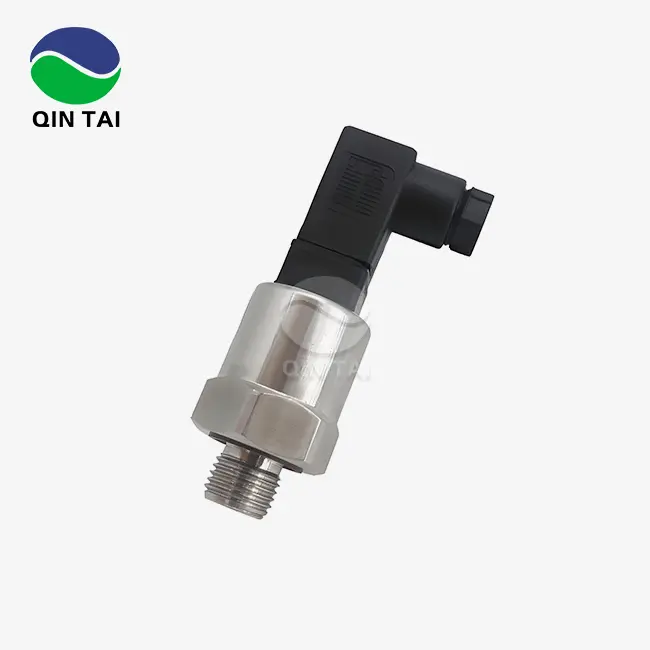
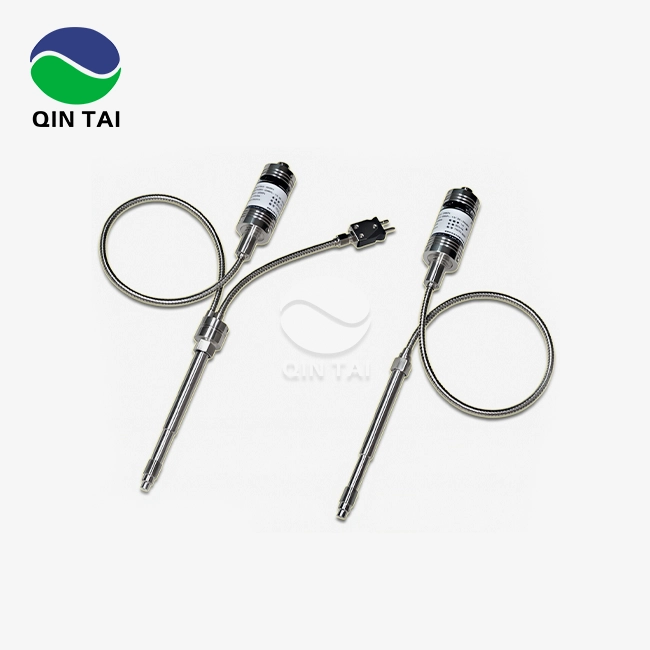
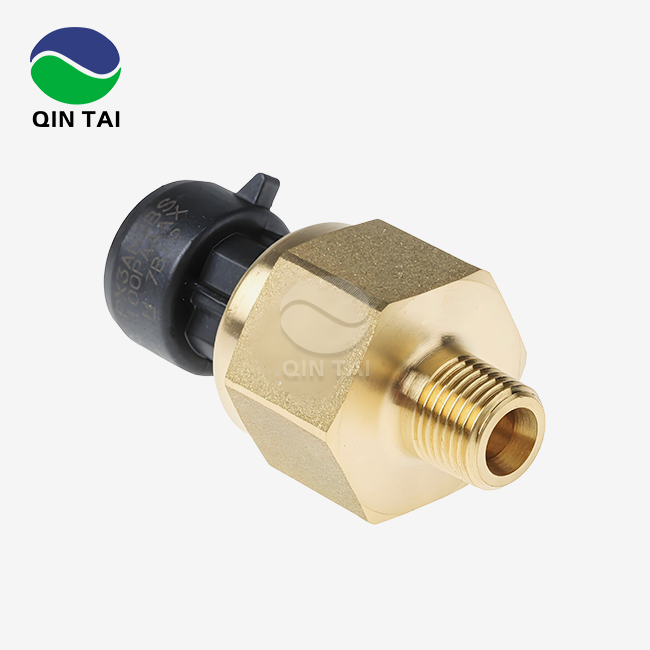
Industrial water pressure detectors are important monitoring parts that measure the pressure of fluids in closed systems and turn physical force into electrical signals. Modern monitors send data to control units, which lets them automatically respond to changes in pressure. This is different from simple pressure gauges that only show numbers. This difference is very important in situations where constant control without human input is needed.
Working Principles and Core Technologies
Pressure detectors use sensor elements that change shape when force is applied. These elements usually use piezoresistive, capacitive, or strain gauge technologies. This change in the mechanics causes an equal and opposite electrical output that can be measured in millivolts or standard signals like 4-20 mA. When the diaphragm of the sensor touches the pressurised medium, force is turned into data that control systems can understand. Good detectors stay constant across their full range, which keeps measurement error to a minimum over thousands of pressure cycles.
Types Relevant to Industrial Environments
For digital pressure detectors, you can set your own alarm points and connect them directly to PLCs using protocols like CANbus or Modbus. These devices work well with complicated systems that need to keep an eye on many pressure points from one place. Analogue versions have easier 0-5V or current loop outputs that make them easy to connect to older devices. In retrofit projects, wireless models save money by not needing cables, but they do need reliable power sources and signal coverage. When limits are crossed, alarm-equipped devices sound or light up warnings to protect people and equipment from overpressure events.
Applications Across Industrial Sectors
Pressure tracking in cooling circuits and urea dosing systems are used by diesel engine makers to make sure that their engines meet China VI and Euro VI emission standards. Aftertreatment system designers need sensors that can work with SCR catalyst housings and DPF renewal circuits. These circuits are exposed to high temperatures and exhaust gases, which can damage sensors over time.
Pressure detection is used in construction equipment hydraulic systems to keep cylinders from getting damaged and to make sure that power is distributed evenly. Monitoring the coolant pressure is important for keeping generator sets in mines and backup power facilities from overheating during long operation cycles. Different uses have different needs when it comes to measurement range, reaction speed, and resistance to the surroundings.
How to Choose the Best Water Pressure Detector for Your Industrial Needs
When making a procurement decision, technical specifications need to be carefully weighed against operational realities. The first step in the decision process is to write down the system pressure ranges, fluid properties, environmental conditions, and integration needs.
Critical Selection Criteria
The reliability of data depends on how accurately measurements are made. In industrial settings, ±1% full-scale precision is usually needed or better. Response time is important in dynamic systems where sudden changes in pressure need to be picked up right away; fast-acting sensors can do this in milliseconds or less. There are different ways to connect, such as analogue outputs for basic monitoring, digital protocols for more in-depth diagnostics, and wireless transmission for installations that are spread out. Access to calibration affects maintenance costs; devices whose zero and span settings can be changed in the field have less downtime than units that need to be re-calibrated at the factory.
Durability is based on a number of factors, including housing materials that are resistant to chemicals and water, pressure ports that can handle working fluids, and electricity grades that are safe for dangerous areas. System support includes more than just signal types. It also includes mounting arrangements, thread standards, and working with certain OEM platforms. Temperature adjustment keeps accuracy across all working ranges. This is especially important for outdoor equipment that is exposed to changing weather.
Balancing Performance and Cost Considerations
Honeywell and other well-known companies make a wide range of products for industrial systems. Their pressure sensors have tough housings and come with a lot of certifications. Siemens focuses on process industry solutions, including versions that can't explode and clean designs for pharmaceutical uses. Emerson's sensor range has high-vibration-resistance and SIL-rated safety features for the oil and gas industries. Ashcroft makes mechanical and electronic pressure instruments that are both reliable and up-to-date in terms of electronics. Wika has a wide range of pressures and can make unique designs to meet the needs of OEMs.
The initial buy price, the difficulty of installation, the frequency of calibration, and the projected service life must all be taken into account when figuring out the total cost of ownership. A moderately priced water pressure detector that needs to be re-calibrated every year might cost more over five years than a high-end unit that stays stable for three years. Purchasing managers should ask for documentation on the product's lifecycle and compare warranty terms that show how confident the manufacturer is in the product's long-term performance.

Installation, Calibration, and Maintenance of Industrial Water Pressure Detectors
When you place a monitor correctly, it sets the stage for accurate measurements for the whole time it works. By placing sensors away from sources of turbulence and temperature differences, wrong readings that are caused by fluid dynamics instead of system pressure can be avoided.
Installation Best Practices
Mounting direction should be done according to the manufacturer's instructions. Some sensors can be installed in any position, but others need to be installed vertically to keep air from getting trapped. To reduce errors caused by speed, pressure ports should connect in a way that is perpendicular to the flow direction. Thread seals need to be able to work with system fluids and keep sensor spaces clean. It doesn't matter if the electrical connections are in a climate-controlled enclosure or an outdoor machinery compartment; they need to be protected from strain and the environment.
Safety rules say that the system has to be depressurised before any water pressure detectors can be added or taken out. Lockout-tagout methods keep maintenance work from starting up by mistake. After fitting, leak-free connections are checked with pressure tests before the equipment is put back into service. Keeping track of the times of installations and standard readings helps with troubleshooting in the future.
Calibration Methodologies and Frequency
Calibration connects the sensor's output to known reference values and makes sure it can be tracked back to national standards. For lab calibration, deadweight testers provide the primary standard accuracy, and portable pressure calibrators let you check against secondary standards in the field. Linearity errors can be found by multi-point calibration across the measurement range, and output differences can be checked by hysteresis testing when pressure goes up and down.
Calibration intervals depend on how important the application is and how stable it is seen to be. In diesel aftertreatment, emission-critical sensors may need to be checked once a year to keep their approval current. For uses that don't need as much power, the periods can be extended to 24 or 36 months based on past performance data. Automated monitoring systems can keep track of measurement drift between calibrations and call for service before the accuracy drops too far.
Preventive Maintenance and Troubleshooting
As part of routine inspection, process buildup on sensor ports, corrosion on electrical terminations, and damage to housings or cables are all things that are looked for. Follow the manufacturer's instructions for cleaning. For example, some sensors can be flushed with suitable chemicals, while others need to be gently wiped to protect the diaphragm. Electrical testing with multimeters checks the ranges of the power source voltage and output signals without putting any pressure on the device.
Zero drift from changes in temperature, span errors from sensors getting old, and sporadic readings from water getting in are all common problems. When mechanical parts are still in good shape, addressing drift through recalibration brings back accuracy. Span mistakes outside of the adjustment range mean that the sensor element is worn out and needs to be replaced. Problems with moisture need better sealing or moving to a safer place. Keeping extra sensors on hand for important measurement points cuts down on downtime when something goes wrong.
Top Water Pressure Detectors for Industry in 2026—Comparison and Insights
The products on the market now show how miniaturisation, digital technology, and smart diagnosis have improved. Making smart procurement decisions means comparing the best models to specific application needs.
Buyers in the industrial sector are happy with sensors that combine multiple communication methods. Units with both analogue outputs and digital connections allow system changes to be made without having to replace any hardware. Alarms are useful in unmanned installations because they let you know right away when something is wrong. In retrofit situations, wireless capabilities lower installation costs, but there are still concerns about reliability in places with a lot of electrical noise or buildings that block signals.
There are big differences in the technical specs between price points. Entry-level sensors that are good for non-critical tracking have basic accuracy and limited temperature compensation, so they can be used in situations where rough numbers are enough. When it comes to OEM integration, mid-range devices offer calibrated accuracy, standardised electrical connections, and moderate environmental rates that meet the needs of most machinery. Premium industrial-grade water pressure detectors are very stable, can work in a wider range of temperatures, and have been approved for use in dangerous areas or for safety-critical tasks.
Warranty terms show how confident the manufacturer is in the product. A standard one-year warranty covers problems with the way it was made, while longer warranties show that the product has been reliable in the field. Long-term happiness is affected by the availability of technical help, especially for integrators who are making custom machinery and need application-specific advice. Procurement managers like it when makers offer engineering help during the development of specifications and the start-up of systems.
Avoiding Common Pitfalls and Ensuring Safety in Industrial Water Pressure Detection
People have wrong ideas about how to choose sensors, which can cause operational problems range from small annoyances to major safety risks. Knowing about these risks lets you come up with effective ways to reduce them.
Selection and Application Errors
If you choose sensors with poor pressure values, they could fail catastrophically when systems experience short-term spikes during starting or valve operation. If you don't check to see if the fluids are compatible, the diaphragm will break down, which can lead to calibration drift or sudden leaks. Ignoring the effects of temperature leads to measurement errors in outdoor equipment that goes through daily thermal cycles. Mobile machinery and reciprocating compressor systems break down faster when they don't have enough vibration protection.
Electrical dangers happen when non-rated sensors are used in dangerous environments or when proper grounding is not provided. During installation, mechanical damage can happen if pressure ports are overtorqued or heavy wires are not supported properly. Communication protocol mismatches stop integration from working, and they are only found when the system is being put into service, which slows whole projects.
Compliance and Safety Considerations
Emission rules say that diesel aftertreatment systems must have calibrated sensors and must keep records for certification audits. Using water pressure detectors that aren't certified or that haven't been properly kept puts regulatory approval at risk and could lead to fines for makers. Industrial safety standards say that pressure equipment must be certified in places that need third-party approval before it can be used.
Technicians go through training programs to make sure they know how to put equipment, what needs to be calibrated, and how to fix problems that are specific to measuring pressure. Documentation systems keep track of when things were calibrated, maintained, and replaced, which helps with quality checks and failure analysis. Smart tracking technology constantly checks itself and lets workers know when a sensor isn't working right, so they can fix the problem before it affects safety or process control.
Conclusion
To find the best water pressure detector for industrial use, you need to match the device's technical features to its operational needs and think about the total cost of ownership and any regulations that need to be followed. The best choice provides measurement accuracy that meets the needs of the process, longevity that meets the needs of the surroundings, and compatibility with current control infrastructure.
Systematic evaluation of sensor specifications, manufacturer support capabilities, and lifecycle costs is helpful for companies that make diesel engines, equipment OEMs, and aftertreatment integrators. Installing detectors correctly, calibrating them regularly, and doing preventative maintenance will make them more reliable and extend their useful life. This will protect large investments in industrial equipment and make sure that regulations are followed and operations are safe in a wide range of situations.
FAQ
How accurate should industrial pressure detectors be for emission control systems?
To stay in line with China VI and Euro VI norms, emission-critical uses usually need full-scale accuracy of 1% or better. Urea dosing systems in SCR aftertreatment are accurate to within ±0.5%, which makes sure that catalyst conversion rates are accurate. For regulatory audits to go smoothly, certified sensors must come with calibration documentation.
What environmental factors affect pressure detector longevity?
When the temperature changes, the material expands and contracts, putting stress on sensor elements and electrical links. Seals and diaphragms wear out when they come into contact with acidic fluids or exhaust gases. Mobile equipment that vibrates fasters up mechanical wear and electrical link problems. Moisture getting into electronics weakens them and causes rust. If you choose monitors that are rated for the conditions you expect, they will last longer.
Can pressure detectors integrate with existing machinery control systems?
These days' sensors work with many protocols, such as CANbus, Modbus, analogue voltage, and current loops. For integration to work, electrical interfaces and transmission standards must match the powers of the control unit. Integrators of aftertreatment systems often need parameters that can be changed so that they can work best with certain engine platforms. By talking to sensor manufacturers during the design process, problems with compatibility can be avoided.
Partner with Qintai for Reliable Industrial Pressure Detection Solutions
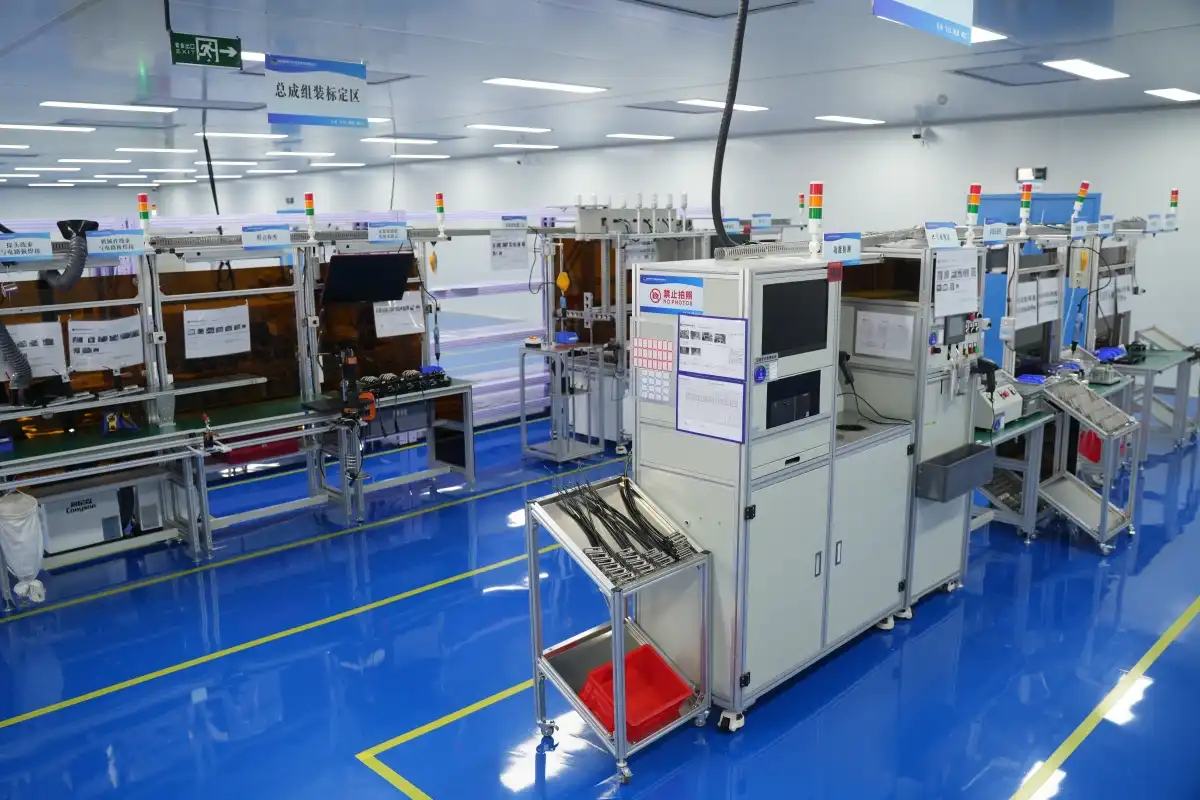
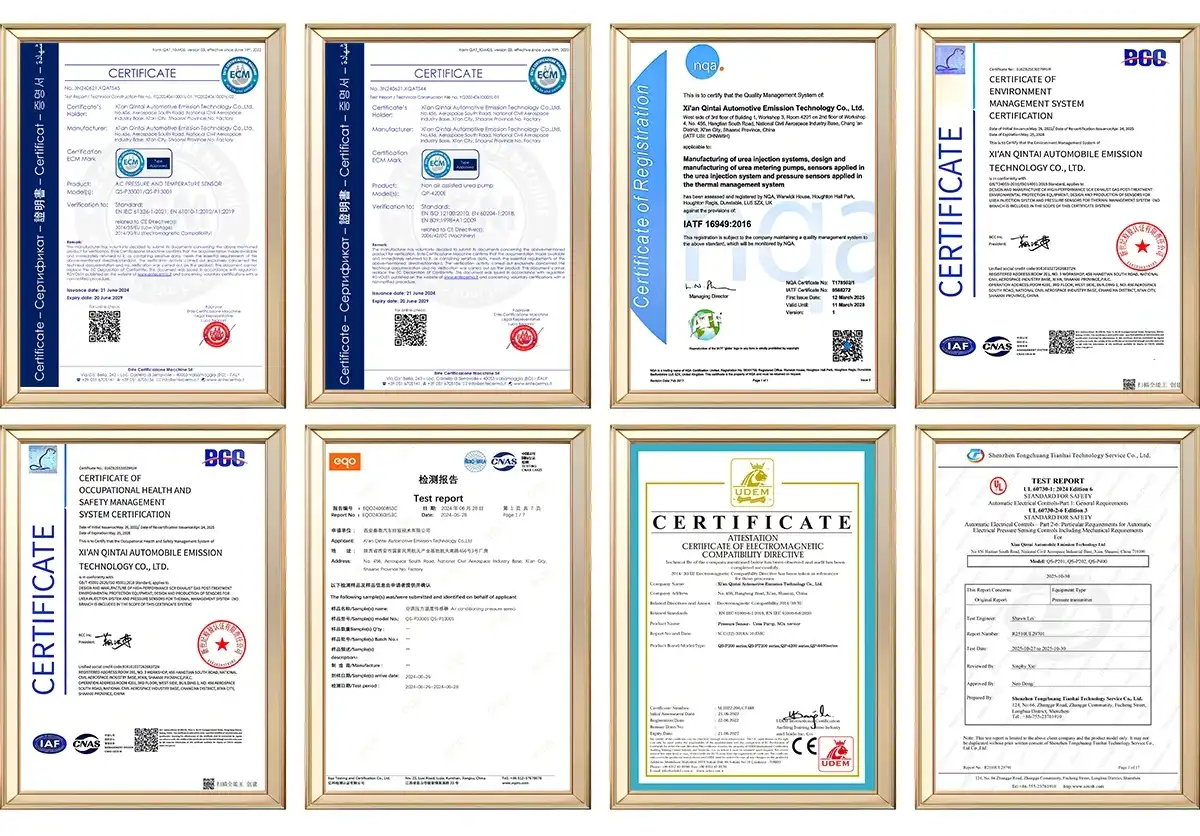
Qintai Automotive Emission Technology Co., Ltd. Ltd is the biggest company in China that makes water pressure detectors. Since 2001, they have been working with diesel engine OEMs and aftertreatment system integrators all over the world. Our manufacturing sites are ISO9001 and IATF16949 certified, and they make sensors that meet strict emission laws and are very stable for mass production needs. We know what buying managers and R&D experts have to deal with when they have to balance compliance, reliability, and cost control because we are core suppliers to Weichai Power, Yuchai Power, and Quanchai Power.
Our separate research and development team creates special pressure sensing options that work with SCR systems, DPF circuits, and hydraulic uses in heavy trucks, building equipment, farm machinery, and generator sets. With 58 invention patents and global certifications like UL, CE, REACH, and RoHS, our full OEM/ODM services help clients from the initial specification stage all the way through production scaling. Get in touch with our engineering team at info@qt-sensor.com to talk about your pressure monitoring needs and find out how our track record of serving more than 60 countries can help you improve your supply chain with industrial-grade sensors that are built for long-term teamwork and technical excellence.
References
1. Society of Automotive Engineers. "Pressure Sensor Performance Standards for Heavy-Duty Diesel Emission Control Systems." SAE Technical Paper Series, 2023.
2. Industrial Automation Standards Committee. "Guidelines for Selection and Installation of Process Pressure Transmitters in Harsh Environments." IASC Publication 2024-02.
3. Miller, J.R. "Calibration Methodology and Interval Determination for Safety-Critical Pressure Measurement Devices." Journal of Industrial Instrumentation, vol. 47, no. 3, 2023, pp. 112-128.
4. European Commission Joint Research Centre. "Best Available Techniques Reference Document for Industrial Emissions Monitoring." EU Publications Office, 2024.
5. Thompson, K. and Chen, L. "Comparative Reliability Analysis of Pressure Sensors in Mobile Machinery Applications." International Conference on Heavy Equipment Engineering Proceedings, 2023, pp. 345-362.
6. National Institute of Standards and Technology. "Traceability Requirements for Pressure Measurement in Regulated Industries." NIST Handbook 150-2D, 2024 Edition.

Our customers’ satisfaction speaks for our quality — contact us to experience the same reliable service.