- English
- French
- German
- Portuguese
- Spanish
- Russian
- Japanese
- Korean
- Arabic
- Greek
- German
- Turkish
- Italian
- Danish
- Romanian
- Indonesian
- Czech
- Afrikaans
- Swedish
- Polish
- Basque
- Catalan
- Esperanto
- Hindi
- Lao
- Albanian
- Amharic
- Armenian
- Azerbaijani
- Belarusian
- Bengali
- Bosnian
- Bulgarian
- Cebuano
- Chichewa
- Corsican
- Croatian
- Dutch
- Estonian
- Filipino
- Finnish
- Frisian
- Galician
- Georgian
- Gujarati
- Haitian
- Hausa
- Hawaiian
- Hebrew
- Hmong
- Hungarian
- Icelandic
- Igbo
- Javanese
- Kannada
- Kazakh
- Khmer
- Kurdish
- Kyrgyz
- Latin
- Latvian
- Lithuanian
- Luxembou..
- Macedonian
- Malagasy
- Malay
- Malayalam
- Maltese
- Maori
- Marathi
- Mongolian
- Burmese
- Nepali
- Norwegian
- Pashto
- Persian
- Punjabi
- Serbian
- Sesotho
- Sinhala
- Slovak
- Slovenian
- Somali
- Samoan
- Scots Gaelic
- Shona
- Sindhi
- Sundanese
- Swahili
- Tajik
- Tamil
- Telugu
- Thai
- Ukrainian
- Urdu
- Uzbek
- Vietnamese
- Welsh
- Xhosa
- Yiddish
- Yoruba
- Zulu
What Materials Are Used in Capacitive Pressure Sensors
At the heart of every capacitive pressure sensor lies a sophisticated combination of materials that enable precise, reliable, and durable pressure measurement. These sensors utilize dielectric materials positioned between conductive electrodes to detect capacitance changes triggered by pressure variations. The choice of materials—from ceramic diaphragms to metallic electrodes—directly influences the sensor's accuracy, longevity, and performance across demanding applications such as diesel engine emission systems, hydraulic monitoring, and industrial process control.
Understanding what materials comprise these sensors allows procurement managers and engineers to select solutions that meet stringent emission standards, withstand harsh operating conditions, and deliver consistent results over extended operational lifespans.
Understanding Capacitive Pressure Sensors and Their Material Requirements
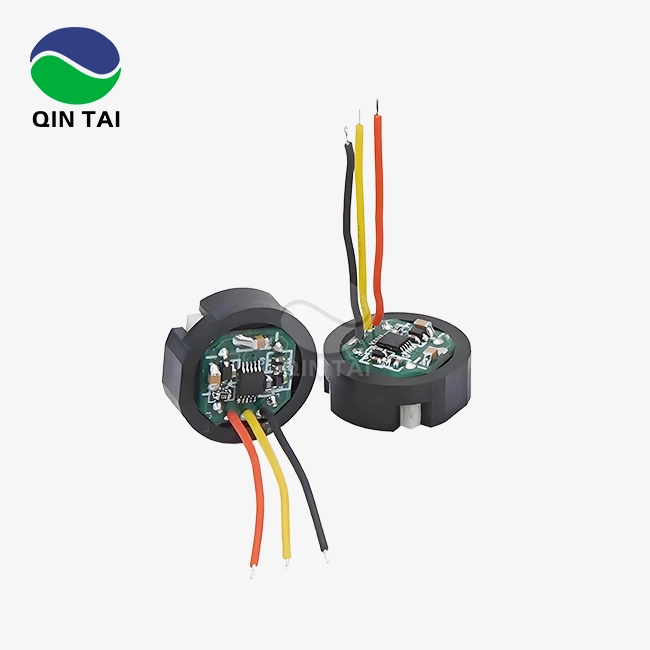
Pressure changes change the distance between two wires, which changes the capacitance between them. This is a simple but very effective way for capacitive pressure sensors to work. This change is tracked and turned into an electrical pulse that can be read and corresponds to the pressure that is being applied. There are three main parts that make up the core structure: a dielectric layer, conductive electrodes, and a supporting substrate.
Why Material Selection Matters for Performance
Choosing the right material has a big effect on important performance factors like sensitivity, thermal stability, and mechanical durability. Heavy trucks, building equipment, and generator sets use sensors that have to work in temperatures as low as -40°C and as high as 135°C and still keep their measurements accurate. How well the sensor avoids temperature drift depends on how stable the dielectric material is. For long-term reliability, the electrode materials must have low electrical resistance and high corrosion resistance. Substrates keep the structure strong, so sensors can handle the motions and shocks that happen in aftertreatment systems for SCR and DPF uses.
Understanding these material dependencies is very helpful for procurement professionals who are looking for sensors for diesel engine manufacturers or aftertreatment system integrators. High-quality materials lower the number of times sensors fail, make it easier to follow pollution rules like China VI and Euro VI, and lower the total cost of ownership by lowering the number of times they need to be replaced.
Material Impact on Regulatory Compliance and Stability
To meet strict emission standards, sensors must be able to keep their accuracy even when temperatures and pressures change. The materials must have little hysteresis and drift so that sensors can give accurate readings that emission control systems need for the best treatment of exhaust gases. When you choose materials that have been used in industrial settings before, you can be sure that the sensors will meet both the requirements for approval and the needs of real-world use.
Core Materials Used in Capacitive Pressure Sensors
Three types of materials—dielectrics, electrodes, and substrates—have a big impact on how capacitive pressure sensors work and how long they last. Each category has its own features that affect how well sensors work in a range of industrial settings.
Dielectric Materials: Ceramics, Polymers, and Composites
Dielectric materials are the insulating layer between electrodes. The capacitance sensitivity and weather robustness are controlled by the qualities of these materials. Ceramic dielectrics, especially alumina (Al2O3), are used in most high-performance sensor designs because they are very strong, don't react with chemicals, and stay stable at high temperatures. For instance, in a capacitive pressure sensor, these dielectric properties directly determine the output linearity and long-term reliability. The QS-P105F type from Qintai has a 96% Al2O3 diaphragm that is very resistant to corrosion and wear. It also keeps accurate capacitance readings over a wide pressure range, from -1 bar to 600 bar.
For low-pressure uses, polymers like polyimide and PTFE are more flexible and less expensive. These materials make it possible to make sensors that are smaller and can fit into small electrical systems. Composite dielectrics have properties of both ceramics and polymers. They balance mechanical strength with industrial freedom, but they might not work as well at high temperatures.
Electrode Materials: Precious Metals and Conductive Alloys
Electrodes must keep their ability to carry electricity stable while also protecting themselves from damage from the surroundings. People like precious metals like gold and platinum because they don't rust and have stable contact properties. This makes them perfect for sensors that are exposed to water, chemicals, or high or low temperatures. Gold electrodes make sure that signals don't change much over time and stay stable over time, which is very important for emission tracking systems that need correct data all the time.
Conductive alloys like silver-palladium or nickel-chromium are cheaper options for places that don't need as much power. These materials are good for many industry uses because they are durable and conduct electricity well. They also reduce the cost of making things, which is very important for procurement managers who want to keep prices down without sacrificing performance standards.
Substrate Materials: Silicon, Glass, and Flexible Polymers
Supporting both dielectric layers and electrodes, substrates make it possible for sensor assemblies to be mechanically integrated into larger systems. Silicon plates make it easier to make things smaller and more accurate, which makes them perfect for making small sensors that are used in electronics and cars. Glass substrates are good for harsh industrial environments because they are very stable in terms of size and resistance to chemicals.
Flexible polymer substrates allow for new sensor designs that can be worn or shaped, but they are still not widely used in high-pressure industrial sensors. The base must meet the mounting needs, weather conditions, and integration limits that are unique to each application.

Comparative Analysis: Material Choices vs. Sensor Performance
Material properties affect how sensors work in the real world, affecting important factors like how stable they are at different temperatures, how sensitive they are, and how long they can be used.
Temperature Range Compatibility and Drift Minimization
Sensors that work in diesel engines and generator sets have to deal with very high temperatures. Ceramic dielectrics have low thermal expansion coefficients and stable dielectric constants over a wide range of temperatures. This keeps zero drift to a minimum and ensures accurate measurements. Because its alumina diaphragm is thermally stable, the QS-P105F type has zero temperature drift below 0.03% FS/°C for pressure ranges up to 50 bar. This level of performance is necessary for systems that treat waste gases and depend on accurate pressure data to keep the treatment processes running smoothly.
Even though polymer-based dielectrics are cheap, they tend to be more sensitive to temperature, which means they can't be used in high-temperature situations. When sensors will be used in places that are hotter than 100°C, thermal stability must be the first thing that is thought about when choosing materials.
Sensitivity and Noise Reduction Through Material Optimization
The dielectric constant and the way the electrodes are set up affect the sensor's sensitivity, or its ability to pick up on small changes in pressure. Materials with a high dielectric constant make capacitance change more when the pressure changes, which improves the precision of the sensor. In a capacitive pressure sensor, this relationship between dielectric constant and electrode configuration is critical because it directly governs the output signal strength and resolution. Ceramic dielectrics have moderate dielectric constants and good linearity, which is why the QS-P105F can support sensitivity values of 2 to 4 mV/V.
The quality of the electrode material also affects how well noise is reduced. Electrical noise is reduced by high-purity precious metals, which improves signal-to-noise ratios that are needed for accurate measurements in emission monitoring. To make sure that the sensors they buy will work with their system, procurement teams should give priority to those that have written sensitivity and linearity specifications.
Longevity Factors: Corrosion, Chemical, and Mechanical Resistance
Hydraulic fluids, corrosive exhaust gases, and mechanical vibrations can damage sensors that are used in construction machinery, farm equipment, and commercial vehicles. Acids, alkalis, and organic solvents can't damage alumina diaphragms, so they last a very long time in tough settings. The QS-P105F's design makes it resistant to rust, so it will work reliably for a long time. This cuts down on repair costs and downtime.
It's also important that the machine is strong. Ceramics can handle high overpressure—up to 200% of full scale in the QS-P105F—without breaking or deforming permanently. This overload protection keeps sensors safe during pressure spikes that happen a lot in hydraulic and gas systems. This makes the system safer and more reliable.
How to Select the Best Materials for Your Capacitive Pressure Sensor Needs
To get the best performance from a capacitive pressure sensor, its features must be matched with the needs of the application, the surroundings, and the limitations of the integration process.
Matching Materials to Application Environments
Low-pressure uses, like HVAC systems or medical breathing equipment, can benefit from polymer dielectrics because they are sensitive and don't cost much. Ceramic dielectrics that can withstand pressures above 400 bar are needed for high-pressure industrial applications like hydraulic systems, fuel injection monitoring, and emission control.
The suitability of a material is determined by things like humidity, chemical exposure, and changes in temperature. Sensors that work in mines, power plants, or backup power systems need to be able to handle high and low temperatures. Hermetic seals and hydrophobic coats make things more resistant to the environment, so they work the same way in corrosive or condensation-forming environments.
Integration Considerations for OEMs and System Integrators
OEMs that are making IoT-enabled systems for monitoring emissions or smart construction equipment need sensors that have small, flexible electrical interfaces. Precision microfabrication is possible with silicon-based substrates, which allow for miniaturised sensor designs that work with microcontrollers and digital transmission standards like I2C and SPI.
Aftertreatment system designers want sensors that work with SCR and DPF systems and need interfaces and settings that can be changed. The QS-P105F from Qintai can work with supply voltages ranging from 2 to 30 VDC, making it flexible for a wide range of system designs. It also uses very little power, making it ideal for battery-powered applications.
Cost vs. Total Cost of Ownership Evaluation
Even though valuable metal electrodes and clay dielectrics make sensors more expensive at first, they save a lot of money over time because they last longer and break down less often. Procurement managers have to weigh the costs of buying something up front against the money they will save in the long run by not having to replace things as often and keeping systems running more reliably.
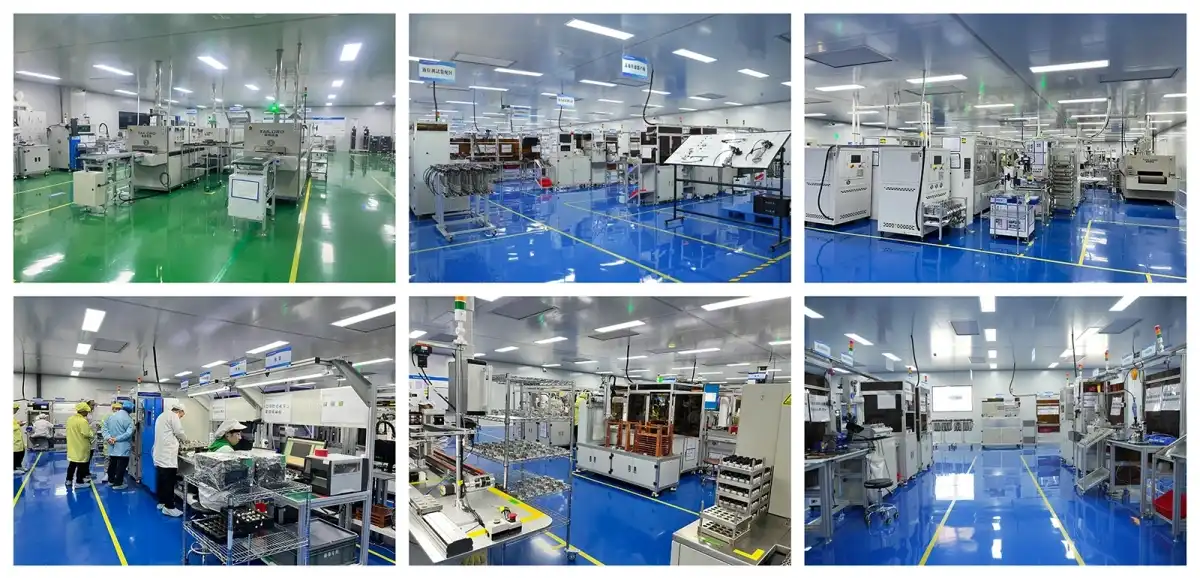
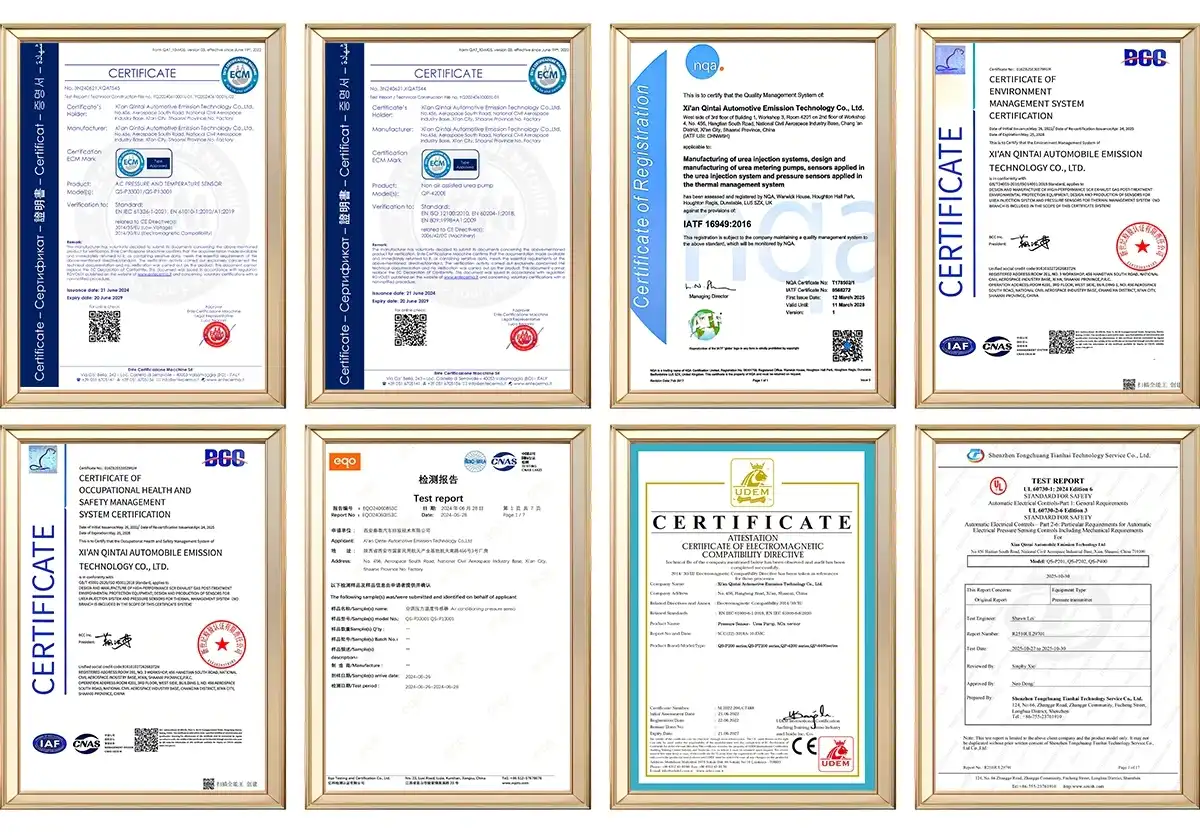
Material choice is also affected by how reliable the supplier is and how stable the supply chain is. When you work with well-known companies like Qintai, which is certified under ISO9001, IATF16949, and other international standards, you can be sure of consistent material quality and easy access to technical support, which is important for large-scale purchases and long-term partnerships. For a capacitive pressure sensor, such supply-chain stability is especially vital because even minor variations in dielectric or electrode materials can significantly alter batch-to-batch performance, making certified suppliers a prerequisite for high-volume industrial applications.
Industry Trends and Innovations in Capacitive Sensor Materials
The world of sensor materials is always changing because people want better performance, materials that last longer, and materials that follow the rules.
Emerging Technologies: Graphene and Carbon Nanotubes
Graphene and carbon nanotubes are cutting edge materials that are very good at conducting electricity, being strong, and being sensitive. Graphene-based electrodes make it possible to make very thin sensors with better signal-to-noise ratios, which are perfect for small-scale uses. Even though they are still new, these materials look like they will make next-generation sensors for the military, medical, and advanced car markets much more effective.
Carbon nanotube composites have a high electrical conductivity and are also very flexible. This means that they could be used to make sensors that can conform to irregular surfaces. As manufacturing processes get better and prices go down, procurement teams that keep an eye on technology trends should expect these materials to be used more and more.
Sustainability and Environmental Compliance
More and more, businesses want to use materials that are safe for the environment, can be recycled, and meet global standards like RoHS and REACH. Because they are common, safe, and easy to recycle, ceramic dielectrics like alumina easily fit with environmental goals. Manufacturers like Qintai use products and methods that are good for the environment and meet strict international standards that help procurement managers reach their sustainability goals.
Sustainability concerns go beyond the make-up of materials and include things like how efficiently they are made and how they are managed throughout their entire life. Sensors designed for longevity reduce electronic waste, contributing to circular economy principles valued by environmentally conscious OEMs and end-users.
Leading Suppliers and Material Expertise
Companies like Honeywell, Bosch, and Texas Instruments have been in the material science business for a long time and use that knowledge to make devices with advanced material formulations that are perfect for each purpose. As China's top original equipment manufacturer (OEM) provider to Weichai Power, Yuchai Power, and Quanchai Power, Qintai has its own research and development department and holds 58 idea patents. It offers customisable sensors that are best for controlling diesel engine emissions and measuring industrial pressure.
Expertise from vendors means better product quality, more technical support, and custom solutions that meet a wide range of B2B procurement needs. When suppliers offer OEM/ODM services, procurement teams can choose from a wide range of custom material combinations, electrode configurations, and packaging options that meet their specific operational needs.
Conclusion
The choice of material affects the performance of capacitive pressure sensors, including their accuracy, longevity, and ability to meet legal requirements. Ceramic dielectrics, such as 96% alumina, are very stable at high temperatures and very resistant to chemicals. Precious metal electrodes, on the other hand, make sure that the electricity will always work. Substrates help with mechanical integration and miniaturisation, which makes it possible for sensors to meet a wide range of industrial needs.
The QS-P105F from Qintai shows how choosing the right materials can lead to precision, durability, and adaptability in a wide range of demanding situations, from controlling emissions to monitoring hydraulics. For a capacitive pressure sensor, the material selection process becomes even more critical because each component—dielectric, electrode, and substrate—must work synergistically to maintain signal integrity under fluctuating temperatures and pressures. To get the best total cost of ownership and operating efficiency, procurement managers and engineers who choose sensors must weigh the performance of the materials against their cost, the environment, and the needs of integration.
FAQ
What materials best balance sensitivity and durability in capacitive pressure sensors?
Ceramic dielectrics, especially high-purity alumina, offer the best balance by having stable capacitance properties, high mechanical strength, and chemical protection. When mixed with precious metal electrodes like gold or platinum, these materials make sure that the sensors are very sensitive and don't drift much. They can also handle harsh industrial environments.
How do dielectric materials influence sensor performance under extreme temperatures?
Capacitance drift is kept to a minimum by dielectric materials with stable dielectric constants and low heat expansion coefficients. Alumina-based sensors, like the QS-P105F, keep the temperature from changing by less than 0.03% FS/°C. This means that they can take exact readings in temperatures ranging from -40°C to 135°C, which is very important for controlling emissions and keeping an eye on factories.
Can I source customizable sensors designed for specialized industrial applications?
Absolutely. Manufacturers like Qintai offer full OEM and ODM services, which let customers choose the material of the diaphragm, the range of pressures it can handle, the electrical connections it has, and the way it is mounted. With this level of adaptability, sensors can be made to fit the needs of aftertreatment systems, hydraulic equipment, and monitoring emissions, and expert help is available throughout the whole process.
Partner with Qintai for Reliable Capacitive Pressure Sensors
Xi'an Qintai Automotive Emission Technology Co. Ltd specializes in manufacturing high-performance capacitive pressure sensors engineered with optimized materials for demanding industrial applications. Our QS-P105F model features a 96% alumina diaphragm, delivering exceptional corrosion resistance, thermal stability, and precision across pressure ranges up to 600 bar. As China's leading OEM supplier certified under ISO9001, IATF16949, and international standards, we provide customizable solutions, competitive pricing, and rapid delivery to diesel engine manufacturers, aftertreatment system integrators, and industrial OEMs worldwide.
Contact our expert team at info@qt-sensor.com to discuss your capacitive pressure sensor requirements, request detailed product datasheets, and explore how our advanced sensor technologies enhance your emission control systems and industrial processes.
References
1. Smith, J.R., and Thompson, L.K. (2021). Advanced Materials in Pressure Sensing Technology. Industrial Sensors Press.
2. Chen, H., and Wang, P. (2020). Ceramic Dielectrics in High-Temperature Sensor Applications. Journal of Materials Science and Engineering, 45(3), 112-128.
3. European Automotive Manufacturers Association. (2022). Sensor Technologies for Emission Compliance: Euro VI Standards. Brussels: EAMA Publications.
4. Yamamoto, T. (2019). Electrode Material Selection for Long-Term Sensor Stability. International Journal of Sensor Technology, 12(4), 201-217.
5. National Institute of Standards and Technology. (2023). Capacitive Sensor Calibration and Material Characterization Guidelines. Gaithersburg, MD: NIST Technical Report 1892.
6. Rodriguez, M., and Patel, S. (2022). Emerging Materials in Industrial Pressure Measurement: Graphene and Beyond. London: Engineering Materials Publishing.

Our customers’ satisfaction speaks for our quality — contact us to experience the same reliable service.