- English
- French
- German
- Portuguese
- Spanish
- Russian
- Japanese
- Korean
- Arabic
- Greek
- German
- Turkish
- Italian
- Danish
- Romanian
- Indonesian
- Czech
- Afrikaans
- Swedish
- Polish
- Basque
- Catalan
- Esperanto
- Hindi
- Lao
- Albanian
- Amharic
- Armenian
- Azerbaijani
- Belarusian
- Bengali
- Bosnian
- Bulgarian
- Cebuano
- Chichewa
- Corsican
- Croatian
- Dutch
- Estonian
- Filipino
- Finnish
- Frisian
- Galician
- Georgian
- Gujarati
- Haitian
- Hausa
- Hawaiian
- Hebrew
- Hmong
- Hungarian
- Icelandic
- Igbo
- Javanese
- Kannada
- Kazakh
- Khmer
- Kurdish
- Kyrgyz
- Latin
- Latvian
- Lithuanian
- Luxembou..
- Macedonian
- Malagasy
- Malay
- Malayalam
- Maltese
- Maori
- Marathi
- Mongolian
- Burmese
- Nepali
- Norwegian
- Pashto
- Persian
- Punjabi
- Serbian
- Sesotho
- Sinhala
- Slovak
- Slovenian
- Somali
- Samoan
- Scots Gaelic
- Shona
- Sindhi
- Sundanese
- Swahili
- Tajik
- Tamil
- Telugu
- Thai
- Ukrainian
- Urdu
- Uzbek
- Vietnamese
- Welsh
- Xhosa
- Yiddish
- Yoruba
- Zulu
What Is the Function of a Nitrogen Oxides Sensor
A nitrogen oxides sensor serves as a precision detection device that continuously measures NOx concentration in exhaust gases, enabling diesel engines and industrial systems to maintain compliance with stringent emission standards such as EPA Tier 4 and Euro VI. By delivering real-time feedback to the engine control unit, this sensor optimizes selective catalytic reduction systems, adjusts urea dosing accurately, and prevents both under-treatment and over-dosing scenarios. Modern diesel NOx sensors rely on heated electrochemical cells—typically zirconia-based—that operate at temperatures between 700°C and 800°C, ensuring reliable measurements even under harsh operating conditions.
Understanding the Function and Working Principle of Nitrogen Oxides Sensors
Core Role in Emission Control Systems
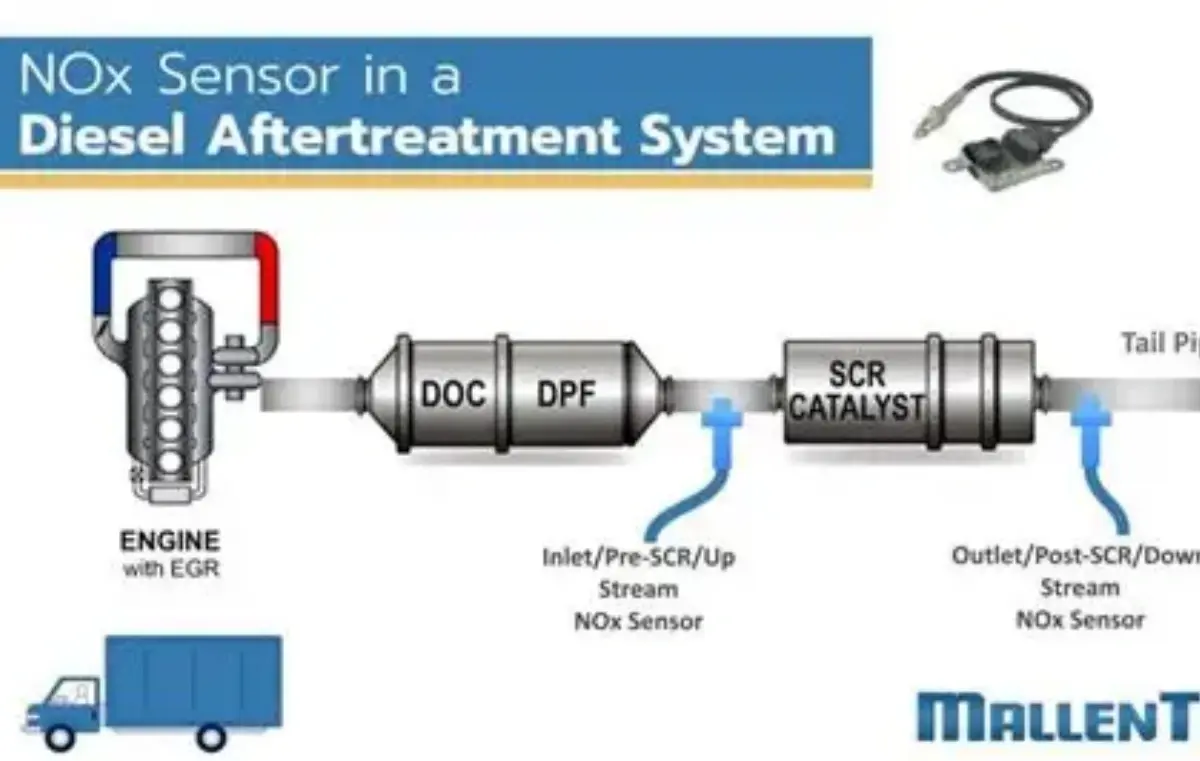
Nitrogen oxides sensors are very important in current diesel aftertreatment systems. These gadgets measure the amount of nitrogen oxide and nitrogen dioxide in exhaust streams and turn that information into computer signs that the engine control unit can understand. Selective catalytic reduction systems can't work right if NOx levels aren't measured correctly. This can cause emission failures and fines from the government. By precisely injecting urea, these sensors make sure that harmful pollutants are broken down into nitrogen and water vapour in heavy-duty trucks, construction equipment, and generator sets.
Electrochemical Detection Mechanism
A heated electrochemical concept is used by most diesel nitrogen oxides sensors. The detecting element is made up of several zirconia ceramic cells that are grouped in a small space. When exhaust gas goes into the measurement hole, controlled voltage makes oxygen ions move through the ceramic material. This creates a current that is related to the amount of NOx. The heater element keeps the sensor at the best temperature for working, which is usually between 700°C and 800°C. This is very important for getting correct results. CAN bus transmission sends raw data to the engine control unit, where it is processed by built-in signal filtering circuits. This lets closed-loop emission control work.
Key Performance Metrics
In tough industrial settings, sensor reliability is based on accuracy, response time, and lifespan. High-quality nitrogen oxides sensors can measure with an accuracy of ±10 ppm over a wide concentration range and answer within two seconds to changes. When properly kept, lifespan often goes over 160,000 kilometres or 10,000 hours of use. These metrics have a direct effect on how well the system works. For example, sensors that take a long time to respond cause urea injection adjustments to be late, which leads to NOx spikes that are too high for safety reasons. People who work in procurement need to look for sensors that have been shown to last and work well even when they are exposed to temperature changes and vibrations.
Types of Nitrogen Oxides Sensors and Their Applications
Electrochemical Sensors for Automotive Use
Electrochemical nitrogen oxides sensors are the most popular in the car industry because they are small, respond quickly, and work with digital outputs. Heavy-duty trucks with SCR systems use two types of sensors: one upstream sensor checks the amount of raw NOx that gets into the catalyst, and the other downstream sensor checks how well the catalyst is working. This closed-loop system lets the engine control unit change the amount of AdBlue that is used on the fly, making sure that it meets EPA 2010 and Euro VI standards. Electrochemical sensors can also do internal tests, which means they can find catalyst decay and sensor drift before emissions get too high.
Semiconductor and Optical Sensors in Industrial Settings
Electrochemical sensors are most common in cars, but electronic and light technologies are used in other industries for specific tasks. Semiconductor sensors are less expensive, but they need to be calibrated often because their sensitivity changes over time. Nitrogen oxides sensor technologies vary widely: infrared absorption or chemiluminescence-based optical nitrogen oxides sensors are used in stationary emission tracking stations at power plants and mines to get results that are accurate enough for the lab. These sensors work really well in systems that keep an eye on emissions all the time, because they need to be accurate and stable over time for regulatory reports.
Maintenance and Calibration Best Practices
Regular repair keeps measurement accuracy and stretches the life of sensors. Every 80,000 kilometres, diesel nitrogen oxides sensors should be checked for soot on the protective cap and corrosion on the connector. Depending on how harsh the job cycle is, calibration times are usually between 12 and 24 months. Operators need to make sure that diagnostic trouble codes related to sensor heater current and internal resistance stay within the limits set by the manufacturer. Installing things correctly, with the right amount of power and safe electrical connections, keeps things from breaking down too soon and makes sure that data gets sent to the engine control unit reliably.
Comparing Nitrogen Oxides Sensors: Making the Right Choice for Your Business
Differentiating NOx Sensors from Related Devices
Knowing the differences between nitrogen oxides sensors, oxygen sensors, and nitrogen dioxide analysers makes it easier to understand what each one does to control emissions. Oxygen monitors check for leftover O2 in exhaust streams to get the best air-fuel ratios for burning, and nitrogen oxides sensors measure nitrogen oxides to control SCR doses. Nitrogen dioxide analysers, which are usually optical devices, are used to measure NO2 in industrial air quality situations. Diesel engine makers need nitrogen oxides sensors that work well with SCR systems, talk to each other over CAN bus protocols, and show both the amount of NOx in the air and the engine's internal diagnostic state.
Evaluating Sensitivity and Cost-Effectiveness
The sensitivity of the sensor determines the lowest concentration of NOx that can be detected, which is very important when the engine is running at low load. High-sensitivity sensors can find NOx levels below 10 ppm, which allows for precise dosing of urea that reduces ammonia slip and keeps catalysts from getting damaged. The initial purchase price, calibration costs, and replacement frequency are all part of the total cost of ownership. Premium sensors cost more up front, but their longer life and lower failure rate lower their lifetime costs. Purchasing managers have to find a balance between performance needs and cost limits. They know that bad sensors can lead to warranty claims, production downtime, and fines from regulators for not following the rules.
Brand Reputation and Technical Support
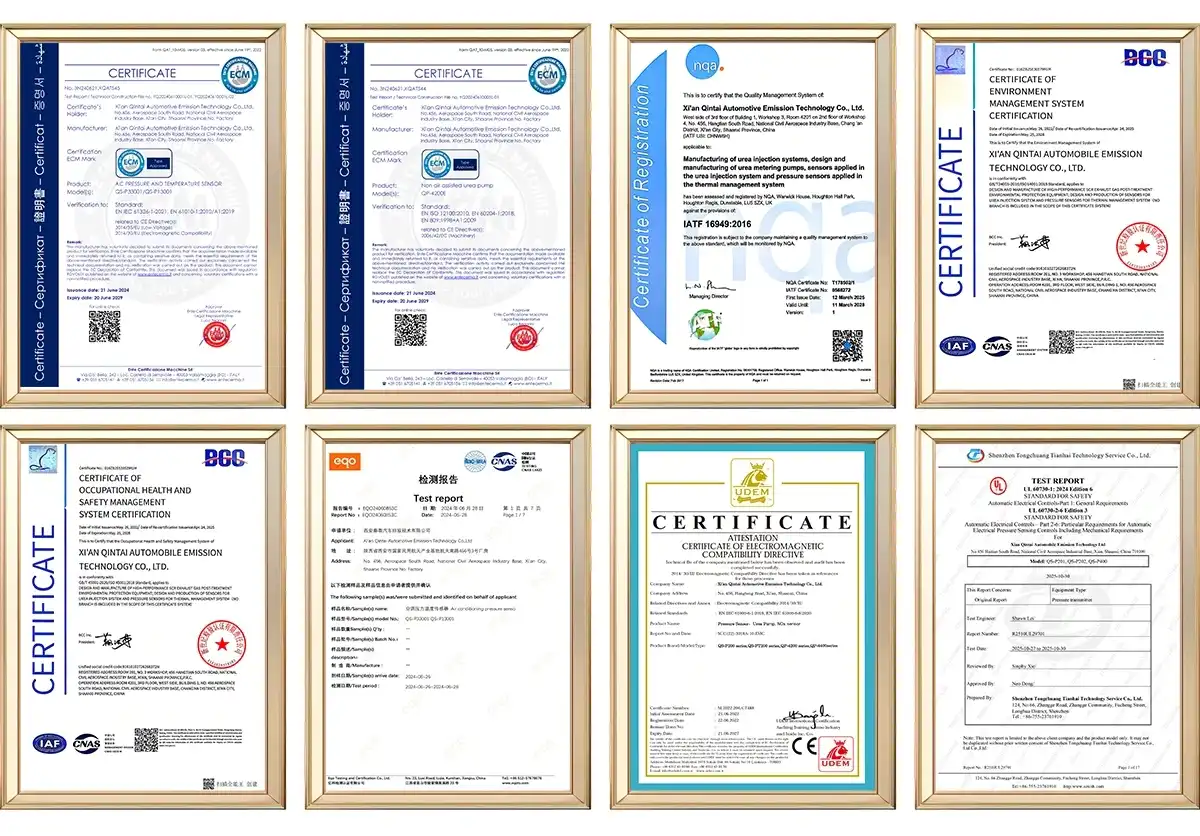
Reliable sensors and full technical support have helped well-known brands like Bosch, Continental, and Honeywell build their reputations. These companies make it easier to add their products to diesel aftertreatment systems by giving thorough datasheets, application notes, and testing tools. But new providers like Qintai, which is ISO9001 and IATF16949 certified and has 58 invention patents, offer cheap options with fast shipping and interfaces that can be changed. These three power companies depend on Qintai as their main supplier. This gives Qintai the largest market share in China. Nitrogen oxides sensor integration is a key factor in this competitive landscape, and to ensure a stable long-term partnership, procurement engineers should judge suppliers based on their certifications, production capacity, and ability to help customers after the sale.

Procurement Insights: How to Source and Buy Nitrogen Oxides Sensors Efficiently
Sourcing Strategies for OEM Manufacturers
Diesel engine makers can get better quality and lower prices by making volume commitments with nitrogen oxides sensor makers and working together directly. Direct sourcing gets rid of markups for distributors and lets teams work together to make products, so OEMs can choose specific sensor parameters like connector types, communication protocols, and environmental ratings. When fast prototyping or low-volume sales are needed, authorised distributors can be helpful, but the unit costs go up. Wholesalers sell sensors that can be used in both automotive and consumer electronics at reasonable prices, but they don't offer much technical support.
Bulk Purchasing and Lead Time Management
To keep production from stopping, big OEMs that make heavy trucks, construction equipment, and generator sets need stable sensor supply chains. When you buy in bulk, you can save 15% to 25% on each item and get faster delivery when supplies are low. These agreements cover six to twelve months of expected demand. Custom nitrogen oxides sensors usually have lead times of eight to twelve weeks, which includes time for making the sensors, checking them for quality, and sending them internationally. For accurate forecasting of sensor needs, procurement teams must keep safety stock levels equal to two months' worth of consumption to account for changes in demand and delays in shipping.
Pricing Structures and International Shipping
The price of nitrogen oxides sensors depends on how many you buy, the level of approval, and where the seller is located. Chinese companies like Qintai can offer lower prices because they can integrate production and the government helps develop emission technology. Diesel nitrogen oxides sensors can cost anywhere from $50 to $150 per unit when bought in bulk, based on the brand and technical details. International shipping to the US includes freight fees, customs taxes, and checks to make sure the goods are legal to bring into the country. To speed up customs clearance and avoid regulatory delays, buyers should work with sellers who know how to handle REACH and RoHS paperwork.
Future Trends and Innovations in Nitrogen Oxides Sensor Technology
Advancements in Sensor Materials and Accuracy
Next-generation nitrogen oxides sensors use advanced ceramic alloys and nanostructured electrodes to make them more sensitive and cut down on the time they need to warm up. Researchers studying yttria-stabilized zirconia doped with rare earth elements are looking forward to making sensors that can measure with ±5 ppm accuracy at lower temperatures, which will save 20% of the power they use. These changes make it possible for cold-start emissions control to happen faster, which helps meet government standards for reducing short-term NOx spikes during engine warm-up. When companies invest in these tools, they set themselves up to meet future standards like the EPA's Phase 3 greenhouse gas rules.
Eco-Friendly Design and Recyclability
Sustainability in the environment pushes sensor design toward materials that can be recycled and less energy used in production. New designs use lead-free solders, halogen-free joints, and flexible building that makes it easier to take parts apart for recycling. Manufacturers are starting to follow the ideas of the cycle economy by putting in place programs for taking back used sensors that recover valuable metals. These programs help the environment and are liked by original equipment manufacturers (OEMs) with strong business green goals, especially those that sell cars in Europe where end-of-life regulations are strict.
Integration with IoT and Predictive Maintenance
Smart nitrogen oxides sensors that can connect wirelessly allow for tracking emissions in real time and planning repair ahead of time. Fleet managers can plan preventative maintenance before problems happen by sending sensor health data to cloud platforms. This data includes heater current, internal resistance, and calibration shift. Machine learning systems look at how sensors have worked in the past and can accurately predict their remaining useful life 90% of the time. This feature cuts down on unplanned downtime, makes the best use of maintenance budgets, and makes sure that all regulations are always followed. These smart monitoring systems are especially helpful for companies that run industrial generator sets and mines.
Conclusion
Nitrogen oxides sensors are necessary parts of modern diesel emission control because they make sure that regulations are followed and improve the performance of the SCR system. When buying managers and engineers know about sensor technologies, performance measures, and procurement strategies, they can choose devices that are the best mix of price, reliability, and technical ability.
As emission standards get stricter around the world and IoT integration gets better, it becomes more important than ever to buy high-quality nitrogen oxides sensors from reliable makers. Partnering with qualified suppliers who can show they can do mass production, offer technical help, and make changes as needed is the best way to ensure long-term business success and environmental responsibility.
FAQ
How often should NOx sensors be calibrated?
The amount of time between calibrations depends on how the machine is used and the rules that govern it. Heavy-duty cars' diesel nitrogen oxides sensors usually need to be calibrated every 12 to 24 months or 160,000 kilometres. If the weather stays the same, stationary uses in power plants may be able to extend gaps to 36 months. Always do what the manufacturer says and keep an eye on diagnostic trouble codes that show sensor drift.
What factors determine NOx sensor lifespan?
Extreme working temperatures, the number of heat cycles, exhaust contaminants, and the security of the electrical system can all affect the life span. When sensors are exposed to sulfur-rich fuels or too much soot, they break down more quickly. If you install it correctly, clean it regularly, and keep the supply voltage stable, it will last longer than 10,000 hours.
Can NOx sensors integrate with existing engine control systems?
Modern nitrogen oxides sensors talk to each other using standard CAN bus protocols, which means they can work with most engine control units made after 2010. For custom integration, you might need to set parameters and calibrate software. Work with sensor providers who offer technical paperwork and help with integration to make system startup go more smoothly.
Partner with Qintai for Reliable Nitrogen Oxides Sensor Solutions
Leading OEMs in the heavy truck, building machinery, and generator set industries trust Qintai's industrial-grade diesel nitrogen oxides sensor solutions. We are China's top OEM provider, working with Weichai Power, Yuchai Power, and Quanchai Power. We have 20 years of experience in research and development, and our products are certified by ISO9001, IATF16949, CE, and RoHS. Our separate research and development team has been granted 58 invention patents, which let you change the sensor inputs and settings to fit the needs of your SCR system. We offer large-scale production, quick shipping times, and full technical help after the sale.
Get in touch with our team at info@qt-sensor.com to talk about your needs for a nitrogen oxides sensor source, get cheap bulk pricing, and get access to detailed technical specs that will make sure the sensor works well with your system and stays in line with regulations for a long time.
References
1. Majewski, W. A., & Khair, M. K. (2006). Diesel Emissions and Their Control. SAE International.
2. Johnson, T. V. (2015). Review of Vehicular Emissions Trends. SAE International Journal of Engines, 8(3), 1152-1167.
3. Kubinski, D. J., & Visser, J. H. (2008). Sensor and Actuator Needs for More Efficient Exhaust Aftertreatment Systems. SAE Technical Paper 2008-01-0305.
4. Riegel, J., Neumann, H., & Wiedenmann, H. M. (2002). Exhaust Gas Sensors for Automotive Emission Control. Solid State Ionics, 152-153, 783-800.
5. United States Environmental Protection Agency. (2020). Nitrogen Oxides (NOx): Control and Health Effects. EPA Office of Air Quality Planning and Standards.
6. European Commission. (2019). Regulation (EU) 2019/1242: CO2 Emission Standards for Heavy-Duty Vehicles. Official Journal of the European Union.

Our customers’ satisfaction speaks for our quality — contact us to experience the same reliable service.