- English
- French
- German
- Portuguese
- Spanish
- Russian
- Japanese
- Korean
- Arabic
- Greek
- German
- Turkish
- Italian
- Danish
- Romanian
- Indonesian
- Czech
- Afrikaans
- Swedish
- Polish
- Basque
- Catalan
- Esperanto
- Hindi
- Lao
- Albanian
- Amharic
- Armenian
- Azerbaijani
- Belarusian
- Bengali
- Bosnian
- Bulgarian
- Cebuano
- Chichewa
- Corsican
- Croatian
- Dutch
- Estonian
- Filipino
- Finnish
- Frisian
- Galician
- Georgian
- Gujarati
- Haitian
- Hausa
- Hawaiian
- Hebrew
- Hmong
- Hungarian
- Icelandic
- Igbo
- Javanese
- Kannada
- Kazakh
- Khmer
- Kurdish
- Kyrgyz
- Latin
- Latvian
- Lithuanian
- Luxembou..
- Macedonian
- Malagasy
- Malay
- Malayalam
- Maltese
- Maori
- Marathi
- Mongolian
- Burmese
- Nepali
- Norwegian
- Pashto
- Persian
- Punjabi
- Serbian
- Sesotho
- Sinhala
- Slovak
- Slovenian
- Somali
- Samoan
- Scots Gaelic
- Shona
- Sindhi
- Sundanese
- Swahili
- Tajik
- Tamil
- Telugu
- Thai
- Ukrainian
- Urdu
- Uzbek
- Vietnamese
- Welsh
- Xhosa
- Yiddish
- Yoruba
- Zulu
How to Evaluate Ceramic Pressure Sensor Suppliers for Projects?
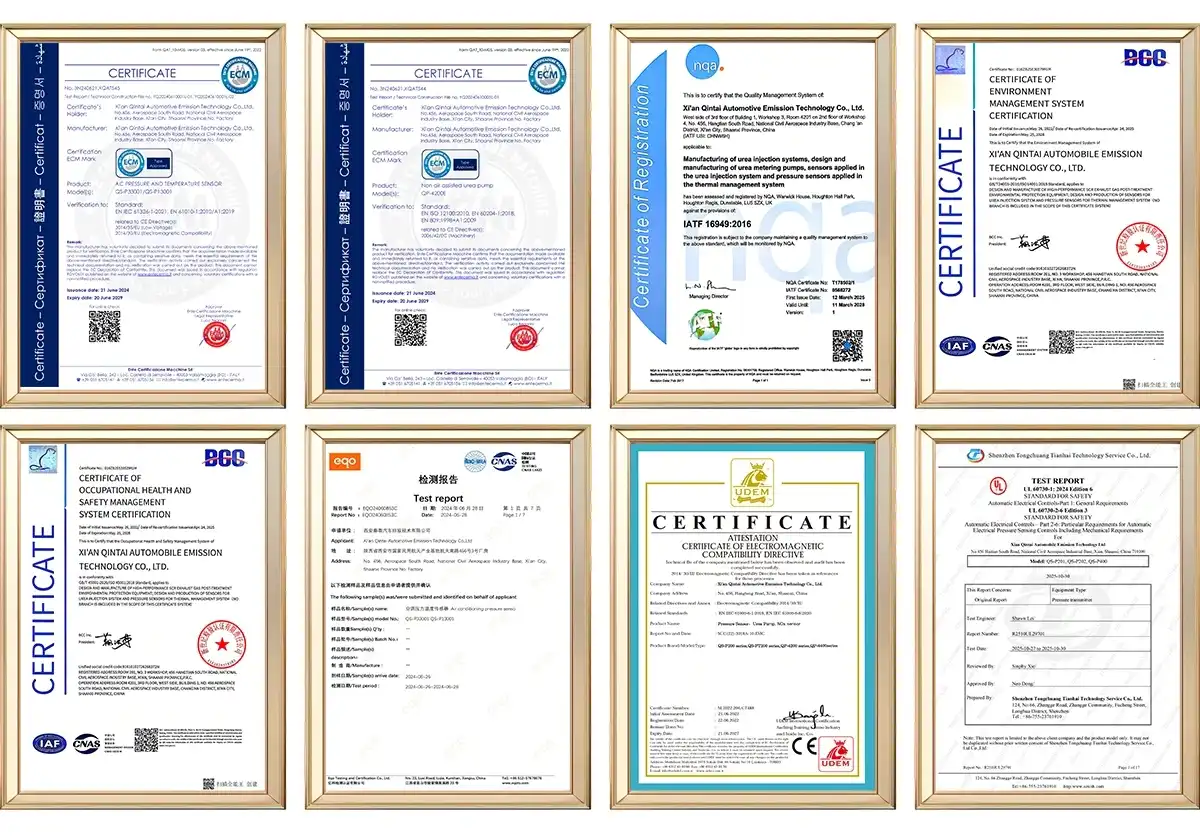
Evaluating ceramic pressure sensor suppliers requires a systematic approach focused on technical performance, regulatory compliance, and long-term partnership potential. When sourcing capacitive ceramic pressure sensor solutions, procurement managers and engineers must examine critical factors including product certifications, manufacturing capacity, customization capabilities, and after-sales support.
The ideal supplier demonstrates proven expertise in emission control applications, maintains ISO 9001 and IATF 16949 certifications, and offers consistent quality backed by comprehensive technical documentation to support your diesel engine aftertreatment systems and heavy-duty industrial projects.
Understanding Ceramic Pressure Sensors and Their Industrial Relevance
What Makes Capacitive Ceramic Sensors Different?
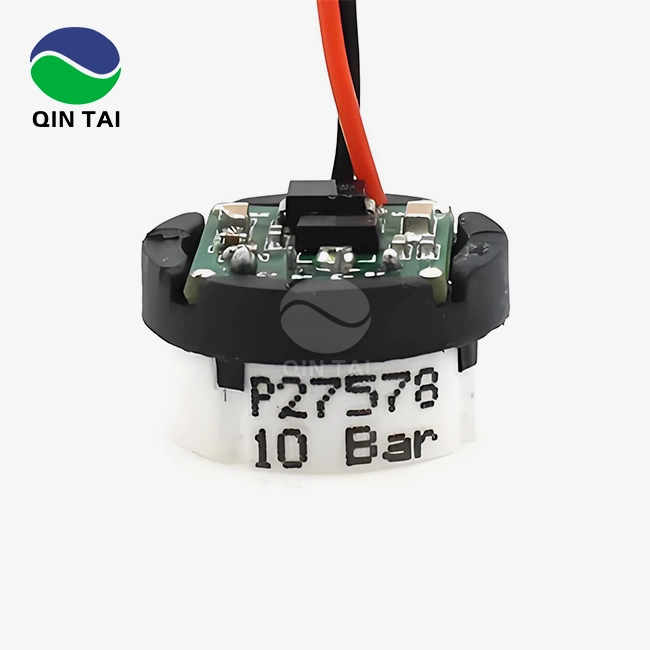
A special kind of ceramic diaphragm made of high-purity alumina (Al2O3) acts as the detecting element in capacitive ceramic pressure sensors. The capacitance between the diaphragm electrode and a stable ceramic base changes when pressure is put on the diaphragm. This change in capacitance is directly turned into an electrical signal that is proportional to the pressure that is being applied.
Ceramic capacitive designs don't have any contamination risks at all, unlike oil-filled piezoresistive sensors that depend on gearbox fluids. This makes them very useful for diesel engine SCR systems and emission control applications where sensor reliability directly affects meeting strict rules.
Industry Applications Driving Demand
Capacitive ceramic pressure sensors are used a lot in engine control systems, fuel pressure tracking, and exhaust gas recirculation (EGR) valves in the car industry. Heavy trucks with China VI and Euro VI emission systems depend on these sensors to keep the pressure readings in their SCR aftertreatment units accurate.
Ceramic sensors are very durable and don't react badly with chemicals. They are used in car uses as well as industrial process control, hydraulic machinery, HVAC systems, and aerospace fuel systems. Generator set makers who work with mines and backup power sites really like how stable these machines are over time even in rough conditions.
Technical Advantages Over Alternative Technologies
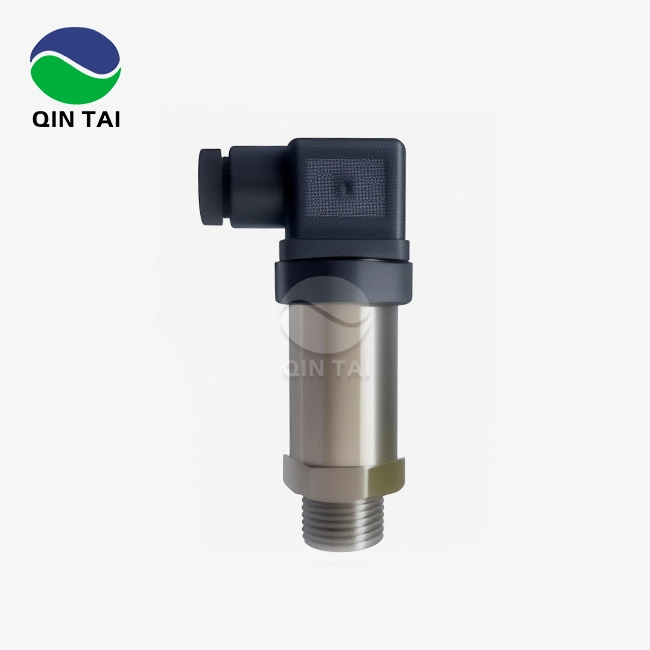
Ceramic materials are better at resisting acidic media than stainless steel diaphragms, which can become weak from hydrogen in fuel cell uses. Ceramic has a very high elasticity modulus (about 310 GPa), which makes it very resistant to overpressure. It can withstand up to 40 times the rated pressure without breaking. Temperature performance ranges from -40°C to +125°C with little drift, and the solid-state design doesn't have the oil-pulling effects that make metal sensors less accurate when measuring vacuum.
Because of these features, the accuracy ranges from 0.1% to 0.5% full scale, and the stability over time is better than 0.1% per year. This meets the strict needs of emission control systems, where measurement accuracy directly impacts compliance results.
Core Criteria to Evaluate Ceramic Pressure Sensor Suppliers
Certification and Compliance Standards
Compliance with regulations is the basis for evaluating suppliers. At the very least, suppliers to the diesel engine business must have ISO 9001 quality management certification and IATF 16949 vehicle quality certification. For European markets, products meant to control emissions need to be marked with the CE mark, follow the RoHS rules for dangerous substances, and be registered with REACH. The capacitive ceramic pressure sensor leverages advanced materials to deliver high accuracy and long-term stability, but its practical viability depends on formal certifications.
China Measurement approval (CMC) confirms that the device can be calibrated, and Ex approval confirms that it can be used in dangerous environments. Ratings for environmental sealing of IP67 or IP68 make sure that the device will work reliably in places with a lot of humidity and shaking, like those found in heavy machinery and business cars—and these rugged conditions are exactly where the capacitive ceramic pressure sensor excels, provided it carries the proper marks. Suppliers who don't have these credentials pose big compliance risks that can put whole project timelines and regulatory approvals at risk.
Manufacturing Capacity and Production Scalability
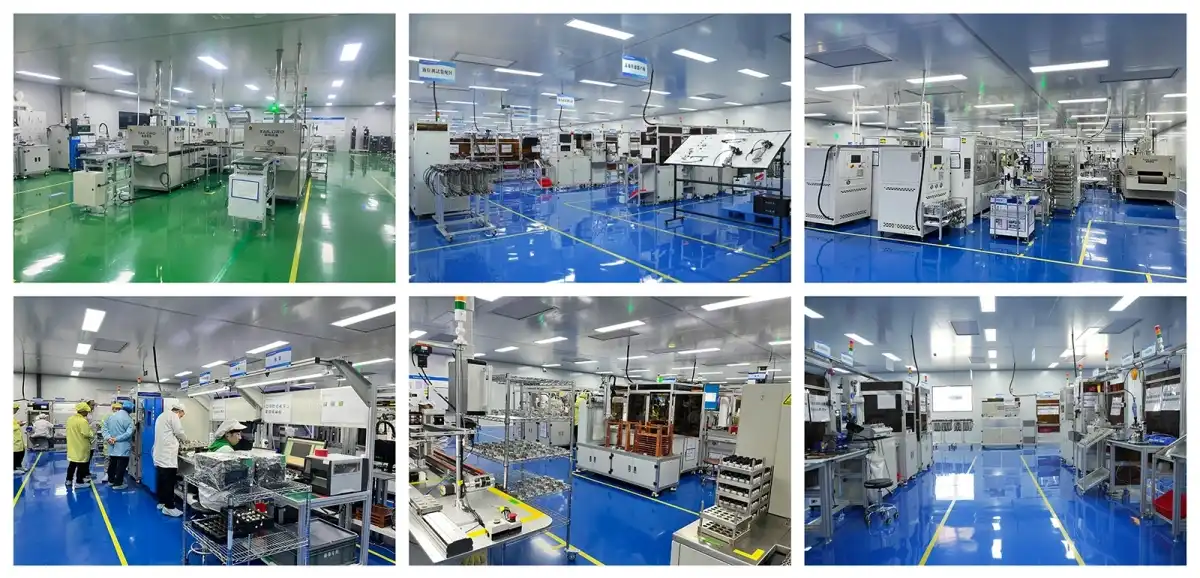
OEM partnerships need suppliers who have a history of making a lot of things. Find out how much can be produced by asking about the output of the manufacturing line, quality control methods, and inventory management systems. Major diesel engine makers usually have more than one production line with automatic testing equipment that checks how well sensors work across a range of temperatures and pressures.
For aftertreatment system designers who need the same sensor properties in thousands of units, batch consistency is very important. Look at the supplier's list of clients. If they work with well-known names like Weichai Power, Yuchai Power, or foreign OEMs, it means that their manufacturing is mature and consistent, which means that your projects will have lower failure rates and lower warranty costs.
Technical Parameter Verification
The detailed technical specs you get must match the needs of your application. It is important to carefully read the instructions to find out about the accuracy class, reaction time, temperature coefficient, pressure range compatibility, and output signal format (analogue voltage, current loop, or digital protocols). You should ask for test results that show hysteresis performance (usually less than 0.1%) and reliability measures across a number of pressure cycles.
Suppliers should give full datasheets with media compatibility charts that show resistance to hydraulic fluids, diesel exhaust gases, and urea solutions. Having built-in ASICs for digital temperature compensation makes it much easier to keep accuracy across a wide range of operating temperatures. This is especially helpful for generator sets that are used in harsh environments.

Comparing Suppliers: How to Make Informed Decisions
Product Portfolio and Customization Capabilities
Offering a wide range of products shows that the supplier has the knowledge and resources to help with development. Capacitive ceramic pressure sensor sets from top manufacturers cover pressure ranges from vacuum to 1000 bar and come with a range of electrical ports, mechanical links, and levels of environmental safety. When stock goods don't perfectly meet system integration needs, customisation help is very important.
Check to see if the providers offer adaptable interfaces, custom calibration ranges, electrical plugs that are made for specific uses, and packing that is made for those uses—and ensure that these options are fully compatible with the capacitive ceramic pressure sensor to maximize system integration. Companies with their own research and development departments show that they can come up with new ideas, which helps build long-term partnerships in technology. If you have more than 50 invention patents, it means you are committed to ongoing growth and have strong intellectual property that protects your product's uniqueness.
Integrators of aftertreatment systems gain most from suppliers who can make parametric changes to fit the needs of individual SCR or DPF systems. Changing sensor response curves, output signal conditioning, or connector specifications without having to do a lot of retooling speeds up system development and lowers the pressure to get a product on the market faster. Established suppliers usually offer a lot of application engineering support that helps with choosing sensors and figuring out how to integrate them during the design phase.
Pricing Structure and Value Proposition
Cost analysis looks at more than just unit prices; it also looks at the total costs of ownership. Ask for detailed quotes that break down the costs of each part, testing, packaging, and shipping. Your expected order amounts throughout the lifetime of a project should be reflected in your volume-based price tiers. Long-term supply deals with price stability terms from suppliers help keep project budgets stable over multiple years. But very low prices often mean that quality standards have been lowered or testing methods aren't good enough, which leads to more failures and higher guarantee costs.
To set value standards, compare prices to technical success measures. In emission control apps where measurement accuracy affects following the rules, a capacitive ceramic pressure sensor that costs 15% more but has an accuracy of 0.1% instead of 0.5% may be a better deal. A supply chain reliability assessment looks at how the supplier gets its raw materials, how much of an inventory buffer stock it keeps on hand, and how well it delivers. Consistent on-time delivery rates of more than 95% keep production running smoothly and cut down on the need for expensive safety stock.
Validation Through References and Testing
Performance validation in the real world is more important than marketing claims. Ask companies that work with similar products for customer examples, especially those that manage heavy-duty diesel engines or pollution control systems. Case studies that show how sensors work in tough conditions are solid proof of their dependability. Pilot testing programs let you see how well something works right away, before you commit to making a lot of it. Suppliers of good quality can quickly send sample orders for integration testing and validation processes.
Check the supplier's quality standards, such as the number of defective parts per million, the number of failures in the field, and the history of guarantee claims. Sharing information about quality performance in a clear way shows trust and business growth. Test reports from third-party, independent labs confirm that the specifications given are correct and lower technical risk when choosing a supplier.
Procurement Strategies for Global B2B Buyers
Direct Manufacturer Engagement Versus Distribution Channels
Sourcing tactics have a big effect on the prices and quality of a project. Direct relationships with manufacturers usually mean better prices for large orders, easier access to technical support, and more freedom to make changes. Companies like Xi'an Qintai Automotive Emission Technology, which has been a national high-tech enterprise specialising in diesel engine aftertreatment sensors since 2001, offer engineering support and application expertise that can't be found through distribution channels. Direct engagement makes it easier for technical teams to work together more closely, respond more quickly to changes to designs, and decide what to do first when supplies are low.
When you need to place smaller orders, combine orders from multiple vendors, or handle your goods locally, distribution partners can be very helpful. Distributors often keep items in stock so that they can be sent out right away, meeting the urgent replacement needs of aftermarket applications. On the other hand, technical help and customisation options are usually still restricted compared to relationships with manufacturers. When choosing the best way to source, you should think about the size of your project, the level of technical support you'll need, and your long-term volume projections.
Building Strategic Partnerships
Long-term relationships with suppliers create value for both parties that goes beyond just buying things. Strategic relationships let people work together to make new products, get early access to new technologies, and get special treatment when there aren't enough resources. When suppliers spend money on testing equipment made just for them, dedicated production lines, or co-located engineering support—especially for a capacitive ceramic pressure sensor—it shows that they want to work with you as a partner.
This lowers your technical risk and speeds up problem resolution. Regular meetings of the business, planning of the road map together, and open communication all help to build trust, which leads to better support during production problems or changes to the design.
Making commitments to work on a lot of different projects at once makes it easier to negotiate better prices and faster delivery. Suppliers like it when their relationships with customers are stable and growing, so they often offer better terms. This is because steady volume means lower sales costs and higher production efficiency. Diesel engine makers who have to manage multiple product lines and need to standardise sensors across platforms will find this method especially useful.
Technical Support and Maintenance Considerations in Supplier Evaluation
Pre-Sales Engineering Support
Comprehensive pre-sales consultation is what sets exceptional suppliers apart from average sellers. Technical teams should help choose sensors by looking at specifics about the job, like the type of media, the pressure range, the temperature ranges, the shaking patterns, and the needs for the electrical interface. Application engineers who have worked with diesel engine aftertreatment systems before know the problems that come up when they try to combine SCR catalyst monitoring, DPF regeneration control, and EGR valve positioning. Having this kind of knowledge is very helpful when designing a system, because the specifications of the sensors have a direct effect on the overall structure and performance of the system.
Suppliers who offer simulation support, CAD model libraries, and integration testing facilities cut down on the time it takes to develop products and the money it costs to make changes to designs. The growth of an organization and its dedication to customer success can be seen in the quality of its documentation, which includes installation instructions, calibration methods, and troubleshooting guides. Check how quickly providers answer technical questions. If they can answer complicated questions within 24 hours, that shows they have enough staff and put customers first.
Installation and Calibration Services
The accuracy of measurements and the life of sensors depend on how well they are installed. Common installation mistakes that hurt performance can be avoided if suppliers give clear mounting instructions, torque specs, and sealing suggestions. For some uses, factory-calibrated sensor assemblies are better because they don't need to be calibrated in the field. This cuts down on installation time and technical skill needs. For complicated setups, providers who offer on-site testing help make sure that the system works at its best from the start of the project.
Calibration services keep measurements accurate over the lifecycles of sensors. Recalibration against traceable standards on a regular basis can fix gradual drift. This is especially important for emission control uses that are inspected by regulators. Check to see if the providers have accredited calibration labs and offer field calibration services or exchange programs that keep equipment running as much as possible during maintenance rounds.
After-Sales Support and Warranty Coverage
After the sale, responsive customer service is what sets reliable partners apart from problematic providers. Warranty terms should show that you trust the quality of the product; coverage periods of 24 months or more show that the manufacturer is reliable. Clear guarantee terms spell out the types of failure that are covered, how to fix the product, and how long the company will respond. When sensors fail, suppliers who keep enough extra parts on hand can quickly replace them, which keeps production from stopping.
Technical support that is available during your business hours makes sure that you get help quickly when fixing issues arise. Suppliers that work with global markets usually offer support in more than one language and service centers in different time zones to accommodate customers. Structured training programs for maintenance staff make it easier for your team to find problems, do normal maintenance, and improve sensor performance without help from outside sources. This sharing of information lowers the cost of long-term help and makes operations more independent.
Conclusion
To find the best capacitive ceramic pressure sensor provider, you need to carefully look at their technical skills, quality certifications, production capacity, and support infrastructure, among other things. A good procurement process combines cost with performance needs, following the rules, and the chance of forming a long-term relationship. Suppliers with a track record of proven expertise in diesel engine applications, a wide range of certifications, and quick response times for technical support offer better value than initial purchase prices.
Strategic partnerships with suppliers based on open communication, working together to solve problems, and shared goals for growth give companies a competitive edge that lasts throughout the lifetime of a project—and for a capacitive ceramic pressure sensor, this ensures emissions compliance, operating reliability, and ongoing access to new technologies.
FAQ
How do I verify a supplier's claimed sensor accuracy specifications?
Ask for independent test reports from recognised calibration laboratories that prove accuracy across the entire temperature range of use. Specification exaggeration risks are taken away by independent verification. Quality suppliers are happy to give you certified calibration data that can be traced back to national standards. This shows that you can trust the measurements and follow the rules.
What makes ceramic sensors more suitable than stainless steel alternatives for exhaust gas applications?
Acidic condensates and high-temperature oxidation, which breaks down metal diaphragms, can't damage ceramic materials. The chemically inert alumina construction stops corrosion-related drift, so the calibration stays stable over long periods of time. This longevity is very important for tracking SCR systems because broken sensors make it hard to meet emission standards.
Can capacitive ceramic sensors operate reliably in high-vibration environments?
The solid-state design and rigid ceramic structure make it very resistant to shaking. Capacitive ceramic pressure sensors that have been tested to MIL-STD-810 vibration standards have been used in heavy machinery for more than 10 years. Vibration isolation and measurement steadiness are best when the mechanical fixing is done correctly and the manufacturer's torque specs are followed.
Partner with Qintai for Your Capacitive Ceramic Pressure Sensor Requirements
Qintai has more than 20 years of experience making diesel engine pollution sensors and can make a wide range of products for OEM partners around the world. We are the biggest company in China that makes capacitive ceramic pressure sensors, and we have all the necessary certifications, including IATF 16949, ISO 9001, CE, RoHS, and REACH. Our independent research and development team has been granted 58 idea patents, which will help sensor technology keep getting better.
We offer full customisation services, from the first concept to mass production, along with quick technical help and reasonable prices. Get in touch with our engineering team at info@qt-sensor.com to talk about how our tried-and-true sensor solutions can improve the performance of your aftertreatment system and make sure that all of your projects follow the rules.
References
1. Chen, W., & Martinez, R. (2022). Capacitive Pressure Sensor Technology: Materials, Design and Applications. Berlin: Springer Industrial Sensors Series.
2. International Society of Automation. (2021). ISA-37.12.01: Specifications and Tests for Strain Gage Pressure Transducers. Research Triangle Park: ISA Standards Publications.
3. Thompson, J.K. (2023). "Ceramic Sensor Materials in Automotive Emission Control Systems." Journal of Automotive Engineering and Technology, 47(3), 234-251.
4. United States Environmental Protection Agency. (2020). Heavy-Duty Engine and Vehicle Standards: Emission Measurement Instrumentation Requirements. Washington: EPA Office of Transportation and Air Quality.
5. Zhang, L., Hoffmann, K., & Patel, S. (2021). "Long-term Stability Analysis of Ceramic Capacitive Pressure Sensors in Diesel Exhaust Environments." Sensors and Actuators A: Physical, 318, 112-126.
6. European Automobile Manufacturers Association. (2022). Euro VI Emission Standards: Technical Implementation Guide for Commercial Vehicles. Brussels: ACEA Technical Committee Publications.

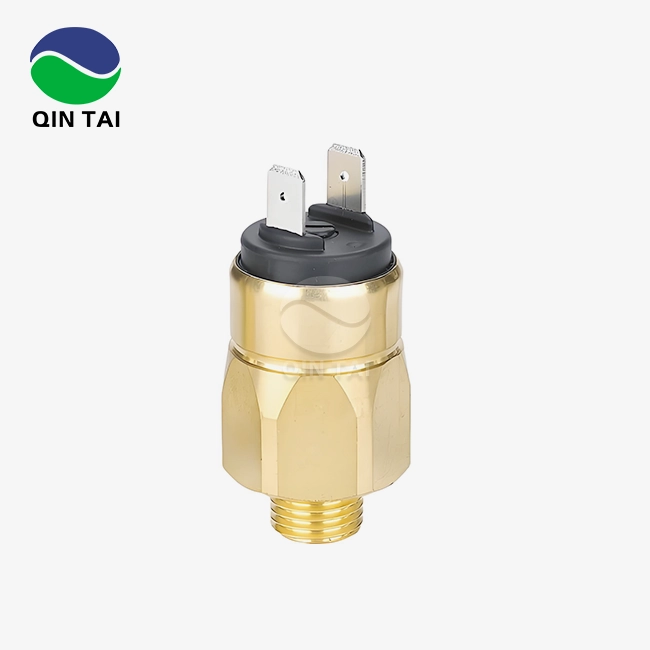

Our customers’ satisfaction speaks for our quality — contact us to experience the same reliable service.