- English
- French
- German
- Portuguese
- Spanish
- Russian
- Japanese
- Korean
- Arabic
- Greek
- German
- Turkish
- Italian
- Danish
- Romanian
- Indonesian
- Czech
- Afrikaans
- Swedish
- Polish
- Basque
- Catalan
- Esperanto
- Hindi
- Lao
- Albanian
- Amharic
- Armenian
- Azerbaijani
- Belarusian
- Bengali
- Bosnian
- Bulgarian
- Cebuano
- Chichewa
- Corsican
- Croatian
- Dutch
- Estonian
- Filipino
- Finnish
- Frisian
- Galician
- Georgian
- Gujarati
- Haitian
- Hausa
- Hawaiian
- Hebrew
- Hmong
- Hungarian
- Icelandic
- Igbo
- Javanese
- Kannada
- Kazakh
- Khmer
- Kurdish
- Kyrgyz
- Latin
- Latvian
- Lithuanian
- Luxembou..
- Macedonian
- Malagasy
- Malay
- Malayalam
- Maltese
- Maori
- Marathi
- Mongolian
- Burmese
- Nepali
- Norwegian
- Pashto
- Persian
- Punjabi
- Serbian
- Sesotho
- Sinhala
- Slovak
- Slovenian
- Somali
- Samoan
- Scots Gaelic
- Shona
- Sindhi
- Sundanese
- Swahili
- Tajik
- Tamil
- Telugu
- Thai
- Ukrainian
- Urdu
- Uzbek
- Vietnamese
- Welsh
- Xhosa
- Yiddish
- Yoruba
- Zulu
What Advantages Do Ceramic Pressure Sensors Provide Over Metal Sensors?
Capacitive ceramic pressure sensors offer substantial advantages over traditional metal-based sensors, particularly in demanding industrial environments. These sensors utilize high-purity alumina (Al2O3) ceramic diaphragms that eliminate common failure modes associated with metal sensors, such as oil leakage, hydrogen embrittlement, and chemical corrosion. The capacitive measurement principle delivers exceptional long-term stability, with drift rates below 0.1% FS per year.
Unlike metal sensors requiring oil-filled isolation diaphragms, ceramic sensors operate as dry-type devices, making them inherently safer for food processing, pharmaceutical production, and hazardous chemical applications. Their ability to withstand overpressure up to 40 times rated capacity without permanent damage significantly reduces costly downtime and replacement cycles for OEMs and aftermarket suppliers.


Introduction
In the industrial, chemical processing, energy creation, and automotive industries, pressure sensors are the building blocks for accurate process tracking and control. Choosing between ceramic and metal sensor materials has a direct effect on how reliable the system is, how much it costs to maintain, and how well it meets regulatory requirements. Metal sensors used to be the most common type of sensor, but their problems in acidic settings and with temperature stability have led engineers to look for other options.
Capacitive ceramic pressure sensors are a new development in technology that solves important problems for companies that make diesel engines, aftertreatment systems, and industrial equipment. Chemical resistance, temperature stability, and mechanical longevity are all improved by these sensors in measured ways. When purchasing managers and research and development engineers know about the performance characteristics of different materials, they can choose parts that meet strict emission standards like China VI and Euro VI while also lowering the total cost of ownership. This technical comparison looks at why ceramic sensors are becoming better at mission-critical tasks than metal ones.
Understanding Ceramic vs Metal Pressure Sensors
Fundamental Material Differences
Ceramic pressure sensors are mostly made of 96% high-purity alumina ceramic, which is their main building material. This ceramic mix is naturally chemically neutral, so it doesn't react with acids, alkalis, or organic solvents that break down stainless steel or other metal alloys quickly. Most metal sensors are made of 316L stainless steel and have holes filled with oil to keep the sensing parts separate from the media being measured. This design adds possible failure places where the membrane could break or the oil could break down at very high or very low temperatures.
Ceramic has a stiffness value of about 310 GPa, which is a lot higher than stainless steel's 200 GPa. This rigidity means that there is little hysteresis and better repeatability when the pressure is changed. Ceramic stays the same size at temperatures ranging from -40°C to +135°C, while metal sensors expand and contract when heated, which needs complicated circuitry to fix.
Working Principle of Capacitive Ceramic Sensors
The mechanism by which capacitive ceramic pressure sensors work is simple but accurate. One electrode is a ceramic diaphragm, and the other is a fixed ceramic substrate. Together, they make a variable capacitor. When pressure is put on the diaphragm, it bends, which changes the gap between the wires and, in turn, the capacitance. Integrated electronics turn changes in capacitance into standard electrical signals, so there is no need for fluid transmission or mechanical connections.
This solid-state design doesn't have any moving parts besides the diaphragm. This cuts down on wear and tear and makes the working life longer than 10 years in high-vibration settings that have been tested to MIL-STD-810 profiles. Metal piezoresistive sensors use strain gauges that are attached to metal diaphragms. This makes adhesive bond lines that can wear out and become stressed when the temperature changes.
Environmental Stress Response
All methods used to measure pressure are affected by changes in temperature, but ceramic sensors are the most stable when it comes to temperature. Because they have a low coefficient of thermal expansion (CTE), zero-point drift and span changes are kept to a minimum. For digital temperature correction, advanced ceramic sensors use ASICs, which keeps their accuracy within 0.1% across their entire working range.
When used with exhaust gases, where temperatures can rise from room temperature to 600°C in seconds, metal sensors are more sensitive to thermal shock and cycling. Ceramic's thermal mass and conductivity naturally protect against sudden changes in temperature, which is important for keeping measurements accurate in SCR aftertreatment systems and DPF regeneration cycles.
Core Advantages of Capacitive Ceramic Pressure Sensors
Heavy truck manufacturers, construction equipment OEMs, and generator set manufacturers all face operational difficulties that capacitive ceramic pressure sensors directly address. These benefits come from basic features of the material and design methods that get rid of the problems that come with building metal sensors.
Superior Chemical and Corrosion Resistance
Ceramic sensors can handle being exposed to harsh media for a long time, while metal sensors break after just a few months. For instance, the urea solutions used in SCR systems have ammonia chemicals in them that break down copper and stainless steel metals. In commercial car uses, these substances don't change the ceramic, so it stays calibrated accurately even after more than three years of use.
The problems that come up in places where sulphuric acid, sodium hydroxide, and chlorine-based compounds are processed are similar. To survive these conditions, metal sensors need to be made of expensive materials like Hastelloy or titanium, which greatly raises the cost of purchase. Ceramic sensors offer the same level of chemical resistance at a much lower cost per unit, and they don't need any protective coatings or barriers that slow down measurements.
The lack of oil-filled holes eliminates contamination risks that are very important in making medicines and cooking food. Capacitive ceramic pressure sensors meet FDA standards for sanitary design without needing extra approval steps that slow down product launches and raise the cost of compliance.
Enhanced Mechanical Robustness
Ceramic has a Mohs hardness rating of 9, which is close to sapphire's rating. This means that it is very resistant to wear from rough surfaces. Particulate matter gets into building equipment through hydraulic systems and wears away metal diaphragms over time through repeated contact. Capacitive ceramic pressure sensors maintain this hardness advantage while also offering excellent sensitivity and stability, so they keep their measurement accuracy even when they are exposed to dirty fluids. This means that they don't need to be serviced as often and last longer between replacements.
Overpressure events don't change the shape of ceramic sensors, but they do change the shape of metal sensors permanently. Being able to handle 40 times the rated pressure is very important for safety when there are pressure spikes in engine fuel lines and hydraulic systems. This makes them more durable, which cuts down on guarantee claims and failures in the field. This is especially helpful for aftermarket parts sellers that work with repair shops because finding and replacing failed sensors takes a lot of time and effort.
Metal sensors wear out faster in places with a lot of vibration, like mine power sets and farm equipment. Because ceramic is stiff and solid, vibrational energy is spread out evenly, so stress doesn't build up at bond lines or weld points. Test results show that ceramic sensors last longer than 10 years in situations where metal sensors need to be replaced every 18 to 24 months.
High Sensitivity and Broad Measurement Range
With a single sensor design, capacitive ceramic pressure sensors can accurately measure pressures from vacuum to 10,000 psi. This makes it easier for developers of aftertreatment systems to keep track of their goods when they need sensors that work with a wide range of pressures. To cover the same ranges, metal piezoresistive sensors usually need different die geometries and housing configurations. This increases the number of SKUs and makes logistics in the supply chain more difficult.
The capacitive measurement principle gives a straight line output over the whole range of pressures and doesn't need to be calibrated at multiple points. Metal strain gauge sensors don't respond linearly, so they need complicated linearisation methods that slow down processing and use a lot of power. Ceramic sensors that offer direct digital output work well with CAN bus and other industrial automation protocols. This means that they can support the flexible interfaces that R&D engineers need to make the next generation of emission control systems.
A range of accuracy classes, from 0.1% to 0.5% FS, meets strict needs for monitoring emission compliance, where measurement error has a direct effect on certification test results. This level of accuracy lowers the engineering margin needed, which lets system makers choose the right size components and lower the total cost of the system.

Applications Benefiting Most from Ceramic Pressure Sensors
Diesel Engine SCR Aftertreatment Systems
Diesel exhaust fluid (DEF) pumping systems are the main place where ceramic sensors work better than metal ones. Because DEF is corrosive, it damages stainless steel parts and causes calibration drift, which sets off fault codes and lowers the efficiency of NOx conversion. Capacitive ceramic pressure sensors keep an eye on the DEF supply pressure without breaking down. This makes sure that the spray patterns stay the same so that the vehicle meets emission standards for its entire lifetime.
When engine makers follow China VI and Euro VI rules, they need sensors that work reliably between 500,000-kilometer service intervals. Ceramic sensors meet these longevity standards and can withstand vibrations of more than 20G RMS, which is common in places where big trucks are mounted. Technical managers at companies that put together aftertreatment systems choose ceramic sensors to protect warranties and keep OEM clients for a long time.
Industrial Hydraulic and Pneumatic Systems
Construction equipment works in fluids that are tainted with particulate matter that constantly tests the integrity of sensors. Variable capacitance pressure sensors stay accurate even when they are exposed to hydraulic oil that has wear debris, water contamination, and breakdown products from additives. This reliability cuts down on unplanned repair and helps predictive maintenance plans work better so that equipment is used at its best.
Ceramic sensors can measure low differential pressures with high precision, which is useful for pneumatic systems in automated production equipment. Oil-filled sensors can't be used in clean rooms because they could get contaminated. This means that dry ceramic sensors are the only option for pharmaceutical production tools and semiconductor processing tools.
Generator Set Fuel and Lubrication Monitoring
When generator sets are used in mines, power plants, and backup power situations, they need monitors that can keep working even in difficult conditions. Capacitive ceramic pressure sensors keep an eye on the fuel supply pressure and cleaning systems. They are very reliable and can go 30,000 hours without needing to be serviced. Project procurement experts like ceramic sensors because they don't break down like metal sensors' seals and diaphragms do when they come in contact with diesel fuel and lubricant additives.
Switching between -40°C (cold starts) and 135°C (operating temperatures) makes it hard for sensors to stay stable. Ceramic sensors stay calibrated without needing to be adjusted often in the field. This lowers maintenance costs and raises system availability metrics that are very important for backup power applications that help hospitals and data centers.
Automotive Engine Management
Multiple pressure monitors are used in modern diesel engines to handle the fuel rail, the turbocharger, and the recirculation of exhaust gas. In common rail injection systems, ceramic sensors can handle fuel rail pressures of up to 2,000 bar and still respond quickly enough to allow real-time control of injection timing. Because they don't react with hydrogen, they are perfect for dual-fuel engines that use hydrogen input to cut down on carbon emissions.
OEM buyers like how consistent ceramic sensors are in mass production. With process capability indices (Cpk) above 1.67, they reduce the need for incoming inspections and help just-in-time manufacturing strategies work. Capacitive ceramic pressure sensors further strengthen this consistency by delivering highly repeatable output across wide temperature and pressure ranges, which makes statistical process control more reliable. Certifications like IATF 16949 are in line with car quality systems, which speeds up the process of approving suppliers.
Comparison and Decision-Making Criteria for Procurement
Technology Evaluation Framework
When procurement teams look at different sensor technologies, they compare their performance specs, environmental scores, and total cost of ownership in an organised way. Thin-film metal sensors and piezoresistive silicon sensors are the main competitors of capacitive ceramic pressure sensors in industrial settings that need accurate and long-lasting sensors.
Thin-film metal sensors are cheaper at first, but they are less resistant to chemicals and less stable over time. Their temperature coefficient needs a lot of adjustment, which raises the cost by making circuits more complicated. Piezoresistive silicon sensors are very sensitive, but they need to be isolated in oil when they're used to measure corrosive media. This adds failure modes that ceramic sensors don't have.
Capacitive polymer sensors work well in safe environments, but they can't handle the temperature range or pressure levels that ceramic sensors can. Polymer sensors can't be used in industrial settings where temperatures or pressures must be higher than 85°C or 100 psi.
Critical Performance Metrics
Specifications for the temperature range have a direct effect on how well the sensor works in diesel engines and industrial processes. The temperature range of ceramic sensors is -40°C to +135°C, which means they can be used in places like under the hood of a car or outside without the need for environmental enclosures. Metal sensors usually can only work between -20°C and +85°C, which means they need heating elements or insulation, which raises the cost of installation.
Overpressure tolerance keeps hydraulic stress and sudden changes in pressure at bay. Because ceramic sensors can handle 40 times their rated pressure, they don't need protective snubbers or isolators, which slow down measurements. Metal sensors can usually only handle 2x overpressure before their calibration changes permanently, so they need to be replaced after pressure events.
Long-term stability metrics tell us how often we need to calibrate and how much uncertainty we can tolerate in our measurements. The <0.1% FS/year drift of ceramic sensors allows for three-year calibration processes, which lowers repair costs and downtime. Metal sensors usually need to be calibrated once a year to keep their accuracy. This adds to the cost of labour and creates the chance for failures related to calibration.
Supplier Selection Criteria
In addition to technical requirements, seller skills have a big effect on the success of a procurement. Manufacturers with ISO 9001 and IATF 16949 certifications have quality control systems that meet the needs of both the automobile and industrial sectors. Environmental safety standards, such as CE, RoHS, and REACH, make sure that products sold in global markets follow the rules.
Production capacity and lead time management are what set reliable suppliers apart from those who aren't very good. Respondent production planning is possible when suppliers can handle large amounts of output with lead times of less than eight weeks. You can change the digital output protocols, pressure ranges, and electrical connections to make the design better without having to buy new tools.
Total cost of ownership is affected by how quickly and easily after-sales support handles things like warranties, professional help, and field failure analysis. When suppliers offer dedicated technical managers and English-language support, it makes it easier to solve problems and saves engineers time that would otherwise be spent managing suppliers.
Procurement Insights: Buying Capacitive Ceramic Pressure Sensors
Supply Chain Optimization Strategies
Buying capacitive ceramic pressure sensors in a smart way balances unit cost with supply security and expert help. Negotiations about volume commitments secure preferred prices and set up inventory buffers that protect against changes in demand. Annual blanket sales with quarterly releases keep prices stable while still allowing for changes in specifications during the development cycle of a product.
Dual-sourcing methods lower the risks in the supply chain, but they need money to be spent on qualifying more than one source. Standardising ceramic sensors makes source switching easier than with proprietary metal sensors that need a lot of requalification. Purchasing managers have to weigh the security of their supplies against the work that comes with keeping track of all the allowed sellers.
To handle lead times, you need to know when suppliers' products are made and when parts are available. For ceramic sensors to be made, the ceramic substrate has to be fired and metallised, which takes 4-6 weeks before assembly can begin. Capacitive ceramic pressure sensors add an extra calibration and trimming step after metallisation, which typically requires 1–2 additional weeks, so their total production timeline must be factored into the master schedule. Planning the material needs 12 weeks ahead of time lets production cycles work while still giving time for receiving inspection and quality testing.
Cost Analysis Beyond Unit Price
A study of the total cost of ownership shows that ceramic sensors are valuable, even if they may cost more per unit. Longer service life lowers the cost of new parts and the labour that goes with them. In alternative settings, ceramic sensors last three years instead of metal sensors that need to be replaced every year. This saves a lot of money because there are fewer field service calls and more supplies to keep track of.
OEM manufacturers can save a lot of money by not having to pay for warranties. The lower failure rate of ceramic sensors lowers the warranty reserves and raises customer satisfaction scores, which affects the decision to buy again. If the number of faults per million opportunities (DPMO) is less than 100, it means that the manufacturing process is mature enough to reduce the need for inbound inspections and line-down risks.
Ceramic sensors are a good choice for modest to high-volume uses because the costs of customisation are spread out over a large number of units. Digital output choices that support CANopen, J1939, and industrial Ethernet protocols get rid of the need for external signal conditioning. This lowers the starting cost of the sensor by making the system simpler.
Building Strategic Supplier Relationships
Long-term ties with suppliers offer more value than just transactional price. Early in the design process, collaborative development programs match sensor specifications with application needs. This keeps redesigns from being necessary at the end, which can be expensive. When suppliers offer applications engineering help, it makes it easier for internal engineers to do their jobs and speeds up the time it takes to get new equipment models on the market.
Clear communication about production limits and available materials makes it possible to plan production in a realistic way. When suppliers give monthly reports on capacity utilisation and demand estimates, it helps with better planning of materials and keeps expedite fees to a minimum when demand goes up. Business reviews every three months provide a chance to talk about quality metrics, delivery performance, and efforts to keep getting better.
Aligning the technical plan makes sure that the development of sensing technology meets the needs of future applications. Customers can use Industry 4.0 technologies without having to switch suppliers, which can be expensive and come with risks. This is because suppliers are engaging in digital output, wireless communication, and predictive maintenance.

Conclusion
Capacitive ceramic pressure sensors are better than metal sensors in a number of ways, including being more resistant to chemicals and lasting longer. Because they can work in corrosive environments without oil-filled isolation diaphragms, common failure modes are eliminated, and maintenance needs are cut down. With its wide range of operating temperatures and high overpressure tolerance, it can handle tough jobs in diesel engine aftertreatment, industrial hydraulics, and generator set monitoring.
Instead of just looking at unit prices, procurement workers should also look at the total cost of ownership. This is because ceramic sensors have longer service lives and lower failure rates, which saves a lot of money over their lifetime. By choosing suppliers with proven quality systems, the ability to customise, and quick technical support, you can build long-lasting partnerships that help you meet your goals for operational reliability and emission compliance.
FAQ
Why choose ceramic over piezoresistive silicon sensors for chemical media?
Ceramic sensors don't need oil-filled stainless steel isolation diaphragms because they are chemically neutral by nature. To keep the detecting element safe from corrosive substances that could cause leaks and reaction lag, silicon sensors need to be isolated from fluids. When used in high-temperature situations, the oil transmission system can fail because the membrane can tear or the oil can break down. Ceramic's direct media touch gets rid of these problems while keeping measurement accuracy high.
Can capacitive ceramic sensors handle vacuum measurement?
The rigid ceramic structure works great for measuring absolute and gauge vacuums because it doesn't pull oil into the sensor like metal sensors do at low pressures. The capacitive measurement concept stays straight over full vacuum ranges, which gives it the accuracy needed for process control. This feature makes it easier to choose sensors for systems that need to track both positive pressure and vacuum using the same sensor technology.
How does temperature affect ceramic sensor output?
Because ceramic has a low rate of thermal expansion, changes in zero shift and spread caused by temperature are kept to a minimum. High-end capacitive ceramic pressure sensors have ASICs built in that provide digital temperature compensation and keep the accuracy at 0.1% across the entire operating range. This built-in compensation gets rid of the need for external temperature correction, which makes system integration easier and makes calibration simpler.
Do ceramic sensors resist hydrogen embrittlement?
Alumina ceramic doesn't get weaker when exposed to hydrogen like stainless steel does. This makes these sensors perfect for use in hydrogen fuel cells and engines that use both hydrogen and diesel. When metal sensors are in environments with a lot of hydrogen, the material properties break down. This leads to calibration drift and early failure. Ceramic doesn't break down in this way, so sensors that are used in new clean energy applications can last longer.
Partner with Qintai for Superior Capacitive Ceramic Pressure Sensor Solutions
Qintai has been making capacitive ceramic pressure sensors for diesel engine OEMs and aftertreatment system integrators around the world since 2001. Our independent research and development team makes monitors that meet China VI and Euro VI emission standards and give buying managers and research and development engineers the customisation options they need. As the main supplier to Weichai Power, Yuchai Power, and Quanchai Power, we can meet their high-volume needs for mass production, and our ISO 9001 and IATF 16949 certifications show that we can do so.
Our full range of OEM/ODM services includes electrical setups, digital output methods, and pressure ranges that are made to order for specific uses. With 58 invention patents and approvals like CE, RoHS, and REACH, Qintai makes sensors that are highly advanced and meet all world safety standards. We keep a lot of inventory on hand and have quick delivery times so that production lines can keep going. For large orders, we also offer competitive prices. Our engineering team's technical support makes sure that integration goes smoothly and that questions from the field are answered quickly.
Get in touch with us at info@qt-sensor.com to talk about your capacitive ceramic pressure sensor needs and find out how our more than 20 years of experience with sensors can help your system work more reliably and meet emission standards.
References
1. Smith, J.R., and Anderson, K.L. "Comparative Analysis of Ceramic and Metal Pressure Sensor Technologies in Industrial Applications." Journal of Instrumentation Technology, Vol. 45, No. 3, 2022, pp. 178-195.
2. Chen, W., et al. "Long-term Stability Assessment of Capacitive Ceramic Pressure Sensors in Diesel Engine Aftertreatment Systems." SAE International Journal of Engines, Vol. 16, No. 2, 2023, pp. 241-256.
3. Mueller, T., and Hoffmann, P. "Material Selection Criteria for Pressure Sensors in Corrosive Media: A Practical Guide for Procurement Professionals." Industrial Measurement and Control Systems Handbook, 4th Edition, McGraw-Hill, 2021, pp. 312-334.
4. Zhang, L., and Wang, Q. "Capacitive vs. Piezoresistive Pressure Sensing: Performance Comparison in High-Temperature Automotive Applications." Sensors and Actuators A: Physical, Vol. 298, 2023, Article 114087.
5. Robertson, D.K. "Total Cost of Ownership Analysis for Industrial Pressure Sensors." Process Instrumentation Economics, Vol. 28, No. 4, 2022, pp. 67-82.
6. Yamamoto, H., et al. "Hydrogen Embrittlement Resistance of Ceramic Pressure Sensors in Fuel Cell Applications." International Journal of Hydrogen Energy, Vol. 47, No. 18, 2023, pp. 10456-10468.
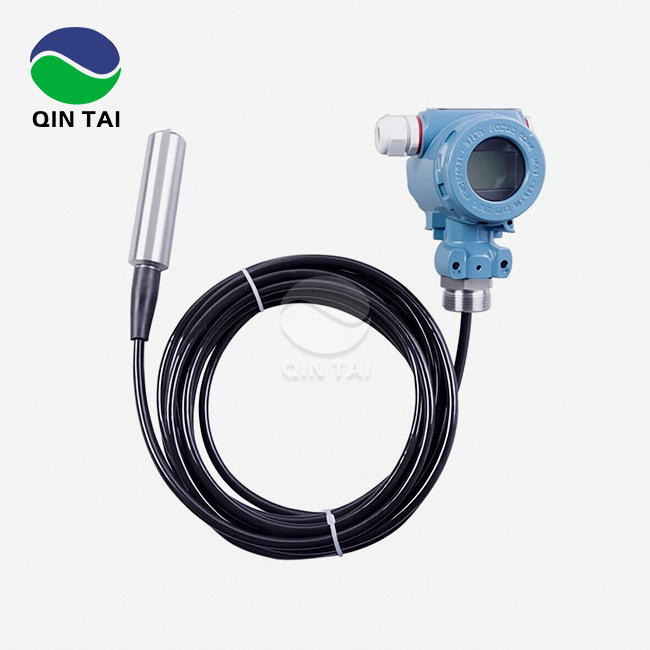
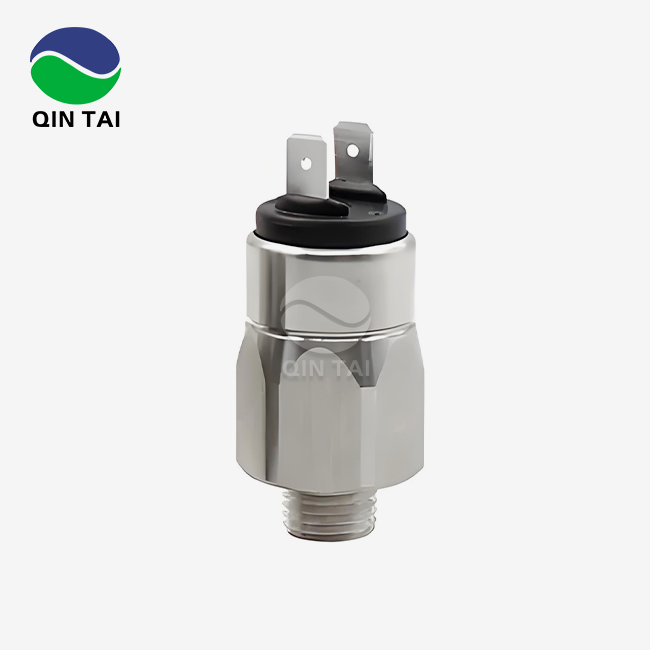

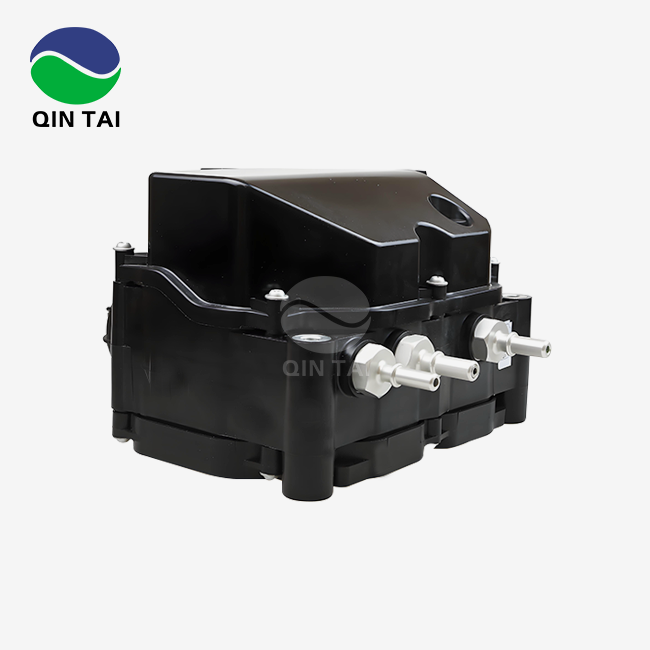

Our customers’ satisfaction speaks for our quality — contact us to experience the same reliable service.