- English
- French
- German
- Portuguese
- Spanish
- Russian
- Japanese
- Korean
- Arabic
- Greek
- German
- Turkish
- Italian
- Danish
- Romanian
- Indonesian
- Czech
- Afrikaans
- Swedish
- Polish
- Basque
- Catalan
- Esperanto
- Hindi
- Lao
- Albanian
- Amharic
- Armenian
- Azerbaijani
- Belarusian
- Bengali
- Bosnian
- Bulgarian
- Cebuano
- Chichewa
- Corsican
- Croatian
- Dutch
- Estonian
- Filipino
- Finnish
- Frisian
- Galician
- Georgian
- Gujarati
- Haitian
- Hausa
- Hawaiian
- Hebrew
- Hmong
- Hungarian
- Icelandic
- Igbo
- Javanese
- Kannada
- Kazakh
- Khmer
- Kurdish
- Kyrgyz
- Latin
- Latvian
- Lithuanian
- Luxembou..
- Macedonian
- Malagasy
- Malay
- Malayalam
- Maltese
- Maori
- Marathi
- Mongolian
- Burmese
- Nepali
- Norwegian
- Pashto
- Persian
- Punjabi
- Serbian
- Sesotho
- Sinhala
- Slovak
- Slovenian
- Somali
- Samoan
- Scots Gaelic
- Shona
- Sindhi
- Sundanese
- Swahili
- Tajik
- Tamil
- Telugu
- Thai
- Ukrainian
- Urdu
- Uzbek
- Vietnamese
- Welsh
- Xhosa
- Yiddish
- Yoruba
- Zulu
How to Choose the Best Capacitive Pressure Sensor for Industry?
Choosing the optimal capacitive pressure sensor for industrial applications depends on matching your specific operational requirements with sensor capabilities. The ideal sensor must demonstrate high accuracy under your operating pressure and temperature ranges, feature robust construction suitable for harsh environments, and provide consistent performance throughout its service life.
When selecting a sensor, consider technical specifications like non-linearity, sensitivity, temperature drift, and overload protection, alongside practical factors such as mounting ease, calibration requirements, and long-term supplier support. Understanding these criteria ensures your investment delivers reliable measurement data that keeps your systems compliant, efficient, and safe.
Understanding Capacitive Pressure Sensors: Principles and Advantages
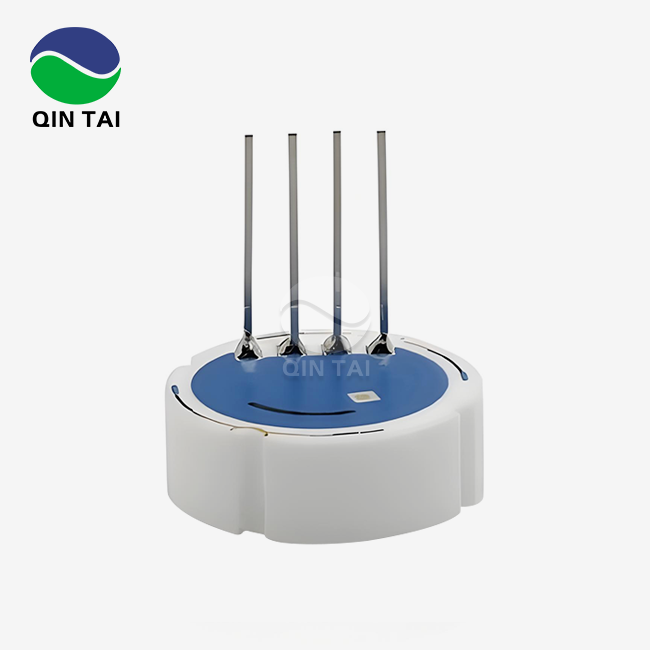
Ceramic capacitive pressure sensors work by checking how the electrical capacitance between two surfaces changes over time. When you put pressure on a ceramic diaphragm, it deforms. This changes the distance between the diaphragm electrode and a set reference electrode, which changes the capacitance. Changes in capacitance directly translate into an electrical signal that can be measured and is related to the pressure that is being applied. This method is much more sensitive than older ones, and it works well with both low and high pressures while using very little power.
Why Ceramic Diaphragms Excel in Industrial Environments
Ceramic diaphragms made of 96% alumina (Al2O3) are used in modern devices and are very useful in difficult situations. Ceramic has an elasticity value of about 310 GPa, which makes it mechanically stable and resistant to bending under stress. This means that measurement accuracy stays the same even after millions of pressure cycles. Acids, bases, and organic fluids that are common in chemical processes and fuel systems don't corrode the material naturally. This built-in chemical resistance means you don't have to worry about the sensor breaking down in harsh environments, and it lasts a lot longer than metal diaphragm alternatives.
Core Advantages Over Alternative Sensing Technologies
Capacitive designs are more stable over time than piezoresistive and piezoelectric ones, with drift rates usually less than 0.1% full scale per year. The technology has minimal hysteresis, which means that readings of pressure stay the same whether pressure goes up or down.
Temperature correction through integrated electronics keeps the accuracy over a wide temperature range, from -40°C to +131°C. This is very important for uses under the hood of cars and in outdoor industrial settings. Because they don't use much power, these sensors are great for wireless sensor networks and tracking systems that run on batteries, where saving power has a direct effect on costs.
Defining Your Industrial Sensor Requirements: Application and Performance Metrics
Before you can choose the right capacitive pressure sensor, you need to carefully look at your specific application situation. Different industries have very different needs when it comes to pressure measurement systems. Knowing these differences can help you avoid expensive problems where sensor capabilities don't match up with real practical needs.
Identifying Critical Application Parameters
Manufacturers of diesel engines that use SCR aftertreatment systems need monitors that can handle vibration, changing temperatures, and being exposed to exhaust gases while still keeping the accuracy of measurements needed for pollution compliance. To get the best NOx reduction, the sensor needs to keep a close eye on the urea input pressures and the DEF system pressures. Generator set uses in mines or backup power plants need monitors that can work effectively for long periods of time without being serviced and can handle dust, humidity, and temperature changes. Construction equipment has to deal with shock loads, problems with hydraulic fluid compatibility, and big changes in temperature that make sensors less durable.
Heavy truck uses have special problems because the sensors have to deal with constant vibrations from the road and heat stress from the engine. Agricultural equipment works in places where soil and crop residue can get into it, so it needs to be able to seal well and resist contamination. For each use case, there are specific pressure ranges, precision needs, reaction times, and levels of environmental safety that determine which sensor to use.
Evaluating Performance Specifications
The accuracy specs of a sensor tell you if it meets your safety or process control needs. Your measurement tolerance budgets should be in line with comprehensive accuracy, which includes non-linearity, hysteresis, and repeatability. For many industrial uses, a sensor with a full-scale accuracy of ±0.5% is fine, but for safety-critical systems, tighter tolerances may be needed. Temperature changes have a big effect on how well sensors work, so zero temperature drift and spread temperature drift are very important factors. Sensors with drift rates below 0.03% FS/°C give accurate readings even when the temperature changes, which can happen in engine rooms and outdoor installations.
Overload safety makes sure that sensors can handle sudden changes in pressure without getting damaged or losing their balance. A safety overload limit of 200% full scale protects against hydraulic hammer effects, valve closes, and transients that happen when the pump first starts up. Response time is very important in dynamic situations where quick changes in pressure need to be picked up right away, like in engine control systems that change the timing of injections based on real-time pressure input.
Comparing Capacitive Pressure Sensors with Alternative Technologies
Knowing the pros and cons of various capacitive pressure sensors and other technologies helps you make smart choices that balance performance, cost, and the rightness of the application. Each technology has its own benefits that make it best for certain situations.
Technology Performance Comparison
Capacitive ceramic sensors work very well in places where they need to be stable over time, work in a wide range of pressures, and be able to handle strong chemicals. Because they are not easily damaged, they are perfect for diesel fuel systems, hydraulic circuits with harsh fluids, and monitoring exhaust gases. Piezoresistive sensors measure changes in resistance in semiconductor materials that are stretched.
They have quick reaction times that make them good for dynamic readings, but they may be more sensitive to temperature changes, which means they need more complex compensation. Piezoelectric sensors are great at tracking pressures that change quickly, like during combustion. However, they can't measure steady pressures because they only react to changes in pressure.
Although strain gauge sensors are cheaper and easier to find, they are not as accurate and tend to move more over time when compared to capacitive designs. When deciding between technologies, you have to weigh the need for precise measurements against your budget while also taking into account things like temperature extremes, vibration levels, and media compatibility.
When Capacitive Sensors Deliver Maximum Value
When uses need both high accuracy and long-term stability, capacitive pressure sensors are the best choice. Because they don't drift much, they don't need to be re-calibrated as often, which lowers the cost of maintenance over the life of the sensor. Because the technology is naturally resistant to electromagnetic interference, it can be used in noisy industrial settings close to motors, generators, and switching power supplies. When OEM manufacturers need to make a lot of products that all work the same, capacitive sensors are the best way to do it. They are repeatable and reliable, which cuts down on warranty claims and improves brand reputation.
Introducing the QS-P105 Series: Engineered for Industrial Excellence
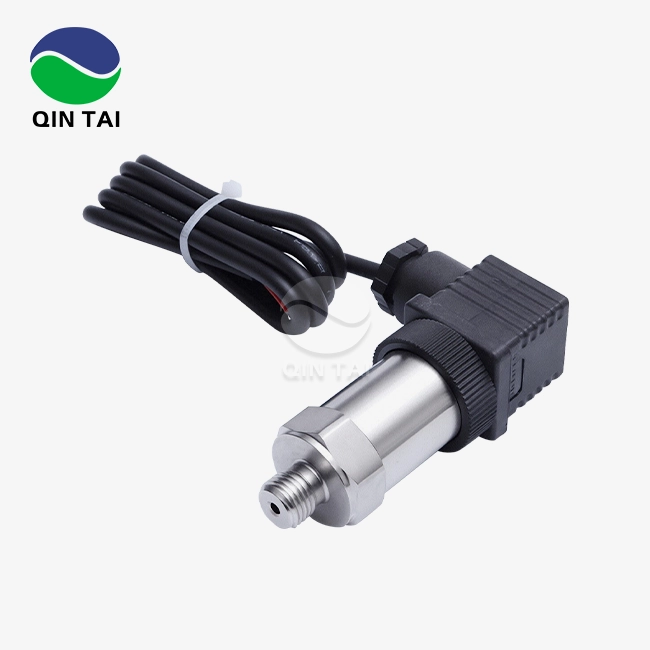
Xi'an Qintai created the QS-P105 series because they knew how difficult it was to meet the needs of diesel engine systems, aftertreatment applications, and heavy-duty industrial equipment. This group of ceramic capacitive pressure sensors is designed to meet the needs of OEMs and system developers who must maintain accuracy, longevity, and compliance with regulations.
The QS-P105 line shows that Qintai is dedicated to developing advanced sensor technology, which has been improved over 20 years of specialising in diesel engine aftertreatment systems. As the top OEM provider to Weichai Power, Yuchai Power, and Quanchai Power (holding the top spot in the Chinese market), we've gained a lot of field experience that went into every decision we made about how to build this sensor platform.
Technical Excellence Through Advanced Engineering
The QS-P105 is made up of a 96% alumina ceramic diaphragm that is very strong and doesn't react with chemicals. This choice of material makes sure that it won't break down when exposed to diesel fuel, hydraulic oils, DEF solutions, and exhaust gases. Only 0.3% of the sensor's full scale is nonlinear, which is precise enough for emission control systems where measurement accuracy directly affects meeting EPA rules and China VI standards.
Stability at room temperature is an important performance factor for cars and other mobile devices. The QS-P105 doesn't move more than 0.03% FS/°C from 2 bar to 50 bar, and it goes up to 0.04% FS/°C at higher pressures up to 600 bar. This thermal stability makes sure that the sensor gives accurate results whether it is working in sub-zero temperatures in the winter or next to hot engine parts. It can work in temperatures ranging from -40°C to +113°C, which is the full temperature range of both under-the-hood installations and outdoor industrial equipment.
Comprehensive Pressure Range Coverage
The QS-P105 platform is very flexible, with pressure range choices from -1 bar (vacuum) to 600 bar. It can be used for a wide range of tasks, from measuring vacuum in input manifolds to building ultra-high-pressure fuel systems that use common rails. This wide range of coverage makes managing parts easier for OEMs that make more than one product line. A single family of sensors can be used for a wide range of applications, such as tracking mild hydraulic pressure in farm tractors or high-pressure fuel system sensors in industrial generators.
Each pressure range has the same accuracy requirements, so you can be sure that all of your products will work the same way. The 200% safety overload rate protects against pressure spikes that happen when the system starts up, when valves are actuated, or when the system has to shut down quickly. This keeps expensive sensor failures that could damage equipment or cause safety issues from happening.
Versatile Electrical Integration
Electrical compatibility is a big part of whether a sensor can work with existing systems or needs to be redesigned, which can be expensive. The QS-P105 can work with a supply voltage range of 2 to 30 VDC, so it can handle 5V logic systems, 12V car electrical systems, and 24V industrial standards without the need for extra regulation circuits. This voltage freedom makes integration easier and lowers the cost of the bill of materials.
With an output sensitivity of 2 to 4 mV/V, the signal is strong enough to connect directly to analog-to-digital converters and industrial controllers. The bridge resistance of 11±30% kΩ makes sure that it works with common signal conditioning modules and instrumentation amplifiers. The zero output specification of 0.2 mV/V at 23°C reduces the need for offset calibration during manufacturing, which speeds up the setup time of the production line and increases throughput.
Practical Installation and Customization
The ease of mounting has a big effect on the cost of installing labour and the reliability of the system. Threaded process connections on the QS-P105 make it easy to put into pipelines, fuel rails, and hydraulic blocks using standard fittings. The small size fits into tight areas like those found in current engine compartments and equipment setups, where the density of packing keeps going up.
Qintai gives a wide range of customisation options because they know that each application has its own specific needs. We can change the calibration factors, pressure ranges, electrical links, and mounting arrangements to exactly what you want. This ability to be customised is very helpful for getting the best sensor integration into custom systems or meeting the regulatory needs of certain markets.
There are clear benefits in these technical areas that help diesel engine OEMs, aftertreatment system integrators, and industrial equipment manufacturers with their main concerns. The sensor is accurate enough to meet emission standards, durable enough to last for long service intervals, and consistent enough for quality control in mass production.
Procurement Considerations for Industrial Buyers
To buy capacitive pressure sensors successfully, you need to look at more than just the technical specs. You also need to look at the supplier's skills, quality systems, and the possibility of a long-term relationship. To make smart sourcing choices, you need to look at many aspects of a supplier's performance.
Checking the credentials and certifications of suppliers
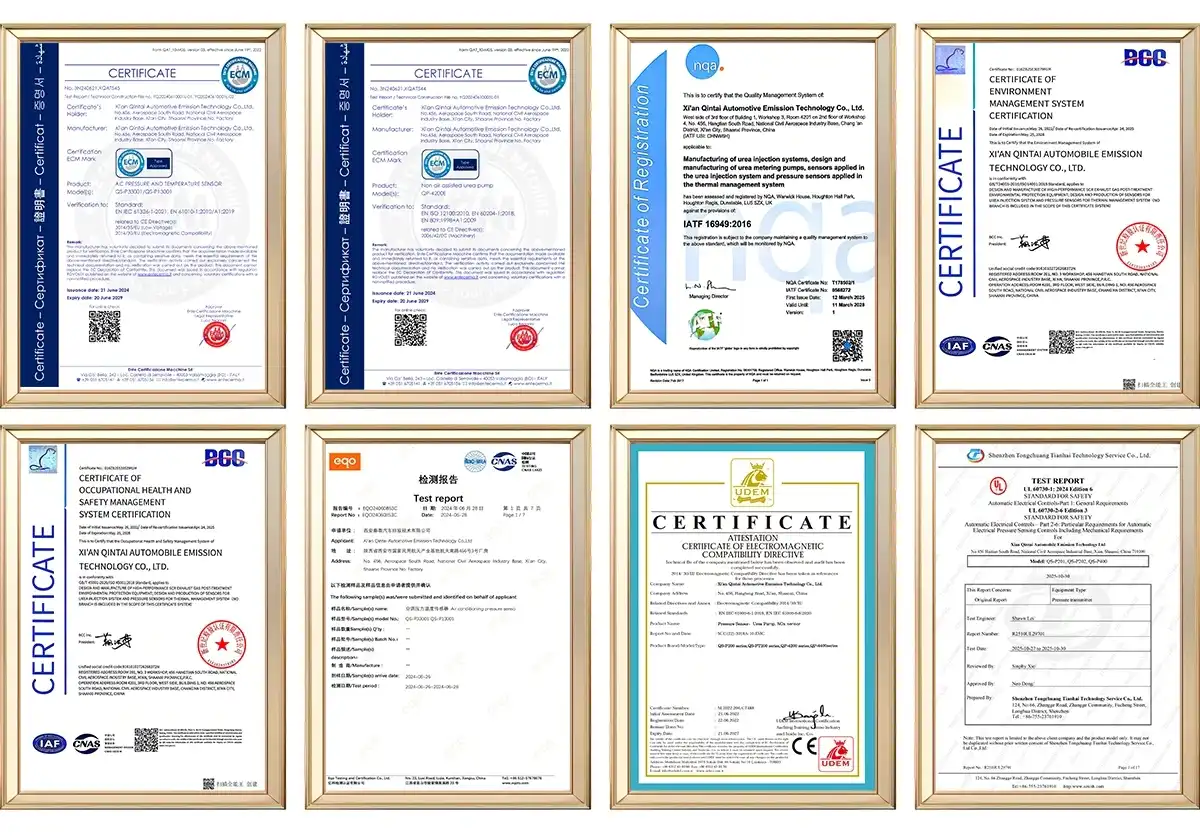
Regulatory compliance approvals are very important for making sure that monitors meet quality and safety standards. Look for ISO 9001 certification, which shows that the company manages quality in a planned way, and IATF 16949 certification for car suppliers, which shows that they can work in high-volume, demanding production settings. Environmental compliance approvals, such as RoHS, REACH, and CE marking, show that goods meet international rules on dangerous chemicals and electromagnetic compatibility standards.
For sensors that are used in dangerous places where explosive atmospheres may occur, like in oil and gas, chemical processing, and mining, intrinsic safety certifications (Ex ratings) are now required. UL listing gives your company more credibility in North American markets where safety standards are very important when buying things.
Taking a Look at Manufacturing Skills
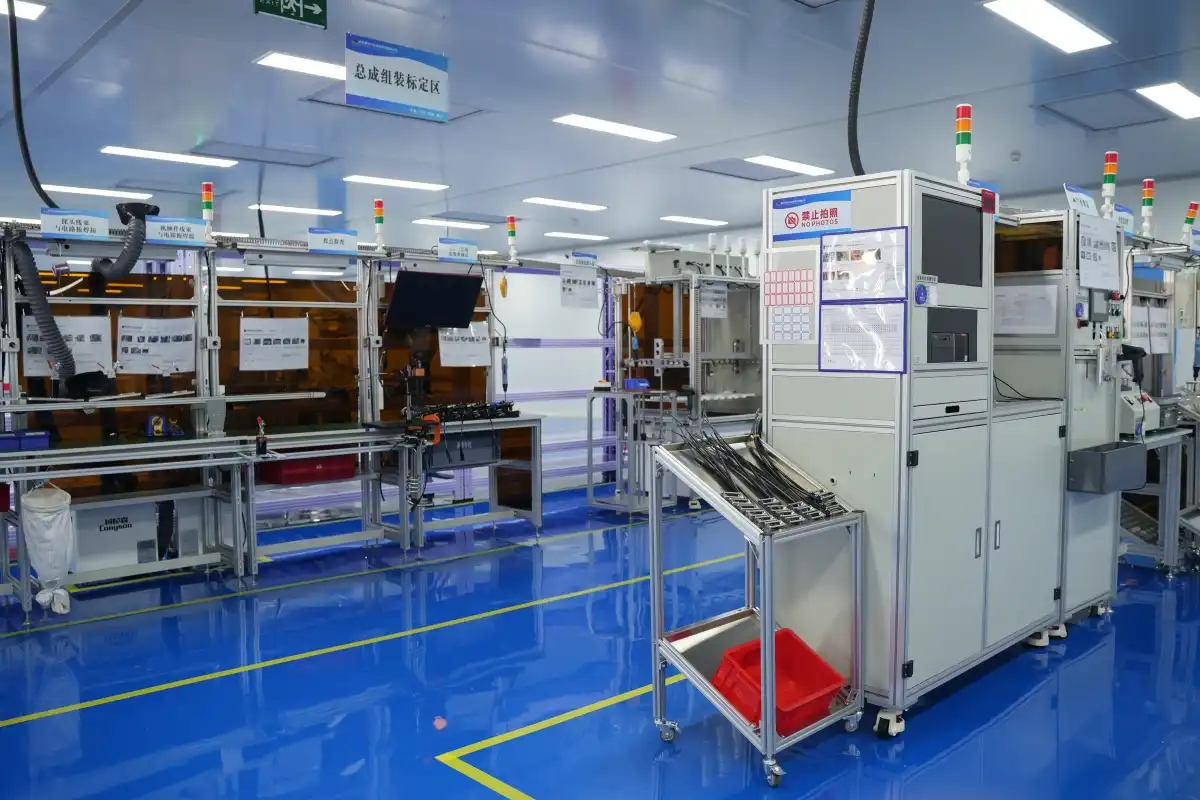
OEM users who need hundreds of thousands of sensors every year need providers who have a history of being able to make a lot of sensors and keep an eye on quality. Check to see if potential suppliers have dedicated production lines, automated testing equipment, and statistical process control systems that make sure each sensor meets the requirements. Facilities that make things should have clean rooms for putting together sensitive parts and calibration labs that can be tracked back to national standards.
Intellectual property portfolios show how committed a company is to new ideas and how skilled they are. Companies with a lot of idea patents usually put a lot of money into research and development to keep making their goods better and coming up with new ways to solve problems. Qintai has 58 idea patents, which show that we are always working to improve sensor technology and keep our competitive edge, which is good for our customers.
Reliability and Support in the Supply Chain
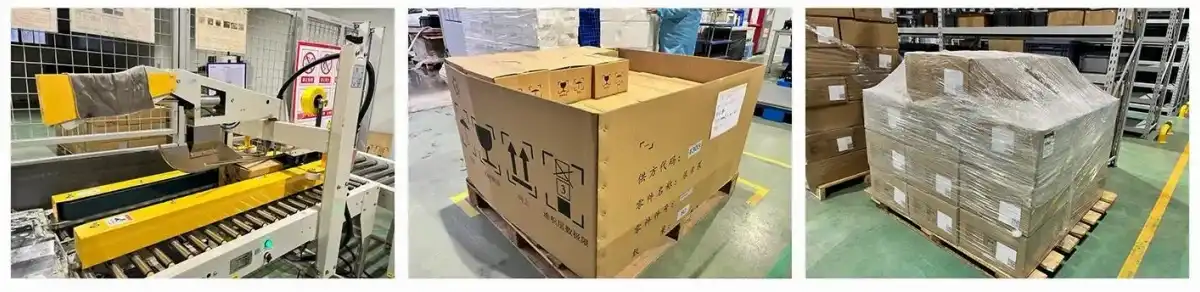
The dependability of deliveries has a direct effect on your production plans and the costs of keeping inventory on hand. If suppliers keep enough raw material and component backups on hand, they can act quickly to changes in demand without having to wait longer for deliveries. Shipping times and logistics are simplified when you are close to key markets or established regional distribution networks.
How quickly you can fix problems with integration or in the field depends on how well you can support technical issues. Look for suppliers that offer application engineering help during product development, calibration help during setup for manufacturing, and quick customer service after the sale if you have any questions. Documentation that includes datasheets, application notes, and integration guides speeds up your engineering work and cuts down on the time it takes to get your product to market.

Practical Tips for Selecting the Best Capacitive Pressure Sensor
Using an organised review method to make the selection of capacitive pressure sensors easier helps procurement teams and engineers quickly find the best solutions from the many that are available.
Setting up clear criteria for selection
Start by writing down your must-haves, such as the pressure range, accuracy class, temperature range, media compatibility, and electrical input needs. These strict standards get rid of unfit candidates right away, which narrows the pool of candidates you can choose from. Next, make a list of important but flexible choices, such as mounting style, response time, and cost goals, that will help you choose the best option from those who are qualified.
Make a weighted scoring matrix that shows how important each factor is based on the goals of your application. In an emission control application, accuracy and temperature stability might be the most important factors. On the other hand, cost and wide compatibility might be the most important factors for aftermarket replacement sensors. This methodical approach lowers subjective bias and makes it easier to compare things objectively.
Asking for samples and testing them for quality
Specifications alone can't fully tell you how well a monitor will work in your situation. Ask the shortlisted suppliers for evaluation samples and test them in real working situations to make sure they are accurate. Place sensors in housings that are typical of the application, subject them to pressure and temperature patterns that match the application, and make sure that the output features meet your needs.
Longer tests that show long-term drift, thermal hysteresis, or failure modes that weren't seen in shorter tests are very important for making the final choice. Keep records of the tests you do and the results you get. This will give you objective proof to back your decision to buy and help you set performance standards for production units.
Building Strategic Partnerships with Suppliers
Long-term benefits come from seeing the purchase of sensors as a strategic partnership rather than a one-time transaction. Get suppliers involved early on in the development process by telling them what you need for the application and asking for their technical feedback. Manufacturers of sensors with a lot of experience will often suggest different ways to do things, better pressure ranges, or mounting arrangements that you might not have thought of. These changes could improve performance or lower costs.
Framework agreements set pricing structures, minimum order quantities, lead times, and quality assurance procedures that govern ongoing relationships with suppliers. Clear agreements avoid misunderstandings and set standards for both parties, which helps production ramp up smoothly and encourages long-term teamwork.
Conclusion
To choose the best capacitive pressure sensor, you have to weigh scientific performance against practical factors like cost, supplier trustworthiness, and long-term support. Procurement teams that are good at what they do carefully look at what the application needs, how the sensors work, what the suppliers can do, and then test the performance in a real-world setting.
The QS-P105 series shows how advanced ceramic capacitive technology can meet the tough needs of diesel engines, aftertreatment systems, and heavy industrial uses. You can be sure that the sensors you choose will give you accurate and reliable pressure readings that keep your systems running efficiently, safely, and in full compliance with all regulations for years of trouble-free service if you follow structured selection processes and work with experienced manufacturers.
FAQ
What distinguishes ceramic capacitive pressure sensors from piezoresistive types?
Piezoresistive sensors look for changes in resistance in semiconductors that are under stress, while ceramic capacitive pressure sensors measure pressure by changing the electrical capacitance between electrodes that are divided by a ceramic cushion. Most of the time, capacitive sensors are more stable over time, with drift rates below 0.1% per year. They can also handle overloads of up to 40 times their normal pressure, and they are more chemically compatible. Piezoresistive sensors can respond more quickly to changes, but they may need to be re-calibrated more often. Which one to use depends on whether measurement stability and durability in harsh environments are more important for your application than dynamic response speed.
How does temperature affect sensor accuracy, and what compensation methods work best?
Temperature changes both the way sensing elements work mechanically and how signal conditioning circuits work electrically. There are several ways that high-quality sensors can fix problems. These include built-in temperature sensors that fix problems in real time, precision resistor networks that even out thermal effects, and application-specific integrated circuits that use complex mathematical correction algorithms. The QS-P105 has improved adjustment that keeps temperature drift below 0.03% FS/°C. This means that it can read temperatures accurately from -40°C to +113°C without any outside temperature correction.
Can one sensor model cover multiple pressure ranges across product lines?
The QS-P105 base can handle pressures from -1 bar vacuum to 600 bar by using the same mechanical packaging and electrical connections. Because the range is so flexible, OEMs can use the same family of sensors for a wide range of tasks. This makes managing parts easier, makes inventory less complicated, and lets them save money by buying in bulk. Custom tuning during manufacturing sets up each sensor for its own pressure range while keeping the same electrical links and mounting measurements.
What certifications should I require from industrial pressure sensor suppliers?
Some important certifications are ISO 9001 for quality management systems and IATF 16949 for auto suppliers that can show they can make a lot of cars. To meet environmental standards, you need RoHS and REACH certificates that prove the limits on dangerous substances. In Europe, CE marking shows that the product is electromagnetically compatible, while in North America, UL listing gives the product authority. Ex intrinsic safety certifications are needed for applications that will be used in dangerous areas. Qintai keeps all of these certifications and the China Manufacturing Certificate (CMC) to make sure they are fully compliant with all regulations.
Partner with Qintai: Your Trusted Capacitive Pressure Sensor Manufacturer
Xi'an Qintai Automotive Emission Technology has been specialising in diesel engine aftertreatment systems and industrial sensors for more than twenty years. They bring this expertise to every partnership. Being China's top OEM provider shows how dedicated we are to quality, creativity, and customer satisfaction. The capacitive pressure sensor shows this dedication by being very accurate, lasting a long time, and being able to be customised for specific uses.
We are committed to meeting global quality standards, as shown by our many certifications, such as ISO9001, IATF16949, and foreign government approvals. OEM makers, system developers, and creators of industrial equipment are welcome to email our engineering team at info@qt-sensor.com to talk about their unique needs and find out how our pressure measuring solutions can improve the performance and stability of your products.
References
1. Webster, J.G. (2018). The Measurement, Instrumentation and Sensors Handbook on CD-ROM. CRC Press.
2. Fraden, J. (2016). Handbook of Modern Sensors: Physics, Designs, and Applications. Springer International Publishing.
3. Wilson, J.S. (2005). Sensor Technology Handbook. Elsevier.
4. Pallas-Areny, R. and Webster, J.G. (2001). Sensors and Signal Conditioning. John Wiley & Sons.
5. Bao, M. and Wang, W. (2000). Future of microelectromechanical systems (MEMS). Sensors and Actuators A: Physical, 84(3), pp.233-242.
6. Norton, H.N. (1989). Handbook of Transducers. Prentice-Hall.

Our customers’ satisfaction speaks for our quality — contact us to experience the same reliable service.