- English
- French
- German
- Portuguese
- Spanish
- Russian
- Japanese
- Korean
- Arabic
- Greek
- German
- Turkish
- Italian
- Danish
- Romanian
- Indonesian
- Czech
- Afrikaans
- Swedish
- Polish
- Basque
- Catalan
- Esperanto
- Hindi
- Lao
- Albanian
- Amharic
- Armenian
- Azerbaijani
- Belarusian
- Bengali
- Bosnian
- Bulgarian
- Cebuano
- Chichewa
- Corsican
- Croatian
- Dutch
- Estonian
- Filipino
- Finnish
- Frisian
- Galician
- Georgian
- Gujarati
- Haitian
- Hausa
- Hawaiian
- Hebrew
- Hmong
- Hungarian
- Icelandic
- Igbo
- Javanese
- Kannada
- Kazakh
- Khmer
- Kurdish
- Kyrgyz
- Latin
- Latvian
- Lithuanian
- Luxembou..
- Macedonian
- Malagasy
- Malay
- Malayalam
- Maltese
- Maori
- Marathi
- Mongolian
- Burmese
- Nepali
- Norwegian
- Pashto
- Persian
- Punjabi
- Serbian
- Sesotho
- Sinhala
- Slovak
- Slovenian
- Somali
- Samoan
- Scots Gaelic
- Shona
- Sindhi
- Sundanese
- Swahili
- Tajik
- Tamil
- Telugu
- Thai
- Ukrainian
- Urdu
- Uzbek
- Vietnamese
- Welsh
- Xhosa
- Yiddish
- Yoruba
- Zulu
How to Choose a Reliable Urea Doser Pump Supplier Worldwide
Choosing a dependable urea doser pump supplier proves crucial when operating within the global Selective Catalytic Reduction (SCR) aftertreatment market. Procurement managers, R&D engineers, and supply chain professionals continually face challenges verifying supplier credibility, understanding complex technical specifications, and ensuring compliance with emission regulations like China VI and Euro VI standards. Manufacturers of heavy trucks, construction machinery, agricultural equipment, and generator sets require partners who deliver consistent quality while supporting mass production demands.
This comprehensive guide provides a practical framework to navigate supplier selection complexities, offering insights into product evaluation, credential verification, and procurement best practices. Our objective centers on empowering B2B buyers with actionable knowledge that enhances SCR system performance and establishes sustainable supplier relationships that endure market fluctuations and technological evolution.


Understanding Urea Doser Pumps and Their Critical Role
The Core Function in Emission Control
Urea doser pumps are the precise heart of SCR systems. They accurately add Diesel Exhaust Fluid (DEF or AdBlue) to exhaust streams to help chemicals react and change dangerous nitrogen oxides into safe nitrogen and water vapour. For metering control, these high-tech devices use solenoid-driven systems that can reach input pressures of up to 50 bar to make sure the right atomisation.
The technology uses modern electrical controls that change the dosing rates all the time based on the load, speed, and temperature of the engine in real time. Modern pumps have built-in self-diagnostic features that keep an eye on performance measures and let workers know when maintenance is due before they break down. This preventative method cuts down on downtime and greatly increases the life of parts.
Applications Across Industrial Sectors
The flexibility of urea doser pump technology makes it useful in many fields where meeting pollution standards is essential. Manufacturers of commercial vehicles depend on these systems to meet strict transportation rules, and users of building equipment benefit from less damage to the environment on the job site. Agricultural equipment makers use SCR technology to be environmentally friendly without lowering the performance of their engines.
In mines, power plants, and backup power installations, generator sets need to be very reliable, and they need to be able to work all the time. To meet international maritime pollution guidelines, more and more marine diesel engines are using SCR systems. Each application has its own operating stresses that need to be taken into account when choosing a pump.
Technical Specifications That Matter
Knowing about important performance factors helps you make smart buying choices. Dosing accuracy has a direct effect on how well emissions are reduced, and high-end pumps keep precision within ±2% tolerance even when the flow rate changes. Pressure levels affect the quality of atomisation, which in turn affects how well the catalyst works and how much DEF is used.
Longevity is guaranteed by materials that can work with urea solutions that are acidic, and high-grade stainless steel and special plastics stop crystals from forming. Temperature working ranges affect how reliable something is in harsh climes, like the Arctic or a desert. Flow rate capacity needs to match engine displacement and power output to avoid waste or not giving the right amount of fuel. Integration with current engine control systems makes installation easier and speeds up the commissioning process.
Key Criteria for Choosing a Reliable Urea Doser Pump Supplier
Certification and Compliance Documentation
To trust a supplier, they need to have certifications that can be checked and show they follow international safety and quality standards. ISO9001 certification verifies well-established quality management systems, and IATF16949 certification meets the specific needs of the automotive industry for consistency and traceability. Urea doser pump suppliers, in particular, must also demonstrate rigorous quality control in production, as this component directly affects emission system performance. Environmental certifications, such as REACH and RoHS compliance, make sure that products in Europe and around the world meet chemical safety rules.
Explosion-proof certifications (Ex ratings) are very important for jobs that take place in dangerous places like mines. UL and CE markings show that electrical safety standards are met in many areas. Intellectual property portfolios that include idea patents show real innovation skills, not just the ability to put together parts. By asking for full paperwork during the initial source evaluation, you can tell the difference between partners who are really manufacturers and selling companies that are pretending to be manufacturers.
Production Capacity and Consistency
The ability to produce large quantities sets effective OEM providers apart from small businesses that can't meet volume needs. By looking at a supplier's manufacturing infrastructure, you can get an idea of how well they can deliver consistent quality on a large scale. Statistical process control on automated production lines cuts down on mistakes made by people and keeps tolerances tight across production runs. Investing in high-tech testing gear shows a dedication to checking the quality of goods before they are shipped.
Established sellers keep separate production lines for each family of products. This keeps products from getting contaminated and avoids setup delays. Strategies for buffer supplies make sure that you can respond quickly to urgent orders without affecting standard lead times. When buyers know about limits on production, they can make more accurate plans for when to buy things and avoid problems in the supply chain during times of high demand.
Customization and Technical Support
Customising goods to meet the needs of a particular application adds a lot of value on top of standard catalogue offerings. If a supplier has its own research and development team, it can change the features of the interface, the way it is mounted, and the logic that controls it to fit different system designs. This versatility is especially useful for designers of aftertreatment systems who are making their own SCR solutions. How well integration goes and how quickly operational problems are fixed depend on the quality of the technical support.
During the product development process, responsive engineering teams that know how to control emissions on a variety of engine platforms are very helpful. Design cycles go faster when engineers have access to detailed technical documentation, CAD models, and integration guides. Application engineering support from suppliers helps improve system performance by guiding the right choice of components and calibration.
After-Sales Service Infrastructure
Comprehensive help after the sale is what sets great providers apart from those who are only interested in doing business. Warranty policies should make it clear what parts are covered, how to replace them, and how long you have to respond to problems. For critical components like the urea doser pump, clear warranty terms and quick replacement access are especially vital to avoid extended vehicle downtime. With regional service centers and global delivery networks, downtime is cut down because parts are available faster.
Training programs for installation and support staff make systems more reliable by lowering the number of breakdowns caused by operators.When problems happen in the field, technical hotlines run by experienced experts can help with troubleshooting. Scheduled maintenance instructions help buyers set up regular maintenance plans that make parts last longer and lower the total cost of ownership. Suppliers who keep extra parts for old goods in stock show that they will continue to support customers after the initial sale.

How to Compare Urea Doser Pumps and Supplier Offers Effectively
Performance Metrics Analysis
If you want to make an objective comparison, you need to look at specific technical success measures instead of just believing what the marketing says. Dosing accuracy across the operational range shows consistency even when engine loads and environmental conditions change. Specifications for pressure tolerance show how strong something is when the system changes or gets temporarily blocked. The results of durability tests, which include temperature cycles and vibration resistance, show how reliable the field will be when it is put under real-world stresses.
Response time measurements show how quickly the pump changes how much to pump when the engine control unit changes the commands. How efficiently DEF is used has a direct effect on running costs. For example, when pumps are optimised, they use less fluid without affecting emission performance. Whether performance drops too soon or stays the same through the warranty period and beyond is shown by how stable the flow rate is over the component's service life.
Total Cost of Ownership Evaluation
In a full cost analysis, the purchase price only shows the original expense. Over the life of the pump, the number of maintenance intervals affects the cost of labour and the amount of time that a car is not running. Energy use, especially for pumps that are powered by electricity, adds to the cost of running a business. Long-term serviceability and budget predictability are affected by how easy it is to get replacement parts and how much they cost. Out-of-pocket costs during the first year of ownership depend on how much the warranty covers.
Failure rates that are shown by customer reviews show the hidden costs of having to fix things quickly and stopping production. Large fleet owners can better control their cash flow when they deal with suppliers that offer bulk discounts and good payment terms. Comparing values is easier when you look at the total cost of ownership over a five-year operating period instead of just the unit price.
Reputation and Customer Validation
Customers who have already bought something can give you very useful information that technical specs can't. Established suppliers that work with big OEMs like Weichai Power, Yuchai Power, and Cummins have shown that they can meet high quality standards. Customer reviews about how reliable delivery is, how quickly technical help responds, and how long a product lasts show what operations are really like, not just what is shown in sales pitches. Awards or preferred seller standing with top makers in the industry show that your skills have been accepted by your peers.
Being in the market for a long time means that you are financially stable and have gained knowledge that newer companies don't have. On-site visits to factories let you see how quality control is done and what kinds of things can be made, such as the urea doser pump, where precision in manufacturing directly impacts emission accuracy and durability. Customers who have used similar products before can give you useful information about how well they worked, which can help you make an informed decision.
Streamlining Procurement: How to Buy Urea Doser Pumps with Confidence
Defining Technical Requirements Precisely
For a procurement to go well, the requirements must be clearly stated so that there is no room for confusion and quotes are accurate. Baseline compatibility requirements are set by engine platform details like displacement, power output, and compliance with emission standards. Parameters of the operating area, like temperature extremes, vibration levels, and exposure to contaminants, help providers suggest the right product versions. Interface standards for things like electrical links, mounting options, and communication methods make sure that the system works together smoothly.
Expected shipping times and production volumes help providers make sure that manufacturing capacity is used in the best way. It should be made clear right away what kinds of quality paperwork are needed, such as inspection records, material certifications, and test data. By giving detailed technical requirements, you can cut down on revisions, speed up the buying process, and avoid misunderstandings that can lead to goods that don't work.
Supplier Qualification Process
By using an organised qualification process, you can avoid working with companies you can't trust. Initial screening checks the legitimacy of the business by looking at registration papers, business licenses, and signs of financial stability. The infrastructure for making things, testing tools, and quality control systems are all looked at in the capability assessment. Sample review lets you check the quality, size, and performance of the product in real life before committing to large sales.
During audit visits, operational practices, working conditions, and the difference between marketing claims and real output capabilities are seen directly. Checking references with past customers verifies claims of dependability and finds possible problems. Trial production runs show that the product can regularly meet specs at the right volume. This methodical technique takes time up front, but it keeps mistakes and supply chain problems from happening later, which can be very expensive.
Negotiation and Contract Management
Cost goals, quality assurance, and building relationships all need to be balanced in order for negotiation to work well. Making a promise to buy a lot of something can often get you better prices and earlier production schedules. Payment terms should be in line with sellers' cash flow needs and give them enough working capital to buy goods. For delivery plans to work, lead times need to be reasonable and take into account things like production capacity and transportation issues.
Quality acceptance criteria must be clearly stated, along with steps for how to handle products that don't meet the standards. Intellectual property laws stop people from using secret designs or specifications without permission. Termination terms let people get out of a contract if they don't meet performance standards. Well-written contracts look out for both parties' best interests and make sure everyone knows what is expected of them. This keeps disagreements from happening and encourages teamwork when problems do arise.

Conclusion
To find a trustworthy urea doser pump supplier, you need to carefully look at a lot of factors, such as their technical skills and certifications, as well as their production capacity and customer service after the sale. The best provider offers stable quality that meets emission compliance standards, can handle large-scale production, and is flexible when it comes to customisation.
Buying things with few risks is easier when you do your research first, like checking the facility, trying samples, and calling past customers for references. Long-term worth is higher when you look at the total cost of ownership instead of just the unit price. Building strategic partnerships with suppliers that can show they can innovate, provide responsive technical support, and set up a global service infrastructure will set your business up for long-term success in markets that are becoming more regulated.
FAQ
What maintenance intervals are typical for urea dosing pumps?
Maintenance plans are different depending on how the equipment is used and the situations it is in. Applications for commercial vehicles usually need to be inspected every 100,000 kilometres or once a year, whichever comes first. Stationary generator sets can work for up to 2,000 hours between repairs. As part of regular maintenance, the urea crystallisation around injection spots is checked, the state of the filter is checked, and diagnostic scans are used to confirm the accuracy of dosing. Preventive repair greatly increases the life of parts and stops expensive breakdowns.
How does dosing accuracy impact overall SCR system performance?
Accurate dosing is important for controlling emissions and making the system last a long time. When you don't give the right amount of NOx, it doesn't get converted enough, which breaks pollution standards. Dosing too much wastes DEF fluid, raises costs, and can hurt catalyst substrates by letting ammonia slip through. Premium urea doser pumps that are accurate to within ±2% across all working ranges reduce emissions, use less fluid, and protect parts further downstream.
Can urea dosing pumps be customized for specific engine configurations?
Reliable makers with in-house research and development (R&D) departments offer a wide range of customisation choices. Changes include adjusting flow rates to match engine displacement, making custom mounting brackets for installations with limited space, changing electrical connections for proprietary control systems, and using special materials for harsh settings. Customisation usually comes with longer wait times and minimum order amounts, but it makes system integration best for specific uses.
Partner with Qintai: Your Trusted Urea Doser Pump Manufacturer
Qintai is China's biggest urea doser pump producer. Since 2001, they've worked with major OEM partners like Weichai Power, Yuchai Power, and Quanchai Power. Our ISO9001, IATF16949, and multi-regional certifications show that we are devoted to high standards that meet the needs of people all over the world. We offer unique answers to specific technical problems in heavy trucks, construction equipment, farming equipment, and generator sets. With 58 idea patents and our own research and development department, we can do this. Our mass production capacity meets the needs for large amounts of products while keeping the quality standards that applications that depend on low emissions need.
We know that procurement managers need partners they can rely on to respond quickly, deliver on time, and offer technical support for the whole lifecycle of a product. During the phases of developing specifications, making prototypes, and ramping up production, our engineering team works closely with customers. With delivery in over 60 countries, you can be sure that your customers will be happy no matter where your business is located. Full after-sales support includes help with fixing problems, advice on maintenance, and access to extra parts that keep operations running smoothly.
Get in touch with our team at info@qt-sensor.com to talk about your specific needs and get detailed technical specifications and competitive quotes. We welcome trips to our manufacturing facilities so that you can see for yourself what we can do. If you need standard goods or custom solutions, Qintai has the dependability, creativity, and partnership approach that will help you succeed in emission control technology in the long run.
References
1. Johnson, M., & Williams, R. (2022). Selective Catalytic Reduction Systems: Design, Operation, and Maintenance. SAE International Publishing.
2. European Automobile Manufacturers Association. (2023). Euro VI Emission Standards: Implementation and Compliance Guidelines. ACEA Technical Report Series.
3. Zhang, L., Chen, Y., & Wang, H. (2021). "Performance Evaluation of Urea Dosing Pumps in Heavy-Duty Diesel Applications." Journal of Automotive Engineering and Technology, 15(3), 287-301.
4. International Organization for Standardization. (2023). ISO 22241: Diesel Engines - NOx Reduction Agent AUS 32. ISO Standards Publication.
5. Roberts, P. (2023). Procurement Excellence in Automotive Supply Chains: Strategic Supplier Selection and Management. Wiley Professional Publishing.
6. American Society of Testing and Materials. (2022). ASTM D5639: Standard Guide for Selection of Weir Samplers for Waste and Soil Sampling. ASTM International Standards.
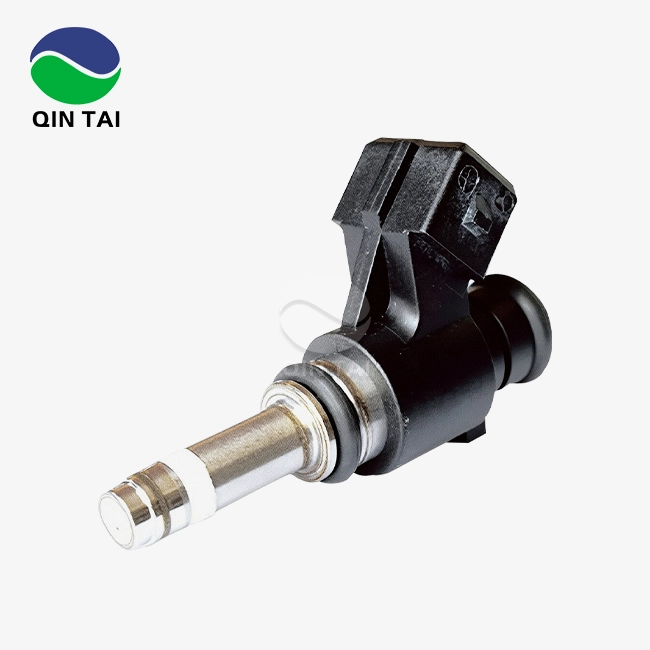
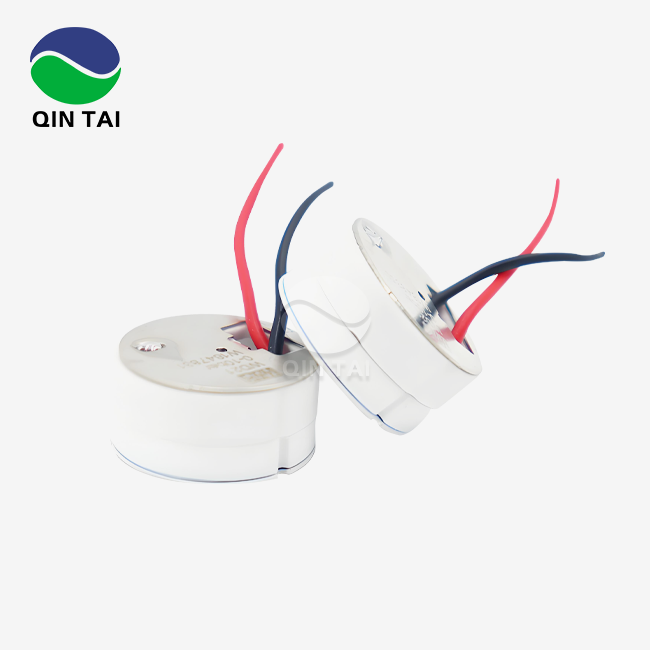
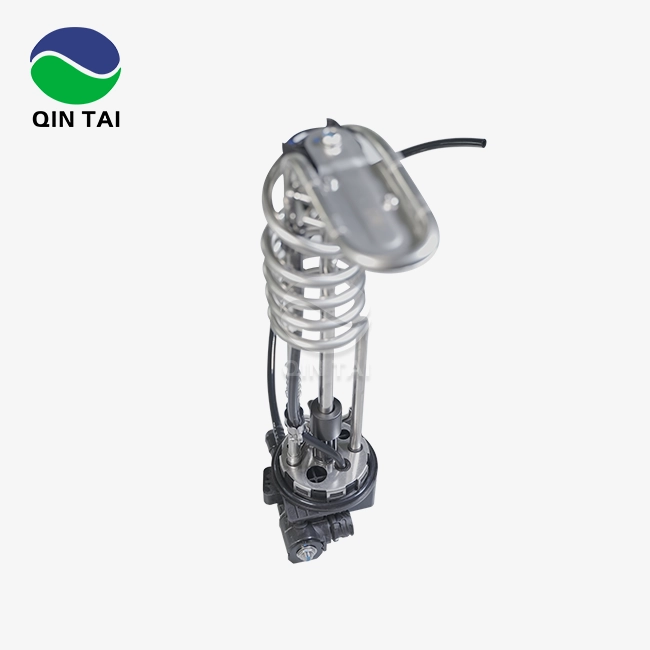
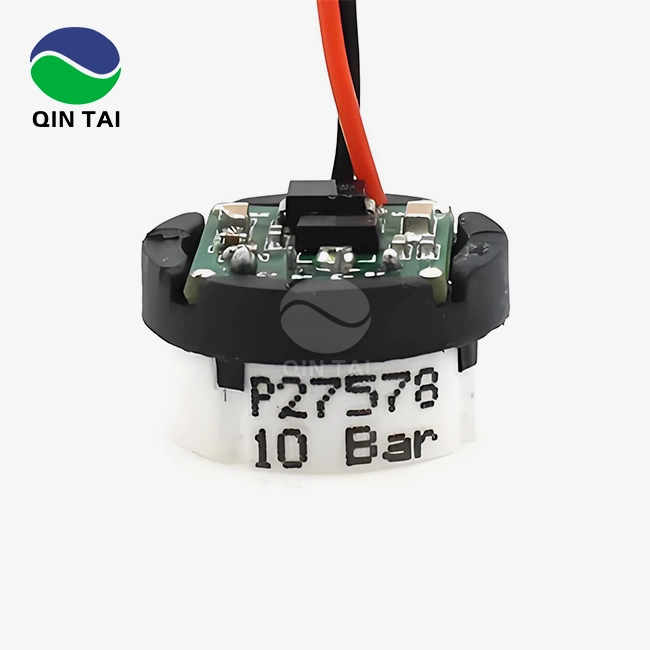

Our customers’ satisfaction speaks for our quality — contact us to experience the same reliable service.