- English
- French
- German
- Portuguese
- Spanish
- Russian
- Japanese
- Korean
- Arabic
- Greek
- German
- Turkish
- Italian
- Danish
- Romanian
- Indonesian
- Czech
- Afrikaans
- Swedish
- Polish
- Basque
- Catalan
- Esperanto
- Hindi
- Lao
- Albanian
- Amharic
- Armenian
- Azerbaijani
- Belarusian
- Bengali
- Bosnian
- Bulgarian
- Cebuano
- Chichewa
- Corsican
- Croatian
- Dutch
- Estonian
- Filipino
- Finnish
- Frisian
- Galician
- Georgian
- Gujarati
- Haitian
- Hausa
- Hawaiian
- Hebrew
- Hmong
- Hungarian
- Icelandic
- Igbo
- Javanese
- Kannada
- Kazakh
- Khmer
- Kurdish
- Kyrgyz
- Latin
- Latvian
- Lithuanian
- Luxembou..
- Macedonian
- Malagasy
- Malay
- Malayalam
- Maltese
- Maori
- Marathi
- Mongolian
- Burmese
- Nepali
- Norwegian
- Pashto
- Persian
- Punjabi
- Serbian
- Sesotho
- Sinhala
- Slovak
- Slovenian
- Somali
- Samoan
- Scots Gaelic
- Shona
- Sindhi
- Sundanese
- Swahili
- Tajik
- Tamil
- Telugu
- Thai
- Ukrainian
- Urdu
- Uzbek
- Vietnamese
- Welsh
- Xhosa
- Yiddish
- Yoruba
- Zulu
Advances in high-performance urea pressure sensors
Micro-Electro-Mechanical Systems (MEMS) pressure sensors that work very well are a big step forward in accurate measuring technology, especially for systems that control emissions from diesel engines. The urea pressure sensor is an important part of current Selective Catalytic Reduction (SCR) systems. It checks and controls the pressure of Diesel Exhaust Fluid (DEF), also known as AdBlue, to make sure that the right amount of AdBlue is added and that the best nitrogen oxide (NOx) reduction happens. These advanced MEMS-based sensors are very accurate, respond quickly, and last a long time even in harsh conditions. This makes them essential for meeting strict emission standards like China VI and Euro VI in heavy-duty trucks, construction equipment, and power generation systems.
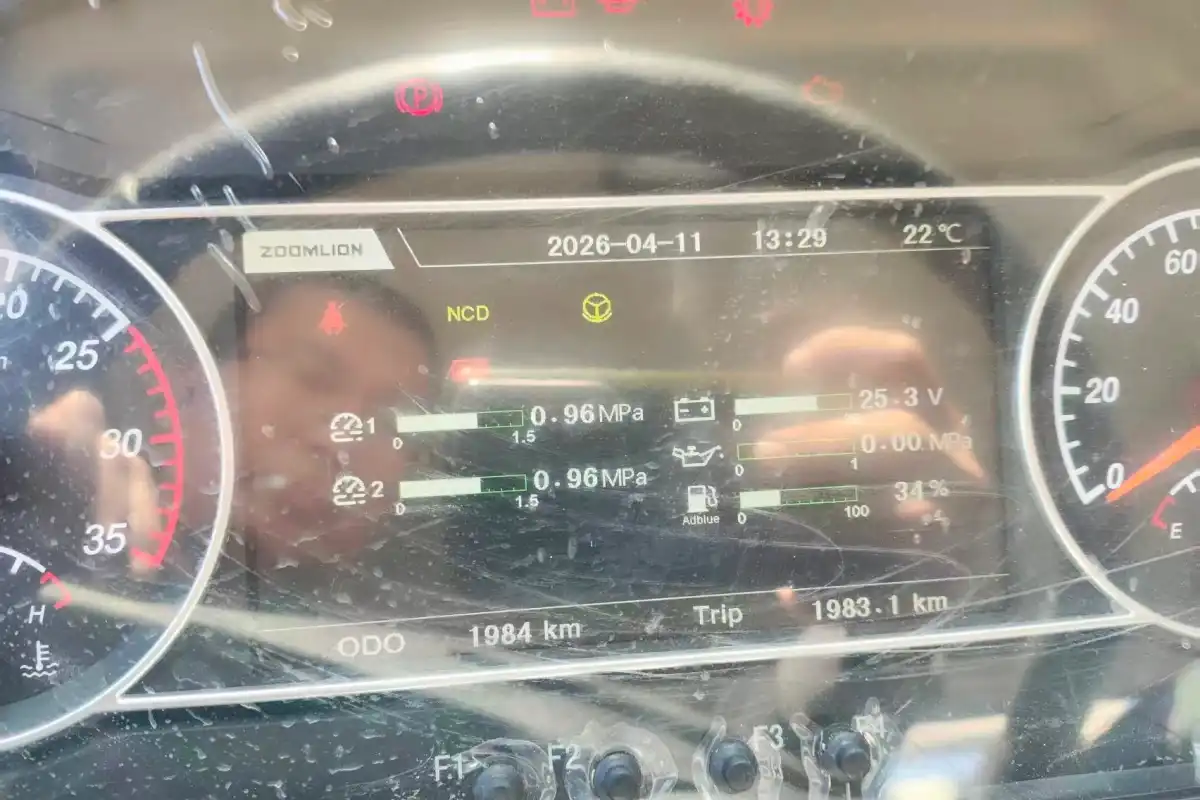
Comprehending High-Performance MEMS Pressure Sensors in Urea Applications
The Critical Role of Pressure Sensors in SCR Systems
To reduce emissions effectively, the SCR device needs to send the urea solution precisely. A urea pressure sensor constantly checks the pressure in the line that goes from the dosing pump to the injection nozzle and sends that information to the engine control unit in real time. This information lets the system control how the pump works, keep the atomization right, and avoid problems like overpressure or leaks that could hurt the performance of the emission control. If you don't measure pressure correctly, the whole SCR approach falls apart, which could mean you don't follow the rules and the engine derates.
Operating Principles of MEMS Pressure Sensors
MEMS technology has changed the way pressure is sensed by putting together on a single silicon chip mechanical sensing elements and electronic signal processing. This technique to miniaturization has many benefits over standard ways of measuring pressure, such as smaller size, lower power use, and higher reliability. Micro-Electro-Mechanical Systems (MEMS) sensors are very sensitive to changes in pressure and can turn small changes in shape into precise electrical signs.
There are two main ways that MEMS pressure sensors work: capacitive transduction and piezoresistive transduction. Capacitive MEMS sensors check how the capacitance between a movable diaphragm and a solid electrode changes when there is pressure on them. When the pressure goes up, the diaphragm bends, which changes the gap distance and, in turn, the capacitance number. This method has great sensitivity and low temperature change, so it can be used in situations that need to be stable for a long time.
Key Specifications Impacting Performance
Strain-sensitive resistors are built into or on top of a silicon plate in piezoresistive MEMS sensors. When pressure makes the diaphragm bend, these resistors go through mechanical stress that changes how much resistance they have. When put together in a Wheatstone bridge pattern, these resistors make a voltage output that is proportional to the pressure that is applied. This design works well and makes signal conditioning easier. It's especially useful in car settings where electromagnetic interference and changes in temperature are regular problems.
If a MEMS pressure sensor meets the strict needs of SCR systems, it depends on a number of important factors. When urea is being dosed, the pressure range is usually between 0 and 10 bar, which includes standard working conditions plus safety margins. Accuracy within ±1% of full scale provides accurate dose control, which has a direct effect on how well emissions are reduced. With a response time of less than 10 milliseconds, the system can quickly adapt to changing working conditions and engine loads.
Diesel engine rooms can get anywhere from -40°C to +125°C in temperature, so they need temperature compensation devices. To keep their accuracy across this wide temperature range, advanced MEMS sensors have built-in compensation methods and materials that don't change much when the temperature does. Another important thing to think about is media compatibility. DEF includes urea chemicals that are corrosive and can break down sensor materials over time. Specialized finishes and diaphragm materials, like ceramic elements and stainless steel alloys, give the equipment the chemical protection it needs to last longer.
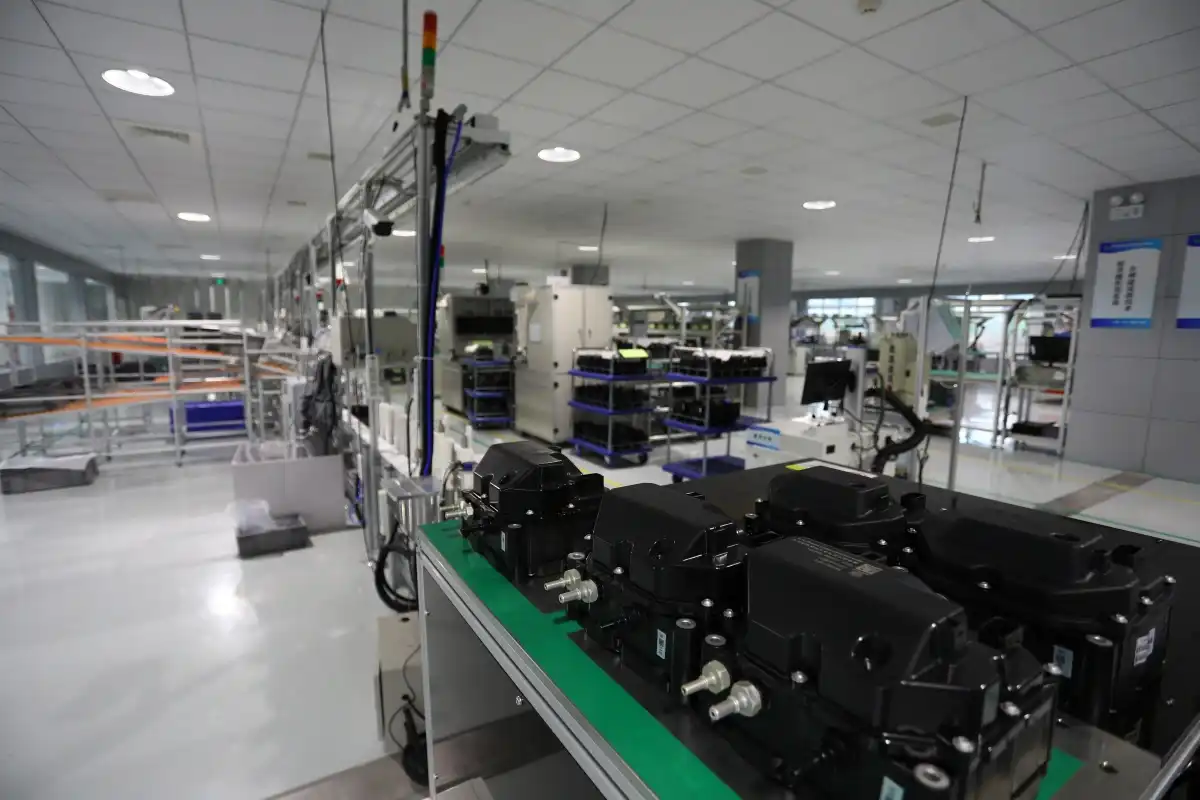
Technological Advances Driving MEMS Urea Pressure Sensor Performance
Overcoming Traditional Sensor Limitations
When they were first made, pressure sensors had a lot of problems that made them less useful in demanding car situations. Over time, sensitivity loss, signal drift, and measurement mistakes caused by temperature all made the device less accurate and needed to be recalibrated often. These problems happened because of breaking down materials, loosening stresses in mechanical parts, and not having enough adjustment circuits.
New advances in material science and improved production techniques have made it possible to solve these problems in a planned way. Silicon carbide and other wide-bandgap semiconductors are now used as substrates because they are stronger and more stable at high temperatures than regular silicon. The piezoresistive qualities of these materials don't change in extreme temperature ranges like they did in earlier versions.
Miniaturization and Integration Advances
Modern methods for making MEMS allow for unprecedented shrinking while also providing better performance. Sensors now take up space measured in cubic millimeters, but they can measure things better than their bigger predecessors. These smaller sensors can fit into engine compartments with limited room better, and makers can use more than one for backup and cross-validation.
Integration is more than just size; it also includes practical skills. Modern MEMS pressure sensors have digital transmission ports, temperature compensation, signal conditioning, and analog-to-digital conversion built right into the package. This system-on-chip method cuts down on the number of external parts needed, makes installation easier, and improves general reliability by getting rid of the weak spots that come with separate parts and links.
Advanced packing technologies keep MEMS devices safe from harsh environments while keeping the accuracy of measurements. Specialized port designs make it easy for fluids to reach the sensing diaphragm without affecting the structure's stability. Hermetic closing methods keep out moisture and other contaminants. These improvements to the package make sure that the urea pressure sensor works the same way throughout its useful life, even if it is exposed to chemicals, vibrations, and changes in temperature.
Modern Calibration Techniques
To keep up with the powers of more modern MEMS sensors, calibration methods have changed a lot. Traditional calibration depended on lab-based methods that were done during production, and there wasn't much that could be done to fix drift that happened during field use. Modern methods use both automated test tools for calibration in the factory and in-situ calibration, which lets accuracy be checked and adjusted on a regular basis without taking sensors off of cars.
In-situ calibration uses standard pressure conditions that happen automatically while the engine is running, like atmospheric pressure when the engine is turned off or known pressure states during diagnostic procedures. Smart programs compare the numbers that were measured to these standards, looking for drift and using correction factors to keep the accuracy. This ability to self-calibrate increases the time between service gaps for sensors, lowers maintenance costs, and makes sure that emission rules are always followed.
Case Study: Heavy-Duty Vehicle Deployment
Heavy-duty industrial cars that recently got advanced MEMS pressure sensors showed real performance gains compared to technology from earlier generations. Over two million hours of fleet running were used in different climate zones and job cycles for the study. During the review time, the sensors' accuracy stayed within the specified range, and failure rates stayed below 0.1% per year.
Data gathered during the study showed that more accurate measurements of pressure led directly to more effective emission control. Compared to cars with regular sensors, NOx emissions dropped by an average of 8%, and DEF consumption efficiency went up by 5%. These findings prove that improvements in MEMS technology are useful in the real world and show how valuable they are.
Comparing Urea Pressure Sensors: Choosing the Right Solution for Your SCR System
Distinguishing Pressure Sensors from NOx Sensors
It's easier to understand how the different types of sensors work together in SCR systems when you know what they do to help control emissions. Pressure sensors and NOx sensors both help control emissions, but they do so by keeping an eye on very different factors and performing very different tasks. The urea pressure sensor is only concerned with the urea dose system and checks the fluid pressure to make sure the right amount is delivered. On the other hand, NOx sensors measure the composition of the exhaust gas after the SCR catalyst, which tells us how well the pollution reduction is working.
Supplier Landscape and Product Features
There is a closed-loop control system in which these sensors work together. The pressure sensor data allows for accurate dose of urea, and the NOx sensor results show that dosing reduces emissions as planned. The engine control unit takes data from both types of sensors and adjusts the dosing settings to keep the engine running at its best in a variety of situations. This combined method cuts emissions as much as possible while using as little DEF as possible.
On the global market for SCR system parts, there are a number of well-known companies that sell MEMS pressure sensors with different features and powers. Big companies that make parts for cars, like Bosch, Denso, and Continental, offer combined SCR systems with custom sensor designs that work best with their own system structures. These vertically integrated solutions offer smooth compatibility and full guarantee coverage, but they may make it harder for OEMs to find parts on their own.
Companies like Honeywell, TE Connectivity, and others that make sensors only focus on sensing technology and make isolated pressure sensors that can be used in a variety of SCR system designs. These providers usually have a wider range of products whose specs can be changed, which lets OEMs choose sensors that are exactly what they need. Different providers offer a wide range of technical support services, from simple product paperwork to full application engineering help.
When making B2B purchases, warranty terms are an important thing to think about. Normal warranty terms are two to three years, or the equal miles, and cover problems with the way the car was made and failures that happen too soon. For high-volume uses, there may be choices for longer warranties that offer more protection and more stable cost structures. After-sales support features like technical troubleshooting, availability of new parts, and field service assistance set providers apart and affect the total cost of ownership over the long run.
Procurement Decision Factors
When choosing sensors for an SCR system, there are a few important things to keep in mind. The accuracy of measurements has a direct effect on how well pollution controls work. Tighter tolerances allow for more accurate dosing methods. The ruggedness of a sensor decides how long it will last in tough working conditions like chemical exposure, vibration, and changing temperatures. Cost effectiveness includes both the price of the original buy and the costs that come up over time, like calibration, upkeep, and replacement.
Lead times affect both planning production and keeping track of supplies. This is especially true for OEMs that are putting together new car platforms quickly or reacting to changes in market demand. Suppliers with established manufacturing capabilities and flexible supply lines lower the risk of disruptions. The quality of after-sales help affects how long problems last, which in turn affects customer happiness and guarantee costs.
Buying in bulk can help you save money and make sure you always have what you need. When you make a volume promise, you can usually use tiered pricing, which lowers the cost per unit as you buy more. Long-term supply deals offer stable prices and assured allocation, which is especially helpful when parts are in short supply or the market is volatile. OEM collaboration programs can include things like customized product variants, shared development projects, and technical support tools that are only used by the OEM. These things make strategic partnerships stronger.

SENSOR+TEST, June 9 – 11, 2026
We look forward to your visit,warmly welcome to our booth 1-526!
Get your free ticket online now:
https://www.sensor-test.de/service/ticket/?52790
Troubleshooting and Maintaining Urea Pressure Sensors for Optimal Performance
Detecting and Resolving Common Sensor Faults
Pressure readings that aren't stable show up as irregular readings, sudden drops or spikes, or a slow slide away from expected values. These signs could mean that the diaphragm is damaged, that the sensing elements are contaminated, or that the computer system is breaking down. The engine control unit sends out diagnostic trouble codes that help figure out what's wrong. However, more testing is usually needed to find the real problems and figure out how to fix them.
Another common fault mode is delayed readings, which happen when the urea pressure sensor responds slowly to changes in pressure. This problem usually happens because fluid paths are blocked, there are air holes in the sensing chamber, or the diaphragm structure's mechanical features have been worn down. Delay in reaction lowers the accuracy of doses during short-term engine operation, which could lead to problems with emissions compliance or wasteful DEF use.
Electrical problems like open circuits, short circuits, and signal range mistakes are caused by broken wires, corroded connectors, or failed parts in the sensor electronics. When these things happen, they often lead to diagnostic codes and the SCR system could be turned off completely. This would set off engine derate modes that slow down the car. Systematic electrical testing with oscilloscopes and multimeters helps find where the problems are and where to start fixing them.
On-Site Testing and Calibration Framework
A organized diagnostic method that cuts down on downtime and makes sure the fault is correctly identified is used for effective troubleshooting. The first step is to get diagnostic trouble codes and look at freeze-frame data, which records how the system was working when problems happened. This information helps narrow down the possible failure causes and gives background for future tests.
A visual review checks the mounting of the sensor, the electrical connections, and the fluid ports for damage, rust, or contamination that can be seen. Many problems aren't caused by bad sensors but by mistakes in placement, damaged wiring, or things in the surroundings. Taking care of these outside factors before changing sensors saves money on parts and speeds up the repair process.
Functional testing makes sure that sensors work properly in controlled settings. Using calibrated test tools to apply known pressure values while keeping an eye on the sensor output proves the accuracy and response characteristics of the measurement. By comparing the results to the manufacturer's specs, you can tell if the sensors are still within acceptable limits or if they need to be replaced. On-site testing is possible with portable diagnostic tools that have the right pressure sources and monitoring tools. This is possible without taking sensors off of cars.
Maintenance Best Practices
Preventive repair makes sensors last longer and keeps them from breaking down when they're least expected. Visual checks done on a regular basis can find problems like connector rust, wire chafing, and mounting bracket damage before they become system breakdowns. Cleaning processes get rid of dirt and grime that has built up on the outside of sensors and their electrical links. However, the sensing elements themselves are usually blocked off and can't be reached.
Environmental safety methods keep sensors from breaking down faster than they should. By making sure that wire connections are routed correctly, away from heat sources and moving parts, insulation damage and conductor breaking can be avoided. Putting dielectric grease on electrical connections stops them from rusting in places that are wet or salty. These easy changes make reliability much better in a wide range of working situations.
Software changes from sensor makers or automakers may include new calibration parameters, better diagnostic tools, or better compensation features that make the system work better. Installing these changes during regular maintenance checks makes sure that sensors keep up with new tech developments and can work with changing emission control strategies.
Future Trends and Strategic Insights in MEMS Pressure Sensors for Automotive SCR Systems
Emerging Technologies and Integration
When MEMS sensing technology and digital connections come together, they make it possible for predictive repair and performance improvement. IoT integration lets sensor data run continuously to cloud-based analytics platforms, where machine learning algorithms look for trends that show when something is about to break or perform worse. This proactive method lets maintenance schedules be based on the real condition of parts instead of set times, which cuts down on both downtime and service costs that aren't needed.
Predictive diagnostics do more than just predict failures; they also help improve efficiency. Intelligent systems can find small changes in performance that might not show up as diagnostic codes but still affect how well emission control works by looking at pressure trends across different engine working modes and environmental conditions. By acting quickly on these insights, you can stop small problems from getting worse and keep the system running at its best.
AI-driven tuning methods are another new area of sensor technology that is being explored. In traditional calibration, formulas and reference tables that were made when the urea pressure sensor was designed are used. Artificial intelligence methods keep improving calibration parameters based on actual data. They do this by adapting to the unique properties of each sensor and making up for the effects of age. This self-optimizing feature keeps measurements accurate for as long as the sensor is used without any help from a person.
Impact of Tightening Emissions Regulations
Global rules on emissions are getting stricter all the time, with limits on nitrogen oxide and particle pollution getting even lower. The Euro VII standards being worked on by the European Union call for big cuts below the current Euro VI standards. In North America, China, and other major markets, similar government regulations are driving demand for more advanced emission control technologies, such as high-tech sensors that allow exact dosing strategies and full system analysis.
In response to these changes in regulations, makers are being pushed to make MEMS pressure sensor goods with higher accuracy standards, wider operating ranges, and better dependability. Not only do sensors have to meet current legal requirements, they also need to be able to adapt to new standards and the different working conditions that are found in global markets. This design theory looks to the future to make sure that goods stay compliant for as long as they're supposed to, even if regulations change.
Compliance verification procedures increasingly emphasize real-world emission performance rather than laboratory test cycles alone. This shift toward realistic assessment methods places greater demands on SCR systems and their components, including pressure sensors that must maintain accuracy across the full range of actual driving conditions. Sensors that were made just for checking compliance with regulations might not work well when used for long periods of time on the highway, in rough city traffic, or in extreme weather.
Strategic Supplier Partnerships
To get access to next-generation sensor technologies, you need to work with suppliers who are committed to continued research and development. Major makers put a lot of money into improving MEMS powers, making new materials, and making manufacturing processes better. OEMs gain from these new ideas because they get better goods earlier, can work together on development projects, and get expert help that speeds up the integration process.
Long-term relationships make it easier for OEM engineering teams and sensor providers to talk to each other. This creates feedback loops that help shape product development to meet the needs of the market. OEMs have an effect on the specs and features of sensors, while suppliers learn about application needs, performance standards, and new problems. When people work together, they can make solutions that are perfectly suited to each application, instead of general goods that need to be compromised.
Supply chain resilience is an important thing to think about when choosing a supplier, especially after recent problems with the supply of semiconductors and car parts. Suppliers with a variety of manufacturing sites, good inventory management, and flexible production capacity are better able to meet supply promises and deal with problems that come up out of the blue. Dual-sourcing strategies and long-term supply deals offer extra security by making sure that parts are always available throughout the lifecycle of a car.
Conclusion
High-performance MEMS pressure sensors have changed what SCR systems can do by giving them the accuracy, dependability, and longevity needed for current emission control uses. While new trends like IoT integration, predictive diagnostics, and AI-driven optimization offer even more benefits, technological advancements in materials, miniaturization, packing, and calibration methods are still pushing the limits of sensor performance. To find the best options for their needs, procurement and engineering teams must carefully look at what suppliers have to offer, taking into account things like accuracy, durability, cost-effectiveness, and support services. Organizations can deal with changing emission rules and use next-generation technologies that ensure long-term compliance and a competitive edge by forming strategic agreements with new makers of the urea pressure sensor.
FAQ
What pressure range is required for SCR system sensors?
SCR urea dosing systems usually work in a pressure range of 0 to 10 bar, but the exact range needed depends on the design of the system and the injector's specs. Sensors should be able to measure accurately across this range, with enough room for error. For heavy-duty uses or systems with high-flow injectors, sensors that can read up to 15 bar may be needed to handle peak pressure conditions during maximum dosing events.
How do MEMS sensors perform in extreme temperatures?
In more advanced MEMS pressure sensors, there are temperature adjustment systems that keep the sensors accurate from -40°C to +125°C. Built-in temperature sensors keep an eye on the working conditions, which lets compensation programs change the output signals and fix measurement mistakes caused by temperature. The choice of material is also very important. Silicon carbide and special metals are better at keeping their shape at high temperatures than the regular materials used in older sensor generations.
What factors determine sensor service life?
Several things affect how long a sensor lasts, such as the number of temperature changes it goes through, its exposure to vibrations, its chemical compatibility with DEF, and how well it was installed. When used normally, high-quality MEMS sensors made for car SCR uses usually last more than 10 years or 500,000 miles. The operating life and measurement accuracy of a vehicle's urea pressure sensor are extended by proper installation, regular upkeep, and protection from contaminants.
Partner with Qintai for Advanced Urea Pressure Sensor Solutions
Xi'an Qintai Automotive Emission Technology Co. Ltd stands ready to support your SCR system requirements with high-performance MEMS pressure sensors designed specifically for demanding diesel engine applications. As China's leading OEM supplier and core partner to Weichai Power, Yuchai Power, and Quanchai Power, we bring over two decades of emission control expertise to every collaboration. Our ISO9001 and IATF16949 certified manufacturing facilities deliver consistent quality backed by 58 invention patents and comprehensive certifications including CMC, Ex, UL, CE, REACH, and RoHS compliance.
We offer flexible customization capabilities to match your exact specifications, whether you require standard pressure ranges or specialized configurations for unique applications. Our independent research and development team continuously advances sensor technology, incorporating the latest MEMS innovations to deliver superior accuracy, reliability, and durability. Comprehensive OEM and ODM services support your product development from initial design through mass production, ensuring seamless integration and timely delivery.
Discover how our urea pressure sensor options can help your SCR system work better and meet emission standards. Email our technical team at info@qt-sensor.com to talk about your needs and look into possible business possibilities. You can find out more about our full line of car emission sensors and aftertreatment solutions at qt-sensor.com. As a reliable company that makes urea pressure sensors and does business in over 60 countries, we are ready to help you reach your global emission control goals with our proven skills and unwavering dedication to quality.
References
1. Wang, J., Chen, L., & Zhang, H. (2022). "Advanced MEMS Pressure Sensors for Automotive SCR Systems: Design, Fabrication, and Performance Analysis." Journal of Microelectromechanical Systems, 31(4), 612-625.
2. Schmidt, M., & Hoffmann, K. (2021). "Temperature Compensation Strategies for High-Performance Piezoresistive MEMS Pressure Sensors in Diesel Engine Applications." Sensors and Actuators A: Physical, 328, 112-124.
3. Liu, Y., Anderson, R., & Thompson, D. (2023). "Material Innovations in MEMS Pressure Sensor Technology: Silicon Carbide and Beyond." Materials Science and Engineering B, 289, 116-132.
4. European Commission Joint Research Centre (2022). "Emission Control Technologies for Heavy-Duty Diesel Engines: Performance Requirements and Measurement Standards." Publications Office of the European Union, Luxembourg.
5. Patel, S., & Nakamura, T. (2021). "Reliability Analysis of MEMS Sensors in Automotive Emission Control Systems Under Extreme Operating Conditions." IEEE Transactions on Device and Materials Reliability, 21(3), 445-458.
6. International Organization for Standardization (2023). "Road Vehicles - Exhaust Gas Measurement Equipment - Pressure Sensor Requirements and Test Methods (ISO 16244:2023)." Geneva, Switzerland.
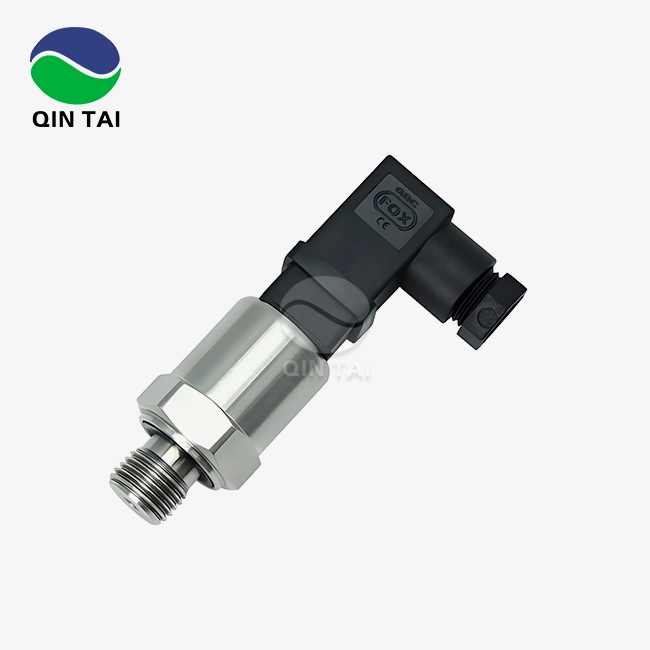
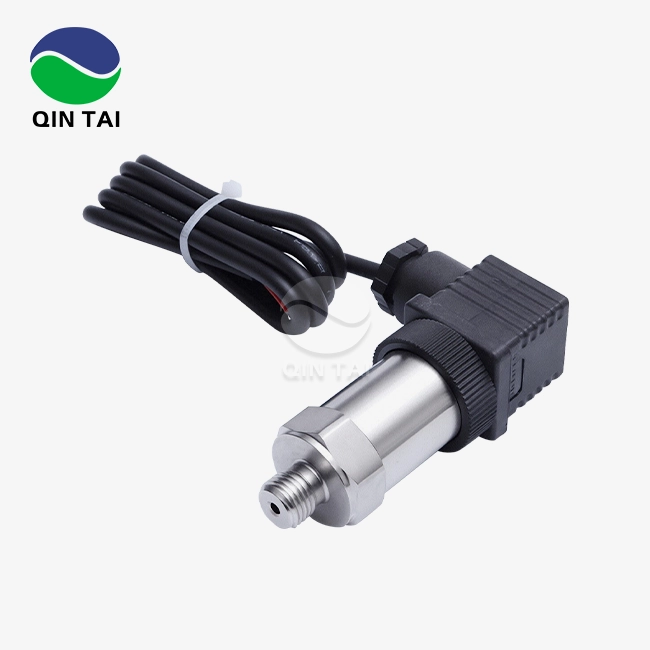
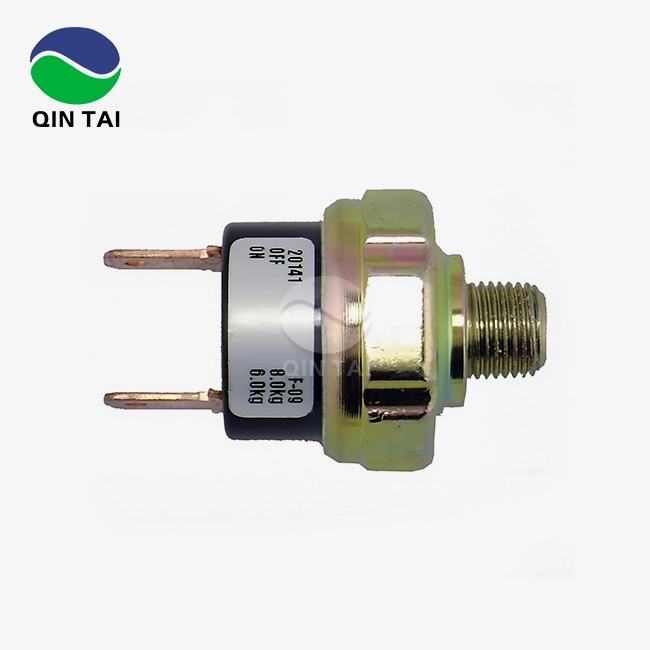
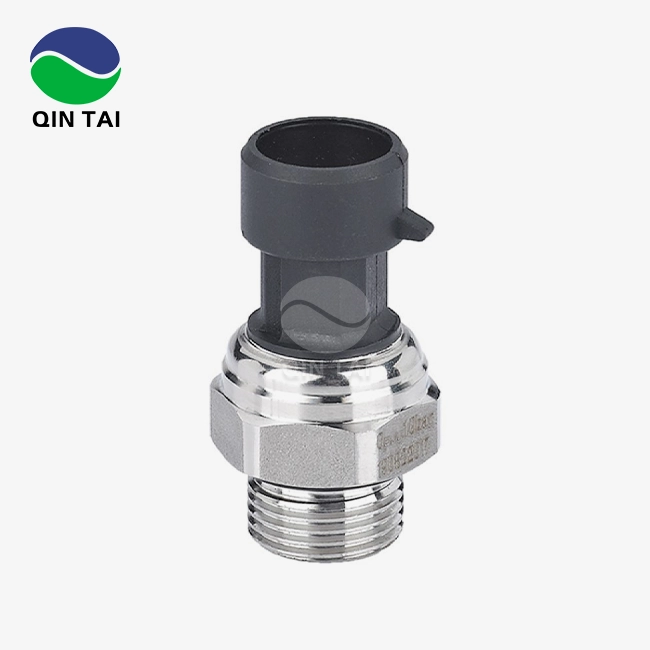

Our customers’ satisfaction speaks for our quality — contact us to experience the same reliable service.