- English
- French
- German
- Portuguese
- Spanish
- Russian
- Japanese
- Korean
- Arabic
- Greek
- German
- Turkish
- Italian
- Danish
- Romanian
- Indonesian
- Czech
- Afrikaans
- Swedish
- Polish
- Basque
- Catalan
- Esperanto
- Hindi
- Lao
- Albanian
- Amharic
- Armenian
- Azerbaijani
- Belarusian
- Bengali
- Bosnian
- Bulgarian
- Cebuano
- Chichewa
- Corsican
- Croatian
- Dutch
- Estonian
- Filipino
- Finnish
- Frisian
- Galician
- Georgian
- Gujarati
- Haitian
- Hausa
- Hawaiian
- Hebrew
- Hmong
- Hungarian
- Icelandic
- Igbo
- Javanese
- Kannada
- Kazakh
- Khmer
- Kurdish
- Kyrgyz
- Latin
- Latvian
- Lithuanian
- Luxembou..
- Macedonian
- Malagasy
- Malay
- Malayalam
- Maltese
- Maori
- Marathi
- Mongolian
- Burmese
- Nepali
- Norwegian
- Pashto
- Persian
- Punjabi
- Serbian
- Sesotho
- Sinhala
- Slovak
- Slovenian
- Somali
- Samoan
- Scots Gaelic
- Shona
- Sindhi
- Sundanese
- Swahili
- Tajik
- Tamil
- Telugu
- Thai
- Ukrainian
- Urdu
- Uzbek
- Vietnamese
- Welsh
- Xhosa
- Yiddish
- Yoruba
- Zulu
Why urea injection is the preferred method for NOx control?
For controlling NOx, urea injection is the best way to go because it uses Selective Catalytic Reduction (SCR) technology to greatly lower emissions while still being cost-effective and reliable. Selective Catalytic Reduction (SCR) systems are different from other methods because they can turn dangerous nitrogen oxides into safe nitrogen and water with over 90% efficiency. The urea pressure sensor is an important part of this system because it constantly checks the injection pressure to make sure accurate dosing, the best performance of the catalyst, and compliance with regulations in a variety of working situations.

Understanding NOx Emissions and the Need for Urea Injection
Environmental Impact of NOx Pollutants
Nitrogen fumes, which are released when things burn, are very bad for the atmosphere and people's health. In the sun, these chemicals mix with volatile organic molecules to make ground-level ozone, which is the main ingredient in smog. Additionally, NOx helps make acid rain, which is bad for ecosystems, trees, and water bodies. Studies from the Environmental Protection Agency show that NOx pollution is linked to higher rates of asthma, coughing, and heart problems, especially in cities near areas with a lot of traffic.
Limitations of Traditional Control Methods
Conventional methods for controlling emissions have efficiency limits that come with them. By moving exhaust gases into the intake manifold, exhaust gas recirculation (EGR) devices lower the highest temperatures of burning. This stops NOx from forming. But EGR systems often make engines less fuel efficient, make more particulate matter, and build up carbon that needs to be cleaned out often. Three-way catalytic converters work well for gasoline engines that run with close to stoichiometric amounts of air and fuel, but they don't work at all for diesel engines that run with too much oxygen. Lean NOx traps temporarily store NOx, but they need to be regenerated on a regular basis, which uses fuel and makes the system less efficient overall.
Why Urea Injection Excels
These problems are completely fixed by injecting urea into Selective Catalytic Reduction (SCR) systems. The technology works well at a lot of different temperatures, keeps the engine's performance, and lowers NOx levels by 90 to 98%, based on how the system is designed and how it is used. Since NOx reduction happens further down the exhaust system with Selective Catalytic Reduction (SCR) systems instead of changing the combustion process, the engine can be set up to get the best fuel economy and power output. People are using this method more and more because it meets stricter emission standards without losing the sturdiness, dependability, and efficiency that diesel engines offer for heavy-duty tasks.
How Urea Injection Works in NOx Control Systems
The SCR Chemical Process
Diesel exhaust fluid (DEF), which is also known as AdBlue, is added to the hot exhaust stream before a catalyst block by Selective Catalytic Reduction (SCR) systems. Diesel exhaust fluid (DEF) is made up of 32.5% pure urea mixed with deionized water. When the urea solution is subjected to exhaust temperatures between 180°C and 500°C, it goes through thermal breakdown and hydrolysis, splitting into ammonia (NH3) and carbon dioxide (CO2). After that, the ammonia works as a reducing agent in the Selective Catalytic Reduction (SCR) catalyst, combining with the nitrogen oxides to make nitrogen gas and water vapor that are safe to breathe.
The ammonia targets NOx molecules specifically in the catalyst's porous ceramic substrate, which has valuable metal compounds or base metal oxides like vanadium, tungsten, or zeolite. This selected reduction process is very effective and keeps the fixed oxygen levels in the exhaust gas that are needed for diesel engines to work.
Critical Role of Urea Pressure Sensors
It is still very important to use the right amount of urea for the system to work well and last as long as possible. The urea pressure sensor constantly checks the pressure in the pumping system and sends real-time data to the Selective Catalytic Reduction (SCR) control unit. With this information, you can accurately figure out how much diesel exhaust fluid (DEF) to use based on how the engine is running, the temperature of the exhaust, the amount of NOx in the air, and how well the catalyst is working. Maintaining the right input pressure makes sure that the urea solution is completely atomized. This helps the solution spread evenly across the exhaust stream and stops the formation of harmful deposits like urea crystals or biuret compounds that can hurt system parts.
Most modern dosing devices work at pressures between 5 and 9 bar, and the sensor can pick up changes in pressure to within 0.1 bar. If you don't use enough diesel exhaust fluid (DEF), you might not be following the rules, and if you use too much, you waste diesel exhaust fluid (DEF), make ammonia slip, which smells bad, and you might harm downstream catalyst parts. The pressure sensor is the precise tool that keeps this delicate balance even when the load, temperature, and mode of operation of the engine change.
Integration Within Complete SCR Frameworks
As a part of a complete Selective Catalytic Reduction (SCR) system design, the urea pressure sensor does its job. The whole system is made up of a diesel exhaust fluid (DEF) storage tank with heating elements to keep it from freezing, a dosing pump assembly, injection nozzles, temperature sensors, NOx sensors placed both before and after the catalyst, and an electronic control unit that uses sensor inputs to figure out the best way to inject the fuel. This unified method allows closed-loop control that adjusts to real-world conditions, making sure that the engine's pollution performance stays the same over its lifetime while reducing the amount of diesel exhaust fluid (DEF) it uses.
Comprehensive Overview of Urea Pressure Sensors
Operating Principles and Design Fundamentals
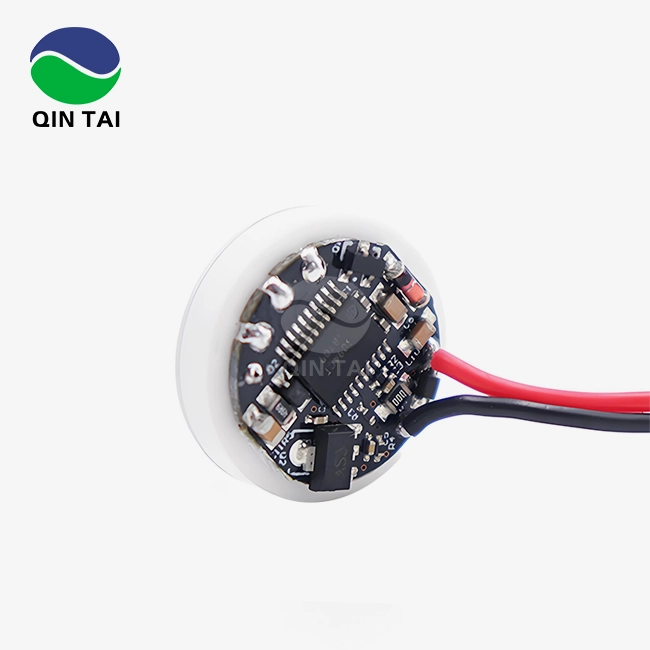
When urea pressure sensors are used in Selective Catalytic Reduction (SCR), they have to be able to handle the harsh chemical conditions that urea solution creates. Through different transduction processes, these specialized devices turn mechanical pressure into electrical messages. The sensor usually has a pressure-sensing part, signal conditioning electronics, and a covering that keeps crystallization and rust from happening. Diesel exhaust fluid (DEF) freezes at -11°C, so many sensor designs include heating elements or are placed in warm parts of the dose system to keep working in the wide range of temperatures that are common in mobile equipment use.
The measurement method depends on finding changes in the diaphragm's shape that are caused by the difference in pressure between the urea supply line and the standard pressure in the air. This shift creates a proportional electrical output signal, which the Selective Catalytic Reduction (SCR) control unit reads to figure out the current pressure values. This signal is usually between 0.5 and 4.5 volts or follows analog current protocols. Sensor reaction times are usually less than 10 milliseconds, which lets the engine quickly adapt to changing conditions.
Key Sensor Technologies and Their Characteristics
There are different transmission methods that can be used to measure urea pressure, and each one has its own set of benefits. Piezoresistive sensors use diaphragms made of silicon or clay that have built-in strain gauges whose electrical resistance changes in response to the amount of pressure that is applied. These gadgets are very sensitive, come in small packages, and are cheap enough for high-volume OEM production. Capacitive pressure sensors measure the change in capacitance between a diaphragm that bends and a set electrode. They are very stable over time and don't change much in temperature, which is important for precise dosing uses.
Thick-film ceramic sensors have sensitive elements that are screen-printed on ceramic surfaces. This makes the devices strong enough to handle harsh chemicals and mechanical shocks that are common in mobile equipment. The ceramic build doesn't allow urea to crystallize, so the reading stays accurate even after long service intervals. Strain gauge sensors that are attached to metal diaphragms have been shown to be reliable, but they need special materials like duplex stainless steels to last over time when exposed to urea solution.
Maintenance Optimization and Troubleshooting Strategies
Maintaining sensors correctly keeps systems running smoothly for longer and avoids costly downtime. By checking electrical lines on a regular basis, you can stop signs from going out because of corrosion or damage from vibrations. The quality of the diesel exhaust fluid (DEF) has a direct effect on how long the sensor lasts. Fluid that is contaminated with minerals, metals, or organic molecules can speed up rusting and encourage deposit formation. Using diesel exhaust fluid (DEF) that meets the requirements of ISO 22241 keeps measurement accuracy and saves sensor parts.
Crystallization can block pressure ports, diaphragm rust can cause calibration drift, and electrical problems can happen in signal processing circuits. The Selective Catalytic Reduction (SCR) control unit's diagnostic trouble codes can often find sensor problems before they become completely broken. This means that they can be replaced as part of regular maintenance instead of breaking down when they're least expected. Replacement times depend on the intensity of the application but are usually between 3,000 and 10,000 working hours, based on the job cycle, the quality of the diesel exhaust fluid (DEF), and the surroundings.
Comparing Urea Injection Solutions and Sensors: Making the Right Choice
Understanding Device Classifications and Selection Criteria
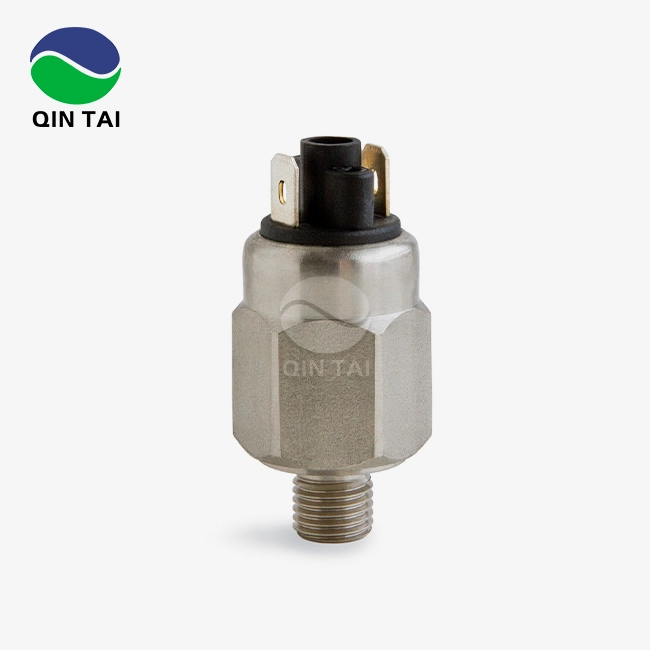
When making a purchase choice, it's important to know the difference between urea pressure sensors and pressure transducers, which are words that are sometimes used to refer to the same thing but have different functions. Most pressure sensors only send a basic voltage or current that is proportional to the pressure they are measuring. The control unit has to process this data outside of the sensor. Pressure sensors have electronics built in that take the output from the sensing element and turn it into standardized signals that take temperature into account and make the signals linear. This gives you ready-to-use readings that make integrating the system easier.
The selection criteria have to find a mix between a number of performance factors, the needs of the application, and the available budget. Measurement precision is set by accuracy standards. For dosing precision in Selective Catalytic Reduction (SCR) uses, full-scale accuracy of at least ±2% is usually needed. Sensors rated for 0 to 12 bar work well in most Selective Catalytic Reduction (SCR) uses, but the pressure range needs to be wide enough to allow for safe system operation. Response time has an effect on temporal dose control, especially when the load on mobile equipment changes quickly. Temperature compensation makes sure that measurements stay stable in temperatures ranging from -40°C to +125°C, which are typical in industrial and vehicle settings.
Chemical compatibility is still very important because the system is constantly exposed to urea. Corrosion protection is needed, and materials like stainless steel 316L, special urea-grade metals, and fluoropolymer seals can do the job. The standards for car wiring harnesses must be met by all electrical connection choices, such as Deutsch connectors, AMP Superseal connectors, or integrated wire assemblies. To make sure that systems work together and follow the rules, they have to be certified according to things like IATF 16949 for car uses or IEC 61326 for electromagnetic compatibility.
Evaluating Leading Manufacturers and Technologies
There are many sensor options on the global market from well-known companies that have a track record of success in both car and industrial settings. Bosch provides complete Selective Catalytic Reduction (SCR) systems, which include dosing units and sensors, to major OEMs in Europe and Asia. They focus on designing systems as a whole and testing them thoroughly to make sure they work. Continental makes sensor technologies with advanced data processing and diagnostic features that let repair plans be planned ahead of time. DENSO uses its knowledge of the Japanese auto industry to make reliable, small sensors that are perfect for placements with limited room.
Delphi Technologies sells modular dosing system parts that make it possible to build a system that works with a variety of car platforms. The sensors are also made to be easy to repair. Honeywell uses its experience with industrial sensors in Selective Catalytic Reduction (SCR) applications to make devices that can withstand the hard conditions found in marine, building, and mining equipment. Each manufacturer has their own engineering methods, supply chain skills, and expert support tools that affect the total cost of ownership in addition to the price of the parts themselves.
New suppliers from Asian markets offer affordable options that meet performance requirements and come at reasonable prices for uses that need to save money. Before these alternatives can be judged, their certifications, material details, and long-term dependability must be carefully checked to make sure they meet the needs of the application without affecting system performance or guarantee responsibilities.
Volume Procurement Considerations and Pricing Strategies
When OEMs and aftertreatment system developers buy a lot of sensors, they can benefit from organized procurement relationships that go beyond just buying parts. Setting up preferred supplier deals lets engineers work together on the development of a product, making sure that sensor specs are exactly in line with system needs. Volume agreements make prices predictable, which helps sellers accurately price their products and give them the forecast information they need to plan their capacity and keep track of their inventory.
A total cost of ownership study should look at more than just the price of each component. It should also look at transportation costs, the cost of keeping an inventory, warranty terms, the availability of expert assistance, and the rate of failure in the field. A slightly more expensive sensor that is more reliable and has a lower rate of failure in the field is often a better overall deal than the cheapest option. Working cash needs and output flexibility are affected by payment terms, consignment inventory arrangements, and the ability to produce goods just in time.
For aftermarket wholesalers that work with repair shops and truck maintenance operations, how competitive the market is depends on how many sensors are available and how many applications they can be used for. Sourcing strategies should find a balance between investing in inventory and meeting fill rate goals, taking into account the stage of an engine's lifecycle and the rules that apply in each area that affect replacement demand trends.

SENSOR+TEST, June 9 – 11, 2026
We look forward to your visit,warmly welcome to our booth 1-526!
Get your free ticket online now:
https://www.sensor-test.de/service/ticket/?52790
Benefits and Future Prospects of Urea Injection Systems
Emission Reduction and Regulatory Compliance Achievements
Adding urea through Selective Catalytic Reduction (SCR) technology has changed the way diesel engines control their emissions, making it possible to follow ever stricter rules while keeping the fuel-efficiency benefits that make diesel engines necessary for heavy-duty transportation and power generation. Modern Selective Catalytic Reduction (SCR) systems can convert more than 95% of NOx when they are working at their best. This lowers emissions from the normal range of 4-6 g/kWh to well below the 0.4 g/kWh level required by EPA 2010 and Euro VI guidelines. This performance margin gives makers peace of mind that they will meet certification standards even when the fuel quality, working conditions, and upkeep methods used in real life are different.
Since NOx control happens downstream instead of during combustion, the technology lets engine tuning techniques that focus on fuel economy and power density work. Heavy-duty diesel engines with Selective Catalytic Reduction (SCR) systems usually get 3–5% better gas mileage than engines that use a lot of EGR, which means that over the life of the car, the owner will save a lot of money on fuel costs. This economic gain helps to balance out the higher costs of Selective Catalytic Reduction (SCR) system parts and diesel exhaust fluid (DEF) use, which are usually less than 2% of fuel costs.
Operational Efficiency and Durability Advantages
In addition to meeting pollution standards, Selective Catalytic Reduction (SCR) systems help engines last longer and need less upkeep. Keeping engines running at the best temperatures for burning lowers the stress on their parts and keeps the production of soot to a minimum, which damages lubrication oil. Total maintenance costs go down while car usage goes up because oil changes are spaced out more often and particulate filters are cleaned less often. When fleet operators compare engines with Selective Catalytic Reduction (SCR) to engines with older emission control methods, they find big differences in the total cost of ownership.
Because Selective Catalytic Reduction (SCR) systems are flexible, they can be serviced and parts can be replaced without taking the whole system apart. Individual parts like dose modules, sensors, or catalyst substrates can be changed without having to work together. This makes repairs cheaper and cuts down on downtime compared to designs that control emissions all at once. This advantage in serviceability is especially useful in aftermarket uses, where repair centers might not have the specialized tools or training resources that OEM service networks do.
Technological Innovation and Future Development Trajectories
As urea pressure sensor technology keeps getting better, Selective Catalytic Reduction (SCR) system performance, stability, and cost-effectiveness keep getting better as well. Micro-Electro-Mechanical Systems (MEMS) technology is used in new sensor designs that make them smaller, use less power, and have better monitoring capabilities that help with predictive maintenance strategies. Putting temperature sensors inside pressure sensor housings cuts down on the number of parts and cables that need to be done, while also improving the accuracy of dosing control by adjusting for changes in urea qualities caused by temperature.
Smart sensor designs with built-in microprocessors allow distributed control strategies. In these strategies, sensors do signal processing, self-calibration, and fault detection locally before sending the processed data to the main control unit. This method lowers the amount of data needed for communication, speeds up system responses, and makes it possible for complex diagnostic tools to tell the difference between sensor failures, diesel exhaust fluid (DEF) quality problems, and other system problems.
With an eye on future pollution rules and trends toward electrifying powertrains, Selective Catalytic Reduction (SCR) technology is still useful for hybrid powertrains that combine electric motors with diesel engines, as long as the diesel engine works in areas that are optimized for efficiency. Selective Catalytic Reduction (SCR) technology and related sensor parts are becoming more popular because they are being used in new ways in marine propulsion, railroad power, and fixed power generation. Strategic relationships between sensor providers and system developers will help create application-specific solutions that are best for all of these different business needs. This will keep the market growing and technology moving forward.
Conclusion
Injecting urea through Selective Catalytic Reduction (SCR) systems is the best, most efficient, and most cost-effective way to control NOx emissions from diesel engines in both vehicle and commercial settings. The technology does a great job of lowering emissions while keeping the fuel economy, sturdiness, and power density benefits that make diesel engines so important for heavy-duty transportation and power generation. As a key part of the Selective Catalytic Reduction (SCR) system's operation, the urea pressure sensor makes sure that exact dosing control maximizes the efficiency of NOx conversion, lessens diesel exhaust fluid (DEF) use, and stops damage to parts caused by incorrect injection. When purchasing things that affect long-term system performance and legal compliance, procurement professionals should put sensor quality, seller credentials, and expert support skills at the top of their list.
FAQ
What maintenance intervals should be followed for urea pressure sensors?
How often maintenance needs to be done depends a lot on how the machine is running and how good the diesel exhaust fluid (DEF) is. Most makers say that heavy-duty equipment should be inspected every 3,000 hours, while moderate-use equipment should be inspected once a year. urea pressure sensors usually don't need to be replaced before they break, unless diagnostic codes show that their performance is getting worse.
Can existing diesel engines be retrofitted with SCR systems including pressure sensors?
The ability to retrofit relies on the type of engine, the amount of room available for installation, and the rules and regulations that apply. Many heavy-duty engines made after 2007 have space for an Selective Catalytic Reduction (SCR) system to be added, but they need to be retrofitted with changes to the exhaust system, the installation of a diesel exhaust fluid (DEF) tank, electrical integration, and setting of the control system.
How do you diagnose urea pressure sensor failures?
The Selective Catalytic Reduction (SCR) control unit's diagnostic trouble codes usually show problems with sensor circuits, strange signal readings, or numbers that aren't in the expected range. A physical review should check the soundness of the electrical connectors, the state of the wire harness, and the safety of the sensor mounting.
Partner With Qintai for Superior Urea Pressure Sensor Solutions
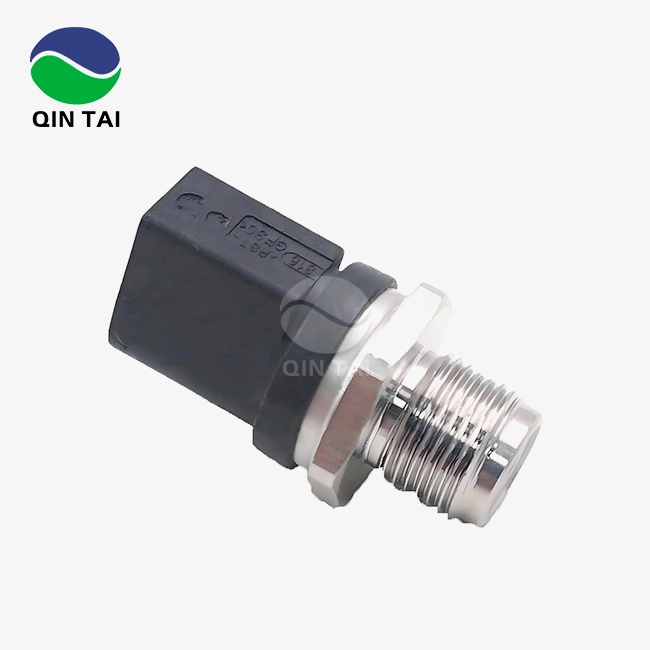
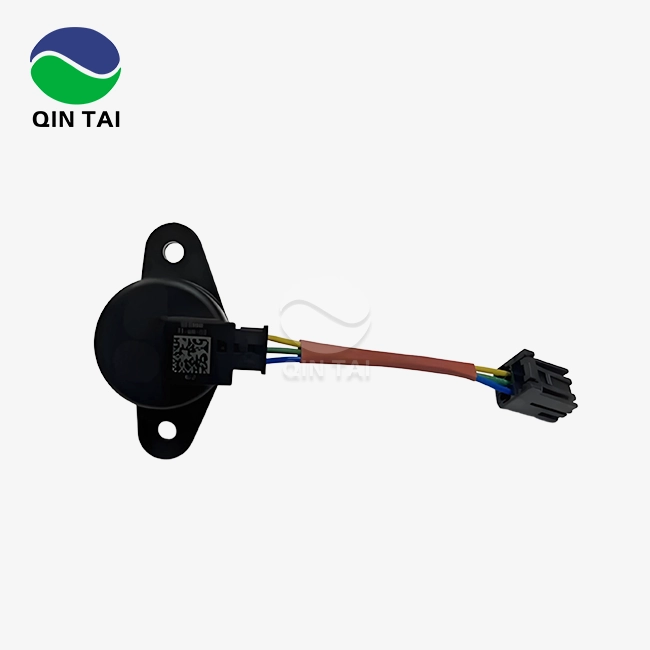
As a specialized urea pressure sensor maker since 2001, Qintai is in a unique situation to meet your NOx control system needs with proven reliability and technical excellence. Our research and development team makes sensors that are especially designed for Selective Catalytic Reduction (SCR) uses. These sensors are made with high-tech materials that don't react with urea crystallization or corrosion and stay calibrated over long service times. As the main supplier to Weichai Power, Yuchai Power, and Quanchai Power, we offer high-quality products that are certified to meet strict industrial and car standards. Our certifications include IATF 16949, ISO 9001, and REACH compliance.
We provide full OEM and ODM services that allow customization from the first design phase through mass production. This makes sure that the sensor specs perfectly match your system layout and performance needs. Our expert support team helps with application building, integration, and service after the sale. This shortens the time it takes to create and lowers the cost of validation. Email us at info@qt-sensor.com to talk about your unique needs, ask for technical paperwork, or get cheap quotes for buying in bulk. Check out our full line of sensors at qt-sensor.com to see why global OEMs choose Qintai as their top urea pressure sensor source for mission-critical emission control applications.
References
1. Johnson, T. V. (2015). "Review of Selective Catalytic Reduction (SCR) and Related Technologies for Mobile Applications." SAE International Journal of Engines, 8(3), 1087-1103.
2. Majewski, W. A., & Khair, M. K. (2006). "Diesel Emissions and Their Control." SAE International, Warrendale, PA.
3. Nova, I., & Tronconi, E. (2014). "Urea-SCR Technology for deNOx After Treatment of Diesel Exhausts." Springer Fundamental and Applied Catalysis Series, New York.
4. Koebel, M., Elsener, M., & Madia, G. (2001). "Reaction Pathways in the Selective Catalytic Reduction Process with NO and NO2 at Low Temperatures." Industrial & Engineering Chemistry Research, 40(1), 52-59.
5. Environmental Protection Agency (2011). "Emission Standards Reference Guide for On-road and Nonroad Vehicles and Engines." EPA-420-F-11-035, Washington, DC.
6. Twigg, M. V. (2007). "Progress and Future Challenges in Controlling Automotive Exhaust Gas Emissions." Applied Catalysis B: Environmental, 70(1-4), 2-15.

Our customers’ satisfaction speaks for our quality — contact us to experience the same reliable service.