- English
- French
- German
- Portuguese
- Spanish
- Russian
- Japanese
- Korean
- Arabic
- Greek
- German
- Turkish
- Italian
- Danish
- Romanian
- Indonesian
- Czech
- Afrikaans
- Swedish
- Polish
- Basque
- Catalan
- Esperanto
- Hindi
- Lao
- Albanian
- Amharic
- Armenian
- Azerbaijani
- Belarusian
- Bengali
- Bosnian
- Bulgarian
- Cebuano
- Chichewa
- Corsican
- Croatian
- Dutch
- Estonian
- Filipino
- Finnish
- Frisian
- Galician
- Georgian
- Gujarati
- Haitian
- Hausa
- Hawaiian
- Hebrew
- Hmong
- Hungarian
- Icelandic
- Igbo
- Javanese
- Kannada
- Kazakh
- Khmer
- Kurdish
- Kyrgyz
- Latin
- Latvian
- Lithuanian
- Luxembou..
- Macedonian
- Malagasy
- Malay
- Malayalam
- Maltese
- Maori
- Marathi
- Mongolian
- Burmese
- Nepali
- Norwegian
- Pashto
- Persian
- Punjabi
- Serbian
- Sesotho
- Sinhala
- Slovak
- Slovenian
- Somali
- Samoan
- Scots Gaelic
- Shona
- Sindhi
- Sundanese
- Swahili
- Tajik
- Tamil
- Telugu
- Thai
- Ukrainian
- Urdu
- Uzbek
- Vietnamese
- Welsh
- Xhosa
- Yiddish
- Yoruba
- Zulu
Maintenance Guide for Urea Pressure Sensors
It is very important for diesel engine SCR (Selective Catalytic Reduction) systems to keep the urea pressure sensor working at its best. These sensors check the AdBlue or DEF (Diesel Exhaust Fluid) pressure in the dosing system to make sure that the right amount gets to the injection ports to reduce NOx. Maintaining sensors properly increases their life, lowers downtime, and makes sure they meet strict emission standards like China VI and Euro VI. This detailed guide covers common maintenance issues, troubleshooting methods, and purchasing strategies for diesel engine manufacturers, aftertreatment integrators, and aftermarket professionals looking for reliable sensor solutions.
Understanding Urea Pressure Sensors: Functions and Working Principles
Effective repair plans are built on a solid understanding of how urea pressure sensor operation forms the foundation of maintenance. These parts are the most important feedback mechanisms in SCR systems. They talk to the engine control unit all the time to control the flow of fluid.
Core Functions in SCR Systems
Urea pressure sensors check the pressure of the fluid between the injector tip and the dosing pump and send real-time feedback to the SCR control unit. This information lets the dose pump be precisely controlled and keeps the system safe from overpressure or leaks. The sensor helps with diagnostics and closed-loop control of urea doses, which has a direct effect on how well emissions work. When pressure numbers don't match the limits that were set, the control unit changes how the pump works or sends out fault codes. This keeps the system from breaking and makes sure that all regulations are followed.
Sensor Technology Types
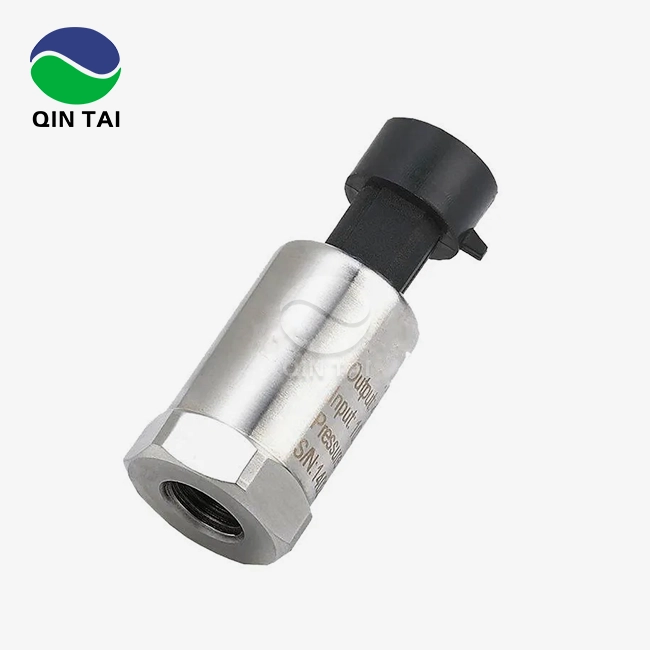
Depending on the needs of the product, different sensor systems offer different benefits. Piezoresistive sensors use resistors that change their electrical resistance when they are under pressure. This gives them high sensitivity and quick reaction times that are good for engines that are always changing. Capacitive sensors measure changes in dielectric spacing caused by pressure. They are very accurate and stable in places where temperature changes a lot, like big trucks and building equipment.
For long-term AdBlue exposure, ceramic thick-film sensors must have corrosion-resistant qualities. They don't let liquid pass through and pressure works directly on the ceramic diaphragm surfaces. Even though they need to be calibrated more often than ceramic sensors, diffused silicon sensors are a cost-effective option that works well enough for most uses.
Critical Technical Specifications
The pressure range is usually between 0 and 10 bar or 0 to 16 bar, based on how the system is built. For accurate dosing control, the range needs to be within ±2% full scale. With a response time of less than 50 milliseconds, you get instant feedback when the engine load changes quickly. The temperature range of -40°C to +125°C allows for a wide range of weather conditions, from mine activities in the arctic to building sites in the desert.
Electrical output forms include analog voltage (0.5–4.5V), current (4–20mA), or digital CAN bus standards. Interface compatibility affects how easy it is to do upkeep and diagnose problems. These specs directly affect how often maintenance needs to be done. For example, sensors with better corrosion protection and higher temperature tolerances need less maintenance.
Common Signs of Urea Pressure Sensor Failure and Troubleshooting Techniques
Recognizing early warning signs of failure stops system problems that lead to expensive fixes and not following the rules. Degradation of the urea pressure sensor usually shows up in expected ways that trained techs can spot before they completely stop working.
Symptom Identification
When diagnostic scans show occasionally inaccurate pressure readings, it's usually because the electrical link is getting weaker or an internal sensor element is damaged. The engine control unit might show problem codes like P20E8 (SCR system caused draft fan performance) or P20EE (SCR NOx catalyst efficiency below threshold), which mean that the urea dose isn't right because the pressure feedback isn't correct. Higher amounts of emissions found during compliance tests show that the catalyst isn't working well enough because the fluid isn't being delivered properly.
When the engine management system goes into limp mode because of chronic sensor faults, the vehicle's performance goes down, such as when the power drops or the speed drops. Crystallization around the fixing points of the sensors shows that there is a leak or a bad seal, which lets the urea solution escape and harden when it comes in contact with air.
Root Cause Analysis
The main things that speed up the wear and tear on urea pressure sensors in SCR systems are environmental factors. Switching between very cold and very hot engine temperatures puts stress on sensor materials, especially at the solder joints and diaphragm contacts. When urea solution parts interact with wet sensor materials in a corrosive way, accuracy slowly changes. This is especially true for sensors that don't have the right metal protection, like those made of urea-grade steels.
Over time, vibrations from the engine and the car moving around wear down electrical connections and mounting gear. The solid urea crystals clog the pressure ports, which leads to false readings. Overvoltage events that happen when the car is being jump-started or when the alternator stops working damage sensitive electronic parts in the sensor circuit.
Diagnostic Procedures and Testing Tools
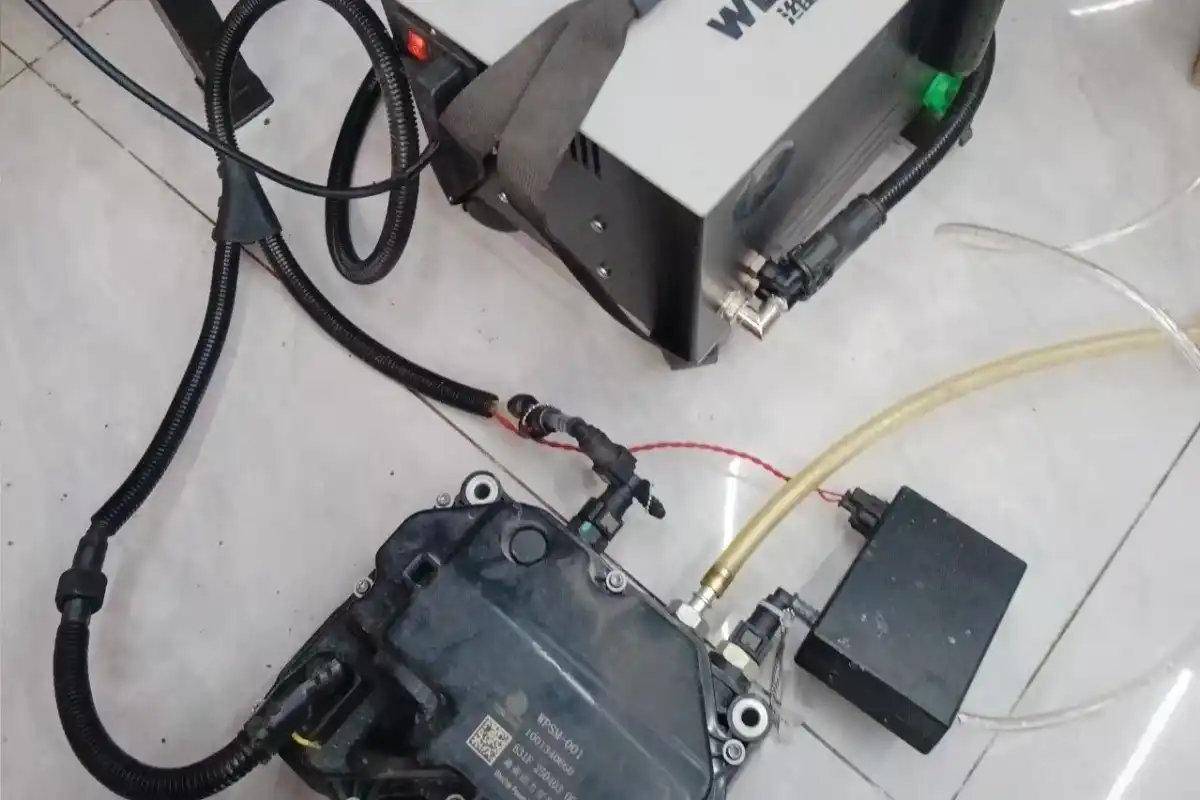
Connect a professional diagnostic scanner that works with your engine management system to get live data streams and saved fault codes to start the diagnosis process. Keep an eye on the real-time pressure numbers while the pump is working and compare them to what the maker says should be done. During injection events, the normal dosing pressure ranges are 5 to 9 bar. A visual check of the sensor fixing position looks for crystallization growth, a broken wire harness, or electrical connections that have been corroded.
Testing with a multimeter makes sure that the sensor connection has the right supply voltage (usually 5V reference) and that the signal output voltage changes proportionally when the pressure changes. Pressure testing equipment uses a reference gauge at a test port to measure the real system pressure. It then compares the physical pressure to the electrical output of the sensor to find out how much accuracy drift there is. Advanced shops use oscilloscopes to check the quality of the data, which can find electrical noise or connection problems that aren't noticeable with regular multimeters.
Recalibration Versus Replacement Decisions
Recalibration is a good idea when sensors have small errors in their accuracy (within ±5% of the standard) but keep giving stable results when there are no electrical problems. Specialized calibration equipment uses known pressure values to change the output of the sensor through electronic trim methods. This process needs software and training that are specific to the maker. When sensors show mistakes in accuracy greater than ±5%, signal dropouts that happen from time to time, physical damage to the housing or connections, or internal electrical faults shown by measures of resistance that are outside of what is expected, they need to be replaced.
Think about the total cost of ownership. Cheap sensors that need to be re-calibrated often may end up costing more in the long run than high-end units that don't need to be serviced as often. Setting replacement thresholds based on working hours or miles makes repair plans more predictable and reduces the number of breakdowns that come up out of the blue for fleet operations.
Best Practices for Urea Pressure Sensor Maintenance
Systematic repair methods make urea pressure sensor service lives much longer while keeping the accuracy of measurements that is needed for emission compliance. These methods find a good mix between being thorough and running things quickly.
Routine Inspection Schedules
Set up inspection times that work with engine service plans. For heavy-duty uses like mining equipment, inspect every 500 hours or every three months, and for normal commercial vehicles, check once a year. During each checkup, look at the areas where the sensors are mounted to see if they have crystallized. Also, check the electrical connections for corrosion and make sure the wiring is properly routed away from heat sources.
Record pressure values from diagnostic scans to find standard trends. This lets you find slow changes in accuracy before fault codes show up. Every 250 hours, heavy-duty uses that work in dusty or corrosive settings should have more frequent checks. To get the most out of your technicians, schedule sensor checks with DEF tank maintenance and SCR catalyst maintenance.
Safe Cleaning Methods
To keep sensitive sensor elements from getting damaged, crystalline urea crystals need to be carefully removed. Disconnect the electrical leads and carefully remove the sensors from the mounting ports using the right tools. Be careful not to use too much force, as this can damage the threads. Soak sensors in warm distilled water for 30 minutes to get rid of ice without exposing them to strong chemicals that can damage seals or metal parts. Soft nylon brushes gently get rid of tough layers on pressure ports and the outside of the machine.
Do not put compressed air straight into pressure ports, as this could damage the diaphragm inside. Rinse well with pure water and let dry completely in the air before putting it back in place. When reinstalling, replace the O-ring seals with parts that are made to work with urea. Tighten the sensors to the manufacturer's specs to stop leaks and avoid overtightening, which can damage the housings of the sensors.
Calibration Requirements and Tools
Keep the accuracy of your measurements by checking the calibration on a regular basis with approved reference standards that can be traced back to national metrology centers. Precision pressure sources and high-accuracy digital pressure gauges are both parts of professional calibration tools. The pressure sources can maintain stable pressures across the full range of the sensor. A lot of sensor makers make calibration software that works with diagnostic ports on vehicles and lets you change the sensor output curves electronically.
Keep track of the date, worker, equipment serial numbers, and measures of accuracy taken before and after calibration in maintenance records. If sensors keep failing calibration checks, they need to be replaced instead of being adjusted over and over again. Regular business cars need to be calibrated once a year, while constant-duty generator sets and industrial tools need to be calibrated every six months.
Storage and Handling Protocols
When sensors are stored correctly, their integrity is kept during warehouse times. Keep sensors in climate-controlled rooms with a temperature range of 15 to 25°C and a relative humidity of 40 to 60%. This will keep electronics safe from wetness and electrostatic discharge. To keep internal diaphragms from getting damaged, place sensors horizontally instead of on pressure ports. Use first-in, first-out product movement to keep things from going bad over time in storage. When handling, keep your skin oils away from the electrical connections.
When adding sensors, wear clean gloves. Do not drop or hit sensors, as this can damage the piezoelectric or strain gauge elements inside, even if the outside case looks fine. When applying thread sealant, be careful—only use urea-compatible substances and apply them lightly to male threads. Keep the sealant away from pressure ports, where it could get on sensor elements and cause contamination.

SENSOR+TEST, June 9 – 11, 2026
We look forward to your visit,warmly welcome to our booth 1-526!
Get your free ticket online now:
https://www.sensor-test.de/service/ticket/?52790
Comparative Overview of Urea Pressure Sensor Types and Brands
To choose the right urea pressure sensor, you have to compare different technologies and suppliers' skills with the needs of the application. This evaluation weighs the factors that affect efficiency against those that affect upkeep.
Digital Versus Analog Sensors
In current SCR systems, digital sensors that communicate via CAN bus or LIN bus are clearly better. They can diagnose themselves by sending trouble codes to the engine control units when mistakes happen inside the engine. Digital compensation methods built into the sensor fix non-linearity and temperature effects, keeping accuracy over a wider range of working conditions without the need for extra signal conditioning.
These sensors work better with more advanced engine management systems, so they will work with software changes and better diagnostic tools in the future. Some benefits for maintenance are simpler wire lines with fewer connections that can rust, and the ability to change parameters remotely, so sensors don't have to be physically removed.
Leading Brand Evaluation
There are a number of well-known companies in the pressure sensor market, each with their own product philosophy. European brands focus on precise engineering and a lot of certification paperwork, which makes them appealing to OEM makers who need proof of pollution compliance. Their sensors usually use high-tech materials that don't rust and complex compensation formulas. Because of this, they charge a higher price, but they can justify it with longer service gaps and full expert support.
Asian makers offer shorter lead times and flexible minimum order amounts that wholesalers value. They make products that are both cost-effective and good enough for aftermarket use. Their items are good for people who care about price and meet basic functional needs, but their expert help after the sale may not be as thorough. New experts focus on niches like harsh-environment uses or quick customization, offering unique solutions that big manufacturers can't provide.
When looking at different providers, it's important to look at their certifications. These should include ISO9001 for quality management, IATF16949 for car standards, and explosion-proof ratings for installations in dangerous areas. Check out the scientific datasheets for full details, such as temperature factors, long-term stability data, and figures on the time between failures. Check the after-sales support system to see if there are technical reps in your area, how long it will take for them to respond to technical questions, and what the guarantee covers in terms of both broken parts and installation instructions.
Brand-Specific Maintenance Considerations
Different companies make sensors that are harder or easier to repair. Some brands use changeable seal kits that can be fixed in the field. This lets the sensor last longer by replacing the seals every so often instead of replacing the whole unit. Others use sealed construction, which makes them more reliable at first but means they have to be replaced completely when they break.
Different makers offer field calibration tools and processes that allow customers to make regular adjustments, while others suggest recalibration at the factory, which provides better accuracy control but makes logistics more difficult. Spare parts are not always easy to find. Well-known brands have large distribution networks that make sure new parts get to customers quickly. On the other hand, specialized makers may need longer wait times for ordering parts, which can make it harder to plan inventory for fleet repair operations.
Conclusion
Maintaining urea pressure sensor solutions properly has a direct effect on the efficiency of the SCR system and meeting emission standards. Long-lasting maintenance programs are made by learning about sensor technologies, putting in place structured inspection routines, and choosing providers based on a wide range of factors, not just price. Regular checks of the calibration, the right way to clean, and a smart collection of extra parts all help to reduce unwanted downtime.
When making purchases, people should think about the total cost of ownership, which includes the quality of the supplier's support, the ability to customize, and the possibility of a long-term relationship. As emission rules get stricter around the world, buying high-quality sensors with longer service intervals and full technical support is a better investment than buying cheap ones that need to be replaced often.
FAQ
What causes urea pressure sensors to fail prematurely?
Premature urea pressure sensor failure typically results from crystallization blocking pressure ports when DEF quality isn't right and solids form, or from thermal cycling stress when sensors lack adequate temperature compensation. Electrical connection corrosion in humid environments and vibration fatigue from inadequate mounting also contribute significantly. Using sensors without the right urea-grade material specs speeds up the breakdown caused by rust.
How often should urea pressure sensors be calibrated?
How often you need to calibrate varies on the seriousness of the application and the rules that apply. Standard business cars should have their calibration checked once a year, while constant-duty industrial uses like generator sets should have checks every six months. Sensors that regularly meet accuracy standards during testing may be used for up to 18 months, but paperwork is still needed for compliance checks.
Can I clean and reuse a failed urea pressure sensor?
When sensors show physical crystallization but still work electrically, they usually respond to being cleaned properly with warm distilled water and a soft brush. But sensors that show accuracy change greater than ±5%, electrical signs that come and go, or damage to internal parts need to be replaced. Using sensors that aren't as accurate the first time around can lead to emission compliance mistakes that cost more than the cost of replacing them.
Partner with Qintai for Reliable Urea Pressure Sensor Solutions
Xi'an Qintai Automotive Emission Technology has all the options that business buyers looking for a reliable urea pressure sensor maker could need. Our independent research and development team is always coming up with new sensor technologies to meet changing emission standards. IATF16949 and ISO9001 certifications make sure that the quality of our products is always the same. As the main OEM provider to major diesel engine makers in China, we offer products that are reliable in a wide range of challenging situations, from big trucks to industrial generator sets.
Because we can customize sensors, we can make them work with certain interfaces, pressure levels, and weather conditions without holding up delivery times. Our engineering team is here to help you with any technical questions you have during the whole buying process, whether you need standard sensors for the aftermarket or special solutions for OEM integration. Please email us at info@qt-sensor.com to talk about your unique needs and experience the partnership approach that has won us clients' trust in more than 60 countries.
References
1. Johnson, M. & Peterson, R. (2022). "Diesel Engine Emission Control Systems: Component Reliability and Maintenance Strategies." SAE International Journal of Engines, 15(3), 287-304.
2. European Automobile Manufacturers Association (2021). "SCR System Component Specifications and Testing Protocols for Euro VI Compliance." Technical Report TR-2021-09.
3. Zhang, L., Kumar, S., & O'Neill, P. (2023). "Pressure Sensor Technologies for Automotive Urea Dosing Systems: Performance Comparison and Failure Analysis." Sensors and Actuators A: Physical, 348, 113-128.
4. Anderson, T. (2022). "Maintenance Best Practices for Heavy-Duty Diesel Aftertreatment Systems." Transportation Research Board Special Report 335, National Academies Press.
5. International Organization for Standardization (2020). "Road Vehicles—Exhaust Emission Measurement—Diesel Exhaust Fluid (DEF) Quality Requirements." ISO 22241 Standard Series.
6. Williams, D. & Chen, H. (2023). "Total Cost of Ownership Analysis for SCR System Components in Commercial Vehicle Fleets." Journal of Supply Chain Management and Logistics, 18(2), 156-173.
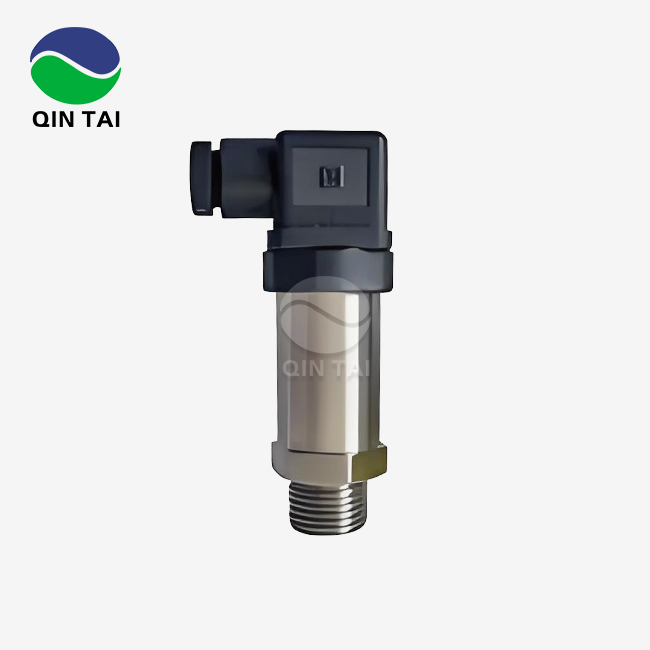
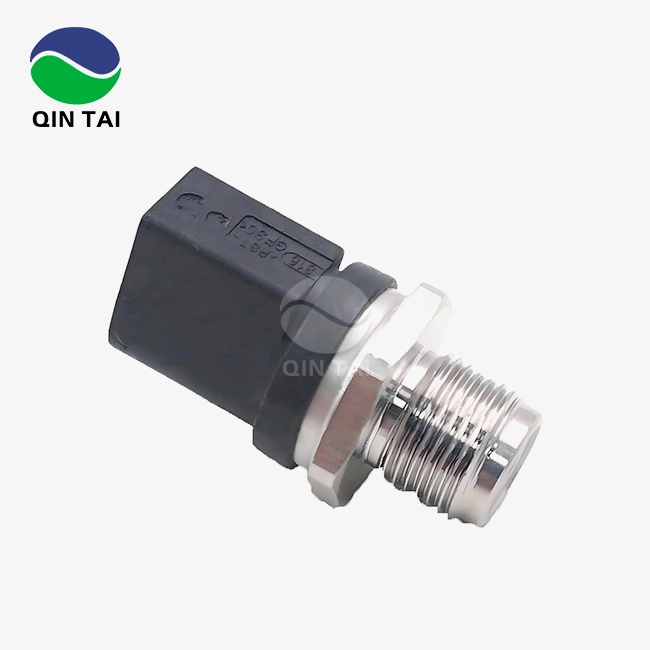
 Sensors.webp)

Our customers’ satisfaction speaks for our quality — contact us to experience the same reliable service.