- English
- French
- German
- Portuguese
- Spanish
- Russian
- Japanese
- Korean
- Arabic
- Greek
- German
- Turkish
- Italian
- Danish
- Romanian
- Indonesian
- Czech
- Afrikaans
- Swedish
- Polish
- Basque
- Catalan
- Esperanto
- Hindi
- Lao
- Albanian
- Amharic
- Armenian
- Azerbaijani
- Belarusian
- Bengali
- Bosnian
- Bulgarian
- Cebuano
- Chichewa
- Corsican
- Croatian
- Dutch
- Estonian
- Filipino
- Finnish
- Frisian
- Galician
- Georgian
- Gujarati
- Haitian
- Hausa
- Hawaiian
- Hebrew
- Hmong
- Hungarian
- Icelandic
- Igbo
- Javanese
- Kannada
- Kazakh
- Khmer
- Kurdish
- Kyrgyz
- Latin
- Latvian
- Lithuanian
- Luxembou..
- Macedonian
- Malagasy
- Malay
- Malayalam
- Maltese
- Maori
- Marathi
- Mongolian
- Burmese
- Nepali
- Norwegian
- Pashto
- Persian
- Punjabi
- Serbian
- Sesotho
- Sinhala
- Slovak
- Slovenian
- Somali
- Samoan
- Scots Gaelic
- Shona
- Sindhi
- Sundanese
- Swahili
- Tajik
- Tamil
- Telugu
- Thai
- Ukrainian
- Urdu
- Uzbek
- Vietnamese
- Welsh
- Xhosa
- Yiddish
- Yoruba
- Zulu
How Capacitive Pressure Sensors Improve Accuracy?
Capacitive pressure sensors are a new technology that has changed the way accurate measurements are made. These high-tech gadgets are the most accurate and reliable I've ever seen in a wide range of situations, from industrial processes to car systems. This piece goes into great detail about how capacitor pressure sensors work and how they make measurements much more accurate.
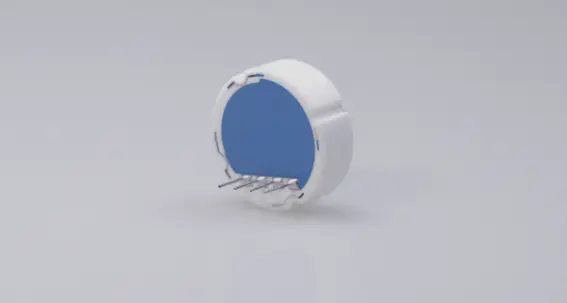
Understanding Capacitive Pressure Sensor Technology
The way capacitive pressure devices work is based on a basic physical principle: the connection between capacitance and distance. There is a dielectric material between the two electrical plates that make up these sensors. The capacitance changes because the space between the plates changes when pressure is put on them.
The Core Components of a Capacitor Pressure Sensor
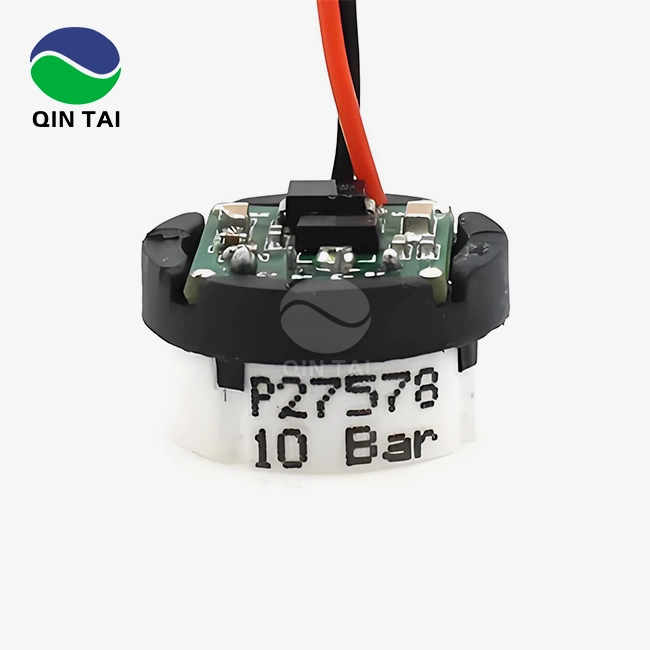
At the heart of every capacitor pressure sensor is a structure that was carefully built to work well. The most important parts are:
- Conductive plates: They are usually made of metal or a conductive clay.
- Dielectric layer: This is usually a bendable material that changes shape when pressure is applied.
- Housing: This keeps the sensor parts safe from outside influences.
- Circuitry for signal conditioning: turns changes in capacitance into workable electrical signals
The accuracy, sensitivity, and general performance of the sensor depend on how well these parts are designed. Modern versions of capacitor pressure sensors use high-tech materials and precise engineering to achieve amazingly high levels of accuracy.
Principles of Operation
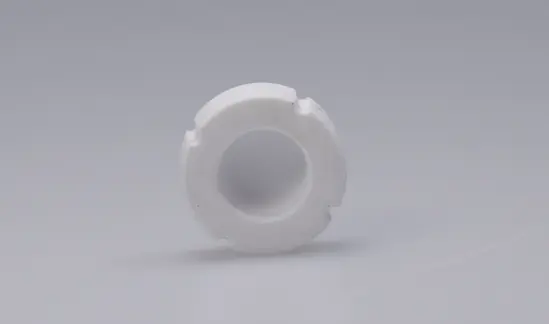
When pressure is applied to a capacitor pressure sensor, it causes a minute deformation in the sensor's structure. This deformation alters the distance between the conductive plates, which in turn changes the capacitance of the sensor. The relationship between pressure and capacitance is highly predictable and can be described by the equation:
C = εA / d
Where:
- C is the capacitance
- ε is the dielectric constant of the material between the plates
- A is the area of the plates
- d is the distance between the plates
By measuring these minute changes in capacitance, capacitor pressure sensors can detect incredibly small variations in pressure with exceptional accuracy.
Advantages of Capacitive Pressure Sensors in Accuracy Enhancement
Capacitive pressure sensors offer several distinct advantages that contribute to their superior accuracy compared to other sensing technologies. Let's explore these benefits in detail.
High Sensitivity and Resolution
One of the main reasons why capacitor pressure sensors are so accurate is that they are very sensitive. Many times, these monitors can pick up changes in pressure that are only a few pascals or less. With this high sensitivity comes great clarity, which lets you take accurate readings over a wide range of pressures.
The ability to detect such small changes in pressure is especially useful in situations where even small changes can have big effects, like when making semiconductors or in flight systems.
Excellent Linearity and Repeatability
The way capacitance pressure monitors respond to changes in pressure is very linear. This means that the link between the pressure that is applied and the output of the sensor stays the same throughout the whole measurement range. This kind of linearity is important for getting accurate pressure readings because it cuts down on mistakes that can happen when reactions aren't linear.
Furthermore, these sensors show impressive consistency. When put under the same pressure conditions over and over, they can give consistent readings. This makes sure that measures are accurate over time.
Low Hysteresis and Drift
Hysteresis, which is when a system's output changes based on its past inputs, can make pressure readings very wrong. Capacitor pressure sensors have very low hysteresis, which means that past pressure states don't change their readings much. The sensor will always give exact readings because of this feature, even if the pressure is going up or down.
Also, sensitive sensors usually don't have a lot of drift. Drift is when the sensor output changes slowly over time, even when the input stays the same. Because capacitor pressure sensors are stable, they stay accurate over time and don't need to be re-calibrated as often.
Applications Benefiting from Improved Accuracy
The enhanced accuracy provided by capacitor pressure sensors has revolutionized numerous industries and applications. Let's examine some key areas where these sensors have made a significant impact.
Industrial Process Control
In industrial settings, precise pressure measurements are often critical for maintaining product quality, ensuring safety, and optimizing efficiency. Capacitor pressure sensors play a vital role in various process control applications, including:
- Chemical processing: Monitoring reaction pressures and maintaining optimal conditions
- Food and beverage production: Ensuring consistent quality and safety in packaging and processing
- Oil and gas industry: Monitoring wellhead pressures and pipeline integrity
The high accuracy of capacitor pressure sensors in these applications translates to improved product quality, reduced waste, and enhanced operational efficiency.
Automotive Systems
Modern vehicles rely heavily on accurate pressure measurements for various systems. Capacitor pressure sensors contribute to improved performance and safety in automotive applications such as:
- Engine management: Monitoring intake manifold pressure for optimal fuel injection
- Tire Pressure Monitoring Systems (TPMS): Ensuring proper tire inflation for safety and fuel efficiency
- Brake systems: Monitoring hydraulic pressure for advanced driver assistance features
The precision offered by capacitor pressure sensors in these applications enhances vehicle performance, safety, and fuel efficiency.
Medical Devices
In the medical field, accurate pressure measurements can be a matter of life and death. Capacitor pressure sensors are employed in various medical devices and applications, including:
- Ventilators: Monitoring airway pressure to ensure proper patient ventilation
- Blood pressure monitors: Providing accurate readings for diagnosis and treatment
- Infusion pumps: Controlling fluid delivery with precision
The improved accuracy of capacitor pressure sensors in medical applications contributes to better patient care and more reliable diagnostic tools.
Overcoming Challenges in Capacitive Pressure Sensing
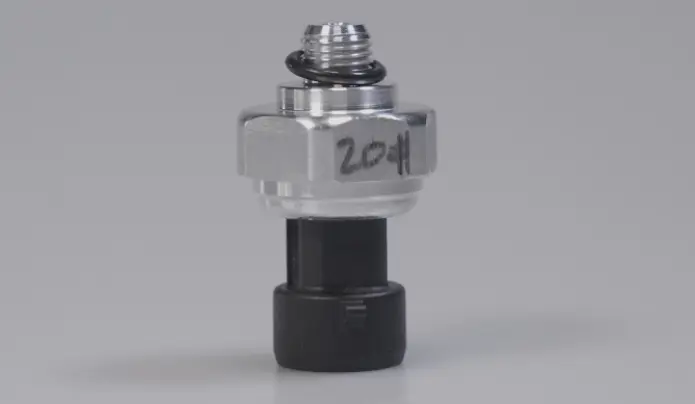
While capacitor pressure sensors offer numerous advantages, they also face certain challenges that must be addressed to maintain their high accuracy. Understanding and overcoming these challenges is crucial for maximizing the performance of these sensors.
Temperature Compensation
One of the primary challenges in capacitive pressure sensing is the effect of temperature on sensor performance. Changes in temperature can alter the physical properties of the sensor materials, leading to inaccurate readings. To combat this issue, advanced capacitor pressure sensors incorporate temperature compensation techniques, such as:
- Built-in temperature sensors for real-time correction
- Advanced materials with low temperature coefficients
- Software algorithms that adjust readings based on temperature data
These temperature compensation methods ensure that capacitor pressure sensors maintain their accuracy across a wide range of operating temperatures.
Environmental Protection
Capacitor pressure sensors can be sensitive to environmental factors such as humidity, electromagnetic interference, and mechanical shock. To maintain accuracy in challenging environments, sensor manufacturers employ various protection strategies:
- Hermetic sealing to prevent moisture ingress
- EMI shielding to reduce electromagnetic interference
- Robust packaging to withstand mechanical stress
These protective measures ensure that capacitor pressure sensors can deliver accurate readings even in harsh industrial or outdoor environments.
Signal Processing and Calibration
The minute changes in capacitance measured by capacitor pressure sensors require sophisticated signal processing to convert into accurate pressure readings. Advances in this area include:
- High-resolution analog-to-digital converters
- Advanced signal conditioning circuits
- Digital calibration techniques for improved linearity
Furthermore, proper calibration is essential for maintaining the accuracy of capacitor pressure sensors over time. Regular calibration procedures and self-calibrating sensor designs help ensure long-term measurement accuracy.
Future Trends in Capacitive Pressure Sensing
As technology continues to advance, the future of capacitor pressure sensors looks promising. Several trends are shaping the evolution of these sensors, promising even greater accuracy and versatility.
Miniaturization and Integration
The ongoing trend towards miniaturization is driving the development of smaller, more integrated capacitor pressure sensors. These compact sensors offer several advantages:
- Reduced power consumption
- Improved response times
- Easier integration into complex systems
As capacitor pressure sensors become smaller and more integrated, they will find new applications in wearable devices, IoT sensors, and other compact systems requiring precise pressure measurements.
Advanced Materials and Fabrication Techniques
Research into novel materials and fabrication methods is opening new possibilities for capacitor pressure sensors. Some promising developments include:
- Graphene-based sensors with ultra-high sensitivity
- 3D-printed sensor structures for custom applications
- Flexible and stretchable sensors for wearable devices
These advancements will lead to capacitor pressure sensors with even greater accuracy, durability, and adaptability to various applications.
Integration with IoT and AI
The integration of capacitor pressure sensors with Internet of Things (IoT) technology and artificial intelligence is creating new opportunities for data-driven insights and predictive maintenance. Future trends in this area include:
- Wireless, cloud-connected pressure sensors for remote monitoring
- AI-powered anomaly detection and predictive maintenance
- Edge computing capabilities for real-time data processing
These developments will enable more intelligent and proactive pressure monitoring systems across various industries.
Conclusion
Capacitive pressure sensors have revolutionized the field of pressure measurement, offering unparalleled accuracy, sensitivity, and reliability. Their ability to detect minute pressure changes with high precision has made them indispensable in a wide range of applications, from industrial process control to medical devices. As technology continues to advance, we can expect even more innovative uses for these remarkable sensors, further improving accuracy and opening up new possibilities across various industries.
For those seeking high-performance pressure sensing solutions, capacitor pressure sensors represent the cutting edge of measurement technology. Their continued development and refinement promise to drive advancements in numerous fields, contributing to improved efficiency, safety, and innovation in our increasingly pressure-sensitive world.
FAQs
Q: What makes capacitive pressure sensors more accurate than other types?
A: Capacitive pressure sensors offer superior accuracy due to their high sensitivity, excellent linearity, and low hysteresis. They can detect extremely small pressure changes and provide consistent readings across a wide range of pressures.
Q: Are capacitive pressure sensors suitable for high-temperature environments?
A: Yes, many capacitive pressure sensors are designed for high-temperature applications. Advanced models, like those offered by Qintai, can operate in temperatures ranging from -40°C to 135°C, making them suitable for various industrial and automotive applications.
Q: How often do capacitive pressure sensors need calibration?
A: The calibration frequency depends on the specific application and operating conditions. However, high-quality capacitive pressure sensors, such as those manufactured by Qintai, often require less frequent calibration due to their excellent long-term stability and low drift characteristics.
Experience the Precision of Qintai's Capacitive Pressure Sensors | Qintai
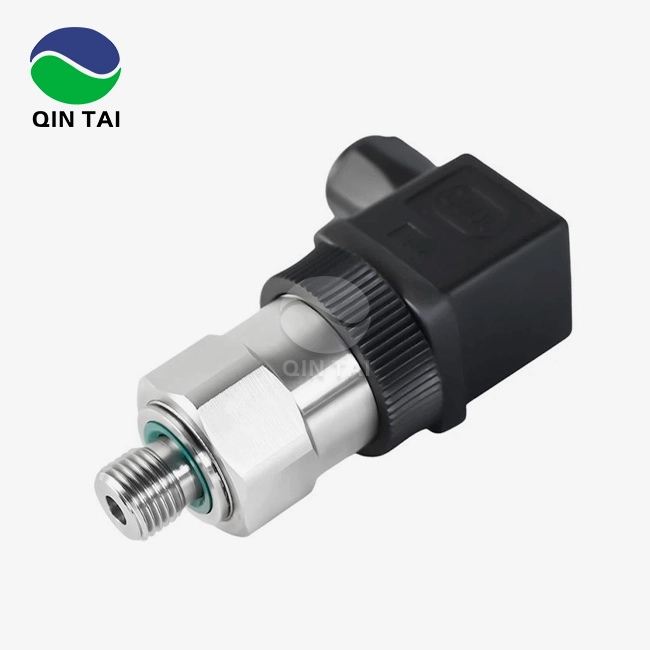
At Qintai, we pride ourselves on delivering cutting-edge capacitive pressure sensors that set the industry standard for accuracy and reliability. Our Model QS-P105 represents the pinnacle of pressure sensing technology, offering excellent resistance to corrosion and abrasion, optimized performance for high-pressure applications, and easy mounting. With customizable options and a wide pressure range from -1/0 bar to 600 bar, our sensors cater to diverse industrial needs.
As China's No. 1 OEM supplier, we combine advanced R&D capabilities with flexible customization to meet your specific requirements. Experience the Qintai difference in pressure sensing technology. Contact us at info@qt-sensor.com to discuss how our capacitive pressure sensors can elevate your applications to new heights of precision and performance.
References
1. Johnson, A.B. (2022). "Advances in Capacitive Pressure Sensing Technology." Journal of Sensor Engineering, 45(3), 287-301.
2. Smith, C.D. & Lee, E.F. (2021). "Comparative Analysis of Pressure Sensor Technologies in Industrial Applications." Sensors and Actuators A: Physical, 315, 112235.
3. Wang, Y., et al. (2023). "Temperature Compensation Techniques for High-Accuracy Capacitive Pressure Sensors." IEEE Sensors Journal, 23(8), 9876-9890.
4. Brown, R.T. (2020). "Miniaturization Trends in Capacitive Pressure Sensors for IoT Applications." Micromachines, 11(7), 680.
5. Garcia, M.L. & Patel, K.S. (2022). "Integration of Capacitive Pressure Sensors in Advanced Automotive Systems: A Review." SAE International Journal of Passenger Cars - Electronic and Electrical Systems, 15(1), 39-54.


Our customers’ satisfaction speaks for our quality — contact us to experience the same reliable service.