- English
- French
- German
- Portuguese
- Spanish
- Russian
- Japanese
- Korean
- Arabic
- Greek
- German
- Turkish
- Italian
- Danish
- Romanian
- Indonesian
- Czech
- Afrikaans
- Swedish
- Polish
- Basque
- Catalan
- Esperanto
- Hindi
- Lao
- Albanian
- Amharic
- Armenian
- Azerbaijani
- Belarusian
- Bengali
- Bosnian
- Bulgarian
- Cebuano
- Chichewa
- Corsican
- Croatian
- Dutch
- Estonian
- Filipino
- Finnish
- Frisian
- Galician
- Georgian
- Gujarati
- Haitian
- Hausa
- Hawaiian
- Hebrew
- Hmong
- Hungarian
- Icelandic
- Igbo
- Javanese
- Kannada
- Kazakh
- Khmer
- Kurdish
- Kyrgyz
- Latin
- Latvian
- Lithuanian
- Luxembou..
- Macedonian
- Malagasy
- Malay
- Malayalam
- Maltese
- Maori
- Marathi
- Mongolian
- Burmese
- Nepali
- Norwegian
- Pashto
- Persian
- Punjabi
- Serbian
- Sesotho
- Sinhala
- Slovak
- Slovenian
- Somali
- Samoan
- Scots Gaelic
- Shona
- Sindhi
- Sundanese
- Swahili
- Tajik
- Tamil
- Telugu
- Thai
- Ukrainian
- Urdu
- Uzbek
- Vietnamese
- Welsh
- Xhosa
- Yiddish
- Yoruba
- Zulu
Causes of Low Pressure in Urea Dosing Systems
Urea dosing devices are very important for lowering the harmful emissions that diesel engines give off. That's where the urea pressure sensor comes in. It makes sure that the right amount of diesel exhaust fluid (DEF) is injected into the waste stream. When the pressure in these systems goes below what it should be, it can make emission control less effective and cause problems with the engine. This piece talks about the most common reasons why urea dosing systems have low pressure and how to keep these important parts in good shape so they work at their best.

Understanding Urea Dosing Systems and Pressure Requirements
Selective Catalytic Reduction (SCR) technology, which is often used to cut down on nitrogen oxide (NOx) pollution from diesel engines, depends on urea dosing systems to work. Precise pressure control is needed for these devices to work so that the right amount of DEF is sent at the right time. The urea pressure indicator keeps an eye on this pressure and makes sure it stays steady, which makes sure the system works well.
The Role of Urea Pressure Sensors
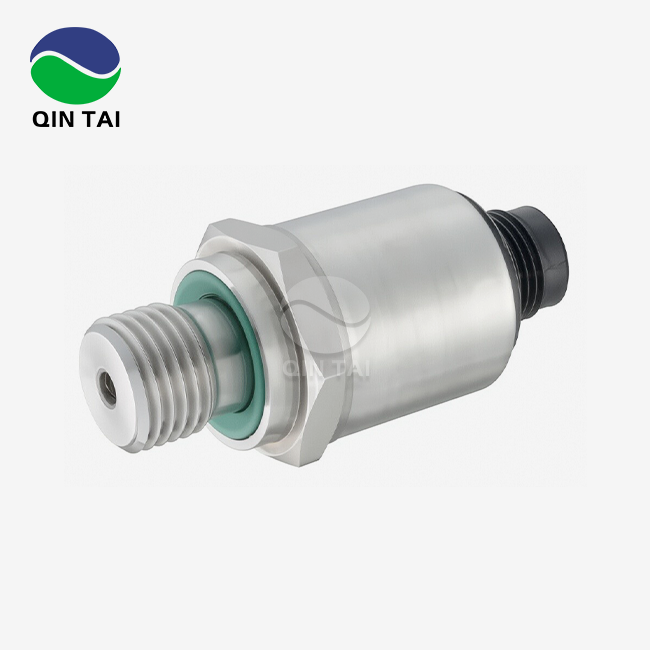
Urea pressure sensors are high-tech gadgets that check the pressure inside the dosing system all the time. These monitors send data to the engine control unit (ECU) in real time, which lets DEF injection be fine-tuned. A good urea pressure monitor, like the QS-P226 model from Qintai, is very accurate and reliable, and it has features like
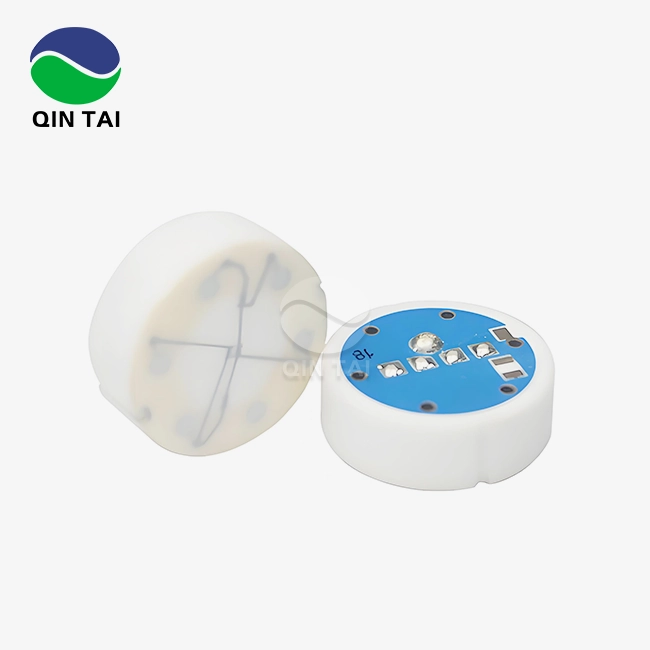
• Self-developed sensor core for best performance
• Wide pressure range to meet the needs of different engines
• 5V supply power so it works with most systems
• Analog output so it can be easily integrated
• Operating temperature range of 60–80°F for reliable performance
• Measurement range of -14 psi to +130.5 psi
• High accuracy of +0.5% for accurate pressure readings;
Optimal Pressure Ranges for Effective DEF Injection
Urea dosing devices need the pressure to stay within certain ranges in order to work right. Most of the time, these devices work at pressures of 4 to 9 bar (58 to 130 psi). When the pressure drops below this range, DEF injection may not work properly, which can lead to higher NOx pollution and possible problems with how well the engine runs.
Common Causes of Low Pressure in Urea Dosing Systems
Low pressure in urea dosing methods can be caused by a number of things. Figuring out these reasons is important for quickly diagnosing and fixing problems. Let's look at some of the most common reasons why the pressure in these important emission control parts drops.
Urea Pressure Sensor Malfunction
A broken urea pressure sensor can give wrong data, which can make pressure control go wrong. This problem could be caused by:
• Damage to the sensor
• Problems with the electrical link
• Calibration mistakes
• Wear and tear from age
These problems can be avoided by checking the urea pressure sensor often and replacing it when needed. Quality sensors, like those made by Qintai, last longer and work more accurately, which makes it less likely that sensor-related pressure problems will happen.
Clogged or Damaged DEF Lines
Over time, DEF lines can get clogged or broken, which stops the flow of gas and lowers the pressure. Some common causes are:
• DEF deposits that have crystallized
• Damage to lines from road debris or shaking
• Hoses that are kinked or pinched
• Metal parts that rust
Problems like these can be avoided by checking and cleaning DEF lines on a regular basis. In cases of extreme damage, it may be necessary to replace the damaged parts in order to get the pressure back to normal.

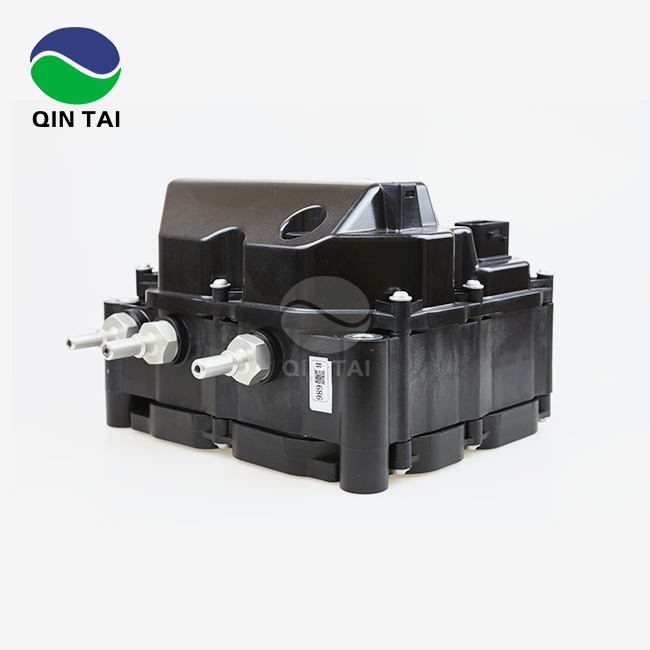
Faulty DEF Pump
The DEF pump is in charge of keeping the air in the system steady. If the pump stops working, the pressure may not be enough, which can make DEF input bad. Some of the things that can go wrong with a pump are:
• Internal parts that are worn out
• Electrical problems
• Pollution from toxins in the DEF
• Overheating from running for too long
Pressure problems that happen when pumps fail can be avoided by keeping them in good shape and replacing old ones as soon as possible. Using good DEF and making sure the system is properly cooled can make the pump last longer and keep the pressure at the right level.
Diagnosing and Resolving Low Pressure Issues
When low pressure is found in a urea dosing system, it needs to be quickly diagnosed and fixed so that pollution rules are followed and the engine keeps running well. To find and fix problems caused by pressure, follow these steps:
Using Diagnostic Tools and Data from the Urea Pressure Sensor
Modern testing tools can tell you a lot about how well a urea dosing system is working. Technicians can get real-time data from the urea pressure sensor and other system parts by connecting to the engine's OBD-II port. This knowledge can help figure out where the pressure problems are coming from and how to fix them.
Some important diagnostic steps are:
• Looking for error codes linked to the urea dosing system
• Looking at readings from the pressure sensor in a variety of operating conditions
• Checking the real pressure against what the manufacturer says it should be
• Doing leak-down tests to find places where pressure could be lost
The accuracy of the urea pressure sensor is needed for a correct evaluation. High-quality sensors, like those made by Qintai, give accurate information that can be used to fix problems.
Maintenance Practices to Prevent Low Pressure Issues
Keeping up with preventative maintenance is the best way to keep urea dosing systems from having low pressure issues. Regular maintenance can make system parts last a lot longer and make sure they work the same way every time. Some important maintenance tasks are: • Checking DEF lines for damage or crystallization on a regular basis
• Cleaning or replacing DEF filters as directed by the maker
• Looking for corrosion or loose fittings on electrical lines
• Checking the quality of DEF and the conditions of storage to keep it from getting contaminated
• Replacing worn parts on time, such as the urea pressure sensor
By putting in place a thorough maintenance program, fleet managers and car owners can keep their urea dosing systems in top shape and reduce downtime.
Replacing Faulty Components
When regular upkeep and small repairs aren't enough to fix low pressure problems, parts may need to be replaced. This process usually includes:
• Figuring out which part is causing the pressure drop
• Getting replacement parts from reputable companies
• Installing the new parts correctly to get the best performance
• Calibrating the new parts, especially the urea pressure sensor, to the system's requirements
• Testing the system after the repair to make sure it works right
It's important to choose replacement parts that meet or go beyond OEM standards when changing important parts like the urea pressure sensor. For example, Qintai's QS-P226 monitor is very accurate and reliable, which makes it a great choice for keeping system pressure at the right level.

Conclusion
When urea dosing systems don't have enough pressure, it can make it harder for diesel engines to control pollution. Operators can make sure their systems work perfectly by knowing what causes pressure drops most of the time, doing regular maintenance, and using high-quality parts like advanced urea pressure monitors. To stay in line with emissions rules and keep the engine running well, problems linked to pressure must be quickly identified and fixed. As technology keeps getting better, it will be important for both fleet managers and car owners to know about the newest developments in urea dosing systems and pressure monitoring.
If you're having problems with the pressure in your urea dosing system, Qintai has high-tech urea pressure sensors that will give you accurate readings and long-term dependability. Because we care about quality and new ideas, we want to help the auto business make diesel engines run cleaner and more efficiently.
Frequently Asked Questions
How often should you change a urea pressure sensor?
There are different factors that affect how long a urea pressure sensor lasts, but in general, they should be replaced every 100,000 to 150,000 miles or as directed by the maker.
Is low-quality DEF able to make urea dosing systems lose pressure?
Yes, using dirty or low-quality DEF can cause crystallization and system blockages, which could lead to pressure drops and sensing problems.
Are there any signs that the urea pressure monitor is about to fail?
Some common signs are inconsistent DEF use, higher NOx emissions, and SCR system warning lights on the panel.
Your Trusted Partner for High-Performance Urea Pressure Sensors | Qintai
At Qintai, we're proud to be the best OEM seller of high-quality urea pressure sensors in China. Our QS-P226 model, which offers unmatched accuracy and dependability, shows how committed we are to greatness. With our own independent research and development team and cutting-edge factories, we are always coming up with new ideas to meet the changing needs of the global car industry. We offer OEM/ODM solutions that are made to fit your needs and are trusted by big names like Weichai Power, Yuchai Power, and Quanchai Power. Get to know the Qintai difference by emailing us at info@qt-sensor.com to find out how our urea pressure sensor solutions can make your emission control systems better.
References
1. Johnson, T. V. (2019). "Review of SCR Technologies for Diesel Emissions Control." SAE International Journal of Engines, 12(4), 421-435.
2. Zhang, Y., & Zhu, X. (2020). "Advances in Urea-SCR Technology for Diesel Vehicles." Progress in Energy and Combustion Science, 80, 100859.
3. Koebel, M., Elsener, M., & Kleemann, M. (2000). "Urea-SCR: A Promising Technique to Reduce NOx Emissions from Automotive Diesel Engines." Catalysis Today, 59(3-4), 335-345.
4. Birkhold, F., Meingast, U., Wassermann, P., & Deutschmann, O. (2007). "Modeling and Simulation of the Injection of Urea-Water-Solution for Automotive SCR DeNOx-Systems." Applied Catalysis B: Environmental, 70(1-4), 119-127.
5. Thöming, J., Katsaounis, A., & Verykios, X. (2018). "Urea-SCR Technology for deNOx After Treatment of Diesel Exhaust." Environmental Science and Technology, 52(12), 6652-6669.

Our customers’ satisfaction speaks for our quality — contact us to experience the same reliable service.