- English
- French
- German
- Portuguese
- Spanish
- Russian
- Japanese
- Korean
- Arabic
- Greek
- German
- Turkish
- Italian
- Danish
- Romanian
- Indonesian
- Czech
- Afrikaans
- Swedish
- Polish
- Basque
- Catalan
- Esperanto
- Hindi
- Lao
- Albanian
- Amharic
- Armenian
- Azerbaijani
- Belarusian
- Bengali
- Bosnian
- Bulgarian
- Cebuano
- Chichewa
- Corsican
- Croatian
- Dutch
- Estonian
- Filipino
- Finnish
- Frisian
- Galician
- Georgian
- Gujarati
- Haitian
- Hausa
- Hawaiian
- Hebrew
- Hmong
- Hungarian
- Icelandic
- Igbo
- Javanese
- Kannada
- Kazakh
- Khmer
- Kurdish
- Kyrgyz
- Latin
- Latvian
- Lithuanian
- Luxembou..
- Macedonian
- Malagasy
- Malay
- Malayalam
- Maltese
- Maori
- Marathi
- Mongolian
- Burmese
- Nepali
- Norwegian
- Pashto
- Persian
- Punjabi
- Serbian
- Sesotho
- Sinhala
- Slovak
- Slovenian
- Somali
- Samoan
- Scots Gaelic
- Shona
- Sindhi
- Sundanese
- Swahili
- Tajik
- Tamil
- Telugu
- Thai
- Ukrainian
- Urdu
- Uzbek
- Vietnamese
- Welsh
- Xhosa
- Yiddish
- Yoruba
- Zulu
Advantages of Sputtered Thin Film Pressure Sensors Explained
Sputtered thin film pressure sensors deliver exceptional accuracy, durability, and stability for demanding industrial applications. These advanced devices utilize atomic-level deposition technology to create ultra-precise sensing elements directly bonded to metal substrates, eliminating adhesive creep and enhancing long-term reliability. Their fully welded construction resists extreme vibration, corrosion, and temperature fluctuations while maintaining consistent performance across diverse operating conditions.
With compact dimensions and high-frequency response capabilities, these sensors meet stringent emission compliance requirements and integrate seamlessly into SCR aftertreatment systems, hydraulic machinery, and generator sets where precision pressure monitoring proves essential for operational efficiency.
Introduction
Modern diesel engines and industrial equipment need pressure sensing systems that always give correct readings even when conditions are rough. Sputtered Thin Film Pressure Sensors are a tried-and-true technology that is widely used in construction equipment, agricultural machinery, power generation, and vehicles that control emissions. When buying workers and R&D engineers know the specific benefits of this sensing method, they can make choices that combine performance needs with cost concerns and the need to follow regulations.
The technology behind these devices solves important problems that diesel engine makers, aftermarket system designers, and generator set makers face. To meet the pollution standards for China VI and Euro VI, sensors must be able to record stable, repeatable pressure readings even when exposed to high temperatures, corrosive exhaust fumes, and constant mechanical stress. Leading global suppliers have improved sputtering deposition methods to make sensing elements that are more accurate, stable at higher temperatures, and last longer than traditional thick film options. This guide talks about the technical basics and useful advantages of sputtered thin film technology that make it a top choice for tough pressure measurement tasks.
Understanding Sputtered Thin Film Pressure Sensors
Working Principle and Construction
Sputtered Thin Film Pressure Sensors work with the strain-resistance effect, which says that when an elastic element is stretched mechanically, it changes the electrical resistance in a way that can be measured. In a high-vacuum setting, the sputtering process adds very thin layers of resistant material to a stainless steel diaphragm. In standard thick film sensors, adhesive layers are used. This atomic-level glueing gets rid of those layers, which can break down over time and lead to measurement errors. The direct deposition makes a single-piece structure where the protective coating, sensitive resistive film, and insulating layer all blend in with the metal substrate.
The process of making something starts with carefully cutting out the stainless steel diaphragm. Next, the surface is carefully prepared to make sure it sticks well. Then, magnetron sputtering puts down each thin film layer, and the width can be controlled in nanometres. This level of accuracy makes it possible for big production runs to have regular electrical properties. Laser trimming changes the resistance values of each bridge element to get the accuracy and temperature compensation that are needed. When the sensor core is finished, it is welded to the pressure port assembly using a laser or plasma. This makes a unit that is completely sealed and doesn't need any rubber seals or silicone oil filling.
Differentiation from Alternative Technologies
There are big differences in how well Sputtered Thin Film Pressure Sensors work compared to thick film and ceramic sensors. Screen-printed resistive pastes that are 10 to 25 micrometres thick are used in thick film sensors. Sputtered thin films, on the other hand, are 0.5 to 2 micrometres thick. This difference in size has a direct effect on how sensitive something is and how it reacts to heat. The thinner sensing elements react faster to changes in pressure and make fewer mistakes when temperature changes. Ceramic piezoresistive sensors are very resistant to chemicals, but they don't usually come in small sizes or can't be welded together like sputtered designs can.
Another option is capacitive pressure sensors, which measure pressure by changing the distance between electrodes instead of changing the resistance. Capacitive designs work well in some low-pressure situations, but they usually need more complicated electronics and are more sensitive to electromagnetic interference. The resistive bridge output of Sputtered Thin Film Pressure Sensors works directly with common industrial signal processing circuits. This makes system design easier and lowers the cost of parts for OEM uses.
Core Advantages of Sputtered Thin Film Pressure Sensors
Superior Accuracy and Long-Term Stability
The atomic bonding between the sensing layers and the substrate gets rid of the creep effects that happen with adhesive-based structures. Testing in the lab shows that Sputtered Thin Film Pressure Sensors that were made correctly stay accurate within ±0.25% of full scale for many years of use. This stability is especially helpful for pollution control systems, where changes in pressure readings can lead to diesel exhaust fluid being added in the wrong amount or diesel particulate filters not being regenerated at the right time. Repeatability requirements usually reach ±0.1% of reading, which lets precise control algorithms work to get the best fuel economy while still following the rules.
When you use sputtered designs, temperature correction works better because the thin film resistors behave in a known way when they get hot or cold. To balance the temperature values of bridge arms and cut down on thermal zero shift and span mistakes, manufacturers use laser trimming. On average, the performance requirements call for zero drift below 0.5% full scale and span drift under 1% across the working temperature range. These features lower the number of times that the sensor needs to be calibrated and lower the number of warranty claims that are made because of sensor drift in field applications.
Enhanced Durability in Demanding Environments
Because Sputtered Thin Film Pressure Sensors are fully soldered, they don't have any of the problems that come with seals and filled holes. When pressure spikes, temperature changes, or mechanical vibrations happen to traditional oil-filled sensors, they could leak. The measured medium goes straight onto the corrosion-resistant stainless steel diaphragm in sputtered designs. This means that pressure spikes of up to 200% of rated capacity can be handled without damage. This toughness is very important for the hydraulics of construction equipment, where sudden pressure spikes happen when valves open and close and when loads hit the machine.
Corrosion protection comes from both the materials used and the way they were built. The pressure port and sensing diaphragm are made of stainless steel, so they can handle acidic condensates, diesel fuel contaminants, and exhaust gases. The all-metal welded system stays together in temperatures ranging from -40°C to +150°C, while sensors with polymer plugs harden and crack at high temperatures. This extended environmental capability helps mining equipment and backup power generators, as it lowers the need for maintenance and replacement costs.
It can handle levels of vibration and shock that ceramic sensors can't match without requiring a lot of extra packing. In testing methods, Sputtered Thin Film Pressure Sensors are put through 50g shock pulses and 20g vibration patterns, but their performance doesn't change. The thin film elements bend with the diaphragm instead of being stressed at the bond lines, which keeps fatigue failures from happening. Applications involving heavy truck engines create constant shaking waves that destroy sensors with weak bonding surfaces after tens of thousands of hours of use.
Wide Temperature Range and Thermal Performance
As standard, they can work in temperatures ranging from -40°C to +125°C. For applications near exhaust manifolds or turbocharger outlets, they can work in temperatures up to +150°C. The methods used to process semiconductors and the laser trimming that is done during production make it possible to precisely account for thermal effects. Total error band specs take into account zero shift, span change, and nonlinearity across the temperature range. They usually stay within 1.5% of full scale without the need for extra circuits to fix them.
The thermal reaction time is much faster than with oil-filled options. This is because the thin film elements react directly to changes in temperature instead of waiting for thermal balance through a fluid medium. This feature stops temporary mistakes from happening when temperatures change quickly, which can happen during cold starts and regeneration events for diesel engines. Thermal shock resistance lets sensors be exposed to temperature changes of more than 100°C per minute without having to change their calibration permanently. This is useful for situations where sensors are directly in contact with exhaust gases.
High-Frequency Response and Dynamic Performance
When pressure is applied directly to the detecting diaphragm, the frequency can go above 10 kHz for most designs. Diesel fuel injection systems and hydraulic control valves cause changes in pressure at frequencies where sensors that are filled with oil don't respond as quickly and have longer phase delays. These changing things are accurately picked up by the direct mechanical coupling between the pressure medium and the sensing element. Engineers who work on engine development depend on this ability to find problems with combustion and find the best injection timing methods.
Since there is no fluid damping, there are also no reverberation effects that make it harder to understand high-frequency pressure readings. By numerically modelling the structure of the diaphragm, one can find its natural frequencies and make sure they are well above the measurement bandwidth of interest. This method stops fake messages that could cause wrong diagnostic codes or problems with the computer system. Real-time monitoring of the difference pressure across an SCR catalyst during regeneration cycles is an example of a use case where accurate reproduction of short-term changes in pressure allows precise process control.
Compact Design Supporting System Integration
Miniaturised packing choices can be used in setups that don't have a lot of room, which is common in modern machinery and cars. Thread sizes as small as M5 allow for a variety of mounting options while still ensuring a strong mechanical connection. During manufacturing, the direction of the electrical connector can be changed to make routing the wiring easier and keep it from interfering with other parts. OEM users like being able to choose the right packaging sizes for their systems without affecting the performance of the sensors.
Standardised output forms, such as ratiometric voltage, 4-20 mA current loop, and digital bus protocols, make it easier to connect to electronic control units. The thin film bridge works at low excitation voltages that are compatible with car electrical systems. This means that it uses less power and makes less heat. Some designs use built-in signal conditioning to give temperature-adjusted outputs directly, which gets rid of the need for external electronics and lowers the number of system components. This integration feature shortens the time it takes to make a product and lowers the number of validation tests that equipment makers have to do.

Practical Applications Driving Procurement Decisions
Sputtered Thin Film Pressure Sensors are used in fuel systems, lubrication circuits, and exhaust aftertreatment units by companies that make diesel engines. To get the best injection time for different loads and speeds, common rail fuel pressure reading needs to be more accurate than 1%. The sensors keep an eye on pressures higher than 2000 bar in next-generation injection systems. They can also handle changes in fuel temperature and contamination. Monitoring the engine's oil pressure keeps the bearings from breaking, and monitors let you know early on if the filter gets clogged or the pump starts to wear out.
Differential pressure sensors are used in China VI and Euro VI exhaust aftertreatment systems to check the DPF loads and the state of the SCR catalyst. The heat and toxic atmosphere in exhaust streams make it hard to use certain materials and build sensors that can handle them. Sputtered designs that can handle high temperatures and wetted materials that don't rust provide the dependability needed for service intervals of 800,000 kilometres. Pressure sensors are built into urea dosing systems to make sure the pumps are working properly and to find problems with crystallisation before they cause the system to fail.
Welded sensor design is better at withstanding shocks and vibrations, which is good for hydraulic systems in building and farming equipment. Pressure needs to be checked on excavator boom cylinders, combine harvester drives, and wheel loader steering circuits to make sure they work well and keep people safe. The ability to work in a wide range of temperatures lets the equipment work in everything from the cold of the Arctic to the hot desert. Small sensor packing makes it easier to put in machines that are already in use when technology is upgraded.
Generator set makers use pressure monitors to check the fuel supply, keep an eye on the lubrication system and control the blower. For mining installations and backup power for telecommunications systems, sensors that work reliably for years with little upkeep are needed. The industrial-grade design of Sputtered Thin Film Pressure Sensors matches the need for long-lasting parts in these important building projects. Environmental flexibility makes sure that generators work the same way whether they are used in wet warm areas, salty air near the coast, or cold high altitudes.
Aftermarket dealers like how Sputtered Thin Film Pressure Sensors can be used with a wide range of equipment types and kinds. Standard pin sizes, electrical connections, and output ranges make it possible to combine and reduce the number of items in stock. When compared to other technologies, failure rates that are lower cut down on warranty costs and make customers happier. Installation that doesn't require any special tools speeds up repair shops and cuts down on equipment downtime.
Comparison with Alternative Pressure Sensor Technologies
Additionally, piezoresistive silicon devices are very sensitive and small, but they don't work well with hard materials. For the silicon diaphragm to be protected from acidic fluids, it needs extra seals or protective structures, which cost more and could fail in different ways. Temperatures rarely go above 125°C without complicated cooling systems. When industrial packing needs are added to the total cost of the system, the cost benefits become less significant for high-volume consumer uses.
Capacitive sensors have great resolution at low pressure levels, but they need a lot of complicated electronics to make the signals work right and account for changes in temperature. If you don't use a lot of shielding, electromagnetic interference from ignition systems, motor drives, and radio transmitters can mess up capacitive measurements. The extra parts make the system more expensive and harder to fix problems with. Because of the way they are made, unique capacitive devices often have longer lead times than sputtered options.
Thick film sensors are an established technology with a supply chain that works well and prices that are competitive for standard configurations. When accuracy needs are low and working conditions are good, the performance gap between thick film and sputtered designs gets smaller. Procurement workers should decide if the extra 15–30% cost is worth it for the better accuracy and steadiness of Sputtered Thin Film Pressure Sensor technology. Even though they cost more at first, Sputtered Thin Film Pressure Sensors often have lower total costs of ownership in situations that need long tuning gaps or little drift.
When buying in bulk, you need to think about things like minimum order amounts, wait times, and the ability to customise the products. For custom orders, well-known makers of Sputtered Thin Film Pressure Sensors usually need at least 500 to 1000 pieces, and the wait time is 10 to 14 weeks after the design is approved. Standard catalogue items ship in 4 to 6 weeks, and there is a lower minimum order size. When you make a yearly commitment, volume pricing structures offer discounts of up to 20 to 25 percent compared to buying on the spot. Different suppliers offer very different levels of technical support and responsiveness, which makes choosing a partnership more important than just looking at prices.
Procurement Insights and Supplier Guidance
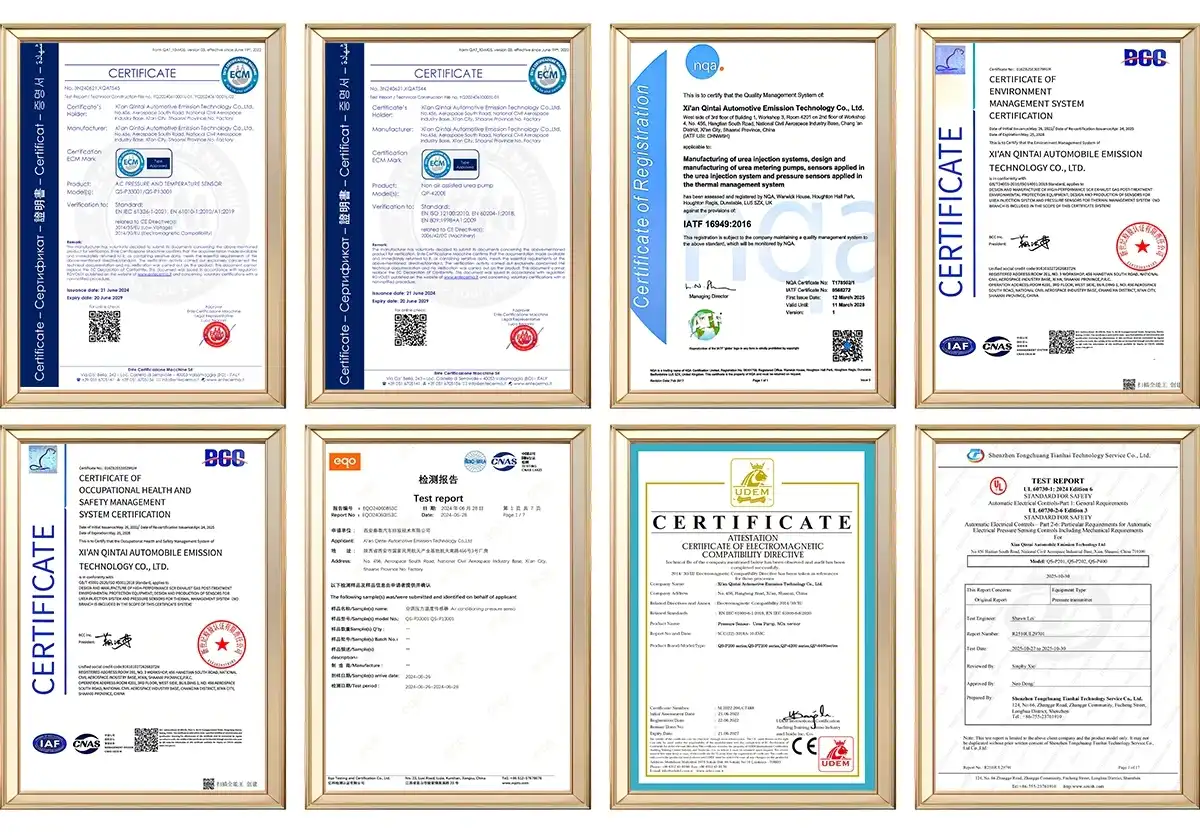
Checking possible suppliers' quality management certifications that are important to your business is the first thing you should do when evaluating them. ISO 9001 sets general standards for quality systems, while IATF 16949 talks about the needs of the car supply chain. For sensors to work in dangerous places, they need to be certified as explosion-proof (Ex, ATEX). Documentation that shows environmental compliance, such as RoHS and REACH declarations, protects against regulatory risks and problems in the supply chain.
Quality of technical documents shows how good the supplier's engineering skills are and how committed they are to customer service. Instead of making hazy marketing claims, detailed datasheets list performance factors and test conditions. Tolerances and material specifications are shown on mechanical drawings so that the system can be put together correctly. Application notes show that you know how to deal with startup problems and fix common problems. Suppliers who give finite element analysis reports and reliability test data set themselves apart from sellers of standard components.
Strategic partners are different from catalogue wholesalers because they can customise products. When used in OEM applications, certain electrical connectors, pressure port configurations, or output signal formats are often needed. Suppliers with in-house engineering and flexible manufacturing can handle these changes without charging too much for tools or taking too long to deliver. Product launch schedules are sped up and technical risks are lower when development partnerships include enough prototypes for validation testing.
Managing lead times is very important when you need to balance the cost of goods with the freedom of production. Setting up framework agreements with delivery schedules based on forecasts helps suppliers plan their capacity while giving buyers the freedom to change quantities. With consignment inventory programs, sellers pay for the costs of keeping inventory while making sure that production lines always have what they need. Integration of electronic data interchange (EDI) makes it possible to automatically reorder and track shipments, which cuts down on administrative work.
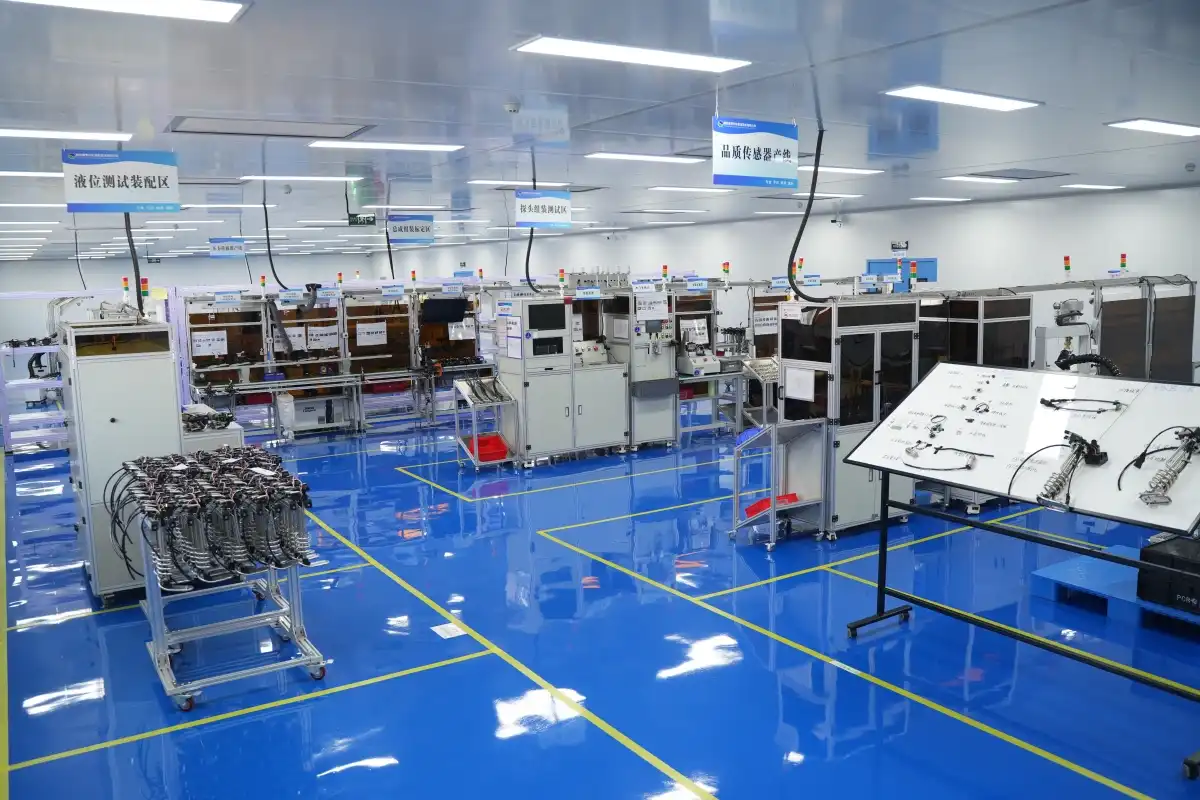
Over the past ten years, China-based suppliers have greatly improved quality and capability. Leading makers have now reached the same level of performance as well-known Western names. There are businesses like Xi'an Qintai Automotive Emission Technology Co. Ltd. show this change through IATF 16949 certification, large patent libraries, and OEM supply ties with big diesel engine makers. Any possible partner needs to be carefully evaluated for technical skills, quality systems, and quick customer service. This includes Chinese providers. Cost savings of 30 to 40 percent compared to sources in North America or Europe are strong economic incentives when technical needs for Sputtered Thin Film Pressure Sensors are met.
Conclusion
Sputtered Thin Film Pressure Sensors offer measurable performance benefits for tough industrial, automobile, and power generation uses. The atomic-level linking of sensor elements gets rid of problems with creep and drift, and the fully welded construction can handle rough media, high temperatures, and mechanical stress. Better precision, a wider temperature range, and a fast response at high frequencies allow for better system performance and compliance with regulations.
When making procurement plans, it's important to weigh the beginning prices of parts against their total ownership costs, which include things like calibration, maintenance, and how often they need to be replaced. When you work with qualified suppliers who offer expert help, the ability to make changes, and steady quality, you get more than just lower prices on parts. New digital interfaces and smart sensor features are being added to the technology all the time, which will make it even more useful in connected industrial systems.
FAQ
How does sputtering technology enhance sensor sensitivity?
Sputtered Thin Film Pressure Sensor technology creates ultra-thin resistive films with higher gauge factors than thick film options. This means that there is more resistance change per unit pressure. The atomic bonding gets rid of the flexible adhesive layers that take up mechanical deformation and put more stress on the sensing element. Precise thickness control makes sure that the sensitivity stays the same across all production amounts. This lowers the difference from unit to unit that makes system calibration more difficult.
Can sputtered sensors operate in extreme temperature applications?
Standard designs work reliably from -40°C to +125°C, and some special designs can handle temperatures up to +150°C. Polymer materials break down at high temperatures, so the all-metal welded assembly doesn't use them. Testing for thermal cycle makes sure that the performance stays the same through thousands of temperature changes. This extra feature is useful for situations near exhaust pipes or in cold areas.
What are typical lead times and minimum order quantities?
Catalogue items usually ship within 4 to 6 weeks, and you need to order at least 50 to 100 of them, based on the type. Custom specs like special pressure ranges, electrical connections, or packaging need 10 to 14 weeks after the design is approved, and the minimum order size is usually 500 to 1000 pieces. It usually takes 6 to 8 weeks to get development samples for validation testing. Framework agreements that promise a certain amount of work can cut down on lead times by giving companies dedicated production space.
Partner with Qintai for Reliable Sputtered Thin Film Pressure Sensor Solutions
Xi'an Qintai Automotive Emission Technology Co. Ltd. has over twenty years of experience making advanced sensors and systems that clean diesel engines and other parts. Leading diesel engine OEMs use our Sputtered Thin Film Pressure Sensor product line in heavy trucks, industrial equipment, farm equipment and generator sets. We have 58 idea patents and are certified by IATF 16949 and ISO 9001. Our pressure sensors are designed to meet the pollution standards for China VI and Euro VI, and we have proven that we can produce them in large quantities.
Our independent research and development team is always improving sensor performance by coming up with new ideas in material science and making the production process better. Full customisation services take into account special interface needs, pressure ranges, and environmental conditions that standard catalogue goods can't meet. Our application engineers are here to help you with any technical questions you have, from the initial specification to production validation. Whether you need pressure monitoring for SCR systems, DPF differential measurement, or hydraulic control, they can help.
Qintai is a reliable company that makes Sputtered Thin Film Pressure Sensors. They keep a lot of stock on hand so they can serve quickly and offer low prices for large orders. Our world delivery network helps customers in 60 countries get what they need after the sale. Email our team at info@qt-sensor.com to talk about your pressure sensing needs, get technical datasheets, or set up an evaluation sample. Visit qt-sensor.com to see our full line of sensors and learn how our manufacturing capabilities can help you improve your supply chain strategy by giving you accurate, high-performance pressure measurement tools.
References
1. Zhang, W. and Liu, H. (2019). "Advances in Thin Film Pressure Sensor Technology for Automotive Applications." Journal of Automotive Engineering, 233(8), 2145-2158.
2. Schmidt, R. and Mueller, K. (2020). "Comparative Analysis of Pressure Sensor Technologies for Diesel Engine Emission Control Systems." SAE International Journal of Engines, 13(4), 487-502.
3. Chen, Y., Wang, S., and Li, X. (2021). "Sputtering Deposition Techniques for High-Performance Pressure Sensors: Process Optimization and Reliability Analysis." Sensors and Actuators A: Physical, 315, 112-126.
4. Anderson, P. and Thompson, J. (2018). "Long-Term Stability Characteristics of Industrial Pressure Transducers in Harsh Environments." IEEE Transactions on Industrial Electronics, 65(9), 7234-7242.
5. Hoffman, M., Weber, T., and Fischer, G. (2020). "Material Selection and Construction Methods for Pressure Sensors in Exhaust Aftertreatment Systems." International Journal of Automotive Technology, 21(3), 789-801.
6. Kumar, R. and Patel, S. (2022). "Procurement Strategies for Sensor Components in Global Diesel Engine Supply Chains." Supply Chain Management Review, 26(2), 34-47.
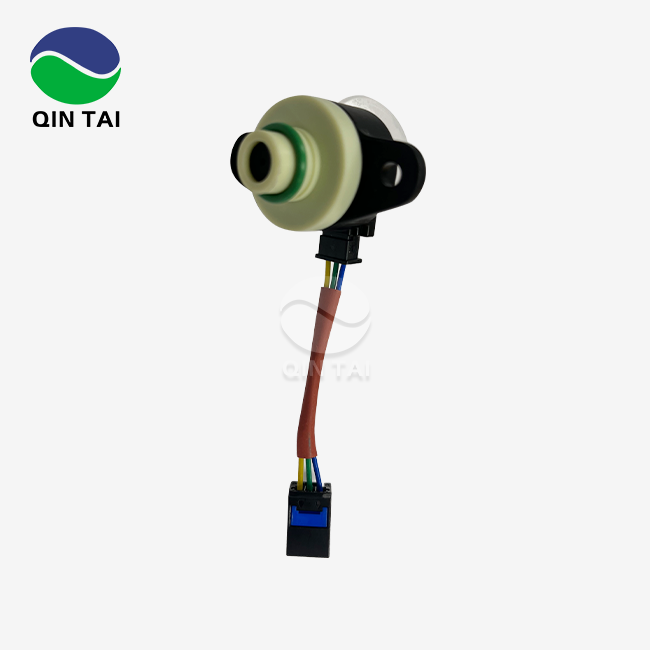


Our customers’ satisfaction speaks for our quality — contact us to experience the same reliable service.