- English
- French
- German
- Portuguese
- Spanish
- Russian
- Japanese
- Korean
- Arabic
- Greek
- German
- Turkish
- Italian
- Danish
- Romanian
- Indonesian
- Czech
- Afrikaans
- Swedish
- Polish
- Basque
- Catalan
- Esperanto
- Hindi
- Lao
- Albanian
- Amharic
- Armenian
- Azerbaijani
- Belarusian
- Bengali
- Bosnian
- Bulgarian
- Cebuano
- Chichewa
- Corsican
- Croatian
- Dutch
- Estonian
- Filipino
- Finnish
- Frisian
- Galician
- Georgian
- Gujarati
- Haitian
- Hausa
- Hawaiian
- Hebrew
- Hmong
- Hungarian
- Icelandic
- Igbo
- Javanese
- Kannada
- Kazakh
- Khmer
- Kurdish
- Kyrgyz
- Latin
- Latvian
- Lithuanian
- Luxembou..
- Macedonian
- Malagasy
- Malay
- Malayalam
- Maltese
- Maori
- Marathi
- Mongolian
- Burmese
- Nepali
- Norwegian
- Pashto
- Persian
- Punjabi
- Serbian
- Sesotho
- Sinhala
- Slovak
- Slovenian
- Somali
- Samoan
- Scots Gaelic
- Shona
- Sindhi
- Sundanese
- Swahili
- Tajik
- Tamil
- Telugu
- Thai
- Ukrainian
- Urdu
- Uzbek
- Vietnamese
- Welsh
- Xhosa
- Yiddish
- Yoruba
- Zulu
How Reliable Are Pressure Transmitters in Food Industries?
Pressure transmitters play a pivotal role in food manufacturing, where precise process control directly impacts product safety, quality, and regulatory compliance. A high reliability pressure transmitter designed specifically for food industry applications consistently delivers accurate measurements under demanding hygienic conditions, ensuring uninterrupted production and meeting stringent sanitation standards like FDA 21 CFR Part 11 and 3A Sanitary Standards.
These devices withstand frequent cleaning cycles, temperature fluctuations, and exposure to aggressive sanitizing agents while maintaining measurement integrity. The reliability of pressure sensing instruments in food processing environments depends on sensor technology, material compatibility, enclosure design, and adherence to industry certifications that validate both performance and safety in direct food contact applications.


Understanding High Reliability Pressure Transmitters in Food Industries
Key Features That Define Reliability in Food Processing
For pressure measuring tools that are used in food, they need to be specially made so that they meet both accuracy and cleanliness standards. 316L stainless steel and other materials like it are very good at resisting corrosion from acidic foods and cleaning solutions that are often used for sanitation reasons. Tri-clamp clamps and other sanitary process connections get rid of cracks where germs could grow, making sure that Good Manufacturing Practices (GMP) are followed.
These devices use advanced sensor technologies, such as capacitive silicon sensors that are very stable over a wide range of temperatures and piezoelectric elements that respond quickly to changes in pressure during filling or pasteurisation cycles. High-pressure washdown methods happen several times a day in dairy plants, beverage production facilities, and meat processing operations. Enclosure ratings of IP67 or higher protect internal devices from these processes.
Regulatory Compliance and Certification Requirements
When looking at pressure measurement solutions for food applications, procurement professionals need to make sure that the devices have the right third-party certifications that show they follow food safety rules. When something is approved by the FDA, it means that it meets biocompatibility guidelines and doesn't add any contaminants. The 3A Sanitary Standards approval proves that the design of the equipment makes it easier to clean thoroughly and stops germs from growing in areas that get wet during the process.
The European Hygienic Engineering & Design Group (EHEDG) approval gives you even more peace of mind that the transmitter was built according to world standards for clean design. Sometimes, ATEX and IECEx approvals are needed for devices that work in settings that could be explosive, like those that make food and contain flour dust, sugar powder, or alcohol vapours.
Sensor Technology and Measurement Accuracy
Choosing between capacitive and piezoelectric sensor technologies has a big effect on how reliable they are in the long run and how much they cost to own. Capacitive sensors with monocrystalline silicon diaphragms are very stable, with drift specifications as low as 0.1% over ten-year periods. This means that they don't need to be calibrated as often and don't need as much downtime. This technology works really well for tasks that need accurate results even when the temperature changes, like when filling hot containers or keeping an eye on cold storage.
Piezoelectric sensors respond more quickly—often in less than 100 milliseconds—which makes them perfect for uses where pressure changes quickly, like in the homogenisation process or the carbonation system in making drinks. Modern digital signal processing techniques fix issues caused by temperature and level out sensor output, making sure that the accuracy is ±0.055% or better across the preset measurement range.
Challenges Affecting the Reliability of Pressure Transmitters in Food Processing
Environmental Stressors in Food Production Facilities
Instruments used in food processing are put through conditions that speed up wear and damage and lower measurement accuracy if they are not properly protected. Changing temperatures from room temperature to high temperatures during cooking or pasteurisation puts stress on sensor elements and electronic parts. Transmitters in places that make frozen foods are exposed to temperatures below zero, which can damage the seal and cause condensation problems.
When cleaning, humidity levels that are getting close to saturation can get into enclosures that aren't sealed well enough, corroding electrical connections and lowering insulation resistance. Another big problem is chemical exposure. Cleaning products that are caustic, chlorine-based sanitisers, and acidic foods all damage materials that weren't made to be resistant to chemicals.
If the mounting options don't properly separate sensitive parts, vibrations from pumps, mixers, and transport systems can loosen connections and lead to measurement shift. High reliability pressure transmitter designs must account for these exact stressors—otherwise, even a robust sensor will fail prematurely in wet, chemically aggressive, or vibrating environments.
Common Failure Modes and Performance Degradation
Several ways for failure make it hard for pressure sensing devices used in food manufacturing to work reliably. Sensor drift happens when the mechanical properties of diaphragm materials change over time because of repeated temperature cycling or chemical contact. This leads to a slow measurement offset that needs to be fixed. When product residue clogs impulse lines or process connections, response slows down or stops completely. This is especially true in applications involving thick substances like sauces or dairy products.
If the diaphragm breaks because of high pressures when the pump starts up or the valve closes, it's a catastrophic failure that needs to be fixed right away. Moisture causing electronic parts to break down shows up as erratic signal output or device failure. Mechanical wear on process seals finally lets product get on internal parts, which lowers the accuracy of measurements and hygiene standards.
Maintenance Strategies and Best Practices
By following strategic maintenance practices, you can extend the service life of transmitters and keep their measurement accuracy over the course of their lifetime. Drift can be found before it affects process control or product quality by using certified reference standards for regular calibration checks. Recording the past of calibration produces the traceability that food safety management systems like HACCP need and makes it easier to use trend analysis to find devices that need to be checked more often.
During routine cleaning, checking the process connections for gasket wear, seal degradation, or product buildup that needs fixing is done. Unexpected failures during production runs can be avoided by replacing wear parts at times suggested by the maker. Modern receivers have advanced monitoring features that let you know early on when problems like clogged impulse lines or sensor degradation are starting to show up. This allows for condition-based maintenance, which makes the best use of resources and reduces unplanned downtime.
Comparing High Reliability Pressure Transmitters with Standard Options
Performance Metrics and Durability Differences
Industrial-grade pressure sensors that were designed to work with food perform much better than general-purpose devices that have been modified for clean service. High reliability pressure transmitters usually have accuracy specs of ±0.065% or better, while normal industrial receivers have specs of ±0.25%. This means that process control tolerances can be tighter, which cuts down on waste and improves product consistency.
Long-term stability is another important difference. Food-grade instruments keep their calibration accuracy within ±0.1% for many years, while standard devices may move 0.5% a year, which means they need to be recalibrated often, which stops production. Premium transmitters have temperature compensation algorithms that keep the accuracy that was promised across operating ranges from -40°C to 125°C without the need for extra temperature sensors. Basic models, on the other hand, have big measurement errors outside of narrow temperature bands.
Different types of mechanical robustness also exist. Hygienic design pressure transmitters can withstand 1500 psi washdown pressures and hundreds of thermal cycles without losing their seal, but standard units may have premature gasket degradation or housing corrosion when put through strict sanitation protocols.
Total Cost of Ownership Analysis
When judging pressure measurement solutions, you have to look at more than just the original buy price. High reliability pressure transmitters cost more—usually 30–50% more than standard industrial models—but they offer a great return on investment by requiring less maintenance and going longer between service intervals. Standard units need to be calibrated every six months, but devices with five-year stability specifications can be calibrated every 24 to 36 months. This greatly cuts down on labour costs and production downtime.
One more thing to think about is the warranty term. Most general-purpose devices only come with a one-year warranty, but top makers of food-grade transmitters offer three to five-year warranties. Industry dependability records show that premium sanitary transmitters have an average mean time between failures (MTBF) of more than 250,000 hours, while standard industrial models only last an average of 100,000 hours in similar situations.
Differences in energy economy have an effect on the costs of running big installations. For example, low-power digital transmitters use 70% less energy than standard analogue devices, which saves a lot of money for facilities with hundreds of measurement points.
Connectivity Options and System Integration
More and more modern food preparation plants are using digital communication methods, which are better than analogue signalling. The HART protocol adds digital data on top of 4-20mA signals, which lets you set up and diagnose things from afar without having to install any extra wiring. Foundation Fieldbus and Profibus PA allow for fully digital contact, which is needed for advanced device management and predictive repair. This is done through software tools for asset management.
High reliability pressure transmitter integration is equally critical in wireless deployments, as the same mechanical and environmental risks apply regardless of signal transmission method. Wireless pressure transmitters get rid of the need for expensive cables and complicated installations in retrofit situations or places where installing conduit is hard. The WirelessHART and ISA100 protocols make connection safe and reliable.
They meet the latency needs of process control applications and make network topology easier to manage in large production plants. When batteries last more than ten years, they don't need to be serviced as often. However, when installing wireless solutions across a whole building, network coverage, update rates, and security measures need to be carefully thought out.

Selecting the Best Pressure Transmitter for Your Food Industry Needs
Essential Selection Criteria and Specifications
When buying instruments to measure pressure in food preparation, many technical and business factors should be taken into account. The level of accuracy needed depends on how important the application is. For example, filling operations and recipe dosing need accuracy within ±0.1%, while monitoring tank levels can handle accuracy within ±0.5%. The pressure range should be able to be turned down by three times, so that a single emitter model can be used for more than one thing while still being accurate throughout its useful range.
Process temperature ratings must include the highest possible temperature plus a safety margin. For example, pasteurisation of dairy products needs to be able to handle 150°C, and aseptic processing needs to be able to handle 160°C. Material suitability checks make sure that wet parts won't rust when they come into contact with certain foods and cleaning chemicals used in sanitation processes. Hygienic certifications, such as 3A, EHEDG, and FDA compliance, show that a design is suitable for cleanliness.
Response time standards are very important in dynamic applications, where fast processes need receivers with a 90-millisecond response time and slower applications can handle response times of several seconds. Based on the risks in the process, electrical area classification tells us if we need normal, explosion-proof, or intrinsically safe types.
Leading Manufacturers and Product Lines
Several global equipment companies have created specific product lines to meet the needs of the food business. The 3051S sanitary emitter from Emerson's Rosemount line has a housing design that is easy to clean and coplanar flange choices that reduce dead space. Endress+Hauser's Cerabar series uses ceramic sensor technology, which is very resistant to chemicals and stays stable over time in harsh environments.
The Yokogawa EJA-E series transmitters use DPharp resonant sensor technology to achieve the highest levels of accuracy and stability in the industry, making them ideal for use in precise situations. The ABB 266 sanitary pressure transmitters are small and have displays built in, which makes setting them up and fixing problems easier. Siemens SITRANS P DS III transmitters are built in a way that lets communication protocols be upgraded in the field as building automation systems change.
Specialised companies like Anderson-Negele and WIKA make special goods that work best in certain food industries. For example, dairy-specific designs use steam barrier diaphragms, and brewery-specific models are rated for carbonic acid service. When buying teams look at providers, they should not only look at technical specs, but also how well they can service customers in their area, how easy it is to get spare parts, and how good the application engineering support is.
Strategic Procurement Approaches
When buying pressure measurement equipment, it's important to find a mix between short-term cost concerns and long-term value creation. Standardisation on single-manufacturer systems makes it easier to keep track of spare parts, lowers the need for training, and often lets buyers get 15–25% off of big orders. OEM partnership programs give you access to custom configurations, longer warranty terms, and faster technical support, all of which are helpful in an emergency.
When figuring out the total cost of ownership, you should include the costs of tuning, the rate at which the gadget is likely to break, and how much energy it uses over a period of ten years or more. Specifications need to be normalised before they can be compared because accuracy given in percentage of span is very different from accuracy given in percentage of reading. Asking for performance validation data from systems that have been used in similar situations gives you faith in the claims of reliability and helps you find any problems that are unique to your application.
Maintaining Trust and Optimizing Procurement of Pressure Transmitters
Certification Value and Third-Party Validation
There are independent certification programs that make sure pressure measuring devices really do work as claimed and meet food safety standards. Manufacturing sites that are ISO 9001 certified have documented quality control systems that make sure the quality of their products is always the same. IATF 16949 certification means that the company uses modern quality control methods that meet the standards of the car industry and can be used to make a lot of sensors.
High reliability pressure transmitter certification is non-negotiable when these devices are used in safety-critical roles, so the same rigorous validation applies here. By comparing claims of accuracy to traceable reference standards, metrological certifications from national standards bodies back them up. When pressure sensors work as safety instruments stopping dangerous situations, SIL (Safety Integrity Level) certifications become important. SIL 2 or 3 scores show that the system is safe according to IEC 61508 functional safety standards.
Material approvals, such as EN 10204 3.1 certificates, list the chemical make-up and mechanical qualities of wet components. This makes it possible to track the parts and make sure they are safe for food contact. NACE MR0175 compliance certifications make sure that materials don't crack under sulphide stress in sour service conditions that are sometimes found in food processing.
Industry 4.0 Integration and Future-Proofing Investments
Industrial Internet of Things (IIoT) architectures are being used more and more in modern factories to collect real-time data from sensors spread out in the factory for advanced analytics and planned maintenance. Pressure transmitters with built-in diagnostics produce operating data that goes beyond simple process readings. This data includes temperature compensation values, sensor health indicators, and communication quality measures that make condition tracking possible.
Options for connecting to the cloud make it possible to collect performance data from various production sites. This can help find systemic problems and make benchmarking of business efficiency easier. When applied to historical pressure measurement data, machine learning algorithms find small patterns that point to developing equipment problems. This lets them be fixed before they cause process interruptions.
As networked instruments make them more likely to be accessed by people who aren't supposed to, cybersecurity concerns become very important. Authentication methods, encrypted communications, and secure boot processes on devices protect production networks from new threats while keeping data integrity needed for food safety recording systems to meet regulatory requirements.

Conclusion
In the food industry, the dependability of pressure transmitters rests on carefully choosing devices that are designed to work in a clean environment, have the right certifications, and come from companies that are dedicated to food safety standards. When you spend more on high reliability pressure transmitter solutions, you get measurable returns in the form of longer calibration intervals, lower failure rates, and better process control that lets you make better products. As rules about food safety change and automation technologies get better, facilities can keep doing well in markets that are getting more competitive by working with experienced sensor makers that offer both tried-and-true goods and quick expert support.
FAQ
What certifications should food-grade pressure transmitters carry?
Food processing pressure transmitters should have 3A Sanitary Standards certification, which proves they are made in a way that is clean, FDA compliance, which shows the material is safe for food contact, and EHEDG certification, which shows they can be cleaned. For protection against explosive atmospheres, ATEX or IECEx certifications may be needed depending on the risks of the application. ISO 9001 certification for production means that quality control is always the same.
How often do pressure transmitters in food plants require calibration?
How often a device needs to be calibrated depends on its quality, how important the application is, and the rules that apply. High reliability pressure transmitters with written stability specs can work for 24 to 36 months without being calibrated, while standard devices usually need to be checked once a year. Checks may have to be done every three months on critical measurement points that affect product safety. Manufacturers give stability data that supports longer periods between calibrations.
Can one pressure transmitter design serve multiple food processing applications?
Modern digital transmitters with a wide range (10:1 or more turndown) can be used for a number of different tasks as long as they stay within their pressure and temperature limits. Tri-clamp fittings and other sanitary process links are used in a lot of different food uses. Suitability is based on how well the material works with other goods and cleaning agents. Standardising on versatile models makes it easier to keep track of spare parts and train repair staff, and it may also lead to big buy savings.
Partner with Qintai for Superior Pressure Sensing Solutions
Qintai Automotive Emission Technology Co., Ltd. Ltd has been making sensors for 20 years and can help food industry systems that need reliable pressure measurement tools. Our wide range of products includes advanced silicon sensor technology and sanitary housing designs that meet international food safety standards for high reliability pressure transmitters designed for clean settings. We are the biggest pressure sensor supplier in China, and our products are certified to meet the standards of ISO9001, IATF16949, and REACH. This means that we can give purchasing managers the quality assurance they need for important process control applications.
Our own research and development means that we can change the specifications, process connections, and output signals of our pressure transmitters to fit your exact needs. This is true whether you need a specific material for harsh cleaning chemicals or higher temperature ratings for sterilisation processes. Our sensors have been used in demanding car emission control systems and have shown to be accurate, stable, and long-lasting. These qualities are important in the food business, where dependability affects both product safety and profits. Your process control strategy can be improved and the total cost of ownership lowered by talking to our expert team at info@qt-sensor.com about our high reliability pressure transmitter options.
References
1. Anderson, K. L. (2021). Instrumentation Systems for Food Processing: Design and Application Guidelines. Food Technology Publications.
2. Chen, M., & Roberts, T. A. (2020). Reliability Analysis of Pressure Measurement Devices in Hygienic Processing Environments. Journal of Food Engineering, 288, 110-124.
3. European Hygienic Engineering & Design Group. (2019). Hygienic Equipment Design Criteria: Guidelines for Pressure Sensors. EHEDG Document 8.
4. International Society of Automation. (2022). ANSI/ISA-77.60.01: Fossil Fuel Power Plant Instrumentation—Pressure Transmitters. ISA Standards.
5. Miller, P. R., & Thompson, D. S. (2023). Total Cost of Ownership for Process Instrumentation in Food Manufacturing. Food Processing Technology Quarterly, 15(3), 45-62.
6. U.S. Food and Drug Administration. (2020). Code of Federal Regulations Title 21 Part 11: Electronic Records and Signatures. Government Printing Office.
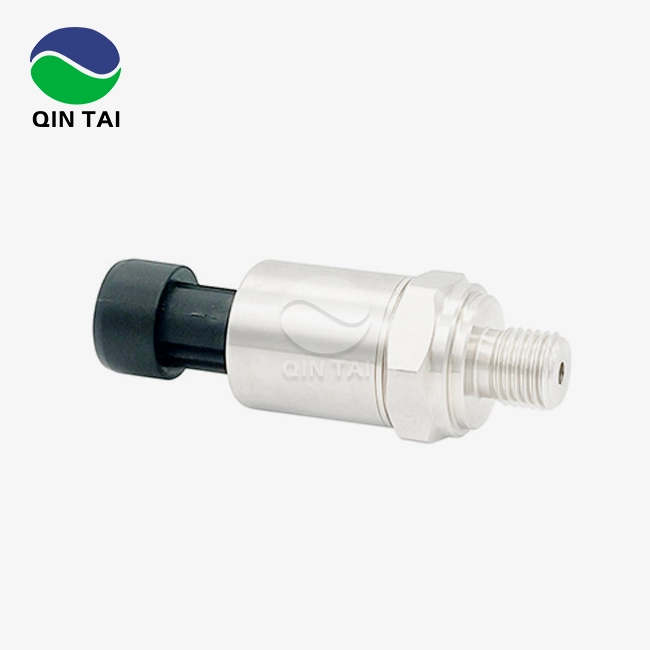
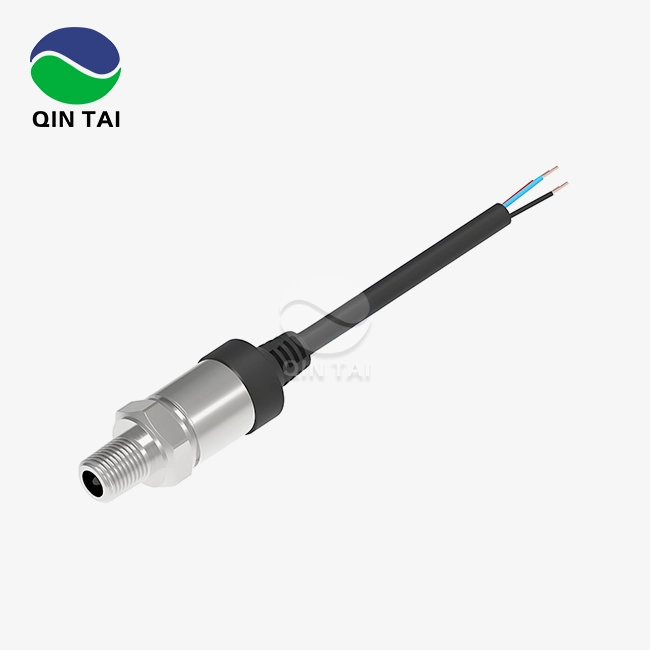
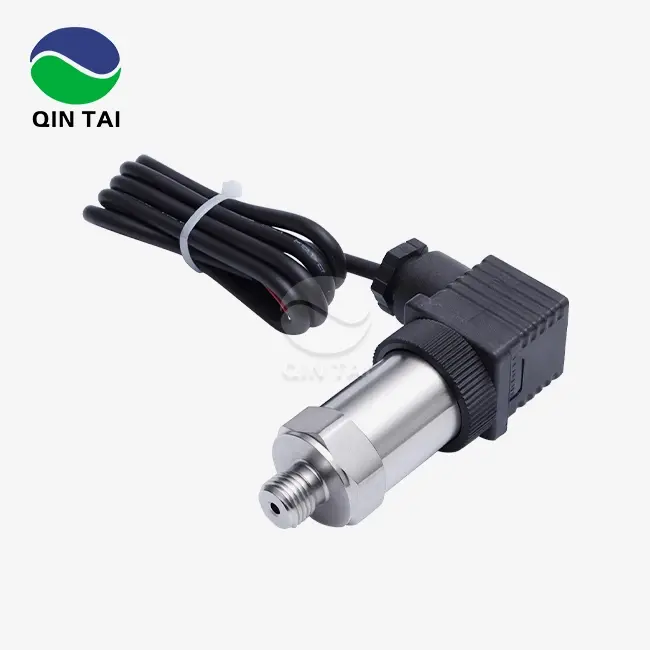


Our customers’ satisfaction speaks for our quality — contact us to experience the same reliable service.