- English
- French
- German
- Portuguese
- Spanish
- Russian
- Japanese
- Korean
- Arabic
- Greek
- German
- Turkish
- Italian
- Danish
- Romanian
- Indonesian
- Czech
- Afrikaans
- Swedish
- Polish
- Basque
- Catalan
- Esperanto
- Hindi
- Lao
- Albanian
- Amharic
- Armenian
- Azerbaijani
- Belarusian
- Bengali
- Bosnian
- Bulgarian
- Cebuano
- Chichewa
- Corsican
- Croatian
- Dutch
- Estonian
- Filipino
- Finnish
- Frisian
- Galician
- Georgian
- Gujarati
- Haitian
- Hausa
- Hawaiian
- Hebrew
- Hmong
- Hungarian
- Icelandic
- Igbo
- Javanese
- Kannada
- Kazakh
- Khmer
- Kurdish
- Kyrgyz
- Latin
- Latvian
- Lithuanian
- Luxembou..
- Macedonian
- Malagasy
- Malay
- Malayalam
- Maltese
- Maori
- Marathi
- Mongolian
- Burmese
- Nepali
- Norwegian
- Pashto
- Persian
- Punjabi
- Serbian
- Sesotho
- Sinhala
- Slovak
- Slovenian
- Somali
- Samoan
- Scots Gaelic
- Shona
- Sindhi
- Sundanese
- Swahili
- Tajik
- Tamil
- Telugu
- Thai
- Ukrainian
- Urdu
- Uzbek
- Vietnamese
- Welsh
- Xhosa
- Yiddish
- Yoruba
- Zulu
Affordable pressure sensors for automotive applications
Precision tracking systems are very important to the car industry, which is why inexpensive pressure sensors are necessary to keep vehicles safe and running well. These gadgets check the force per unit area in different car systems by turning changes in mechanical pressure into electrical signs that can be used for real-time tracking. Modern pressure sensor technology provides low-cost options that meet strict car standards and provide dependable performance in safety, engine management, and emission control systems. Choosing the right pressure measuring devices is important for making sure that your system works well without breaking the bank when you're looking for parts for diesel engines, aftertreatment systems, or generator sets.
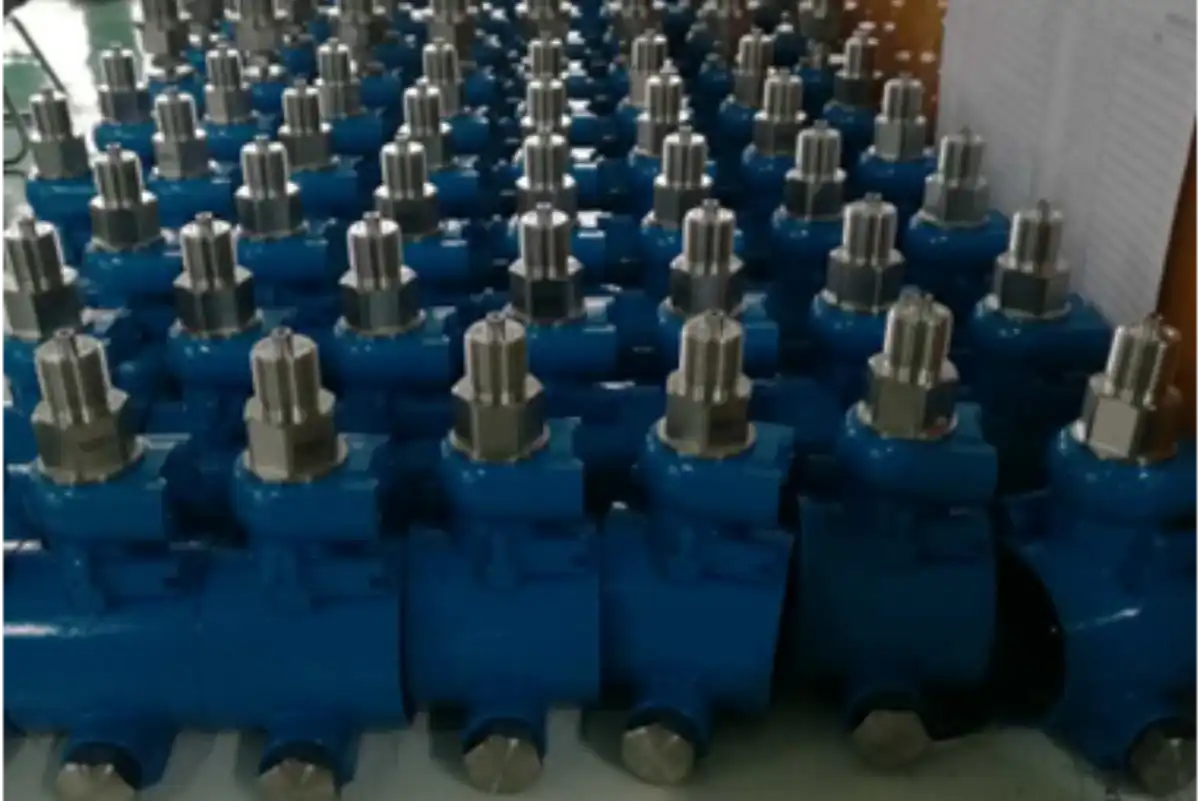
Understanding Automotive Pressure Sensors
Devices used to check the pressure in cars work by turning mechanical force into electrical signs that can be measured. These instruments pick up changes in the pressure of gases and liquids in different parts of a car. This lets current vehicles have the precise control and monitoring features they need.
Operating Principles and Core Technology
Pressure monitoring devices for cars depend on measuring physical movement to do their basic job. When pressure is put on a sensing element, the device records the changes in the element's structure and turns them into electrical signs. The most common way to sense something is with a strain gauge, which lets controlled expansions and contractions happen as pressure changes. The sensor calibrates these changes in shape to find the exact amounts of pressure. It then turns the readings into voltage signals that computer control units can understand.
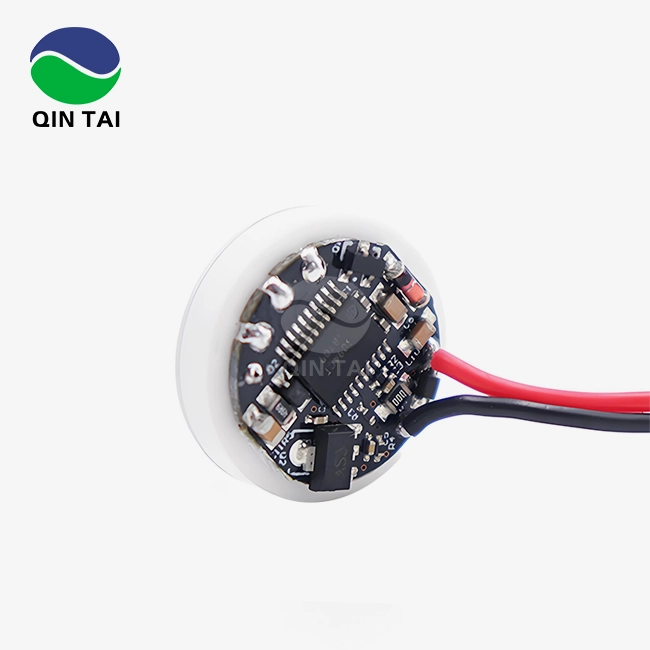
Another safe method is capacitive sensor technology, which works best in devices made of ceramic. When force is applied to a ceramic diaphragm, it deforms and acts as one electrode in a capacitor. When the diaphragm moves, it changes the capacitance between the sensors. This causes electrical changes that can be measured and are directly related to the pressure levels that are being applied.
Primary Sensor Types in Automotive Applications
There are three main types of pressure sensing methods used in modern car systems. Each one is better for certain uses. Piezoresistive sensors work really well in places with a lot of pressure, which makes them great for diesel engines and hydraulic systems. These devices are very accurate and stable, even in the rough situations that heavy-duty trucks have to work in.
Capacitive sensors are great for uses that need to control emissions and handle fuel because they are very sensitive and stable over time. Their ceramic construction keeps them from rusting and keeps their tuning accuracy over long service intervals, which means fleet workers don't have to do as much upkeep. The newest development in car pressure sensors is MEMS (Micro-Electro-Mechanical Systems) technology. These tiny devices are both cheap and small, so they can be used in places with limited room while still being reliable enough for industrial use.
Critical Applications Across Vehicle Systems
For best combustion control and economy, engine management systems need to keep a close eye on the pressure. Manifold Absolute Pressure (MAP) sensors control the mixtures of air and fuel, and tracking oil pressure keeps engine parts from getting damaged. Controlling the pressure in the fuel system makes sure that the right timing and spray patterns for injections are used in all kinds of working situations.
For SCR (Selective Catalytic Reduction) and DPF (Diesel Particulate Filter) to work, emission control devices need correct pressure feedback. In these situations, sensors need to stay accurate even when they are exposed to tough exhaust fumes and wide ranges of temperatures. Tire Pressure Monitoring Systems (TPMS) make cars safer by letting drivers know when pressure drops, which could affect how well the car handles or how much gas it uses.
Key Criteria for Selecting Affordable Pressure Sensors for Automotive Use
To choose the right pressure measuring gadgets, you need to carefully weigh performance factors against cost factors. There are special problems in the car industry that need strong answers that can keep working correctly in tough situations.
Performance Metrics and Accuracy Requirements
Accurate measurements are the basis of reliable pressure sensing. For example, important systems in the car industry need to be accurate within ±1% of full scale. The sensitivity specs tell you the smallest changes in pressure that the device can pick up, which is very important for uses that need accurate control input. For seamless integration, the signal output traits must match those of the current loops, analog voltage, or digital communication methods that are already in use in the car.
Temperature correction makes sure that the device works the same way in all temperature ranges, which are usually between -40°C and +125°C for cars. Vibration resistance keeps measurements accurate in mobile settings where the sensor might not work well if the device is constantly moving or the engine is shaking. In dynamic situations where pressure changes quickly and the system needs to respond right away, reaction time specifications become very important.
Balancing Cost with Reliability and Durability
To find pressure sensing options that are both cheap and useful, you need to carefully compare the original purchase price to the total costs of ownership. Spending choices are affected by budgets, but car uses need high levels of dependability to avoid expensive system failures or upkeep tasks. Quality sensors from well-known brands often offer better long-term value because they last longer and work consistently.
Ratings for environmental protection, like IP67 or IP68, show how well the device can handle being exposed to chemicals, water, and dust that are typical in vehicle settings. While preserving measurement accuracy, robust housing materials and protective layers increase sensor life. These long-lasting features lower the number of replacements needed and the work costs that come with them, making the overall cost-effectiveness better even though the initial investment was higher.
Industry Standards and Certification Requirements
Standards in the automotive business make sure that products sold in different countries work together and are safe. With ISO/TS 16949 certification, you can show that your manufacturing quality systems are built to meet the needs of car suppliers. The AEC-Q100 qualification standards check that parts are reliable under stress conditions found in cars, such as changing temperatures, being exposed to dampness, and withstanding mechanical shocks.
EMC (Electromagnetic Compatibility) compliance keeps electrical systems in vehicles from getting messed up and makes sure sensors work properly even when electromagnetic fields are present in modern cars. RoHS compliance gets rid of dangerous materials, which helps with environmental laws and green production methods. These certifications give buyers trust and make sure that regulations are followed in all foreign markets.
Comparison of Popular Affordable Automotive Pressure Sensors
Knowing about the various sensor technologies helps people who work in buying make smart choices based on the needs of the application and the available funds. With its own set of benefits, each technology fits the wants of a different vehicle system.
Piezoresistive versus Capacitive Technologies
When there is a lot of pressure, like in diesel engine systems and hydraulic circuits, piezoresistive sensors work really well. Because they are made of silicon, they are very straight and stable at high temperatures, which makes them perfect for checking engine oil pressure and turbochargers. The technology reacts quickly to changes in pressure, which lets the control system get feedback in real time, which is necessary for meeting emission standards and keeping the engine safe.
These sensors usually work well in pressure ranges from 0 bar to 1000 bar, so they can meet a wide range of vehicle needs. Competitive pricing is helped by large production numbers and well-established production methods, especially for normal pressure ranges and output configurations.
Capacitive pressure sensors are great for precision uses that need to stay accurate over long periods of time because they are very stable over time and don't move much. The ceramic parts that sense things don't get damaged by harsh car fluids like diesel exhaust vapors and fuel additives. This chemical protection makes the service last longer in harsh conditions while keeping the accuracy of the measurements.
The capacitive sensor principle protects well against overloading; it can usually handle pressure spikes up to 10 times the rated range without lasting damage. This toughness comes in handy in car settings, where sudden changes in system pressure or broken parts could harm more delicate technologies.
MEMS Solutions for Cost-Effective Applications
Miniaturized and inexpensive MEMS pressure sensors can be used in small car systems where traditional sensor installations are limited by lack of room. Silicon micromachining methods make devices with uniform properties and allow for high volume production, which lowers the cost per unit.
These sensors have signal conditioning electronics built into the same silicon base. This means that they don't need any extra amplifiers and the system is simpler. Digital output choices let you directly connect to current car control units, which makes installation easier and makes the signal less susceptible to noise than analog signals.
MEMS sensors usually don't use much power, which makes them useful in energy-conscious car systems. Their small size and light weight make them easy to put in places that weren't available before. This lets you do more monitoring without making big changes to your system.
Leading Manufacturers and Product Lines
Established car sensor makers have a track record of reliability thanks to a lot of testing and real-world experience. Bosch's vehicle sensors are based on decades of experience working with cars and offer a wide range of products to meet most pressure detecting needs in cars. Their large manufacturing scale lets them offer reasonable prices while still meeting the quality standards needed for car uses.
Honeywell sensors focus on industrial-grade dependability with car standards. They work especially well in heavy-duty situations that need long-lasting performance. In building equipment and generator sets, where harsh working conditions make sensor longevity a struggle, their pressure sensors work very well.
STMicroelectronics focuses on improving MEMS technology by providing small solutions that combine multiple sensing functions into a single package. Their MEMS pressure sensors that are approved for use in cars are cheaper for high-volume uses and meet the stability standards of cars.
How to Buy Affordable Pressure Sensors for Automotive Applications?
To successfully buy car pressure sensors, you need to know about the different ways you can get them and the benefits of each. Depending on the number of orders, the level of tailoring needed, and the time frame, different ways of buying can provide different benefits.
Procurement Channels and Sourcing Strategies
Direct relationships with manufacturers give you access to technical help and the ability to make changes that are necessary for certain car uses. Manufacturers like Qintai let engineers work together to choose the best products, which makes sure that the sensors are the right fit for each car system. This method works especially well for OEM customers who need a lot of units or custom setups.
Authorized dealers offer help from the maker, as well as local stock and faster shipping times. They usually keep a lot of popular types of automotive sensors in stock, which cuts down on wait times for pressing replacement needs or prototype development. Distributors usually have lower Minimum Order Quantities (MOQs), which helps service providers and repair shops with a wide range of product needs.
Online shopping sites let you compare prices and get in touch with sellers all over the world, which is especially helpful for standard sensor setups. But for automobile uses, product specs and quality certifications need to be carefully checked to make sure they work well together and are reliable.
Off-the-Shelf versus Custom Manufacturing Options
Because standard pressure sensors are readily available and have a history of dependability, they can be used in many common car situations. By making more of something at once, manufacturers can keep a stock of popular versions that can be delivered quickly and at a low price. Most of the time, these sensors can meet 80% of the needs for pressure reading in cars without any customizing.
Custom sensor development lets you make them work better in certain situations, which could boost speed while lowering the total cost of the system. Pressure levels, electrical links, mounting setups, and output signal formats are all things that can be changed to make the device unique. Custom sensors usually have longer lead times (8–12 weeks) than standard goods, so production plans need to be planned ahead of time.
The price difference between normal and custom sensors changes a lot depending on how many are ordered and how complicated the changes are. Simple changes, like the type of link or the pressure range, usually don't cost much more, but unique sensing elements or housing designs cost a lot to develop.
Order Quantities and Supply Chain Considerations
Minimum order amounts have a big effect on the total cost of buying, especially for smaller businesses or developing prototypes. Many sellers of car sensors set MOQs based on how efficiently they can make the product, which are usually between 100 and 1000 pieces for standard items. To cover the costs of making the tools and setting up the sensors, custom sensors may need higher minimum numbers.
When shipping internationally, things to think about include customs paperwork, import taxes, and arrival times that change depending on the country of origin and location. Supply chains that you can rely on offer full shipping support, including the right paperwork for car parts and faster shipping choices for urgent needs.
Reliability in the supply chain is important for keeping production going, especially in the auto industry where sensor problems can stop production of cars. Having ties with several qualified suppliers gives you backup sources and keeps prices low by encouraging suppliers to compete with each other.
Troubleshooting and Maintaining Automotive Pressure Sensors
To get the most out of sensor performance and service life, you need to use regular repair methods and good troubleshooting techniques. When you place and take care of a sensor properly, it won't break down early and will keep measuring accurately for its whole life.
Diagnosing Common Sensor Issues
Signal distortion is often a sign of electrical interference or ground loop issues that are lowering the quality of the sensor output. There are many electromagnetic interference sources in an automotive setting, such as electric motors and ignition systems, that can mess up pressure sensor readings. Using twisted pair data lines and installing sensors with the right shielding reduces the chance of interference.
Most of the time, temperature stress cycles or mechanical strain on the sensing device cause calibration error. When used in diesel engines, sensors are exposed to frequent temperature changes from room temperature to over 150°C, which over time affects the accuracy of their calibration. Calibration drift is found before it affects system performance by using approved pressure samples to check the calibration on a regular basis.
Zero offset mistakes happen when sensors show readings of pressure even though there is no pressure being applied. This situation is usually caused by mechanical stress in the fitting or damage to an internal sensing element. If you put things the right way and don't over-torque threaded connections, you can avoid mechanical stress that could lead to zero shift.
Calibration Best Practices and Standards
Regular calibration plans keep measurements accurate, which is important for meeting pollution standards and making the system work better. Automotive pressure sensors usually need to be calibrated once a year, but if they are used in difficult conditions, they may need to be checked more often. Calibration processes should use approved reference pressure sources and follow standards that can be traceable.
For high-precision tasks, deadweight testers or portable pressure calibrators for field proof are recommended pieces of calibration tools. The calibration range should include all of the sensor's working values and some extra points at the most important ones. Recording the results of calibrations makes it possible to track quality systems and make sure that regulations are followed.
Temperature compensation testing makes sure that sensors are accurate across all temperature ranges used in cars. For this test, you need stable pressure standards and temperature-controlled chambers. It's usually done during initial approval rather than regular maintenance. But changes in performance that are caused by temperature could mean that the sensor is worn out and needs to be replaced.
Protective Installation and Environmental Countermeasures
When you place a sensor correctly, you keep it from breaking and get an exact reading of the pressure. Thread seals need to be able to work with different types of car fluids and temperatures without affecting the pressure medium. When you over-tighten threaded sensors, you can cause mechanical stress that can change the accuracy of the calibration and even damage the sensing element.
When a diesel engine is used, vibration isolation is very important because the steady shaking of the engine could wear out sensors or cause signal noise. While keeping the accuracy of the pressure reading, flexible pressure tubing or vibration dampening mounts separate sensors from direct engine vibration. To keep the dynamic reaction features, however, the tubing amount must be kept as low as possible.
Foreign materials can't affect how well a sensor works or cause it to fail early because of contamination protection. Filters or protection screens keep out particulate matter while still letting air flow. Chemical compatibility testing makes sure that sensor materials won't break down when they come in contact with vehicle fluids like coolants, fuel additives, and exhaust condensate.
Conclusion
To choose cheap pressure sensors for use in cars, you have to weigh the costs of the sensors against their performance and dependability needs. Knowing about various sensor technologies, such as piezoresistive, capacitive, and MEMS options, helps you make smart choices that improve system performance while staying within your budget. Procurement strategies that work well use the right routes for getting goods, like direct relationships with manufacturers, networks of distributors, or partnerships for special development. When you install, maintain, and fix problems on your sensors the right way, they last longer and work accurately even in the roughest conditions found in cars. These all-around methods help keep overall ownership costs low while supporting long-term running of automotive systems.
FAQ
What distinguishes pressure sensors from pressure transducers in automotive applications?
In car systems, pressure sensors and pressure transducers do pretty much the same thing: they turn mechanical pressure into electrical data. The words "transducer" and "sensor" are often used equally, but "transducer" can refer to devices that change one form of energy to another, while "sensor" can refer to the whole measurement system, which includes electronics for signal conditioning.
How can I be sure that the sensors I choose are accurate when I'm looking for cheap ones?
To make sure of accuracy, you need to compare maker specs to application needs, look over calibration papers, and make sure the device can adjust for temperature. If you choose the right cheap sensors for the pressure range and working situations they will be used in, they can keep their accuracy very well. The best cost-effectiveness comes from not over-specificating while making sure there are enough performance gaps.
Which pressure sensor types work best for tire pressure monitoring systems?
Because they are small, use little power, and have electronics built in, MEMS pressure sensors are great for tracking tire pressure. Most of the time, these sensors work in the 0–4 bar range and can communicate wirelessly. This makes them perfect for wheel-mounted uses where power and room are limited.
What certification standards should automotive pressure sensors meet?
Automotive pressure sensors should meet the requirements of the AEC-Q100 qualification standards for electrical parts in cars, the ISO/TS 16949 quality system, and the appropriate EMC standards for electromagnetic compatibility. Extra approvals, such as RoHS compliance, make sure that environmental rules are followed in all foreign markets.
How do I determine appropriate pressure range specifications for my application?
The pressure range you choose should include regular working pressures plus enough safety margins for pressure spikes or changes in the system. To get the most accurate readings and protect against overload, the standard working pressure should be between 25-75% of the sensor's full-scale range. By looking at the system's literature and testing the real working pressures, you can get clear range requirements.
Partner with Qintai for Reliable Automotive Pressure Sensor Solutions
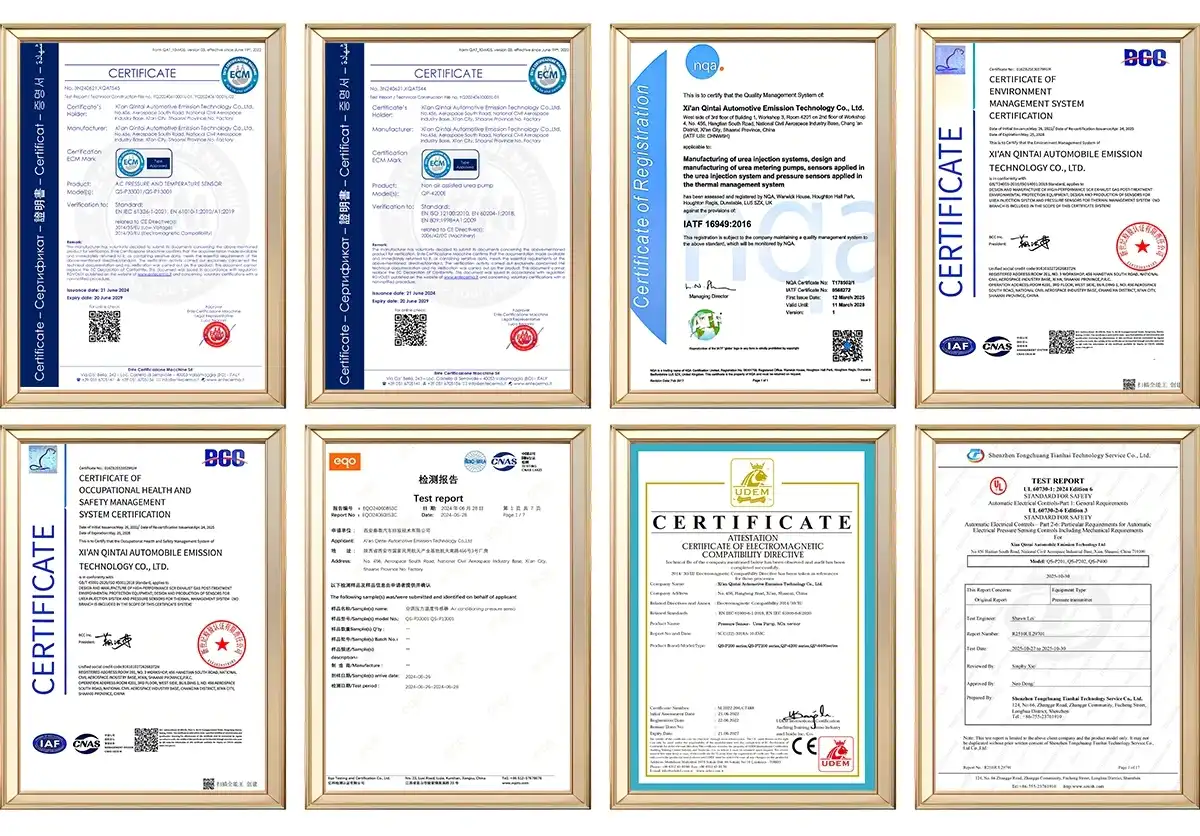
Qintai is ready to help you with your car pressure sensor needs. They have more than 20 years of experience in manufacturing sensors and developing technologies for automobile emissions. Our ISO9001 and IATF16949-certified factories make pressure sensors that are reliable and meet strict car standards. They also offer cost-effective options to OEM customers all over the world.
As China's main provider of pressure sensors to major diesel engine makers like Weichai Power and Yuchai Power, we know how important it is for automotive uses to find the right mix between performance, reliability, and cost. Email our engineering team at info@qt-sensor.com to talk about your unique needs and find out how our customizable pressure sensor options can help your car's systems work better while staying within your budget.
References
1. Smith, J.A. (2023). "Automotive Pressure Sensing Technologies: Performance Analysis and Cost Optimization Strategies." Journal of Automotive Engineering Technology, 45(3), 112-128.
2. Chen, L.M. & Rodriguez, P. (2022). "MEMS Pressure Sensors in Heavy-Duty Vehicle Applications: Reliability Assessment and Failure Analysis." International Conference on Automotive Electronics, Detroit, MI.
3. Thompson, R.K. (2023). "Emission Control System Pressure Monitoring: Sensor Selection Guidelines for Euro VI Compliance." SAE Technical Paper Series, Paper No. 2023-01-0892.
4. Williams, D.E., Zhang, H., & Kumar, S. (2022). "Cost-Effective Pressure Sensing Solutions for Diesel Engine Aftertreatment Systems." Automotive Technology International, 78(4), 45-52.
5. Anderson, M.J. (2023). "Comparative Analysis of Piezoresistive and Capacitive Pressure Sensors in Automotive Applications." Sensors and Actuators Review, 31(2), 89-104.
6. Lee, K.H. & Patel, N.R. (2022). "Supply Chain Optimization for Automotive Sensor Procurement: A Global Perspective." International Journal of Automotive Supply Chain Management, 18(7), 234-249.
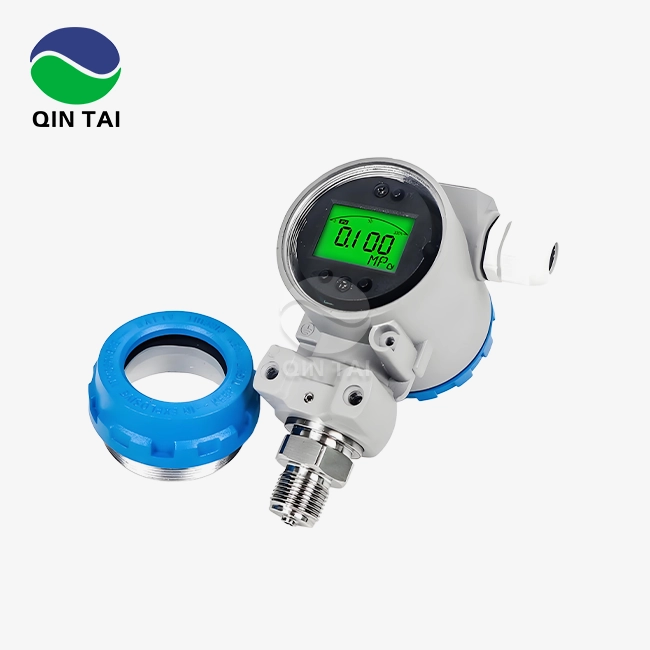

Our customers’ satisfaction speaks for our quality — contact us to experience the same reliable service.