- English
- French
- German
- Portuguese
- Spanish
- Russian
- Japanese
- Korean
- Arabic
- Greek
- German
- Turkish
- Italian
- Danish
- Romanian
- Indonesian
- Czech
- Afrikaans
- Swedish
- Polish
- Basque
- Catalan
- Esperanto
- Hindi
- Lao
- Albanian
- Amharic
- Armenian
- Azerbaijani
- Belarusian
- Bengali
- Bosnian
- Bulgarian
- Cebuano
- Chichewa
- Corsican
- Croatian
- Dutch
- Estonian
- Filipino
- Finnish
- Frisian
- Galician
- Georgian
- Gujarati
- Haitian
- Hausa
- Hawaiian
- Hebrew
- Hmong
- Hungarian
- Icelandic
- Igbo
- Javanese
- Kannada
- Kazakh
- Khmer
- Kurdish
- Kyrgyz
- Latin
- Latvian
- Lithuanian
- Luxembou..
- Macedonian
- Malagasy
- Malay
- Malayalam
- Maltese
- Maori
- Marathi
- Mongolian
- Burmese
- Nepali
- Norwegian
- Pashto
- Persian
- Punjabi
- Serbian
- Sesotho
- Sinhala
- Slovak
- Slovenian
- Somali
- Samoan
- Scots Gaelic
- Shona
- Sindhi
- Sundanese
- Swahili
- Tajik
- Tamil
- Telugu
- Thai
- Ukrainian
- Urdu
- Uzbek
- Vietnamese
- Welsh
- Xhosa
- Yiddish
- Yoruba
- Zulu
Should EU Buyers Source NOx Sensors from Asia?
The question of whether European Union buyers should source NOx sensors from Asia has become increasingly relevant as emission control requirements intensify across the automotive and industrial sectors. The answer is yes, but with careful consideration of quality standards, certification requirements, and supplier capabilities. Asian manufacturers, particularly those meeting international standards like ISO9001 and IATF16949, offer competitive pricing without compromising performance. Modern diesel nitrogen oxide sensors from established Asian suppliers demonstrate comparable accuracy and durability to European alternatives while providing significant cost advantages for procurement teams managing large-scale operations.
Understanding NOx Sensors: Critical Components for Emissions Control
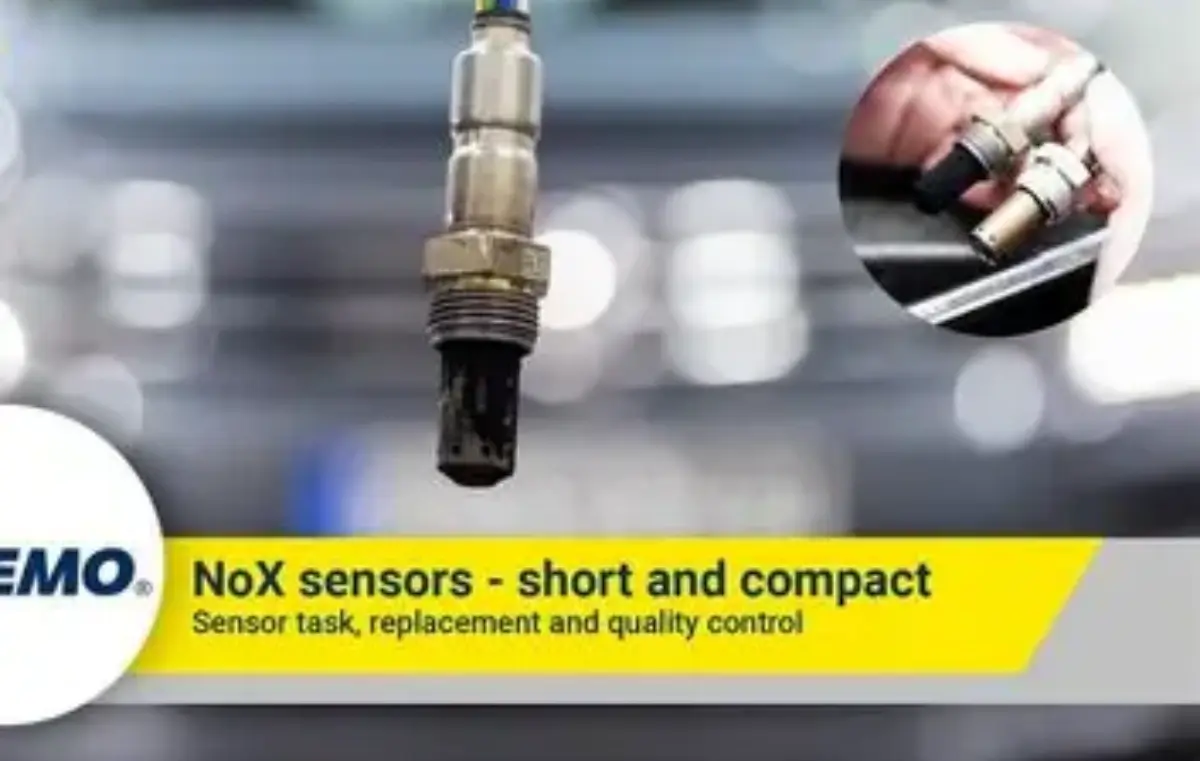
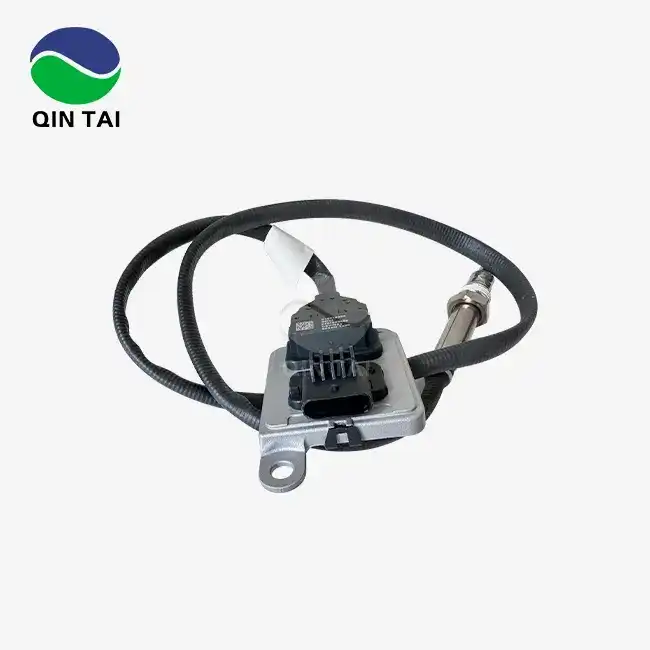
These days, NOx sensors are an important part of current pollution control systems, especially in heavy-duty diesel vehicles sold in Europe. These high-tech gadgets keep an eye on the amount of nitrogen oxide in the exhaust gases all the time and send real-time information to the Engine Control Unit (ECU) or SCR control module.
Essential Functions of Modern NOx Monitoring Systems
These sensors are responsible for a lot more than just measuring things. They carefully watch and manage the doses of urea in the SCR system, making sure that the right amount of AdBlue is injected at all times for the best emission reduction results. The sensors check how well the catalytic converter is working by comparing the amounts of NOx in the upstream and downstream streams. This gives important feedback for improving the system.
Another important function is regulatory compliance. These devices make sure that cars meet the strict Euro VI standards by continuously tracking emissions. When a sensor fails, the system instantly finds the problem and sends out diagnostic trouble codes. This lets workers know about possible problems before they get worse and become compliance violations.
Technical Architecture and Signal Processing
Modern NOx sensors are made up of several important parts that work together. Zirconia ceramic cell technology is used in the detecting element, and an integrated heating element keeps the device at the right temperature for use. Before sending data through digital protocols, usually via CAN bus systems to the ECU, signal filtering circuits clean up the raw data.
The sensor sends not only information about NOx levels, but also temperature measures and diagnostic state. This complete set of data makes it possible to use advanced engine management techniques that improve performance and control emissions in a wide range of working situations.
Strategic Placement and System Integration
For NOx sensors to work well, they need to be placed strategically in the exhaust system. Upstream sensors pick up the engine's raw NOx fumes, and downstream sensors check the amounts after the catalyst. This two-sensor setup lets you accurately figure out how well the catalyst is working and change the aftertreatment parameters in real time.
To provide full emission tracking capabilities, modern cars frequently have both upstream and downstream sensor integration. This information is used by the Engine Control Module to figure out the best time and amount of fuel injection. This makes sure that the engine burns fuel efficiently while still meeting pollution standards.
Performance and Quality Comparison: Asian NOx Sensors vs. European Alternatives
As production norms and quality control methods have improved, the difference in performance between Asian and European NOx sensors has shrunk by a large amount. Modern Asian companies now make sensors that meet European standards for precision, longevity, and response.
Quality Standards and Manufacturing Excellence
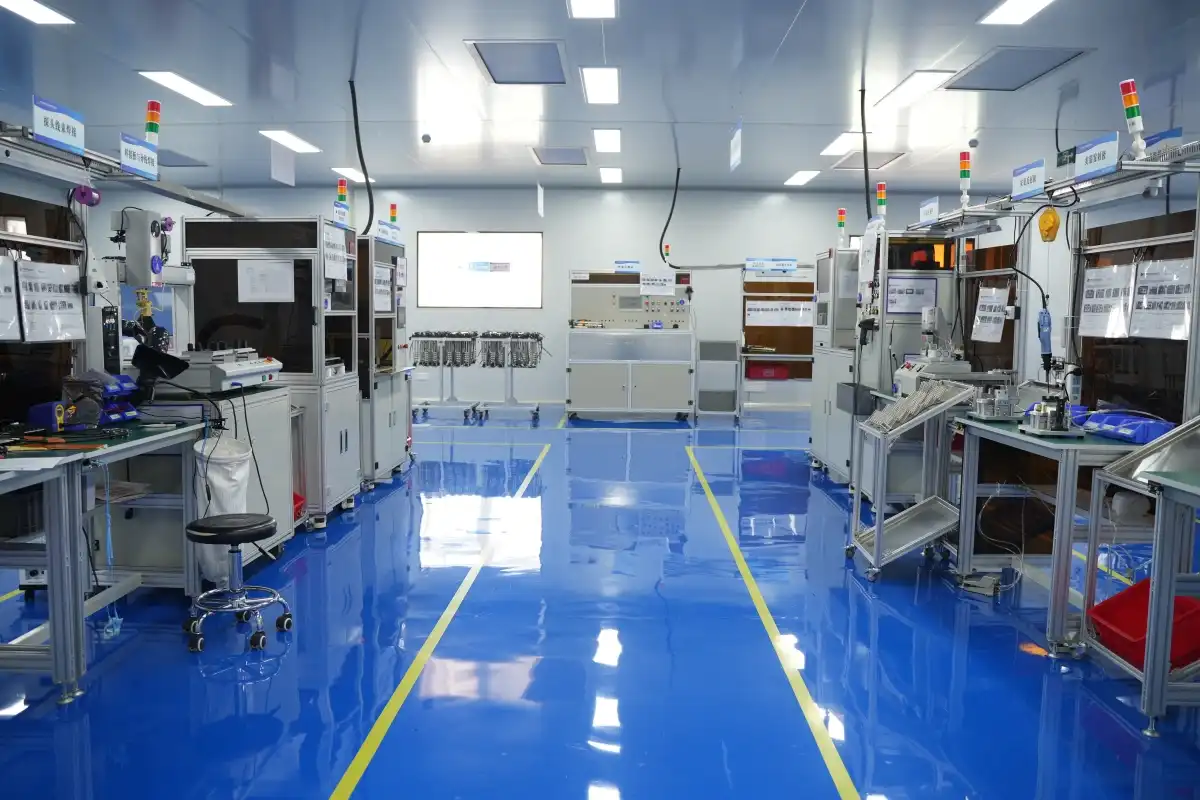
Major Asian providers have put a lot of money into building modern factories and programs to make sure products are of high quality. Companies that have ISO9001 and IATF16949 certifications show that they are dedicated to meeting quality standards for car products. When it comes to automation and precise manufacturing, these factories often do better than their European peers.
What sets them apart is not their basic technology, but how much they can make and how cheaply they can do it. Because they use economies of scale, Asian makers can offer low prices while keeping quality standards on par with well-known European names. Sensors are put through rigorous testing to make sure they meet or surpass OEM requirements for accuracy and durability.
Certification and Compliance Framework
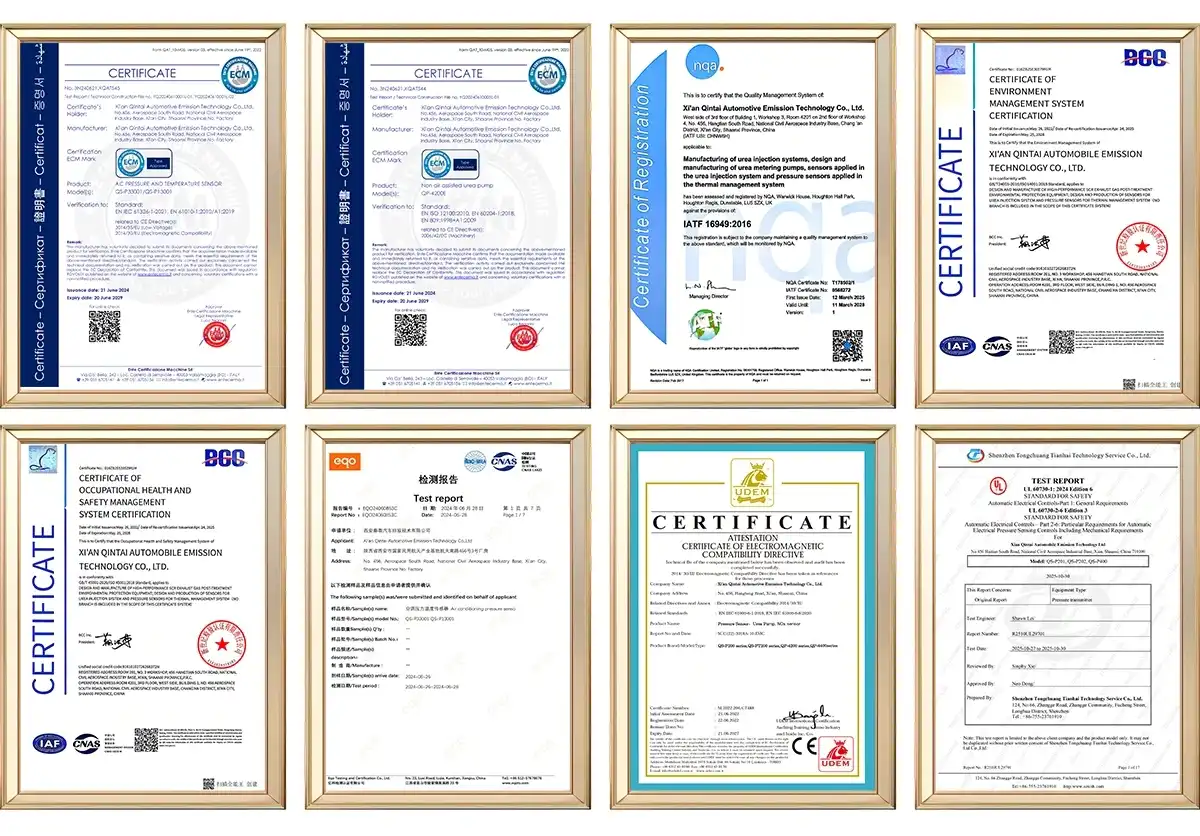
Asian companies that make NOx sensors are pursuing foreign approvals, such as CE marking, to get into the European market. These approvals show that a product meets European safety and performance standards. This lets people know that the product is safe for use in cars.
Modern Asian centers often go above and beyond what is expected when it comes to quality control. Advanced testing tools make sure that sensors work well in a wide range of temperatures, stress levels, and chemical exposure situations that are common in heavy-duty uses. With statistical process control, the quality of the result stays the same from one production run to the next.
OEM vs. Aftermarket Considerations
When deciding between OEM and aftermarket sensors, you have to weigh cost against performance promises. Asian companies make both OEM-specification goods and aftermarket options that are cheaper. OEM-grade sensors are certified to work with other devices and perform well, while aftermarket choices can save you a lot of money for applications that need to stay within a budget.
The total cost of ownership, not just the original buy price, is what procurement teams need to look at. High-quality Asian sensors often offer better value because they last longer and need less upkeep, which cancels out any price differences at the start of the component's existence.
Procurement Considerations for EU Buyers Sourcing NOx Sensors from Asia
European buyers looking at Asian sellers need to think about more than just the price at first to make sure the deal goes well. Shipping, customs taxes, and possible quality assurance costs that can affect the overall project economics are all part of the total buying costs.
Supplier Evaluation and Due Diligence
Verification of certificates and quality standards is the first step in a full seller evaluation. Potential suppliers should show that they have ISO9001 quality control systems, IATF16949 certification for the car industry, and any product-specific approvals needed for European markets, like CE marking.
When you do a manufacturing capability review, you look at things like production capacity, quality control methods, and the infrastructure for technical help. Site checks or reviews by a third party can tell you a lot about how things are really made and how quality control is done. Another thing to think about for strategic relationships is the financial security and long-term viability of the supplier.
Logistics and Supply Chain Management
When buying from Asian sources, it's important to plan ahead for lead times because shipping lengths and customs procedures can make delivery times longer. To make sure that materials move smoothly, effective supply chain management needs wholesalers, freight forwarders, and customs brokers to work together.
European providers have shorter replenishment processes, so inventory management plans need to take that into account. To avoid problems with the supply chain, many buyers keep safety stock levels or set up transfer arrangements. Clear paperwork and steps for following customs rules keep border crossings from being delayed.
Cost Analysis and Total Value Assessment
Asian sellers may offer lower prices, but you need to weigh those savings against the total cost of ownership, which includes shipping, taxes, and possible quality problems. Transportation costs change a lot depending on how much you buy, how you ship it, and how demand changes with the seasons. Strategies for buying in bulk can improve the efficiency of delivery while lowering the cost of logistics per unit.
Long-term supply deals need to take currency change risks into account. To deal with fluctuations in the exchange rate, many buyers use trading tactics or try to get prices lowered. Terms of payment and credit agreements also affect how much something costs all together and how to handle cash flow.
Addressing Potential Challenges and Risk Mitigation When Sourcing from Asia
Even though Asian NOx sensors are very good deals, buyers need to be aware of and prepare for possible problems in order to make sure the purchases go smoothly. Quality assurance, checking for suitability, and following the rules are the main things that need to be looked at.
Quality Assurance and Testing Protocols
Having strong incoming checking methods in place helps find possible quality problems before they are installed. Sample testing tools check how well sensors work by measuring things like accuracy, reaction time, and temperature stability. Statistical sample methods give you trust in the quality of the package as a whole while keeping checking costs low.
Supplier quality agreements spell out exactly what is expected in terms of performance standards, testing requirements, and how to take right action. Regular quality checks hold suppliers accountable and encourage efforts to keep getting better. Requirements for documentation make it possible to track things down and back up insurance claims when they're needed.
Compatibility and Integration Verification
European car systems might need to be tested before they can be used because they have special wiring configurations or communication methods. Compatibility testing makes sure that sensors work properly with diagnostic and ECU systems that are already in use. Before going into full-scale use, pilot setups make sure that the system works well in real-world situations.
During the merging phases, being able to provide technical help becomes very important. Suppliers should offer detailed instructions, help with application building, and help with fixing problems. Technical problems can be communicated more easily and quickly with the help of local technical reps or approved distributors.
Regulatory Compliance and Documentation
By knowing the emission standards that apply and the licensing requirements, you can avoid problems with compliance that could lead to expensive refunds or fines from the government. Suppliers must provide the right paperwork, like test results, installation directions, and certificates of conformity that meet European regulatory standards.
Warranty systems should be in line with European law and offer enough security against flaws in the product. Buyers are protected from losing money when parts fail because of clear warranty terms, claims processes, and repair/replacement routines.
Strategic Recommendations for EU B2B Buyers: Making an Informed Decision
Getting NOx sensors from Asian sources needs careful planning that matches what the buyer wants with what the seller can do and handles any risks that come with it. A methodical technique guarantees the best results for both performance and cost goals.
Supplier Partnership Development
Long-term value is created by building strong relationships with qualified Asian providers that lead to better communication, better assignment of priorities, and joint product creation. Strategic relationships help sellers understand what buyers want better and invest in skills that help both parties succeed.
Pilot projects are a low-risk way to see how well a supplier does before committing to bigger amounts. These programs let you test the quality of a product, how well it delivers, and how well it provides expert help in real-life situations. If the tests go well, they can be expanded to meet all the needs of production.
Application-Specific Procurement Strategies
Putting purchases into groups based on how important the application is lets you use the right risk management techniques. Critical applications may need high-end sources with a track record of success, while standard applications can use options that are designed for cost. This method to segmentation maximizes the total value of buying across a wide range of needs.
Strategies for volume reduction can help you negotiate better and lower the cost per unit. Getting buyers and sellers to work together on needs across multiple sites or product lines creates economies of scale that help everyone. Long-term contracts let suppliers know how much work they will be doing, which lets them spend in dedicated capability.
Technology Evolution and Future Planning
Procurement tactics stay up to date with industry trends by keeping up with changes in NOx sensor technology. Asian suppliers often come up with the most innovative ways to make things and cut costs. When buyers understand these changes, they can find new ways to get better results or lower costs.
As rules get stricter, it's important to keep an eye on how emission standards change. For long-term planning, having suppliers who can adapt to new needs is a significant benefit. Getting providers involved early on in planning for future needs leads to proactive growth instead of reactive scrambling.
Conclusion
European buyers can get high-quality NOx sensors from Asia as long as they carefully choose their suppliers and use risk management methods. These days, Asian makers offer appealing mixes of low prices, proven quality, and full certification compliance. Doing your research, setting clear quality standards, and building strong relationships with suppliers that support long-term goals are all important for success. Coordinating details and making sure everything works together can be hard, but they can be overcome with good planning and performance.
FAQ
What certifications should Asian NOx sensor suppliers have for European markets?
For Asian suppliers to be able to sell their goods in Europe, they need to have ISO9001 quality control approval, IATF16949 compliance, and CE marking. Extra approvals, such as REACH and RoHS compliance, make sure that environmental rules are followed.
How do Asian NOx sensors compare in accuracy to European alternatives?
Modern Asian NOx sensors made to meet car standards are just as accurate as European counterparts, with measurement accuracy of about ±5% across all temperature ranges. Quality varies by maker, so evaluating suppliers is very important.
What are typical lead times for NOx sensor deliveries from Asia to Europe?
Standard delivery times for sea freight are 25 to 35 days. Air freight cuts lead times to 5 to 10 days, but it costs more. For pressing needs, express services can get things to you in three to five days.
How can buyers verify NOx sensor compatibility with European vehicle systems?
Checking for compatibility means looking at technical specs, connection types, and communication methods. Before going live on a big scale, integration must be confirmed through pilot testing with sample car systems.
What warranty terms should European buyers expect from Asian suppliers?
Standard guarantees in the industry last between 12 and 24 months and cover flaws in the manufacturing process and performance requirements. The warranty terms should spell out how to fix or replace the item, who is responsible for shipping it, and how to get expert help.
Partner with Qintai for Premium NOx Sensor Solutions
Qintai stands ready to support your NOx sensor needs with its industry-leading knowledge and track record of excellent production. As the biggest maker of NOx sensors in China, we offer reliable pollution control solutions by combining cutting-edge research and development with high quality standards for the car industry. Our many certifications, such as ISO9001, IATF16949, and CE marking, show that we follow all European rules, and our 58 invention patents show that we are committed to constant innovation. Get in touch with our expert team at info@qt-sensor.com to talk about your needs and find out how our OEM-grade sensors can help your emission control systems work better while lowering the total cost of ownership.
References
1. European Environment Agency. "Air Quality Standards and Automotive Emission Control Requirements." Environmental Policy Review, 2023.
2. International Organization for Standardization. "Automotive Quality Management Systems: IATF16949 Implementation Guidelines." ISO Technical Publications, 2022.
3. Society of Automotive Engineers. "NOx Sensor Technology and Performance Standards for Heavy-Duty Applications." SAE Technical Papers, 2023.
4. European Commission. "Emission Control Regulations and Compliance Framework for Commercial Vehicles." EU Regulatory Documentation, 2022.
5. Automotive Industry Research Institute. "Global Supply Chain Analysis: Asian Automotive Component Manufacturing." Industry Analysis Report, 2023.
6. European Automotive Manufacturers Association. "Procurement Best Practices for Emission Control Components." ACEA Technical Guidelines, 2022.

Our customers’ satisfaction speaks for our quality — contact us to experience the same reliable service.