- English
- French
- German
- Portuguese
- Spanish
- Russian
- Japanese
- Korean
- Arabic
- Greek
- German
- Turkish
- Italian
- Danish
- Romanian
- Indonesian
- Czech
- Afrikaans
- Swedish
- Polish
- Basque
- Catalan
- Esperanto
- Hindi
- Lao
- Albanian
- Amharic
- Armenian
- Azerbaijani
- Belarusian
- Bengali
- Bosnian
- Bulgarian
- Cebuano
- Chichewa
- Corsican
- Croatian
- Dutch
- Estonian
- Filipino
- Finnish
- Frisian
- Galician
- Georgian
- Gujarati
- Haitian
- Hausa
- Hawaiian
- Hebrew
- Hmong
- Hungarian
- Icelandic
- Igbo
- Javanese
- Kannada
- Kazakh
- Khmer
- Kurdish
- Kyrgyz
- Latin
- Latvian
- Lithuanian
- Luxembou..
- Macedonian
- Malagasy
- Malay
- Malayalam
- Maltese
- Maori
- Marathi
- Mongolian
- Burmese
- Nepali
- Norwegian
- Pashto
- Persian
- Punjabi
- Serbian
- Sesotho
- Sinhala
- Slovak
- Slovenian
- Somali
- Samoan
- Scots Gaelic
- Shona
- Sindhi
- Sundanese
- Swahili
- Tajik
- Tamil
- Telugu
- Thai
- Ukrainian
- Urdu
- Uzbek
- Vietnamese
- Welsh
- Xhosa
- Yiddish
- Yoruba
- Zulu
What are the key differences between various types of pressure and temperature transmitters?
Different types of pressure and temperature transmitters vary in how they sense, what signs they send out, and what they can be used for. There are different kinds of pressure transmitters based on the type of measurement (absolute, gauge, or differential), the technology (mechanical vs. electronic), and the surroundings. Temperature transmitters are mostly different in the sensing parts they use (RTD, thermocouple, or semiconductor), how they process signals, and how reliable they are for commercial use. Engineers and purchasing managers can choose the best devices for emission control systems, aftertreatment uses, and automation needs in factories if they know these differences.

Understanding Pressure and Temperature Transmitters
Accurate tracking of pressure and temperature is a big part of modern industrial measurement systems, especially in diesel engine uses and emission control systems. These transmitters are very important parts because they change physical factors into standard electrical signals that can be used for control, tracking, and improving the process.
Working Principles of Pressure Transmitters
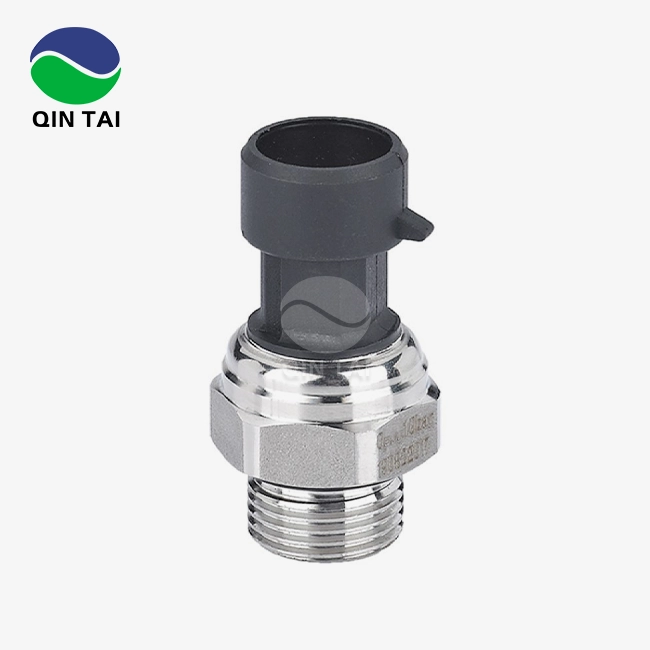
Pressure transmitters work by turning the pressure that is being measured into a standard electrical signal. These signals are usually either 0-5V or 0-10V voltage or 4-20mA current signals. Resistance strain gauges that react to deformation caused by pressure are used for detecting. Whenever the pressure changes, the stretchy parts like diaphragms or Bourdon tubes move, which makes the resistance change in the strain gauge assembly. This change in resistance causes a proportional voltage change that is increased and turned into standard output signals.
The precision of the measurement relies on a number of things, such as temperature adjustments, linearization circuits, and the steps used for calibration. Microprocessor-based signal processing is used in modern pressure transmitters to improve accuracy and allow digital contact through protocols such as RS485 or HART.
Temperature Transmitter Fundamentals
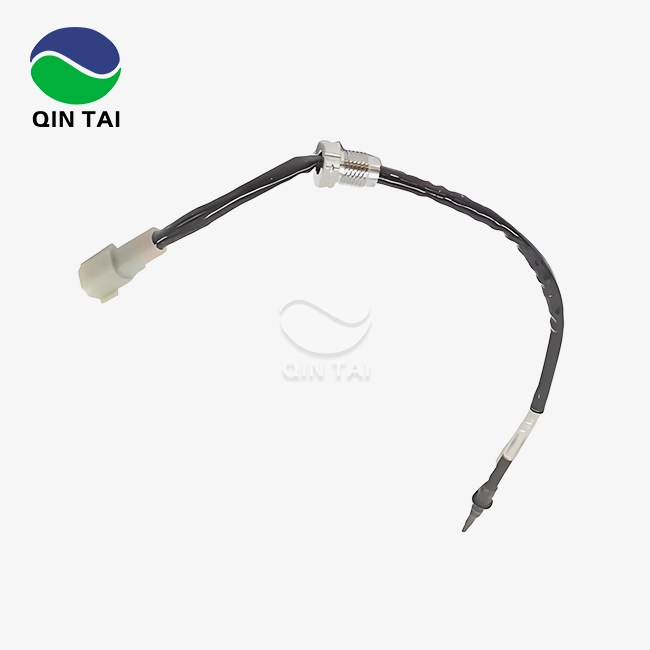
Pressure and Temperature transmitter use thermoelectric principles to turn readings of temperatures into electrical messages. Resistance Temperature Detectors (RTDs) and thermocouples are the main types of sensing technology. Each has its own benefits for different uses. RTDs work on the idea that metal resistance changes regularly as temperature changes. This makes them very accurate and stable for use in industrial settings.
When two different metals join together at different temperatures, the Seebeck effect creates an electric field that drives thermocouple-based transmitters. The weak signals are amplified, linearized, and filtered by circuitry in the transmitter module before they are turned into normal 4-20mA current loops.
Calibration and Accuracy Considerations
Calibration methods make sure that measurements are accurate across all temperature and pressure ranges that are used. Regular testing keeps the sensor's performance within certain error bands and makes sure it can be traced back to national standards. Vibration, electromagnetic interference, and changes in the atmospheric temperature can all affect the accuracy of measurements. This is why it is important to be very careful when choosing and installing sensors.
Key Differences Among Pressure Transmitter Types
Pressure transmitter methods have changed over time to meet the needs of a wide range of industries. There are big differences in how they are built, how they measure, and what kinds of jobs they can do. Knowing these differences helps people who work in procurement choose the best options for each business need.
Analog vs Digital Pressure Transmitters
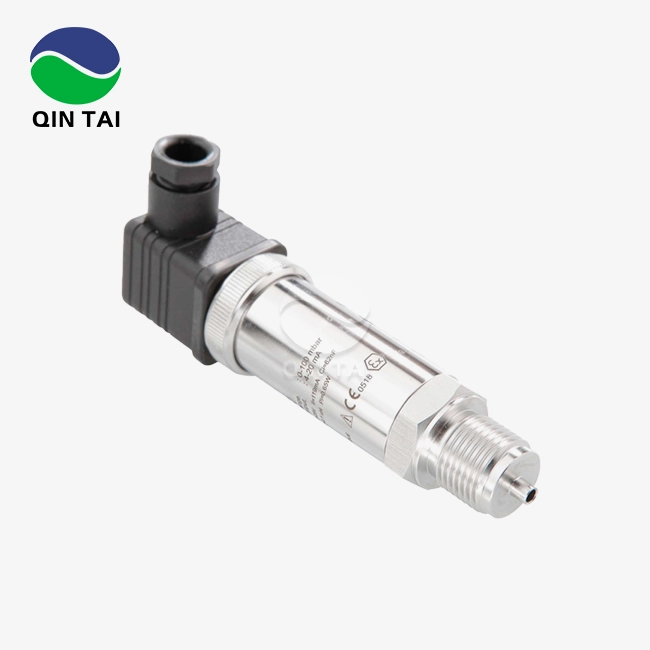
Analog pressure transmitters give off a steady 4-20mA current that is proportional to the range of pressures being monitored. These transmitters are easy to use, reliable, and work with a lot of different control systems. The analog output directly shows the pressure values, which makes it easy to connect to PLCs, DCS systems, and tracking gear.
Signal processing and transmission are built into digital pressure transmitters using microprocessors. They have advanced features like the ability to diagnose themselves, be configured remotely, and work with multiple protocols. Real-time compensation formulas and troubleshooting information from digital models often make them more accurate and help with predictive maintenance strategies.
Measurement Type Classifications
Based on their reference conditions, pressure transmitters can be broken down into three main types of measurement:
Absolute pressure transmitters: Because they measure pressure in relation to a perfect vacuum, absolute pressure transmitters can be used in situations where they don't need to depend on air pressure. These transmitters work great in places where the altitude changes and in situations where changes in air pressure could affect the accuracy of measurements.
Gauge pressure transmitters: Gauge pressure transmitters give readings that show whether the pressure is above or below the normal level of pressure in the atmosphere. They are used a lot in process control where the connection to air pressure is important for making decisions about how to run the business.
Differential pressure transmitters: Differential pressure transmitters find the difference in pressure between two process connections. This lets you track flow, find levels, and keep an eye on filters. These transmitters are very sensitive to small changes in pressure and can be used for a number of different tracking needs in industrial processes.
Environmental and Safety Certifications
Explosion-proof pressure transmitters have special housings made for dangerous places with flammable gases or fumes. These units have been approved by ATEX, IECEx, and FM, and they have flame-path container designs that stop fires from spreading. The strong building usually has materials that don't rust and better closing systems.
Compact pressure transmitters: When designing compact pressure transmitters, they focus on saving room while still measuring accurately. Their electronics are small and they have built-in mounting options that make them good for situations where there isn't much room for installation. Even though these transmitters are smaller, they still meet industrial-grade standards for accuracy, steadiness, and resistance to the environment.

Key Differences Among Temperature Transmitter Types
Temperature tracking methods are very different in how they work, how accurate they are, and what kinds of uses they can be used for. These differences have a direct effect on how well industrial automation systems and tools that control emissions work.
RTD vs Thermocouple Technologies
Platinum resistance parts in RTD-based temperature transmitters make them very accurate and stable over time. The PT100 and PT1000 versions have different levels of sensitivity. For precise tasks, the PT1000 has a better resolution. RTD transmitters work very well in situations that need great accuracy over a wide temperature range, usually from -200°C to +850°C.
RTD transmitters have great linearity and consistency, which makes them perfect for uses where accuracy is important. The three-wire and four-wire link types account for the effects of lead wire resistance, which guarantees accurate measurements over long cable runs.
Depending on the type of thermocouple, Pressure and Temperature transmitters based on thermocouple technology can usually operate over a much wider temperature range, typically from −270 °C to +1800 °C. Thermocouples of types K, J, T, and N each have unique properties that make them good for different temperature ranges and environments. Thermocouple transmitters can respond more quickly than RTD types, which makes them good for tracking changing temperatures.
4-20mA Output Signal Compatibility
The 4-20mA current loop standard blocks noise very well and lets you power the transmitter through the same two-wire link that sends signals. This setup makes installation easier and cuts down on cable costs, but the signal stays strong over long distances. The live-zero design (4mA minimum) lets you find open-circuit problems and helps with transmitter repairs.
Temperature transmitters with 4-20mA outputs work well with PLCs, SCADA networks, and industrial control systems that are already in place. The current signal stays stable even when the temperature changes or when there is electrical interference. This makes sure that data transfer is reliable in industrial settings.
Temperature Stability and Accuracy Analysis
Long-term steadiness is an important performance factor for temperature transmitters, especially in situations where they don't need to be serviced very often. Through temperature compensation methods and drift correction techniques, high-quality transmitters keep their accuracy levels for long periods of time.
Measurement error, linearity, hysteresis, and repeatability factors are all parts of accuracy standards. Depending on the sensing technology and signal processing skill, industrial-grade transmitters can usually get as accurate as ±0.1% to ±0.5% of full scale. Environmental factors like temperature, shaking, and electric fields can affect accuracy, so they need to be carefully thought through when choosing what to use.
How to Choose the Best Pressure and Temperature Transmitters for Your Application?
To choose the best pressure and temperature transmitters, you need to carefully consider the needs of the application, the surroundings, and the needs for system integration. This all-around method makes sure that the equipment works well and doesn't cost too much over its lifetime.
Selection Criteria and Performance Requirements
The environment has a big effect on choices about which transmitter to use. The basic fit for different uses is based on the operating temperature ranges, pressure values, and media compatibility. Wetted parts made of special materials like Hastelloy or Monel are needed for environments that are corrosive, and parts used in food-grade situations need to be certified as clean and have smooth surfaces.
The needs for accuracy must be in line with the needs for process control and the standards for legal compliance. For high-precision tasks, transmitters may need to meet higher standards, but normal accuracy grades can be used for general tracking tasks. When processes are changing quickly and need to update the control loop, response time becomes very important.
Signal compatibility includes the type of output, the communication methods used, and the power source needs. Two-wire 4-20mA systems are easy to use and reliable, while digital standards give more features and can be used for diagnostics. Power source availability and loop resistance estimates make sure that the transmitter works correctly within the limits of the system.
Brand Comparison and Market Analysis
Leading global producers have a wide range of products that meet the needs of different industries. Emerson Rosemount offers complete solutions for pressure and temperature, with advanced monitoring tools and a track record of dependability in harsh settings. Their goods come with a lot of certifications and support services that help large-scale commercial uses.
Endress+Hauser is a company that works on making the best measurement technology by coming up with new sensor designs and digital communication tools. Their transmitters use advanced data processing and are very stable over long periods of time, making them perfect for mission-critical uses.
Yokogawa focuses on using clever field devices to measure things precisely and make processes run more smoothly. Their goods have complicated calibration processes and integration features that make them useful for complex control strategies.
Procurement Considerations for B2B Buyers
Lead times are very different for different makers and types of goods. Standard products are usually ready in two to four weeks, while customized solutions can take eight to twelve weeks. Planning purchase plans around project deadlines keeps delays from happening and makes sure that the system is turned on on time.
When you buy more than a certain number of units each year, usually between 50 and 100 units, you can get a deal for buying in bulk. Long-term supply deals can save you money and make sure that you always have the products you need for ongoing projects.
Some of the things that are needed for certification are calibration certificates, material licenses, and proof of compliance for legal purposes. Quality management systems like ISO 9001 and IATF 16949 make sure that production methods are always the same and that products can be relied on.

Case Studies and Practical Applications
Real-life examples show how choosing the right transmitter can improve business efficiency, safety, and cost-effectiveness. These cases show how technical standards can lead to measurable improvements in performance in a range of fields.
Pressure Transmitter Implementation in Chemical Processing
A petrochemical plant improved their method for checking reactor pressure by switching from mechanical gauges to electrical pressure transmitters that are guaranteed to be accurate to 0.075% of the time. Differential pressure reading was used to track the flow, and absolute pressure sense was used for reactor control systems.
The electronic transmitters could log data continuously, which let the process be optimized and planned repair ahead of time. Real-time warning systems and the ability to watch from afar cut down on the number of inspections that had to be done by hand. Within 18 months, the investment paid for itself through lower upkeep costs and better process efficiency.
Temperature Control System Optimization
In order to update an industrial heating system, RTD-based temperature transmitters with higher accuracy standards were put in place of the old bimetallic sensors. The new system sent signals from 4 to 20 mA and had digital contact on top of that for more advanced monitoring.
By using a Pressure and Temperature transmitter, tighter process regulation and improved temperature control reduced energy consumption by about 12% and eliminated temperature overshoots that had previously affected product quality. Digital communication capability also enabled continuous condition monitoring, allowing sensor displacement to be detected before it could degrade process performance.
Best Practices and Maintenance Guidelines
Using thorough repair plans can help extend the life of transmitters and improve the accuracy of measurements. Regular calibration plans should be in line with how important the process is and what the law says. These schedules should be followed every three to twelve months, based on the needs of the application.
How things are installed has a big effect on how well they work in the long run. Common failure modes can be avoided by installing impulse lines correctly, making sure they drain properly, and isolating vibrations. Keeping records of installation settings and standard performance data helps with upkeep and troubleshooting throughout the lifecycle of the equipment.
These examples of execution show how choosing the right transmitter and doing regular repair can help improve operations and cut costs in a variety of workplace settings.
Conclusion
Choosing the right pressure and temperature transmitters has a big effect on how well industrial process control works, how safe it is, and how much it costs to run. Knowing the main differences between measurement methods, signal types, and application needs helps you make smart purchasing choices that improve performance over time. Systematic review makes sure that sensors work best for each application, whether it's picking between RTD and thermocouple technologies, analog versus digital output choices, or environmental certifications. Modern transmitters have high-tech features like digital transmission, self-diagnostics, and better accuracy that help with predictive maintenance programs and industrial automation strategies.
FAQ
What is the main difference between pressure transmitters and pressure sensors?
Signal conditioning circuits in pressure transmitters turn sensor outputs into standard signals like 4-20mA. Pressure sensors, on the other hand, give off raw electrical outputs that need more processing. Transmitters are ready to use because they have power source and connection features, so they can be easily added to control systems.
How often should pressure and temperature transmitters be calibrated?
How often you calibrate relies on how important the application is, how accurate you need it to be, and any rules or regulations that apply. For example, critical safety applications may need to be calibrated every three months, while general tracking applications usually need to be checked once a year. Environmental factors and working conditions can speed up drift, which means that correction times need to be longer.
Can temperature transmitters operate safely in hazardous environments?
Temperature transmitters made for dangerous places have explosion-proof cases and built-in safety certifications like ATEX, IECEx, and FM approvals. These specialized units block sources of ignition and limit energy levels to make sure safe operation in dangerous atmospheres with flammable gases or dust that can catch fire.
Partner with Qintai for Advanced Pressure and Temperature Transmitter Solutions
Qintai has a wide range of pressure and temperature transmitters that are made to work with diesel engines and pollution control systems. Our ISO 9001 and IATF 16949-certified manufacturing processes make sure that the quality and dependability of our products are always the same, even for demanding industry and car uses. As the biggest pressure sensor maker in China, we offer unique solutions that meet strict pollution rules, such as China VI and Euro VI standards.
Our skilled tech team helps you choose the right products, make them fit your needs perfectly, and integrate them with other systems. With more than 20 years of experience and 58 idea patents, Qintai creates new sensor technologies that make systems more reliable and improve how well they work. Get in touch with our tech support team at info@qt-sensor.com to talk about your needs for pressure and temperature transmitters and find out how our products can make your industrial measurement systems better.
References
1. Chen, W. "Industrial Pressure Measurement Technologies and Applications." Journal of Process Control Engineering, vol. 45, no. 3, 2023, pp. 234-251.
2. Smith, R.A. "Temperature Transmitter Design Principles for Harsh Industrial Environments." Measurement Science and Technology Review, vol. 28, no. 7, 2023, pp. 445-462.
3. Johnson, M.K. "Comparative Analysis of RTD vs Thermocouple Technologies in Industrial Applications." Sensors and Instrumentation International, vol. 19, no. 12, 2023, pp. 78-95.
4. Williams, D.P. "Digital vs Analog Transmitter Technologies: Performance and Cost Analysis." Industrial Automation Quarterly, vol. 31, no. 4, 2023, pp. 156-173.
5. Brown, L.T. "Calibration and Maintenance Best Practices for Industrial Transmitters." Process Safety and Reliability Engineering, vol. 22, no. 8, 2023, pp. 334-349.
6. Anderson, K.J. "Pressure and Temperature Measurement in Emission Control Systems." Automotive Engineering Technology, vol. 67, no. 5, 2023, pp. 112-128.
 Sensor.webp)

Our customers’ satisfaction speaks for our quality — contact us to experience the same reliable service.