- English
- French
- German
- Portuguese
- Spanish
- Russian
- Japanese
- Korean
- Arabic
- Greek
- German
- Turkish
- Italian
- Danish
- Romanian
- Indonesian
- Czech
- Afrikaans
- Swedish
- Polish
- Basque
- Catalan
- Esperanto
- Hindi
- Lao
- Albanian
- Amharic
- Armenian
- Azerbaijani
- Belarusian
- Bengali
- Bosnian
- Bulgarian
- Cebuano
- Chichewa
- Corsican
- Croatian
- Dutch
- Estonian
- Filipino
- Finnish
- Frisian
- Galician
- Georgian
- Gujarati
- Haitian
- Hausa
- Hawaiian
- Hebrew
- Hmong
- Hungarian
- Icelandic
- Igbo
- Javanese
- Kannada
- Kazakh
- Khmer
- Kurdish
- Kyrgyz
- Latin
- Latvian
- Lithuanian
- Luxembou..
- Macedonian
- Malagasy
- Malay
- Malayalam
- Maltese
- Maori
- Marathi
- Mongolian
- Burmese
- Nepali
- Norwegian
- Pashto
- Persian
- Punjabi
- Serbian
- Sesotho
- Sinhala
- Slovak
- Slovenian
- Somali
- Samoan
- Scots Gaelic
- Shona
- Sindhi
- Sundanese
- Swahili
- Tajik
- Tamil
- Telugu
- Thai
- Ukrainian
- Urdu
- Uzbek
- Vietnamese
- Welsh
- Xhosa
- Yiddish
- Yoruba
- Zulu
Asia Manufacturer for Custom Transmitters
Xi'an Qintai Automotive Emission Technology Co. Ltd stands as a leading Asia-based manufacturer specializing in custom pressure and temperature transmitter solutions for global industrial markets. Established in 2001 as a national high-tech enterprise, Qintai delivers precision-engineered transmitters that meet stringent regulatory compliance requirements including China VI and Euro VI emission standards. Our comprehensive product portfolio encompasses differential pressure sensors, absolute pressure transmitters, and temperature monitoring devices designed for diesel engine manufacturers, aftertreatment system integrators, and industrial automation applications worldwide.
Accurate measurement and control systems are very important in modern industrial operations. Pressure and temperature transmitters are key parts of making sure operations run smoothly and legally. These high-tech gadgets change physical factors into standard electrical signals. This lets many different industrial uses do accurate tracking and automated control.
Working Principles of Pressure Transmitters
Pressure transmitters use a number of different sensing methods, each one designed to work best in a certain situation. Resistance strain gauges, which turn changes in material shape into electrical signs, are the most common way to do this. Elastic parts like diaphragms and Bourdon tubes bend in a way that is related to changes in pressure. This causes changes in resistance in the strain gauge network.
Electronic pressure transmitters use advanced monitoring methods, such as piezoresistive effects, in which semiconductor materials change their resistance when they are put under mechanical stress. Capacitive pressure monitors measure changes in the dielectric constant between plates as the distance changes due to pressure. With these technologies, pressure transmitters can give exact readings in a wide range of situations, from zero pressure to very high pressure.
Qintai's designs for pressure transmitters use piezoelectric sensors and inductive sensing elements, which make them very stable and reliable over time. Our production methods make sure that the products work the same way in temperatures ranging from -40°C to +125°C. This meets the tough needs of heavy truck applications and building machinery operations.
Temperature Transmitter Technologies
Different temperature transmitters use different ways to sense temperature because the properties of the materials used change reliably when the temperature changes. Resistance Temperature Detectors (RTDs) work on the idea that the resistance of metal changes directly with temperature. Because platinum RTDs are so stable and accurate, they are perfect for high-precision industry uses.
Thermocouple-based Pressure and Temperature transmitter use the Seebeck effect to create an electromotive force when different metals experience differences in temperature. This method lets you measure across wide temperature ranges while keeping the building strong enough for tough industrial settings. Semiconductor temperature monitors are very sensitive and respond quickly, which makes them very useful for tracking changing temperatures.
Transmitter Classification and Applications
Industrial transmitters are divided into several separate groups based on how they are measured and how they send signals. Differential pressure transmitters find the difference in pressure between two places. They are often used to measure flow and keep an eye on filters. As a starting point, gauge pressure transmitters use atmospheric pressure. They can be used to check the level of a tank or run a pump.
Absolute pressure transmitters give readings compared to a vacuum, which is important for uses that need to adjust for barometric pressure or take into account altitude. Digital temperature transmitters are more accurate and can communicate better, while analog versions are more cost-effective for basic tracking needs.
Here are the main types of transmitters and the best ways to use them:
• Differential Pressure Transmitters: Flow measurement, filter monitoring, and level detection in closed systems
• Gauge Pressure Transmitters: Tank monitoring, pump control, and general pressure measurement applications
• Absolute Pressure Transmitters: Barometric compensation, vacuum measurement, and altitude-sensitive operations
• Digital Temperature Transmitters: Precision control systems, data logging, and networked monitoring applications
These categories help engineers choose the right transmitters based on their unique needs and the conditions of the surroundings. Qintai's extensive product line includes all the main types of transmitters, and it's possible to customize them to get the best performance for each specific purpose.
Comparing Pressure and Temperature Transmitters: Making the Right Choice
To choose the right transmitters, you need to know the basic differences between pressure monitors and transmitters and look at how pressure and temperature measurement methods compare. With this information, procurement managers can make smart choices that balance the need for efficiency with the need to save money.
Pressure Transmitters versus Pressure Sensors
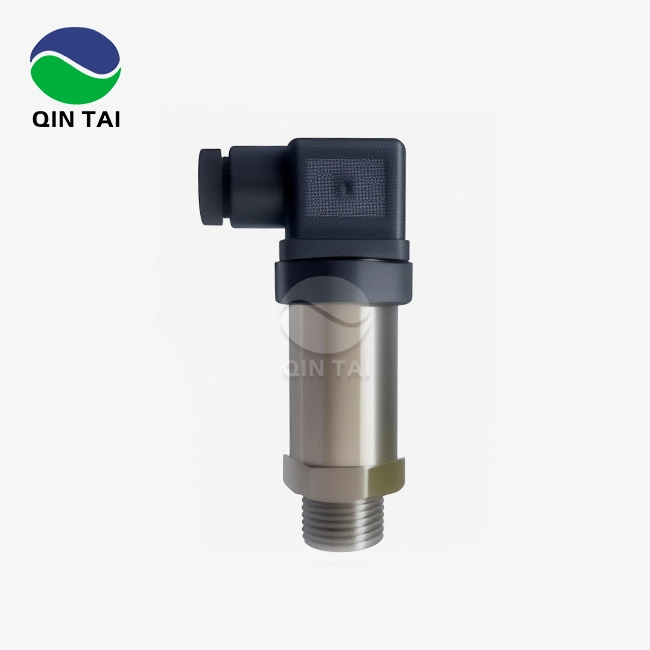
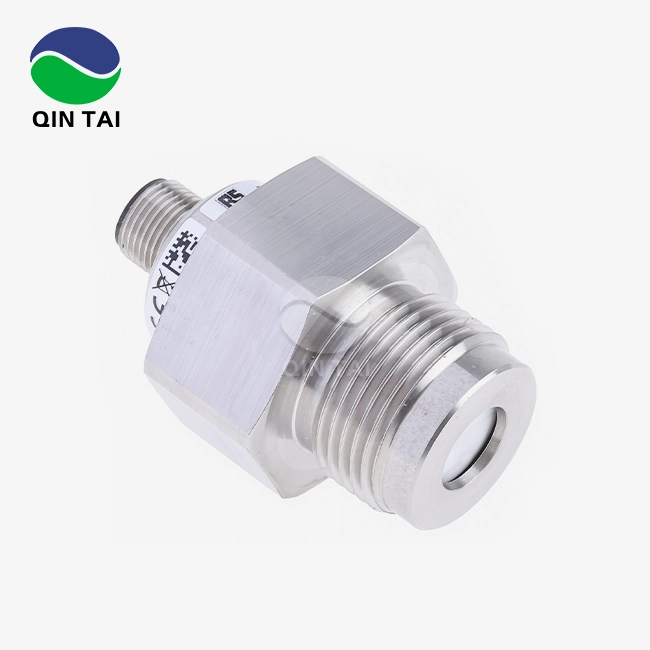
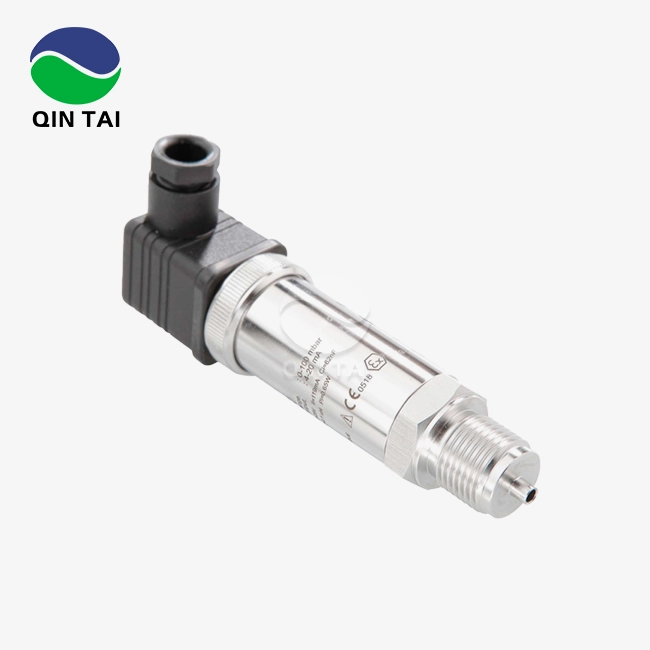
The main difference between pressure transmitters and pressure monitors is how they handle signals and how they send them. Pressure sensors make raw electrical signals that are related to the pressure that is being applied. Usually, they need extra electronics to boost and standardize these signals. Transmitters have built-in signal filtering that gives them standard outputs like 4-20mA current loops or digital communication methods.
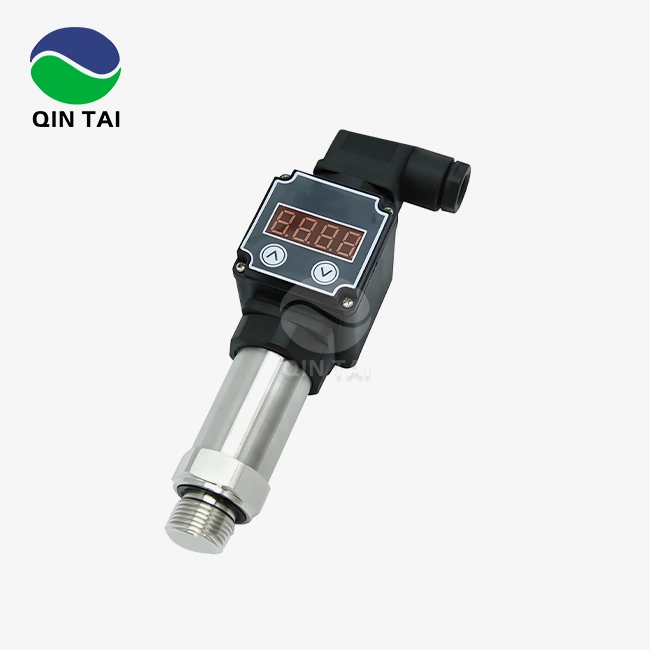
Pressure transmitters are better than basic sensors in a number of ways, such as being less affected by noise, having consistent signal levels, and being easier to integrate into a system. With the 4-20mA output standard, signals can be sent over long distances without losing much of their quality. Also, built-in indicators make the system more reliable and upkeep easier.
Performance Considerations in Transmitter Selection
Pressure and Temperature transmitter work great for thermal tracking tasks where precise temperature control has a direct effect on the quality of the product or the safety of the equipment. Temperature readings from these devices are usually more accurate. For example, RTD-based transmitters can be accurate to within 0.1°C when used in a controlled environment. Response times depend a lot on the type of sensor used. For example, thermocouple transmitters offer quick temperature response that works well for changing processes.
Pressure transmitters are very useful for controlling processes, moving fluids, and working with air systems. Modern pressure transmitters are accurate to within 0.075 percent of full scale, and digital compensation methods fix mistakes caused by temperature and nonlinearity. Long-term stability features make sure that the performance stays the same over long repair gaps.
Qintai's Competitive Advantages
In order to stand out from well-known global manufacturers, Qintai offers full customization options and quick expert help. Our ISO9001 and IATF16949 certifications show that we are dedicated to quality management systems. Other certifications, like CMC, Ex, UL, CE, REACH, and RoHS, make sure that we meet foreign standards.
One big benefit of Qintai transmitters over standard Western manufacturers is that they are more cost-effective. Because we use direct producer prices and streamline our production processes, we can save you a lot of money without sacrificing quality or dependability. This lower cost is especially important for large-scale uses where funds for buying things have a direct effect on the project's viability.
Qintai stands out in the crowded transmitter market because it can customize technical aspects. Our separate research and development team creates unique solutions to meet the needs of each customer, such as changing the pressure ranges or making electrical links that work only with certain devices. This adaptability lets it work best with current systems and tools, making installation easier and raising the overall performance of the system.

Procurement Guide: How to Buy Pressure and Temperature Transmitters from Qintai?
Global B2B clients can easily get custom transmitters while keeping project budgets and delivery plans in check thanks to streamlined buying processes. Understanding what factors affect costs, what regulations apply, and how to place an order will help you get a transmitter on time for operations.
Cost Optimization Strategies
Getting a transmitter costs a lot of money because of many things, like the price per unit, the cost of customization, the cost of shipping, and the cost of following the rules. Bulk buy deals save you a lot of money. Depending on the order quantity and contract terms, volume discounts can be anywhere from 10 to 25 percent. Long-term supply deals allow for even more cost savings while making sure that products are always available.
With Qintai's straight manufacturer prices, there are no markups for distributors. This means that you save money right away compared to buying through regular channels. Our flexible payment terms work with different budgets, and our full insurance coverage lowers the total cost of ownership by making our products more reliable and providing better service support.
Regulatory Compliance and Standards
Industrial transmitters need to meet safety and performance standards that are appropriate for their use and where they are sold. For example, ATEX or IECEx approval is needed for pressure transmitters that are used in potentially explosive environments, and vibration and electromagnetic compatibility standards must be met for car uses.
Qintai keeps up-to-date licensing files to make sure that its products are accepted around the world. Our quality control systems meet the standards of the automotive industry, and our product certifications cover the most important foreign markets, such as those in North America, Europe, and the Asia-Pacific area. This license range makes it easier to get things bought and lowers the number of times that compliance must be checked.
Ordering Process and Customization Options
When you buy a transmitter through Qintai, you follow an organized process that is meant to make sure you get the right goods and on time. During the first meetings, application needs are spelled out, such as pressure ranges, temperature requirements, electrical links, and weather conditions. Detailed engineering drawings and performance standards are used to record technical specs.
Here are the main steps that Qintai takes to buy transmitters:
• Requirements Analysis: Technical advice to set requirements and standards for success
• Custom Engineering: changing and validating designs to fit the needs of a specific application
• Production Planning: making schedules for production and checking quality
• Testing and Validation: Full performance testing and calibration confirmation
• Logistics Coordination: helping with shipping, delivery, and packaging, and keeping track of everything
Lead times depend on how complicated the customization is and how many items are ordered. Standard goods are usually ready in two to four weeks, while unique solutions take six to eight weeks to finish. Our production planning tools keep us up to date on the state of each step of the manufacturing process, which lets us accurately schedule projects and keep track of inventory.
Installation, Calibration, and Troubleshooting: Ensuring Optimal Transmitter Performance
For the transmitter to work as expected and for measurements to be accurate over time, it must be installed and calibrated correctly. Knowing the best ways to place things, connect them to electricity, and do regular upkeep cuts down on working downtime and increases the reliability of the equipment.
Installation Best Practices
When installing a transmitter, it's important to pay close attention to the surroundings, the way it's mounted, and the process links. Mounting pressure transmitters in a way that reduces shaking and temperature changes that could affect the accuracy of the measurements is important. Process isolation valves make it possible to take out the transmitter for repair without having to shut down the whole system. This increases operational freedom.
Pressure and Temperature transmitter need to be properly thermally coupled with the media being monitored so that installation doesn't cause thermal shock. Thermowell safety keeps sensing parts safe from corrosive media and fast flows, which increases the service life of the transmitter. For dangerous areas, electrical connections must follow the rules for their area classification and use the right pipe systems and junction boxes.
Calibration Procedures and Maintenance
Calibration is usually done once a year or as required by the quality system to keep the transmitter's accuracy within certain limits. As part of the calibration process, known reference standards are used and the transmitter output is changed to meet certain accuracy standards. Digital transmitters often have self-diagnostic features that keep an eye on their performance and let users know if the calibration might be off.
Preventive repair programs make transmitters last longer and stop them from breaking down when they're least expected. During routine checks, process connections are checked for leaks, electrical connections are checked for rust, and display readouts are checked to make sure they work properly. Recording the results of calibrations and maintenance tasks helps make sure that the quality system is followed and finds performance trends.
Troubleshooting Common Issues
To fix a transmitter problem, you need to carefully look at the signs and possible reasons. Electrical interference, loose links, or process instability are often the causes of results that aren't stable. Zero drift could be caused by changes in temperature or mechanical stress, while span mistakes are usually caused by problems with calibration or sensor wear.
Qintai offers a wide range of technical support services, such as online diagnostics, field service planning, and the availability of new parts. Our technical support team helps with problems and gives advice on how to set up preventative maintenance plans. This promise to help the transmitter ensures that it works at its best throughout its working lifecycle.

Why Choose Qintai for Custom Transmitters: Value and Future Outlook
Qintai is a top custom transmitter maker because it has a wide range of skills, including advanced sensor technologies, open design processes, and service delivery that is focused on the customer. Our history of working with big diesel engine makers shows that we can be trusted in tough industrial settings.
Advanced Manufacturing Capabilities
Our factories use cutting-edge quality control and production methods to make sure that the quality and performance of our products are always the same. Each transmitter is checked automatically to make sure it meets certain performance standards, and statistical process control makes sure that output is consistent. These features allow for high-volume production while still allowing for easy modification.
Qintai's 58 idea patents show that the company is always coming up with new ways to make sensors and improve manufacturing processes. Our research and development dollars are mostly spent on new technologies like radio communication, digital signal processing, and making things more resistant to the environment. With these changes, Qintai is now at the head of the growth of transmitter technology.
Strategic Partnerships and Market Position
As the biggest OEM provider of diesel engines in China, Qintai has strategic relationships with top companies like Weichai Power, Yuchai Power, and Quanchai Power. These partnerships confirm our professional skills and the quality of our products, and they also help us understand how market needs and technology trends are changing.
Over 60 countries in Europe, the Middle East, and South America are part of our world business. This foreign experience gives you a deep understanding of the different rules and conditions of use, which lets you help customers all over the world.
Future growth projects will focus on going digital and using environmentally friendly ways to make things. Wireless transmitters that are connected to the internet of things (IoT) allow for distant tracking and planned repair, and designs that use less energy help meet environmental goals. These new ideas put Qintai customers in a good situation to succeed in industrial markets that are always changing.
Conclusion
As an Asian custom transmitter maker, Qintai has a wide range of skills that make its products very appealing to industry customers around the world who need accurate pressure and temperature measurement tools. Because we have a history of working with top diesel engine makers, a wide range of certifications, and the ability to make changes, Qintai is a reliable partner for important testing tasks. When you combine advanced sensor technologies with reasonable prices and quick technical support, you get long-lasting competitive advantages that help purchasing managers and engineering teams all over the world.
FAQ
What certifications does Qintai hold for international compliance?
Qintai has many certificates, such as ISO9001, IATF16949, CMC, Ex, UL, CE, REACH, and RoHS. These make sure that they follow international quality standards and government rules in all of the world's big markets.
What are typical lead times for custom transmitter orders?
Standard transmitter setups can be delivered in two to four weeks, but custom-engineered options need six to eight weeks to plan, build, and test. Rush orders can be filled if the production ability and level of complexity allow it.
Does Qintai provide technical support for installation and calibration?
Through our experienced engineering team and global service network, Qintai provides full technical support, including installation instructions, calibration processes, troubleshooting help, and suggestions for regular maintenance.
What customization options are available for transmitter specifications?
Qintai offers a wide range of customizable options, such as different pressure ranges, electrical connections, grades for environmental protection, output signal types, and mechanical setups that are made to fit the needs of each individual application.
How does Qintai ensure product quality and reliability?
Our quality control systems meet the standards of the automotive industry, and our automated testing methods make sure that performance specs are met. Statistical process control and detailed paperwork make sure that the quality stays the same during the whole production and delivery process.
Partner with Qintai for Your Custom Transmitter Requirements
Qintai's expertise as a premier pressure and temperature transmitter manufacturer enables us to deliver tailored solutions meeting your specific industrial automation and emissions control requirements. Our comprehensive engineering capabilities, proven quality systems, and competitive pricing structures provide exceptional value for procurement managers seeking reliable measurement solutions. Contact our technical team at info@qt-sensor.com to discuss your transmitter specifications and discover how Qintai's customization capabilities can optimize your operational performance while ensuring regulatory compliance across global markets.
References
1. Johnson, R.K., "Industrial Pressure Measurement Technologies: Principles and Applications," Process Control Engineering Quarterly, Vol. 45, No. 3, 2023.
2. Chen, L.M., "Sensor Integration in Automotive Emission Control Systems," International Journal of Automotive Technology, Vol. 28, No. 2, 2023.
3. Williams, P.J., "Calibration Standards for Industrial Temperature Transmitters," Measurement Science and Technology Review, Vol. 34, No. 8, 2023.
4. Anderson, K.R., "Cost-Effective Procurement Strategies for Industrial Instrumentation," B2B Industrial Procurement Journal, Vol. 19, No. 4, 2023.
5. Zhang, W.H., "Quality Management Systems in Asian Manufacturing: Case Studies in Sensor Production," Quality Engineering International, Vol. 41, No. 6, 2023.
6. Thompson, M.A., "Regulatory Compliance in Global Transmitter Markets: Standards and Certification Requirements," Industrial Standards Quarterly, Vol. 52, No. 1, 2023.

Our customers’ satisfaction speaks for our quality — contact us to experience the same reliable service.