- English
- French
- German
- Portuguese
- Spanish
- Russian
- Japanese
- Korean
- Arabic
- Greek
- German
- Turkish
- Italian
- Danish
- Romanian
- Indonesian
- Czech
- Afrikaans
- Swedish
- Polish
- Basque
- Catalan
- Esperanto
- Hindi
- Lao
- Albanian
- Amharic
- Armenian
- Azerbaijani
- Belarusian
- Bengali
- Bosnian
- Bulgarian
- Cebuano
- Chichewa
- Corsican
- Croatian
- Dutch
- Estonian
- Filipino
- Finnish
- Frisian
- Galician
- Georgian
- Gujarati
- Haitian
- Hausa
- Hawaiian
- Hebrew
- Hmong
- Hungarian
- Icelandic
- Igbo
- Javanese
- Kannada
- Kazakh
- Khmer
- Kurdish
- Kyrgyz
- Latin
- Latvian
- Lithuanian
- Luxembou..
- Macedonian
- Malagasy
- Malay
- Malayalam
- Maltese
- Maori
- Marathi
- Mongolian
- Burmese
- Nepali
- Norwegian
- Pashto
- Persian
- Punjabi
- Serbian
- Sesotho
- Sinhala
- Slovak
- Slovenian
- Somali
- Samoan
- Scots Gaelic
- Shona
- Sindhi
- Sundanese
- Swahili
- Tajik
- Tamil
- Telugu
- Thai
- Ukrainian
- Urdu
- Uzbek
- Vietnamese
- Welsh
- Xhosa
- Yiddish
- Yoruba
- Zulu
Reviews of durable pressure and temperature transmitters for harsh environments
In today's demanding industrial landscape, selecting the right pressure and temperature transmitter becomes critical when equipment faces extreme conditions. These robust sensing devices convert physical parameters into electrical signals, enabling precise monitoring and control across heavy trucks, construction machinery, and generator sets. Modern transmitters utilize advanced piezo-resistive and capacitive technologies to maintain accuracy under challenging circumstances, making them indispensable for emission control systems and aftertreatment applications requiring consistent performance and regulatory compliance.

Introducing Durable Pressure and Temperature Transmitters
Core Technologies and Working Principles
Durable transmitters use advanced sensing systems that are made to work in tough industrial settings. Piezoresistive strain gauges are attached to mechanical surfaces in pressure sensing elements. These gauges change physical stress into changes in electrical resistance that can be measured. When the pressure changes, the strain gauges bend in the same way, which changes their resistance values and causes voltage changes that are amplified into normal 4-20mA current signs.
Resistance temperature detectors (RTDs) and thermocouples are the two main devices used to measure temperature. RTDs use the fact that metals like platinum's resistance changes predictably as their temperature changes to give them very high accuracy and steadiness. Thermocouples use the thermoelectric effect to create an electromotive force when two different metals experience differences in temperature. They have fast reaction times and wide measurement ranges that make them useful in harsh circumstances.
Transmitter Classifications and Applications
There are three types of industrial transmitters: those that measure absolute pressure, differential pressure, and gauge pressure. Each type is designed to meet a specific measurement need. Absolute pressure transmitters work best for tracking sealed systems because they work in vacuum circumstances. Differential pressure units find changes in pressure between parts of a system. They are especially useful for keeping an eye on filters and measuring flow.
Wired transmitters use well-known standards like HART and Modbus to communicate reliably, making sure that data transfer stays stable even in places with a lot of electrical noise. Wireless options give you more placement options and lower infrastructure costs, but you need to be careful with power management and signal integrity in industrial areas with a lot of metal.
Comparative Review of Leading Brands and Models
Industry-Leading Manufacturer Analysis
Emerson stands out because their Rosemount line transmitters are built to last and have a lot of diagnostic features. The improved sensor technologies in these units give them better long-term stability, which means they can be used in important situations that need very little drift over long periods of time. Their wireless solutions use WirelessHART standards, which lets them work with current control systems without any problems and makes installation easier.
Honeywell puts a lot of emphasis on being flexible and compatible in a wide range of workplace settings. Their Smart Temperature Transmitters are very accurate and can accept a variety of input types, such as thermocouples and RTDs, all in a single unit. The flexible design method lets customization happen in the field, which cuts down on inventory needs while still meeting performance standards important for OEM uses.
ABB works on smart diagnostics and advanced communication. It also uses predictive maintenance to let workers know about possible problems before they happen. Their transmitters have built-in validation functions that make sure measurements are accurate, which is important for tracking emissions and following the rules.
Performance Characteristics and Selection Criteria
Different performance measures show that leading manufacturers have clear benefits. For a Pressure and Temperature transmitter, most types have accuracy specs of ±0.1% to ±0.5% of span, and more expensive ones have even tighter specs. Temperature compensation makes sure that performance stays stable across all working ranges, and vibration resistance is very important for big cars and building equipment that moves around a lot.
Communication protocol support varies a lot from one maker to the next. Some focus on traditional analog signals, while others focus on digital protocols that allow for more advanced diagnostics and setup. Explosion-proof approvals and ingress protection scores show if something is safe for dangerous settings. This is especially important for generator sets used in mines and power plants.

How to Choose the Right Durable Pressure and Temperature Transmitter?
Technical Specification Evaluation
To choose the right transmitters, you need to carefully think about the measurement range, the level of accuracy needed, and the surroundings. Operating temperature ranges need to include both the temperature of the environment and the temperature of the process, with enough safety gaps for worst-case situations. Pressure ratings should be higher than the highest system pressures by the right amount to be safe, which is usually 1.5 to 2 times standard working levels.
Response time requirements are very important in dynamic situations where changes in pressure or temperature need to be detected and dealt with right away. In situations where you need a quick reaction from the temperature, fast-responding thermocouples may be better than RTDs, even though RTDs are more accurate and stable over time.
Industry-Specific Requirements
For heavy trucks, transmitters need to be able to handle steady vibration, changing temperatures, and being exposed to chemicals and road salt. A Pressure and Temperature transmitter designed for this environment must meet rigorous standards; automotive-qualified devices that meet IATF 16949 standards make sure that the devices will work reliably throughout the span of the car and still meet emission standards.
Construction equipment works in places that are dusty, vibrate a lot, and have big changes in temperature. Transmitters need to have strong housings with the right entry protection ratings, usually IP67 or higher, so they can stay accurate even when they are subjected to mechanical stress and dirt.
Generator set uses need to be very stable and reliable over a long period of time, since the equipment is often used in remote areas where it is hard to get to for upkeep. Industrial-grade transmitters with longer calibration intervals and the ability to self-diagnose require less upkeep and can keep working all the time.
Installation, Calibration, and Troubleshooting Best Practices
Installation Guidelines and Common Pitfalls
Installing the transmitter correctly has a big effect on how well it works and how long it lasts. Mounting places should keep people from being exposed to too much shaking while still allowing for easy upkeep. When connecting processes, it's important to think about things like temperature expansion, pressure pulses, and possible sources of pollution that could change the accuracy of the measurements.
Electrical lines need care to make sure the signal stays strong and noise is kept to a minimum. Electromagnetic interference can make measurements less accurate. Shielded wires and proper grounding methods can stop this. Stability in the power source is important for smooth operation, especially in mobile uses where electrical systems change a lot.
Calibration Procedures and Maintenance Protocols
Measurement precision is maintained throughout the lifecycle of a transmitter by calibrating it on a regular basis. Calibration intervals rely on how important the application is and how it is being used. For most industrial uses, these intervals are between once a year and twice a year. Traceability and regulatory compliance are made sure by written calibration methods. This is especially important for applications that track emissions.
To make zero and span changes, you need precise reference standards that can be tracked back to national measuring institutes. For reliable reference conditions, temperature calibration needs stable thermal settings and enough time to settle. Monitoring for drift between calibrations helps find problems before they affect compliance or process control.
Troubleshooting Common Issues
Signal shift is often a sign of pollution, mechanical stress, or old parts. Before deciding that a sensor is no longer working properly, systematic troubleshooting includes checking the process conditions, electrical links, and reference standards. Most of the time, communication problems are caused by wiring issues, protocol mismatches, or power supply issues, not transmitter breakdowns.
Environmental factors often cause problems that come and go and make evaluation difficult. When a Pressure and Temperature transmitter is involved, changing temperatures, oxygen levels, and vibrations can cause symptoms to show up at random, so they need to be carefully recorded and analyzed to find their causes. When standard troubleshooting steps don't work to fix complicated problems, manufacturer expert support is very helpful.
Future Trends and Innovations in Durable Pressure and Temperature Transmitter
Emerging Technologies and Smart Capabilities
New sensor materials offer better accuracy and longevity in harsh environments. Compared to silicon-based devices, silicon carbide and other wide-bandgap semiconductors can handle higher temperatures and chemicals better. These materials make it possible to work in places that weren't possible before, and they keep measurements accurate.
Through predictive analytics and state tracking, smart diagnostics change the way maintenance is done. Embedded programs look at data patterns to find signs of wear and tear before they have an effect on performance. Machine learning lets transmitters react to changing conditions and report strange things that need to be looked into.
Connectivity and Integration Advances
As time goes on, wireless devices keep getting better at being reliable and using less power. Energy gathering methods don't need to be maintained like batteries do, which makes them especially appealing for sites in remote or dangerous areas. Mesh networking makes signals more reliable while lowering the need for hardware.
Integration with the cloud lets you watch and set up equipment from afar, so you can manage global teams from one place. Data analytics systems look at measurement trends, find ways to improve things, and guess when repair will be needed. As equipment gets more complicated and maintenance skills get more specific, these skills become more useful.

Conclusion
Selecting durable pressure and temperature transmitter systems for harsh environments requires balancing performance requirements, environmental challenges, and long-term reliability needs. Modern transmitters offer sophisticated capabilities that enhance process control while reducing maintenance burdens through smart diagnostics and predictive maintenance features. Understanding manufacturer strengths, application-specific requirements, and emerging technologies enables informed procurement decisions that maximize equipment value throughout operational lifecycles. Investment in quality sensing equipment pays dividends through improved process control, regulatory compliance, and reduced downtime across demanding industrial applications.
FAQ
What makes a transmitter suitable for harsh environments?
Harsh environment transmitters have strong cases with high entry protection ratings, usually IP67 or IP68, which keep dust and water out of the internal parts. They use high-tech sensors that stay accurate even when exposed to chemicals, vibrations, and extreme temperatures. Military-grade parts and designs that meet car standards make sure that the product will work reliably in tough situations.
How often should transmitters be calibrated in industrial applications?
How often you calibrate depends on how important the program is and how it is being used. Calibrations may need to be done every three months for critical safety purposes, but once a year is more common for normal process monitoring. When transmitters show stable performance, gaps are often pushed back to 18 to 24 months in harsh environments. Documentation needs and following the rules may force you to do things at certain times, even if the performance is stable.
What communication protocols work best for industrial transmitter networks?
It is possible to use the HART protocol with current 4-20mA infrastructure, and it also allows digital contact for setting up and diagnosing. Modbus is a strong way for networked systems to talk to each other, and newer wireless standards like WirelessHART make installation cheaper. Protocol choice relies on the infrastructure that is already in place, the communication range needs, and the level of integration complexity that is acceptable.
Partner with Qintai for Superior Pressure and Temperature Sensing Solutions
Leading original equipment makers (OEMs) trust Qintai's track record of creating reliable sensing solutions for tough tasks. We know how important it is for emission control systems and heavy-duty equipment to meet strict standards because we are China's top SCR aftertreatment provider. Our wide range of pressure and temperature transmitter models meets international approval standards like CE, ISO9001, and IATF16949, making sure they work with equipment platforms around the world.
Because we do our own research and development, we can make solutions that are exactly what an application needs, from standard settings to designs that are made to work in a certain way. With more than 20 years of experience making things and relationships with top engine makers like Weichai Power and Yuchai Power, Qintai is a reliable company that buying professionals can rely on. Get in touch with our expert team at info@qt-sensor.com to talk about your sensing needs and find out how our advanced pressure and temperature transmitter manufacturer services can help your next project.
References
1. Industrial Instrumentation and Control Systems: Design and Implementation Guidelines for Pressure and Temperature Measurement in Harsh Environments, Society of Instrumentation Engineers, 2023.
2. Automotive Emission Control Sensor Technologies: Performance Requirements and Testing Standards for Heavy-Duty Applications, International Journal of Automotive Engineering, 2023.
3. Comparative Analysis of Industrial Transmitter Technologies: Reliability and Accuracy in Extreme Operating Conditions, Process Control and Instrumentation Quarterly, 2024.
4. Smart Sensor Integration in Industrial Automation: Trends and Applications in Manufacturing and Energy Systems, IEEE Transactions on Industrial Electronics, 2023.
5. Harsh Environment Sensor Design: Materials Science and Engineering Approaches for Extended Reliability, Journal of Electronic Materials and Devices, 2024.
6. Calibration and Maintenance Best Practices for Industrial Pressure and Temperature Measurement Systems, International Standards Organization Technical Report, 2023.
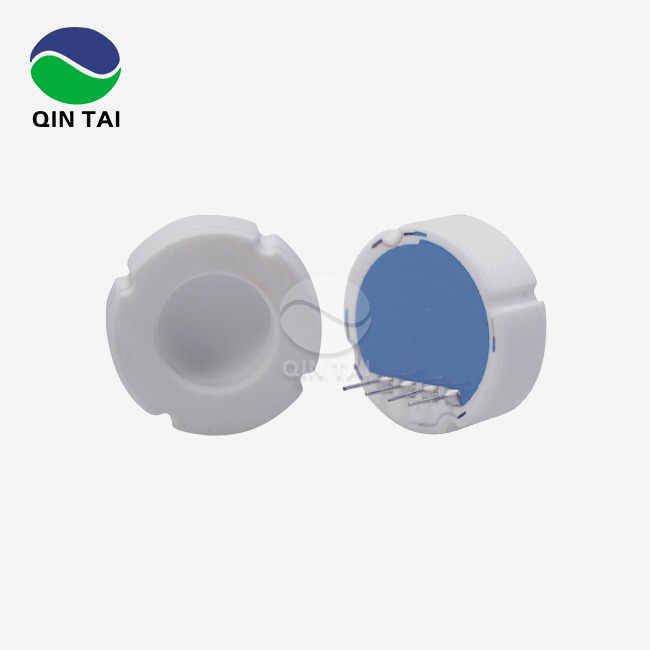
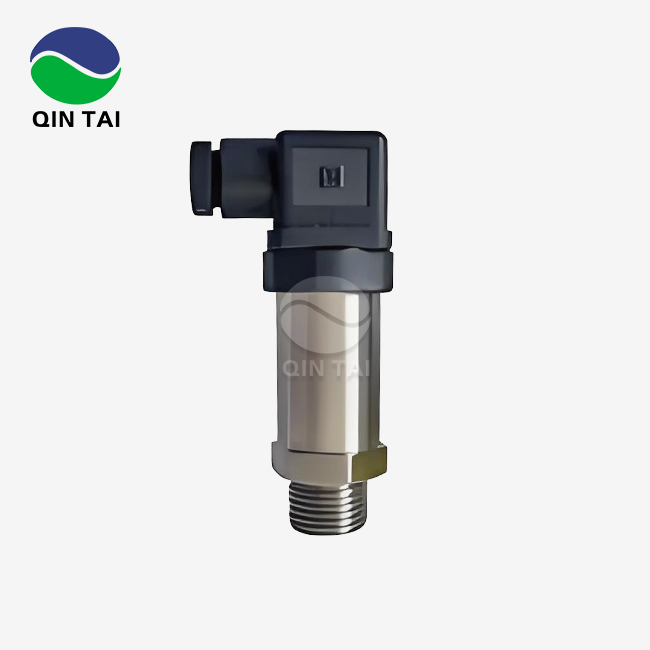
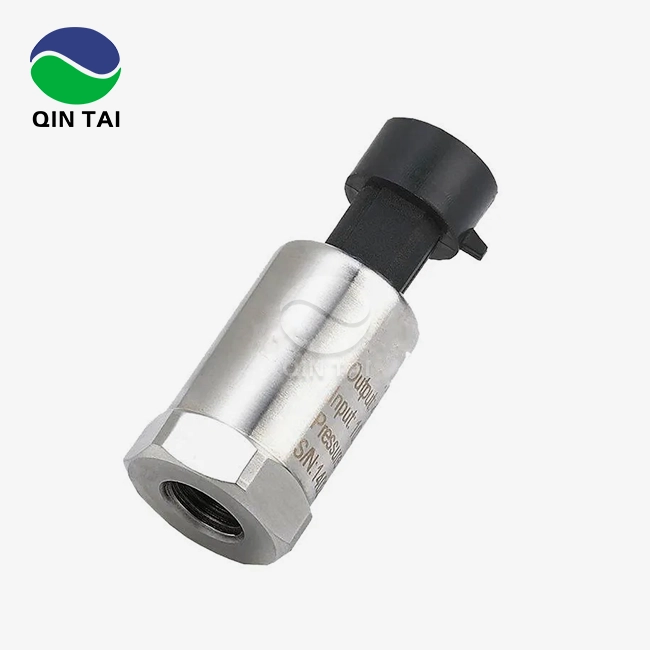
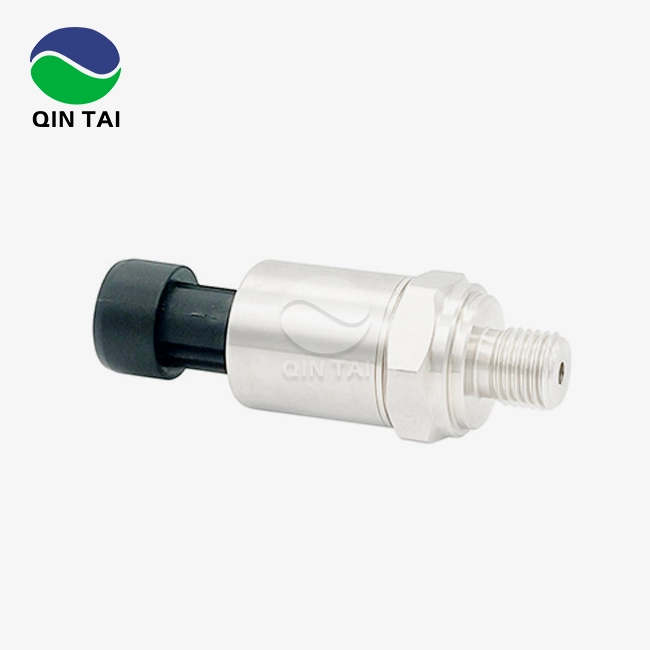

Our customers’ satisfaction speaks for our quality — contact us to experience the same reliable service.