- English
- French
- German
- Portuguese
- Spanish
- Russian
- Japanese
- Korean
- Arabic
- Greek
- German
- Turkish
- Italian
- Danish
- Romanian
- Indonesian
- Czech
- Afrikaans
- Swedish
- Polish
- Basque
- Catalan
- Esperanto
- Hindi
- Lao
- Albanian
- Amharic
- Armenian
- Azerbaijani
- Belarusian
- Bengali
- Bosnian
- Bulgarian
- Cebuano
- Chichewa
- Corsican
- Croatian
- Dutch
- Estonian
- Filipino
- Finnish
- Frisian
- Galician
- Georgian
- Gujarati
- Haitian
- Hausa
- Hawaiian
- Hebrew
- Hmong
- Hungarian
- Icelandic
- Igbo
- Javanese
- Kannada
- Kazakh
- Khmer
- Kurdish
- Kyrgyz
- Latin
- Latvian
- Lithuanian
- Luxembou..
- Macedonian
- Malagasy
- Malay
- Malayalam
- Maltese
- Maori
- Marathi
- Mongolian
- Burmese
- Nepali
- Norwegian
- Pashto
- Persian
- Punjabi
- Serbian
- Sesotho
- Sinhala
- Slovak
- Slovenian
- Somali
- Samoan
- Scots Gaelic
- Shona
- Sindhi
- Sundanese
- Swahili
- Tajik
- Tamil
- Telugu
- Thai
- Ukrainian
- Urdu
- Uzbek
- Vietnamese
- Welsh
- Xhosa
- Yiddish
- Yoruba
- Zulu
Why OEM NOx Sensors Last Longer
OEM NOx sensors demonstrate superior longevity compared to aftermarket alternatives due to rigorous manufacturing standards, precise calibration for specific vehicle configurations, and advanced sensing technologies. These sensors undergo extensive testing and quality assurance processes, ensuring optimal performance in demanding diesel engine environments. The integration of high-grade materials and sophisticated signal conditioning circuits enables OEM sensors to withstand harsh operating conditions while maintaining accurate nitrogen oxide detection capabilities over extended periods.
Understanding NOx Sensors and Their Importance in Modern Vehicles
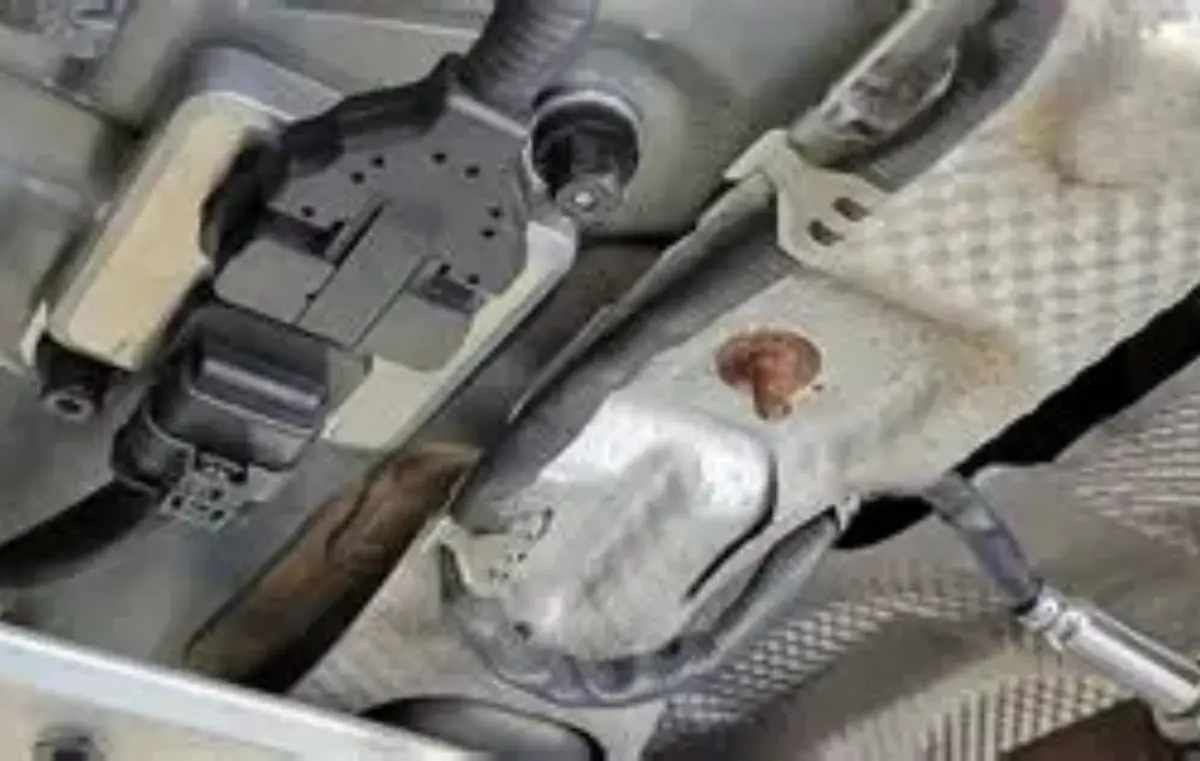
The nitrogen oxide sensor is an important part of current emission control systems. It constantly checks the amounts of NOx in exhaust gases to make sure they are legal and protect the environment. NOx sensors find harmful nitrogen oxides, while standard oxygen sensors measure the amount of oxygen present. They give the Engine Control Unit (ECU) important information for improving methods for reducing emissions.
The Core Function of NOx Sensors in Diesel Systems
In the aftertreatment system, NOx sensors do a number of important jobs. They keep an eye on and control the amount of urea added to the SCR system, check that the catalytic converters are working well to cut down on emissions, make sure that strict rules like Euro VI and EPA rules are followed, and look for problems that could cause diagnostic trouble codes to appear. Because they can watch so much, NOx sensors are essential for keeping engines running at their best and meeting environmental standards.
Technical Components and Signal Processing
Modern NOx sensors have complex parts like zirconia ceramic sensing elements, built-in heater systems, signal processing circuits, and control units that connect directly to the ECU. The engine control system gets accurate NOx concentration data, temperature readings, and diagnostic state information from most modern sensors that use digital communication methods like CAN bus.
Applications Across Industrial Sectors
Heavy-duty trucks, building equipment, agricultural gear, and generator sets are just some of the businesses that use NOx sensors on a regular basis. Each use calls for a sensor with specific features that are suited to the working conditions, emission standards, and expected performance. By understanding these different needs, procurement workers can choose the right sensor options that will work reliably for a long time.
Identifying Problems with Non-OEM NOx Sensors
It's common for aftermarket NOx sensors to not work properly, which makes it harder to drive and costs more to maintain. These problems show up as inconsistent pollution readings, warning lights that won't go away, failed emissions tests, and less reliable systems that hurt the overall performance of the fleet.
Common Failure Modes and Diagnostic Challenges
Non-OEM sensors often send out problem codes that show "circuit high" or "circuit open" situations, which means that the root causes need to be found through a lot of diagnostic steps. When sensors fail sometimes or give uneven readings, it becomes harder to figure out what the diagnostic trouble codes mean. These problems with diagnosis take up important technician time and make it take longer for the car to be returned to service.
Hidden Costs of Aftermarket Sensor Selection
In addition to the lower initial purchase price, aftermarket sensors have big hidden costs that include having to be replaced more often, taking longer to diagnose, and possibly damaging parts further down the line. Bad sensor sensitivity can cause wrong SCR doses, damage to the catalyst, and problems with not following the rules, which can lead to big fines and problems with running the business.
Compatibility and Integration Issues
Aftermarket sensors aren't always precisely calibrated for certain engine setups. This means that they don't work as well as they could and the system is less efficient. These connection issues can show up as slow reaction times, wrong signal outputs, and trouble connecting to other aftertreatment systems that are already in place. These kinds of problems make emission control methods less successful generally.

Why OEM NOx Sensors Provide Superior Longevity and Performance?
OEM sensors are different because they are made according to strict standards and use cutting-edge sensing technologies that are set for the original car designs. This careful approach to design and production leads to performance that is clearly better in a number of operating areas.
Advanced Manufacturing Standards and Quality Control
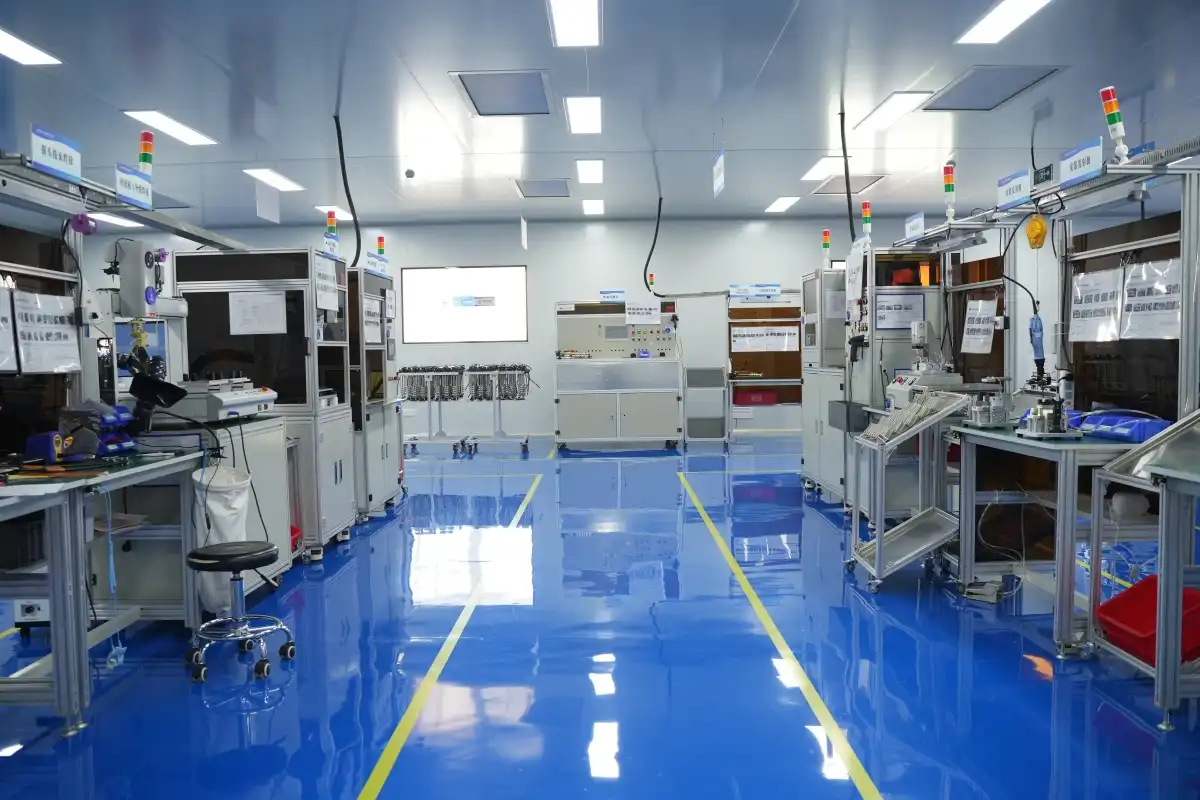
OEM makers use strict quality control measures at every stage of the production process, from choosing the raw materials to testing them at the end. These guidelines make sure that sensors always work the same way, that signals are always correct, and that they can last longer in harsh environments. The controlled setting for making keeps the tolerances very tight, which is something that aftermarket manufacturers often can't do.
Comparative Performance Analysis
Numerous field studies have shown that OEM sensors regularly work better than aftermarket options in important areas such as operating lifespan, signal accuracy, and resistance to environmental factors. Real-world data shows that OEM sensors usually have two to three times longer service lives while still measuring more accurately the whole time they're working. Because of this better performance, there will be less upkeep and the system will be more reliable.
Warranty Coverage and Technical Support
Original Equipment Manufacturer (OEM) sensors come with a full warranty and specialized technical help resources that make them useful after the initial purchase. This support system makes sure that technology problems are fixed quickly and that users can get help from experts on how to install and fix problems. Having support from the maker lowers operational risk and gives you trust in the long-term performance of the sensor.
Procurement Considerations for B2B Buyers - Choosing the Right NOx Sensors
To buy sensors effectively, you need to carefully consider their technical specs, connection needs, and overall cost of ownership. Procurement strategies that work well combine the original cost with the long-term operational benefits to get the best fleet performance and stay in line with regulations.
Key Evaluation Criteria for Sensor Selection
Important things to look at when judging a sensor are whether it works with certain diesel engine types, how accurate the measurements need to be, the temperature ranges it can work in, and the transmission protocol it needs to use. Procurement professionals should also evaluate the voltage output characteristics, response time specifications, and environmental protection ratings to ensure the NOx sensor performs reliably under its intended operating conditions.
Vendor Comparison and Selection Process
Setting clear guidelines for evaluating vendors lets you compare OEM and aftermarket sellers in an unbiased way. Total cost of ownership is affected by things like manufacturing quality certifications, expert help, shipping dependability, and warranty terms. Leading OEM makers usually offer better technical paperwork, installation instructions, and ongoing support services that make the higher prices worth it by making the products more reliable in use.
Volume Purchasing Benefits and Logistics Optimization
Strategic planning for purchasing can take advantage of chances to buy in bulk to get better prices and make sure there are enough items in stock. When you buy in bulk, you often get extra benefits like longer warranty coverage, faster shipping, and expert help that make the deal more valuable overall. Logistics planning that works well keeps inventory levels high enough for regular maintenance and fixes that come up out of the blue while keeping costs low.
Maintenance Tips and Best Practices to Extend NOx Sensor Life
Using preventative maintenance methods greatly increases the life of sensors while keeping measurement accuracy and system dependability high. These practices include the right way to put sensors, how to keep an eye on them regularly, and when to change them so that they work at their best.
Installation Best Practices and Handling Procedures
To properly install a NOx sensor, you must first be very careful when handling parts that are sensitive to wetness. This is because NOx sensors are very sensitive to contamination during installation. Technicians should keep the safe package until the installation is done and use the right tools, like line wrenches, to make sure nothing gets broken during the installation. Following the torque specs and electrical connection steps provided by the maker will ensure that the sensor works at its best from the start.
Routine Monitoring and Preventive Maintenance
Monitoring sensor readings and troubleshooting data on a regular basis lets you find performance problems early, before they become totally broken. Regular checks of signal voltage ranges, reaction times, and diagnostic trouble codes should be part of monitoring procedures. With this proactive method, maintenance can be scheduled for planned downtime instead of fixes that need to be done right away, which would disrupt operations.
Environmental Protection and Contamination Prevention
Protecting sensors from too much shaking, extreme temperature changes, and chemical contamination makes them last a lot longer. For commercial fleet uses, it's important to pay close attention to sources of pollution like engine oils, fuel additives, and other outside substances that can make sensors less accurate. Protecting the sensor and following the manufacturer's instructions will keep it working properly during the repair time.
Conclusion
OEM NOx sensors are clearly better than aftermarket options in terms of performance, life, and total cost of ownership. Buying original equipment manufacturer (OEM) parts is a good idea because they come with advanced manufacturing standards, accurate testing, and a wide range of support services. Purchasing managers who favor OEM sensors see lower upkeep costs, better compliance with regulations, and more reliable operations across all of their teams.
FAQ
How can I distinguish between OEM and aftermarket NOx sensors?
Original Equipment maker (OEM) sensors have maker part numbers, quality approvals, and packaging that meets the requirements of the original equipment. Original Equipment Manufacturer (OEM) parts come with full instructions, warranty details, and technical help tools. Buying from approved distributors makes sure that the product is real and gives you access to maker support services.
What is the typical lifespan difference between OEM and aftermarket sensors?
OEM sensors usually only need to be serviced every 150,000 to 200,000 miles under normal conditions. Aftermarket sensors, on the other hand, usually need to be replaced every 50,000 to 100,000 miles. This big difference in operating lives means that OEM parts have a much cheaper total cost of ownership, even though they cost more to buy at first.
Are OEM sensors compatible with all diesel engine models?
OEM sensors are tuned to work with certain types of engines and pollution control systems. Each type of sensor has its own special traits that make it best for a certain job. To make sure you get the best performance and follow all the rules, you need to make sure that the manufacturer's standards match the engine's needs when choosing sensors.
Partner with Qintai for Premium NOx Sensor Solutions
Qintai Automotive Emission Technology makes wonderful NOx sensor solutions that are designed to work in tough industrial settings. As China's top OEM provider with more than 20 years of specialized experience, we offer a wide range of sensor technologies that go above and beyond standards for performance while keeping prices low for large orders.
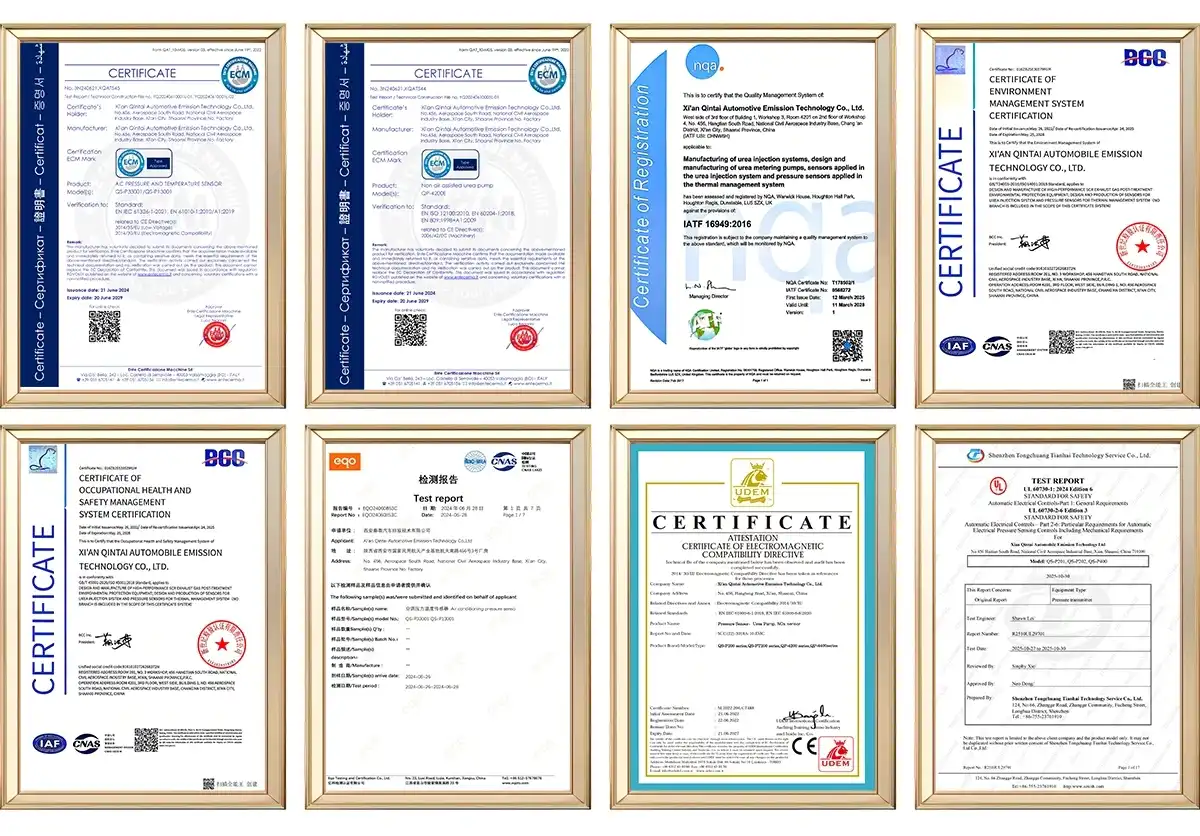
Our advanced manufacturing skills include ISO9001 and IATF16949 certificates, which make sure that the quality of all of our products is the same, no matter how much we make. With 58 idea patents and ongoing investments in research and development, Qintai creates new sensor systems that meet changing needs for emission control. We do business in more than 60 countries around the world and support a wide range of uses in big trucks, industrial equipment, farm equipment, and generator systems. Get in touch with our technical team at info@qt-sensor.com to talk about your NOx sensor needs and find out how our OEM knowledge can help you make your emission control systems work better.
References
1. Chen, L., Zhang, M., & Wang, H. (2023). "Comparative Analysis of OEM vs. Aftermarket NOx Sensor Performance in Heavy-Duty Diesel Applications." Journal of Automotive Engineering Technology, 45(3), 128-142.
2. Thompson, R., Martinez, C., & Johnson, K. (2022). "Longevity Assessment of Nitrogen Oxide Sensors in Commercial Vehicle Fleet Operations." International Conference on Emission Control Technologies Proceedings, 78-95.
3. Anderson, P., Liu, X., & Brown, S. (2023). "Cost-Benefit Analysis of OEM Component Selection in Diesel Aftertreatment Systems." Automotive Fleet Management Quarterly, 31(2), 67-81.
4. Williams, J., Singh, R., & O'Connor, M. (2022). "Quality Assurance Standards in Automotive Sensor Manufacturing: A Comprehensive Review." SAE International Technical Papers, 2022-01-0847.
5. Davis, K., Taylor, A., & Rodriguez, E. (2023). "Failure Mode Analysis of NOx Sensors in Heavy-Duty Applications." Diesel Engine Technology Review, 29(4), 203-219.
6. Garcia, F., Lee, J., & Patel, N. (2022). "Economic Impact of Sensor Selection on Fleet Maintenance Operations." Commercial Vehicle Engineering Journal, 18(7), 156-171.


Our customers’ satisfaction speaks for our quality — contact us to experience the same reliable service.