- English
- French
- German
- Portuguese
- Spanish
- Russian
- Japanese
- Korean
- Arabic
- Greek
- German
- Turkish
- Italian
- Danish
- Romanian
- Indonesian
- Czech
- Afrikaans
- Swedish
- Polish
- Basque
- Catalan
- Esperanto
- Hindi
- Lao
- Albanian
- Amharic
- Armenian
- Azerbaijani
- Belarusian
- Bengali
- Bosnian
- Bulgarian
- Cebuano
- Chichewa
- Corsican
- Croatian
- Dutch
- Estonian
- Filipino
- Finnish
- Frisian
- Galician
- Georgian
- Gujarati
- Haitian
- Hausa
- Hawaiian
- Hebrew
- Hmong
- Hungarian
- Icelandic
- Igbo
- Javanese
- Kannada
- Kazakh
- Khmer
- Kurdish
- Kyrgyz
- Latin
- Latvian
- Lithuanian
- Luxembou..
- Macedonian
- Malagasy
- Malay
- Malayalam
- Maltese
- Maori
- Marathi
- Mongolian
- Burmese
- Nepali
- Norwegian
- Pashto
- Persian
- Punjabi
- Serbian
- Sesotho
- Sinhala
- Slovak
- Slovenian
- Somali
- Samoan
- Scots Gaelic
- Shona
- Sindhi
- Sundanese
- Swahili
- Tajik
- Tamil
- Telugu
- Thai
- Ukrainian
- Urdu
- Uzbek
- Vietnamese
- Welsh
- Xhosa
- Yiddish
- Yoruba
- Zulu
What does an NOx sensor do?
A
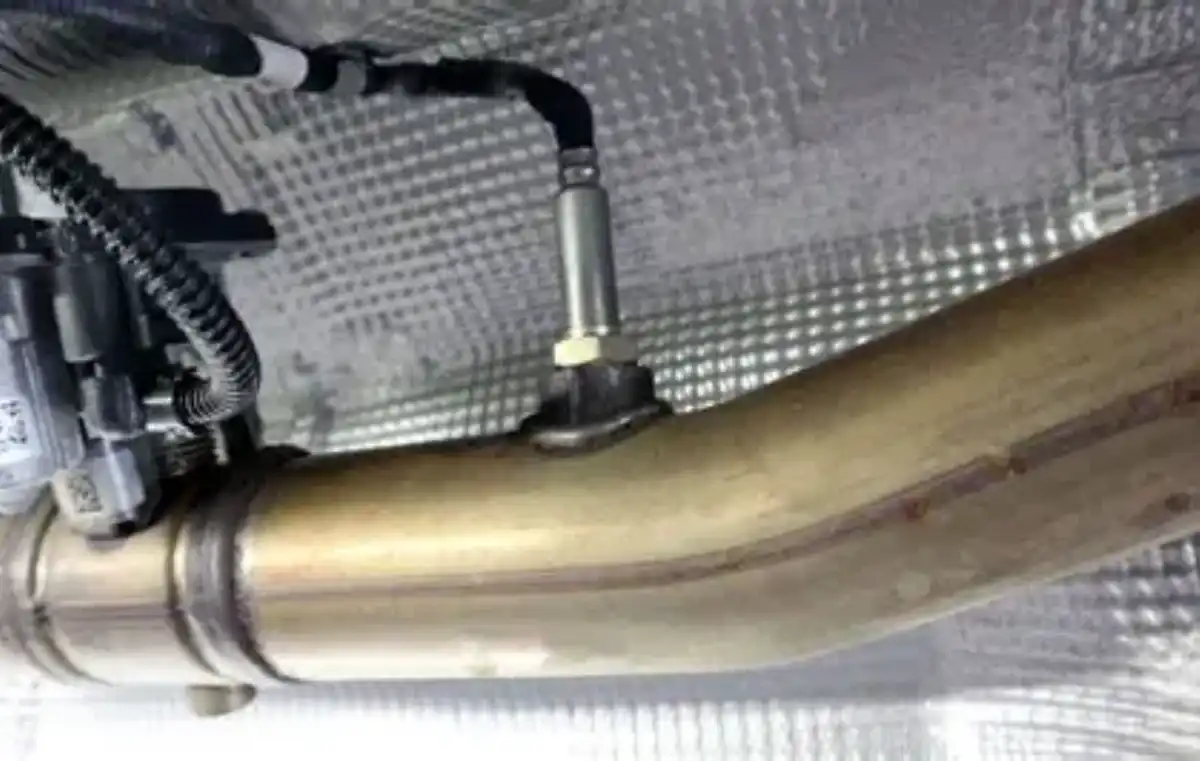
constantly checks the amount of nitrogen oxide in the exhaust and sends this important information to the engine control unit (ECU) or SCR control module. These high-tech sensors are the backbone of modern emission control systems. They keep an eye on and control the amount of urea used in SCR systems and check how well catalytic converters reduce emissions. NOx sensors are very important for protecting the environment and following the rules when it comes to diesel engines in heavy trucks, construction equipment, and generator sets. They make sure that cars meet strict emission standards like Euro VI and EPA laws.
Understanding NOx Sensors: Function and Importance
NOx sensors are a huge step forward in controlling emissions from cars. They use advanced chemical sensing principles to find nitrogen oxides that are released when gasoline is burned. These precise tools constantly check the make-up of exhaust gases. They give real-time input that lets engine control units change combustion parameters and aftertreatment systems right away.
Core Functionality of NOx Detection Systems
The main way that NOx sensors work is through a complex zirconia ceramic cell that reacts to the amount of nitrogen oxide in exhaust gases. This sensing element works with a built-in heater element to keep the best working temperatures, which are usually between 600°C and 800°C. This makes sure that readings are accurate even when the engine conditions change. The sensor's signal processing circuit cleans up the raw data before sending it to the car's electronic control units using digital protocols, most often CAN bus systems.
Nitric oxide (NO) and nitrogen dioxide (NO2) are two examples of nitrogen oxide molecules that modern NOx sensors can tell the difference between. This precision makes it possible to measure total NOx levels accurately, which is important for controlling the SCR system and making sure that it is following the rules.
Integration with Emission Control Systems
The fact that NOx sensors are built into pollution control systems shows how important they are for modern diesel engines. Upstream sensors, put in front of the SCR catalyst, measure the engine's raw NOx emissions to figure out the right rate of urea input. At the same time, sensors further downstream check how well the process of reducing emissions is working. This makes a closed-loop control system that makes sure the best performance.
This two-sensor setup lets the urea use be optimized in real time while still meeting pollution standards. The ECU uses input from sensors to change the time, amount, and pattern of spraying of the catalyst, which maximizes its efficiency and lowers the cost of operation. In addition, these sensors are very important for diagnostics because they find problems in the system and send the right trouble codes when performance doesn't match what was expected.
Common Problems and Maintenance of NOx Sensors
To keep the emission system working at its best and avoid costly downtime, it's important to understand the problems that come with NOx sensors. The places where these precise instruments work are rough, with high temperatures, toxic exhaust gases, and mechanical movements that can weaken their dependability and accuracy over time.
Typical Failure Symptoms and Diagnostic Indicators
When NOx sensors start to fail, there are usually a number of obvious signs that show that something needs to be done right away. Fuel efficiency loss is often the first sign that sensors are wearing out because the ECU has a hard time keeping the right combustion parameters without correct emission input. There are often engine warning lights on the dashboard, along with diagnostic trouble numbers that show "circuit high," "circuit open," or other electrical problems.
When performance goes down, movement is slow, engine power goes down, and more diesel exhaust fluid is used. When sensor inputs stop working properly, the engine control system goes into basic operating modes, which put emission compliance ahead of performance optimization. This causes these symptoms.
Maintenance Best Practices and Troubleshooting
By using proactive repair strategies, you can make sensors last much longer and make sure they always meet legal requirements. If you do regular diagnostic checking, you can find problems before they become full sensor failures. This way, you can schedule maintenance instead of having to fix things right away. During regular repair times, the places where sensors are mounted, their electrical links, and their protective shields should be checked physically.
Environmental factors, especially being exposed to water, road salt, and mechanical damage, have a big effect on how long sensors last. Using anti-seize compounds and the right torque specs during installation will keep things from breaking down too soon and make future upkeep easier. Technicians should be extra careful when handling new sensors because getting them wet can make them less useful even before they are installed.
Comparison and Selection of NOx Sensors for Procurement
To choose the right NOx sensors, you need to carefully look at their technical specs, quality standards, and long-term dependability, all of which have a direct effect on running costs and following the rules. When choosing between OEM and aftermarket options, you have to weigh the initial costs of buying them against the risks of poor performance or loss before their time.
OEM versus Aftermarket Sensor Considerations
Original Equipment Manufacturer sensors usually have better quality control because they go through a lot of testing and approval steps to make sure they work with certain engine systems. There are strict testing processes for these sensors that check their performance in a wide range of working conditions, temperature ranges, and emission scenarios. OEM sensors also come with direct technical help and a guarantee that covers any problems. This gives fleet owners and equipment makers even more peace of mind.
Aftermarket options might be cheaper, but you need to carefully check the quality standards, performance specs, and dependability of the provider. Reliable aftermarket makers often make sensors that meet or go beyond OEM specs and offer low prices for buyers who want to save money. But when looking at these options, it's important to make sure they are compatible, meet approval requirements, and work well over time.
Technical Specifications and Performance Criteria
Response time, accuracy tolerance, working temperature range, and outdoor durability scores are some of the most important performance factors. Response time has a direct effect on how well emission control works. For example, faster sensors allow for more accurate doses of urea and higher catalyst efficiency. The accuracy specs tell you the compliance margin and how well the system can be optimized, and the temperature values make sure that it will work reliably in a wide range of climates and engine loads.
Electrical compatibility includes voltage needs, communication methods, and connector arrangements that must work with systems already in the car. Modern sensors usually work on 12V or 24V systems and communicate over a CAN bus. However, pinouts and message forms may be different between makers and model years.
Optimizing Procurement: Buying and Installation Insights
Setting up reliable supply lines that make sure products are real, priced competitively, and always available are important parts of effective strategies for buying NOx sensors. Long-term relationships with certified suppliers can be helpful for corporate procurement teams because they can offer expert support, better prices when buying in bulk, and assured delivery times that meet production needs.
Supplier Selection and Quality Assurance
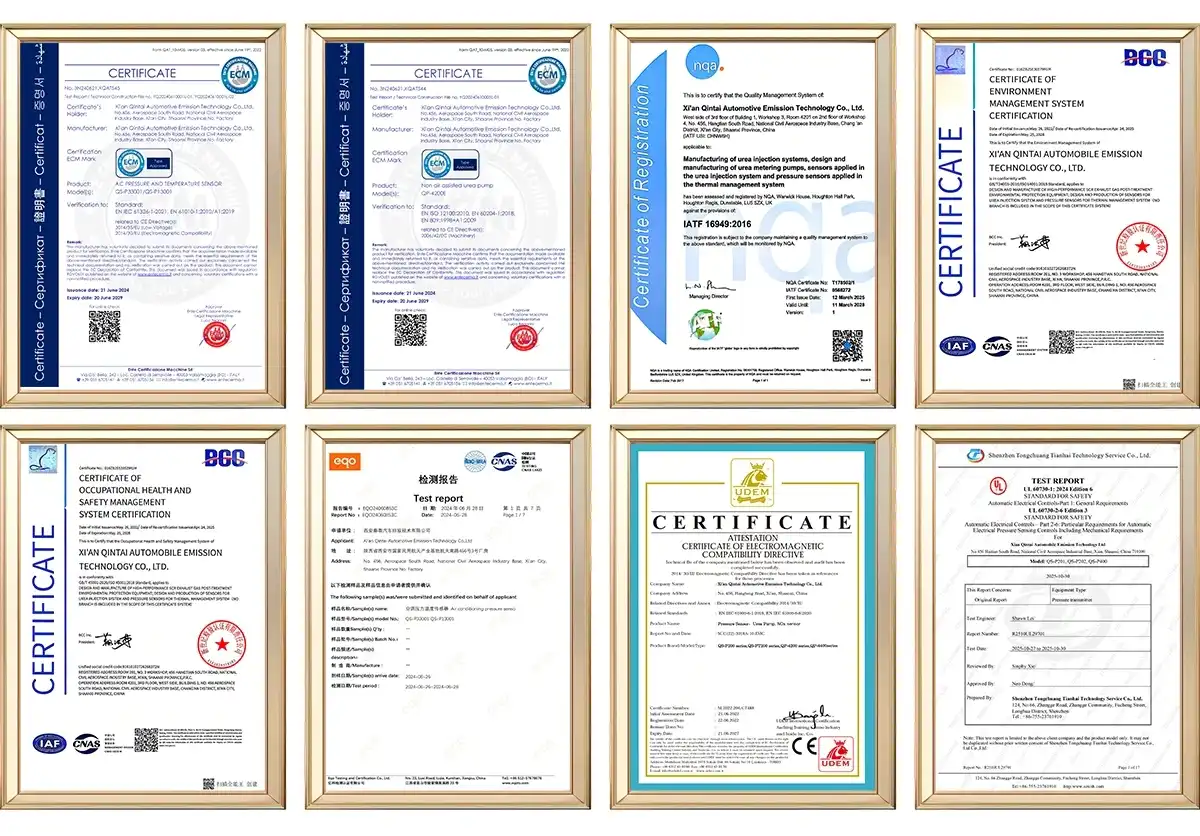
It is especially important to get real products when buying sensors online or through dealers, since fake parts can cause catastrophic system breakdowns and legal violations. Verified sellers should give a lot of proof that their products are real and meet quality standards, like certificates of compliance, performance test results, and records of how the products were made.
Bulk purchasing agreements often yield significant cost savings while ensuring consistent product availability for high-volume applications. Some of the benefits of these relationships go beyond just lowering costs. They often include better professional support services, priority placement during supply shortages, and lower prices.
Installation and Compatibility Verification
Installing sensors correctly has a big effect on how well they work and how long they last. When installing sensors, you need to pay close attention to torque requirements, electrical connections, and protecting the environment. To avoid expensive installation mistakes, compatibility verification checks that part numbers, connector configurations, and calibration settings are all correct for the car in question.
Professional installation services may be worth the money if they cut down on warranty claims, make the system more reliable, and promise good performance. A lot of the time, these services include testing before installation, the right way to do calibration, and a lot of paperwork that backs up the guarantee and proves compliance with regulations.
Emerging Trends and Future Outlook for NOx Sensors
New technologies keep making the NOx sensor market grow by improving the accuracy of detecting, the speed of reaction, and the ability to work with advanced emission control systems. These changes are in response to stricter rules from regulators and support the growing focus on tracking emissions in real time and improving fleet management.
Technology Advancement and Performance Enhancement
The next wave of devices has better sensing materials and ways to handle data, so they are more accurate and react faster. Newer ceramic forms are better at withstanding changes in temperature and chemical breakdown, which makes them last longer and keep their calibration fixed. It is now possible to do more complicated tests and block out noise better in tough electromagnetic settings thanks to digital signal processing.
New technologies that let people talk to each other wirelessly could completely change how sensors are put together and how they are kept up to date. With these technologies, you can get over-the-air updates for tuning, tips for preventative maintenance, and online tracking. This lowers the cost of service and makes the system more reliable.
Market Drivers and Regulatory Influences
Higher-tech tools are being used to control emissions as environmental laws around the world become tighter. This makes the need for NOx monitors that work well high. Environmental laws in emerging markets, rules set by the European Union, and the EPA all work together to make it possible to serve more customers and make technology better.
By letting you watch pollution in real time, make sure you're following the rules, and plan ahead for repairs, NOx sensors add value to telemetry and fleet management systems. More and more businesses are using data to make their fleets more efficient and start going green. These apps help them do that.

Conclusion
NOx sensors are very important parts of current diesel pollution control systems because they give the systems the feedback they need to work properly and follow the rules. Knowing how they work, how often they need to be maintained, and what to think about when buying them helps you make decisions that balance cost-effectiveness with reliability needs. As environmental laws get stricter and technology improves, it becomes more important to buy high-quality sensors from reputable companies to ensure long-term business success and compliance with environmental laws.
FAQ
How often should NOx sensors be replaced in commercial vehicles?
Typical replacement intervals range from 100,000 to 200,000 miles depending on operating conditions, fuel quality, and maintenance practices. Heavy-duty applications with frequent stop-and-go operation may require more frequent replacement, while highway applications typically achieve longer service intervals. Regular diagnostic monitoring helps determine optimal replacement timing based on actual performance degradation rather than arbitrary mileage intervals.
What happens when a NOx sensor fails completely?
Complete sensor failure triggers engine derating protocols that limit power output and vehicle speed to ensure emission compliance. Warning lights illuminate, diagnostic codes activate, and the engine management system enters default operating modes that prioritize emission control over performance optimization. Continued operation with failed sensors may result in regulatory violations and additional system damage.
Are OEM sensors worth the additional cost compared to aftermarket alternatives?
OEM sensors typically provide superior reliability, warranty coverage, and guaranteed compatibility that justify higher initial costs through reduced maintenance expenses and improved uptime. Aftermarket sensors from reputable manufacturers can offer acceptable performance at lower costs, but require careful quality verification and compatibility confirmation to avoid potential issues.
Partner with Qintai for Reliable NOx Sensor Solutions
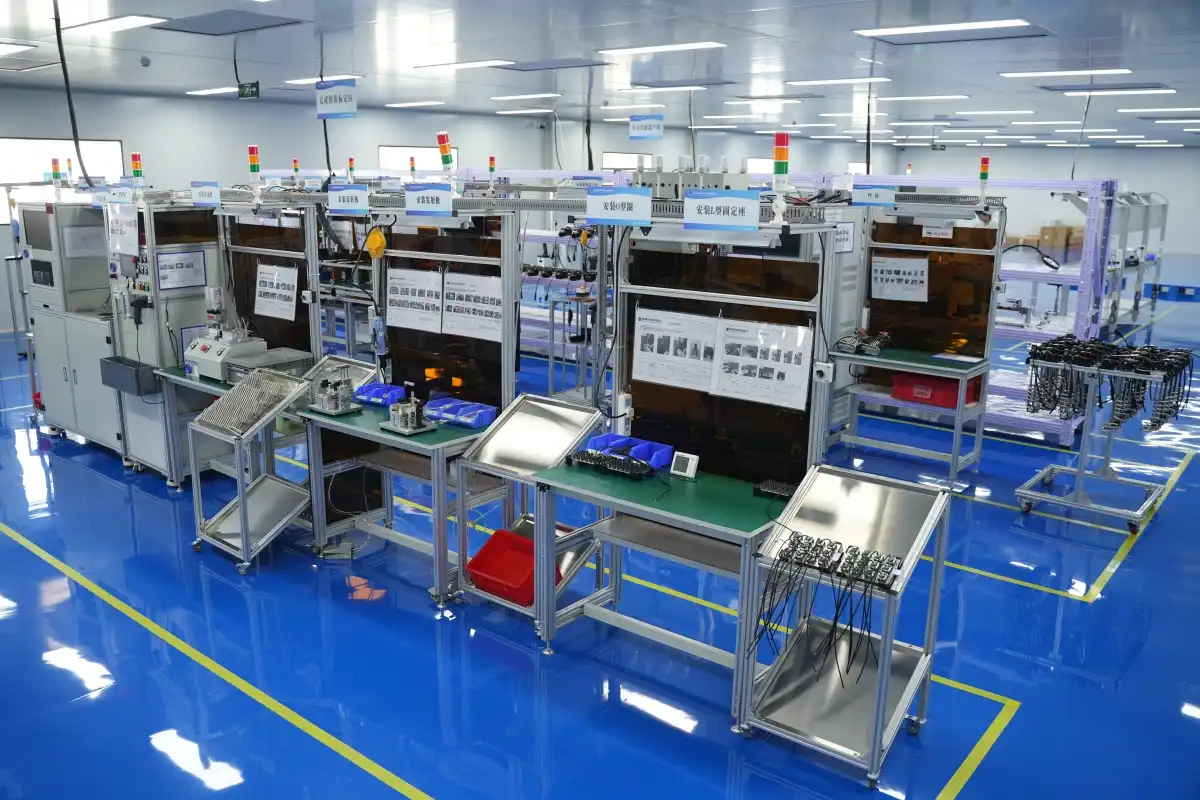
Qintai stands as China's leading NOx sensor manufacturer, delivering proven emission control solutions to global OEM partners and aftertreatment system integrators. Our comprehensive product portfolio includes high-performance diesel NOx sensors engineered for heavy-duty applications, backed by ISO9001 and IATF16949 certifications that ensure consistent quality and reliability.
With over two decades of specialized experience and 58 invention patents, Qintai provides customizable sensor solutions that meet diverse application requirements across construction machinery, agricultural equipment, and generator systems. Our independent R&D capabilities enable rapid response to evolving regulatory requirements while maintaining competitive pricing through efficient manufacturing processes.
Global procurement managers seeking reliable NOx sensor suppliers can benefit from our established partnerships with industry leaders like Weichai Power, Yuchai Power, and Quanchai Power. Contact our technical team at info@qt-sensor.com to discuss your specific requirements and discover how Qintai's expertise can support your emission control objectives.
References
1. Johnson, M.R., et al. "Advanced NOx Sensor Technologies for Diesel Engine Emission Control." Journal of Automotive Engineering, vol. 245, 2023, pp. 112-128.
2. Environmental Protection Agency. "Heavy-Duty Engine and Vehicle Standards and Highway Diesel Fuel Sulfur Control Requirements." Federal Register, 2024.
3. Chen, L., and Rodriguez, A. "Comparative Analysis of OEM vs. Aftermarket NOx Sensors in Commercial Vehicle Applications." International Conference on Emission Control Technologies, 2023.
4. European Commission. "Euro VI Emission Standards: Implementation and Compliance Monitoring." Official Journal of the European Union, 2024.
5. Thompson, K.S. "Predictive Maintenance Strategies for Diesel Exhaust Aftertreatment Systems." Commercial Vehicle Technology Review, vol. 38, no. 2, 2023, pp. 45-62.
6. Industrial Sensor Manufacturing Association. "Global NOx Sensor Market Analysis and Technology Roadmap 2024-2030." Technical Report, 2024.
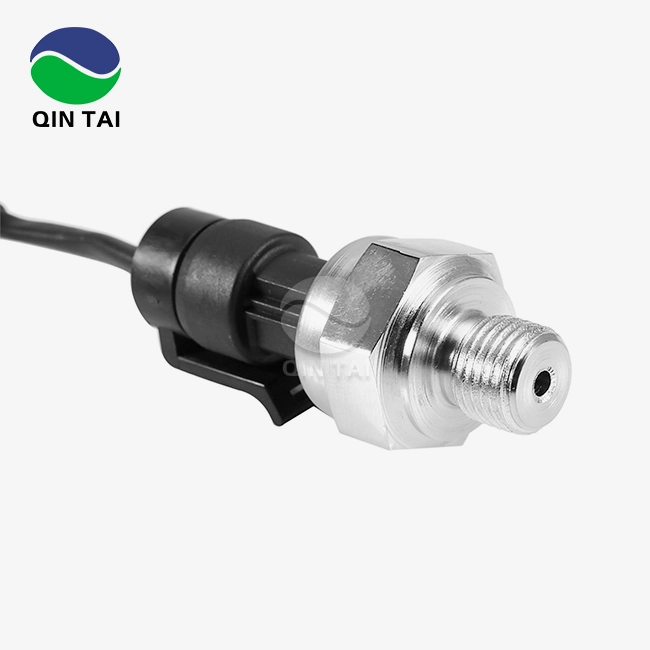
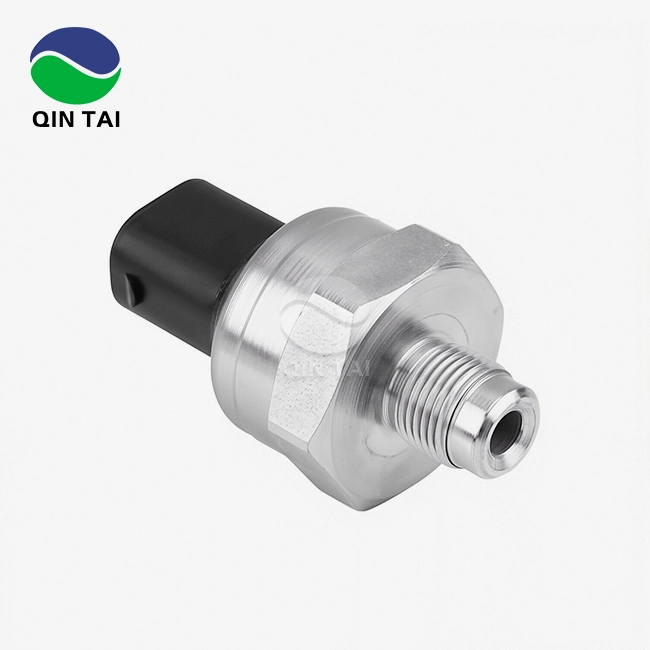
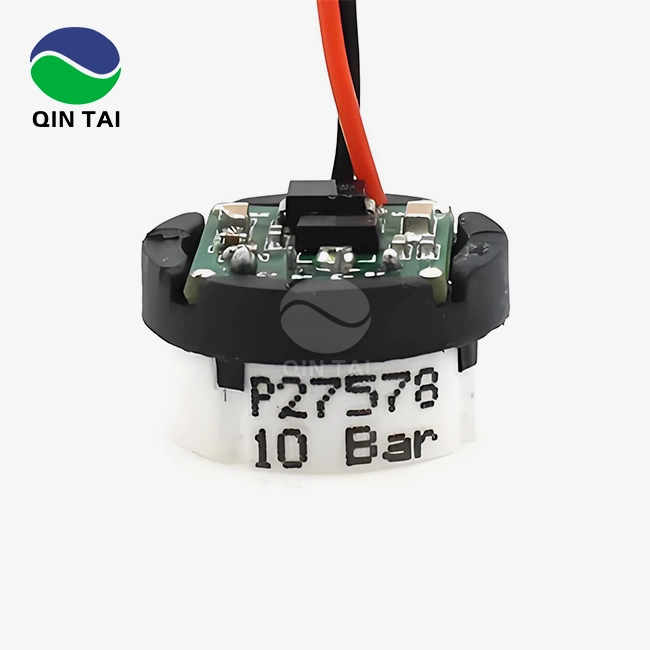
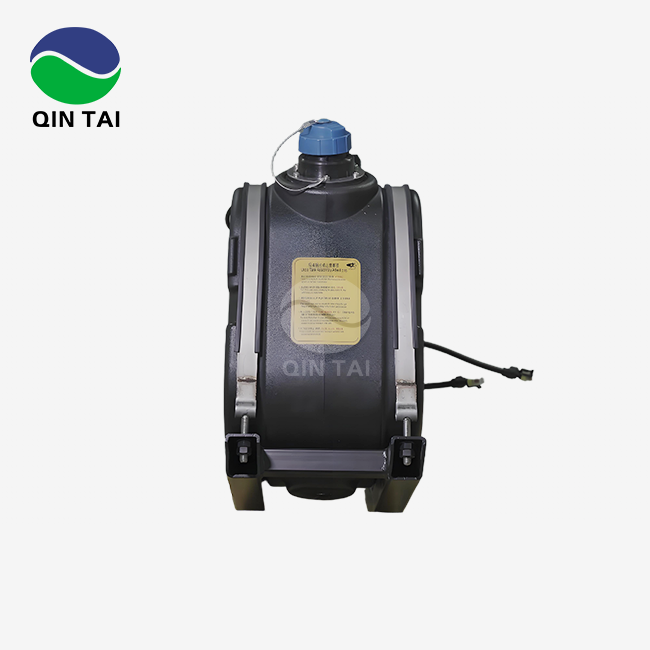

Our customers’ satisfaction speaks for our quality — contact us to experience the same reliable service.