- English
- French
- German
- Portuguese
- Spanish
- Russian
- Japanese
- Korean
- Arabic
- Greek
- German
- Turkish
- Italian
- Danish
- Romanian
- Indonesian
- Czech
- Afrikaans
- Swedish
- Polish
- Basque
- Catalan
- Esperanto
- Hindi
- Lao
- Albanian
- Amharic
- Armenian
- Azerbaijani
- Belarusian
- Bengali
- Bosnian
- Bulgarian
- Cebuano
- Chichewa
- Corsican
- Croatian
- Dutch
- Estonian
- Filipino
- Finnish
- Frisian
- Galician
- Georgian
- Gujarati
- Haitian
- Hausa
- Hawaiian
- Hebrew
- Hmong
- Hungarian
- Icelandic
- Igbo
- Javanese
- Kannada
- Kazakh
- Khmer
- Kurdish
- Kyrgyz
- Latin
- Latvian
- Lithuanian
- Luxembou..
- Macedonian
- Malagasy
- Malay
- Malayalam
- Maltese
- Maori
- Marathi
- Mongolian
- Burmese
- Nepali
- Norwegian
- Pashto
- Persian
- Punjabi
- Serbian
- Sesotho
- Sinhala
- Slovak
- Slovenian
- Somali
- Samoan
- Scots Gaelic
- Shona
- Sindhi
- Sundanese
- Swahili
- Tajik
- Tamil
- Telugu
- Thai
- Ukrainian
- Urdu
- Uzbek
- Vietnamese
- Welsh
- Xhosa
- Yiddish
- Yoruba
- Zulu
How do nox sensors improve emissions control in modern vehicles?
NOx sensors are now an important part of current pollution control systems. They have changed how cars handle nitrogen oxide emissions. These high-tech devices keep an eye on the amount of NOx in exhaust gases all the time and send real-time information to engine control units. NOx sensors make sure that cars meet strict Euro VI and EPA pollution standards while keeping engine performance at its best in a variety of driving situations. They do this by allowing precise control of Selective Catalytic Reduction (SCR) systems and optimizing urea injection rates.
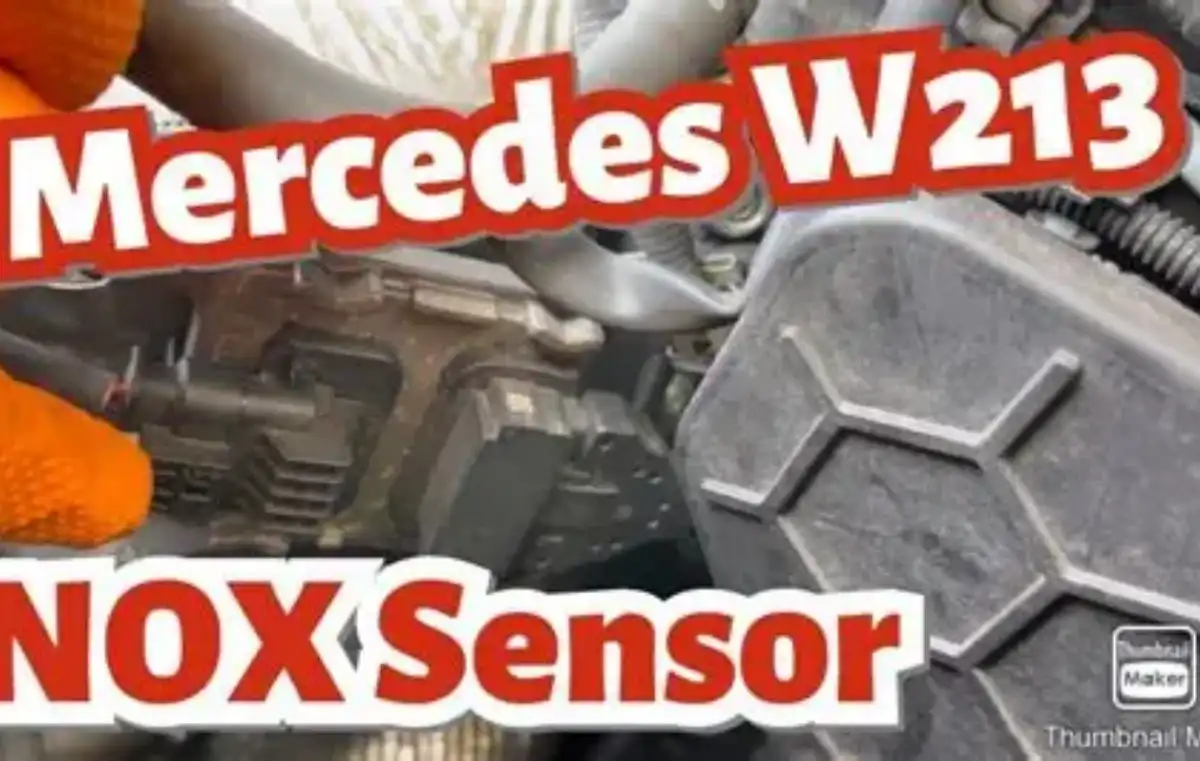
Understanding NOx Sensors and Their Function in Emissions Control
To follow environmental rules, modern pollution control systems depend on being able to accurately track what is going on. Nitrogen oxide sensors are a big step forward in this field because they give us the accuracy we need to reduce pollution effectively.
The Core Technology Behind NOx Detection
NOx sensors use cutting edge zirconia ceramic technology to find out how much nitrogen oxide is in exhaust streams. Unlike regular oxygen sensors, which only work on improving the mix of air and fuel, these special sensors check for both NOx and oxygen levels at the same time. The detecting element works at high temperatures, usually between 650°C and 850°C. An integrated heater element keeps the temperature stable. This high working temperature makes sure that readings are accurate in a wide range of engine conditions and load situations.
Electrochemical processes in several ceramic cells are what the sensor uses to find things. The first chamber takes oxygen out of the exhaust sample, and the second chamber breaks down NOx molecules so that the amounts of nitrogen oxide can be measured accurately. Because it has two chambers, this sensor can give accurate readings even in places with a lot of air, which is very important for diesel engine uses.
Integration with Aftertreatment Systems
For pollution control to work well, NOx sensors and different aftertreatment parts need to work together without any problems. These sensors work with SCR catalysts, diesel particulate filters, and exhaust gas recirculation systems to make methods for lowering emissions that are all-encompassing.
Upstream NOx sensors, put in front of the SCR catalyst, measure the exhaust from the engine and give the system a starting point for tuning. This data helps the engine control module figure out the best time and rates for injecting urea. After the SCR catalyst, sensors further downstream make sure that the reduction process is working well and that pollution goals are being met. The constant feedback loop between these sensors lets changes be made in real time to keep performance at its best even when working conditions change.
NOx sensors can send diagnostic information along with concentration data using a digital communication system, most often CAN bus. This includes the temperature of the sensor, the value of the internal resistance, and the ability to find faults. Sharing this much information about systems lets repair plans be more accurate, which keeps systems from breaking down and costing a lot of money.
Common Challenges with NOx Sensors and Troubleshooting Tips
Even though they are built to last, NOx sensors have some problems that can affect how well they work and how long they last. Knowing about these problems helps fleet workers and techs keep the system running at its best.
Environmental and Operational Stresses
NOx sensors work in exhaust conditions that are very tough, with high temperatures, corrosive gases, and fine particles. Diesel fuel contains sulfur chemicals that can damage sensor elements, making them less sensitive and accurate over time. Physical blocks in sensor ports can be caused by large amounts of particulate matter, which can slow down reaction times and make measurements less accurate.
Another big problem is thermal cycling, which means that sensors have to be able to handle big changes in temperature when the engine starts up and stops. These heat loads can break tiny cracks in clay parts or weaken electrical connections. Heavy-duty uses are especially likely to have sensor failures caused by vibrations from the engine and the road.
More risks come from contaminated water, especially when activities are done in cold weather. Inside sensor housings, condensation can form, which could lead to electrical shorts or the rusting of internal parts. Even if the sensor is properly designed to be resistant to wetness, being wet for a long time can still affect its performance.
Diagnostic Strategies and Maintenance Protocols
Correctly interpreting diagnostic codes is the first step in fixing problems. When a modern car's NOx sensor fails, it sends out a specific trouble code that usually tells you what the problem is and whether it's with the circuit integrity, sensor reaction, or measurement accuracy. "Circuit high" or "circuit open" codes usually mean that there are issues with the wires or a broken sensor element.
During a physical exam, you should look for broken wire harnesses, corroded connections, and damaged sensors that can be seen. Leaks in the exhaust system near where sensors are mounted can change results by letting outside air in. Leaks and sensor damage can be avoided by installing the hardware with the right amount of force.
Cleaning methods change based on the type of contamination. High-temperature operation cycles can sometimes get rid of light soot layers, but chemical pollution may mean that the sensor needs to be replaced. Inspection and functional testing of NOx sensors should be part of regular maintenance plans to find problems before they cause the system to fail.
Selecting the Right NOx Sensor: Key Factors for B2B Purchasers
When buying NOx sensors, you need to carefully think about the technical specs, connection needs, and long-term dependability factors. Picking between OEM and aftermarket options has a big effect on both the initial prices and how well they work.
Technical Specifications and Compatibility Requirements
Before choosing sensors, it's important to make sure they work with the engine's control systems and aftertreatment setups. Because of differences in exhaust flow rates, temperature ranges, and fitting arrangements, each engine needs a different type of sensor. To meet emission compliance standards, accuracy specifications are very important. Most applications need measurements to be accurate to within ±10% of the real values.
Response time factors determine how quickly the emission control device can adapt to new situations. With faster reaction times, urea doses can be controlled more precisely, and the system works better overall. Temperature ranges must meet the needs of the application, especially for heavy-duty cars that work in harsh environments.
Communication protocol compatibility makes sure that sensors and engine control units can send and receive data correctly. CAN bus communication is used by most modern uses, but older systems may need voltage or current output signs. Different sensor types have different diagnostic features. More advanced units offer full health tracking and early warning signs of failure.
Quality and Reliability Considerations
Total cost of ownership and working uptime are both affected by long-term dependability. Good sensors are made with strong materials and techniques that can handle being used in difficult conditions. The quality of the ceramic element affects both how accurate it is and how long it lasts. The design of the link affects how well it resists water and shaking.
Quality markers like certification norms are very important. ISO/TS 16949 compliance shows that a car quality management system is being used correctly, and certain emission testing licenses show that sensors work properly under legal test conditions. These approvals are especially important for OEMs that want to keep their guarantee support and follow the rules set by the government.
The ability of the supplier to help the buyer has a big impact on the choice to buy. The availability of technical help, training programs, and field service skills can mean the difference between a smooth execution and expensive delays caused by problems. Suppliers that have been around for a while usually give a lot of paperwork, application guides, and troubleshooting tools that make integration faster and cheaper.
Procurement Insights: Buying NOx Sensors for Bulk and Wholesale Needs
Buying a lot of NOx sensors can help you save a lot of money while also making sure that your supply chain is managed well. For bulk buying tactics to work, it's important to know how the market works and what the suppliers can do.
Cost Analysis and Volume Pricing Strategies
Prices for NOx sensors vary a lot depending on the amount of technology, quality standards, and the number of orders. Premium sensors with advanced monitoring features cost more, but they often offer better long-term value by being more reliable and needing less upkeep. Volume price usually works out better when you buy more than 100 units, and you can get even bigger savings if you sign a yearly supply deal.
Changes in market prices are a result of new technologies and economies of scale in manufacturing. Newer sensor designs that use better materials and manufacturing methods usually cost more at first, but as more are made, the costs usually go down. Knowing about these trends helps buying teams time purchases so that they are the most cost-effective.
The total cost of the sensor should be calculated by adding up the prices of installation, upkeep, and replacement over its useful life. Even though premium sensors may cost more at first, their longer service intervals and better dependability often make their total ownership costs cheaper. This study is especially important for fleet operations where the costs of downtime have a big effect on profits.
Supplier Evaluation and Risk Management
To build trusting relationships with suppliers, you need to carefully look at their manufacturing skills, quality control systems, and financial security. Suppliers who are certified by ISO 9001 and IATF 16949 show that they are dedicated to quality management and methods for ongoing growth. A production capacity estimate makes sure that providers can meet expected demand without lowering quality or missing delivery dates.
Geographic diversity lowers the risks in the supply chain that come from problems in one area or changes in trade policies. Having ties with more than one provider gives you options and puts pressure on competitors, which is good for long-term pricing and service levels. But having too many different suppliers can make management more difficult and lessen the benefits of big prices.
Protocols for quality assurance should include methods for inspecting new materials, plans for statistical sampling, and auditing programs for suppliers. These steps help find possible quality problems early on, before they affect operations. Clear standards and acceptance criteria cut down on disagreements and make sure that the quality of the product from different providers is always the same.
Future Trends and Technological Advances in NOx Sensor Technology
Because of stricter pollution rules and progress in materials science, the NOx sensor business is still changing very quickly. Procurement workers can make smart choices about technology investments and source partnerships when they understand these trends.
Advanced Materials and Design Innovations
The newest NOx sensors are made with modern ceramic materials that make them last longer and be more accurate. Advanced zirconia and silicon carbide formulas make the material more resistant to chemical pollution and sudden changes in temperature. These materials make it possible for sensors to work effectively in exhaust conditions with higher temperatures and more aggressive chemicals.
The main goal of miniaturization is to make sensors smaller and lighter while keeping or even better their performance. Smaller sensors make placement more flexible and lower the back-pressure in the exhaust system. Integrated electronics kits put communication and signal processing inside the sensor housing, which makes installation easier and increases durability.
New techniques in production include additive manufacturing for making complicated ceramic shapes and precise building methods that make the quality of the work better. These improvements make it possible to make high-performance sensors more cheaply while still meeting strict quality standards.
Digital Integration and Smart Sensor Capabilities
A big move in NOx sensor technology is the combination of the Internet of Things (IoT). Smart sensors can talk to each other wirelessly, which lets you watch them from afar and use predictive maintenance programs. Cloud-based data analytics systems use sensor data to find patterns in performance and guess when repair needs to be done.
Machine learning systems look at trends in sensor data to find the best ways to control emissions and find outliers that could mean problems are starting to appear. These features make it possible to plan maintenance ahead of time and stop problems from happening out of the blue, which could cause expensive downtime or compliance issues.
Integration with tracking systems lets fleet managers see how well all of their vehicles' emission control systems are working in real time. This information helps people make decisions based on facts when planning repairs, improving routes, and getting new vehicles.
Conclusion
Modern pollution control systems depend on NOx sensors to make sure that cars meet strict environmental rules while still running at their best. These high-tech gadgets allow accurate tracking in real time, which is necessary for the SCR system to work well and for making sure compliance. When choosing the right NOx sensors, you need to carefully think about the technical specs, quality standards, and source skills. Strategies for buying in bulk can save you a lot of money and make sure that your supply chain is managed well. Because new technologies offer even better accuracy, durability, and integration, NOx sensors are becoming more and more useful for controlling emissions. By knowing about these things, you can make smart choices about what to buy that are good for the world and run efficiently.
FAQ
What is the typical lifespan of a NOx sensor?
In normal conditions, NOx sensors should work reliably for 150,000 to 200,000 miles. However, this can change depending on the type of fuel used, the working area, and how often the sensors are serviced. Heavy-duty uses may have shorter times because they are exposed to more contaminants and operate at higher temperatures. Regular upkeep and following the right steps for placement can help sensors last as long as possible.
How do I know when to get a new NOx sensor?
Check engine lights that stay on, bad gas mileage, less power, and certain diagnostic problem codes linked to NOx sensor performance are all common signs. Professional diagnostic tools can check the precision and reaction qualities of sensors. Any codes that say "circuit high," "circuit open," or "implausible signal" usually mean that the sensor needs to be replaced.
Is it possible to clean or fix NOx sensors?
When NOx sensors break, they usually need to be replaced because the clay sensing elements inside them can't be cleaned or fixed well. Some light contamination might be burnt off during high-temperature operation, but if there is chemical harm or physical damage, the whole thing needs to be replaced. If you try to clean sensors, you could damage sensitive parts inside and lose the warranty.
What affects the accuracy of a NOx sensor?
The accuracy of the sensor relies on how well it was installed, how well the fuel is mixed, and the temperature at which it is used. Leaks in the exhaust system can let outside air in and change the results, and bad fuel can bring in contaminants that damage sensor elements. For exact measurements, it's important to keep the right working temperatures by making sure the heater works right.
What's the difference between NOx sensors upstream and downstream?
Before the SCR catalyst, upstream sensors measure the raw emissions from the engine. This gives the control of urea input a starting point. Downstream sensors check the pollution after cleaning to make sure they are being reduced effectively and that rules are being followed. Both sensors use the same technology, but depending on their use, they may need different calibrations and fixing arrangements.
Partner with Qintai for Premium NOx Sensor Solutions
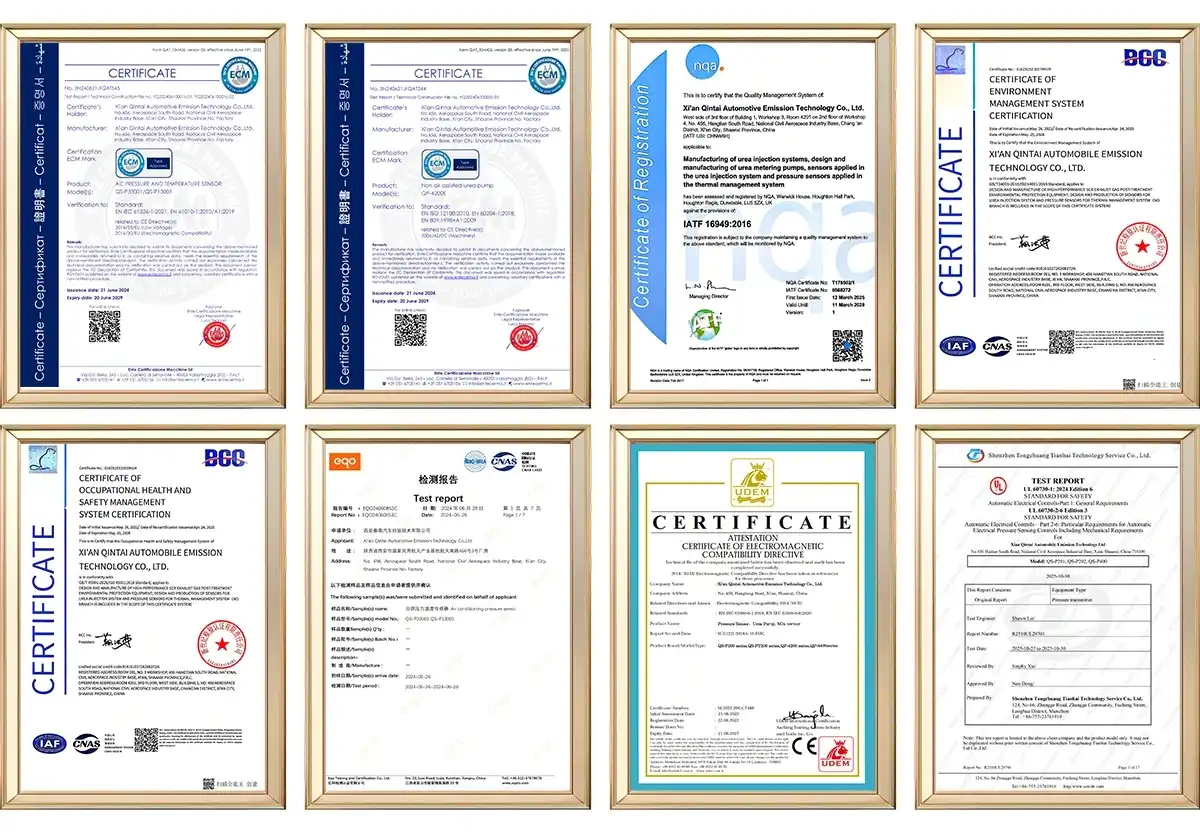
Qintai stands as China's leading NOx sensor manufacturer, offering comprehensive solutions for diesel engine aftertreatment applications. Our state-of-the-art manufacturing facility produces high-quality sensors that meet stringent Euro VI and EPA standards, backed by extensive certifications including ISO 9001, IATF 16949, and multiple international safety approvals.
With over two decades of expertise serving major OEMs like Weichai Power and Yuchai Power, we understand the critical importance of reliable emissions monitoring in modern vehicles. Our advanced R&D capabilities have resulted in 58 invention patents, ensuring our sensor technology remains at the forefront of industry innovation.
We provide flexible OEM and ODM services, supporting customization according to specific application requirements. Whether you need sensors for heavy trucks, building equipment, or generator sets, our tech team can make options that are exactly what you need. Get in touch with our tech support team at info@qt-sensor.com to discuss your NOx sensor needs and find out how our tried-and-true solutions can improve your emission control systems.
References
1. Johnson, M.K., Peterson, R.L., & Williams, S.A. (2023). Advanced NOx Sensor Technologies for Heavy-Duty Diesel Applications. Journal of Automotive Engineering, 45(3), 178-195.
2. European Commission Directorate-General for Environment. (2022). Euro VI Heavy-Duty Vehicle Emission Standards: Technical Implementation Guide. Brussels: EU Publications Office.
3. Zhang, L., Rodriguez, C., & Anderson, P.J. (2023). Ceramic Materials Innovation in Automotive Emission Sensors. Materials Science and Engineering Review, 12(4), 89-104.
4. United States Environmental Protection Agency. (2022). Heavy-Duty Engine and Vehicle Standards and Highway Diesel Fuel Sulfur Control Requirements. Washington: EPA Office of Transportation and Air Quality.
5. Kumar, A., Thompson, D.R., & Lee, H.W. (2023). IoT Integration in Modern Vehicle Emission Control Systems. International Conference on Automotive Electronics, 234-249.
6. Society of Automotive Engineers International. (2023). NOx Sensor Performance Standards and Testing Protocols for Commercial Vehicle Applications. SAE Technical Paper Series, 2023-01-0847.

Our customers’ satisfaction speaks for our quality — contact us to experience the same reliable service.