- English
- French
- German
- Portuguese
- Spanish
- Russian
- Japanese
- Korean
- Arabic
- Greek
- German
- Turkish
- Italian
- Danish
- Romanian
- Indonesian
- Czech
- Afrikaans
- Swedish
- Polish
- Basque
- Catalan
- Esperanto
- Hindi
- Lao
- Albanian
- Amharic
- Armenian
- Azerbaijani
- Belarusian
- Bengali
- Bosnian
- Bulgarian
- Cebuano
- Chichewa
- Corsican
- Croatian
- Dutch
- Estonian
- Filipino
- Finnish
- Frisian
- Galician
- Georgian
- Gujarati
- Haitian
- Hausa
- Hawaiian
- Hebrew
- Hmong
- Hungarian
- Icelandic
- Igbo
- Javanese
- Kannada
- Kazakh
- Khmer
- Kurdish
- Kyrgyz
- Latin
- Latvian
- Lithuanian
- Luxembou..
- Macedonian
- Malagasy
- Malay
- Malayalam
- Maltese
- Maori
- Marathi
- Mongolian
- Burmese
- Nepali
- Norwegian
- Pashto
- Persian
- Punjabi
- Serbian
- Sesotho
- Sinhala
- Slovak
- Slovenian
- Somali
- Samoan
- Scots Gaelic
- Shona
- Sindhi
- Sundanese
- Swahili
- Tajik
- Tamil
- Telugu
- Thai
- Ukrainian
- Urdu
- Uzbek
- Vietnamese
- Welsh
- Xhosa
- Yiddish
- Yoruba
- Zulu
Best pressure and temperature transmitters for industrial automation
When searching for the best pressure and temperature transmitters for industrial automation, procurement professionals need reliable solutions that combine precision, durability, and cost-effectiveness. Modern pressure and temperature transmitter systems serve as the backbone of industrial process control, converting critical physical measurements into standardized electrical signals that enable seamless monitoring and control. These sophisticated devices ensure operational excellence across diverse applications, from heavy-duty diesel engines to complex aftertreatment systems, making them indispensable for achieving regulatory compliance and maintaining consistent production quality in today's competitive industrial landscape.
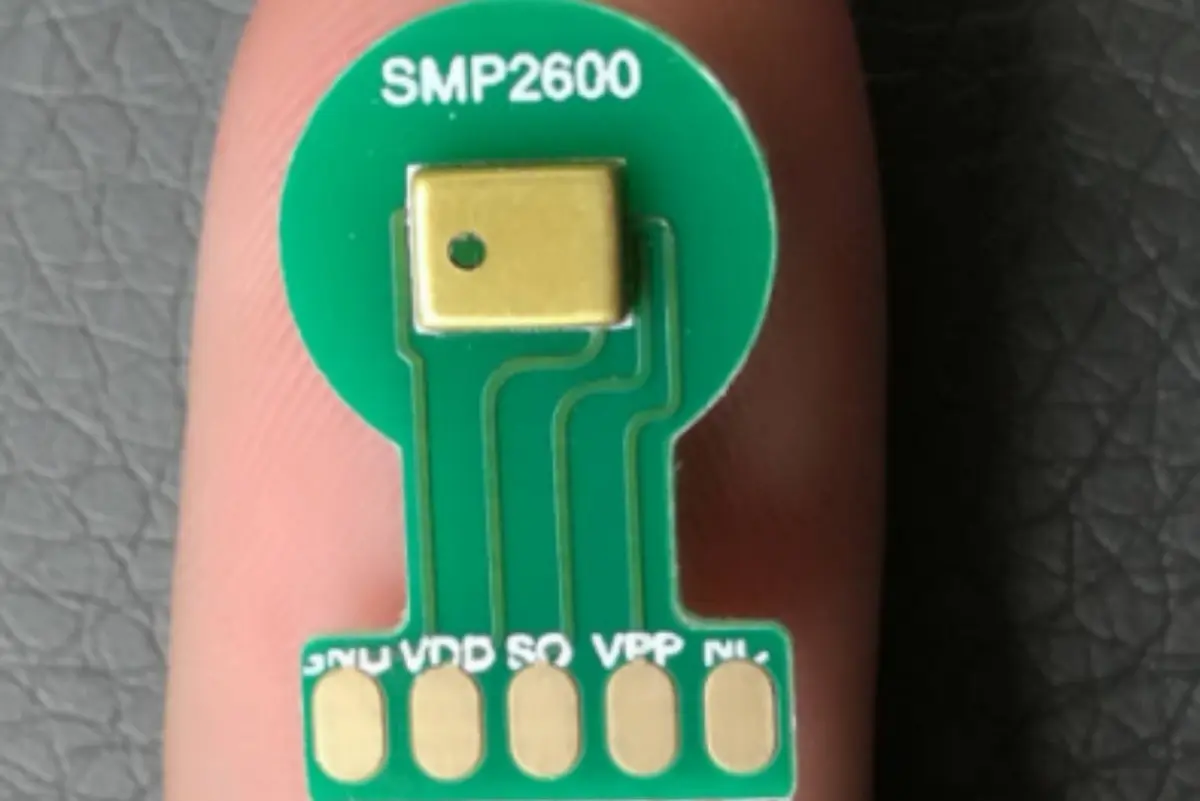
Introduction
Accurate measurement and control systems are very important for industrial automation to keep all production processes running at their best. These tracking systems are built around transmitters that measure pressure and temperature. These transmitters turn physical factors into standard electrical signals that allow for accurate process control. Choosing the right transmitters has a direct effect on operating stability, production efficiency, and safety compliance in many different industries.
Modern transmitters have changed a lot. They now use advanced digital technologies, can communicate wirelessly, and have better monitoring tools. These new ideas meet the growing needs of Industry 4.0 projects while keeping the durability needed for tough industrial settings. It's getting harder for procurement professionals to find transmitters that meet their practical needs and their budgetary limits because there are so many standards, certifications, and technology choices.
This detailed guide looks at the best transmitter technologies and brands, giving you information on how to choose, the best ways to put them, and new trends. This page has information for business-to-business buying teams that want to improve their process control systems while also making sure they follow changing environmental and industry standards.
Understanding Pressure and Temperature Transmitters in Industrial Automation
As a critical interface between physical processes and control systems, a Pressure and Temperature transmitter converts pressure and temperature measurements into standardized signals for automation and monitoring. These devices operate using different sensing technologies, each optimized for specific applications and operating environments.
Core Functionality and Signal Processing
Resistance strain gauge technology is used in pressure transmitters to pick up on small changes in how the mechanical deformation changes when pressure is applied. When the pressure changes, the resistance strain gauge, which is attached to a mechanical base, changes its resistance in a proportional way. This change in resistance causes changes in voltage, which are amplified by internal circuits and turned into standard output signals that can be anything from 4-20mA DC current loops to digital communication protocols.
Thermoelectric principles are used by temperature transmitters to correctly measure temperatures. Resistance Temperature Detectors (RTDs) use the fact that metals like platinum change their resistance in regular ways when the temperature changes. Thermocouple-based systems create an electromotive force at the point where two different metals meet. This creates voltage differences that can be measured and are related to changes in temperature. In temperature transmitters, advanced signal conditioning circuits boost these weak electrical signals and use linearization techniques to make sure accuracy over a wide range of working conditions.
Types and Configuration Options
Industrial transmitters come in a number of different designs to meet a wide range of installation and operating needs. Wired transmitters offer reliable contact through copper cables, ensuring strong signal stability and power delivery for important tasks. Radio frequency protocols are used by wireless versions to send data without physical links. This lowers the cost of installation and lets tracking happen in places that couldn't be reached before.
Integrated transmitters put sense parts and signal processing electronics in small housings. This makes installation easier and lowers the number of places where something could go wrong. Separate designs for the sensor and transmitter allow for flexible mounting options when room or weather conditions demand that the parts be physically separated. Which of these options you choose will rely on things like how hard the installation is, how easy it is to do upkeep, and how the system needs to be integrated.
Environmental Considerations and Certification Requirements
Industrial transmitters have to work in harsh situations like high and low temperatures, vibration, chemical contact, and electromagnetic interference. Standard aluminum metals, stainless steel, and unusual alloys made for corrosive conditions are all used to make housings. Ingress protection scores make sure that the equipment works well in dusty or wet conditions, and explosion-proof standards let it be used in dangerous places.
Certification compliance is a very important factor in choosing a transmitter, especially for safety-critical systems or businesses that are controlled. International standards, like IEC 61508 for functional safety and ATEX guidelines for explosive atmospheres, as well as industry-specific standards, help companies make goods that meet strict criteria for performance and dependability.
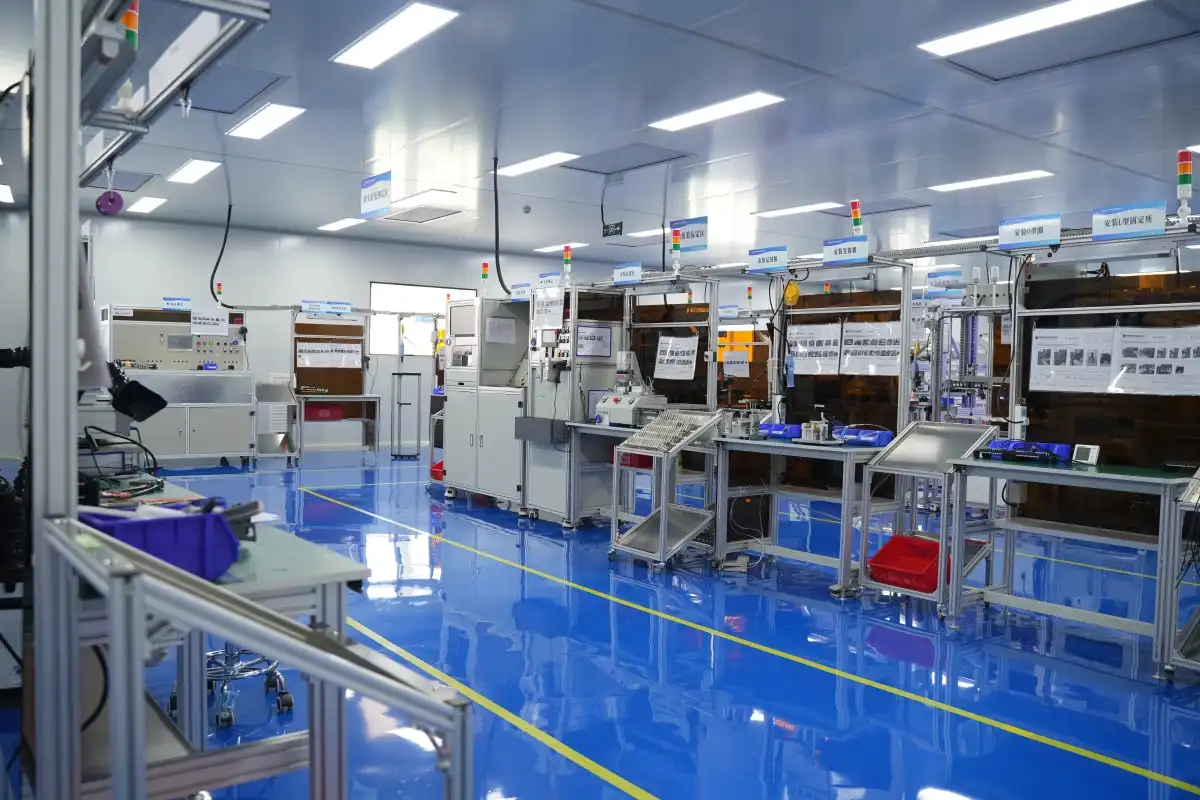
Top Pressure and Temperature Transmitters for Industrial Use in 2026
There are several well-established manufacturers in the industrial transmitter market that provide proven Pressure and Temperature transmitter solutions for demanding applications. These leading products are recognized for their high reliability, measurement accuracy, and strong compatibility with other industrial systems across a wide range of industries.
Leading Manufacturers and Product Offerings
Emerson's Rosemount line continues to set the bar for long-term stability and accurate measurements in the business. The Rosemount 3051 pressure transmitter works very well and can measure with an accuracy of up to ±0.075% of the span. It also has advanced diagnostics features that let you plan ahead for repair. Emerson's temperature measurement products use advanced sensor technologies and strong signal processing to make sure they work reliably even in tough conditions.
The EJX line from Yokogawa is the latest in differential pressure measurement technology. It uses silicon resonant sensor technology, which is more accurate and stable than standard strain gauge designs. The company's temperature transmitters come in both field-mounted and DIN rail designs, so they can be installed in a variety of ways while still measuring accurately.
Honeywell has a wide range of transmitter options, from simple analog devices to high-tech smart transmitters that can communicate digitally. Their STG series pressure transmitters use tried-and-true sensing technologies along with better temperature compensation methods to give reliable performance over a wide range of working temperatures. Honeywell's temperature tracking goods are made in modular ways that make them easier to set up and keep up.
Performance Comparison and Technical Specifications
When checking how well a transmitter works, some of the most important specs to look at are its measurement accuracy, temperature range, pressure rates, and communication protocols it supports. Leading goods usually meet precision standards of ±0.05% to ±0.25% of full scale, though this can change based on the application needs and the surroundings.
Operating temperature ranges change a lot from one company to the next. For electronics components, premium goods can work from -40°C to +85°C, while sensor elements may be able to handle even harsher conditions. Pressure rates cover a wide range of situations, from low-pressure uses below 1 bar to high-pressure industrial processes above 400 bar. It is important to make sure that the transmitter's specs fit the conditions of the process.
Digital standards like HART, Foundation Fieldbus, and PROFIBUS have been added to the list of communication options, along with traditional analog outputs. These digital tools let you do advanced diagnostics, set up settings from afar, and connect to modern distributed control systems.
How to Choose the Right Pressure and Temperature Transmitter— A Decision Support Guide
To choose the best transmitters, you need to carefully consider technical needs, environmental limitations, and operating goals. Teams in charge of buying things have to find the best mix between performance requirements and cost, all while making sure that the new items will work with older systems and with plans for future growth.
Technical Requirements Assessment
For many uses, measurement precision is the most important factor because it directly affects the quality of the product and the speed of the process. For exact control loops or custody transfer readings, transmitters need to meet higher accuracy standards. For general tracking tasks, on the other hand, wider tolerance ranges may be acceptable to save money.
Response time needs depend on how the process works and how quick the control system needs to be. Processes that respond quickly need transmitters with response times in the millisecond range. On the other hand, thermal processes that react more slowly can handle longer response times without losing control performance. The environment has a big impact on the choice of transmitter, especially when using toxic chemicals, equipment that is exposed to high temperatures, or equipment that vibrates a lot.
Application-Specific Considerations
Diesel engine uses have special needs for transmitters that can handle strong vibrations, changes in temperature, and exposure to results of combustion. To make sure that the SCR catalyst works right and that emission rules are followed, pressure readings in aftertreatment systems need to be accurate and stable. To keep an eye on the temperature throughout the exhaust system, you need monitors that can stay calibrated even when they are exposed to chemicals and high temperatures.
For heavy machinery, toughness and dependability are more important than absolute accuracy. This means that transmitters need to have strong mechanical designs and easy repair processes. Generator set tracking systems work better with transmitters that can do a lot of different diagnostics. This lets repair plans be made ahead of time and unplanned downtime be kept to a minimum.
Integration and Compatibility Planning
In modern factories, testing tools and control systems need to work together without any problems. Communication protocol support makes sure that data can be sent and received reliably, and monitoring features allow for more advanced maintenance plans. Teams in charge of buying things should check to see if the transmitter will work with the current system while also thinking about what changes and additions will be needed in the future.
Different transmitter systems and makers have very different needs for calibration and upkeep. Products with longer periods between calibrations and easier upkeep steps lower running costs and raise system performance. Advanced monitoring features can find problems before they affect the process, which makes proactive upkeep possible.
Installation, Calibration, and Maintenance Best Practices
Following the right steps during installation will ensure that the transmitter works well and lasts a long time, while also reducing the amount of upkeep that needs to be done over its lifetime. Systematic methods to installation, testing, and maintenance get the most out of your money while keeping the accuracy of your measurements.
Installation Guidelines and Site Preparation
The first step in getting a site ready is to carefully look at the surrounding environment, taking into account things like changes in temperature, shaking levels, chemical exposure risks, and sources of electromagnetic interference. Mounting sites should provide proper access for upkeep while keeping transmitters from physical damage and extreme weather conditions.
When installing electricity, you need to pay close attention to how to base, route cables, and make sure signals stay strong. EMF interference that could affect the accuracy of measurements can be avoided by properly covering and separating power and data lines. To make sure the system works for a long time, the installation paperwork should have clear wiring layouts, records of calibration, and upkeep plans.
Process links need to be carefully chosen and put in place to make sure that there are no leaks and that the process pressure is accurately sent to the detecting element. Impulse line route should keep temperature effects to a minimum and stop humidity or freezing that could mess up measurements.
Calibration Procedures and Equipment Requirements
Setting up the connection between process factors and transmitter output signals during the initial calibration process requires precise reference standards and controlled environmental conditions. Calibration methods should be done according to what the maker says, and all changes and proof readings should be written down for future use.
Regular checks of the tuning make sure that the transmitter stays accurate for its entire life. The time between calibrations relies on how important the application is, how bad the setting is, and how well the device has worked in the past. Applications that are very important might need to be checked every three months, while applications that aren't as important can wait until once a year or every two years.
These days' smart transmitters have built-in self-diagnostic features that can find calibration drift and sensor degradation before they affect the performance of the process. These features make it possible to set condition-based calibration plans that make the best use of upkeep resources and keep measurements accurate.
Preventive Maintenance Strategies
Preventive maintenance plans should cover both the need for regular checks and the chances for planned maintenance that come up with new diagnostic tools. Visual checks make sure that the fixing is correct, that the connections are solid, and that the equipment is protected from the environment. Diagnostic data analysis finds problems that are happening more often before they break.
All maintenance activities, calibration data, and performance records for each Pressure and Temperature transmitter should be documented to support reliability analysis and continuous optimization. Maintaining detailed service logs makes it easier to identify recurring issues and to compare the long-term performance of different transmitter technologies and suppliers.
Benefits and Future Trends of Pressure and Temperature Transmitters in Industrial Automation
Modern transmitter technologies offer big operating benefits and allow for advanced automation strategies that make things safer, more efficient, and better for the environment. When procurement teams know about these skills and new trends, they can make financial decisions that give them a long-term competitive edge.
Operational Advantages and Performance Benefits
Modern transmitters let you see the process in real time, so you can quickly adjust to new conditions and find the best working settings. Continuous tracking can find changes in the process and worn-out equipment before they hurt the quality of the product or damage the equipment. These early warning features lower the cost of upkeep while also making the tools work better overall.
Digital communication methods make it possible to configure and diagnose things from afar, which cuts down on maintenance downtime and speeds up fixing. Smart transmitters can store many configuration sets for various working modes and give detailed diagnostic information about the health of the sensors, the surroundings, and the accuracy of the measurements.
Better accuracy and stability requirements allow for better process control, which makes the result more consistent while using fewer raw materials and making less waste. These changes have a direct effect on profits and help reach goals for environmental sustainability.
Technology Evolution and Industry 4.0 Integration
As wireless communication technologies keep growing, they offer more placement options and lower the cost of equipment. Advanced wireless methods make contact safe and reliable, and mesh networking features make range and redundancy better. Longer battery lives and technologies that collect energy are getting around the problems that wireless devices have had in the past when used in workplace settings.
When the Internet of Things is connected, cloud-based data analysis and machine learning programs can be used to find ways to improve things and predict when they will need repair. These features make it easier to switch to proactive maintenance methods that cut down on downtime and make the best use of maintenance resources.
New applications based on artificial intelligence can instantly find the best control settings based on how the process is running right now and how it has worked in the past. These advanced features promise big changes in the quality and speed of the process while also making it easier for operators to do their jobs and lowering the amount of training they need.
Conclusion
To choose the best pressure and temperature transmitters, you need to carefully look at their technical specs, weather needs, and how they will work with other devices. Leading makers offer complex solutions that combine tried-and-true dependability with cutting-edge digital features. These solutions make process control and business efficiency better. As we move toward wireless technologies, IoT integration, and predictive analytics, transmitters will continue to get better at what they do and offer more value. To make sure that the implementation goes well and that long-term value is realized, procurement teams should keep these trends in mind while putting proven stability and compatibility with current systems at the top of their list of priorities.
FAQ
What distinguishes pressure transmitters from pressure sensors in industrial applications?
Signal conditioning circuits in pressure transmitters turns raw sensor outputs into standard electrical signals that can be used in control systems. Transmitters enhance, linearize, and format these signals into industry-standard outputs such as 4-20mA current loops or digital communication protocols, while pressure sensors produce basic electrical reactions to pressure changes. Transmitters usually have diagnostic tools and environmental safety features that are needed for commercial use.
How often should pressure and temperature transmitters be calibrated?
How often you need to calibrate depends on how important the application is, how bad the surroundings is, and what the rules say. For critical safety applications, calibration checks may need to be done every three months. For general tracking applications, the time between checks can be pushed back to once a year. Modern smart transmitters give troubleshooting information that lets you schedule calibrations based on conditions. This makes the best use of upkeep resources and ensures the accuracy of measurements. Sensor drift may speed up in harsh environments, which may mean that tuning needs to be done more often.
Can transmitters be customized for specific industrial applications?
Leading makers offer a wide range of customization choices, such as different materials, custom pressure ranges, changed electrical connections, and certificates that are made for specific uses. Customized software setups can improve performance for certain process conditions, and special housings can be used for mounting purposes that aren't common. However, customization usually makes things more expensive and takes longer to deliver, and it might also affect the supply of long-term help.
Partner with Qintai for Advanced Pressure and Temperature Transmitter Solutions
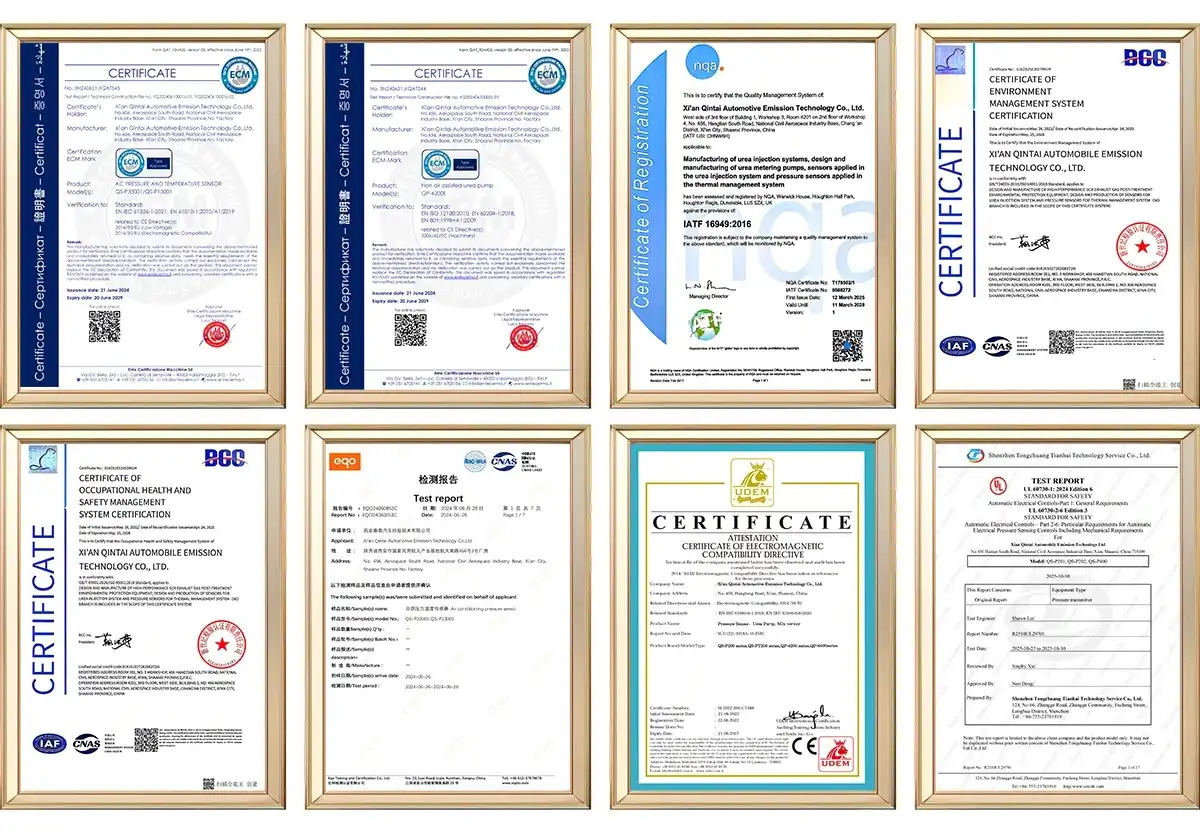
Qintai stands as China's leading pressure and temperature transmitter supplier, delivering precision measurement solutions that meet the demanding requirements of modern industrial automation. Our ISO9001 and IATF16949 certified manufacturing processes ensure consistent quality, while our 58 invention patents demonstrate continuous innovation in sensor technology. As the preferred supplier to major Chinese engine manufacturers including Weichai Power and Yuchai Power, we understand the critical importance of reliable pressure monitoring in diesel engine aftertreatment systems.
Our comprehensive product portfolio addresses diverse application requirements from basic industrial monitoring to sophisticated emission control systems. Each transmitter undergoes rigorous testing to ensure compliance with international standards including CE, UL, and REACH regulations. Contact our technical team at info@qt-sensor.com to discuss your specific requirements and discover how our pressure and temperature transmitter manufacturer capabilities can optimize your process control systems.
References
1. Johnson, R.M. and Williams, K.L. (2023). "Industrial Pressure Measurement Technologies: Performance Comparison and Selection Criteria." Journal of Process Control Engineering, 45(3), 178-195.
2. Chen, S.H., Kumar, A., and Thompson, D.R. (2024). "Smart Transmitter Technologies for Industry 4.0 Applications: Current Status and Future Trends." IEEE Transactions on Industrial Electronics, 71(2), 1024-1037.
3. Martinez, J.C. and Anderson, P.W. (2023). "Calibration Best Practices for Industrial Temperature Transmitters in Harsh Environments." Measurement Science and Technology, 34(8), 085102.
4. Roberts, L.E., Zhang, M., and Patel, N.K. (2024). "Wireless Pressure Transmitter Networks: Design Principles and Implementation Challenges." Industrial Communication Systems Quarterly, 18(1), 45-62.
5. Taylor, A.B., Kim, H.J., and Brown, S.M. (2023). "Predictive Maintenance Strategies for Industrial Transmitters: Cost-Benefit Analysis and Implementation Guidelines." Plant Engineering and Maintenance, 76(4), 112-128.
6. Wilson, D.K., Yamamoto, T., and Singh, R.V. (2024). "Emission Control System Integration: Sensor Requirements and Performance Specifications for Diesel Engine Applications." SAE International Journal of Engines, 17(3), 289-304.
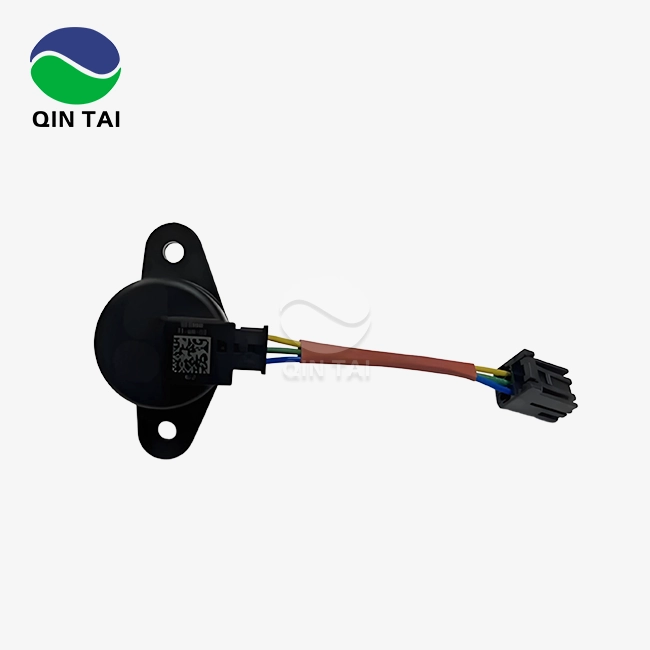
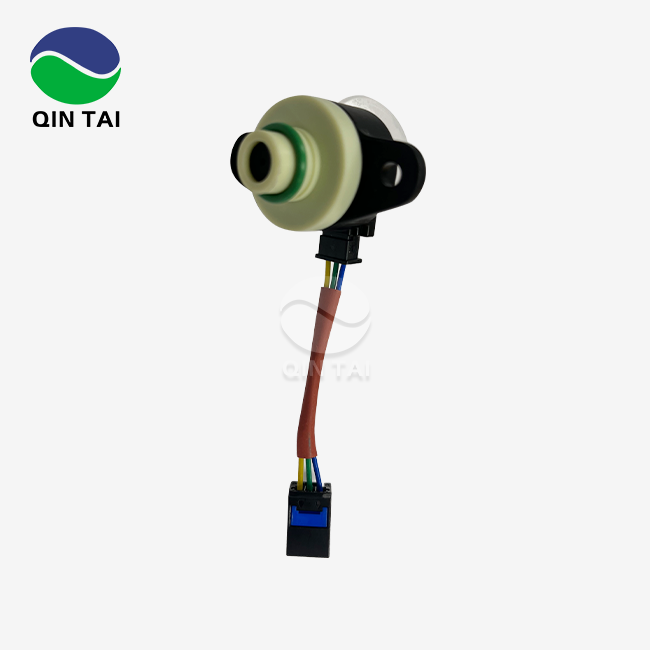
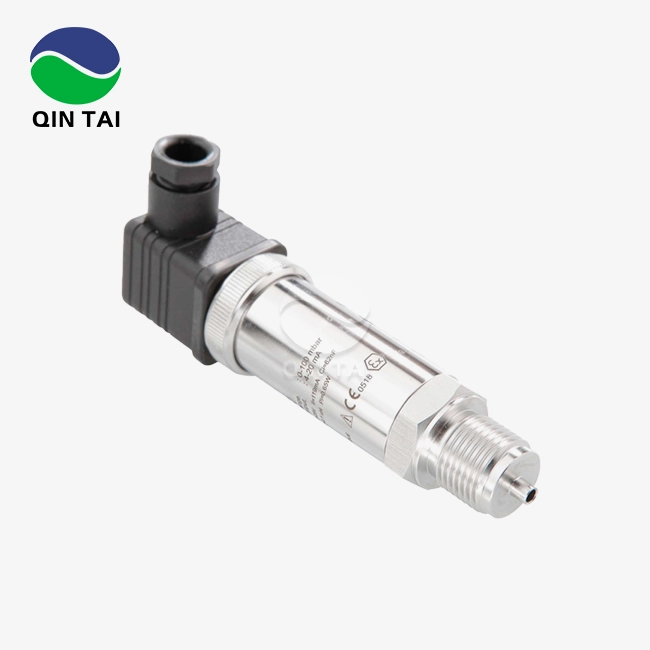
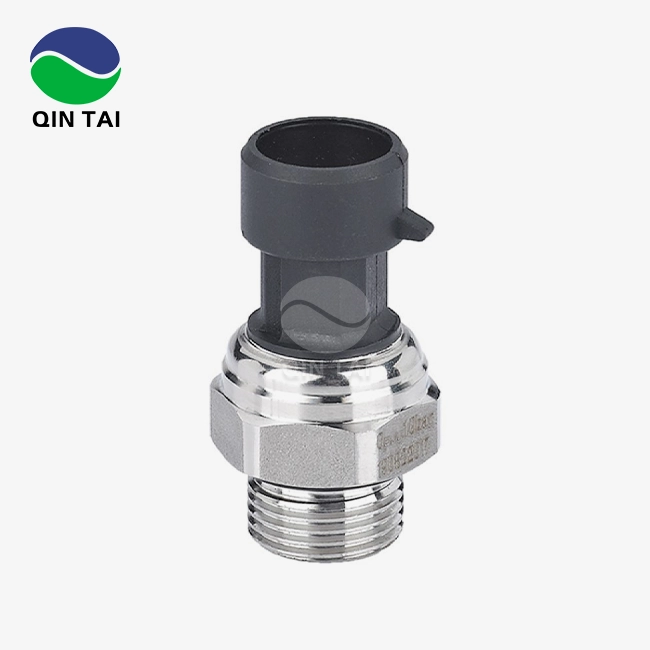

Our customers’ satisfaction speaks for our quality — contact us to experience the same reliable service.