- English
- French
- German
- Portuguese
- Spanish
- Russian
- Japanese
- Korean
- Arabic
- Greek
- German
- Turkish
- Italian
- Danish
- Romanian
- Indonesian
- Czech
- Afrikaans
- Swedish
- Polish
- Basque
- Catalan
- Esperanto
- Hindi
- Lao
- Albanian
- Amharic
- Armenian
- Azerbaijani
- Belarusian
- Bengali
- Bosnian
- Bulgarian
- Cebuano
- Chichewa
- Corsican
- Croatian
- Dutch
- Estonian
- Filipino
- Finnish
- Frisian
- Galician
- Georgian
- Gujarati
- Haitian
- Hausa
- Hawaiian
- Hebrew
- Hmong
- Hungarian
- Icelandic
- Igbo
- Javanese
- Kannada
- Kazakh
- Khmer
- Kurdish
- Kyrgyz
- Latin
- Latvian
- Lithuanian
- Luxembou..
- Macedonian
- Malagasy
- Malay
- Malayalam
- Maltese
- Maori
- Marathi
- Mongolian
- Burmese
- Nepali
- Norwegian
- Pashto
- Persian
- Punjabi
- Serbian
- Sesotho
- Sinhala
- Slovak
- Slovenian
- Somali
- Samoan
- Scots Gaelic
- Shona
- Sindhi
- Sundanese
- Swahili
- Tajik
- Tamil
- Telugu
- Thai
- Ukrainian
- Urdu
- Uzbek
- Vietnamese
- Welsh
- Xhosa
- Yiddish
- Yoruba
- Zulu
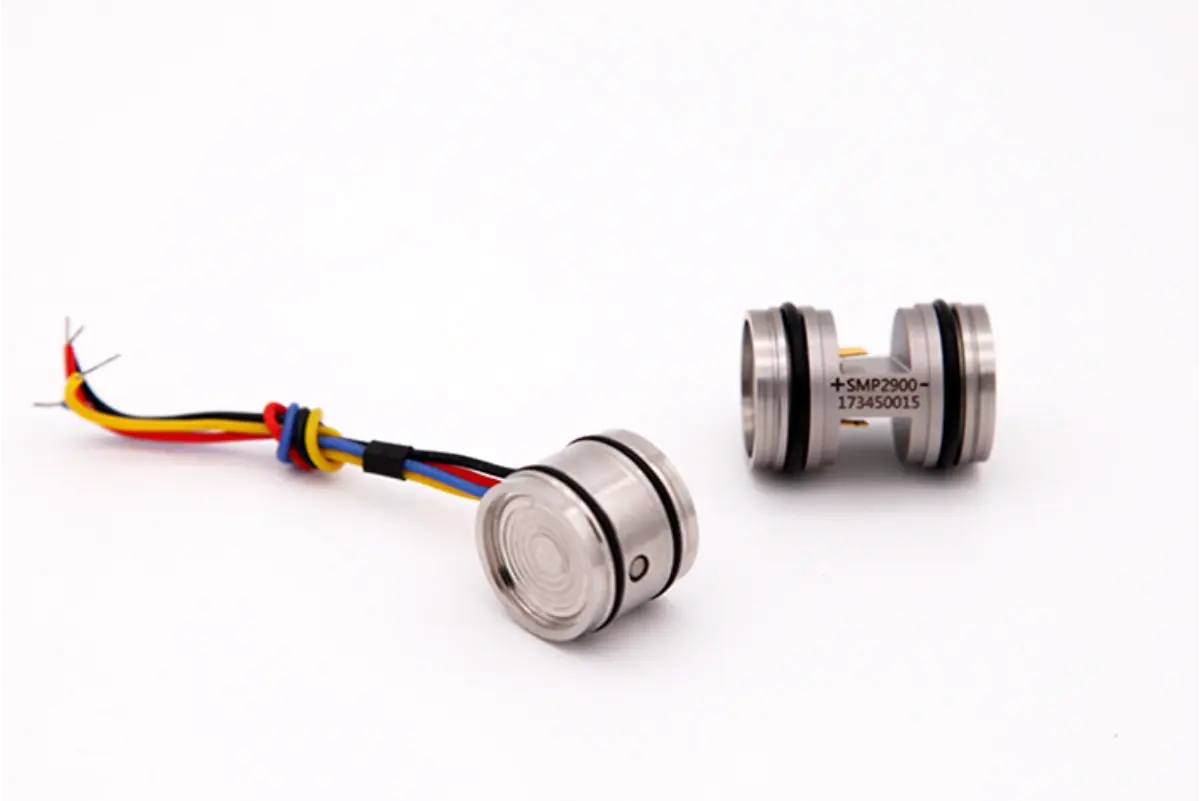
How to select a pressure and temperature transmitter for high-pressure steam applications?
When looking for the right pressure and temperature transmitter for high-pressure steam uses, you need to think carefully about measurement ranges, sensor compatibility, accuracy needs, and the surroundings. These gadgets change physical factors into standard electrical signals, which makes it possible to precisely control processes in tough factory settings. Extreme temperatures, corrosive atmospheres, and possible safety risks make high-pressure steam systems special. They need strong, reliable measurement solutions that have been certified and shown to last.
Understanding the Challenges in High-Pressure Steam Measurement
In industrial settings, high-pressure steam situations are some of the toughest places for measuring tools to work. Usually, these systems work at temperatures and pressures of at least 600°C and over 1000 PSI. This puts a lot of stress on the computer and sensing parts.
Environmental Stressors Affecting Measurement Accuracy
When high pressure and temperature come together, they make it hard for measuring tools to do their jobs. The materials used to make sensor housings change when they get hot or cold, which could lead to calibration drift over time. Steam condensation adds water to the air, which can harm electrical systems if they are not properly protected. Rapid changes in pressure, which happen a lot in steam systems, can wear out sense elements mechanically, causing them to fail before they should.
In these places, signal disruption becomes a very big problem. High-power equipment nearby can mess up weak sensor readings with electromagnetic interference, and changes in temperature can change how electrically stable transmitter circuits are. In these situations, materials break down faster, and common covering materials become brittle and lose their ability to protect.
Safety Considerations in Explosive Atmospheres
A lot of the time, high-pressure steam is used in places where dangerous gases or dust that can catch fire could be present. Because of this, designs that are naturally safe or housings that are explosion-proof are needed to stop sources of fire. To stop dangerous electrical discharges that could cause fires, proper grounding and signal separation are needed.
When measurement fails under these conditions, the consequences extend beyond production losses to include serious safety hazards. Excessive pressure can damage equipment, while inadequate temperature monitoring may lead to overheating and dangerous operating states. By selecting a Pressure and Temperature transmitter with appropriate safety certifications and built-in protective features, these risks can be reduced while maintaining regulatory compliance.
Key Selection Criteria for Pressure and Temperature Transmitters
Setting clear performance standards based on your personal application parameters is the first step in choosing the right measuring tools. It is very important to know the difference between basic pressure sensors and pressure transmitters because transmitters offer signal filtering, linearization, and output standardization that sensors cannot.
Defining Measurement Requirements and Sensor Types
To measure pressure in steam systems, you usually need transmitters that can handle exact pressures from 0 to 2000 PSI with more than 0.25% of full scale accuracy. In order to observe flow, it may be necessary to measure differential pressure. When measuring temperature, you have to choose between resistance temperature detectors (RTDs) and thermocouples, which each have their own benefits.
RTDs are perfect for important control purposes because they are very accurate and stable. Because their resistance changes linearly with temperature, they can be used to make accurate readings and stay stable over time. However, RTDs cost more and change temperature more slowly than thermocouples. Thermocouples can respond more quickly and work in a wider range of temperatures, which makes them good for rapid tracking tasks that need to find changes in temperature quickly.
Wiring Configurations and Signal Processing
Choosing between two-wire and four-wire setups has a big effect on how hard it is to install and how accurate the measurements are. Two-wire systems make installation easier because they combine power and data transfer into a single cable. This lowers the cost and complexity of wiring. Long cable runs, on the other hand, can make accuracy worse because of lead resistance. For high-precision uses, four-wire designs are better.
The quality and usefulness of measurement data depend on how well the transmitter can handle signals. Digital signal processing is used in modern transmitters to provide linearization, temperature adjustment, and diagnostic features. The HART transmission protocol lets you set up and watch things from afar, and the Modbus and Profibus options let you connect to different control systems.
Environmental Protection and Mounting Considerations
For use with high-pressure steam, transmitters need to be well protected from the surroundings. IP67 or IP68 grades protect against water getting in, and NEMA 4X barriers protect against corrosion in harsh chemical conditions. Vibration resistance is very important in situations where machinery is turning or where steam is moving quickly.
The position of the mount affects both the accuracy of the measurements and the life of the transmitter. If at all possible, pressure transmitters should be placed below the process links so that condensation doesn't build up in the impulse lines. To get accurate readings, temperature sensors need to be inserted at the right level, making sure they stay out of areas with rough flow that could put stress on the sensors.
Evaluating Market Solutions: Leading Pressure and Temperature Transmitters for Industrial Use
There are a lot of different industrial measurement options from well-known brands, and each one is better for high-pressure steam uses in its own way. Customers can make smart choices based on their needs and budgets when they know about these options.
Comparing Wired and Wireless Technologies
For most high-pressure steam uses, traditional wired transmitters are still the best choice because they work reliably and consistently. With wired systems, you don't have to worry about signal confusion or managing power, and you can keep an eye on things all the time. Hardwired links are safer than wireless ones, so they can be used in dangerous areas where wireless devices might need extra certification.
In retrofit situations where running new wires would be hard or cost a lot, wireless pressure and temperature transmitters are a good option. These systems let you keep an eye on things from afar, which helps with predictive maintenance plans and making decisions based on data. Longer operational times have been made possible by technologies that improve battery life and collect energy. However, regular repair is still needed.
The integration capabilities of modern transmitters extend beyond basic measurement output. Advanced troubleshooting features check the health of the sensors and find problems like impulse lines that are clogged or sensor drift before they affect process control. Self-calibration features cut down on upkeep needs and keep the accuracy of the gadget over its entire life.
Cost-Benefit Analysis and Value Optimization
Total operating costs need to be carefully looked at in order to balance up-front costs with long-term performance needs. The higher original cost of premium transmitters with longer warranties and better accuracy may be worth it in the long run because they require less upkeep and make the process more efficient. On the other hand, apps that don't need to be as accurate might benefit from solutions that are cost-effective and meet basic performance goals.
Compatibility with current infrastructure affects both how much it costs to install and how well it works for long-term upkeep. Transmitters that work with existing control systems automatically require less training and less time to set up. Standardizing on certain makers or communication methods makes it easier to keep track of spare parts and train technicians.
Best Practices for Installation, Calibration, and Maintenance
For high-pressure steam uses to work reliably for a long time, the construction process must be done correctly. Common problems that can affect the accuracy of measurements and the life of a device can be avoided by following the manufacturer's instructions and best practices in the industry.
Installation Procedures and Mounting Guidelines
Pre-installation testing makes sure that the transmitters chosen are right for the job and the surroundings. Overload damage can be avoided by comparing pressure and temperature ratings to real process conditions. Electrical specs must be checked to make sure signals are sent correctly. For measuring pressure, impulse line design is very important, and it's important to think about how to drain condensation and keep the line from freezing.
The way the mount is mounted affects both the accuracy of measurements and the ease of upkeep. When measuring gas pressures, pressure transmitters should be placed so that the diaphragms face downward. This will keep condensation from build up. To get accurate readings and keep the sensor's mechanical integrity, it's important to figure out the right entry depth based on the pipe width and flow conditions.
For hazardous-area installations, the electrical connections of a Pressure and Temperature transmitter must comply with relevant safety standards. Proper selection of cable glands prevents moisture ingress and preserves the integrity of the explosion-proof enclosure. To avoid ground loops that may cause measurement errors, grounding must be carried out in accordance with electrical codes and the manufacturer’s installation guidelines.
Calibration Protocols and Troubleshooting
The transmitter's measurement accuracy stays high as long as it is regularly calibrated. Most systems only need to be calibrated once a year, but important processes may need to be checked more often. Multi-point testing over the whole measurement range makes sure that the readings are correct in all situations, and single-point checks make it easy to see how well the whole thing is working.
To fix common problems, you need to make a list of all the possible reasons. Signal shift could be a sign of a sensor failing, thermal effects, or an electrical component getting old. Readings that go off and on are often caused by broken connections, water getting in, or electromagnetic interference. When there is no signal at all, it usually means that the power source is broken, the cord is damaged, or an internal part fails.
Programs for preventive repair help find problems before they get in the way of process control. Physical harm or corrosion can be found through regular eye inspections, and electrical stability can be checked on a regular basis. Impulse line repair stops plugs, which can lead to wrong measurements or signal loss.
Making the Purchase: Procurement Considerations for Industrial Buyers
Strategic choices about buying make sure that the transmitters chosen meet both technical needs and business goals. Knowing what certifications are needed, what the provider can do, and the total cost of ownership can help you make better buying choices.
Certification Requirements and Safety Standards
For industrial steam uses, safety certificates are often needed based on where the equipment is installed and the risks involved in the process. ATEX certification lets equipment be used in sites in Europe that deal with explosive atmospheres, and IECEx certification lets equipment used in dangerous areas be recognized around the world. For Class I, Division 1 sites in North America, licenses from FM and CSA are enough.
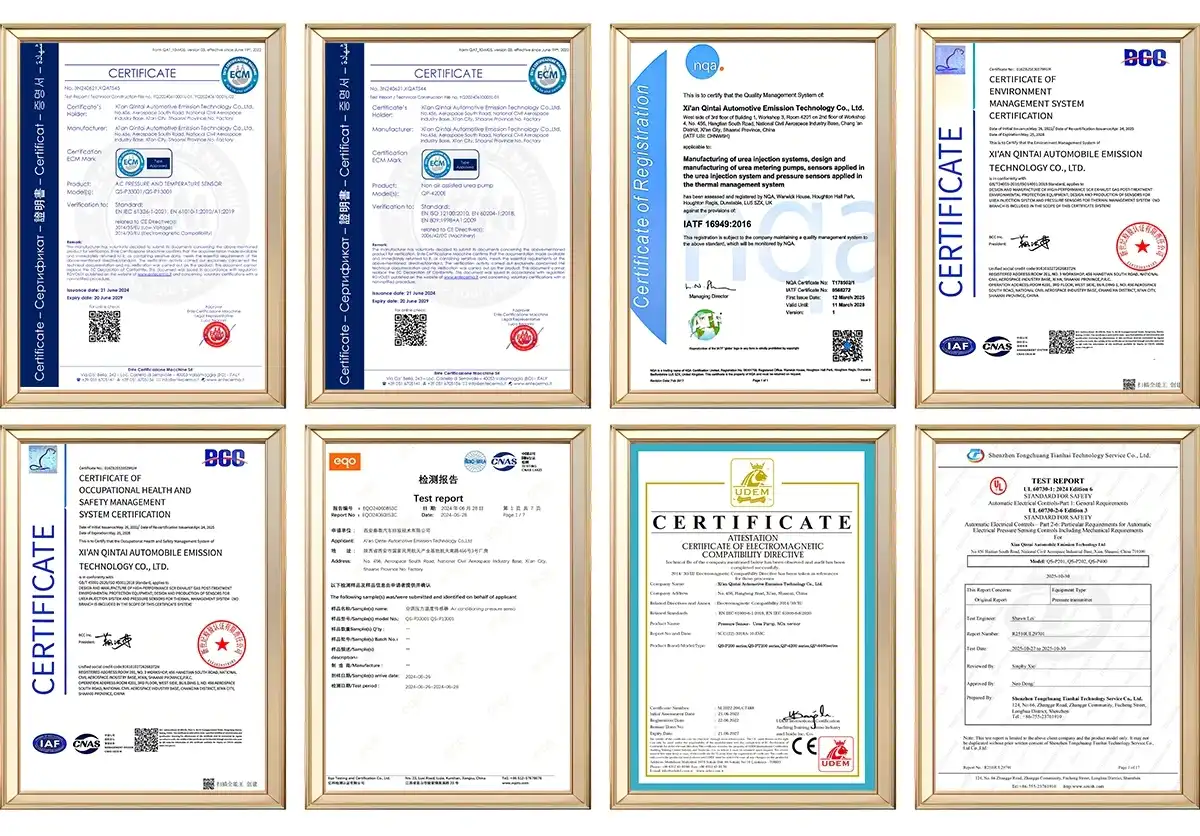
Quality certifications show that the production standards and process rules have been met. ISO 9001 certification shows that a quality management system is in place, and IATF 16949 certification talks about the needs of the car business. With these certificates, you can be sure that the product will always work the same way and be reliable. This is especially important for important uses where a measurement error could have serious effects.
Supplier Selection and Customization Options
Availability, professional help, and the ability to make changes depend on whether you choose a foreign OEM or a local distributor. Local suppliers can often send items faster and offer help on-site, while global manufacturers may have a wider range of products and more advanced technical skills. Checking the financial health and long-term success of suppliers is a good way to make sure that parts and service support will continue to be available.
Customization choices let you make things work best for your unique application. Custom settings for pressure and temperature, output signs, and housing materials can make the device work better while cutting costs. For big jobs, ordering in bulk might save you money, and delivery times that are easy to work with can help you stick to your building plan.
Protecting the money you spend on measuring tools by knowing about guarantee terms and after-sales support is important. Long-term service agreements can include calibration and repair services, and comprehensive guarantees that cover both materials and workmanship protect against flaws in the manufacturing process. For complicated setups, having technical support available during the testing and troubleshooting stages is very helpful.
Conclusion
It's important to find the right balance between technical performance, safety standards, and cost when choosing pressure and temperature transmitters for high-pressure steam uses. To be successful, you need to know about the problems in the environment, set clear measurement standards, and look at answers from reliable makers. When you setup, calibrate, and maintain a device the right way, it works better and lasts longer. Making smart choices about what to buy by looking at things like certifications, the supplier's skills, and the total cost of ownership guarantees the best value while still meeting practical goals in tough industrial settings.
FAQ
What accuracy level should I expect from pressure and temperature transmitters in steam applications?
Most high-quality pressure transmitters can measure pressures accurately within ±0.25% to ±0.1% of full scale when used with steam. RTD-based temperature transmitters can be accurate to within ±0.1°C, while thermocouple-based units can usually be accurate to within ±1°C. These performance standards are affected by the environment and the right setting in a big way.
How often should transmitters be calibrated in high-pressure steam systems?
Most makers say that tuning should be done once a year for most uses, but for important tasks, it may need to be done every six months or three times a year. Changes in temperature, shaking, and chemical contact can speed up calibration drift, which means that checks need to be done more often. Maintenance plans can be made more efficient by using monitoring tools for condition-based calibration.
What safety certifications are essential for steam system installations?
In most foreign markets, sites that are near explosives need to be certified by ATEX or IECEx. North American dangerous area standards can be met with FM or CSA approval. For uses that need to be safe, SIL (Safety Integrity Level) approval may be needed. Choosing transmitters with the right certifications makes sure that they meet regulations and are safe to use.
Contact Qintai for Premium Pressure and Temperature Transmitter Solutions
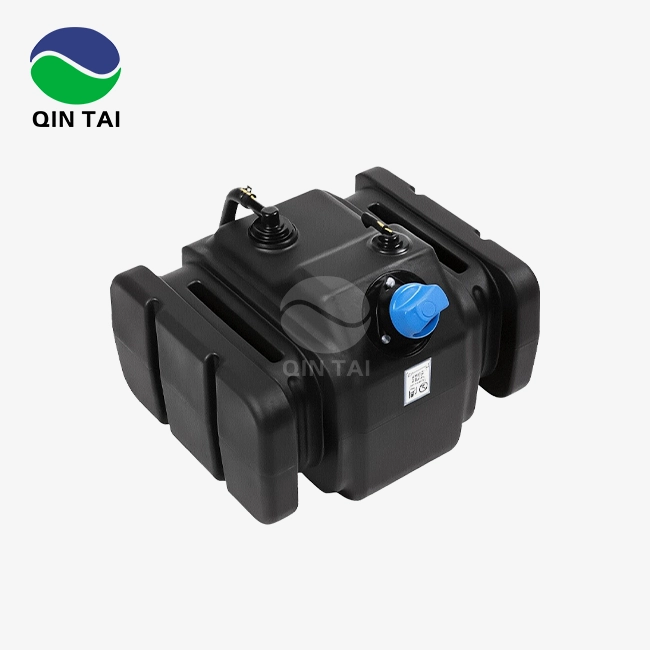
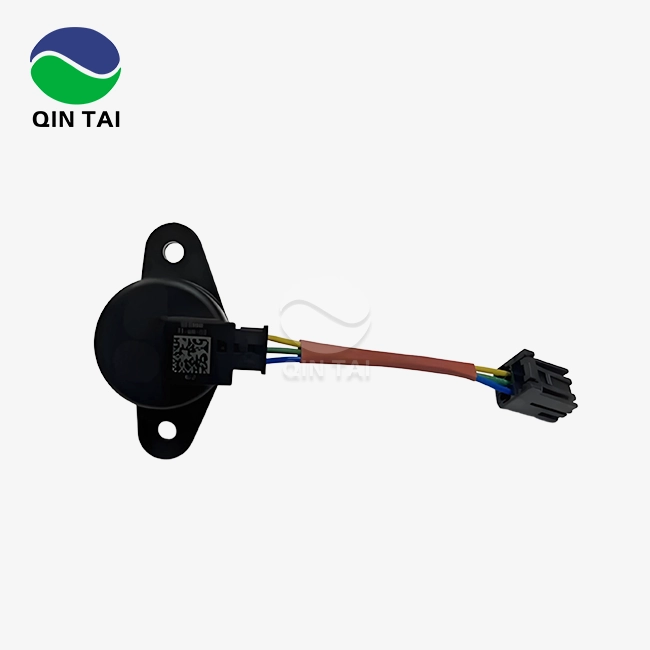
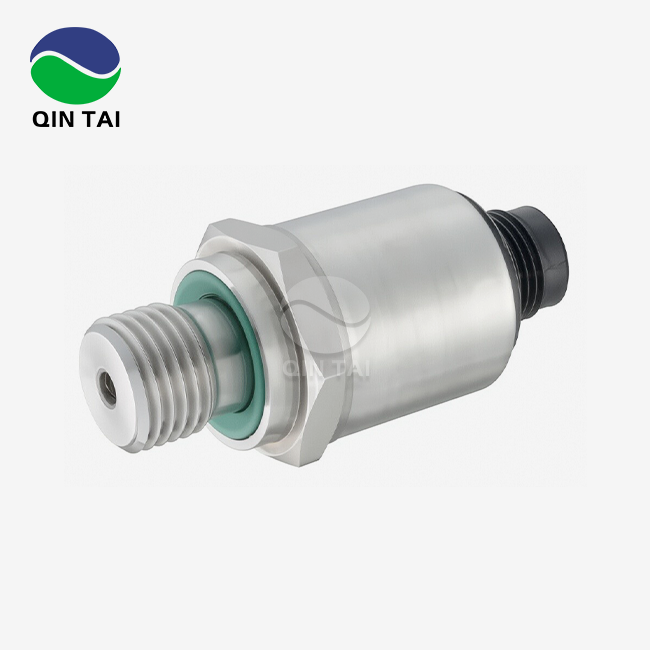
Qintai makes measurement tools that are the best in the business and are designed to work with high-pressure steam. Our cutting-edge pressure and temperature transmitter technology is very accurate and lasts a very long time. It meets the strict emission control needs of diesel engine makers and aftertreatment system developers. We offer adjustable sensor systems and full technical support. We are certified by ISO9001 and IATF16949 and have 58 invention patents.
Qintai is China's top seller of pressure and temperature transmitters. They offer OEM/ODM services, fast shipping, and the ability to make a lot of them. Because each application is different, our skilled tech team can customize the performance to meet your needs. Get in touch with our technical experts at info@qt-sensor.com to talk about how our tried-and-true sensor technology can improve your high-pressure steam measurement needs while also making sure you follow the rules and keeping your business running smoothly.
References
1. Johnson, M.R. & Chen, L. (2023). Industrial Pressure Measurement in High-Temperature Steam Applications: Design Considerations and Performance Analysis. Journal of Industrial Instrumentation, 45(3), 127-142.
2. Williams, K.P. (2022). Safety Standards and Certification Requirements for Pressure Transmitters in Hazardous Area Steam Systems. Process Safety Engineering Quarterly, 38(2), 89-104.
3. Anderson, D.T., Rodriguez, C.M., & Thompson, R.J. (2023). Comparative Analysis of RTD versus Thermocouple Performance in High-Pressure Steam Monitoring Applications. Measurement Science and Technology Review, 29(4), 203-218.
4. Liu, H.F. & Kumar, S. (2022). Calibration Drift Analysis and Predictive Maintenance Strategies for Steam System Instrumentation. Industrial Maintenance and Reliability Journal, 51(7), 45-62.
5. Brown, A.S. & Davis, N.L. (2023). Wireless versus Wired Transmitter Technologies for Steam System Monitoring: Performance and Reliability Assessment. Automation Technology Advances, 34(1), 78-93.
6. Garcia, M.E., Singh, R.P., & White, J.M. (2022). Total Cost of Ownership Analysis for Industrial Pressure and Temperature Measurement Systems in Steam Applications. Process Economics and Management, 28(6), 156-171.


Our customers’ satisfaction speaks for our quality — contact us to experience the same reliable service.