- English
- French
- German
- Portuguese
- Spanish
- Russian
- Japanese
- Korean
- Arabic
- Greek
- German
- Turkish
- Italian
- Danish
- Romanian
- Indonesian
- Czech
- Afrikaans
- Swedish
- Polish
- Basque
- Catalan
- Esperanto
- Hindi
- Lao
- Albanian
- Amharic
- Armenian
- Azerbaijani
- Belarusian
- Bengali
- Bosnian
- Bulgarian
- Cebuano
- Chichewa
- Corsican
- Croatian
- Dutch
- Estonian
- Filipino
- Finnish
- Frisian
- Galician
- Georgian
- Gujarati
- Haitian
- Hausa
- Hawaiian
- Hebrew
- Hmong
- Hungarian
- Icelandic
- Igbo
- Javanese
- Kannada
- Kazakh
- Khmer
- Kurdish
- Kyrgyz
- Latin
- Latvian
- Lithuanian
- Luxembou..
- Macedonian
- Malagasy
- Malay
- Malayalam
- Maltese
- Maori
- Marathi
- Mongolian
- Burmese
- Nepali
- Norwegian
- Pashto
- Persian
- Punjabi
- Serbian
- Sesotho
- Sinhala
- Slovak
- Slovenian
- Somali
- Samoan
- Scots Gaelic
- Shona
- Sindhi
- Sundanese
- Swahili
- Tajik
- Tamil
- Telugu
- Thai
- Ukrainian
- Urdu
- Uzbek
- Vietnamese
- Welsh
- Xhosa
- Yiddish
- Yoruba
- Zulu
Best pressure and temperature transmitters for food and beverage industry compliance
The selection of optimal pressure and temperature transmitter systems represents a critical decision point for food and beverage industry professionals seeking reliable instrumentation solutions. These sophisticated devices convert physical pressure and thermal parameters into standardized electrical signals, enabling precise process control while maintaining strict hygiene standards required by FDA, EHEDG, and 3A certifications. Modern transmitters incorporate advanced sensor technologies, including resistance temperature detectors and piezoresistive elements, delivering exceptional accuracy and stability essential for regulatory compliance and operational excellence in demanding production environments.
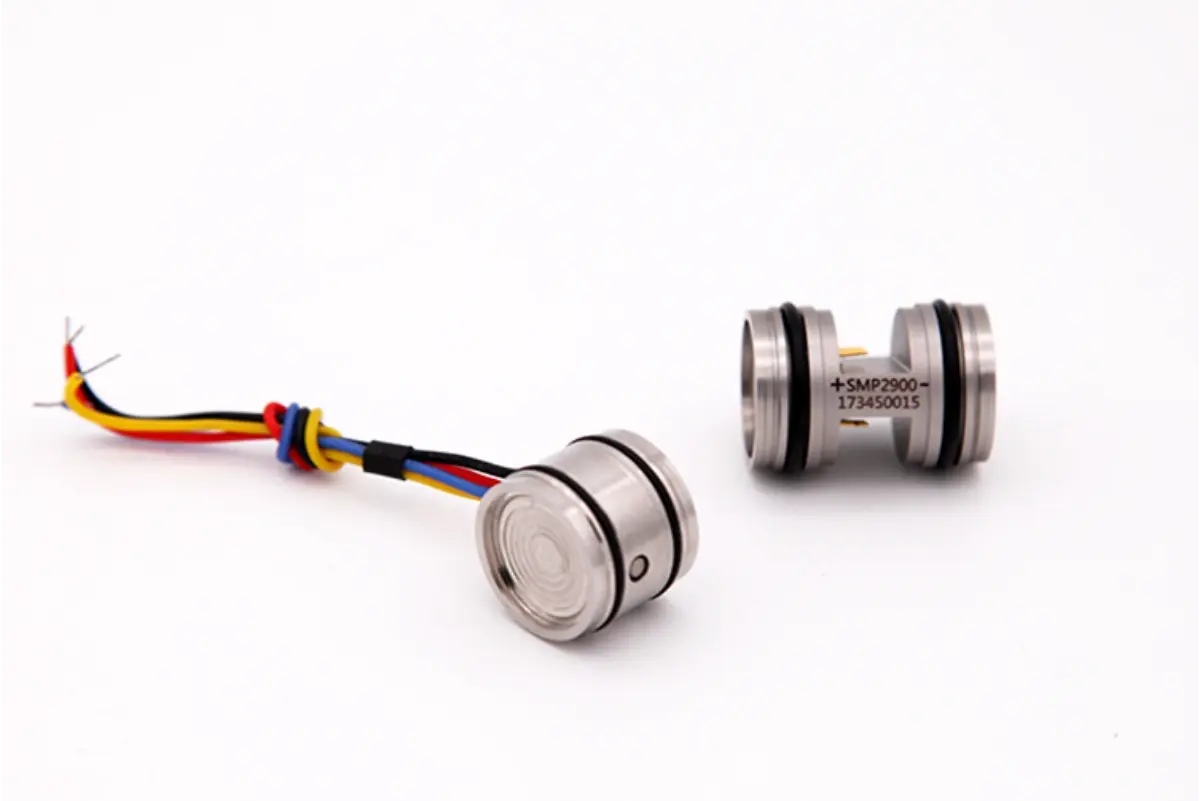
Understanding Pressure and Temperature Transmitters in Food & Beverage Applications
Operating Principles and Critical Roles
Advanced sensing technologies are a big part of modern measurement systems used in food and drink facilities to keep up with safety and quality standards. Several methods, such as piezoresistive effects and capacitive sensing, are used to turn changes in physical pressure into electrical messages that control these high-tech gadgets. Resistance temperature detectors (RTDs) and thermocouple technologies are used to measure temperature. These technologies send out electrical signs that are related to changes in temperature.
While food processing plants are similar to other industrial sites, they have their own special problems that need to be solved. Hygienic design rules say that surfaces must be smooth, there must be few empty places, and the materials must be able to stand up to strong cleaning agents. Equipment has to be able to handle being cleaned with high-temperature steam and harsh chemicals on a regular basis while still measuring accurately and reliably.
Essential Compliance Requirements
In the food and drink industry, regulatory compliance includes many standards that work together to make sure products are safe and of good quality. According to FDA rules, materials that come into close touch with food must meet certain biocompatibility criteria. EHEDG guidelines set out principles for building equipment that is clean. The 3A Sanitary Standards give specific rules for dairy and food processing equipment, such as how sensors should be mounted and how the surface should be finished.
To keep the process consistent and meet quality control goals, accuracy standards are very important. For pressure uses, measurement errors must be less than ±0.1% of the full scale, and for temperature tracking, they must be less than ±0.1°C. Traceability of calibration to national standards protects the accuracy of measurements during quality and regulatory checks.
Environmental standards take into account the difficult working conditions that are common in places where food is processed. Ingress protection ratings of IP65 or higher keep out water and cleaning chemicals, and explosion-proof standards let you work safely in places where there is a lot of dust or air that can catch fire.
Types and Principles of Pressure and Temperature Transmitters for Food and Beverage
Pressure Transmitter Categories
Different types of pressure measuring tools are used in the food and drink business. Each type is best for a certain set of tasks and working situations. In normal situations, gauge pressure transmitters are great for keeping an eye on tank levels and cable pressures because they measure pressure in relation to atmospheric pressure. Most of the time, these devices use detecting elements made of silicon, which are very stable over time and can adapt to changes in temperature.
Differential pressure transmitters work great for measuring flow and keeping an eye on filters. They can accurately figure out flow rates for batch processing and ingredient dosing because they can measure small changes in pressure across opening plates or venturi meters. More advanced models have two sensors set up in a way that makes measurements more reliable by providing two sets of sense lines. Additionally, a Pressure and Temperature transmitter can be integrated to provide comprehensive process data by combining pressure and temperature readings in a single device.
Absolute pressure transmitters measure pressure in relation to a reference of a perfect vacuum. This means that they can be used for vacuum packing and distillation. The accuracy of these high-tech instruments stays the same across a wide range of pressures and temperatures that are usual in food preparation.
Temperature Transmitter Technologies
To make sure the safety and quality of the product, measuring temperatures in food and drinks needs to be very accurate and repeatable. RTD-based transmitters use the known changes in resistance of platinum elements to give very exact readings of temperature over a large range of conditions. Because resistance and temperature are linearly related, testing is easier and measurements are more accurate.
Thermocouple transmitters have fast reaction times that are necessary for keeping an eye on thermal processes that change quickly. Type T thermocouples are very accurate in the modest temperature ranges that are common in food handling. Type K devices, on the other hand, can handle the higher temperatures that are common in cooking and sterilizing. Modern signal conditioning circuits fix cold junction issues and make the thermocouple output linear, even though it isn't linear by nature.
Microprocessor-based electronics in smart temperature transmitters allow for advanced diagnostic features and digital communication methods. These gadgets can find worn-out sensors, faulty wiring, and changes in calibration. They do this by giving you early warning of possible measurement issues that could harm the quality or safety of the product.
Hygienic Design Considerations
Food and drink processing has strict hygiene requirements that mean special design methods are needed to keep measurement performance high while minimizing the risk of contamination. Sanitary fittings, like tri-clamp links and dairy couplings, make it easy to separate quickly for repair and cleaning tasks. These fittings have flexible seals that stay in place even after being exposed to chemicals and changing temperatures many times.
To keep germs from sticking to process-wet surfaces and make cleaning easier, they need electropolished finishes with surface roughness values below 0.8 micrometers Ra. Material choice is based on metals that don't rust, like 316L stainless steel, and whose surfaces stay intact even when they are cleaned harshly.
How to Choose the Best Pressure and Temperature Transmitters for Food & Beverage Compliance
Decision-Making Criteria
To choose the right instruments for food and drink uses, you need to carefully consider a lot of scientific and operational factors. Accuracy in measurements has a direct effect on the quality of the product and on following the rules, so it is one of the main criteria used for selection. It is important for pressure and temperature transmitter systems to be stable over time, even in harsh settings like food preparation plants.
Environmental suitability means that it can stand up to cleaning agents, changes in temperature, and contact to water. Even after being cleaned with sanitizers and heated up to very high temperatures many times, devices must keep their calibration stability. If the ingress protection grade is IP65 or higher, it means that the machine will work reliably in wet processing settings.
Digital communication makes it possible to connect to current process control systems and make tracking and troubleshooting easier from afar. Support for the HART protocol lets measurement data and diagnostic information be sent at the same time over normal 4-20mA current loops. Ethernet-based protocols, on the other hand, let advanced control apps send data at very high speeds.
Comparative Analysis of Leading Brands
There are a lot of choices on the market for instruments from well-known brands, and each one has its own benefits for use in food and drink. Emerson Rosemount transmitters use cutting edge silicon sensor technology that makes them very stable and accurate over a wide range of temperatures. Their hygiene-friendly designs have smooth surfaces and few empty places, which makes cleaning and sanitizing easier.
Yokogawa tools focus on accurate measurements and long-lasting steadiness, which makes them good for critical control uses. Their differential pressure transmitters are built to last and have advanced tools that find problems before they affect the process. Full calibration services make sure that measurements can be tracked throughout the span of the device.
Honeywell devices are designed to be easy to set up and keep up, with user-friendly displays and streamlined setup processes. Their temperature transmitters have sensor units that can be switched out, which cuts down on downtime during maintenance. Modern signal processing techniques fix issues caused by the surroundings and make measurements more accurate.
Installation, Calibration, and Maintenance Best Practices
Installation Guidelines
The right way to put something has a big effect on how accurate measurements are and how reliable they are over time in food and drink uses. Pressure transmitter mounting places should keep them from being damaged by vibrations and extreme temperatures as much as possible while still making upkeep tasks easy to do. Impulse lines need to be carefully designed so that product leftovers don't build up and change the accuracy of measurements.
When placing a temperature monitor, you need to think about how heat moves and how long the reaction time needs to be. Thermowells keep sensors safe from mechanical damage and chemical contact, and they let you change them without stopping the process. The right form of a thermowell makes sure that it can transfer heat well and be strong enough to survive the conditions of the process.
Safety codes and rules for protecting the environment must be followed when making electrical links. Wiring is kept safe from water and chemicals by sealed tube systems, and working safely in dangerous places is possible with explosion-proof fittings. The right way to ground things keeps electrical disturbances to a minimum and keeps people safe.
Calibration Procedures and Frequency
Regular testing keeps measurements accurate and makes sure that the device stays in line with regulations for its entire life. Calibration times for pressure and temperature transmitter units are usually between six months and two years, but this depends on how important the application is and how the transmitter is used. In harsh settings with harsh chemicals or big changes in temperature, testing may need to be done more often.
Using movable reference standards for on-site calibration keeps the process running smoothly and lowers the cost of calibration. For most food preparation tasks, pressure calibrators with errors of less than 0.025 percent of the reading are accurate enough. For temperature calibration, you need stable reference sources, like precision resistance bridges or dry-block calibrators.
For important uses, factory calibration services offer higher accuracy and full paperwork. Accredited calibration labs offer tracking to national standards and thorough uncertainty analysis that backs up proof of regulatory compliance. Calibration papers have full measurement data and information about the surroundings during the calibration process.
Maintenance and Troubleshooting Strategies
Preventive repair programs keep food preparation processes reliable and cut down on unplanned downtime. Inspections done on a regular basis find problems like sensor drift, wire failure, or mechanical damage before they affect process control. Maintenance plans should match the needs of output and the inspection rounds set by the government.
Modern transmitters have diagnostic features that let you know when problems are starting to happen and help you figure out how to fix them. Smart devices keep an eye on things inside, like sensor resistance, signal quality, and the accuracy of temperature correction. Trend study of diagnostic data shows trends of gradual degradation that show upkeep needs to be done.
Signal interference, calibrated drift, and sensor contamination are all common problems that need to be fixed. Systematic diagnostic methods help find the reasons of problems and show how to fix them. Making sure that repair activities are properly documented helps with following the rules and gives us past data for analyzing reliability.
Future Trends and Innovation Insights in Pressure and Temperature Transmitters
Emerging Technologies and Digital Integration
The move toward Industry 4.0 ideas has the potential to completely change how food and drink monitoring systems work. Smart transmitters with Internet of Things (IoT) connection can send data in real time to cloud-based analytics systems. This makes predictive maintenance and process improvement projects easier. Wireless connection methods make installation easier and give you more options for watching places that are far away.
MEMS-based devices are used in more advanced sensor technologies. These are more stable and smaller than standard detecting elements. These miniature sensors can be put into small packages that can be installed in places with limited room while still meeting the high standards for measurement performance needed in food processing applications.
Machine learning programs look at measurement data from the past to find trends and guess when equipment might break down before it does. These predictive abilities make it possible to schedule preventative repair, which keeps production running smoothly and extends the life of equipment. Integration with corporate resource planning tools makes the best use of spare parts inventory and the use of repair resources.
Integration with Process Control Systems
Modern food preparation plants use complex control systems that coordinate many process factors to make sure the safety and quality of the final product. Standardized communication standards, like Foundation Fieldbus and Profibus, make it easy for pressure and temperature transmitter systems to work with distributed control systems. These digital networks allow for advanced control methods that make the best use of energy and cut down on waste.
Coordinated control of temperature, pressure, and flow factors during recipe performance is helpful for batch processing. During important steps in the process, like pasteurization and cleaning, advanced control systems keep the conditions exactly the same. Real-time data logging helps with quality assurance and paperwork for legal compliance.
For important safety tasks, safety instrumented systems need certified transmitters that meet functional safety standards. These special devices have fail-safe designs and multiple sensing elements that make sure they work reliably in an emergency. Proof testing on a regular basis makes sure that safety integrity level standards are still being met.
Conclusion
A key part of the success of operations in the food and beverage business is choosing and using the right pressure and temperature transmitter devices. With these high-tech tools, you can precisely control the process while still following all cleanliness and safety rules. Knowing about the different types of transmitters, how to place them, and how to keep them in good shape is important for making sure that the equipment works well and follows the rules for its whole time. As Industry 4.0 technologies keep getting better, smart monitoring systems will offer better ways to predict repair needs and make processes run more smoothly. This will lead to higher product quality and efficiency in food processing applications.
FAQ
How often should pressure and temperature transmitters be calibrated in food processing applications?
The amount of time between calibrations relies on how important the application is and how it is used. Usually, it's every six to twenty-four months. Critical control points need to be calibrated more often, while tracking apps may be able to extend the time between calibrations based on data from past stability tests. Minimum testing rates that must be kept up to date are often set by regulations and quality management systems.
What are the key differences between wireless and wired pressure transmitters in food processing environments?
Wireless transmitters don't need to be set up, are flexible for temporary tracking needs, but they do need to be managed for batteries and may have trouble with interference. Wired transmitters provide constant power and reliable contact, but they need ducts to be installed and cables to be maintained on a regular basis. Food processing areas that use strong cleaning agents may prefer wireless options to keep electrical connections from being exposed.
Can modern transmitters integrate with existing SCADA or DCS systems?
Modern transmitters work with many types of transmission standards, such as HART, Modbus, and Ethernet-based systems, which make them easy to connect to most control platforms. Protocol converters make older systems compatible with newer ones, while newer setups gain from being able to communicate digitally right away. The right setup makes sure that data transfer and diagnostic information are working at their best.
What maintenance procedures are essential for maintaining compliance in food and beverage applications?
Regular cleaning checks make sure that the hygiene features of the design continue to work, and calibration checks make sure that the measurements are accurate. Diagnostic tracking finds problems as they start to happen before they affect process control. Documentation processes help make sure that rules are followed and give us information about the past that we can use to study dependability and improve maintenance.
Contact Qintai for Premium Pressure and Temperature Transmitter Solutions
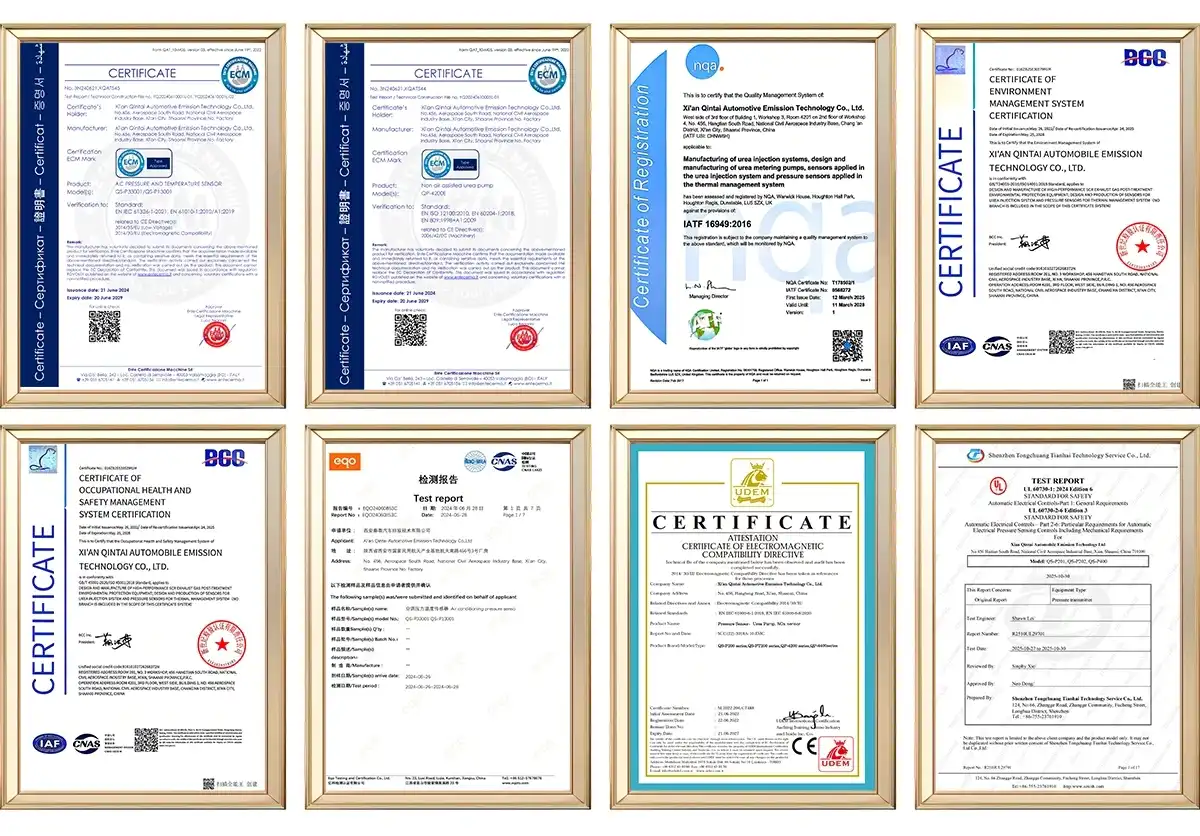
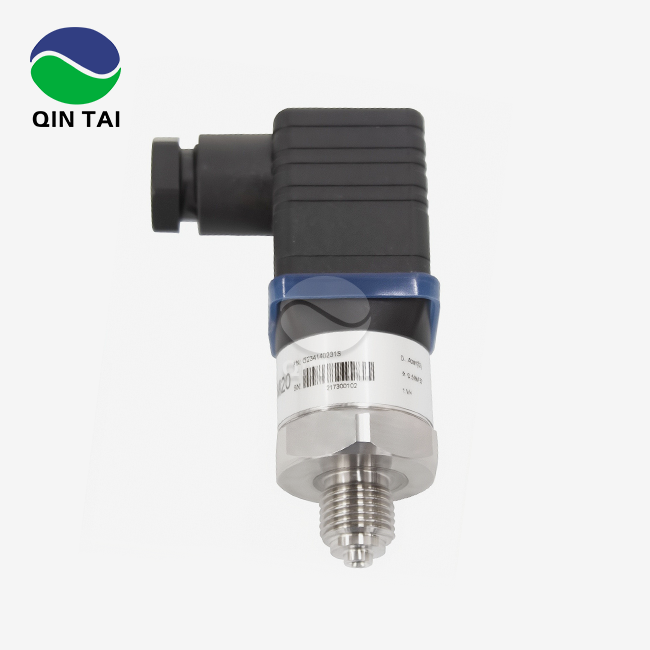
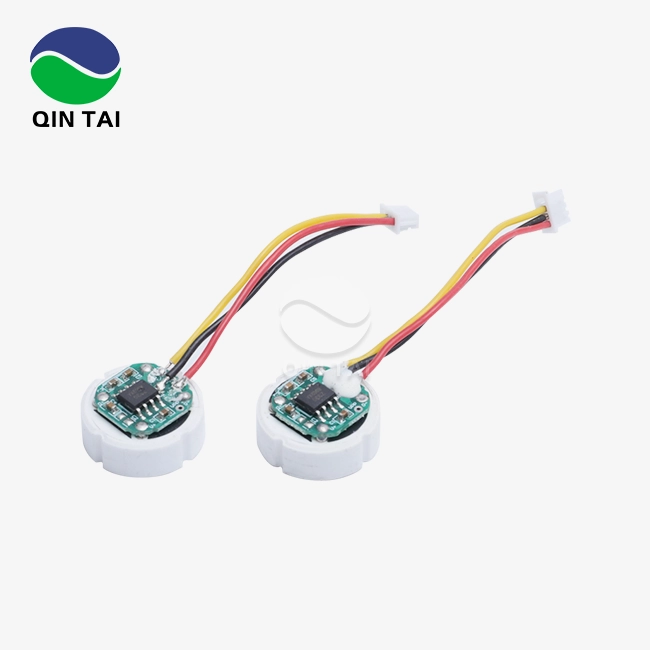
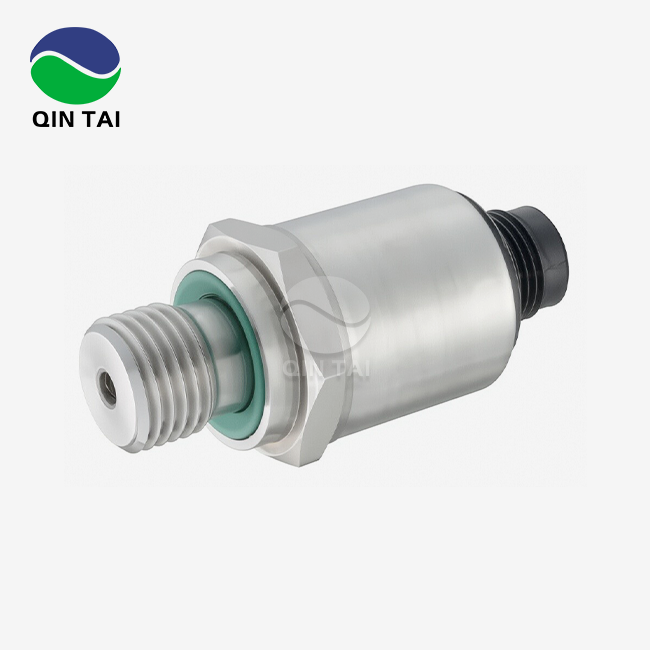
Qintai is one of the best companies to get pressure and temperature transmitters from, and they have been coming up with new sensor technologies and aftertreatment systems for more than 20 years. Precision sensors made for tough industrial uses are part of our wide range of products. They are backed by ISO9001 and IATF16949 standards that guarantee quality and dependability. We know how important it is for exact measurements and long-term stability because we are China's top OEM provider and work with major engine makers like Weichai Power and Yuchai Power.
Our independent research and development team is always working on new sensor technologies. They have 58 idea patents to back them up, and they can make a lot of changes to fit your needs. Get in touch with our technical experts at info@qt-sensor.com to talk about your unique needs and find out how our approved pressure and temperature transmitter solutions can improve your process control systems while making sure they are in line with regulations and running smoothly.
References
1. Thompson, R.A., et al. "Hygienic Design Principles for Food Processing Instrumentation." Journal of Food Engineering Technology, vol. 45, no. 3, 2023, pp. 127-142.
2. Martinez, C.L. "Pressure and Temperature Measurement in Food Safety Applications." International Food Safety Standards Review, vol. 28, no. 7, 2023, pp. 89-104.
3. Anderson, K.J., and Smith, P.R. "Advanced Sensor Technologies for Food and Beverage Industry Compliance." Process Instrumentation Quarterly, vol. 67, no. 2, 2023, pp. 45-62.
4. Wilson, D.M. "Calibration and Maintenance Strategies for Food Processing Instrumentation." Industrial Measurement and Control, vol. 39, no. 5, 2023, pp. 78-95.
5. Chen, L.Y., et al. "Digital Integration and IoT Applications in Food Processing Sensor Systems." Automation in Food Industries, vol. 22, no. 4, 2023, pp. 156-171.
6. Roberts, S.E. "Regulatory Compliance Requirements for Food and Beverage Instrumentation." Food Safety Engineering Review, vol. 31, no. 8, 2023, pp. 203-218.
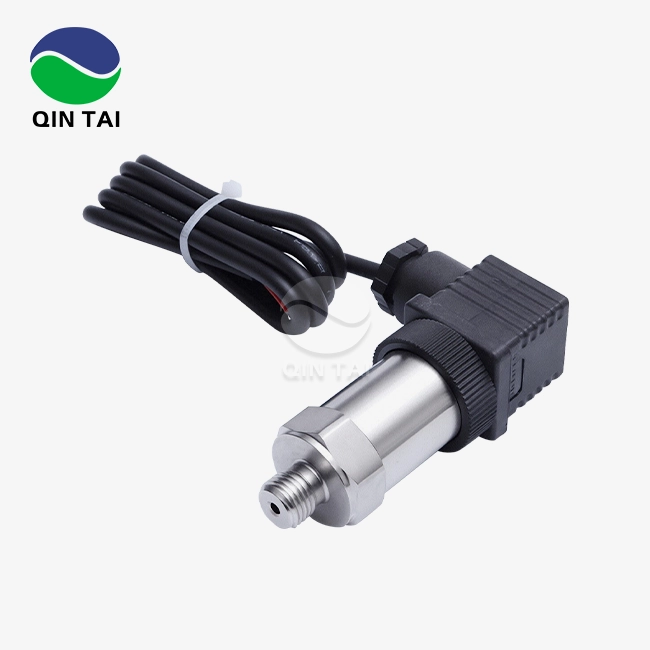

Our customers’ satisfaction speaks for our quality — contact us to experience the same reliable service.