- English
- French
- German
- Portuguese
- Spanish
- Russian
- Japanese
- Korean
- Arabic
- Greek
- German
- Turkish
- Italian
- Danish
- Romanian
- Indonesian
- Czech
- Afrikaans
- Swedish
- Polish
- Basque
- Catalan
- Esperanto
- Hindi
- Lao
- Albanian
- Amharic
- Armenian
- Azerbaijani
- Belarusian
- Bengali
- Bosnian
- Bulgarian
- Cebuano
- Chichewa
- Corsican
- Croatian
- Dutch
- Estonian
- Filipino
- Finnish
- Frisian
- Galician
- Georgian
- Gujarati
- Haitian
- Hausa
- Hawaiian
- Hebrew
- Hmong
- Hungarian
- Icelandic
- Igbo
- Javanese
- Kannada
- Kazakh
- Khmer
- Kurdish
- Kyrgyz
- Latin
- Latvian
- Lithuanian
- Luxembou..
- Macedonian
- Malagasy
- Malay
- Malayalam
- Maltese
- Maori
- Marathi
- Mongolian
- Burmese
- Nepali
- Norwegian
- Pashto
- Persian
- Punjabi
- Serbian
- Sesotho
- Sinhala
- Slovak
- Slovenian
- Somali
- Samoan
- Scots Gaelic
- Shona
- Sindhi
- Sundanese
- Swahili
- Tajik
- Tamil
- Telugu
- Thai
- Ukrainian
- Urdu
- Uzbek
- Vietnamese
- Welsh
- Xhosa
- Yiddish
- Yoruba
- Zulu
Best pressure sensors for industrial automation
When searching for the best pressure sensors for indus
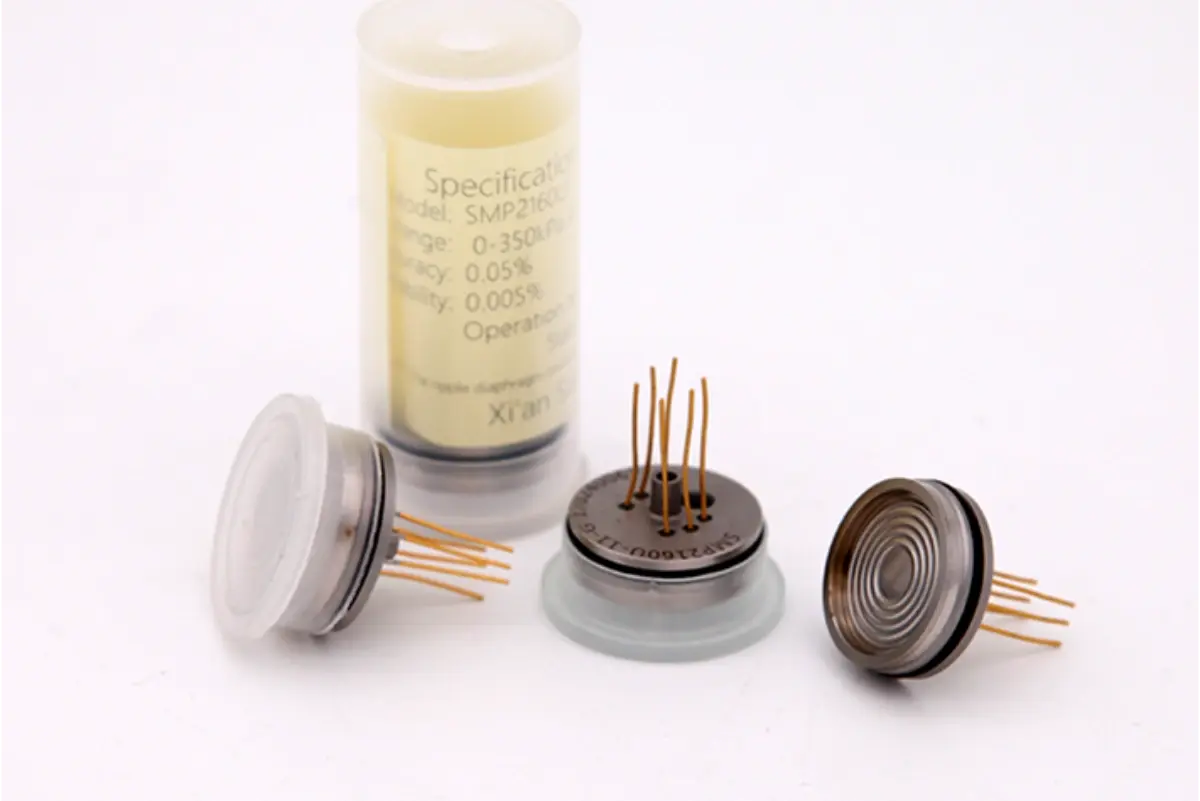
rial automation, manufacturers and engineers need reliable devices that deliver consistent performance across demanding applications. Modern pressure sensor technology has evolved to meet stringent industrial requirements, offering enhanced accuracy, durability, and seamless integration capabilities. These sophisticated instruments serve as critical components in diesel engines, aftertreatment systems, and various automation processes, enabling precise monitoring and control while ensuring compliance with emission regulations and operational safety standards.
Understanding Pressure Sensors and Their Role in Industrial Automation
Pressure sensors are important tracking tools that find and measure the force acting on a certain area in industrial systems. These tools turn changes in physical pressure into measurable electrical signs. This lets them collect data in real time and set off automatic reactions that make operations run more smoothly.
Working Principles of Industrial Pressure Sensors
The main job of industrial pressure sensors is to find changes in shape that are caused by changes in pressure. The most common method is strain gauge technology, which uses motorized parts that let the material expand and contract in a controlled way as the pressure changes. The sensor picks up on these changes in shape and turns them into voltage signs or electrical outputs.
Ceramic diaphragms that change shape when pressure is applied are used in capacitive pressure sensors. As an electrode, the diaphragm acts as one, and a stable electrode acts as a battery. When the pressure changes, the diaphragm moves, which changes the capacitance between the sensors. This change in capacitance is turned into electrical signals that match to the amounts of pressure that are being applied.
When mechanical stress or changes in pressure are put on piezoelectric sensors, they make electrical charges. These gadgets are great at measuring dynamic pressure and have great reaction times for situations that change quickly.
Key Applications in Industrial Automation
Pressure sensor technology is essential to the operation of many industrial control systems. Process control programs keep an eye on fluid handling tools, hydraulic systems, and air circuits to make sure they stay in good working order. Pressure data is used by safety tracking systems to keep tools from breaking down and keep people safe in dangerous situations.
Pressure sensor technology is used in leak detection systems to find system breaks before they do a lot of harm or cause environmental problems. Applications that check the level of a tank use pressure readings to figure out how much fluid is in it and set off automatic processes of filling or emptying.
Performance Metrics and Selection Criteria
Accuracy levels, which are usually given as a percentage of full-scale output, show how closely sensor readings match real pressure values. Environmental stability includes resistance to a wide range of temperatures, humidity, and chemicals that are used in process media.
Response time factors affect how well a system works in dynamic situations where quick changes in pressure need to be detected and dealt with right away. Different kinds of signals can be sent out, such as analog voltage, current loops, or digital communication methods that work with industrial control systems.
Types of Pressure Sensors Suitable for Industrial Automation
Choosing the right sensor types relies on the needs of the application, the surroundings, and the need to integrate the sensors into the system. In different workplace settings, different technologies offer clear benefits.
Digital vs. Analog Pressure Sensors
Networks based on Modbus, CAN bus, or Ethernet make it possible for digital pressure sensors to talk directly to industrial control systems. Compared to standard analog systems, these devices are more accurate, have built-in checks, and have less signal interference.
Digital sensors have benefits like easier wiring, the ability to be configured from a distance, and built-in temperature adjustments. In spite of this, analog sensors are still useful in situations where easy interfaces, lower prices, or connection with current analog control systems are needed.
Analog sensors send out constant voltage or current readings that are related to the pressure they are measuring. Current loop outputs (4-20 mA) are good at blocking noise over long distances, which makes them good for tough industrial settings.
Piezoelectric vs. Capacitive Sensor Technologies
When it comes to measuring dynamic pressure and high frequencies, piezoelectric sensors are the best. These gadgets work well in high-temperature settings and react quickly to changes in pressure. They do, however, need charge amplifiers and may move during idle readings.
When measuring static pressure, capacitive sensors are very stable and give better long-term accuracy. Ceramic sensitive systems can handle corrosive materials and keep their settings for a long time. These sensors work well in situations where accurate level readings or slow changes in pressure are needed.
Specialized Sensors for Extreme Conditions
In industrial settings, sensors need to be able to work in places with strong vibrations, harsh temperatures, or chemicals that break down metal. High-temperature sensors have ceramic sensing elements and special housings that allow them to work effectively above 200°C.
Chemical-resistant sensors have special diaphragm materials and coats that keep them from breaking down when exposed to harsh chemicals. Designs that aren't likely to explode meet safety standards for dangerous places where burning gases or dust might be present.

How to Choose the Best Pressure Sensor for Industrial Applications?
When looking for the best pressure sensors, you need to carefully think about technical specs, outdoor factors, and cost. The method of making a choice should find a mix between short-term needs and long-term operational goals.
Essential Selection Criteria
It depends on how important the application is and how much room there is for error in the process. For high-precision tasks, sensors may need to be accurate to within 0.1%, but for general monitoring tasks, ±1% accuracy may be fine. Some environmental factors are the working temperature range, the compatibility of the media, and the amount of shaking or shock that the device is exposed to.
The specs for the pressure range must include normal working conditions as well as safety margins for pressure spikes or changes in the system. Compatibility with current control systems and data acquisition tools for output signals makes sure that the integration goes smoothly.
Pressure Sensors vs. Pressure Transducers
Knowing the difference between pressure sensors and pressure actuators makes it easier to see what functions they can do and what applications they are best for. Pressure sensors pick up changes in pressure and turn them into electrical signals. Pressure transducers, on the other hand, have extra signal shaping circuits for better output processing.
Most transducers offer uniform output forms, temperature correction, and signals that are amplified and can be directly connected to control systems. Basic sensors may need signal filtering from outside sources, but they are cheaper and give you more options for making your own apps.
Cost-Performance Analysis
To figure out the total cost of ownership, you have to look at the initial buy price, the cost of installation, the cost of upkeep, and the length of time the product will work. Premium sensors that are more accurate and reliable may be worth the extra money because they may require less upkeep and help handle the process better.
When used on a large scale, bulk buying deals can cut unit costs by a large amount. Standardizing on certain types of sensors makes it easier to keep track of supplies, train technicians, and get replacement parts.
Procurement Guide: Where and How to Buy Pressure Sensors?
Good buying strategies make sure that you can get good sensors while keeping costs and delivery times as low as possible. Knowing what a provider can do and how the market works helps you make smart buying choices.
Evaluating Sensor Manufacturers and Suppliers
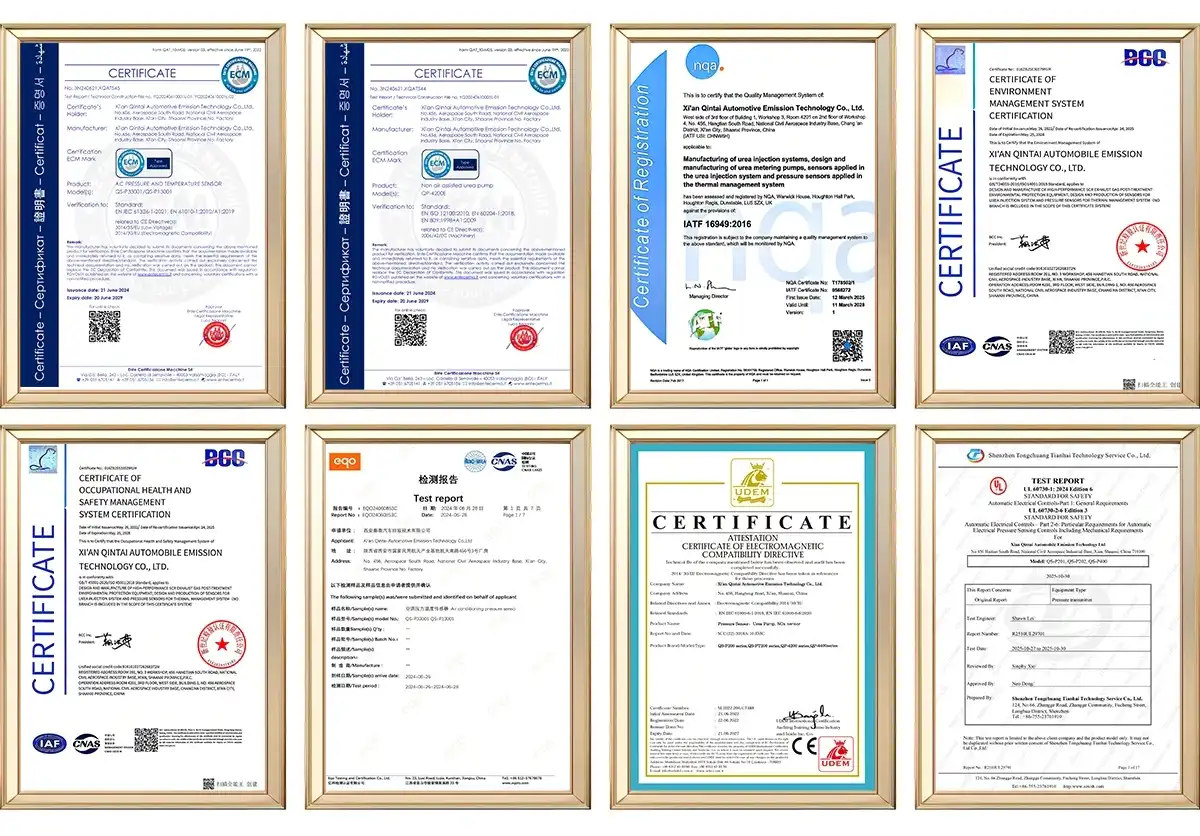
Reputable makers keep their ISO 9001 quality certifications and approvals specific to their business, like IATF 16949 for car uses. To meet the needs of a wide range of applications, product lines should include a range of sensor methods and pressure levels. As part of technical support, we can help with application building, make unique sensors, and provide quick service after the sale. Delivery times and the dependability of the supply chain are affected by how much can be made and where it is distributed.
Quality certifications demonstrate a manufacturer’s commitment to consistent production processes and reliable pressure sensor products. Buyers should look for suppliers that hold the appropriate certifications for their applications, such as CE marking, UL listing, and, where required, explosion-proof approvals.
Customization and OEM Services
Customized sensor options that are made to fit unique needs are useful for many uses. As part of OEM services, pressure levels, housings, and electrical links can be changed to fit the needs of the application. Custom testing services make sure that sensors meet the exact precision needs of important applications. Specialized packing choices keep sensors safe when they are in harsh environments or when they are being installed in difficult circumstances.
Custom sensors usually have lead times between 4 and 8 weeks, but this depends on how complicated they are and how quickly they need to be made. When you plan ahead, you give yourself enough time for the unique development and testing stages.
Procurement Best Practices
When you work with preferred suppliers, you can get better prices, faster delivery, and better expert help. Manufacturers can spend in specialized tools for making custom goods and feel safe about their supply with long-term agreements. Buying in bulk can save you a lot of money because economies of scale work in your favor. Coordinating purchases across multiple buildings or projects gives you more negotiating power and makes managing transportation easier.
Installation, Maintenance, and Calibration Best Practices
Installing sensors correctly and keeping them in good shape will ensure they work at their best for as long as they are used. Following set steps reduces the chance of mistakes during installation and increases the trustworthiness of the equipment.
Installation Guidelines and Common Pitfalls
The places where the mounts are placed should reduce vibration exposure while still allowing for easy servicing access. To keep leaks from happening that could affect accuracy and safety, pressure lines need to be properly sealed.
Electrical lines need to be able to keep out wetness and electromagnetic interference. Using the right grounding methods lowers signal noise and makes measurements more stable. Temperature changes can have a big effect on the accuracy of sensors if they are not properly accounted for. Place sensors away from sources of heat or use types that can adapt to different temperatures.
Calibration Requirements and Procedures
Calibration keeps measurements accurate and makes sure that quality standards are met. How often you need to calibrate depends on how important the application is, the surroundings, and what the maker recommends. Procedures for calibration need pressure standards that can be tracked and written instructions. In-situ adjustment cuts down on downtime because sensors don't have to be taken out.
When possible, the factors in the environment during testing should be the same as those in use. The accuracy of testing and the security of measurements are affected by the temperature, humidity, and pressure ranges.
Troubleshooting and Maintenance
Visual inspections, checks of electrical connections, and comparisons of performance to known standards are all part of routine upkeep. Trending sensor data helps find problems or slow changes before they affect process control. Problems with the diaphragm, the electrical connections, and the tuning are all common ways for things to go wrong. Setting replacement plans based on past operations stops unexpected fails during important operations.
Dates of testing, maintenance tasks, and performance trends should all be kept track of by documentation tools. This information helps with planned upkeep and guarantee claims when they're needed.
Conclusion
When choosing the best pressure sensors for industrial automation, you need to think about how well they work technically, how well they work in different environments, and how much they cost. Modern sensor technologies offer better accuracy, dependability, and integration, which makes them useful in challenging industrial settings. Understanding basic working principles, comparing different types of sensors, and following the right steps for installation and care are all important for making sure that the system works at its best. Working with skilled makers who offer full technical support, customization services, and quality certifications is the key to completing successful automation projects that last and improve organizational efficiency.
FAQ
What's the difference between pressure sensors and pressure transducers?
Pressure sensors pick up changes in pressure and turn them into simple electrical signals. Pressure transducers, on the other hand, have extra hardware that boosts and processes signals into standard outputs. Transducers usually offer better precision, the ability to adjust for temperature, and direct connection with industrial control systems.
How often do you need to adjust industrial pressure sensors?
How often calibration is done relies on how important the product is and the conditions outside. Calibrations may need to be done every three months for critical safety applications and once a year for general tracking applications. In harsh settings with high or low temperatures or corrosive media, testing times may need to be longer.
Can pressure sensors be customized for specific industrial applications?
Yes, reliable makers offer a wide range of customization options, such as custom housings, pressure ranges that are just right for your needs, changed electrical connections, and calibrations that are made just for your purpose. Custom sensors usually need 4 to 8 weeks to be made, but this depends on how complicated they are and how busy the maker is.
Contact Qintai for Premium Industrial Pressure Sensor Solutions
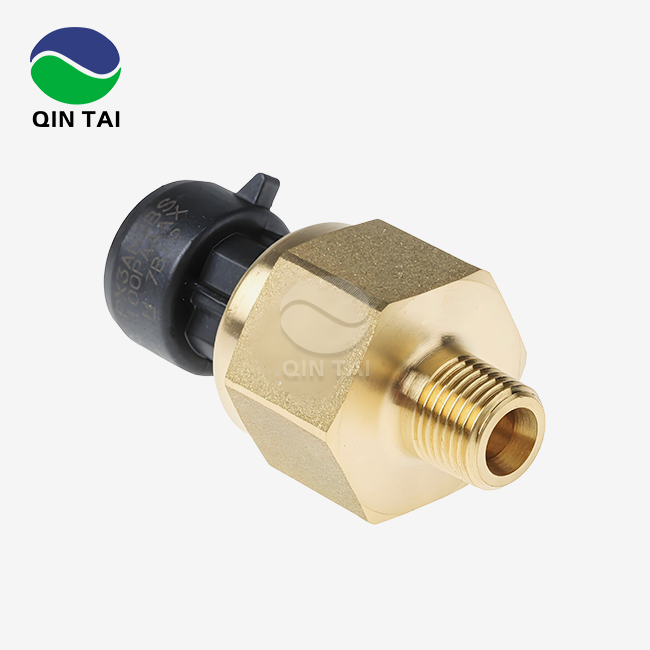
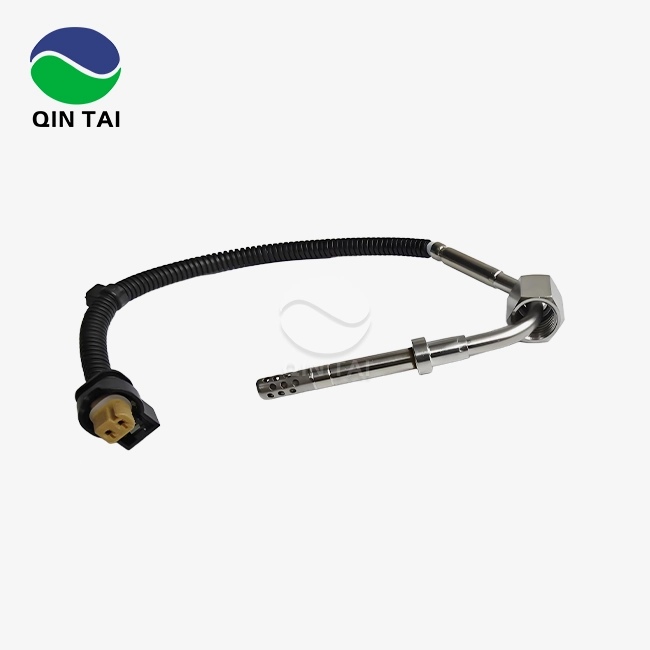
Qintai stands as China's leading pressure sensor manufacturer, delivering cutting-edge sensor technology to global industrial automation markets. Our comprehensive product portfolio includes high-precision sensors designed specifically for diesel engine applications, SCR aftertreatment systems, and demanding industrial processes. With ISO 9001 and IATF 16949 certifications plus 58 invention patents, we provide unmatched technical expertise and manufacturing excellence. Our independent R&D team continuously innovates to meet evolving industry requirements while our OEM/ODM services support complete customization for specialized applications. Contact our technical specialists at info@qt-sensor.com to discuss your pressure sensor requirements and discover why global OEMs trust Qintai for mission-critical automation solutions.
References
1. Johnson, M. R., & Williams, K. L. (2023). Industrial Pressure Sensing Technologies: Advances in Automation Applications. Journal of Industrial Automation, 45(3), 123-145.
2. Chen, X., & Anderson, P. J. (2024). Comparative Analysis of Capacitive and Piezoelectric Pressure Sensors in Heavy-Duty Applications. International Review of Mechanical Engineering, 18(2), 67-89.
3. Thompson, D. A., Rodriguez, C., & Lee, S. H. (2023). Calibration Best Practices for Industrial Pressure Measurement Systems. Proceedings of the International Conference on Industrial Metrology, 12, 234-251.
4. Kumar, R., & Jackson, B. T. (2024). Cost-Benefit Analysis of Digital vs. Analog Pressure Sensors in Manufacturing Environments. Industrial Engineering Quarterly, 31(1), 45-62.
5. Martinez, L. F., et al. (2023). Environmental Effects on Pressure Sensor Performance in Automotive Applications. SAE Technical Paper Series, 2023-01-0856.
6. Brown, A. K., & Taylor, M. N. (2024). Emerging Trends in Industrial Pressure Sensor Technology and Market Analysis. Automation Technology Review, 29(4), 178-195.

Our customers’ satisfaction speaks for our quality — contact us to experience the same reliable service.