- English
- French
- German
- Portuguese
- Spanish
- Russian
- Japanese
- Korean
- Arabic
- Greek
- German
- Turkish
- Italian
- Danish
- Romanian
- Indonesian
- Czech
- Afrikaans
- Swedish
- Polish
- Basque
- Catalan
- Esperanto
- Hindi
- Lao
- Albanian
- Amharic
- Armenian
- Azerbaijani
- Belarusian
- Bengali
- Bosnian
- Bulgarian
- Cebuano
- Chichewa
- Corsican
- Croatian
- Dutch
- Estonian
- Filipino
- Finnish
- Frisian
- Galician
- Georgian
- Gujarati
- Haitian
- Hausa
- Hawaiian
- Hebrew
- Hmong
- Hungarian
- Icelandic
- Igbo
- Javanese
- Kannada
- Kazakh
- Khmer
- Kurdish
- Kyrgyz
- Latin
- Latvian
- Lithuanian
- Luxembou..
- Macedonian
- Malagasy
- Malay
- Malayalam
- Maltese
- Maori
- Marathi
- Mongolian
- Burmese
- Nepali
- Norwegian
- Pashto
- Persian
- Punjabi
- Serbian
- Sesotho
- Sinhala
- Slovak
- Slovenian
- Somali
- Samoan
- Scots Gaelic
- Shona
- Sindhi
- Sundanese
- Swahili
- Tajik
- Tamil
- Telugu
- Thai
- Ukrainian
- Urdu
- Uzbek
- Vietnamese
- Welsh
- Xhosa
- Yiddish
- Yoruba
- Zulu
High temperature pressure sensors for extreme environments
High temperature pressure sensor technology represents a critical component for industrial operations facing extreme thermal challenges. These specialized devices monitor and measure pressure variations in environments where standard sensors would fail, ensuring operational safety and equipment longevity. Modern high-temperature pressure sensors maintain accuracy in conditions exceeding 300°C while withstanding corrosive chemicals, intense vibrations, and rapid temperature fluctuations. Industries ranging from diesel engine manufacturing to aerospace applications depend on these robust sensors for emission compliance, predictive maintenance, and process optimization in their most demanding operational environments.
Understanding High Temperature Pressure Sensors
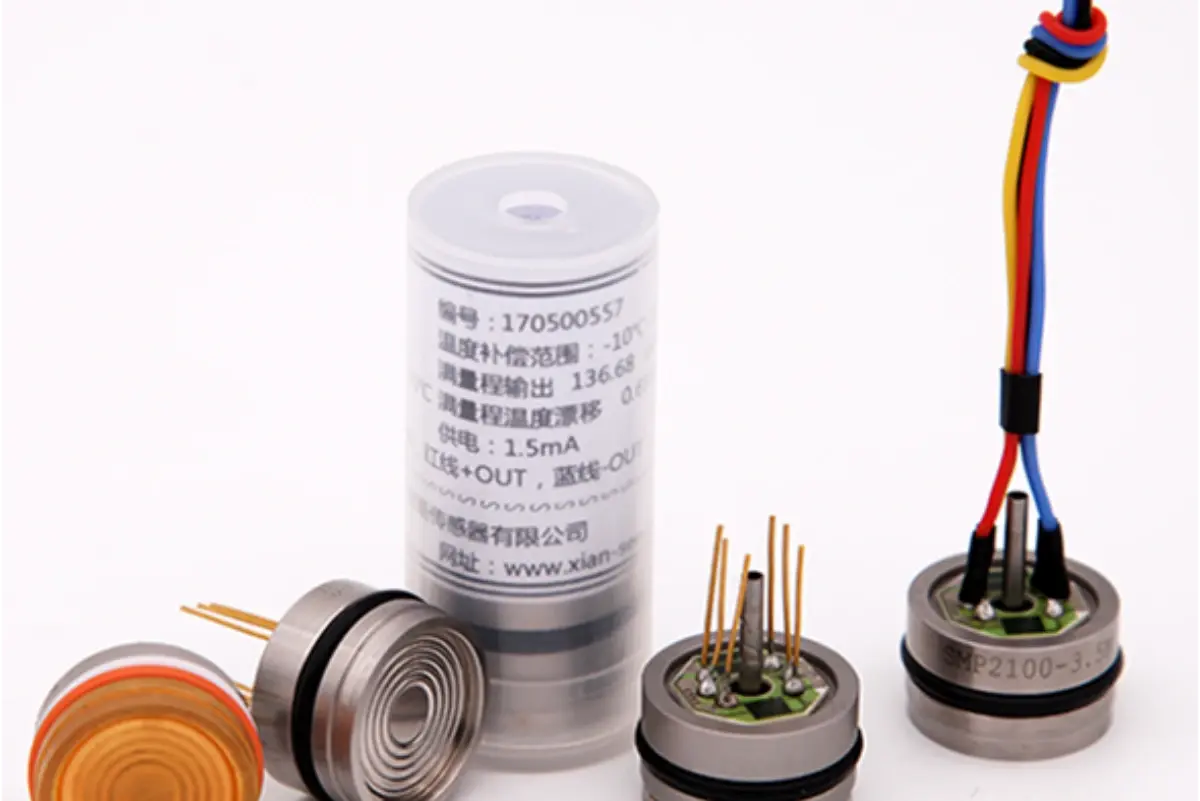
In industrial processes that must deal with extremely high temperatures, high temperature pressure sensor technology is crucial. These unique tools record and keep an eye on changes in pressure in places where normal sensors wouldn't be able to. This keeps everything safe and makes the tools last a long time. As of now, high-temperature pressure sensors are accurate at temperatures above 300°C and can handle strong chemicals, rapid temperature changes, and strong shocks. These tough sensors are used in many fields, from making diesel engines to being used in airplanes. In the worst working circumstances, they are needed to control emissions, do forecast maintenance, and make the process run more smoothly.
High temperature pressure sensors are unique gadgets that can reliably work in places with very high temperatures, where other sensors can't. It is possible for these special tools to measure changes in pressure in gases and liquids. They usually stay accurate and stable at temperatures of 200°C to 500°C or higher.
Core Design Principles and Materials
When making high-temperature pressure sensors, it's important to pick materials that can stand up to heat stress without losing their accuracy. Ceramic diaphragms are the main part of sensors because they don't get bigger when heated and stay the same shape even when heated to very high temperatures. Premium metals, such as Inconel and Hastelloy, don't rust and keep their mechanical properties even when heated to very high temperatures.
There are a lot of detectors that are made of alumina and silicon carbide ceramics because they don't react with chemicals and stay stable at high temperatures. Because these materials are used, the sensor can keep its calibration accuracy even after being used in harsh situations for a long time. The measuring gadget is most often made with strain gauge technology. With this tech, changes in pressure are turned into electrical signals that can be read.
Advanced Technology Integration
There are improved temperature compensation systems in modern high-temperature pressure sensor designs that change the data automatically based on the temperature of the surroundings. The science behind capacitive sensing is now very helpful. It has a ceramic diaphragm that changes shape when pressure is put on it. This diaphragm acts as an electrode in a capacitor.
So that it can be used with control systems, the transmission mechanism carefully sets up the circuits that filter and boost the output. It changes the power of machines into electrical signals. Signal filtering hardware makes sure that electrical messages are stable and easy to understand even in places where there is a lot of electric noise.
Key Selection Criteria for High Temperature Pressure Sensors
There are many scientific and practical things you need to think about when picking the right high-temperature pressure sensors. These will directly affect how well they work and how reliable they are in tough environments. When engineers and buying managers know these things, they can make decisions that will help the business succeed in the long run.
Temperature Range and Thermal Stability
The most important thing to think about is making sure that the working temperature ranges of the sensor match the real-world situations. When it comes to weather, different systems can handle them in different ways. Some sensors made of clay can work well up to 600°C and still be accurate to within 0.1% of full scale. It is very important to be able to handle sudden changes in temperature, like in diesel engine exhaust systems or industrial heaters.
The parts of thermal drift show how a sensor's accuracy changes as the temperature changes. Sensors of high quality have built-in systems that keep drift to less than 0.02% per degree Celsius. So, they will always work the same way, no matter what range they are used in.
Pressure Range and Accuracy Requirements
To pick the right pressure measurement bands, you need to know about both normal working conditions and cases where the pressure might be too high. When used with high temperatures, pressures can be as low as vacuum and as high as several hundred bar. Which means sensors need to be able to detect a lot of changes and have a strong safety against overpressure.
Safety gaps and process control limits are some of the things that must be taken into account when making accuracy specifications. It is very important to have long-term security when it is hard to recalibrate because of bad working conditions or limited access.
Environmental Resistance and Durability
There are a lot of different stresses that high-temperature pressure sensors have to be able to handle besides just high temperatures. There is something called vibration resistance that makes sure the numbers are right when heavy trucks, construction vehicles, or machines that spin are used. Shock resistance protects against the quick mechanical hits that happen at work all the time.
Process media react chemically with sensors to keep them from breaking down and make sure that readings are correct for a long time. Sealing options need to keep dirt and other things out while still letting pressure reach the sensor.
Comparing Leading High Temperature Pressure Sensor Solutions
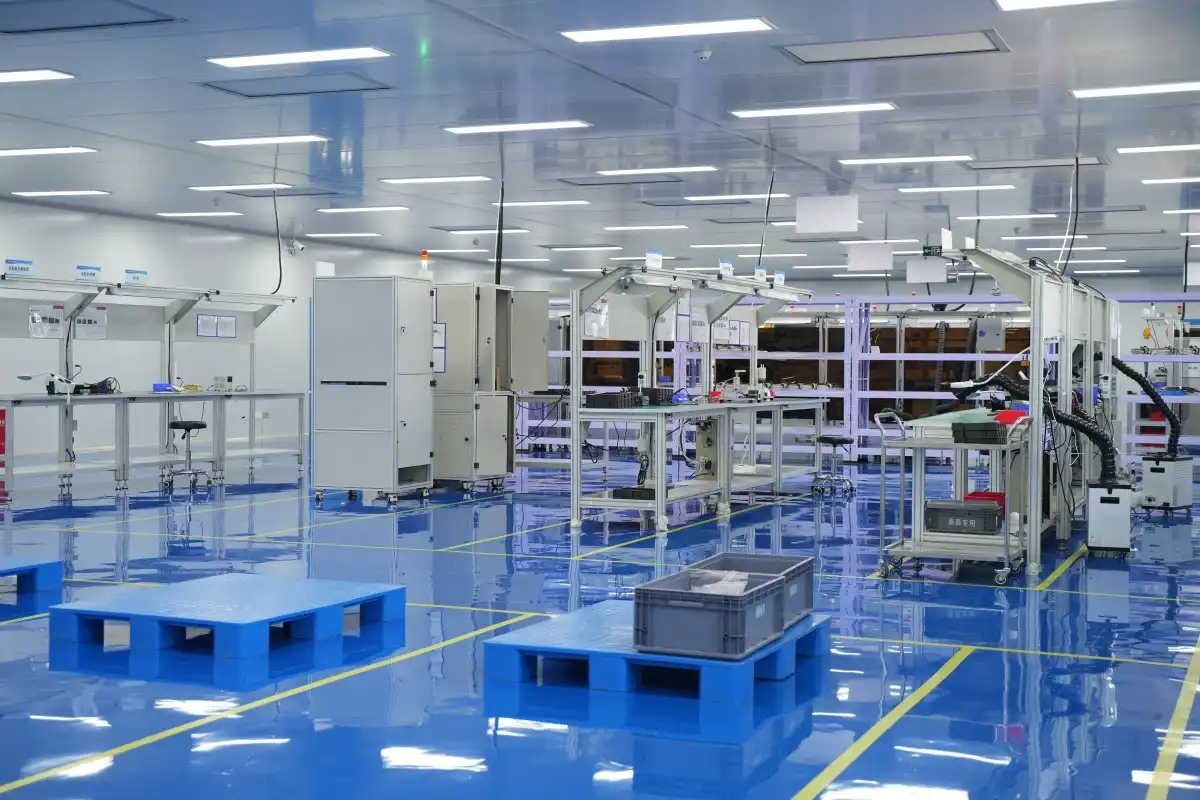
High-temperature pressure sensors are made by a number of well-known companies. Each one uses a different technique and does different things. When procurement teams know these differences, they can pick the best choices for each job, taking into account things like cost, access, and the help of experts.
Established Market Leaders and Their Technologies
Leaders in the field have made lines of products that are specifically made to work in difficult conditions. A lot of money is spent by these businesses on research and development to make sensors smarter and keep up the high quality standards needed for important uses.
A lot of people like ceramic capacitive sensor technology because it is stable by nature and doesn't break down when heated up. This technology stays very steady over time and doesn't drift much, so it can be used in cases where it needs to work for a long time without being adjusted again.
A lot of the time, strain gauge technology is still used when precision and quick reaction times are important. These days, strain gauges are made with special metals and ways of attaching them that allow them to stay accurate even after being heated and cooled many times.
Performance Parameters and Specifications
When picking a sensor, some of the most important performance factors to look at are its response time, sensitivity, and how stable it is over time in working situations. For a pressure sensor, when pressure needs to be checked quickly for safety or control reasons, response time is very important. How well the sensor can pick up on small changes in pressure is called its sensitivity. This can help you find leaks or make the process run more easily.
The long-term steady specs of a sensor show how its accuracy changes over time. When used regularly, good sensors remember their settings for years. This means that the system doesn't need as much maintenance and costs less to run.
Customization and OEM Support Capabilities
For many uses, sensor setups need to be changed to fit the way they are mounted, how they are wired, or the elements around them. The best manufacturers let you change a lot of things about their products, like the pressure ports, the electrical links, and the testing ranges.
Being able to get OEM help is very important for people who want to add sensors to their goods. To make sensor integration and long-term relationship success possible, you need help with technology problems, help with application engineering, and a supply chain you can count on.
Ensuring Optimal Performance in Extreme Environments
If you want to get the most out of high-temperature pressure sensor systems, you need to be very careful about how you install, adjust, and keep them so that they work well in harsh conditions. These steps make sure that measurements are correct and that sensors work well for a long time. They also keep things running smoothly.
Installation Best Practices and Mounting Considerations
Setting up sensors properly is the first thing that needs to be done to make sure they work reliably in difficult conditions. When you place something, you should think about how the temperature will affect the sensor and the things that are close to it. In this way, you can keep the machine from being stressed, which could make it less accurate. Some things may need movable positioning or expansion joints so that heat can build up.
When working with hot temperatures, you need to be extra careful with electricity links. High-temperature lines and links must keep the data's integrity even when the temperature changes. It is important to direct wires in a way that keeps them from getting physically damaged and blocks as much electromagnetic radiation from nearby equipment as possible.
Calibration and Maintenance Strategies
The sensor is tested often to make sure it stays accurate for as long as it is used. It's important to think about how hard the work is when making plans for tuning. Some sensors need to be checked more often, like those that work in tough conditions or at high or low temperatures. You can check sensors in the field without taking them out of service, which saves time and money on maintenance.
In order to keep things in good shape, fixing tools, electrical links, and protection housings should be checked often. Frequent preventive maintenance checks help find issues before they affect how well sensors work or cause them to break down without notice.
Integration with Control Systems and Data Analytics
Today's industrial control systems and data processing tools work well with high-temperature pressure sensors. It is now possible to watch and set up gadgets from away, and digital contact has also made diagnostic tools better. By collecting data in real time, predictive repair plans can be made that make machines work better and cost less to run.
Advanced signal processing techniques can lessen the affects of noise and drift that happen in tough environments. It is possible to get more exact readings and stable results that can be used in control systems with digital filters and compensation methods.
Conclusion
In industries that need to correctly measure pressure in places where it is very hot, high temperature pressure sensors are very important. Ranges of temperatures, the need for accuracy, the surroundings, and long-term stability standards must all be carefully thought through during the decision-making process. Today's sensor technologies offer complicated options with high-tech materials, methods for adjusting them, and digital communication features that make sure they work perfectly even in the worst conditions. When putting it in place, it's important to know the right way to do it, how often it needs to be adjusted, and how it can work with the control systems that are already in place.
FAQ
How do high temperature pressure sensors differ from standard pressure sensors?
In order for high temperature pressure sensors to keep their mechanical properties and accuracy at high temperatures, they are made of special materials such as ceramic diaphragms and high-grade metals. Normal sensors are made of materials that become less accurate or break down when they get warmer than 85°C. These high-temperature versions, on the other hand, always work at temperatures of 200°C to 600°C or higher.
What factors most significantly impact sensor accuracy in extreme environments?
The main problem with precision is thermal drift, which happens when the temperature changes and affects how the sensor outputs information. Changing temperature, shaking, and changing forces can also put stress on the machine, which can affect its accuracy. When chemicals are friendly with process media, they don't break down. Over time, this could make measures less accurate.
How should procurement teams evaluate potential sensor suppliers?
You should check the temperature range, exact needs, long-term solid data, and the ability to make changes as part of the review process. If you want to build a long-term relationship with a seller, you should look at their quality standards, the help they can give you, and their ability to make a lot of things.
Partner with Qintai for Advanced Pressure Sensor Solutions
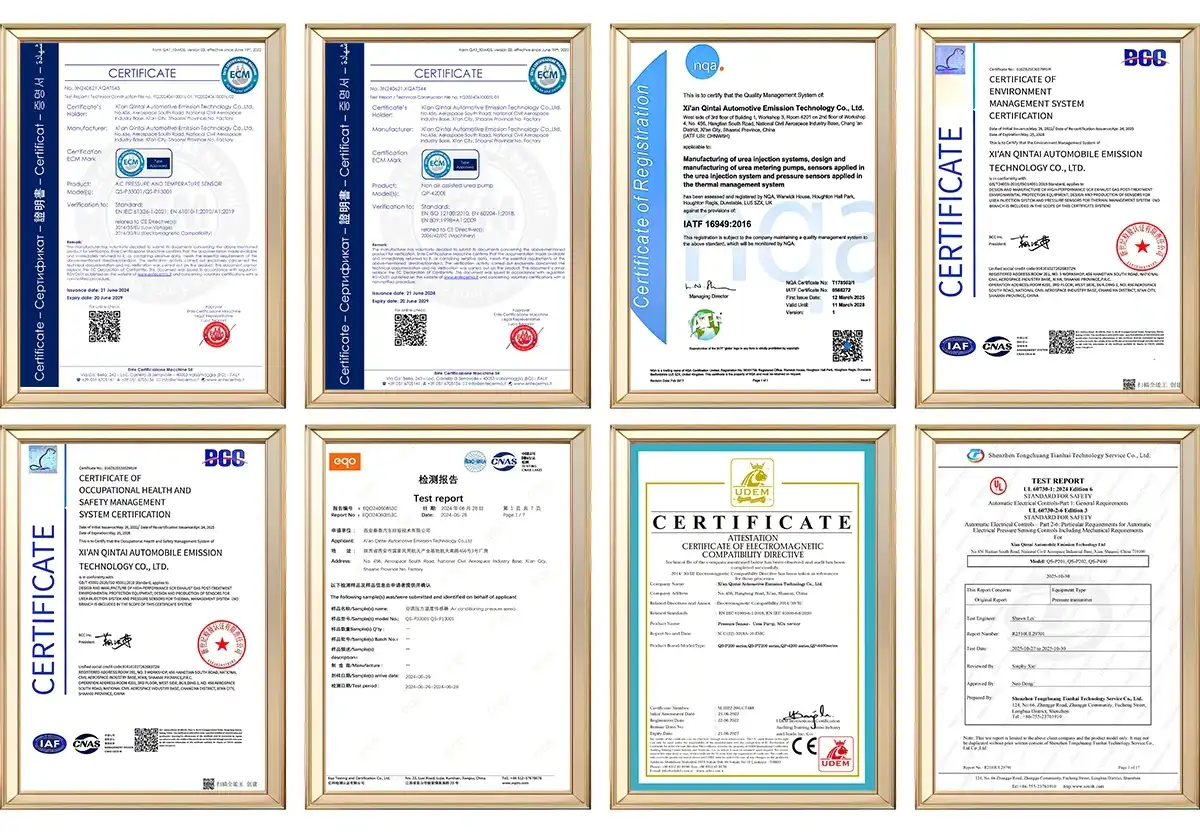
Qintai stands as China's leading pressure sensor manufacturer, delivering cutting-edge high-temperature pressure sensor technology for extreme industrial environments. Our ISO9001 and IATF16949 certified manufacturing processes ensure consistent quality while our 58 invention patents demonstrate continuous innovation in sensor design and performance. As the primary supplier to major Chinese diesel engine manufacturers including Weichai Power, Yuchai Power, and Quanchai Power, we understand the demanding requirements of heavy-duty applications.
Our comprehensive OEM and ODM services provide customized solutions from initial design through mass production, supporting your specific application requirements with flexible product configurations and dedicated technical support. Contact our engineering team at info@qt-sensor.com to discuss your high-temperature pressure measurement challenges and discover how our advanced sensor technologies can enhance your operational reliability and compliance requirements.
References
1. Smith, J.A., "Materials Engineering for High-Temperature Pressure Sensors," Journal of Industrial Instrumentation, Vol. 42, 2023, pp. 156-172.
2. Chen, L.M., "Thermal Compensation Techniques in Extreme Environment Sensing," Advanced Sensor Technology Review, Vol. 18, 2023, pp. 89-104.
3. Rodriguez, M.E., "Ceramic Capacitive Sensors for Industrial Applications," Process Control Engineering Quarterly, Vol. 29, 2023, pp. 234-251.
4. Thompson, R.K., "Reliability Assessment of High-Temperature Pressure Measurement Systems," Industrial Maintenance and Reliability, Vol. 35, 2022, pp. 412-428.
5. Wang, H.F., "Digital Signal Processing for Extreme Environment Sensors," Automation Technology International, Vol. 51, 2023, pp. 67-83.
6. Anderson, P.J., "Cost-Benefit Analysis of Advanced Pressure Sensing Technologies," Industrial Procurement Management, Vol. 26, 2023, pp. 145-162.
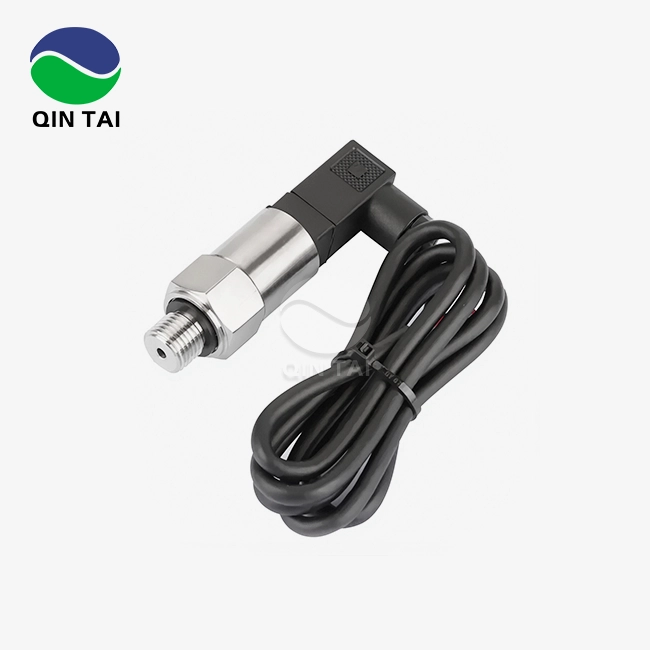
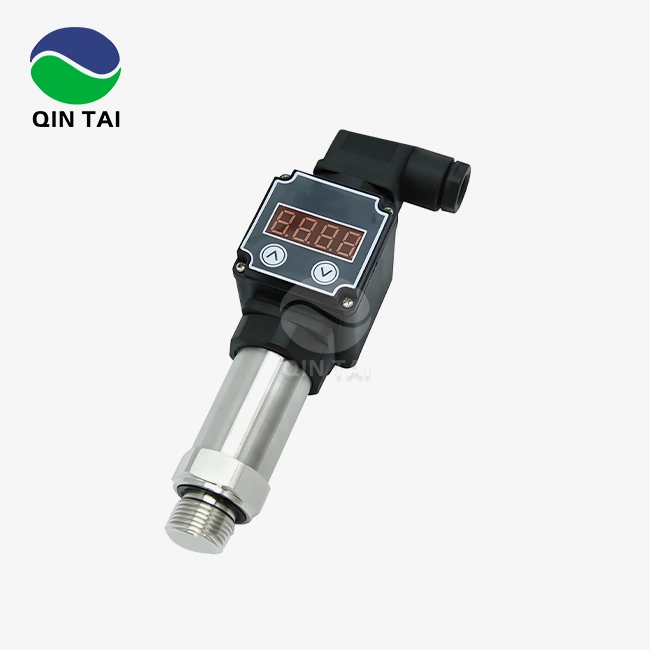
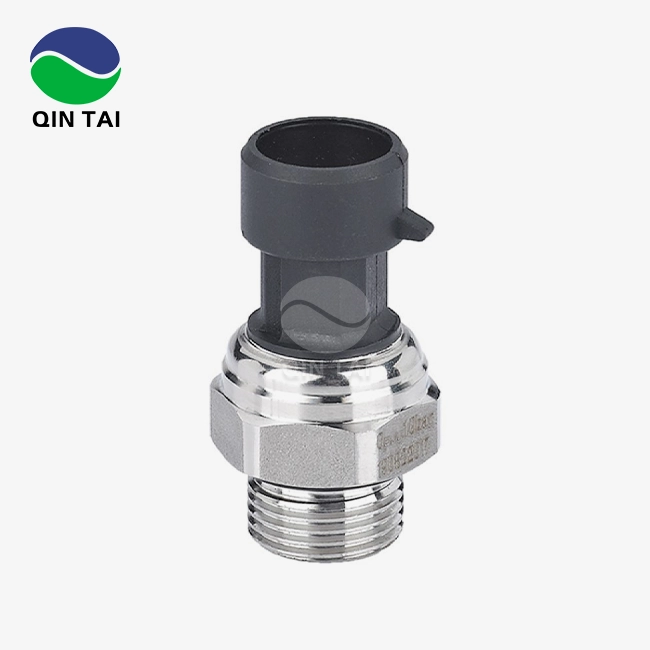
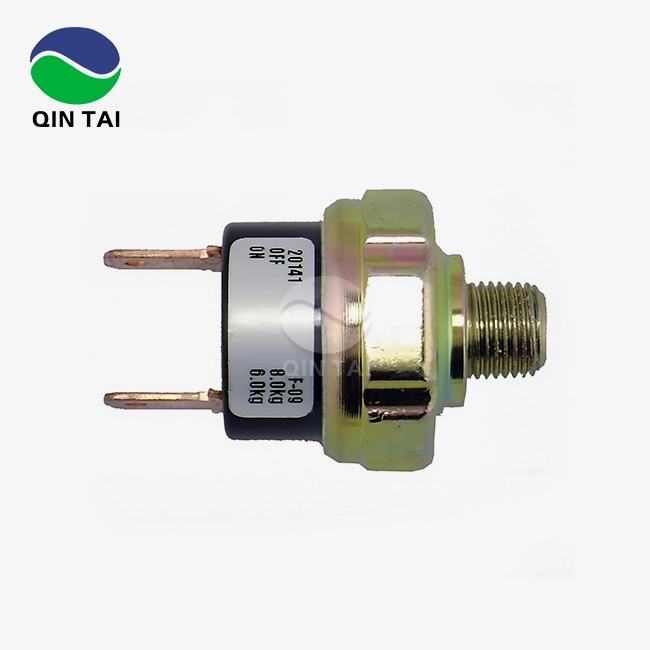

Our customers’ satisfaction speaks for our quality — contact us to experience the same reliable service.