- English
- French
- German
- Portuguese
- Spanish
- Russian
- Japanese
- Korean
- Arabic
- Greek
- German
- Turkish
- Italian
- Danish
- Romanian
- Indonesian
- Czech
- Afrikaans
- Swedish
- Polish
- Basque
- Catalan
- Esperanto
- Hindi
- Lao
- Albanian
- Amharic
- Armenian
- Azerbaijani
- Belarusian
- Bengali
- Bosnian
- Bulgarian
- Cebuano
- Chichewa
- Corsican
- Croatian
- Dutch
- Estonian
- Filipino
- Finnish
- Frisian
- Galician
- Georgian
- Gujarati
- Haitian
- Hausa
- Hawaiian
- Hebrew
- Hmong
- Hungarian
- Icelandic
- Igbo
- Javanese
- Kannada
- Kazakh
- Khmer
- Kurdish
- Kyrgyz
- Latin
- Latvian
- Lithuanian
- Luxembou..
- Macedonian
- Malagasy
- Malay
- Malayalam
- Maltese
- Maori
- Marathi
- Mongolian
- Burmese
- Nepali
- Norwegian
- Pashto
- Persian
- Punjabi
- Serbian
- Sesotho
- Sinhala
- Slovak
- Slovenian
- Somali
- Samoan
- Scots Gaelic
- Shona
- Sindhi
- Sundanese
- Swahili
- Tajik
- Tamil
- Telugu
- Thai
- Ukrainian
- Urdu
- Uzbek
- Vietnamese
- Welsh
- Xhosa
- Yiddish
- Yoruba
- Zulu
Best practices for pressure sensor installation in industrial settings
Implementing proper pressure sensor installation procedures in industrial environments requires meticulous planning, comprehensive site assessment, and adherence to proven methodologies. These sensing devices measure force applied over specific areas, converting mechanical pressure changes into electrical signals for real-time monitoring and control. Industrial applications demand robust installation practices to ensure accurate readings, regulatory compliance, and long-term operational reliability across diverse manufacturing, automotive, and energy sectors.
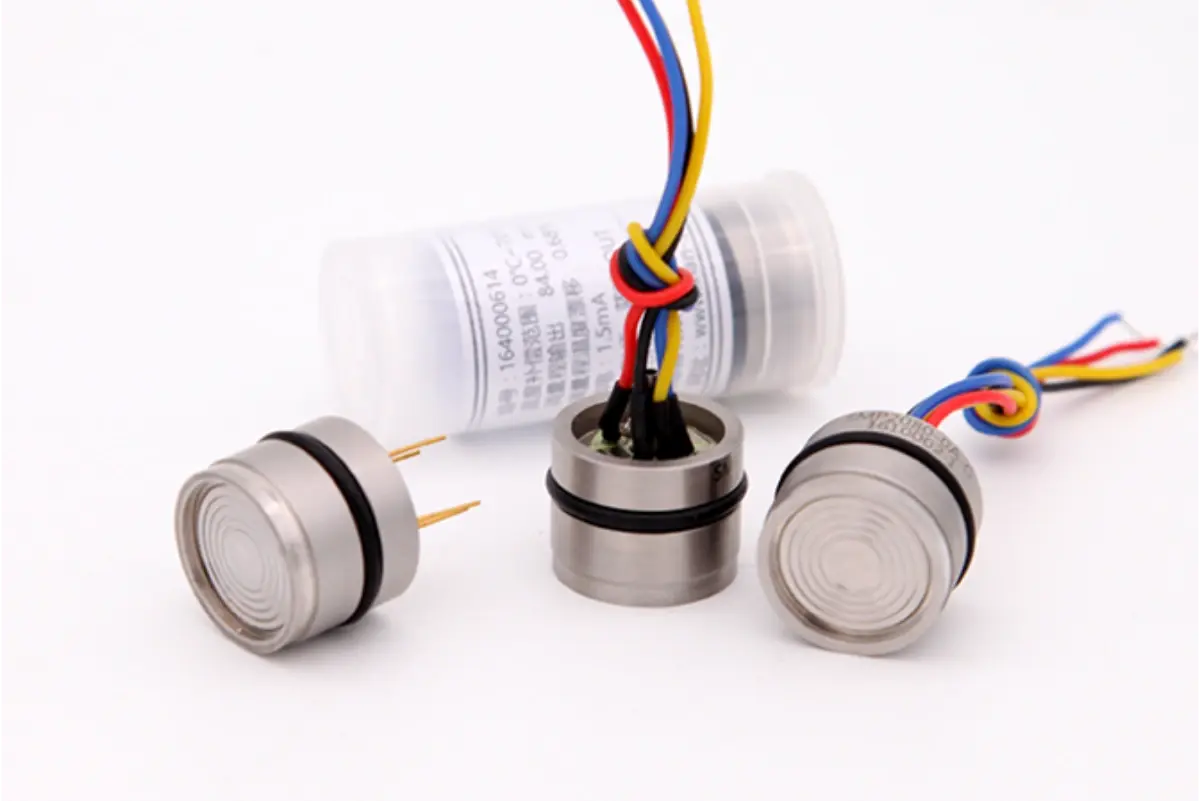
Comprehending Pressure Sensors and Their Industrial Roles
Industrial pressure sensor units are important parts of tracking systems in factories, power plants, and places that use heavy machinery. These high-tech gadgets pick up changes in the pressure of gases and liquids. They do this by turning mechanical forces into measured electrical outputs that let you control processes precisely and keep equipment safe.
Key Sensor Technologies and Operating Principles
There are three main types of sensors used in modern industrial uses. Each has its own benefits for different types of tasks. When put under mechanical stress, piezoelectric sensors make electrical charges. This makes them perfect for measuring dynamic pressure in high-frequency settings. These tools are great for keeping an eye on equipment with hydraulic or gas pressure changes that happen quickly.
Strain gauges in piezoresistive sensors change the electrical resistance based on how much pressure is applied. The detecting element is deformed in a controlled way, which causes changes in resistance that can be measured and are directly related to pressure levels. For tracking static pressure in tank systems and pipeline networks, this method works very well and stays stable.
Capacitive sensors have clay diaphragms that change shape when they are pressed, which changes the capacitance between the electrodes. When the pressure changes, the movement of the diaphragm changes the electrical capacitance. This gives accurate readings of the pressure. These sensors work very well in harsh industrial settings because they are very sensitive and stay stable over time.
Pressure Measurement Classifications
Knowing the different types of pressure measurements helps you choose the right sensor for the job. Absolute pressure sensors get accurate results even when the air pressure changes because they measure against a standard of a perfect vacuum. For uses that are sensitive to altitude and for tracking sealed systems, these gadgets are a must.
Since gauge pressure sensors measure pressure in relation to the air pressure, they can be used in most industrial processes where the air pressure is stable. Differential pressure sensors compare two pressure sources, which lets them be used to measure flow, keep an eye on filters, and find levels.
MEMS versus Traditional Sensor Comparison
Micro-Electro-Mechanical Systems (MEMS) technology allows for small designs that include data processing, while standard sensors are built to last in harsh industrial settings. MEMS devices work best in applications with limited room and mild weather demands. On the other hand, regular sensors can handle the high temperatures, vibrations, and chemical exposures that are common in heavy industry.
Critical Factors and Preparations Before Installation
A thorough assessment of the surroundings and careful preparation steps are the first steps to a successful sensor placement. An review of the site determines the right sensor specs, mounting needs, and safety steps needed for reliable operation.
Environmental Assessment and Site Evaluation
Extreme temperatures have a big effect on how well sensors work and how long they last. When sensors are used in places where the temperature is higher than normal, they need to have better thermal adjustment and stronger building materials. For instance, a pressure sensor designed for high-temperature environments must maintain accuracy despite thermal expansion. Temperature changes in factories often happen between -40°C and +125°C, so it's important to choose sensors carefully based on how they react to different temperatures.
Assessing chemical exposure and humidity levels keeps sensors from breaking down too soon and stops measurement drift. For sensors to work in corrosive environments, they need special coats or housing materials that don't break down easily. In industrial and mine settings, protective sealing and building made of stainless steel are necessary.
Vibration analysis tells you what kind of attachment and isolation methods you need to keep mechanical stress and measuring interference at bay. To get stable results in places with a lot of vibration, you need safe mounting methods with the right damping materials.
Datasheet Interpretation and Parameter Analysis
Important specs help people choose which sensors to buy and how to get them. The parameters for the pressure range must include the expected working conditions along with the necessary safety gaps. Overrange functions keep sensors safe during pressure spikes while keeping their accuracy within normal working ranges.
Measurement precision and system compatibility are based on sensitivity standards. Higher sensitivity lets you pick up on small changes in pressure, but you might need extra signal shaping gear. Response time traits affect how the system moves and how well the control loop works, especially in situations that need to respond quickly.
Accuracy standards spell out the level of accuracy needed for measuring things for process control and legal compliance. Accuracy levels in industrial settings usually need to be between ±0.1% and ±1% of full scale, based on how important the process is and how safe it needs to be.
Calibration and Verification Procedures
Calibration before placement makes sure that the sensor is accurate enough to meet requirements and sets a standard for performance data. During calibration, known pressure references are used and output signals are checked to make sure they match predicted values within certain limits. Precision pressure sources, digital multimeters, and reference standards that can be traced back to national measurement standards are all important pieces of testing tools. Calibration papers show how well a sensor worked and meet the needs of a quality control system.
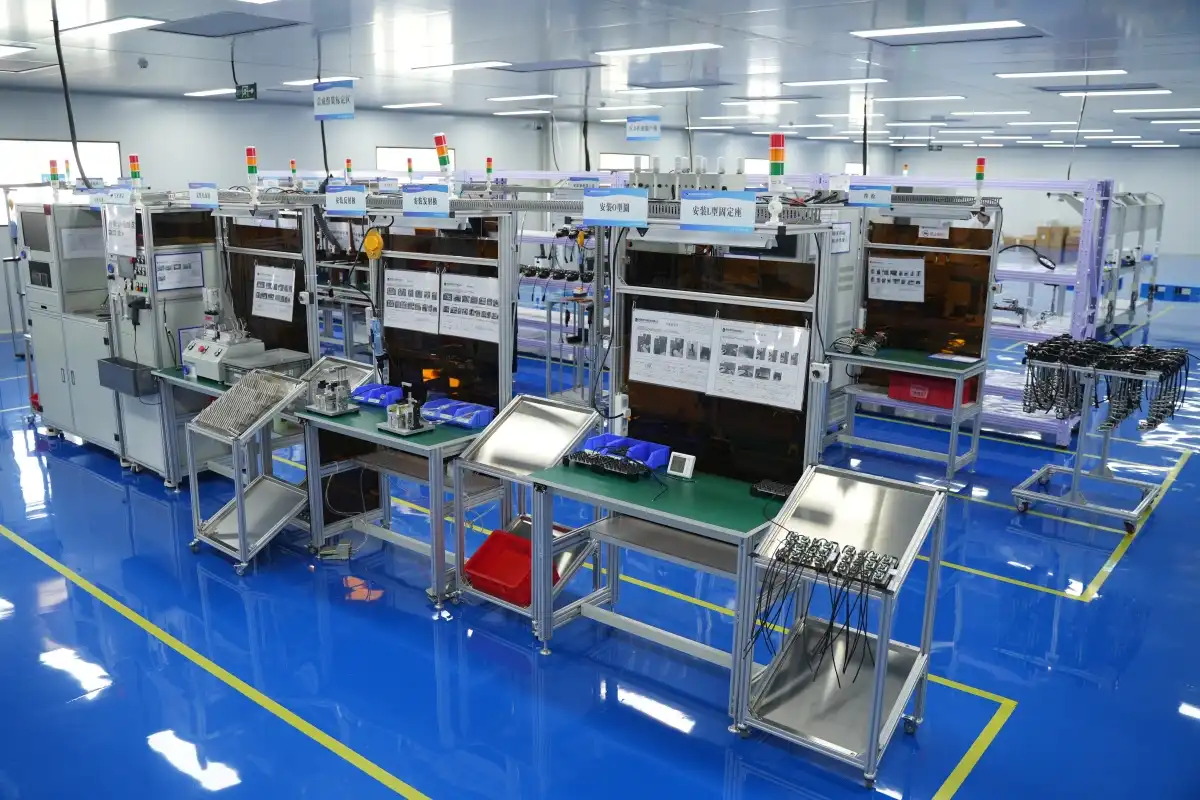
Step-by-Step Best Practices for Pressure Sensor Installation
Systematic installation methods cut down on mistakes and improve sensor performance over their entire useful lives. Planning and carrying out tasks correctly ensure accurate readings and a longer useful life for tools.
Planning and Site Preparation
When a project is defined, its measurement goals, accurate standards, and environmental limits are set. Clear specs help with choosing sensors and figuring out how to put them, and they also help find problems early on in the process. Pressure ranges, temperature changes, vibration levels, and chemical risks are all part of site variable research. This thorough evaluation figures out where to put things, what safety measures are needed, and how to get to them for repair tasks.
Here are the most important things to think about when planning an installation:
• Choose a location: Put sensors away from sources of heat or pressure and places where they could get damaged mechanically, but make sure they can still be reached for upkeep and calibration tasks.
• Preparing the mounting surface: Make sure the mounting surfaces are stable, don't shake, and have the right thread contact and sealing abilities to stop leaks.
• Environmental Protection: Use the right containers and wire routing to protect against environmental damage, chemical exposure, and electromagnetic interference.
• System Integration: Plan how to route signals, distribute power, and connect control systems so that installation is as simple as possible and systems work reliably.
These steps in planning lay the groundwork for a successful rollout of sensors and their long-term dependability in harsh industrial settings.
Mechanical and Electrical Installation Best Practices
The right orientation of the pressure sensor stops measurement mistakes and provides the best performance. Pressure ports need to be lined up properly with process connections, and electrical connections need to be kept clean and free of mechanical stress. Rubber mounting pads, flexible links, and mechanical dampeners are some vibration isolation methods that lower transferred waves without affecting the accuracy of measurements. Isolation materials need to be able to handle high temperatures and chemicals while still being mechanically sound.
Following wiring standards protects electricity and keeps signals safe. EMF interference can be avoided with shielded cables, and measurement mistakes caused by electrical noise can be avoided with proper grounding methods. Cable routing stays away from places with high temperatures and machines that are moving, which could damage the links.
Post-Installation Testing and Documentation
A lot of testing makes sure that the sensor works well in real-world situations. Functional tests make sure that the accuracy of measurements, reaction time, and signal output qualities meet the needs of the system and the specs. Baseline paperwork sets up performance standards that can be used for future maintenance and fixing. It helps predictive maintenance programs and failure analysis methods to keep track of original calibration values, environmental conditions, and installation factors.
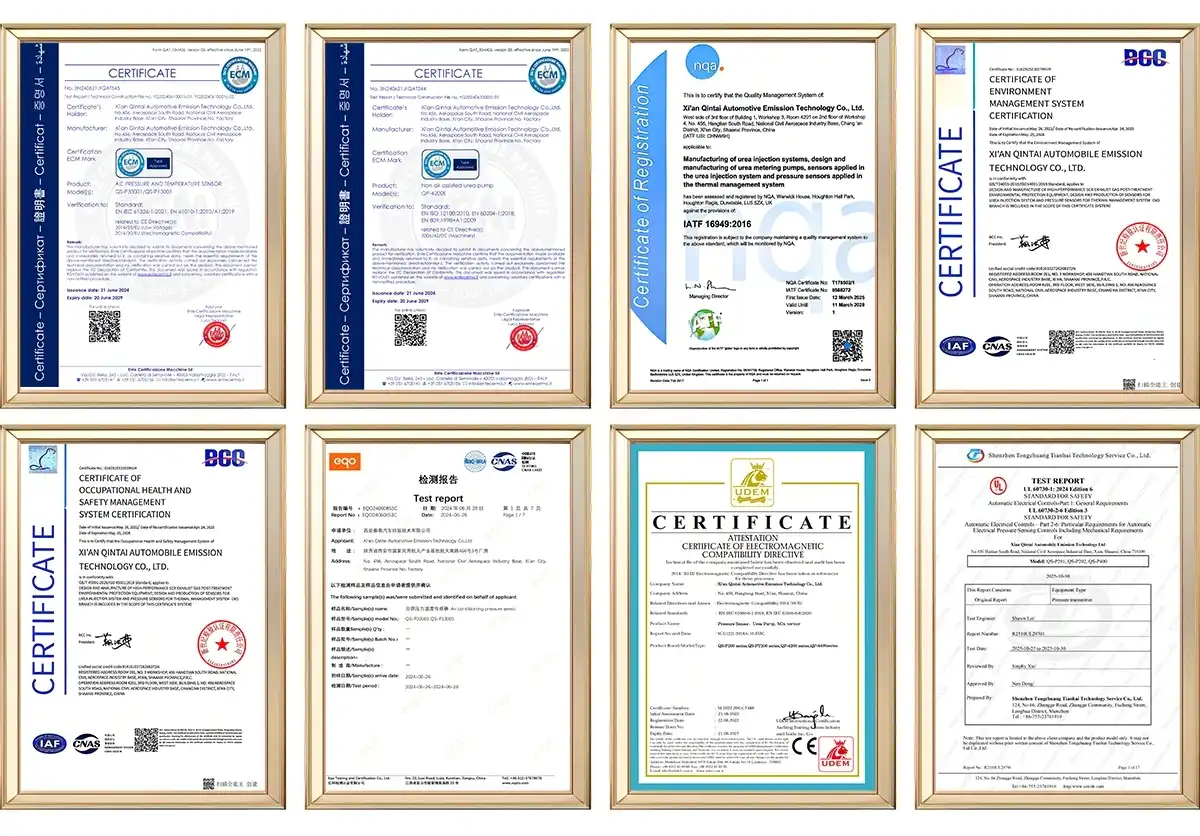
Comparing Solutions and Choosing the Right Supplier
To choose a good supplier, you need to think about performance needs, costs, and help skills. Knowing the differences between products and the strengths of each seller helps you make smart purchasing choices that maximize long-term value.
Cost-Performance Analysis
For non-critical tasks that don't need to be very accurate and where the world is stable, cheap sensors may be enough. But important processes need high-performance devices that are more accurate, stable, and long-lasting, even if they cost more at first.
Some performance factors are the precision of the measurements, the stability of the temperature, the long-term drift traits, and the resistance to the environment. Premium sensors usually have an accuracy of ±0.1% and very little shift over long periods of time. Cheaper choices may have an accuracy of ±0.5% but need to be re-calibrated every so often. The initial buy price, installation costs, calibration needs, and estimated service life are all part of a lifecycle cost study. High-quality sensors usually have lower total buying costs because they need less upkeep and last longer.
Leading Manufacturer Evaluation
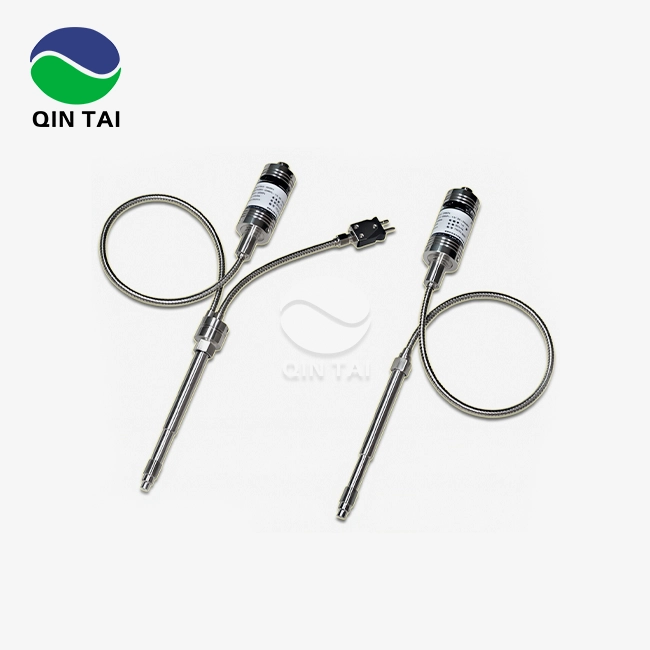
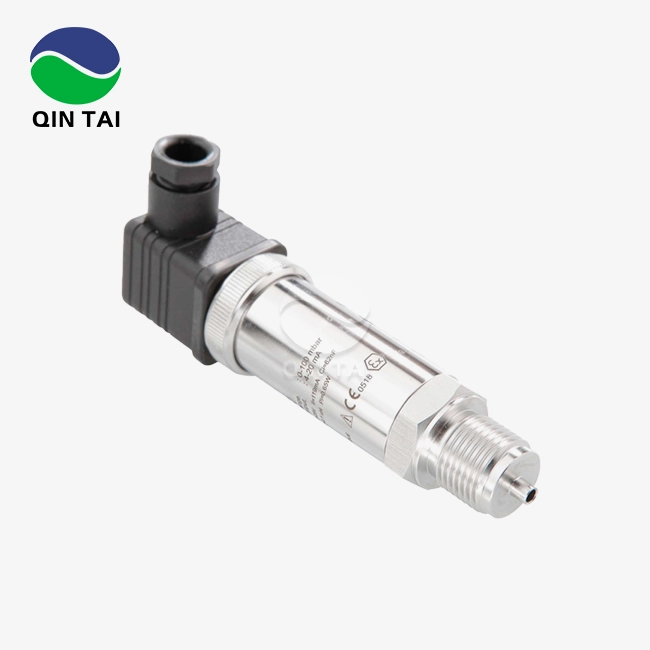
Established makers have track records that can be trusted, a wide range of products, and a lot of expert help options. Honeywell makes sensors that are strong enough to be used in tough settings and are made for cars. Bosch specializes in MEMS technology that has small designs and electronics built right in. TE Connectivity sells industrial-grade devices with connections that can be changed and temperature ranges that are wider. Product customization allows a pressure sensor to be made to fit the needs of a specific application. Customized pressure levels, electrical links, and housing materials improve performance for specific use cases while keeping costs low by producing in large quantities.
Procurement Strategy and Distribution Channels
Strategies for buying in bulk lower unit costs and make sure that there is enough inventory to meet production plans. Different suppliers have different minimum order numbers. For custom configurations, known makers usually need bigger volumes. Authorized wholesalers offer local support, shorter wait times, and smaller purchases for developing prototypes and keeping stock on hand. When you work directly with a manufacturer, you can get professional help, the ability to make changes, and lower prices for large-scale deployments.
Maintaining and Optimizing Pressure Sensor Performance
Proactive repair programs make sensors more reliable, extend their useful lives, and cut down on surprise breakdowns and the costs that come with them. When you do regular inspections and calibrations, you can find performance loss before measurement mistakes hurt the quality of the process.
Routine Maintenance Schedules
Maintenance times rely on how bad the situation is and how important the service is. Extremely hot or cold places, corrosive atmospheres, or high levels of shaking need to be checked and calibrated more often than controlled indoor setups. Visual checks find damage, rust, or weak connections that could affect how well something works. Inspections should be done every month in harsh settings and every three months in moderate ones. This is a good monitoring schedule for most situations.
Calibration checking makes sure that measurements stay accurate within certain limits. Most industrial applications only need to be calibrated once a year, but important safety systems may need to be checked every six months to stay in compliance with regulations and ensure operating safety.
Troubleshooting Common Installation Issues
Problems with the installation often show up as measurement drift, results that aren't stable, or no signal at all. Most problems happen because of bad wiring, such as loose connections, broken wires, or bad grounding that causes electrical noise. Mistakes in measurements and early sensor failure are caused by mechanical stress from bad fitting or heat expansion. Mounting systems need to be able to handle temperature expansion while keeping the position of sensors safe and the purity of the process seal.
Contaminants in the environment can damage sensors by letting water in, causing chemical breakdown, or building up particles. Most pollution problems can be avoided by properly closing and protecting, and regular cleaning keeps things running at their best.
Advanced Features and IoT Integration
Modern sensors have digital connections, self-diagnostics, and online tracking features that make process optimization and upkeep more efficient. Smart sensors constantly check on the health of an object and send out warnings before they break, which lets you plan care ahead of time. Integration of IoT makes it possible for centralized tracking systems to keep an eye on many sensors in different industrial sites. Real-time data analysis finds trends, improves process parameters, and plans repair tasks based on the current state of the equipment rather than random time gaps.
Conclusion
To use best practices for installing pressure sensor devices in commercial settings, you need to plan carefully, do it right, and keep up with the upkeep. An evaluation of the environment leads the choice of sensors and the way they are installed. Methodical methods guarantee reliable operation and a longer service life. Evaluation of suppliers strikes a balance between performance needs and cost factors, which helps buyers make smart choices that maximize long-term value. Regular repair programs catch performance drops early and keep expensive equipment from breaking down. Better tracking tools are made possible by new sensor technologies and the internet of things (IoT). These tools help with predictive repair plans and efforts to make operations run more smoothly.
FAQ
What are the most critical factors to consider when selecting pressure sensors for industrial applications?
The main selection factors are the environmental conditions, such as temperature ranges, chemical exposure, shaking levels, and humidity. The method needs to match the measurement needs, like the pressure range, accuracy, and reaction time. Industry guidelines and certification requirements for dangerous areas make sure that regulations are followed and operations are safe.
How often should industrial pressure sensors be calibrated?
How often you need to calibrate depends on how important the application is, how bad the surroundings is, and what the rules say. Most workplace uses need to check the accuracy once a year, but important safety systems may need to be checked every six months. In harsh settings with high temperatures or corrosive conditions, testing may need to be done every three months to keep up with accuracy standards.
What installation mistakes commonly cause pressure sensor failures?
When attaching something incorrectly, mechanical stress is created that hurts the sense elements and lowers the accuracy. If you don't protect the surroundings well enough, water and chemicals can get in. Signal noise and measurement mistakes are caused by bad electrical links. If you don't align the sensor correctly and connect the pressure port correctly, you could get wrong readings and even damage the equipment.
Partner with Qintai for Reliable Pressure Sensor Solutions
Qintai makes high-quality sensors and offers full professional help and years of experience in the field. Our production methods are ISO9001 and IATF16949 certified to make sure that the quality is always the same and that they can handle demanding uses. We've been serving OEM users around the world for more than 20 years, and we offer custom solutions that meet specific business needs and regulatory standards. As a pressure sensor maker, we can offer creative customization, fast prototyping, and help for large-scale production. Email our expert team at info@qt-sensor.com to talk about your unique needs and find out how our cutting-edge sensing technologies can help your business run more smoothly.
References
1. Industrial Pressure Sensor Design and Application Guidelines, American Society of Mechanical Engineers, 2023
2. Best Practices for Process Instrumentation Installation, International Society of Automation, 2022
3. Pressure Measurement Technologies in Industrial Applications, IEEE Sensors Journal, Vol. 45, 2023
4. Environmental Effects on Sensor Performance and Reliability, Journal of Industrial Electronics, 2022
5. Calibration and Maintenance Procedures for Industrial Instrumentation, National Institute of Standards and Technology, 2023
6. Smart Sensor Integration in Industrial IoT Systems, Industrial Automation Magazine, 2023

Our customers’ satisfaction speaks for our quality — contact us to experience the same reliable service.