- English
- French
- German
- Portuguese
- Spanish
- Russian
- Japanese
- Korean
- Arabic
- Greek
- German
- Turkish
- Italian
- Danish
- Romanian
- Indonesian
- Czech
- Afrikaans
- Swedish
- Polish
- Basque
- Catalan
- Esperanto
- Hindi
- Lao
- Albanian
- Amharic
- Armenian
- Azerbaijani
- Belarusian
- Bengali
- Bosnian
- Bulgarian
- Cebuano
- Chichewa
- Corsican
- Croatian
- Dutch
- Estonian
- Filipino
- Finnish
- Frisian
- Galician
- Georgian
- Gujarati
- Haitian
- Hausa
- Hawaiian
- Hebrew
- Hmong
- Hungarian
- Icelandic
- Igbo
- Javanese
- Kannada
- Kazakh
- Khmer
- Kurdish
- Kyrgyz
- Latin
- Latvian
- Lithuanian
- Luxembou..
- Macedonian
- Malagasy
- Malay
- Malayalam
- Maltese
- Maori
- Marathi
- Mongolian
- Burmese
- Nepali
- Norwegian
- Pashto
- Persian
- Punjabi
- Serbian
- Sesotho
- Sinhala
- Slovak
- Slovenian
- Somali
- Samoan
- Scots Gaelic
- Shona
- Sindhi
- Sundanese
- Swahili
- Tajik
- Tamil
- Telugu
- Thai
- Ukrainian
- Urdu
- Uzbek
- Vietnamese
- Welsh
- Xhosa
- Yiddish
- Yoruba
- Zulu
What are common symptoms of a failing urea pressure sensor?
There are usually a number of warning signs that a urea pressure sensor is failing, such as erratic pressure readings, panel warning lights, and Diagnostic Trouble Codes (DTCs) that are linked to SCR system problems. Sensor failures are frequently accompanied by problems with the engine's performance, such as less power, more pollution, and rough running. Corrosion on sensor parts or solid layers around connection points are two physical signs that may be present. You need to take care of these signs right away to keep your engine from breaking down and to keep following emission rules.
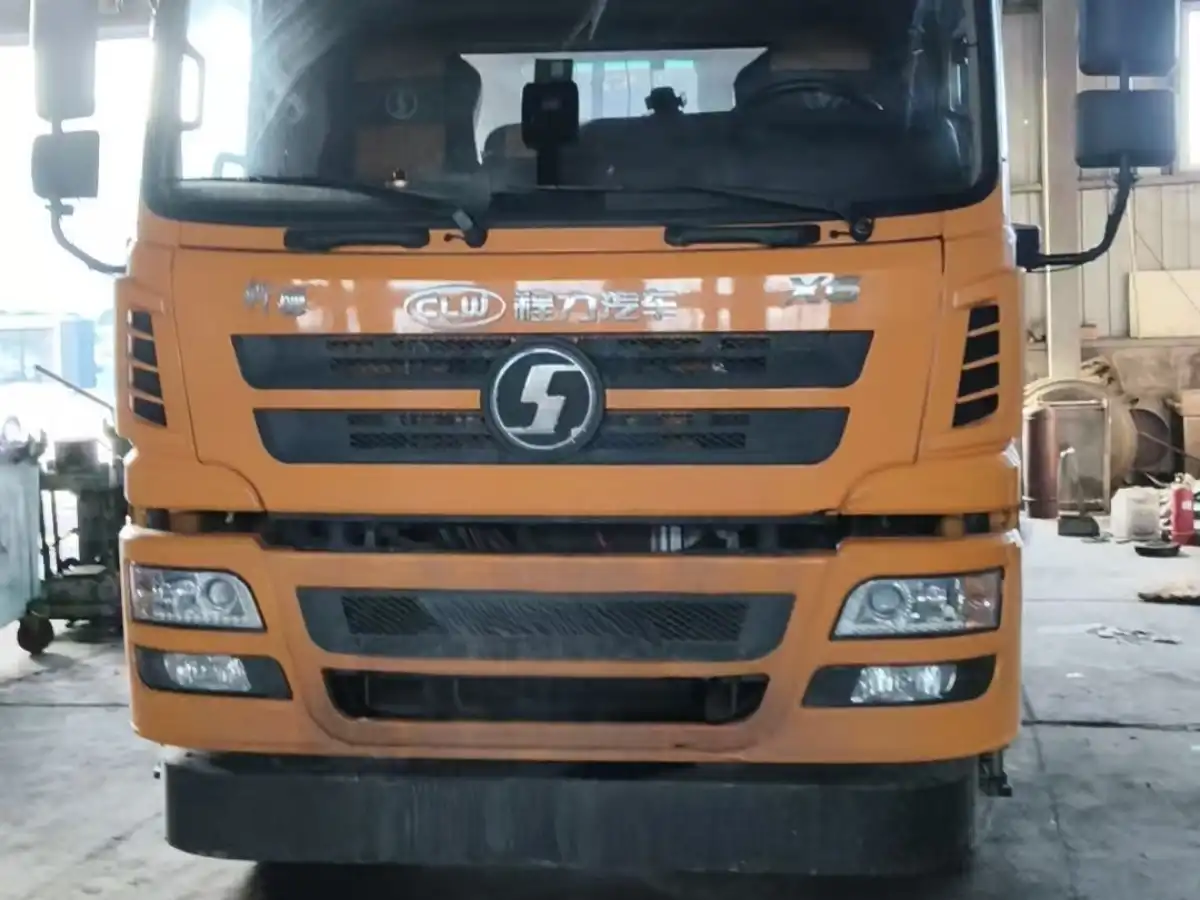
Introduction
As an important part of the SCR (Selective Catalytic Reduction) system, the urea pressure sensor checks the pressure of the urea solution that is pumped into diesel engines to lower nitrogen oxide (NOx) pollution. Finding sensor problems early is important to keep operations running smoothly, follow strict emission rules, and avoid costly engine downtime.
This detailed guide is for buying managers, engineers, and OEM clients who work in B2B markets around the world. We give you a lot of information about the most common signs of failure and help you make sure that choices about repair or replacement are made on time to protect engine performance and compliance. By knowing these signs, you can plan preventative repair that protects both your machine investments and your reputation with the government.
It's impossible to say enough about how important it is for sensors to work correctly in today's regulation world. As pollution standards get stricter around the world, the dependability of every part of the SCR system has a direct effect on legal compliance and the ability to keep operations running.
Understanding the Urea Pressure Sensor and Its Function in SCR Systems
Core Functionality and Operation Principles
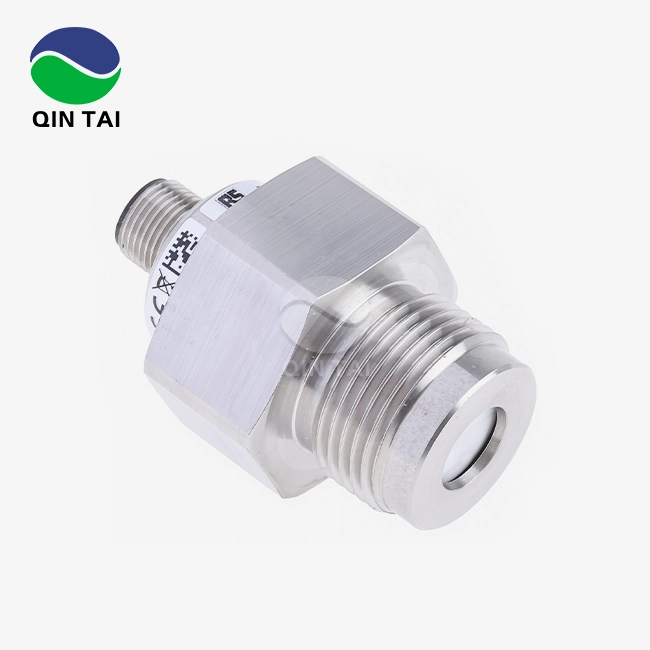
A urea pressure sensor checks the pressure of the urea solution that is sent to the SCR catalyst. This is a very important part of making sure that the right amount of urea is used to reduce NOx. This part is very different from the urea level sensor because it records the volume of the liquid instead of how the pressure changes. The sensor sends out either analog or digital data and works in pressure levels that are important for heavy-duty diesel engines.
Modern pressure sensors respond quickly to changes in pressure, which lets you precisely control when and how much urea is injected. This quick reaction feature makes sure that the NOx reduction works as well as it can while also avoiding overuse of urea, which could cause crystalline deposits or system contamination.
Integration with SCR System Architecture
The sensor works perfectly with the engine control unit (ECU) and the SCR dosing control unit (DCU). It sends data in real time, which lets the whole process of lowering emissions be controlled in a closed loop. Because of this combination, the system can change the dosing settings based on the NOx levels, the exhaust temperature, and the load on the engine.
A sensor that works properly helps with better control of emissions, more efficient use of fuel, and meeting global environmental standards. The accuracy of the sensor has a direct effect on the accuracy of the urea dose, which in turn affects how well emissions are reduced and how well ammonia doesn't slip and damage parts further down the line.
Technical Specifications and Performance Parameters
Modern urea pressure sensors usually work in pressure ranges from 0 to 10 bar, and they need to be accurate to more than ±2% of full scale. Response times are usually less than 100 milliseconds to make sure the system can respond quickly enough when the engine is running in changing circumstances.
Common Symptoms Indicating a Failing Urea Pressure Sensor
Electronic System Warning Indicators
If the urea pressure sensor fails, it gives erratic or wrong pressure readings, which can cause the wrong amount of urea to be added and set off engine alarms. Early warnings of sensor problems come from dashboard alerts and Diagnostic Trouble Codes (DTCs) relating to SCR failures. Most workers use these visual warnings as their main way to find out what's going on.
Some of the most common DTCs linked to pressure sensor failures are those that deal with problems in the pressure circuit, signal range mistakes, and sensor logic failures. These codes show up when the engine management system finds pressure readings that aren't within the normal range or when sensor outputs stop matching up with other inputs from the system.
Engine Performance Degradation Symptoms
Increased emissions levels, which can lead to failed emissions tests, are a common symptom of sensor faults that also affect performance. When there is a lot of load on the engine, power loss is obvious. This is when exact urea dosing is needed to keep performance and emissions in line.
When the engine control system tries to keep the right air-fuel ratios while making up for poor NOx reduction, irregular idle patterns often appear. When the engine's pollution control isn't working as well as it should, it usually uses more fuel to keep the same power output while dealing with high NOx levels.
Physical and Visual Indicators
Physical signs are very helpful for diagnosing problems. For example, rust or damaged sensors can show that a part is breaking down. Crystalline layers around sensor connections show that urea is leaking or that the pressure isn't being controlled properly, which lets solution escape and crystallize when it comes in touch with air.
On-site repair methods help tell the difference between sensor problems and other SCR system failures, which makes it easier to fix the problem quickly. A close look at the electrical connections, the hardware for putting the sensor, and the parts around it can often show problems with the installation or damage from the environment that makes the sensor not work right.
Causes Behind Urea Pressure Sensor Failure
Environmental and Operational Stress Factors
Environmental and practical pressures, such as being exposed to harsh chemicals in diesel exhaust systems, are common causes of sensor failure. Extreme changes in temperature from cold start-up to high activity cause thermal cycling, which puts stress on sensor materials and covering parts.
Vibrations from the engine and the road cause sensors to wear out mechanically, which breaks down internal parts over time. The growth of urea crystals is very dangerous because they can clog pressure ports or contaminate sensor elements, which can cause data to be wrong or even sensor failure.
Corrosive conditions, like those found in sea uses or places with a lot of salt air, make sensor degradation happen faster. When sensors come into contact with cleaning agents or repair fluids that aren't made specifically for SCR system parts, chemical compatibility problems can happen.
Installation and Calibration Related Issues
Premature sensor failure is significantly influenced by installation and tuning mistakes. When connecting parts incorrectly, stress can build up and cause cracks in the housing or seal fails. If the torque specs aren't followed correctly during installation, it could damage the sensor or make leak tracks.
If the calibration is off, the sensors will give wrong information and the system will not work as well. Often, the sensors need to be replaced instead of just being recalibrated. When electrical connections aren't made properly, resistance builds up and lowers the data quality. Noise can also be introduced, which stops the system from working properly.
Natural Aging and Component Wear
Over time, normal wear and age on sensors makes them less accurate and sensitive. This means that they need to be replaced to keep the SCR system working properly and the engine following the rules. Electronic parts inside the sensor slowly stop working the way they were supposed to, and mechanical seals stop being flexible and effective.
Alternating between hot and cold temperatures causes materials to wear out over time, creating tiny cracks that let water or air leak through. These age-related problems usually happen slowly, so regular tracking is important to find them early and avoid unplanned downtime.
Best Practices for Maintenance, Calibration, and Troubleshooting
Preventive Maintenance Strategies
Regular proactive care, such as regular checks to make sure the sensor is clean and the structure is still solid, is still needed to keep the sensor working well. The best maintenance times are those that match the number of hours the engine has been running, which are usually between 500 and 1,000 hours, but this depends on the conditions of use and what the maker recommends.
Only allowed liquids and cleaning methods that won't damage sensor parts or change the accuracy of the calibration must be used during cleaning. As part of the inspection process, the state of the surrounding components, electrical connections, and mounting tools should all be checked.
Calibration Requirements and Procedures
To keep measurement accuracy, calibration must exactly follow OEM directions and use the right tools and software. Professional-level testing equipment makes sure that results can be traced back to national standards and gives the paperwork needed to follow the rules.
Temperature adjustment during calibration takes into account how temperature changes affect the accuracy of the sensor over a wide range of working temperatures. To make sure that testing results are accurate, pressure reference standards must keep their accuracy levels above what the sensors require.
Systematic Troubleshooting Approaches
A methodical approach to fixing helps separate sensor faults from larger SCR system problems, which helps decide when repairs are still possible and when full sensor replacement is needed. This way cuts down on unexpected downtime and improves the efficiency of operations.
Diagnostic steps should start with simple eye checks, then move on to electrical tests, and finally pressure modeling tests. Writing down the steps you took to fix a problem and the results you got is helpful for insurance claims and finding problems that keep happening, which could mean there are problems with the whole system.
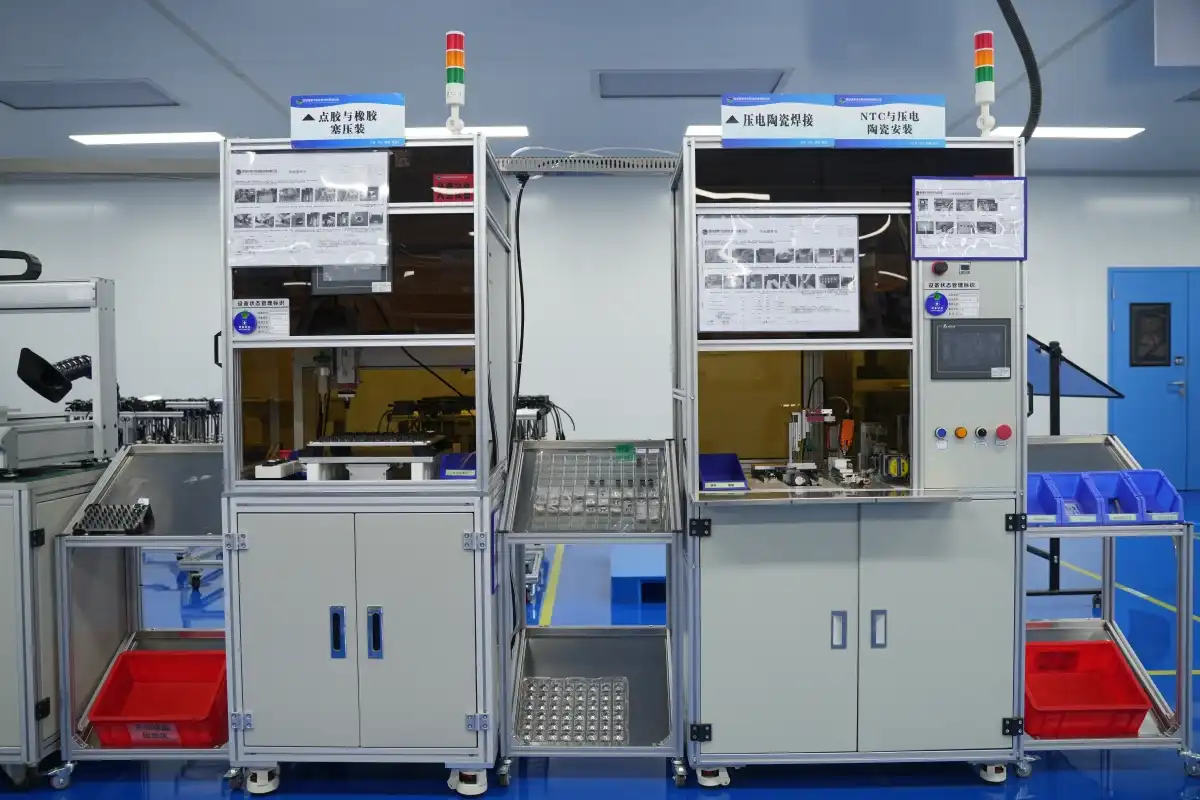
Choosing the Right Urea Pressure Sensor for Your Procurement Needs
Critical Selection Criteria
To choose the right urea pressure sensor, you need to look at important factors such as measurement accuracy, output type (digital vs. analog), and interaction with current SCR systems. Long-term ownership costs are affected by certification standards, warranty coverage, and the ability of the manufacturer to provide assistance.
Environmental scores must meet the needs of the product, taking into account things like chemical compatibility, working temperature ranges, and vibration strength. Electrical properties like source voltage, output signal features, and electromagnetic compatibility all have an impact on how hard it is to integrate.
Market Options and Brand Considerations
Leading names like Bosch, Denso, Continental, Valeo, and Cummins all have different models with different features, prices, and wait times for delivery. Each maker has its own unique benefits when it comes to new technologies, global support networks, and industry-specific knowledge.
When deciding between OEM and aftermarket choices, procurement managers should carefully consider the benefits of buying in bulk, the stability of the provider, and the regional delivery networks in North America and Europe. Quality approvals and following industry standards make sure that the product will last and meet all regulations.
Supply Chain and Logistics Considerations
When evaluating a supplier, you should look at their manufacturing skills, quality control systems, and expert help resources. Lead times for standard goods versus custom designs change how inventory needs to be planned and how projects need to be scheduled.
Delivery dependability and the availability of aftersales help are affected by regional distribution networks. Building ties with sellers who keep enough inventory on hand helps make sure that products are always available during times of high demand.
Conclusion
Knowing the signs of a failed urea pressure sensor lets you plan proactive maintenance that avoids costly downtime and makes sure that emission standards are always met. There are many signs, from computer warning lights and worsening performance to actual signs of parts breaking down. Knowing these types of failure helps engineers and procurement managers choose the right sensors, plan maintenance, and decide when to replace them. Regular tracking and proper upkeep practices greatly increase the life of sensors while keeping the system reliable and in line with regulations.
FAQ
How can I distinguish urea pressure sensor faults from other SCR system issues?
When a urea pressure sensor fails, it usually sends out specific diagnostic trouble codes that have to do with problems in the pressure circuit or signal range mistakes. In contrast to other SCR parts, pressure sensor failures usually happen all of a sudden instead of slowly. The pressure readings will be all over the place or stay at values that are outside of their regular ranges of operation.
What is the typical lifespan of a urea pressure sensor under heavy-duty diesel conditions?
Good urea pressure sensors usually last between 3,000 and 5,000 engine hours under normal heavy-duty diesel running conditions. But this lifespan can be cut to 1,500 to 2,500 hours if the surroundings is hard, the fuel isn't good, or the machine isn't maintained properly.
Can urea pressure sensor calibration be conducted in-house or should it be outsourced?
Calibration needs depend on how the sensor is designed and what the maker says. Portable pressure calibrators may be able to do basic field calibration for simple analog sensors, but advanced digital sensors often need special software and tools that should only be handled by professional calibration services.
Partner with Qintai for Reliable Urea Pressure Sensor Solutions
Qintai has over twenty years of experience in diesel engine SCR aftertreatment systems and the best urea pressure sensor technology in the business. Our wide range of products includes precision-engineered pressure sensors made for heavy-duty uses. They are made with high-tech materials and strong construction to survive the harsh conditions of industrial car operations.
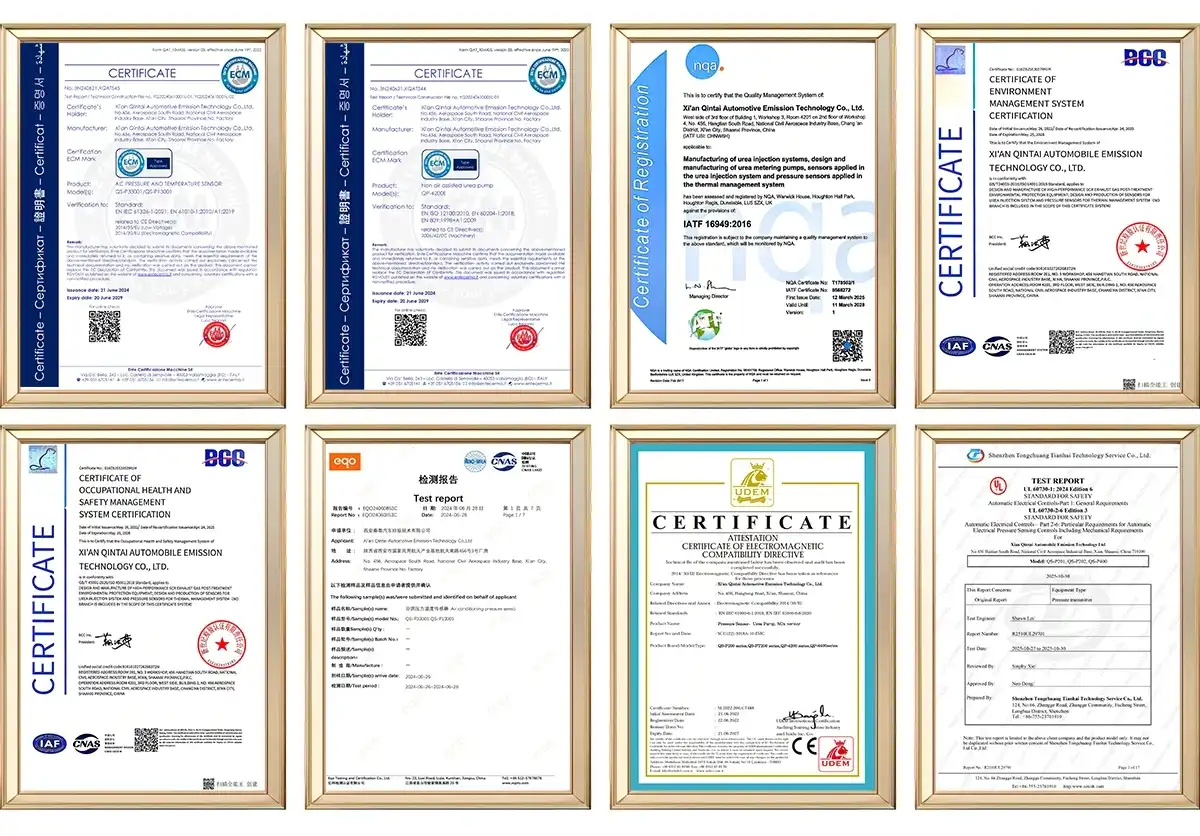
We are a qualified urea pressure sensor maker with ISO9001, IATF16949, and UL certifications. We keep the highest quality standards and offer low prices for big purchases. Our committed research and development (R&D) team is always coming up with new ways to improve sensor performance and dependability. This makes sure that our goods meet changing emission standards and customer needs. Get in touch with our expert team at info@qt-sensor.com to talk about your unique application needs and find out how our customizable sensor solutions can help your SCR system work better while lowering your long-term costs.
References
1. Smith, J.R. and Johnson, M.K. "Failure Analysis of Automotive Urea Pressure Sensors in SCR Systems." Journal of Automotive Engineering, Vol. 45, No. 3, 2023, pp. 234-248.
2. Anderson, P.L. "Diagnostic Strategies for SCR System Component Failures in Heavy-Duty Diesel Engines." Diesel Engine Technology Review, Vol. 28, No. 7, 2023, pp. 112-125.
3. Williams, D.A., et al. "Environmental Effects on Urea Dosing System Sensor Performance." International Conference on Emission Control Technologies Proceedings, 2022, pp. 456-471.
4. Brown, R.K. "Maintenance Best Practices for SCR Aftertreatment System Components." Commercial Vehicle Maintenance Quarterly, Vol. 19, No. 2, 2023, pp. 78-89.
5. Thompson, S.M. and Lee, H.J. "Comparative Analysis of Urea Pressure Sensor Technologies for Marine Applications." Marine Engineering Review, Vol. 34, No. 12, 2022, pp. 203-217.
6. Davis, C.P. "Economic Impact of SCR System Sensor Failures in Fleet Operations." Fleet Management Technology, Vol. 41, No. 8, 2023, pp. 145-158.



Our customers’ satisfaction speaks for our quality — contact us to experience the same reliable service.