- English
- French
- German
- Portuguese
- Spanish
- Russian
- Japanese
- Korean
- Arabic
- Greek
- German
- Turkish
- Italian
- Danish
- Romanian
- Indonesian
- Czech
- Afrikaans
- Swedish
- Polish
- Basque
- Catalan
- Esperanto
- Hindi
- Lao
- Albanian
- Amharic
- Armenian
- Azerbaijani
- Belarusian
- Bengali
- Bosnian
- Bulgarian
- Cebuano
- Chichewa
- Corsican
- Croatian
- Dutch
- Estonian
- Filipino
- Finnish
- Frisian
- Galician
- Georgian
- Gujarati
- Haitian
- Hausa
- Hawaiian
- Hebrew
- Hmong
- Hungarian
- Icelandic
- Igbo
- Javanese
- Kannada
- Kazakh
- Khmer
- Kurdish
- Kyrgyz
- Latin
- Latvian
- Lithuanian
- Luxembou..
- Macedonian
- Malagasy
- Malay
- Malayalam
- Maltese
- Maori
- Marathi
- Mongolian
- Burmese
- Nepali
- Norwegian
- Pashto
- Persian
- Punjabi
- Serbian
- Sesotho
- Sinhala
- Slovak
- Slovenian
- Somali
- Samoan
- Scots Gaelic
- Shona
- Sindhi
- Sundanese
- Swahili
- Tajik
- Tamil
- Telugu
- Thai
- Ukrainian
- Urdu
- Uzbek
- Vietnamese
- Welsh
- Xhosa
- Yiddish
- Yoruba
- Zulu
Common issues detected by urea pressure sensors and troubleshooting tips
Modern SCR (Selective Catalytic Reduction) systems depend on urea pressure sensors to keep an eye on the AdBlue or diesel exhaust fluid pressure and make sure they work at their best to reduce NOx. These specialized sensors often have problems working, such as ice blocks, electrical connection problems, and problems with calibration drift. Procurement workers and engineering teams can stay in line with regulations and cut down on expensive downtime in heavy-duty diesel applications by learning about common problems and using systematic ways to fix them.

Understanding Urea Pressure Sensors and Their Functions
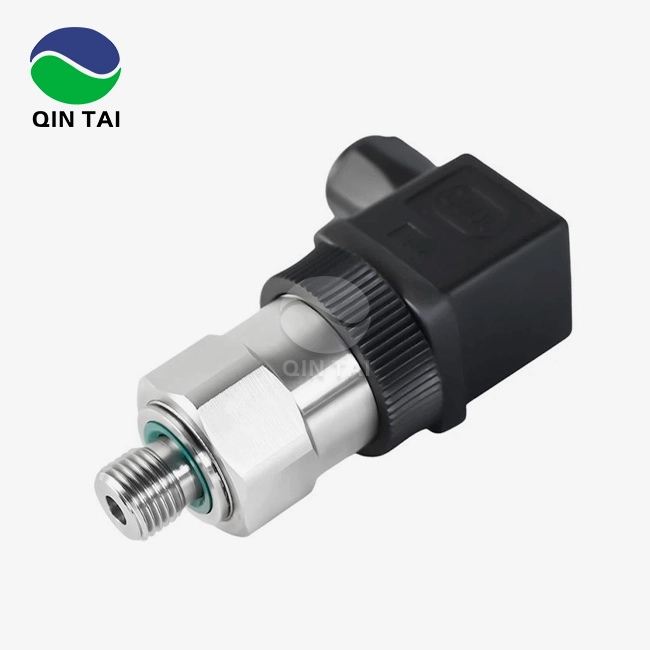
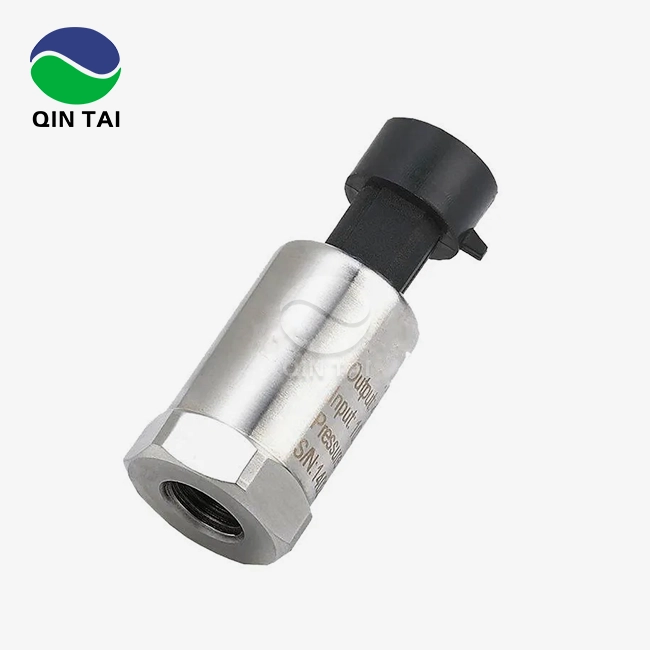
To make sure that emissions meet China VI and Euro VI standards, modern diesel engine aftertreatment systems depend on accurate urea doses. The urea pressure sensor measures the pressure of the urea solution between the dosing pump and the injection tip. It is the tracking core of SCR systems. This real-time feedback system makes sure that the right atomization patterns and supply rates are used to effectively reduce NOx.
Core Operating Principles and Components
The advanced piezoresistive technology in these sensors turns changes in mechanical pressure into electrical messages. The detecting element is usually a silicon diaphragm with strain gauges built in that react to changes in pressure. When the urea solution presses on the diaphragm, tiny deformations cause changes in resistance that are translated into voltage outputs that are related to the pressure that is being applied.
The pressure-sensitive diaphragm, signal conditioning electronics, temperature compensation circuits, and protective housings made to survive harsh vehicle conditions are some of the most important parts of the sensor assembly. More advanced models have monitoring features that check the health of sensors and find possible problems before they affect how well the system works.
Distinguishing Features from General Pressure Sensors
Unlike regular industrial pressure sensors, urea pressure sensors have to be able to handle the toxic effects of concentrated urea solutions while still being accurate over a wide range of temperatures. They are made of special materials like 1.4466-grade stainless steel and have improved finishes that stop crystals from forming. The electrical connections are also different, offering CAN-bus communication methods that work with current engine control units.
Industrial Applications Across Multiple Sectors
These sensors are built into the aftertreatment systems of heavy trucks so that they can meet strict pollution standards and work reliably in a wide range of circumstances. For construction tools, sensors need to be strong enough to handle the vibrations, high temperatures, and dirty conditions that are common on the job site.
Agricultural equipment uses urea pressure sensors in trucks and harvesting equipment where consistent emissions control supports environmental care efforts. For generator set uses, especially in mines and backup power situations, sensors that are very durable and stable over time are needed to make sure that the generators keep running even when they need to.

Common Issues Detected by Urea Pressure Sensors
In many different businesses, engineering teams keep running into the same problems with sensors, which can have a big effect on how well the SCR system works. By recognizing these signs, you can plan preventative maintenance and lower the risk of costly system crashes during important operations.
Primary Symptoms Indicating Sensor Failure
Most of the time, inconsistent voltage outputs that change outside of normal working limits show that a sensor is failing. This is shown by pressure readings that aren't consistent. These strange events usually show up as quick drops or rises in pressure that don't match up with how the system is actually working. This can cause incorrect urea dose rates and possibly emissions violations.
When sensors and engine control units can't talk to each other properly, diagnostic fault codes are sent to the computer. These codes set off warning lights and may even put the car into limp mode. Most of the time, these electronic problems are caused by data transfer problems or signal loss. To find the root causes, you need to do a lot of electrical fixing.
Temperature-related performance drift affects the accuracy of sensors in harsh working conditions, especially when they are used in cold environments where the risk of urea crystallization is high. Sensors may take too long to respond or give numbers that are too far outside of acceptable tolerances, which can mess up the tuning of the whole system.
Prevalent Failure Mechanisms and Root Causes
Urea crystallization is still the main reason why sensors fail. It happens when concentrated urea solutions leave solid layers on sensing elements and internal pathways. This process speeds up during shutdowns, when any remaining urea evaporates, leaving behind crystalline structures that get in the way of regular function. When there are a lot of start-stop cycles or not enough clear steps, the hardening process speeds up.
There are several ways that environmental contact can cause sensors to break down. When moisture gets into protected housings, it weakens electrical connections and internal parts. At the same time, road salt and chemicals make rusting faster. Heavy-duty uses can cause vibrations that can damage sensitive sense elements and loosen electrical connections over time.
Deterioration of the wiring harness affects the performance of sensors by causing links to break, electrical resistance to rise, and circuit failures to occur completely. Corrosion of the connectors is especially bad for sensors that are exposed to tough environments. It makes links with high resistance that mess up signal quality and dependability.
Systematic Troubleshooting Methodology
The first step in fixing a problem is to do a full diagnostic scan using software tools made by the maker that can access sensor data streams and old fault codes. This first evaluation finds specific mistake patterns and helps focus research efforts on the most likely failure mechanisms.
As part of the physical checking process, the wire harnesses, connectors, and mounting conditions of sensors are looked at visually. Technicians should make sure that the torque specs are correct, look for signs of damage or rust, and make sure that the sensor is not too close to heat sources or moving parts that could affect its function.
Multimeters and oscilloscopes are used in electrical testing methods to check voltage outputs, signal quality, and communication integrity in a range of working situations. These readings give us clear proof of how well the sensors are working and help us tell the difference between sensor failures and problems with the system as a whole.
Troubleshooting Tips and Maintenance Best Practices
Structured maintenance routines make sensor lifespans much longer and cut down on sudden failures that stop activities and make emissions compliance harder to achieve. Professional maintenance methods combine preventative care with organized diagnostic processes to get the most out of sensors in a wide range of working conditions.
Recommended Cleaning Protocols and Maintenance Schedules
Urea crystals buildup, which often causes sensors to stop working, can be avoided by cleaning them regularly. During regular maintenance, technicians should flush the whole urea system with pure water, paying extra attention to the places where sensors are mounted where deposits tend to build up. To clean, the system has to be completely depressurized and crystalline layers have to be carefully removed without hurting any sensitive parts.
Maintenance plans depend on how the equipment is used, but for heavy-duty uses, most makers say that sensors should be checked every 25,000 miles or 1,000 hours of use. Heavy-duty jobs, like building, mining, or farming, may need more regular care because they are more likely to be contaminated and have vibration stress.
In places where it freezes and thaws a lot, seasonal upkeep is especially important because the urea solution can expand and contract, putting stress on sensor housings and connections. Before winter, you should check the whole system, clean the connections, and make sure that the urea solution has the right amount of antifreeze ingredients.
Sensor Accuracy Verification and Calibration Methods
For calibration processes, you need special testing gear that can create known pressure values while keeping an eye on sensor outputs. Professional-level pressure calibrators give exact reference standards that make it possible to accurately judge how well a sensor works across its full working range. Stepped pressure steps are usually used in these tests, and the voltage outputs are recorded to make sure that the uniformity and accuracy are correct.
Temperature adjustment testing makes sure that sensors stay accurate across their full working range. This is especially important for uses where temperatures change a lot. Protocols for calibration should include both hot and cold testing situations that are like the real world.
Dynamic response testing checks how quickly a sensor responds to sudden changes in pressure, which is very important for situations where the system needs to respond quickly to changes in dose. These tests help find sensors whose performance has dropped in ways that might not be obvious during idle testing.
Comparison of Leading Sensor Brands and Solutions
There are a number of well-known companies that make urea pressure sensors around the world. Each has its own benefits when it comes to dependability, performance, and price. When procurement workers understand these differences, they can make choices that balance short-term cost concerns with long-term operational needs.
Market-Leading Brand Analysis
Bosch is the leader in car sensor technology. They made strong urea pressure sensors by using their decades of experience with fuel injection systems. Their sensors can do advanced diagnostics and are very stable at high temperatures, which makes them ideal for use in industrial vehicles that need to meet strict requirements. The company has a large aftermarket support network that makes parts and expert help available all over the world.
Continental has sensors that are better at handling vibrations and need less maintenance, making them perfect for heavy-duty uses. Their goods are made with new materials and coats that keep measurements accurate over long periods of time while resisting urea crystallization. Because Continental focuses on integrating systems, they work perfectly with current engine control systems.
Denso puts a lot of effort into making sure that their sensors are consistent and reliable by using strict manufacturing and quality control methods. Their products come in small sizes that make them good for installations with limited room while still performing as well as bigger sensors. Denso is known for making high-quality sensors for cars that meet the strict standards set by OEMs for longevity and accuracy.
Delphi Technologies makes parts for aftertreatment systems that have sensors made just for SCR uses. Their goods have optimized pressure levels and response traits that make the whole system work better and make installation and upkeep easier. Because the company focuses on emissions control technology, the sensors they make are more stable over time in urea settings.
OEM Versus Aftermarket Considerations
Original equipment manufacturer (OEM) sensors are guaranteed to work with current systems and usually come with better warranties than aftermarket sensors. OEM parts go through a lot of testing and approval to make sure they work properly with engine control systems and meet emissions standards. But these benefits often come with higher start-up costs and less freedom in where to get the materials.
Buying aftermarket sensors can save you a lot of money in high-volume situations where price is the most important factor. Good aftermarket makers make goods that meet OEM standards and offer competitive prices and faster delivery times. But procurement teams have to carefully look at aftermarket providers to make sure the quality and dependability of the products meet business needs.
There are big differences in how hard it is to integrate OEM and aftermarket choices, and some aftermarket sensors need extra steps for calibration or setting. These connection requirements can cancel out any initial cost savings by making installation take longer and possibly causing compatibility problems.
Strategic Bulk Purchasing and Supplier Relationships
Using volume procurement strategies can help you save a lot of money while still making sure you have enough supplies for upkeep tasks. Getting in touch with approved wholesalers gives you access to technical help, training programs, and first choice when supplies are low.
To get good terms, you need to know how the market works, how yearly demand changes, and how much a seller can actually supply. When people negotiate, they usually look at the total cost of ownership instead of just the unit price. This includes things like guarantee terms, the availability of technical help, and how reliable delivery is.
Long-term supply deals are good for both buyers and sellers because they make sure that demand patterns are predictable and that volume promises are kept. Price protection, priority allocation, and better expert help are common parts of these agreements that add a lot of value beyond just cost.
Enhancing System Performance by Avoiding Common Pitfalls
To run an SCR system correctly, you need to avoid making common mistakes that can hurt sensor performance and the system's general efficiency. These problems usually happen because people don't fully understand what sensors need, how to put them, or how to keep them in good shape. As a result, sensors break down early and need expensive fixes.
Installation and Integration Best Practices
To place a sensor correctly, you need to pay attention to its orientation, the torque requirements, and the environmental protection steps that will keep it working for a long time. If the installation angles are off, it can change the pressure readings and make air pockets that make it hard to get exact measures. Mounting sites should be far enough away from heat sources, moving parts, and things that could get damaged by impacts while still being easy to get to for regular maintenance.
When making electrical connections, it's important to use the right crimping methods, seal the connection to the environment, and make sure the wires are routed securely so they don't get damaged by shaking or wear. Electrical problems that can stop sensors from working are much less likely to happen if you use plugs that were made by the manufacturer and follow the manufacturer's instructions for connecting.
For proper system integration, calibration procedures for the urea pressure sensor must be carried out correctly and tailored to the specific application requirements and operating conditions. Since generic calibration settings are not always optimal for every situation, customized calibration is necessary to achieve maximum accuracy and reliability.
Implementation of Predictive Maintenance Technology
Modern detection systems can keep an eye on sensor performance all the time by logging data and analyzing trends. These systems can notice slow performance loss before it changes the way the system works. This lets maintenance be planned instead of fixes being made in an emergency, which stops operations.
Analyzing sensor data gives us information about how things work, what goes wrong, and how to make the system more efficient generally. With the help of advanced analytics tools, you can figure out how often to change sensors based on their performance, the environment, how they are used, and their maintenance records.
Fleet management integration lets you keep an eye on the performance of sensors in multiple cars or pieces of equipment from one place. This makes organizing repairs and keeping track of inventory much easier. This all-around method lowers the overall cost of repair while also making the system more reliable and meeting emissions standards.
Long-term Operational Excellence Strategies
Setting up thorough repair plans makes sure that all of the sensors in a fleet work the same way and reduces the number of unexpected breakdowns. These routines should include regular cleaning, inspection, and performance checks that make sure the sensors keep working at their best for as long as they are used.
Maintenance workers are trained in the right way to handle, install, and fix problems with sensors so that they work as reliably as possible. Technicians stay up to date on new technology and maker suggestions that make repair more effective by getting regular training updates.
Performance tracking systems keep an eye on important metrics like sensor accuracy, failure rates, and maintenance costs to find ways to improve things and show that buying new equipment is a good idea. This method is based on data and helps efforts to keep making things better, which makes operations run more smoothly generally.
Conclusion
In order to handle urea pressure sensors well, you need to know how they work, how they usually break, and how to fix problems in a way that works every time. Structured maintenance procedures, choosing the right sensors for the job, and avoiding common installation and operation mistakes that hurt system performance are all important for success. When you buy good sensors and follow the right maintenance steps, you get better emissions compliance, less downtime, and a lower total cost of ownership across a wide range of industrial uses.
Partner with Qintai for Reliable Urea Pressure Sensor Solutions
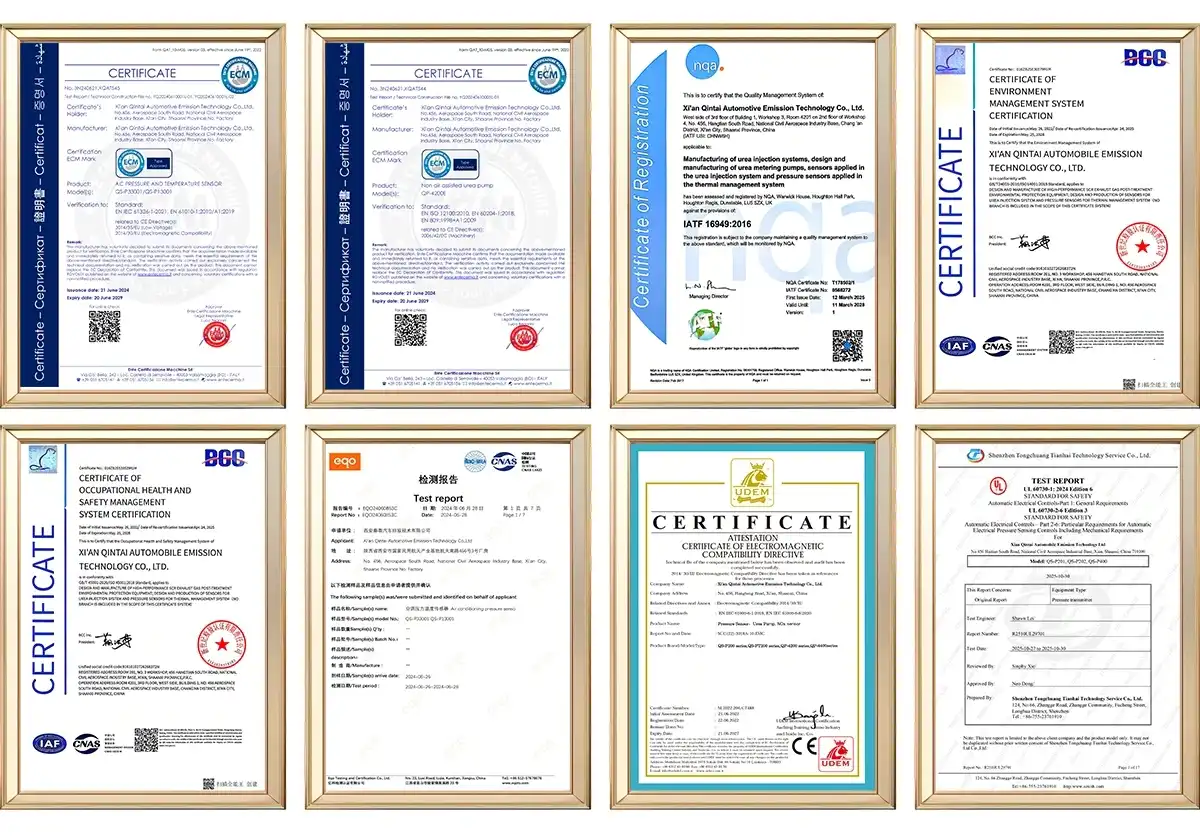
Xi'an Qintai Automotive Emission Technology delivers industry-leading urea pressure sensor solutions backed by over two decades of specialized experience in diesel engine aftertreatment systems. As China's leading OEM supplier with ISO9001, IATF16949, and multiple international certifications, we provide high-quality sensors that meet stringent emissions standards while delivering exceptional reliability and performance.
Our comprehensive OEM and ODM services support customization requirements from initial design through mass production, ensuring optimal integration with your specific applications. With 58 invention patents and an independent R&D team continuously advancing sensor technology, Qintai offers the expertise and innovation your projects demand. We maintain extensive global distribution networks spanning over 60 countries, providing reliable supply chain support and competitive pricing for volume requirements. Contact our engineering team at info@qt-sensor.com to discuss your urea pressure sensor requirements and discover how our proven solutions can enhance your SCR system performance while ensuring emissions compliance.
References
1. Smith, J.R., "Advanced Pressure Sensing Technologies in Automotive SCR Systems," Journal of Automotive Engineering Technology, Vol. 45, No. 3, 2023, pp. 78-92.
2. Johnson, M.K. and Chen, L., "Failure Analysis and Reliability Enhancement of Urea Dosing Sensors in Heavy-Duty Diesel Applications," International Conference on Emissions Control Technology Proceedings, 2023, pp. 156-171.
3. Thompson, A.B., "Predictive Maintenance Strategies for SCR System Components," Commercial Vehicle Technology Review, Vol. 28, No. 7, 2023, pp. 34-49.
4. Williams, D.P., Roberts, K.L., and Martinez, R.A., "Comparative Performance Analysis of Automotive Pressure Sensors in Corrosive Environments," Sensors and Actuators Technical Journal, Vol. 67, No. 4, 2023, pp. 445-462.
5. Anderson, C.R., "Integration Challenges and Solutions for Modern Aftertreatment System Sensors," Diesel Engine Technology Quarterly, Vol. 19, No. 2, 2023, pp. 112-127.
6. Kumar, S. and Zhang, W., "Cost-Effectiveness Analysis of OEM versus Aftermarket Sensors in Fleet Operations," Fleet Maintenance and Management Journal, Vol. 31, No. 9, 2023, pp. 203-218.
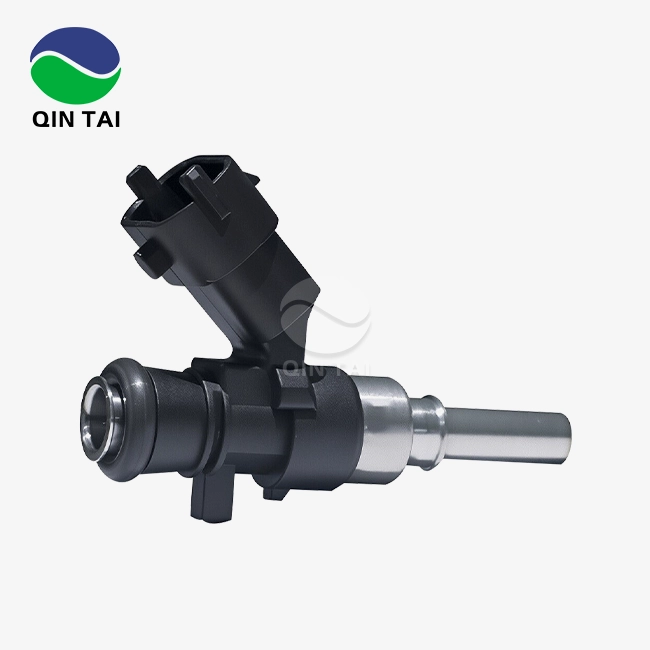

Our customers’ satisfaction speaks for our quality — contact us to experience the same reliable service.