- English
- French
- German
- Portuguese
- Spanish
- Russian
- Japanese
- Korean
- Arabic
- Greek
- German
- Turkish
- Italian
- Danish
- Romanian
- Indonesian
- Czech
- Afrikaans
- Swedish
- Polish
- Basque
- Catalan
- Esperanto
- Hindi
- Lao
- Albanian
- Amharic
- Armenian
- Azerbaijani
- Belarusian
- Bengali
- Bosnian
- Bulgarian
- Cebuano
- Chichewa
- Corsican
- Croatian
- Dutch
- Estonian
- Filipino
- Finnish
- Frisian
- Galician
- Georgian
- Gujarati
- Haitian
- Hausa
- Hawaiian
- Hebrew
- Hmong
- Hungarian
- Icelandic
- Igbo
- Javanese
- Kannada
- Kazakh
- Khmer
- Kurdish
- Kyrgyz
- Latin
- Latvian
- Lithuanian
- Luxembou..
- Macedonian
- Malagasy
- Malay
- Malayalam
- Maltese
- Maori
- Marathi
- Mongolian
- Burmese
- Nepali
- Norwegian
- Pashto
- Persian
- Punjabi
- Serbian
- Sesotho
- Sinhala
- Slovak
- Slovenian
- Somali
- Samoan
- Scots Gaelic
- Shona
- Sindhi
- Sundanese
- Swahili
- Tajik
- Tamil
- Telugu
- Thai
- Ukrainian
- Urdu
- Uzbek
- Vietnamese
- Welsh
- Xhosa
- Yiddish
- Yoruba
- Zulu
Installation guide for urea pressure sensors in SCR systems
It is very important to pay close attention to technical details and the surroundings when installing urea pressure sensors in Selective Catalytic Reduction (SCR) systems. These important parts keep an eye on the pressure of AdBlue or diesel exhaust fluid to make sure that heavy-duty cars, building equipment, and industrial generators reduce NOx as well as they can. If you place the urea pressure sensor correctly, it will send real-time information to the engine control unit. This lets you control the dosing accurately and keep your emissions in line with EPA rules. To get effective long-term operation in demanding automobile and industrial settings, the installation process includes careful planning, organized mounting steps, and careful calibration.
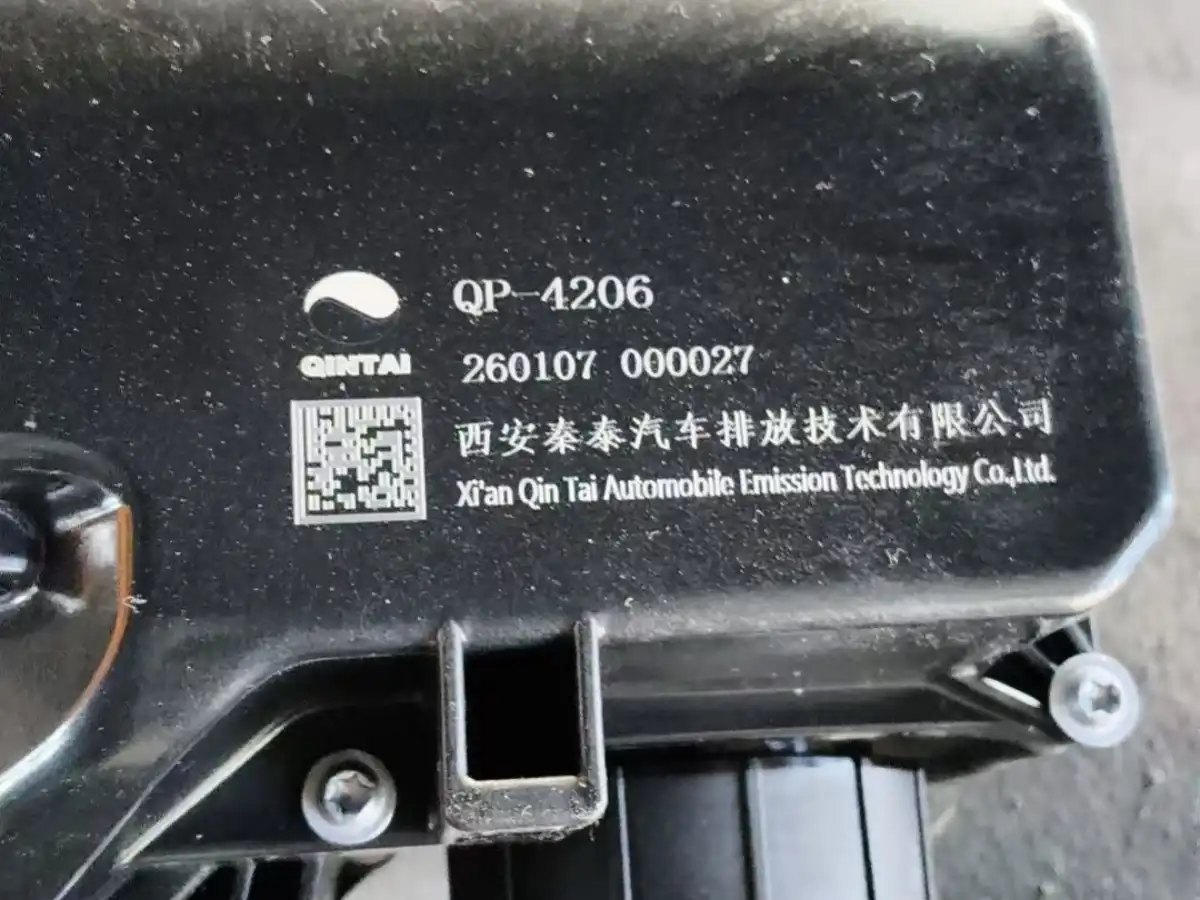
Understanding Urea Pressure Sensors and Their Role in SCR Systems
Accurate pressure tracking in SCR aftertreatment systems is a key part of modern pollution control technology. These high-tech sensors are the most important link between the dose pump and the injection ports. They make sure that the right amount of urea is delivered to the catalyst for the best catalytic conversion.
Working Principles of Pressure Monitoring Technology
Advanced piezoresistive technology is used by urea dosing urea pressure sensor to turn mechanical pressure into electrical data. As AdBlue moves through the dose system, the pressure on the sensor's diaphragm changes, which in turn changes the resistance of the strain gauges that are attached to its surface. This change in resistance causes a proportional voltage output, which is usually between 0.5V and 4.5V. The engine control module understands this voltage and uses it to control the pump's operation and the time of the injections.
The design of the sensor uses special materials that don't react with urea crystallization or rust. High-quality stainless steel housings and PTFE-coated parts make them long-lasting in tough settings where temperatures can change from -40°C to 120°C. With these strong building methods, sensors can keep their accuracy within ±2% for the whole time they are working.
Applications Across Industrial Sectors
To meet the strict EPA 2010 and Euro VI pollution guidelines, heavy-duty truck makers put these sensors in their SCR systems. Accurate pressure tracking is important for construction equipment workers to keep their machines working and cut NOx emissions by up to 90%. Accumulating urea in the right amount helps farm equipment use less fuel without lowering engine performance.
When sensors have to work constantly under changing load conditions, like in generator set uses, they face special problems. Mining operations and backup power systems need to be very reliable, so choosing the right sensors and installing them correctly is very important for keeping service going. These sensors are also used by marine SCR systems to make sure they follow IMO Tier III pollution rules in certain control areas.
Pre-Installation Preparation: Key Considerations and Tools
To place sensors successfully, you must first do a lot of planning and choose the right tools. The installation setting has a big effect on how well sensors work and how reliable the system is in the long run.
Essential Equipment and Safety Requirements
Installation teams need special tools to make sure that sensors are mounted and sealed correctly. When digital torque tools are set up according to the manufacturer's instructions, they stop users from overtightening, which could damage sensor housings or cause stress to build up. Multimeters with millivolt precision make it possible to check signals accurately during setup.
When working with AdBlue, which can irritate the skin and rust metal parts, safety gear like chemical-resistant gloves and eye protection is needed. During system tests, ammonia gas doesn't build up if there is enough air flow. Temperatures should stay above freezing in installation areas to stop urea buildup, which could damage sensor parts.
Replacement seals and O-rings made from materials that are suitable make sure that connections don't leak. With connector fitting tools and heat-shrink tubes, you can keep water out of electrical connections. Proper sensor initialization and parameter setting can only be done with calibration tools or diagnostic software made by the engine maker.
Sensor Compatibility Assessment
OEM compatibility testing stops installation delays and makes sure that the system works well together. Big companies like Bosch, Denso, and Continental come up with their own electrical specs and mounting arrangements for their SCR systems. Sensor pinout diagrams and wire harness compatibility must match the specs of the car or equipment that is already in use.
The pressure range needed for different tasks is very different. For light-duty vehicle systems, the working pressure is usually between 5 and 10 bar. In industrial settings, sensors may need to be rated for 15 to 25 bar. Temperature factors and reaction times are also different depending on the surroundings and the needs of the application.
Certification compliance makes sure that the business is legal and protects the guarantee. Industrial certifications may include ATEX or IECEx grades for dangerous environments, while EPA clearance covers use on the street. Verification of the documentation keeps you safe from fake parts that could hurt the functionality of the system and its ability to meet emission standards.

The right way to place sensors ensures they work well and extends their useful life. The methodical technique cuts down on startup mistakes and the time it takes to start using the system.
System Preparation and Mounting Procedures
To start the installation, drain the urea dosing system fully and release any remaining gas. To avoid electrical damage while replacing the sensor, disconnect the negative end of the battery. Using the right tools, take off the old sensor while keeping the threaded connections clean.
Isopropyl alcohol should be used to clean mounting areas well and get rid of urea buildup and other dirt. Check threaded joints for damage or corrosion that could affect how well they close. Use only a small amount of approved thread sealer to keep the urea pressure sensor port from getting dirty.
First, tighten the new sensor by hand, and then use a measured wrench to torque it to the manufacturer's specs. Torque numbers usually fall between 15 and 25 Nm, but the exact needs depend on the manufacturer and the purpose. Do not tighten too much, as this could damage the internal parts of the sensor or bend the case.
Electrical Connection Best Practices
To keep wire cables from getting damaged while they're in use, keep them away from heat sources and moving parts. Secure links with the right amount of strain relief to reduce tiredness caused by vibrations. To keep connection pins from rusting in harsh settings, use dielectric grease on them.
To keep electromagnetic interference to a minimum, signal wire routes should keep them away from high-voltage ignition parts and power lines. In places with a lot of electrical noise, twisted-pair wire or shielded lines help keep the signal strong. Correct grounding guarantees accurate sensor data and stops ground loops from forming.
For the connector to work, it needs to be firmly seated and locked, which can be heard. When links aren't fully made, signals come and go, which sets off diagnostic trouble codes and lowers the performance of the emission system. Weather-sealing boots keep connections dry so that water doesn't get in and damage the signal or cause rust.
Calibration and System Initialization
Reconnecting the battery and starting up the engine control module are the first steps in restoring power to the system. Many systems need to be calibrated in a certain way using diagnostic tools made by the maker. Some of the things that can be programmed as parameters are sensor offset values, pressure range settings, and temperature adjustment factors.
As part of operational testing, sensor data is watched while the system is pressurized. Normal results should show that the pump is working smoothly, with no sudden changes or signal drops. Diagnostic software shows real-time pressure readings that techs can check against readings from mechanical gauges to make sure they are correct.
Troubleshooting and Maintenance Tips for Long-Term Sensor Performance
Maintenance plans that work well keep urea pressure sensors from breaking down too soon and make sure that the emission system always works right. Potential problems are found before they cause system downtime by inspecting the system on a regular basis.
Common Installation Issues and Solutions
Error number P20EE means that the pressure in the urea dose system is too low. This is usually because the sensors were installed wrong or there are leaks in the system. If the pressure number is below the normal range, it means that the fittings are free or the sealing surfaces are broken. By using systematic pressure testing to find leaks, you can fix them more precisely.
Signal voltage that is outside of normal ranges usually means that there are problems with the electrical connections or damage inside the sensor. Measuring the resistance between the sensor pins makes sure that the circuit stays open and the protection is sound. Verifying the voltage source makes sure that the engine control module is sending enough power.
Pressure readings that aren't accurate are often caused by dirt or air bubbles getting stuck in the sensing port. Bleeding methods get rid of trapped air that gets in the way of pressure transfer. Urea layers that could stop sensors from working can be removed by cleaning them with approved solvents.
Preventive Maintenance Protocols
As part of regular inspections, the places where sensors are mounted should be looked at visually for signs of leaks or rust. When you check a connector, you can find broken pins or rusted contacts that could stop signals from getting through. Protecting the environment means doing things like making sure the weather seals work and that the wires are routed correctly.
Monitoring the quality of urea keeps sensors from getting damaged by polluted AdBlue. Bad urea solutions have impurities in them that make sensors break down faster and lower system performance. By analyzing fluids on a regular basis, problems with pollution can be found before they break down expensive parts.
System diagnostic methods using software made by the maker allow for full tracking of sensor health. Trending research shows that performance is slowly getting worse, which means that sensor replacement times are getting closer. Planning ahead for replacements cuts down on unplanned downtime and keeps emissions in line.
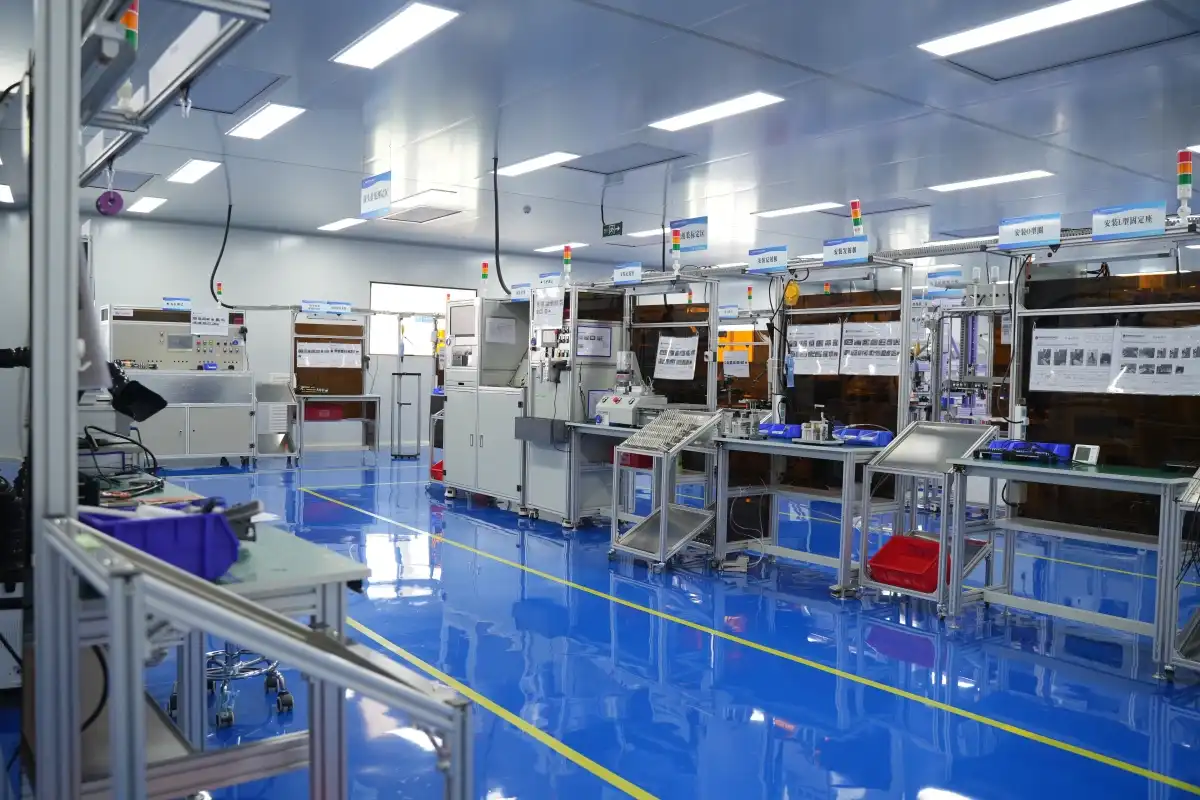
Procurement Guidance and Supplier Selection for Urea Pressure Sensors
The total cost of ownership and operating reliability are greatly affected by strategic procurement choices. When you know your market choices and what your suppliers can do, you can make smart buying decisions that combine price, quality, and service needs.
Supplier Evaluation Criteria
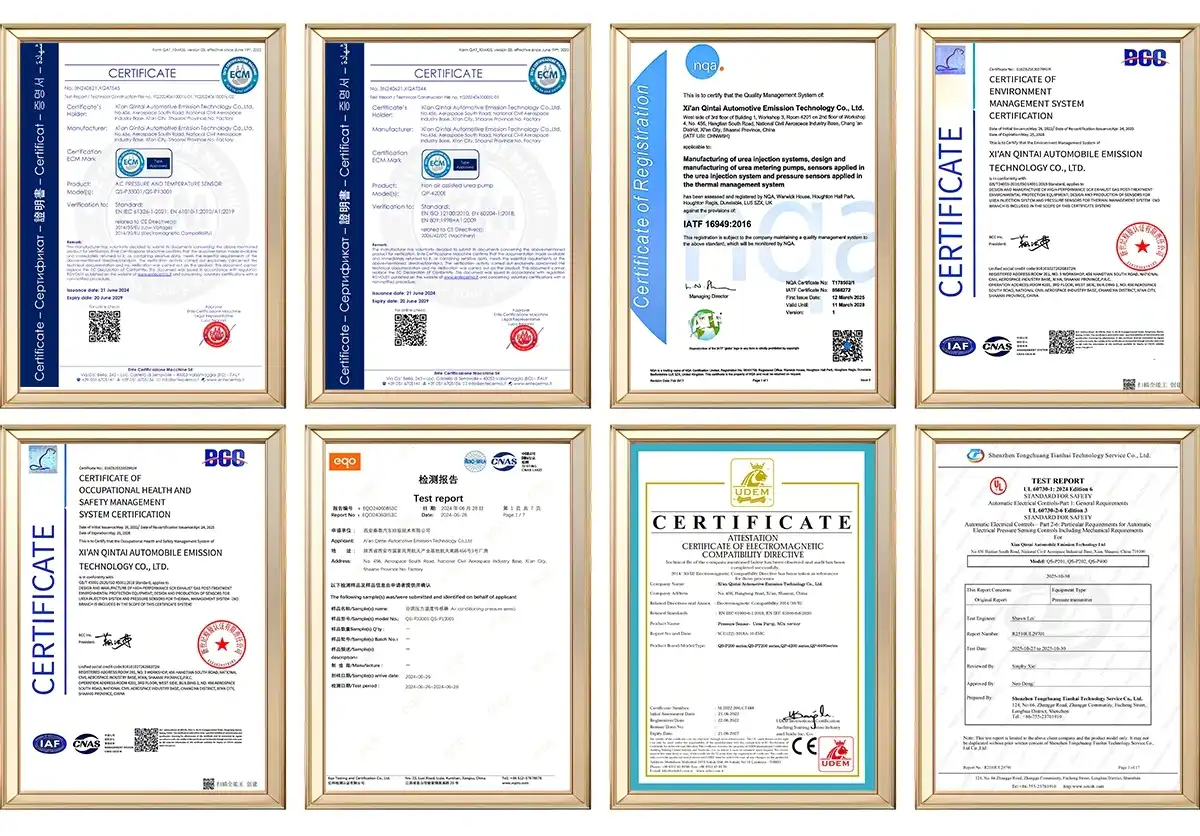
Quality approvals are important signs of how well a product is made and how well the process is controlled. ISO/TS 16949 certification shows quality management systems for the car industry, while ISO 9001 certification shows how to apply a quality system in general. Extra licenses, such as IATF 16949, show that a company can make high-tech cars.
Different providers offer very different levels of technical help. In addition to lowering the cost of the component, engineering help during design creation and application optimization adds a lot of value. Local expert support makes it easier to fix problems quickly and keeps the system from going down.
Delivery reliability and price stability for a urea pressure sensor are strongly influenced by manufacturing capacity and supply chain resilience. Suppliers with long operating histories and diversified customer bases typically provide greater supply security during market fluctuations. In addition, geographically distributed production helps reduce supply chain risks and logistics costs.
Cost Optimization Strategies
Volume purchasing deals help big businesses save a lot of money on costs. Making an annual pledge to a certain amount of a product can often get you big savings and make sure that you can get it. Seasonal changes in demand can be accommodated by flexible delivery plans that don't require expensive product holding.
When used in certain ways, custom sensor specs may be a better deal than standard products. Changing the pressure levels, adding special environmental grades, or adding diagnostic tools can make the system work better while lowering the total cost of installation. When a developer works with a supplier, the seller often gives the developer better prices and faster help.
A full cost study should look at things like warranty terms, the ease of getting a replacement, and the prices of expert help. Longer guarantee coverage may be worth the extra cost because it lowers costs over the life of the product. Suppliers whose finances are stable can guarantee that parts and service will always be available.
Conclusion
To install urea pressure sensors professionally, you need to pay close attention to preparation, use the right tools, and follow the manufacturer's instructions. Understanding sensor technology, sticking to tried-and-true installation steps, and starting up useful upkeep plans are all important for success. Good relationships with suppliers enable ongoing technical help and the availability of parts for the SCR system to work reliably. All of these practices work together to make sure that emission rules are followed, keep costs low, and increase the useful life of tools in a wide range of industrial settings.
FAQ
How often should urea pressure sensors be calibrated?
The time between calibrations is usually between 12 and 24 months, but it depends on how the machine is used and what the manufacturer recommends. In harsh settings with high temperatures or urea that is tainted, calibration may need to be done more often. A lot of current sensors have built-in monitoring tools that check for calibration drift and let you know when it's time to re-calibrate.
What causes premature urea pressure sensor failure?
Some common ways that things fail are contamination from bad AdBlue, electrical damage from bad fitting, and mechanical stress from pressing too much. Extreme conditions with changing temperatures can also break down internal parts. By using original OEM sensors and installing them correctly, you can greatly increase the working lifespan.
Can automotive urea pressure sensors work in industrial SCR applications?
Automotive sensors might work in some industrial settings, but the working conditions need to be carefully looked at. In industrial settings, systems often need wider pressure ranges, higher temperature values, and better resistance to shaking. Environmental certifications may also be different for industry and vehicle needs, which can make it harder to follow the law in some situations.
What diagnostic tools are needed for sensor troubleshooting?
For basic repair, you'll need a digital voltmeter to check the electrical connections and diagnostic software that works with the engine control system. For more in-depth evaluation, oscilloscopes may be needed to look at signals and pressure calibrators may be needed to make sure the results are correct. Manufacturer-specific scan tools let you use diagnostic factors and calibration features that are only available from that manufacturer.
How do temperature extremes affect sensor accuracy?
Changing the temperature has an effect on both the sensor part and the qualities of the urea solution. Good sensors have temperature adjustment built in so they stay accurate over their whole working range. When it's very cold, urea crystallizes and stops the sensing ports. When it's very hot, electronic parts can get damaged or the calibration may not stay stable over time.
Partner with Qintai for Reliable Urea Pressure Sensor Solutions
With over twenty years of specialized knowledge, Qintai Automotive Emission Technology makes the best urea pressure sensors in the business. Our factory is ISO9001 and IATF16949 approved, and it makes high-precision sensors that meet strict emission standards for the automobile and industry sectors. As the main provider of SCR parts to Weichai Power, Yuchai Power, and Quanchai Power in China, we know how important it is for emission control systems to work well. Our full OEM and ODM services allow us to make unique sensors that meet the needs of any application. These services are backed by 58 idea patents and global certification compliance. Get in touch with our engineering team at info@qt-sensor.com to talk about your needs for a urea pressure sensor source and find out how our advanced production skills can help your SCR system work better.
References
1. Society of Automotive Engineers. "Recommended Practices for Urea-SCR Systems in Heavy-Duty Applications." SAE Technical Paper Series, 2023.
2. Environmental Protection Agency. "Diesel Emission Control Technology and Sensor Integration Guidelines." EPA Office of Transportation and Air Quality, 2022.
3. International Organization for Standardization. "Road Vehicles - Exhaust Emission and Fuel Consumption Measurement - Sensor Calibration Procedures." ISO 16183:2021.
4. European Committee for Standardization. "Automotive Equipment - Pressure Sensors for Exhaust Aftertreatment Systems - Performance Requirements." EN 17234:2020.
5. American Society for Testing and Materials. "Standard Test Methods for Urea Solution Quality in SCR Systems." ASTM D6751-23.
6. Institute of Electrical and Electronics Engineers. "Automotive Electronic System Integration and Sensor Interface Standards." IEEE 1722.1-2021.
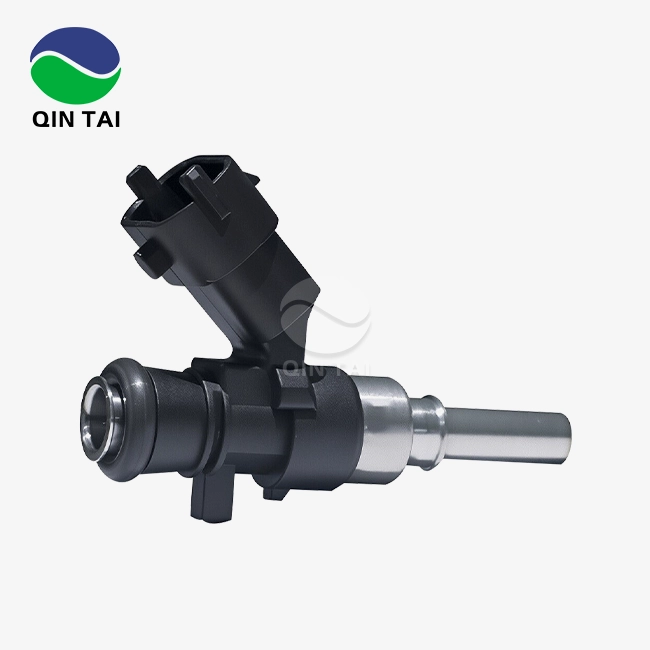
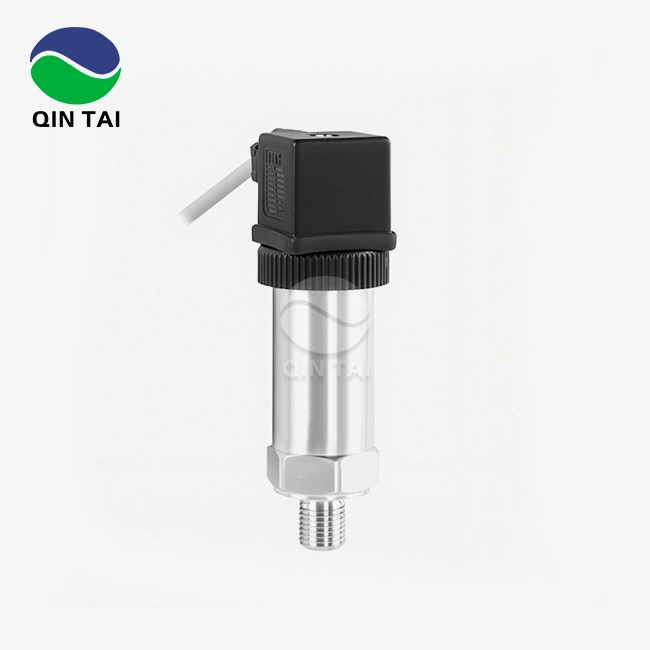
 Sensor.webp)
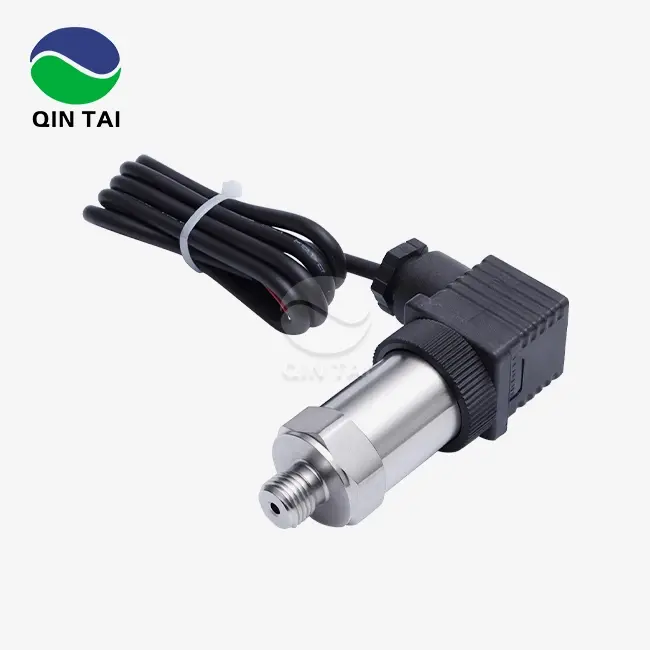

Our customers’ satisfaction speaks for our quality — contact us to experience the same reliable service.