- English
- French
- German
- Portuguese
- Spanish
- Russian
- Japanese
- Korean
- Arabic
- Greek
- German
- Turkish
- Italian
- Danish
- Romanian
- Indonesian
- Czech
- Afrikaans
- Swedish
- Polish
- Basque
- Catalan
- Esperanto
- Hindi
- Lao
- Albanian
- Amharic
- Armenian
- Azerbaijani
- Belarusian
- Bengali
- Bosnian
- Bulgarian
- Cebuano
- Chichewa
- Corsican
- Croatian
- Dutch
- Estonian
- Filipino
- Finnish
- Frisian
- Galician
- Georgian
- Gujarati
- Haitian
- Hausa
- Hawaiian
- Hebrew
- Hmong
- Hungarian
- Icelandic
- Igbo
- Javanese
- Kannada
- Kazakh
- Khmer
- Kurdish
- Kyrgyz
- Latin
- Latvian
- Lithuanian
- Luxembou..
- Macedonian
- Malagasy
- Malay
- Malayalam
- Maltese
- Maori
- Marathi
- Mongolian
- Burmese
- Nepali
- Norwegian
- Pashto
- Persian
- Punjabi
- Serbian
- Sesotho
- Sinhala
- Slovak
- Slovenian
- Somali
- Samoan
- Scots Gaelic
- Shona
- Sindhi
- Sundanese
- Swahili
- Tajik
- Tamil
- Telugu
- Thai
- Ukrainian
- Urdu
- Uzbek
- Vietnamese
- Welsh
- Xhosa
- Yiddish
- Yoruba
- Zulu
What are the top-rated nox sensors for diesel trucks?
The top-rated NOx sensors for diesel trucks include premium options from Bosch, Denso, Continental, and NGK, each designed to deliver precise nitrogen oxide monitoring for emission compliance. These high-performance NOx sensor solutions feature advanced zirconia ceramic technology, integrated heating elements, and robust digital communication capabilities that ensure reliable operation in demanding commercial vehicle environments while meeting stringent EPA and Euro VI emission standards.
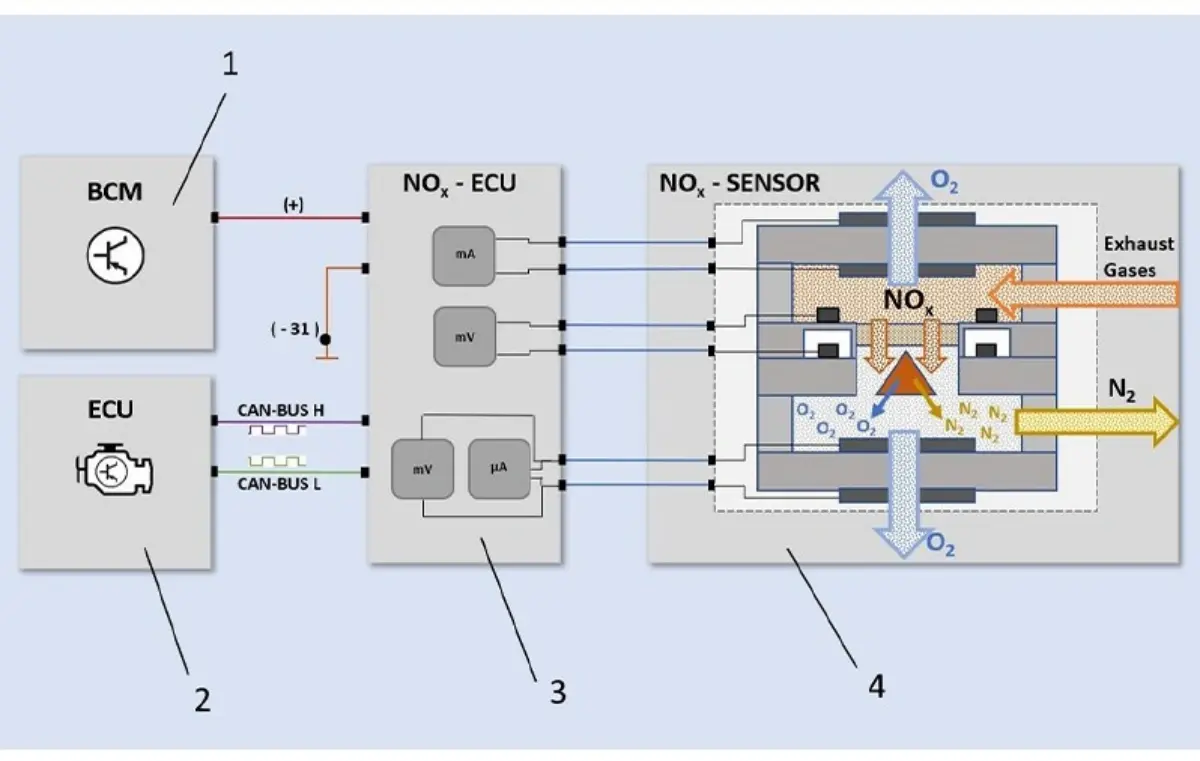
Understanding NOx Sensors in Diesel Trucks
NOx sensors are very important parts of modern diesel truck pollution control systems. They constantly check the amount of nitrogen oxide in the exhaust gases to make sure they meet regulations and keep the engine running at its best. These high-tech gadgets constantly check the pollution from the engine and send information to the Engine Control Unit (ECU) or SCR control module. This lets the emission reduction systems be managed precisely.
The Essential Role of NOx Sensors in Emission Control
Nitrogen gas sensors are very important for keeping up with the ever stricter environmental rules that apply to modern diesel engines. The NOx sensor gives information to the Engine Control Unit (ECU) or SCR control module about the NOx amounts in the exhaust gas all the time. Monitoring and controlling the SCR system's urea (AdBlue) dosing, checking the catalytic converter's ability to reduce emissions, making sure the vehicle meets emission standards like Euro VI and EPA requirements, and finding sensor or catalyst faults while setting off diagnostic codes (DTCs) are some of its main duties.
The sensor works by measuring the amount of nitrogen oxide in the exhaust gases. This tells it if there is enough oxygen for the fuel to burn properly. This information helps make sure the catalytic converter works right and keeps the working area safe by cutting down on dangerous exhaust by-products.
Distinguishing NOx Sensors from Oxygen Sensors
Knowing the differences between NOx sensors and oxygen sensors helps people who work in buying make smart choices for their individual needs. Oxygen sensors mostly check the amount of oxygen in exhaust fumes to find the best fuel-to-air ratios, while nitrogen oxide sensors only check for NOx levels to make sure emissions rules are followed. In current diesel engines, both sensors work together, but they do different things as part of the general plan for controlling emissions.
Common Symptoms and Diagnostic Indicators
When repair teams know the signs of a failing NOx sensor, they can fix problems before they happen and keep vehicles from having to be towed. When a nitrogen oxide sensor doesn't work right, the powertrain control module turns on the check engine light on the dashboard. This is usually followed by slow acceleration, less engine power, and bad gas mileage. Most NOx sensor problems cause codes that say "circuit high" or "circuit open" and point out either the inlet or outlet sensor sites to help with the repair. Other signs could be using more DEF than usual and getting certain trouble codes that mean there are problems with the sensor circuit.
Types and Technologies of NOx Sensors for Diesel Engines
There are different NOx sensor systems on the market for diesel engines, and each one is made to work in a certain way and with a certain set of performance standards. By knowing about these changes in technology, procurement teams can choose sensors that meet the needs of their fleet and help them meet their emission compliance goals.
Heated vs. Unheated Sensor Technologies
Modern NOx sensors usually have heated parts that keep them at the right temperature for operation. This makes sure that readings are accurate in a wide range of situations. Heated sensors have built-in heating parts that keep the temperature of the sensor stable, so they work the same way even when the engine is cold or the temperature outside changes. The heater element and the sensor element (zirconia ceramic cell) work together to make sure that readings are accurate even when the environment is tough.
Even though they aren't used as much in current systems, unheated sensors may still be found in some older ones. Because these sensors depend on the temperature of the exhaust gas to work at their best, they may not respond as quickly in cold weather and may give less exact numbers while the engine is warming up.
OEM vs. Aftermarket Options
Professionals in procurement need to weigh the pros and cons of OEM and aftermarket NOx sensor choices based on needs for dependability, cost-effectiveness, and compatibility. OEM sensors usually come with a warranty that they will work with certain engine types and meet the specs of the original equipment. This makes sure that they can be easily integrated with current emission control systems. A lot of the time, these sensors come with a full warranty and professional help from the company that made them.
When bought from a reliable maker, aftermarket sensors can be used instead of OEM sensors and are less expensive. Higher-quality aftermarket choices often use newer technologies and may have more features than older OEM designs. When buying teams look at aftermarket options, they should check for compatibility, certification, and guarantee terms.
Leading Industry Technologies and Standards
These days, NOx sensors are made up of complex parts that work together to give accurate readings and effective operation. A NOx sensor is made up of a zirconia ceramic cell that senses oxygen, a heater element that keeps the temperature of the sensor stable, a signal conditioning circuit, an integrated control module for the ECU interface, and a connection with a wire lead.
Digital communication (CAN bus) is used by most current sensors to send data to the ECU. This is better for sending data accurately and reliably than analog voltage signals. Some older models send out voltage or current signals that are proportional to the amount of NOx in the air. Newer models also send out temperature and diagnostic state information to make system tracking more complete.
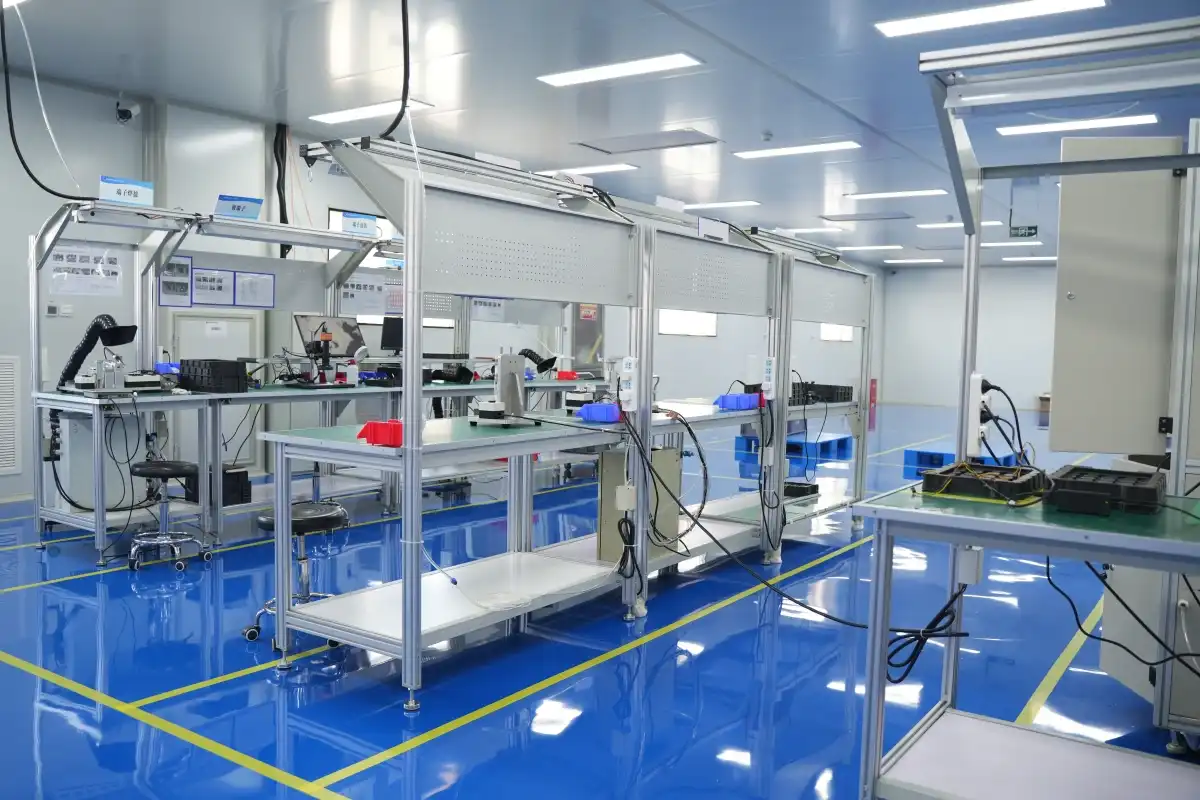
Top-Rated NOx Sensors for Diesel Trucks: Performance and Reliability Comparison
There are a number of well-known companies that make NOx sensors for diesel trucks. Each one has its own benefits when it comes to speed, compatibility, and new technology. When procurement pros know the strengths and weaknesses of top brands, they can make better choices based on the needs of their operations.
Bosch: Industry-Leading Compatibility and Innovation
Bosch stays ahead in the NOx sensor market thanks to its wide range of compatible products and constant technological progress. The company's sensors are built to last under tough conditions and keep measuring accurately for long periods of time without needing to be serviced. Advanced zirconia ceramic technology and built-in heating elements in Bosch NOx sensors make sure that they warm up quickly and work reliably across a wide range of temperatures.
As part of its dedication to innovation, the brand has created next-generation sensor designs with faster reaction times, longer life, and better compatibility with current engine management systems. A lot of the time, Bosch sensors have full troubleshooting features that help maintenance teams find problems before they cause the system to fail.
Denso: Precision Engineering and Measurement Accuracy
With its NOx sensor line, Denso has built a reputation for precise engineering and very accurate measurements. The company's sensors are made using advanced techniques that guarantee consistent performance and long-term dependability in industrial car uses. When Denso designs sensors, they focus on using precise calibration methods that give correct NOx readings in a wide range of operating situations.
The brand's sensors often have better signal processing that makes the output signals stable and the connection with engine control units reliable. Denso is dedicated to quality control and using strict testing methods to make sensors that stay accurate throughout their service life. This helps engines meet pollution standards and run at their best.
Continental: Advanced Features and System Integration
Continental brings new features and better system integration skills to the market for NOx sensors. The company's sensors use cutting-edge technology to improve the performance of emission control systems as a whole while also being stable over time. Continental's method to sensor design focuses on making sure that sensors work with a variety of engine platforms and integrate easily with current aftertreatment systems.
Most of the time, this brand's sensors have improved diagnostic tools and better transmission methods that make system tracking and troubleshooting easier. Because Continental is dedicated to research and development, its sensors can predict future pollution standards and offer ways to meet changing government standards.
NGK and Ford: OEM Standards and Authenticity
When NGK makes NOx sensors, it follows strict OEM standards to make sure that the parts are original and meet OEM specs. The company's sensors go through strict quality control steps that check their performance, durability, and ability to work with certain car uses. Because NGK is committed to accuracy, procurement workers can avoid buying fake parts and make sure that systems work properly.
Ford's OEM NOx sensors are certified to work with Ford diesel engines and meet the performance standards of original equipment. These sensors go through a lot of testing and approval processes to make sure they work well and last a long time in commercial car uses. A lot of the time, Ford's original equipment manufacturer (OEM) sensors come with full warranties and expert help from authorized service networks.

Practical Considerations for Procurement and Maintenance
To buy NOx sensors successfully, you need to think about more than just the price at first. You need to think about things like the costs over their entire life, their connection needs, and their long-term return on investment. When procurement workers understand these practical aspects, they can make choices that improve fleet performance while lowering the total cost of ownership.
Sensor Selection and Compatibility Factors
To choose the right sensors, you must first accurately identify the engine's specs, the needs of the emission control system, and the requirements of the law. Teams in charge of buying things should make sure that sensors work with certain engine types, exhaust system setups, and aftertreatment parts that are already in use. Checking for compatibility means looking at things like physical dimensions, electrical links, communication methods, and mounting needs.
Knowing about sensor specs like measurement range, reaction time, working temperature range, and diagnostic abilities can help you make sure that the sensors you choose meet your needs. When making choices, people who work in procurement should also think about what upkeep will be needed in the future and whether new parts are readily available.
Lifecycle Costs and Return on Investment Analysis
In a full cost analysis, the original buy price of the sensor is not the only thing that is looked at. The installation costs, maintenance needs, projected service life, and possible downtime effects are also looked at. Quality NOx sensors usually need to be serviced less often and work more reliably, which can lead to a lower total cost of ownership even though they cost more at first.
To figure out the return on investment, you have to weigh the higher cost of special sensors against the money you could save by not having to fix them as often and using less gas. Good sensors often help the engine run better and the emission system work better, which can have measurable operating benefits over the sensor's service life.
Bulk Procurement Strategies and Wholesale Advantages
When fleet managers and repair shops need to buy in bulk, they can save a lot of money on items that need to be replaced regularly or with multiple sensors. Businesses can negotiate better prices, make sure they always have the supplies they need, and cut down on the routine work that comes with placing many orders.
Building ties with dependable sellers who offer wholesale prices and handle large inventories can help make the buying process easier and cheaper. A lot of sellers offer personalized inventory management programs that make sure there are enough items in stock while keeping costs and storing needs to a minimum.
Maintenance Tips and Troubleshooting Guidelines
Good care habits greatly increase the NOx sensor's useful life and make sure it works at its best throughout its working time. As part of regular maintenance, the case and connections of the sensor are visually checked, the correct placement and sealing is confirmed, and diagnostic codes and performance parameters are kept an eye on.
If you're having trouble, you should start by looking for fault codes and damage to the sensor before you think about replacing it. Knowledge of typical failure modes and monitoring signs helps maintenance teams find the root causes of problems and fix them properly. For effective sensor operation, it is important to follow the right placement steps, which include keeping the sensor away from moisture and using the right amount of torque.
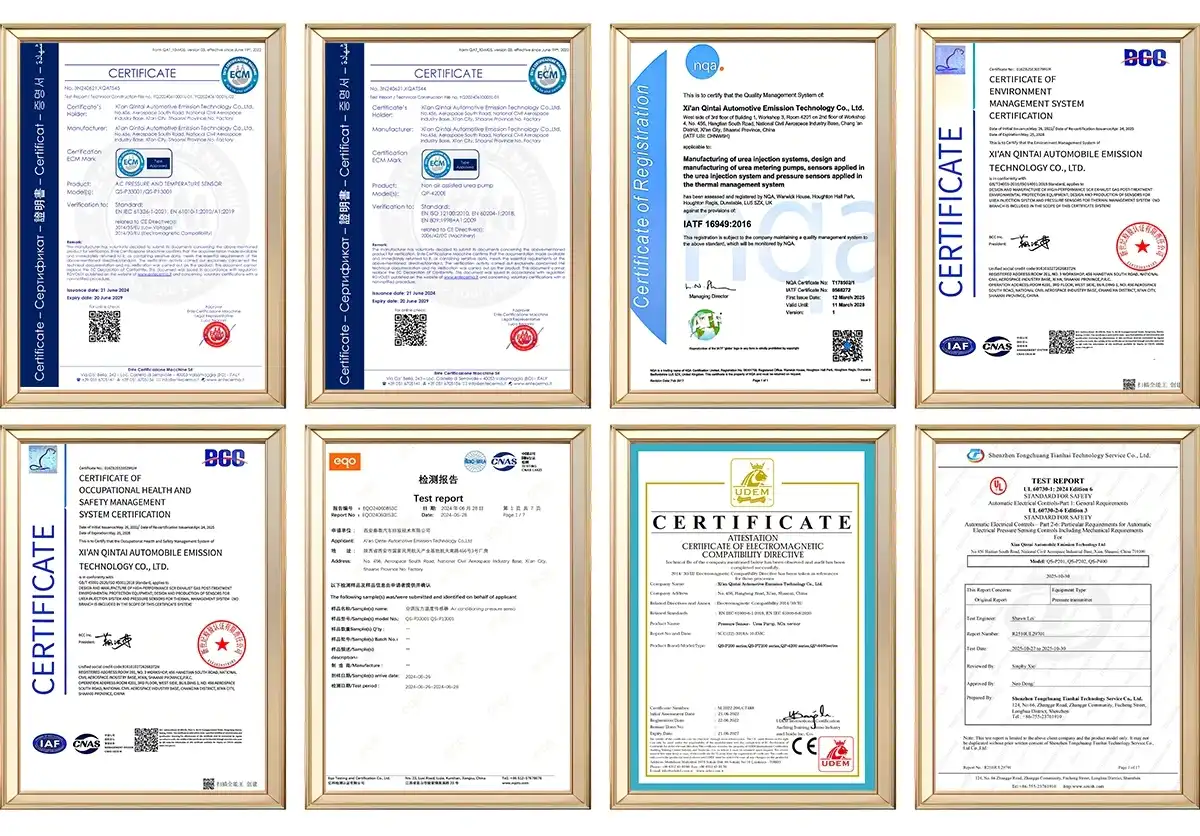
How to Choose the Best NOx Sensor Supplier?
To choose a good NOx sensor seller, you need to carefully look at a number of factors that affect the quality of the product, the dependability of the service, and the possibility of building long-term business relationships. The right provider relationship can make buying things a lot more efficient while also making sure that you always have access to quality parts and expert support.
Certification Verification and Quality Assurance
Reliable sellers have thorough approval programs that check the quality of their products, how they are made, and that they follow all the rules. Some important certificates are ISO9001 quality management systems, IATF16949 vehicle quality standards, and certain emission control certifications that show you meet government standards. Checking these licenses helps make sure that sellers keep up with quality standards and manufacturing capabilities.
As part of quality assurance programs, sensors should be inspected when they come in, the production process should be controlled, and the finished product should be tested to make sure it works well and is reliable. When suppliers spend money on new testing tools and quality control methods, their goods are usually more consistent and there are fewer problems with quality.
After-Sales Support and Technical Assistance
Full support after the sale includes technical help, guarantee service, and ongoing advice that helps customers choose the best sensors for their needs. Good sellers offer technical support materials like installation guides, debugging steps, and information on compatibility that help with the installation and care of sensors.
The terms and scope of the warranty should show that the seller is confident in the quality of the product and offer enough protection against problems caused by manufacturing. Quick guarantee service and technical support help keep downtime to a minimum and make sure that any problems with the product are fixed quickly.
Supply Chain Reliability and Inventory Management
Reliable sellers keep strong supply chain management systems in place that make sure products are always available and deliveries go smoothly. Knowing how well a seller can handle their stockpiles, how long it takes to get supplies, and what backup plans they have helps procurement teams plan well and avoid supply disruptions.
Suppliers that offer inventory management services, such as consignment programs and just-in-time shipping, can help customers get the most out of their inventory purchases and make sure they have enough parts on hand. The general effectiveness and dependability of the supply chain are improved by offering a variety of delivery choices and quick responses to customer inquiries.
Conclusion
To choose the best NOx sensors for diesel trucks, you need to think carefully about the types of technology used, the skills of the maker, and the qualifications of the seller. This is to make sure that the sensors meet all emission standards and work reliably. When it comes to compatibility, accuracy, and new technology, the top sensor makers have clear benefits. This lets procurement professionals match sensor specifications with the needs of each fleet. Successful procurement strategies focus on lifetime cost analysis, the benefits of buying in bulk, and a full evaluation of all suppliers in order to get the best return on investment while also making sure that regulations are always followed and operations run smoothly.
FAQ
What is the primary function of a NOx sensor in diesel trucks?
NOx sensors measure the amount of nitrogen oxide in exhaust fumes and send real-time information to the engine control unit so that emissions rules are followed and the SCR system works at its best. These sensors allow exact control of urea injection, check the efficiency of the catalytic converter, and find problems in the system to make sure that cars meet strict pollution standards.
How do I know when to get a new NOx sensor?
Check engine lights that are on, fault codes that say "circuit high" or "circuit open," more DEF use, less engine power, and bad gas mileage are all common signs. Diagnostic scanning can find specific sensor failures and give information about where they are so that repair choices can be made.
What are the main differences between OEM and aftermarket NOx sensors?
OEM sensors ensure that they will work with original equipment and meet all standards. They also come with a full warranty. On the other hand, good aftermarket choices are cheaper and might have better features. Both choices can work reliably if they come from reputable companies that have the right certifications.
For how long do NOx sensors typically last in diesel trucks?
Quality NOx sensors usually work well for 100,000 to 200,000 miles under normal conditions. However, the service life depends on the setting in which they are used, how often they are maintained, and the quality of the sensors. Regular care and following the right steps for placement can make sensors last a lot longer.
When I choose a NOx sensor seller, what should I look for?
Some important things to look for are proof of approval (ISO9001, IATF16949), a full warranty, expert support, inventory management services, and a history of supplying car sensors. Reliable sellers offer ongoing expert support and always have products available.
Partner with Qintai for Premium NOx Sensor Solutions
Qintai Automotive Emission Technology stands ready to support your diesel engine emission control requirements with our comprehensive range of high-performance NOx sensors intended for current industrial cars that can help you control the emissions from your diesel engine. As a top NOx sensor maker with more than 20 years of experience, we mix cutting-edge research and development with proven production excellence to make sensors that meet the highest standards for performance and dependability. Our ISO9001 and IATF16949-certified factories make sure that the quality is always the same, and our many OEM partnerships with big Chinese engine makers show that we are dedicated to technical excellence. Email our engineering team at info@qt-sensor.com to talk about your unique needs and find out how our custom sensor solutions can help your fleet meet emission standards and run more efficiently.
References
1. Society of Automotive Engineers. "NOx Sensor Technology and Applications in Diesel Engine Emission Control Systems." SAE International Journal of Engines, 2023.
2. Environmental Protection Agency. "Heavy-Duty Engine and Vehicle Standards and Highway Diesel Fuel Sulfur Control Requirements." Federal Register, 2022.
3. International Council on Clean Transportation. "Real-World NOx Emissions from Heavy-Duty Vehicles with Advanced Aftertreatment Systems." ICCT Research Report, 2023.
4. Automotive Engineering International. "Advanced NOx Sensor Technologies for Commercial Vehicle Applications." AEI Technical Review, 2022.
5. Diesel & Gas Turbine Publications. "NOx Sensor Performance and Reliability in Heavy-Duty Applications." Power Systems Engineering, 2023.
6. Commercial Vehicle Engineering. "Procurement Strategies for Diesel Engine Emission Control Components." CVE Industry Analysis, 2022.
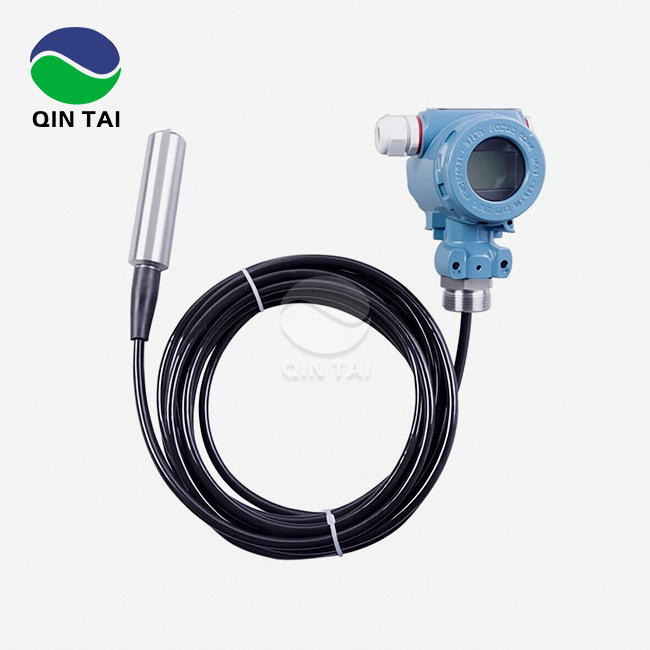
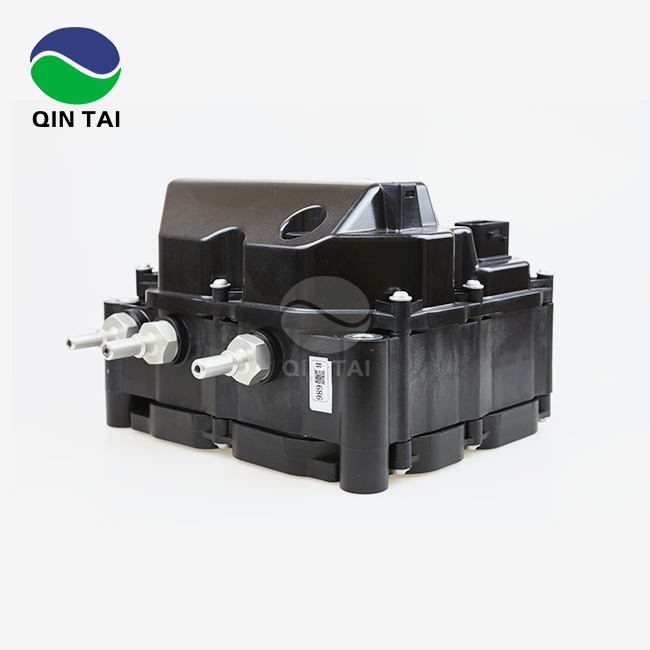
 Sensors.webp)
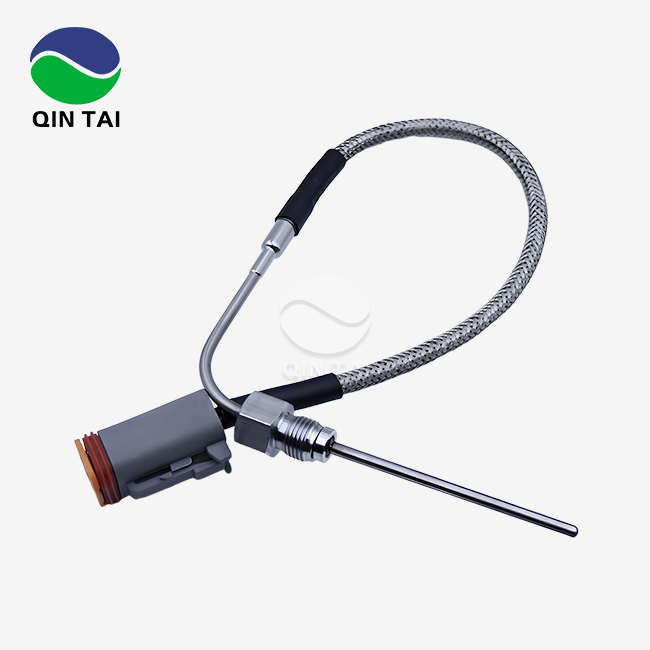

Our customers’ satisfaction speaks for our quality — contact us to experience the same reliable service.