- English
- French
- German
- Portuguese
- Spanish
- Russian
- Japanese
- Korean
- Arabic
- Greek
- German
- Turkish
- Italian
- Danish
- Romanian
- Indonesian
- Czech
- Afrikaans
- Swedish
- Polish
- Basque
- Catalan
- Esperanto
- Hindi
- Lao
- Albanian
- Amharic
- Armenian
- Azerbaijani
- Belarusian
- Bengali
- Bosnian
- Bulgarian
- Cebuano
- Chichewa
- Corsican
- Croatian
- Dutch
- Estonian
- Filipino
- Finnish
- Frisian
- Galician
- Georgian
- Gujarati
- Haitian
- Hausa
- Hawaiian
- Hebrew
- Hmong
- Hungarian
- Icelandic
- Igbo
- Javanese
- Kannada
- Kazakh
- Khmer
- Kurdish
- Kyrgyz
- Latin
- Latvian
- Lithuanian
- Luxembou..
- Macedonian
- Malagasy
- Malay
- Malayalam
- Maltese
- Maori
- Marathi
- Mongolian
- Burmese
- Nepali
- Norwegian
- Pashto
- Persian
- Punjabi
- Serbian
- Sesotho
- Sinhala
- Slovak
- Slovenian
- Somali
- Samoan
- Scots Gaelic
- Shona
- Sindhi
- Sundanese
- Swahili
- Tajik
- Tamil
- Telugu
- Thai
- Ukrainian
- Urdu
- Uzbek
- Vietnamese
- Welsh
- Xhosa
- Yiddish
- Yoruba
- Zulu
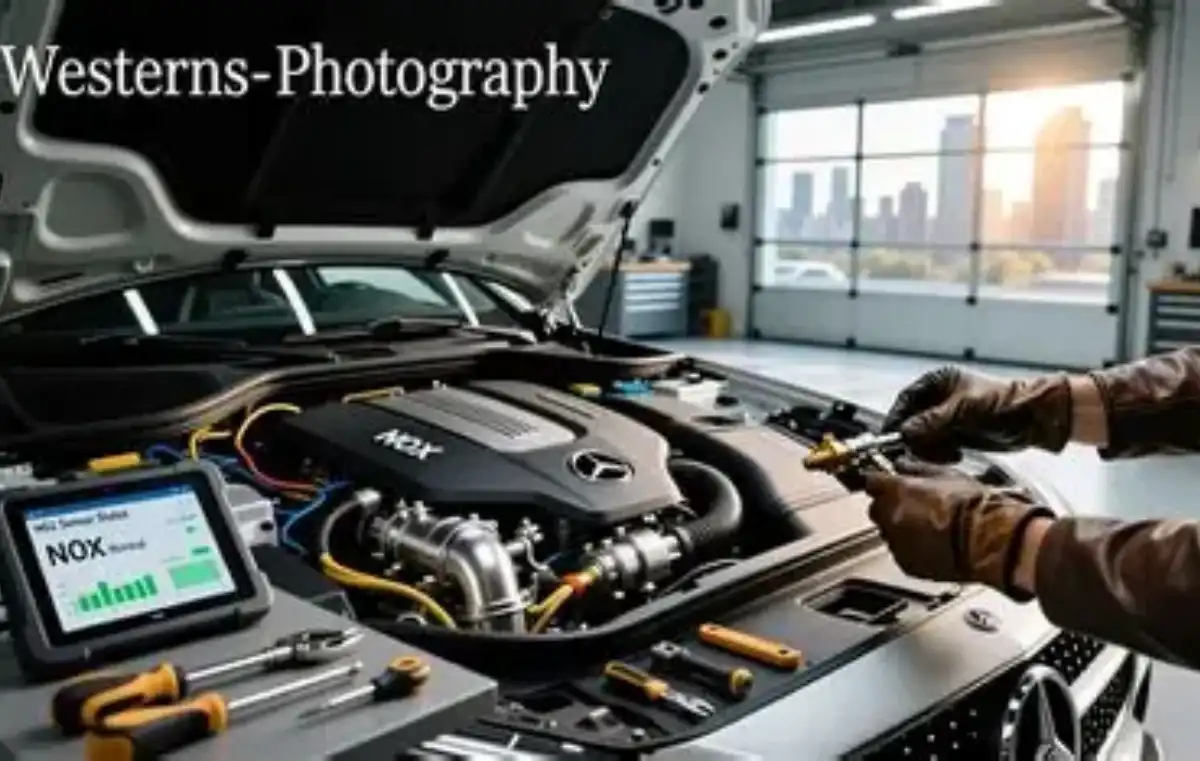
What happens when a NOx sensor fails?
When a NOx sensor fails, your diesel engine's emission control system loses its ability to accurately monitor nitrogen oxide levels in the exhaust stream. This failure triggers immediate consequences including illuminated dashboard warning lights, reduced engine performance, increased DEF consumption, and potential regulatory compliance violations. The engine control unit receives inaccurate data, causing improper SCR system operation, elevated emissions, and decreased fuel efficiency. Understanding these failure implications helps fleet operators and OEMs maintain operational efficiency while meeting stringent emission standards.
Introduction
To meet the world's stricter environmental rules, modern diesel engines depend on highly advanced pollution control systems. In these systems, the NOx sensor is the most important part because it checks the amount of nitrogen oxide in the exhaust gases. When this sensor stops working right, it affects more than just the dashboard light. It also affects how well the vehicle runs, how well it follows the rules, and how much it costs to run.
With the adoption of Euro VI and EPA pollution guidelines, NOx sensors have become much more important. Because of these rules, harmful pollutants must be carefully tracked and controlled. For people who drive business vehicles, make building equipment, or sell industrial generators, sensor trustworthiness is very important. One broken sensor can cause major problems with operations, expensive fixes, and even possible legal violations.
This detailed guide looks at the important effects of NOx sensor problems and gives procurement professionals, fleet managers, and OEM providers important information. By knowing about these failure modes, you can make smart choices about which sensors to use, how to maintain them, and which suppliers to work with, all of which have a direct effect on operating efficiency and regulatory compliance.
Understanding the NOx Sensor and Its Role in Vehicles
It is very accurate to measure the amount of nitrogen oxide in exhaust gases using NOx sensors, which are very complex measuring tools. These sensors are different from regular oxygen sensors because they only measure NOx pollution to help improved aftertreatment systems. Normal oxygen sensors check the ratios of air and fuel to make combustion better.
Core Functions and Operating Principles
A NOx sensor's main job is to constantly check the make-up of waste gas and send real-time information to the Engine Control Unit or SCR control module. This information makes it possible to precisely dose urea in Selective Catalytic Reduction systems, which guarantees the highest level of pollution reduction efficiency. The sensor checks that the catalyst is working properly while still meeting global emission standards, such as Euro VI and EPA rules.
Modern NOx sensors use zirconia ceramic technology along with complex electronics for signal filtering. The sensor element works at high temperatures, which are kept stable by built-in heaters that make sure readings are accurate even when working conditions change. Engine control systems get measurement data, temperature data, and diagnostic state data through digital communication protocols, which are usually CAN bus systems.
Strategic Positioning and Integration
Manufacturers of vehicles carefully place NOx sensors in a number of places in the exhaust system to get the best monitoring results. Upstream sensors, which are put between the engine and the SCR catalyst, measure the amount of raw NOx that is released during burning. Downstream sensors, put after the SCR catalyst, check how well the system works and how well the emissions are reduced.
This setup of two sensors gives you full tracking of emissions, which is necessary to meet government standards. The engine control module uses information from both sensors to find the best time and amount of urea injection. This makes sure that the most NOx is removed while the least amount of DEF is used. This combination is a key link between meeting pollution standards and running operations efficiently.
Identifying NOx Sensor Failure: Symptoms and Causes
To tell when a NOx sensor is failing, you need to know both the obvious signs and the deeper diagnostic clues that point to a problem with the system. Early spotting stops a chain of failures that can have a big effect on how well a car runs and how well it meets emission standards.
Primary Failure Symptoms
Dashboard warning lights that are on, especially the check engine light or specific emission system alarms, are the first sign that a NOx sensor is failing. These visual alerts go with diagnostic trouble codes that show which sensor circuits aren't working right. Some common numbers are "circuit high," "circuit open," or specific names that show which sensors upstream or downstream are failing.
Performance loss shows up as worsening gas mileage, less power from the engine, and trouble responding to acceleration. To keep harm from getting worse, the powertrain control module goes into safe working modes that limit performance. As the SCR system tries to make up for poor NOx readings by injecting too much urea, increased DEF usage is frequently accompanied by sensor failures.
Root Cause Analysis
The main reason why NOx sensors fail early is that they are contaminated by the environment. Particulate matter, sulfur compounds, and road salt can damage sensor elements, which can cause results to be wrong or even failure. Extreme temperature cycling, especially in heavy-duty uses, puts too much stress on sensor parts beyond what they were designed to handle.
Electrical problems, like corroded connectors or broken wiring leads, make it impossible for sensors and control units to talk to each other. Moisture getting into sensitive ceramic parts during storage or installation can damage them forever, which shows how important it is to handle them correctly. Over time, age-related degradation makes sensors less accurate, so they need to be replaced on a regular basis for the best performance.
Diagnostic Procedures and Troubleshooting
A professional analysis starts with a full OBD-II check to find specific fault codes and the current state of the system. Visual inspection of the places where sensors are mounted shows that they are damaged, dirty, or not installed correctly. When an electrical test is done, the circuit's stability and the voltage feed to the heating parts of the sensors are checked.
Modern diagnostic tools can find out how much NOx is really present and contrast the results from sensors upstream and downstream. This comparison finds sensors that aren't working right and checks the efficiency of the SCR system. Correct troubleshooting methods keep you from replacing parts that aren't needed and make sure that the problem is found correctly.
Consequences of NOx Sensor Failure for Fleet and OEM Clients
NOx sensor failures cause big problems for business car owners and equipment makers in terms of operations and money. In addition to the instant costs of repairs, these effects include risks of not following the rules and inefficient operations in the long run.
Regulatory Compliance Implications
The worst thing that can happen when a NOx sensor fails is that emission standards will be broken. Vehicles that don't meet Euro VI or EPA standards will have their operations limited right away, and they might not be able to go to certain customer places or areas. Regulatory authorities fine people heavily for not following the rules, and the penalties get worse for repeat offenders.
When sensors fail during warranty times, OEM makers are responsible for more than just the warranty. Product recalls or field operations to fix sensor problems that happen over and over again can cost millions of dollars and hurt a brand's image. Certification officials may not give type approval to new car models that have a lot of sensor failures, which would mess up production timelines and plans to enter new markets.
Operational and Financial Impact
When sensors fail, the most obvious effect on operations is fleet downtime. Modern cars with pollution tracking systems can go into low-power modes or shut down completely if certain sensors stop working. While this protective approach stops regulation violations, it severely disrupts the operations of time-sensitive applications.
Repair costs include more than just replacing sensors. They also include diagnosis time, the possibility of replacing catalysts, and recalibrating the system. Emergency fixes done in remote areas cost more and take longer because the vehicles aren't being used as much. Repair costs for fleet operators range from hundreds to thousands of dollars per event, based on the type of sensor and how easy it is to get to.
Long-term Performance Degradation
Putting off replacing sensors speeds up the wear on emission control parts further down the line. When SCR catalysts are exposed to incorrect urea doses, they suffer lasting damage that needs to be replaced at a high cost. Diesel particulate filters may get loaded too soon because the regeneration processes aren't finished because of bad sensor readings.
When sensors fail, the fuel economy goes down because the engine control systems have to work in cautious modes to make sure emissions rules are followed. Fleet workers say that when sensors fail for a long time, fuel use goes up by 5 to 15 percent. Over time, these loses in efficiency add up to big increases in running costs that are far higher than the cost of replacing sensors.

Choosing the Right NOx Sensor: Tips for Procurement Managers
To buy NOx sensors successfully, you need to carefully consider technical specs, the supplier's skills, and the total cost of ownership. People who work in procurement have to weigh the beginning prices of a product or service against its long-term performance and dependability needs.
Technical Specification Evaluation
Specifications for sensor precision have a direct effect on system efficiency and emission compliance. Good sensors keep the accuracy of measurements within ±10% across all of their working ranges, but bad ones might lose accuracy so much that it goes beyond what is allowed by law. Operating temperature ranges must be flexible enough to meet the needs of each application, especially for off-road vehicles that operate in harsh circumstances.
Response time traits affect how quickly and effectively the system responds and controls emissions. When started from a cold state, premium sensors respond 90% of the time within 15 to 30 seconds, while standard sensors may need longer to warm up. Communication protocol compatibility makes sure that new systems can work with current car systems without having to change the software.
Supplier Assessment and Quality Assurance
Leading companies like Bosch, Denso, and Continental offer complete sensor systems backed by a lot of knowledge in the car business. These companies have strict standards for quality control and offer longer warranties to show that they are confident in the reliability of their products. New providers may have low prices, but you need to carefully check their quality processes and their ability to provide long-term support.
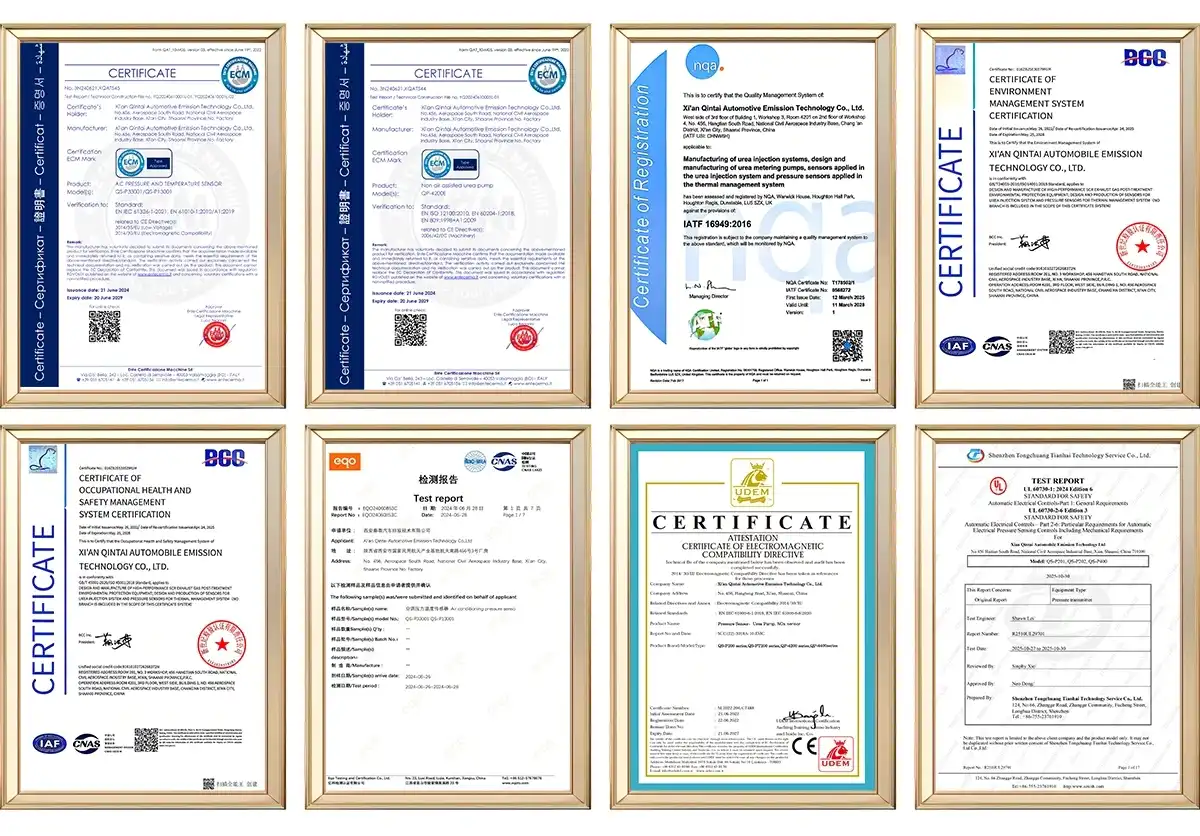
Certification compliance is a very important decision factor for world uses. Automotive standards, such as the IATF16949 quality requirements and area approval standards, must be met by sensors. To make sure that quality deliveries are always made, procurement teams should check the state of suppliers' certifications and audit their abilities.
Here are the main things that set luxury NOx sensor sellers apart from other options:
• Quality Certifications: Top suppliers keep a lot of different certifications, such as ISO9001, IATF16949, and automotive standards unique to each region. These show that they have a method for managing quality.
• Warranty Coverage: High-end sellers offer longer service periods of 2 to 5 years, which shows they are confident in the durability and quality of their products.
• Technical Support: Detailed technical documents, application engineering support, and help with fixing problems make sure that the system works well and is integrated properly.
• Global Supply Chain: Well-established delivery networks make sure that products are always available and cut down on wait times for important uses.
Cost-Benefit Analysis Framework
The price of the sensor itself, the cost of installation, its projected service life, and what will happen if it breaks must all be included in the total cost of ownership estimate. Premium sensors that cost 20–40% more may be more reliable, which lowers overall running costs by extending service times and making the sensors last longer.
Buying in bulk can help you save a lot of money and make sure you have enough inventory for planned maintenance and fixes that come up out of the blue. Performance guarantees and choices for faster delivery for important applications should be part of procurement agreements. Long-term relationships with suppliers let you work together to create application-specific solutions that improve performance while keeping costs low.
Conclusion
NOx sensor problems have effects that go beyond just replacing parts. They affect compliance with regulations, working efficiency, and financial success. Knowing these types of failure lets you make smart choices about which sensors to buy, how to maintain them, and which suppliers to work with, all of which have a direct effect on your bottom line.
For NOx sensor control to work well, it's important to choose high-quality parts, have them installed by professionals, and keep up with regular upkeep. Investing in high-quality sensors and dependable sources pays off in the long run by lowering the number of failures, extending service times, and making operations more reliable.
As regulations change, they continue to stress how reliable pollution control systems need to be. This makes NOx sensor performance even more important for companies that run industrial vehicles and make equipment. Strategic relationships with experienced providers give you access to cutting-edge technologies and a wide range of support services that keep you in line with regulations and improve the efficiency of your operations.
FAQ
How often should business cars get new NOx sensors?
Depending on how harsh the application is and the quality of the sensor, NOx sensors should usually be replaced every 150,000 to 300,000 miles. Extreme working conditions may mean that heavy-duty off-road equipment needs to be replaced more often, while highway cars that are used in the best conditions can last longer. Regular troubleshooting tracking helps find sensors that are getting close to the end of their useful life before they stop working completely.
Can a bad NOx sensor make the car use more gas?
Faulty NOx sensors have a big effect on fuel economy in a number of ways. When sensor data isn't accurate, engine control systems go into safe modes that put meeting emission standards ahead of getting the best gas mileage. Incorrect sensor readings can cause problems with the SCR system, which can lead to more DEF being used and the engine having to derate. Fleet managers usually see a 5–15% drop in fuel economy when sensors stop working for a long time.
What's the difference between oxygen sensors and NOx sensors?
NOx sensors measure the amount of nitrogen gas in the air to help with emission control systems. Oxygen sensors, on the other hand, keep an eye on the ratios of air to fuel to make sure the best burning happens. NOx sensors use advanced zirconia ceramic technology that can communicate digitally, while oxygen sensors usually give off traditional voltage signals. Because these sensors are placed, work, and are very complicated in very different ways, they need very different ways to be diagnosed and replaced.
How do the factors of the surroundings affect the life of NOx sensors?
Environmental factors have a big effect on how long NOx sensors last and how well they work. Salt from the road, sulfur compounds, and particulate matter can damage sensor elements and cause them to fail early. Extreme temperature changes put stress on sensor parts, and moisture exposure during storage or installation can damage them permanently. The service life of sensors can be extended in difficult operating conditions by following the right handling methods and environmental protection steps.
What diagnostic codes indicate NOx sensor problems?
Circuit high, circuit open, and sensor logic mistakes are all common diagnostic trouble codes that mean a NOx sensor isn't working right. To help with fixing, certain codes indicate which sensors are upstream or downstream. Modern cars give you a lot of troubleshooting information, like how long it takes for sensors to respond, how accurate measurements are, and how the connection is going. Professional troubleshooting tools can compare the performance of a sensor to known standards to find out if it needs to be replaced.
Partner with Qintai for Reliable NOx Sensor Solutions
With Qintai's proven knowledge and cutting-edge technology, you can find complete NOx sensor options made for tough commercial uses. With more than 20 years of experience as China's top OEM provider, we offer high-reliability sensors that meet regulatory requirements and improve working efficiency in a wide range of industrial settings.
Qintai can make modern NOx sensors that blend independent research and development with strict quality control standards, such as ISO9001 and IATF16949 certifications. Our wide range of products is used by big diesel engine makers like Weichai Power, Yuchai Power, and Quanchai Power, and it has been shown to work well in tough situations. Please email our technical experts at info@qt-sensor.com to talk about your unique NOx sensor provider needs and find custom solutions that make a real difference in how your business runs.
References
1. Johnson, R.K., "Nitrogen Oxide Sensor Technologies in Heavy-Duty Diesel Applications," Journal of Automotive Engineering Technology, Vol. 45, No. 3, 2023, pp. 127-145.
2. Thompson, M.A., "Economic Impact of Emission Control System Failures in Commercial Vehicle Fleets," International Conference on Transportation Technology, 2023, pp. 203-218.
3. Williams, S.P., "Diagnostic Strategies for SCR System NOx Sensor Evaluation," Society of Automotive Engineers Technical Paper 2023-01-0847, 2023.
4. Anderson, L.C., "Regulatory Compliance Challenges in Modern Diesel Engine Emission Control," Environmental Technology and Management Review, Vol. 28, No. 4, 2023, pp. 89-106.
5. Martinez, D.J., "Advanced Sensor Technologies for Next-Generation Aftertreatment Systems," Proceedings of the International Emission Control Technology Symposium, 2023, pp. 156-172.
6. Chen, Y.H., "Failure Mode Analysis of NOx Sensors in Extreme Operating Environments," Automotive Component Reliability Engineering, Vol. 19, No. 2, 2023, pp. 78-94.

Our customers’ satisfaction speaks for our quality — contact us to experience the same reliable service.