- English
- French
- German
- Portuguese
- Spanish
- Russian
- Japanese
- Korean
- Arabic
- Greek
- German
- Turkish
- Italian
- Danish
- Romanian
- Indonesian
- Czech
- Afrikaans
- Swedish
- Polish
- Basque
- Catalan
- Esperanto
- Hindi
- Lao
- Albanian
- Amharic
- Armenian
- Azerbaijani
- Belarusian
- Bengali
- Bosnian
- Bulgarian
- Cebuano
- Chichewa
- Corsican
- Croatian
- Dutch
- Estonian
- Filipino
- Finnish
- Frisian
- Galician
- Georgian
- Gujarati
- Haitian
- Hausa
- Hawaiian
- Hebrew
- Hmong
- Hungarian
- Icelandic
- Igbo
- Javanese
- Kannada
- Kazakh
- Khmer
- Kurdish
- Kyrgyz
- Latin
- Latvian
- Lithuanian
- Luxembou..
- Macedonian
- Malagasy
- Malay
- Malayalam
- Maltese
- Maori
- Marathi
- Mongolian
- Burmese
- Nepali
- Norwegian
- Pashto
- Persian
- Punjabi
- Serbian
- Sesotho
- Sinhala
- Slovak
- Slovenian
- Somali
- Samoan
- Scots Gaelic
- Shona
- Sindhi
- Sundanese
- Swahili
- Tajik
- Tamil
- Telugu
- Thai
- Ukrainian
- Urdu
- Uzbek
- Vietnamese
- Welsh
- Xhosa
- Yiddish
- Yoruba
- Zulu
Is it safe to drive with a bad nox sensor?
Driving with a broken
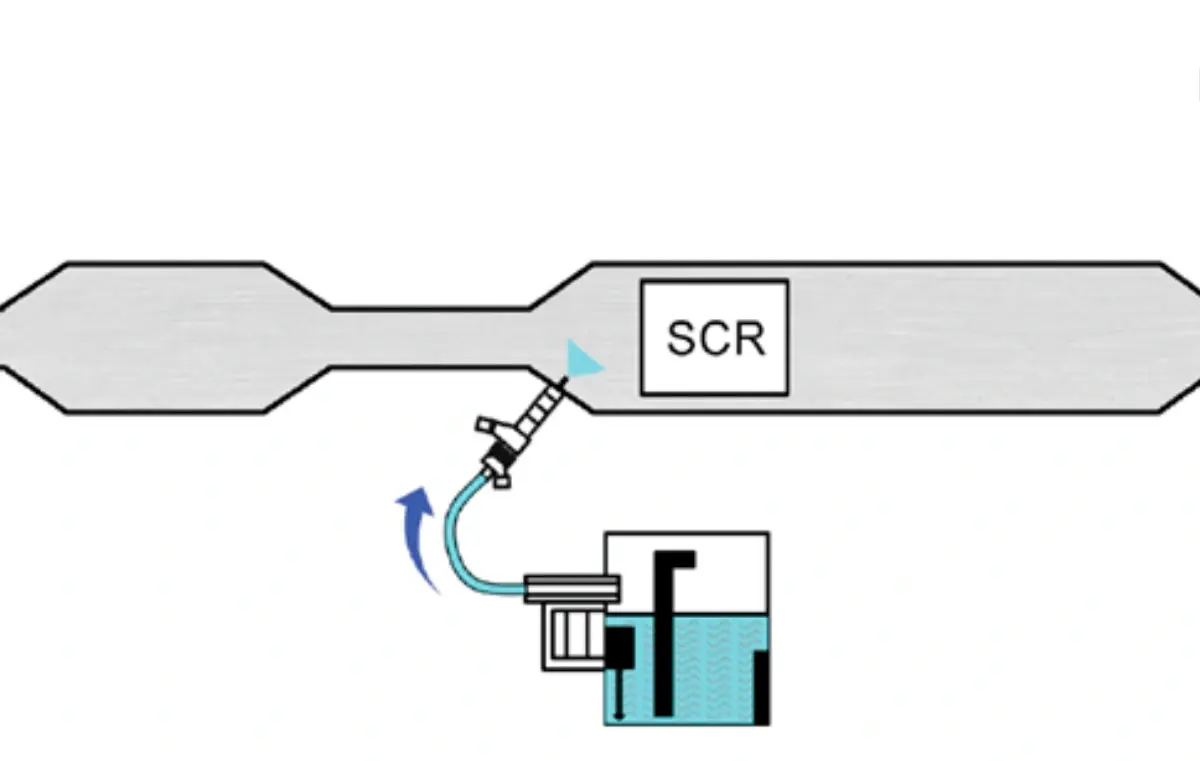
puts both the safety of the driver and the car at great risk. If the NOx sensor doesn't work right, it can cause the engine to go into derate modes, which lowers its power output and could mean that it breaks pollution standards. The car may still be able to run for a short time, but the damaged sensor makes it harder for the selective catalytic reduction (SCR) system to track and control nitrogen oxide emissions properly. To get the most out of fuel injection and diesel exhaust fluid (DEF) doses, the engine control unit (ECU) needs accurate NOx readings. Commercial services can face expensive fixes, fines from the government, and unplanned downtime if they don't have sensors that work properly.
Understanding the NOx Sensor and Its Role in Vehicles
To follow strict environmental rules, modern diesel engines rely on very complex pollution control systems. The nitrogen oxide sensor is the most important part of these systems. It is a precise tool that is meant to constantly check the composition of exhaust gases.
How NOx Sensors Function in Diesel Engines
A zirconia clay sensing element inside the NOx sensor measures both the amount of nitrogen oxide and oxygen in exhaust gases. It's different from regular oxygen sensors, which only check the oxygen level, because it can do two things at once. The heater element in the sensor keeps the best working temperatures between 600°C and 800°C, so the results are always correct, no matter what the engine conditions are.
The engine control module gets real-time info through digital transmission protocols, mostly CAN bus systems. This includes amounts of NOx concentration, sensor temperature, and diagnostic state numbers. This information is used by the ECU to figure out the exact rates at which diesel exhaust fluid should be injected. This makes the SCR catalyst work as efficiently as possible to change dangerous nitrogen oxides into safe nitrogen and water vapor.
Strategic Installation Points and System Integration
Diesel aftertreatment systems usually have two NOx sensors, one before the SCR catalyst and one after it. The upstream sensor checks the raw pollution from the engine and gives the ECU starting points for its calculations. The sensor further downstream checks the SCR system's conversion rate to make sure it meets Euro VI and EPA emission guidelines.
Installation sites depend on the type of car. It is common for heavy-duty trucks to put sensors in the vertical exhaust stack, while building equipment may put them in horizontal exhaust designs. When buying teams know about these placement tactics, they can choose the right types of sensors for different fleet uses.
Identifying Problems: Symptoms and Causes of a Bad NOx Sensor
To spot a failing NOx sensor, you need to know about both its mechanical signs and its computer warning signs. Early spotting keeps operations running smoothly and saves money on system breakdowns.
Common Warning Signs and Performance Indicators
Several noticeable signs point to possible NOx sensor problems. When the ECU goes into safe modes because of bad emission data, the engine's power often drops. If the system uses more DEF than what the maker recommends, it means it can't properly measure conversion efficiency, which causes too much urea to be injected.
Sensor failures are often accompanied by dashboard warning lights, especially the malfunction indicator lamp (MIL) and diesel exhaust fluid warning. Some cars show specific NOx-related trouble codes, like "NOx sensor circuit high" or "NOx sensor plausibility," which help mechanics figure out which part is broken.
ECU doubt about real emission levels can cause changes in engine performance, such as uneven idle quality and slower acceleration response. These signs usually get worse when the engine is working hard, which is when precise emission control is most important.
Root Causes of Sensor Degradation
Understanding how things break down helps procurement workers come up with preventative repair plans and set the right replacement intervals. The most common reason why NOx sensors stop working is contamination. The quality of the diesel fuel, the amount of engine oil used, and water leaks can all leave residues on the detecting element, which can make measurements less accurate.
Thermal cycle stress shortens the life of sensors, especially in situations where they are used in a lot of start-stop activities. More thermal stress is put on construction tools and supply cars in cities than on highways, so sensors need to be replaced more often. If the wiring harness gets damaged by shaking, water, or contact, it can stop the sensor and ECU from talking to each other.
Ceramic parts naturally break down over time because they lose their sharpness. The typical working life is between 150,000 and 300,000 miles, but this depends on how hard the job is and how well it is maintained.
Is It Safe to Drive with a Faulty NOx Sensor? Risk Assessment and Recommendations
Using cars with NOx sensors that aren't working right causes a lot of operational and legal risks that procurement managers need to carefully consider.
Immediate Safety and Performance Implications
If you keep driving with a broken NOx sensor, it can set off increasing engine derate modes that are meant to protect pollution systems. Most of the time, these safety steps lower engine power output by 25% to 75%, which has a big effect on schedules and efficiency. Some makers put limits on how fast vehicles can go to encourage fixes to be done quickly.
When sensor data isn't accurate, the ECU may fall back on DEF injection methods that have already been set. This backup mode often uses too much urea and could damage the SCR catalyst by giving it too much. Crystalline urea crystals can form in the injection system, which means that expensive cleaning methods or part replacements are needed.
Regulatory Compliance and Legal Considerations
Environmental laws in the US and Europe have harsh punishments for messing with or ignoring pollution systems. If you drive a car that has a known NOx sensor problem, you may be breaking the law on purpose, which can lead to big fines and even losing your fleet operating permit.
The Environmental Protection Agency's programs for inspecting heavy-duty vehicles focus on making sure that the pollution systems are working properly. Vehicles that fail random checks are taken out of service right away and have to be fixed before they can go back to work. These moves by the government can seriously mess up processes and hurt relationships with customers.
Industry Best Practices for Risk Mitigation
Leading fleet operators use telematics systems that track diagnostic trouble codes in real time to keep an eye on NOx sensors and make sure they are working properly. This method lets planned maintenance happen during planned breaks instead of fixes on the side of the road.
Getting in touch with qualified service providers ahead of time will ensure quick action when sensors stop working. Mobile repair services can often replace NOx sensors at the customer site, which keeps operations running as smoothly as possible. Keeping a backup sensor inventory for key cars adds to the safety of operations.

Troubleshooting, Cleaning, and Maintaining NOx Sensors
Use of organized diagnostic and preventive care methods in NOx sensor repair makes them last longer and lowers the total cost of ownership.
Diagnostic Procedures and Testing Methods
Professional diagnostic methods start with a full study of fault codes using diagnostic tools made by the vehicle's maker. Advanced scan tools can show NOx sensor data in real time, so techs can compare numbers from upstream and downstream parts of the system when they are working in different ways.
A visual check of the places where sensors are mounted shows possible sources of taint or physical damage. Leaks in the exhaust system near where sensors are installed can let in contaminants or change how accurately measurements are made. The quality of the wiring harness needs to be carefully checked, especially at the connection places where water often gets in.
Maintenance Strategies and Cleaning Techniques
As part of regular upkeep, the NOx sensors should be checked for damage and cleaned when possible. Ceramic sensor elements can be cleaned with special solutions that get rid of light contamination without hurting sensitive parts. But sensors that are highly dirty or old usually need to be replaced instead of being fixed.
The main goal of preventive maintenance is to fix the problems that cause sensors to break down. Changing engine oil at the right times keeps exhaust systems from getting too much carbon buildup. Using good diesel fuel and DEF lowers the chance of pollution. Regular checks of the exhaust system find possible leak sources before they affect how the sensors work.
Whether to clean or replace a sensor relies on how old it is, how dirty it is, and how it needs to be used. When deciding whether to fix or replace something, economic analysis should look at things like labor costs, car downtime, and how the guarantee might be affected.
Procurement Insights: Choosing and Buying the Right NOx Sensor for Your Fleet
When buying NOx sensors strategically, you have to think about quality, cost, and the supply chain while also making sure you follow the rules and the sensors work reliably.
OEM Versus Aftermarket Considerations
Original equipment manufacturer (OEM) sensors are guaranteed to work with other devices and usually come with a longer protection. Big suppliers like Bosch, Continental, and NGK have strict rules for quality control and provide a lot of expert help. However, OEM price usually represents a high-end position and a well-known name.
When you use aftermarket options, you can save a lot of money while still getting good results. Good aftermarket providers put a lot of money into tests and reverse engineering to make sure their products work with the originals. The people in charge of buying things should make sure that any aftermarket sensors they buy are certified and come with the right kind of guarantee security.
Cost Analysis and Budgeting Strategies
The initial purchase price is only one part of the total cost of ownership. Other costs include work for installation, time spent diagnosing problems, and possible downtime. Making deals with chosen sellers to buy in bulk can lower unit costs and make sure that supplies are always available. Long-term service deals may include lower prices on sensors and faster technical assistance.
Setting replacement intervals helps you prepare for upkeep costs and cut down on purchases you need to make quickly. Maintenance data from the past can help you figure out how long a sensor should last and how often it fails in certain situations. This information backs up procurement strategies that find a good mix between spending money on inventory and meeting practical needs.
Supply Chain Management and Quality Assurance
Reliable supply chain relationships make sure that sensors are always available and that expert help is always available. Performance measures for shipping reliability, product quality, and responsiveness to customer service after the sale should be part of preferred seller programs. Regular audits of suppliers check that their quality control systems and ability to follow regulations are working properly.
Protocols for incoming inspections and paperwork for traceability should be part of quality assurance processes. Counterfeit sensors are a big problem for the security of pollution systems and for following the rules. By only buying from authorized wholesalers and keeping good records, you can help keep fake goods out of supply lines.
Conclusion
Driving a car with bad NOx sensors comes with a lot of risks, such as breaking the law, lowering the engine's performance, and damaging expensive systems. To stay in line with environmental rules and improve fuel economy and speed at the same time, modern diesel emission systems need accurate sensor input. When making maintenance choices, people who work in procurement have to weigh the costs of instant repairs against the risks of fines, downtime, and the long-term dependability of the system. Proactive strategies for replacing and watching sensors keep operations running smoothly and make sure they meet legal requirements. Knowing about sensor technology, how they fail, and buying options helps you make smart choices that keep your fleet running efficiently and responsibly for the environment.
FAQ
Can a bad NOx sensor damage my engine permanently?
A bad NOx sensor doesn't usually damage the engine directly, but running it for a long time can contaminate the SCR catalyst and require costly repairs to the aftertreatment system. The engine control module puts in place safety steps that might slow the engine down, but they usually keep major problems from happening.
How often should NOx sensors be replaced in commercial vehicles?
Replacement intervals vary significantly based on application severity, fuel quality, and maintenance practices. Heavy-duty highway applications typically achieve 200,000 to 300,000 miles, while severe-duty applications may require replacement every 100,000 to 150,000 miles.
What are the early warning signs before dashboard lights appear?
Subtle indicators include slightly increased DEF consumption, minor performance variations under load, and intermittent fault codes that clear automatically. Advanced diagnostic systems can detect sensor drift before complete failure occurs.
Are there differences between upstream and downstream NOx sensors?
While both sensors use similar technology, downstream sensors often operate in different temperature ranges and may have specialized calibrations for post-catalyst measurement. Some manufacturers use identical sensors in both positions, while others specify unique part numbers.
Can environmental conditions affect NOx sensor performance?
Sensor data can be impacted by changes in altitude, extreme temperatures, and humidity. Modern sensors have systems that correct for temperature and weather changes so that they stay accurate no matter what the conditions are.
Partner with Qintai for Reliable NOx Sensor Solutions
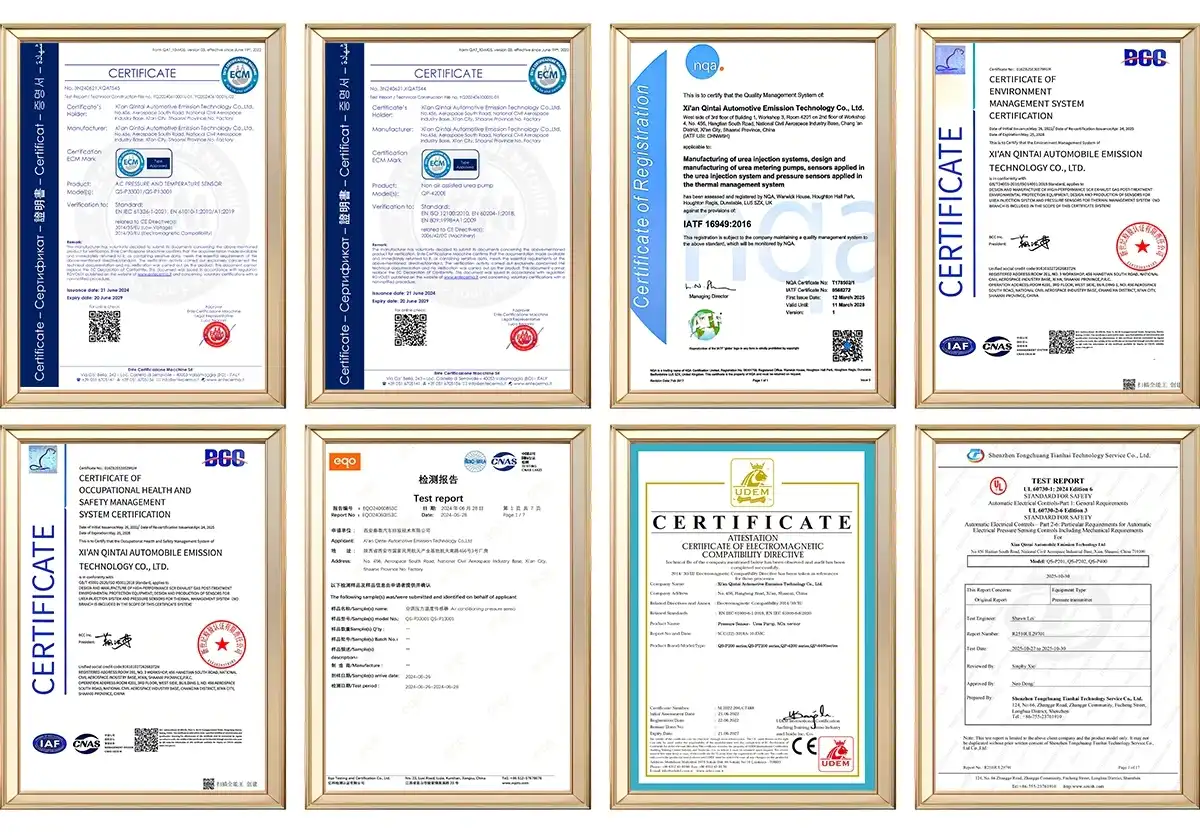
Qintai Automotive Emission Technology stands ready to support your NOx sensor procurement needs with over two decades of specialized experience in diesel emission control systems. As China's leading NOx sensor manufacturer, we combine advanced R&D capabilities with comprehensive quality certifications including ISO9001, IATF16949, and CE compliance. Our extensive patent portfolio demonstrates continuous innovation in sensor technology and manufacturing processes.
Our OEM partnerships with major Chinese engine manufacturers like Weichai Power, Yuchai Power, and Quanchai Power validate our technical expertise and production capabilities. We offer customizable sensor solutions tailored to specific application requirements, supporting both standard replacement needs and specialized fleet configurations. Contact our technical team at info@qt-sensor.com to discuss your NOx sensor requirements and discover how our manufacturing capabilities can support your emission compliance objectives.
References
1. Society of Automotive Engineers. "Heavy Duty Diesel Engine NOx Sensor Technology and Applications." SAE Technical Paper Series, 2023.
2. Environmental Protection Agency. "Federal Motor Vehicle Emission Standards for Heavy-Duty Engines and Vehicles." Code of Federal Regulations, Title 40, Part 1036, 2024.
3. International Council on Clean Transportation. "NOx Sensor Performance in Real-World Heavy-Duty Vehicle Applications." ICCT Working Paper, 2023.
4. Diesel Technology Forum. "Advanced Emission Control Systems for Commercial Vehicles: Technology Overview and Maintenance Best Practices." DTF Technical Report, 2024.
5. European Commission. "Euro VI Heavy-Duty Vehicle Emission Standards: Implementation and Compliance Monitoring." EC Environmental Report, 2023.
6. American Trucking Associations Technology and Maintenance Council. "Recommended Practices for NOx Sensor Maintenance in Commercial Vehicle Fleets." TMC Guidelines RP 442A, 2024.

Our customers’ satisfaction speaks for our quality — contact us to experience the same reliable service.