- English
- French
- German
- Portuguese
- Spanish
- Russian
- Japanese
- Korean
- Arabic
- Greek
- German
- Turkish
- Italian
- Danish
- Romanian
- Indonesian
- Czech
- Afrikaans
- Swedish
- Polish
- Basque
- Catalan
- Esperanto
- Hindi
- Lao
- Albanian
- Amharic
- Armenian
- Azerbaijani
- Belarusian
- Bengali
- Bosnian
- Bulgarian
- Cebuano
- Chichewa
- Corsican
- Croatian
- Dutch
- Estonian
- Filipino
- Finnish
- Frisian
- Galician
- Georgian
- Gujarati
- Haitian
- Hausa
- Hawaiian
- Hebrew
- Hmong
- Hungarian
- Icelandic
- Igbo
- Javanese
- Kannada
- Kazakh
- Khmer
- Kurdish
- Kyrgyz
- Latin
- Latvian
- Lithuanian
- Luxembou..
- Macedonian
- Malagasy
- Malay
- Malayalam
- Maltese
- Maori
- Marathi
- Mongolian
- Burmese
- Nepali
- Norwegian
- Pashto
- Persian
- Punjabi
- Serbian
- Sesotho
- Sinhala
- Slovak
- Slovenian
- Somali
- Samoan
- Scots Gaelic
- Shona
- Sindhi
- Sundanese
- Swahili
- Tajik
- Tamil
- Telugu
- Thai
- Ukrainian
- Urdu
- Uzbek
- Vietnamese
- Welsh
- Xhosa
- Yiddish
- Yoruba
- Zulu
What factors influence the lifespan of a pressure sensor?
The length of time a
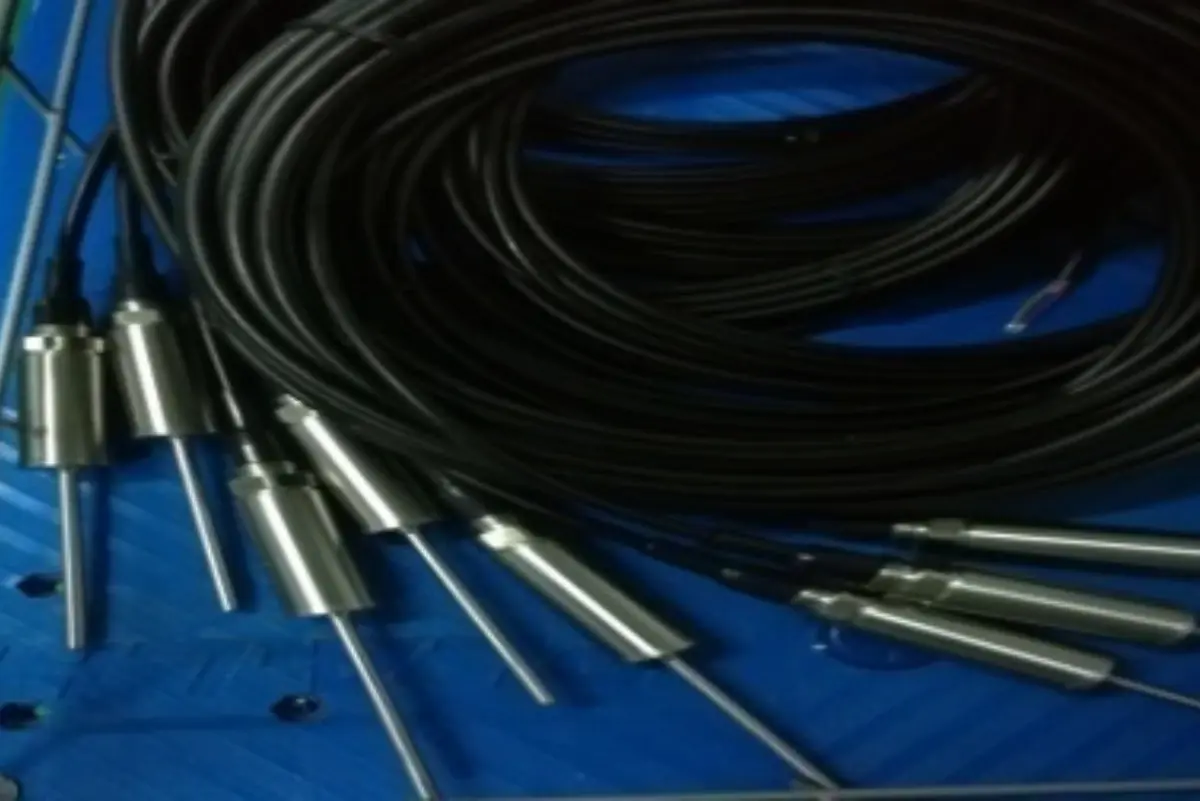
lasts relies on many linked things, such as the climate, the amount of stress it is put under during use, the quality of the materials used, and how precisely they were manufactured. These complex devices change mechanical pressure into electrical messages. Depending on the type of technology they use and where they are used, they usually work well for 5 to 15 years. By knowing these factors that affect decisions, procurement pros can make choices that minimize both the original investment and the long-term costs of running the business, while also ensuring consistent performance in tough industrial settings.
Modern pressure sensors use a number of different technologies, and each one has its own unique features that affect how long they work in industrial settings. Mechanical force is turned into measurable electrical data as the basic idea behind it. However, the durability changes a lot between sensor designs.
Technology-Specific Longevity Characteristics
Piezoresistive sensors are very stable over long periods of time and are often used in difficult situations. These gadgets use semiconductors that change resistance when put under mechanical stress. Under ideal conditions, these gadgets can take accurate readings for 10 to 15 years. If you take good care of these sensors, the strain gauge technology inside them will keep their accuracy within ±0.1% for a long time.
Different capacitive pressure sensors have different life spans, especially when they are used in environments with toxic materials. Because their diaphragm is made of clay, it is more resistant to chemicals than metal-based designs. The capacitive measurement concept is based on the diaphragm stretching, which changes the distance between the electrodes and makes capacitance changes that can be measured. This method of measuring without touching the object being measured lowers mechanical wear, which can increase the useful life to 12 to 20 years in the right conditions.
Key Performance Indicators
The most important performance measure for industrial pressure sensors is how stable their accuracy is. According to research, high-quality sensors keep their accuracy within ±0.25% for the first 80% of their useful life. After this point, small changes in the reading start to affect how accurate the measurements are, and the device needs to be re-calibrated or replaced.
Maintaining sensitivity is directly related to how long a sensor lasts and how reliably it works. Under normal working settings, good sensors show less than 0.05% annual sensitivity drift. This steadiness guarantees a steady signal output throughout the device's useful life, cutting down on the need for upkeep and downtime.
The sensor's mechanical longevity includes its ability to handle changes in pressure, shaking, and temperature shock. Industrial-grade sensors can usually handle 10 million pressure cycles at full capacity while still meeting specifications. These long-lasting qualities are especially important in hydraulic systems and big machinery where pressure changes often.
Primary Factors Affecting Pressure Sensor Lifespan
The environment has the biggest effect on how long sensors last, and it's often the difference between a gadget reaching its stated lifespan and breaking down early. Knowing about these things helps you choose the right sensors and design better applications.
Environmental Stressors
When the temperature changes, it puts stress on the parts of sensors, which can affect both the electronics and the mechanics. Extreme temperature changes between -40°C and 125°C can shorten the life of sensors by 30 to 50 percent compared to places where the temperature stays the same. Different materials have different coefficients of heat expansion, which builds up mechanical stress over time.
Exposure to humidity and wetness speeds up the corrosion process, which mostly affects electrical links and sensor elements. Without proper safety, sensors that are left in places with relative humidity levels above 85% have 40% shorter operating lifespans. When electrical shielding isn't sealed properly, moisture can get in and create conductive lines that lower the quality of the signal.
Corrosive gases, oils, and cleaning agents have a big effect on sensor materials when they come into contact with them. Hydrogen sulfide, ammonia, or acidic fumes can break down electrical parts and sensing diaphragms in months instead of years. When choosing sensors for chemical processing settings, it's important to make sure that the materials used are compatible.
Electrical and Mechanical Stress Factors
Voltage spikes and electromagnetic interference are examples of electrical overstress events that can damage sensitive computer parts inside pressure sensors. Lightning-caused spikes and engine starting transients can damage sensor electronics right away or over time in a way that makes them less useful. By stopping these damaging events, proper surge protection makes sensors last longer.
Mechanical vibration and shock loads put stress on the fixing places of sensors and the parts inside them, which leads to wear. Vibration frequencies that match sensor resonance can raise stress levels and speed up the wear and tear on parts. In industrial settings with constant vibration, like engine-mounted uses, sensors made for high-vibration service are needed.
When pressure is cycled beyond what is recommended, sense diaphragms and pressure ports become mechanically worn out. Each pressure cycle slightly deforms the sensing element. Over time, the deformation builds up and causes the calibration to drift or the structure to break. Operating sensors at pressures less than 70% of their maximum allowed pressure greatly increases their useful life.
Material Quality and Manufacturing Standards
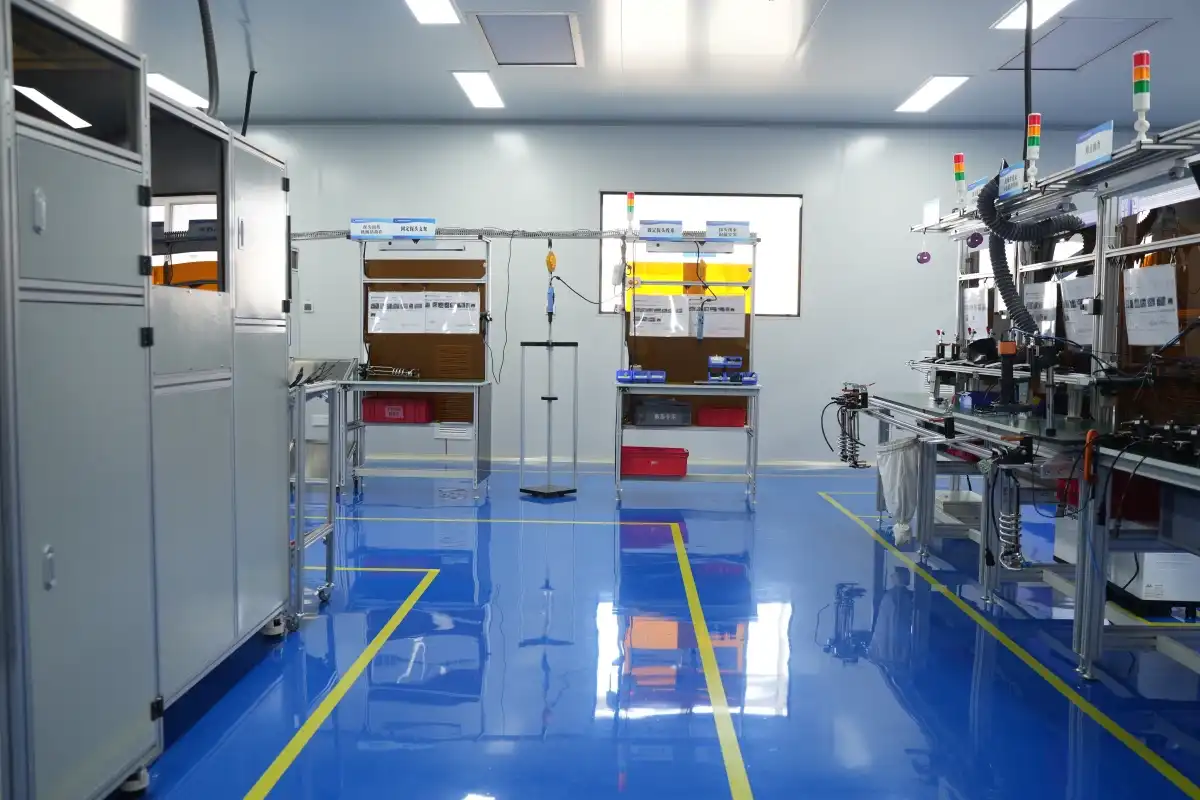
Advanced production methods and the choice of materials have a direct effect on how reliable and long-lasting sensors are. Long-term performance stability is affected by the accuracy of the cutting, the quality of the welds, and the way the parts are put together. When compared to normal manufacturing methods, sensors that are made with Six Sigma quality processes last 25% longer.
Improvements in sealing technology have made sensors last a lot longer in tough settings. Modern hermetic closing methods that use laser welding and high-tech O-ring materials offer better protection against getting water and other contaminants inside. With these changes, sensors can keep up their performance levels in situations where they weren't able to before.
Sensor Type and Design Considerations
Choosing the right technology for a pressure sensor is important for lowering the total cost of ownership in industrial settings because different technologies have different lifespans and upkeep needs. Knowing these differences helps buying teams match the skills of sensors with the needs of applications.
Technology Comparison and Durability Analysis
Piezoresistive sensors work great in high-pressure situations, but you need to think carefully about how to compensate for temperature changes and make sure they stay stable over time. Because their detecting elements are built on semiconductors, they are very sensitive and respond quickly, which makes them perfect for measuring dynamic pressure. But silicon-based sensors slowly lose their accuracy over time and need to be re-calibrated every two to three years to keep working at their best.
Capacitive sensors are more stable over time because they don't require touch to measure. Since sense elements aren't under any physical stress, mechanical wear is reduced. This means that they last longer in situations where the pressure changes often. Ceramic capacitive designs work especially well in places where metal-based sensors would break down quickly because of corrosion.
Because they are built to last and use tried-and-true technology, strain gauge pressure sensors are very reliable in industrial settings. These sensors use metal strain gauges that are glued to pressure-sensing diaphragms. If they are used correctly, they will work reliably for decades. Because they can handle being overloaded and vibrating, they are good for hard industry uses.
Pressure Type Considerations
Absolute pressure sensors measure pressure in relation to a vacuum, so they don't have to worry about changes in air pressure that can affect gauge readings. This way of measuring gives you regular reference points, but it needs internal vacuum tanks that might break down over time. The purity of the vacuum room has a direct effect on the accuracy of measurements and the life of sensors.
Gauge pressure sensors measure pressure in relation to the air pressure, which makes installation easier and lowers the level of complexity. However, over time, barometer reference cells may become contaminated or their membranes may break down, which could affect the accuracy of measurements. Regular upkeep is needed to keep things running well over time.
Differential pressure sensors are great for measuring flow and keeping an eye on filters because they can compare two pressure sources. The dual-pressure system makes things more complicated, but it gives us useful knowledge about the process. When you put something correctly, you can avoid measurement mistakes that could mean the sensor fails too soon.
Maintenance and Calibration Impact
By finding drift trends before they affect process performance, regular testing plans make sensors last a lot longer. Setting calibration intervals based on how important the application is and the elements of the surroundings improves both accuracy and running costs. Calibrations may need to be done every three months for critical uses and once a year for stable settings.
Predictive repair methods that use sensors that can diagnose themselves allow for replacement before they break. Modern sensors have built-in health tracking that keeps track of performance factors and lets repair teams know when problems start to show up. This method cuts down on unexpected system downtime and improves system stability overall.
Environmental safety methods, such as choosing the right enclosure and installing it correctly, have a huge effect on how long a sensor lasts. For most industrial uses, IP67-rated enclosures are enough to keep things safe. However, chemically harsh conditions may need special container materials and better sealing systems.
Case Studies and Real-World Examples
Industrial uses show how different working conditions and environmental factors can shorten the life of pressure sensors. This information is useful for choosing the right tools and planning upkeep.
Hydraulic System Applications
Heavy building equipment can be hard on pressure sensors because it works in harsh conditions and is exposed to a lot of dirt and dust. Excavators and bulldozers use hydraulic systems that put sensors through constant changes in pressure, temperature, and sound loads that would quickly destroy regular sensors.
A case study from a big maker of building tools showed that standard pressure sensors only worked for 6 to 8 months in hydraulic applications before they needed to be replaced. Using ruggedized sensors that are better at resisting vibrations and dirt increased their useful life to 3–4 years, cutting down on upkeep costs by 60% while making the equipment more reliable.
Contamination control methods have a big effect on how well hydraulic pressure sensors work. Abrasive particles can't damage sense elements and pressure ports as long as proper filtering systems are in place and fluids are analyzed regularly. When equipment workers keep hydraulic fluid clean below ISO 18/16/13 levels, sensors last 200% longer than in systems that don't do a good job of keeping contaminants out.
HVAC and Process Industries
Building control systems value sensors that are cost-effective and need to be serviced at regular times over ones that last as long as possible. Standard sensors can last their full expected lifespan of 10 to 15 years in HVAC systems where the temperature stays stable and there isn't much contamination.
Applications in the process industry show how important it is to choose the right sensor for chemical compatibility. A pharmaceutical production plant had a lot of sensor failures until they switched to ceramic-diaphragm sensors that are made to handle chemical exposure. The upgraded sensors lasted 8 years, while normal stainless steel sensors only lasted 6 months before they broke.
When temperatures change in HVAC systems, thermal stress is created that shortens the life of sensors. In comparison to systems with stable temperature uses, systems with frequent temperature setpoint changes have 30% shorter sensor lifespans. Using methods for slow temperature change lowers thermal stress and increases the life of sensors.
Automotive and Engine Applications
Diesel engine aftertreatment systems need pressure sensors that can handle changes in temperature, shaking, and the chemicals in exhaust gases. These tough conditions push sensor technology to its limits and need long-term dependability to meet pollution standards.
Vibrations caused by burning and temperature changes from -40°C to 150°C make it hard for pressure sensors that are placed on engines. For uses to work, they need special mounting methods and vibration separation to keep them from breaking too soon. Specifically made sensors for automotive uses have a 5-year operational life, while industrial sensors used in similar situations only fail every 6 months.
When sensors are exposed to exhaust gases, they need special materials and coats to keep them from rusting or getting dirty. Ceramic sensing elements and platinum-based protective layers make it possible for sensors to work effectively in exhaust conditions where other sensors would break down quickly.
Conclusion
The life of a pressure sensor relies on how the climate, operating stresses, material quality, and maintenance methods work together. Knowing about these things helps you choose the right sensors and design applications that work best for you, lowering costs and making sure they work well for a long time. Protecting the sensor from damage in the environment, installing it correctly, and performing regular upkeep all greatly increase its useful life while keeping its measurement accuracy. When making strategic purchasing choices, looking at the total cost of ownership instead of just the original price gives you more value because it lowers the cost of maintenance and makes the system more reliable.
FAQ
How often should pressure sensors be calibrated to maintain accuracy?
How often calibration is done relies on how important the product is and the conditions outside. Calibrations are usually needed every three months for critical process uses, but in stable settings, the time between calibrations may be pushed back to once a year. The features of sensor movement and government rules also affect when calibrations need to be done.
What environmental protection features most effectively extend sensor life?
Enclosures with an IP67 rating are safe enough for most commercial uses, but in harsh conditions, chemical-resistant materials and better sealing systems are needed. Temperature adjustment and vibration separation make things last a lot longer in tough situations.
What early warning signs indicate pressure sensor replacement needs?
Sensor problems are starting to appear when measurements start to drift over time, electrical noise gets louder, and calibration gets unstable. Modern sensors that can diagnose themselves send early warnings before problems affect the process, which lets you plan for replacements ahead of time.
Partner with Qintai for Superior Pressure Sensor Solutions
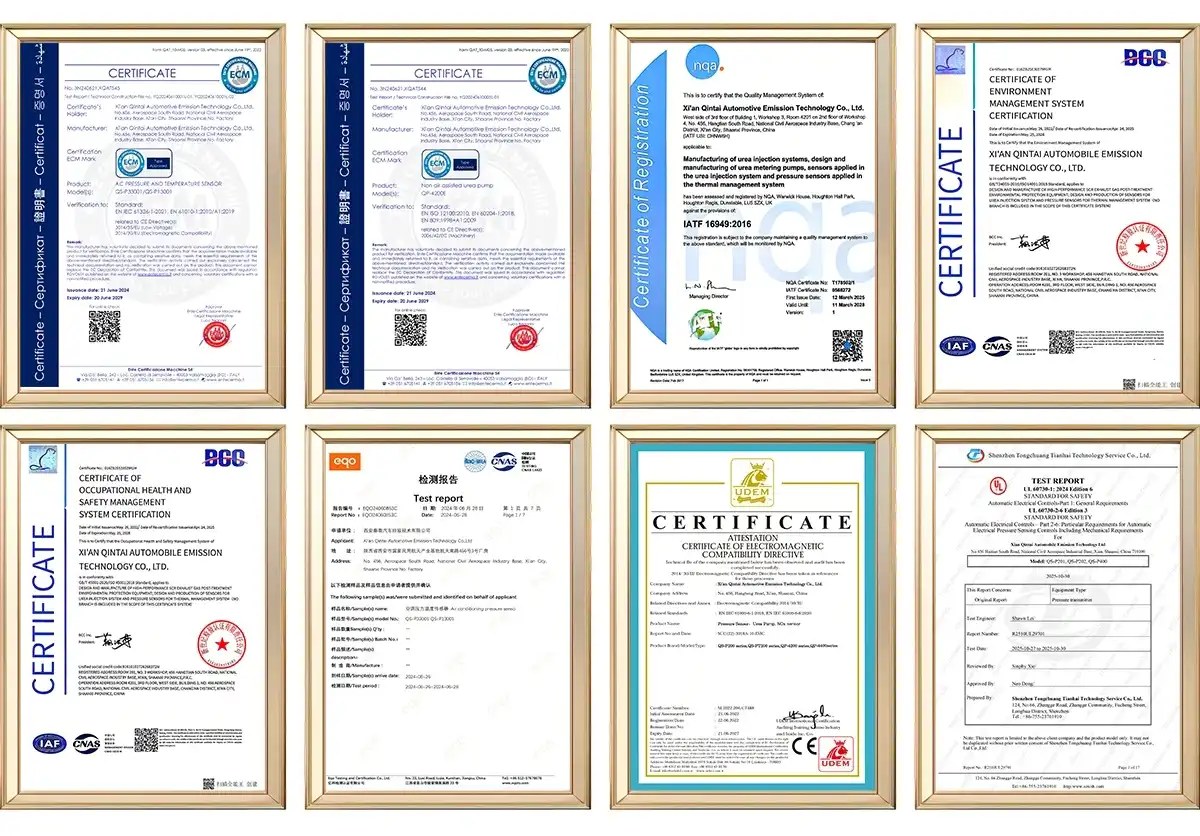
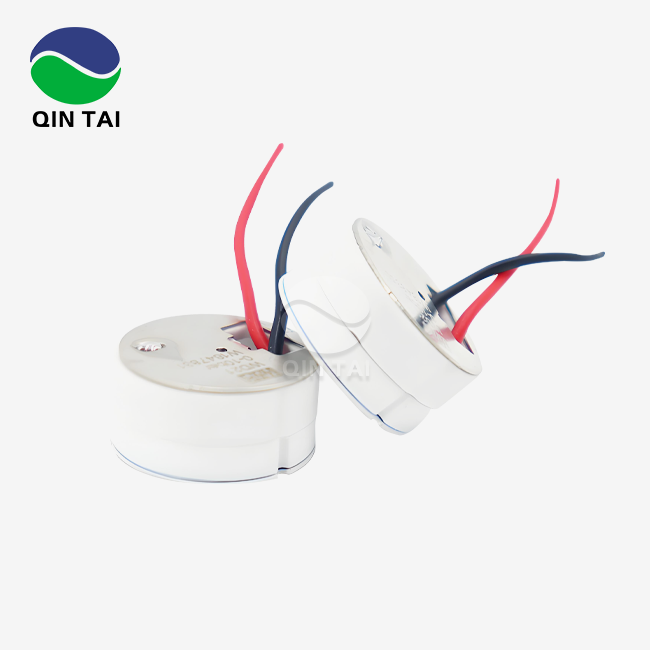
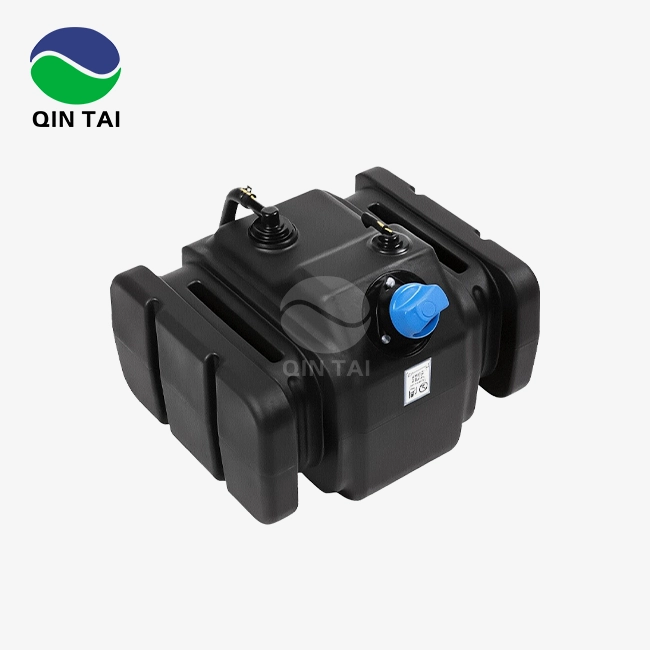
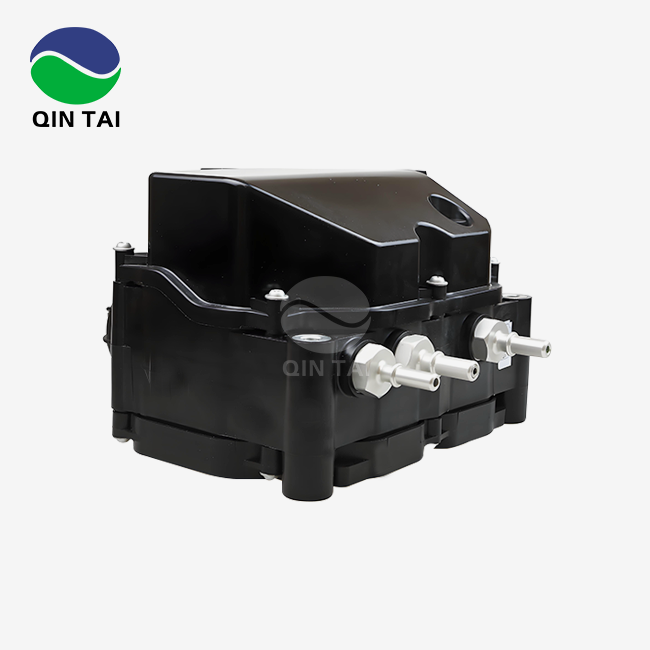
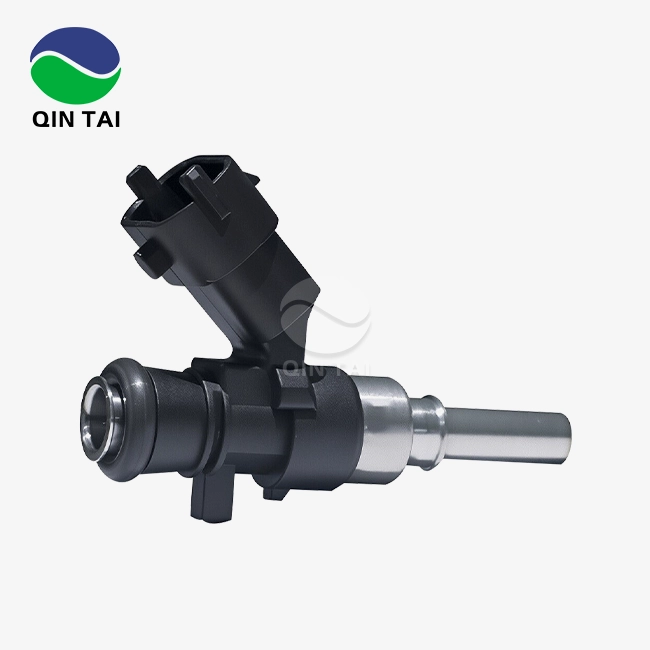
Qintai stands as China's leading pressure sensor manufacturer, bringing over two decades of automotive emission technology expertise to industrial applications worldwide. Our ISO 9001 and IATF 16949 certified manufacturing processes ensure exceptional sensor longevity through precision engineering and rigorous quality control. As the primary supplier to major Chinese engine manufacturers including Weichai Power and Yuchai Power, we understand the demanding requirements of diesel engine applications. Contact our technical team at info@qt-sensor.com to discuss your specific pressure sensor requirements and discover how our customized solutions can optimize your operational reliability while reducing total cost of ownership.
References
1. Industrial Sensor Reliability Standards and Testing Protocols, Society of Automotive Engineers, 2023.
2. Environmental Stress Factors in Pressure Sensor Applications, Journal of Industrial Instrumentation, Vol. 45, 2023.
3. Comparative Analysis of Pressure Sensor Technologies for Harsh Environments, International Conference on Sensor Technology, 2022.
4. Long-term Performance Evaluation of Industrial Pressure Sensors, Instrumentation and Measurement Technology Review, 2023.
5. Quality Management Systems Impact on Sensor Manufacturing Reliability, Manufacturing Excellence Quarterly, 2022.
6. Predictive Maintenance Strategies for Industrial Pressure Sensing Systems, Process Industries Maintenance Journal, 2023.

Our customers’ satisfaction speaks for our quality — contact us to experience the same reliable service.