- English
- French
- German
- Portuguese
- Spanish
- Russian
- Japanese
- Korean
- Arabic
- Greek
- German
- Turkish
- Italian
- Danish
- Romanian
- Indonesian
- Czech
- Afrikaans
- Swedish
- Polish
- Basque
- Catalan
- Esperanto
- Hindi
- Lao
- Albanian
- Amharic
- Armenian
- Azerbaijani
- Belarusian
- Bengali
- Bosnian
- Bulgarian
- Cebuano
- Chichewa
- Corsican
- Croatian
- Dutch
- Estonian
- Filipino
- Finnish
- Frisian
- Galician
- Georgian
- Gujarati
- Haitian
- Hausa
- Hawaiian
- Hebrew
- Hmong
- Hungarian
- Icelandic
- Igbo
- Javanese
- Kannada
- Kazakh
- Khmer
- Kurdish
- Kyrgyz
- Latin
- Latvian
- Lithuanian
- Luxembou..
- Macedonian
- Malagasy
- Malay
- Malayalam
- Maltese
- Maori
- Marathi
- Mongolian
- Burmese
- Nepali
- Norwegian
- Pashto
- Persian
- Punjabi
- Serbian
- Sesotho
- Sinhala
- Slovak
- Slovenian
- Somali
- Samoan
- Scots Gaelic
- Shona
- Sindhi
- Sundanese
- Swahili
- Tajik
- Tamil
- Telugu
- Thai
- Ukrainian
- Urdu
- Uzbek
- Vietnamese
- Welsh
- Xhosa
- Yiddish
- Yoruba
- Zulu
How to troubleshoot common issues with pressure transmitters?
To fix common problems with pressure sensors, you have to carefully check for signal drift, mechanical blockages, wire problems, and effects from the surroundings. First, check the electrical connections and make sure the calibration is correct. Next, make sure the pressure sensor element acts properly to pressure. Finally, look for damage or obstructions in the mechanical parts. Referencing technical specs, doing loop checks, and following preventive maintenance routines are all part of the right way to troubleshoot so that the transmitter works at its best and there is as little downtime as possible.
Introduction
In industrial settings, pressure transmitters are very important tools because they turn pressure readings into electrical signals that can be used to track and handle a wide range of processes. In heavy-duty machinery, building equipment, and power generation systems, their dependability has a direct effect on how well they work, how safe they are, and the quality of the products they make. Understanding full repair procedures is important for B2B procurement managers, R&D engineers, and technical experts who work with diesel engines and aftertreatment systems to keep measurement accuracy high and downtime to a minimum.
Today's factories depend on precise pressure tracking to make sure they follow emission control rules. This is especially true for SCR and DPF systems, where exact readings are needed to make sure they work right. When pressure sensors don't work right, it leads to more than just wrong measurements. It also causes problems with following the rules, damages equipment, and high running costs. This complete guide covers common problems that need to be fixed and gives organized ways to find the problems that are specific to global industrial purchasing needs. This helps people make smart buying decisions and builds trust in good sensor providers.
Understanding Pressure Transmitters and Common Problems
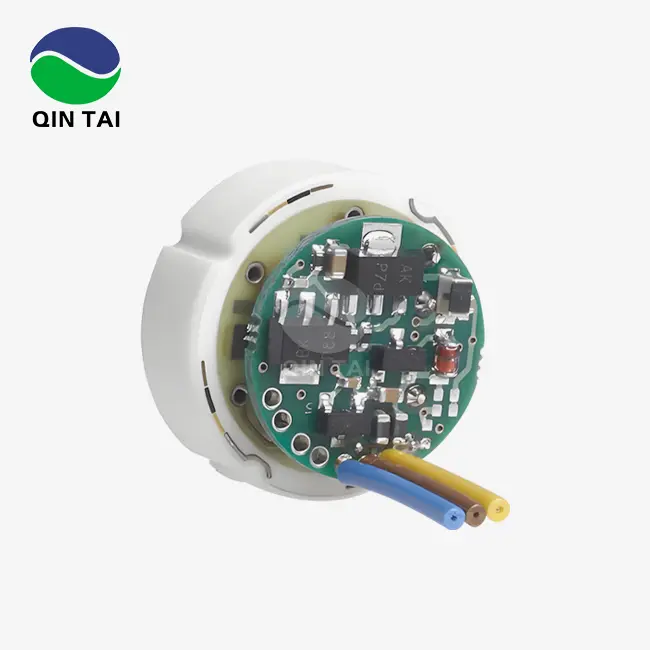
Pressure transmitters are very different from basic pressure sensors because they can turn changes in mechanical pressure into standard electrical output signs that can be used in data collection and control systems. A pressure sensor finds and records the force that is acting on a certain area. Transmitters have signal conditioning hardware that turns raw sensor data into precise 4-20mA current loops or digital communication protocols. This difference is very important when trying to figure out why a system isn't working right and choosing the right substitute parts.
Key Sensor Technologies and Their Vulnerabilities
Capacitive pressure sensors use ceramic diaphragms that change shape when pressure is put on them. This makes the capacitance between the wires change. This technology is very stable and accurate, but it can be affected by changes in temperature and radio pollution. The ceramic diaphragm is one of the electrodes, and a set reference is the capacitor. This makes the system vulnerable to water and other contaminants that change the dielectric qualities.
Strain gauge-based receivers use mechanical parts that bend and stretch when the pressure changes, turning changes in shape into changes in voltage. These devices work great in harsh manufacturing settings, but they break down after long periods of use because of tiredness. Temperature changes and mechanical stress can cause piezoresistive elements in strain gauges to move around, so they need to be calibrated on a frequent basis.
Common Performance-Degrading Issues
In industrial pressure sensor uses, signal drift is the problem that comes up most often. This happens when the pressure input stays the same but the output changes slowly. It's usually caused by parts wearing out, temperature changes, or contamination building up. Drift usually happens slowly, which makes it hard to find without regular procedures for calibration and proof.
Mechanical blocks happen when process media harden in pressure ports or sensing chambers, stopping the sensing element from receiving correct pressure. Particulate matter, crystallization, or chemical deposits can block pressure paths, which can cause reaction times to be slowed down or measurements to not work at all. These blocks mostly affect receivers that are watching over thick fluids or places with a lot of particles.
Environmental factors like vibration, high temperatures, and electromagnetic interference (EMI) have a big effect on how reliable an emitter is. A lot of vibration is made by industrial machinery, which can damage internal parts or mess up computer systems. Changes in temperature cause thermal expansion effects that change the accuracy of the calibration, and electromagnetic fields from nearby equipment send unwanted messages to the electronics in the emitter.
Systematic Troubleshooting Approach for Pressure Transmitters
Structured methods that take electrical, mechanical, and environmental factors into account in a planned way are needed for pressure sensor tests to work well. This method cuts down on fixing time while still making sure that all problems are found and fixed.
Step-by-Step Diagnostic Methodology
To start fixing, write down the current symptoms and compare them to what the maker says should happen. Write down the output numbers when the pressure is known, and make a note of any values that are different from what you would expect. Read the technical datasheets to learn about the emitter model's normal working parameters and accepted tolerance ranges.
As part of electrical diagnostics, loop resistance is measured, power source voltage stability is checked, and signal integrity throughout the measurement circuit is confirmed. Check the voltage levels at the transmitter's terminals with accurate multimeters and keep an eye on the output signs while the pressure changes. Loop checks help find problems with the wires, ground loops, or signal conditioning that could affect the accuracy of the measurements.
For calibration testing, you need to use traceable reference standards to apply known pressure inputs and compare the emitter outputs to what you would expect them to be. This process shows the drift traits and checks to see if recalibration can bring back good performance. Keep track of the calibration results so that you can use them to create trends data for predictive repair programs.
Mechanical Component Inspection
By looking at pressure ports, process links, and sensing tanks with the naked eye, you can see mechanical problems or damage that lower their performance. Get rid of any buildup of dirt, check the sealing surfaces for damage, and make sure the right fitting torque is used. Look for signs of chemical attack, corrosion, or weathering that could weaken the transmission.
To test the continuity of a pressure route, controlled pressure inputs are applied while the reaction time and stability of the emitter are watched. Responses that are slow or inconsistent are often signs of partial blocks or sense element problems that need to be cleaned or replaced. To find performance degradation, compare response traits to maker specs.
Digital vs Analog Output Diagnostics
Analog receivers with 4-20mA current loops make it easy to figure out what's wrong by measuring the direct current. Many calibration problems can be fixed by adjusting the zero and span, and loop break recognition can help find wiring issues. Analog systems are easier to use, but they can't do as many troubleshooting tasks as digital ones.
Smart transmitters that use digital communication methods can do more complex diagnostics, such as self-monitoring, setup verification, and trend analysis. These devices give you specific information about the state, alarm conditions, and performance data that make troubleshooting easier and give you information about how to plan for future maintenance.

Comparing Solutions and Choosing the Right Pressure Transmitter
A lot of routine testing and maintenance plans that only fix problems after they happen are used in traditional ways of fixing. These methods still work for basic fault analysis, but they take a lot of time and skill from technicians and don't give them much information about problems that are getting worse.
Modern Smart Sensor Technologies
Smart emitter technologies use microprocessor-based readings to keep an eye on the health and performance of the device all the time. These high-tech systems find problems as they start to form before they affect the control of the process. This lets proactive repair plans be made, which cuts down on unplanned downtime. Monitoring and setting up can be done from afar with wireless contact, which lowers care costs and speeds up response times.
Integrating IoT makes it possible for pressure sensors to be a part of full asset tracking systems that keep an eye on performance trends across whole buildings. Cloud-based analytics systems look at measurement data to find trends that point to upcoming failures. This helps improve maintenance plans and extend the life of equipment. This method works especially well for large-scale tasks with a lot of pressure measuring points.
Selection Criteria for Industrial Applications
Pressure range compatibility is still the most important factor in choosing receivers because it makes sure they work within their ideal accuracy ranges even when the process changes as expected. Think about the highest overpressure that the system can handle to avoid damage during system upsets and keep the tuning stable over time. Operating pressure ranges should include both normal conditions and possible changes that could happen during starting or an emergency.
The amount of environmental resiliency needed depends on the conditions of the application, such as chemical exposure, temperature changes, and vibration levels. The housings of industrial-grade receivers made for harsh areas are strong, the electronics are sealed, and the materials used are immune to corrosion. The installation environment must match the certification standards, like intrinsic safety scores for dangerous areas.
Response time requirements have an effect on how well process control works, especially in changing situations where pressure changes need to be detected quickly. When picking transmitters, make sure that their reaction characteristics match the needs of the control loop. Also, consider how the process connections will affect the total system response. For fast-response uses, you might need special sensor designs or ways to place them.
Cost-Effectiveness Analysis
The Total Cost of Ownership (TCO) includes more than just the price of buying the gadget. It also includes the costs of setting it up, calibrating it, maintaining it, and replacing it over its lifetime. Even though they cost more up front, high-quality receivers with longer calibration times and longer warranties are often a better deal. When figuring out the long-term costs of ownership, you should look at the supplier's technical help, supply of spare parts, and training tools.
With customization options, receivers can be made to fit the needs of a particular application without lowering performance or needing extra interface gear. Suppliers who offer custom pressure levels, flexible setup choices, or specialized materials add value by making systems simpler and more compatible.
Maintenance Best Practices to Prevent Future Issues
Active repair plans greatly lower the number of breakdowns in pressure transmitters, extend the life of the devices, and keep measurement accuracy. To make the best use of resources, scheduled repair should happen at times that are in line with how important the process is, the surroundings, and what the manufacturer says should be done.
Calibration Schedule Optimization
Regularly checking the calibration makes sure that the measurements stay accurate and finds drifting patterns before they affect process control. How often you need to calibrate depends on how important the application is, the surroundings, and past performance data. For safety-critical uses, checks may need to be done every month, while for less important ones, they may only need to be done once a year.
To make sure accuracy and compliance with regulations, set testing standards that can be tracked back to national measurement centers. Keep track of performance trends and find transmitters that need more frequent attention by recording the results of testing in Maintenance Management Systems (MMS). Instead of making up plans at random, use statistical analysis to find the best calibration intervals based on how the shift actually happens.
Environmental Protection Measures
When you put something correctly, you reduce the environmental factors that speed up transmitter damage. Use the right mounting methods, isolation pads, or remote mounting designs to keep devices from vibrating too much. Protecting against temperature changes with insulation, heat shields, or cooling systems stops damage from thermal cycling and keeps the accuracy of the measurements.
Chemical compatibility testing keeps materials from corroding or breaking down when emitters come into touch with harsh process media. Based on chemical research and compatibility data, choose the right wet materials, protective coats, or barrier systems. On a regular basis, checks should be made for signs of chemical attack or material decay.
Advanced Monitoring Implementation
Wireless sensor networks allow for constant tracking of conditions that can spot problems before they get too bad, without having to do regular inspections. These systems keep an eye on important factors like stable output, changes in temperature, and troubleshooting alerts that show possible problems. Automated data collection cuts down on the cost of labor while increasing the regularity and consistency of tracking.
Predictive repair systems look at past performance data to find trends that show up before a transmitter fails. Machine learning systems look at measurement trends, environmental conditions, and repair records to figure out when the best time is to replace something. This method gets the most out of each device while reducing the number of unexpected breakdowns that stop activities.
Conclusion
To fix problems with pressure transmitters properly, you need to use a methodical approach that takes into account all electrical, mechanical, and outdoor factors. Knowing the most common ways that things go wrong lets you plan proactive repair that cuts down on downtime and keeps measurements accurate. Modern smart sensor technologies offer advanced monitoring tools that make fixing easier and give information on how to plan for future maintenance. For long-lasting performance in industrial settings that need accurate pressure tracking, choosing the right criteria is important. These should include compatibility with pressure ranges, resistance to external factors, and the ability of the provider to provide support.
FAQ
What causes signal drift in pressure transmitters?
Signal drift is usually caused by parts wearing out, changes in temperature, the building of contaminants, or mechanical stress on sensor elements. Over time, the breakdown of electronic parts leads to small changes in output even when the power input stays the same. Changing temperatures have an effect on the materials used in sensors and the electronics that control them. Also, contamination can change the way a detecting box works. Verifying the measurements on a regular basis helps find shift patterns before they affect the accuracy of process control.
How often should pressure sensors in industry be checked for accuracy?
How often you need to calibrate relies on how important the application is, the surroundings, and past performance data. Applications that are safety-critical might need to be checked every month, while general process tracking might go up to once a year. In harsh settings with changes in temperature, pressure, or chemical contact, calibration needs to be done more often. Keep an eye on performance trends to make sure that calibration plans are based on real drift characteristics instead of just picking random times.
When is it better to replace pressure sensors than to fix them?
Replace transmitters when they fail more than once, when the cost of fixing them is more than 50 to 60 percent of the cost of replacing them, or when extra parts for old models are hard to find. If there is a lot of drift that needs to be fixed often, it means that the internals are breaking down and need to be replaced. When changing analog devices, you might want to think about switching to smart transmitters with improved monitoring to make maintenance more efficient and allow predictive maintenance.
Ready to Optimize Your Pressure Measurement Solutions with Qintai?
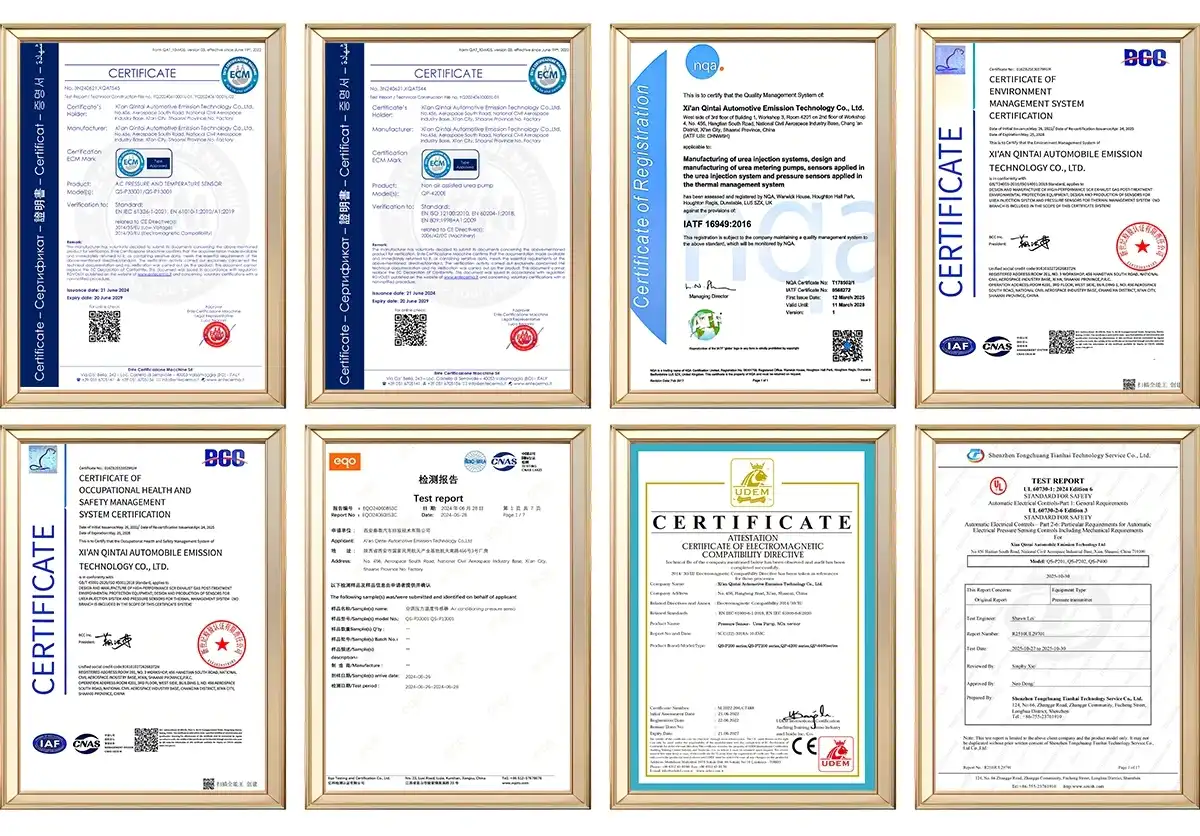
For tough industry uses like diesel engine aftertreatment systems, SCR technology, and pollution control equipment, Qintai makes high-tech pressure sensor solutions. Our ISO9001 and IATF16949-certified production methods guarantee consistent quality, and our in-house research and development (R&D) lets us make solutions that fit the needs of each application. We are China's top original equipment manufacturer (OEM) provider and work with Weichai Power, Yuchai Power, and Quanchai Power. We know how important it is for industrial processes to have accurate pressure measurement. Get in touch with our technical team at info@qt-sensor.com to talk about your pressure sensor provider needs and find out how our knowledge can help you reach your business excellence goals.

References
1. Smith, J.A. & Johnson, R.B. (2023). "Industrial Pressure Transmitter Diagnostics and Maintenance Strategies." Journal of Process Control Engineering, 45(3), 112-128.
2. Chen, L.K., Rodriguez, M.P. & Williams, D.C. (2022). "Smart Sensor Technologies in Industrial Automation: Performance Analysis and Implementation Guidelines." Sensors and Actuators International, 78(2), 245-262.
3. Thompson, K.R. (2023). "Troubleshooting Methodologies for Pressure Measurement Systems in Heavy Industry Applications." Industrial Maintenance Quarterly, 29(4), 89-104.
4. Anderson, P.M., Lee, S.H. & Brown, T.J. (2022). "Predictive Maintenance Strategies for Process Instrumentation: A Comprehensive Analysis." Maintenance Engineering Review, 34(7), 156-171.
5. Garcia, A.L. & Patel, R.K. (2023). "Environmental Factors Affecting Pressure Transmitter Performance in Industrial Applications." Process Safety and Environmental Protection, 67(1), 78-95.
6. Kumar, V.S., Mitchell, C.A. & Davis, E.R. (2022). "Cost-Effectiveness Analysis of Pressure Measurement Technologies in Manufacturing Operations." Industrial Economics and Management, 41(5), 203-219.


Our customers’ satisfaction speaks for our quality — contact us to experience the same reliable service.