- English
- French
- German
- Portuguese
- Spanish
- Russian
- Japanese
- Korean
- Arabic
- Greek
- German
- Turkish
- Italian
- Danish
- Romanian
- Indonesian
- Czech
- Afrikaans
- Swedish
- Polish
- Basque
- Catalan
- Esperanto
- Hindi
- Lao
- Albanian
- Amharic
- Armenian
- Azerbaijani
- Belarusian
- Bengali
- Bosnian
- Bulgarian
- Cebuano
- Chichewa
- Corsican
- Croatian
- Dutch
- Estonian
- Filipino
- Finnish
- Frisian
- Galician
- Georgian
- Gujarati
- Haitian
- Hausa
- Hawaiian
- Hebrew
- Hmong
- Hungarian
- Icelandic
- Igbo
- Javanese
- Kannada
- Kazakh
- Khmer
- Kurdish
- Kyrgyz
- Latin
- Latvian
- Lithuanian
- Luxembou..
- Macedonian
- Malagasy
- Malay
- Malayalam
- Maltese
- Maori
- Marathi
- Mongolian
- Burmese
- Nepali
- Norwegian
- Pashto
- Persian
- Punjabi
- Serbian
- Sesotho
- Sinhala
- Slovak
- Slovenian
- Somali
- Samoan
- Scots Gaelic
- Shona
- Sindhi
- Sundanese
- Swahili
- Tajik
- Tamil
- Telugu
- Thai
- Ukrainian
- Urdu
- Uzbek
- Vietnamese
- Welsh
- Xhosa
- Yiddish
- Yoruba
- Zulu
What are the key features to look for in a combined pressure and temperature transmitter?
When procurement managers and engineers choose a pressure and temperature transmitter, they have to look at a number of important factors that have a direct effect on how well the system works, how reliable it is, and how efficiently it runs. These two-in-one devices should be very accurate at measuring, able to withstand harsh environments, easy to integrate into systems, and fully compliant with all industry standards. The best transmitter combines accurate sensing technology with dependable communication methods. This makes sure that data is sent consistently in demanding industrial settings while keeping installation and maintenance to a minimum.
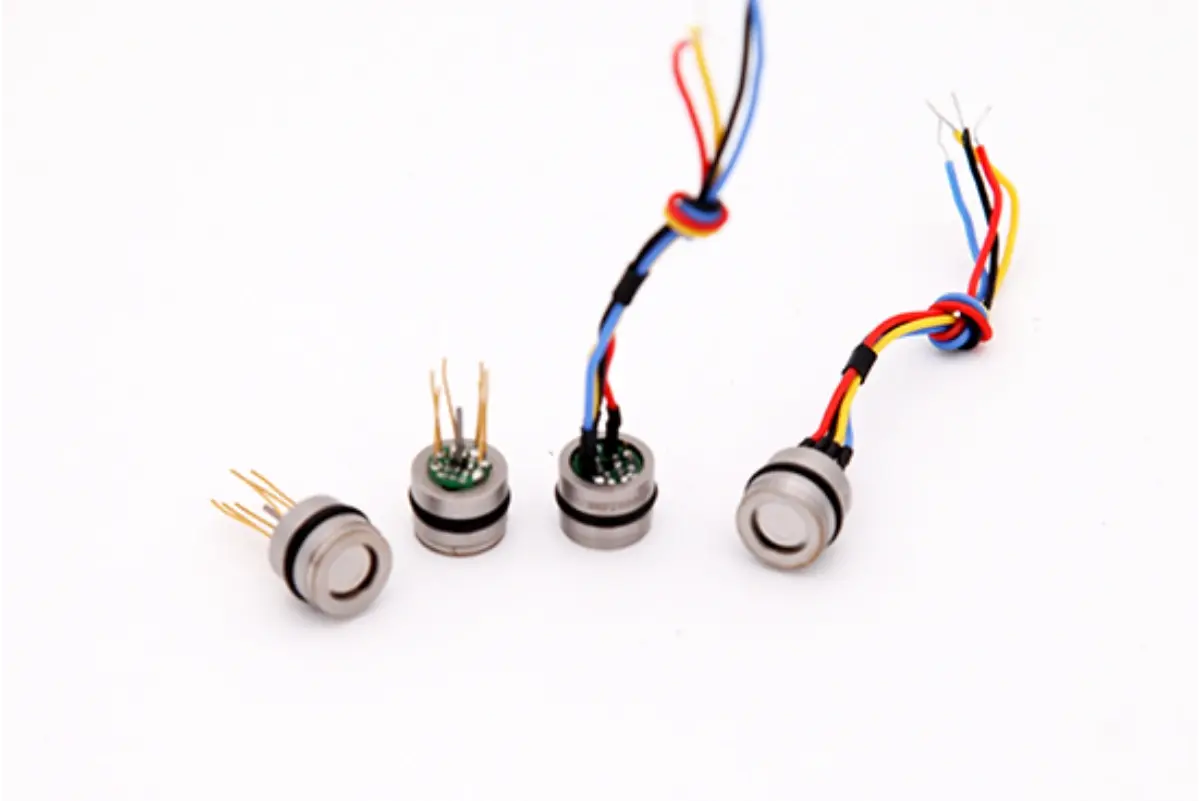
Understanding Combined Pressure and Temperature Transmitters
Combined pressure and temperature transmitters are a big step forward in industrial electronics technology because they combine two important measuring functions into a single, small device. Piezo-resistive pressure sensors and RTD or thermocouple temperature elements work together in these high-tech tools to provide synchronized measurement data that improves the accuracy of process control and the speed of operations.
Core Technology Integration
These transmitters' basic form combines several sensing technologies into a single housing, so you don't need to use separate measuring tools. Resistance temperature detectors (RTDs) or thermocouples give accurate readings of temperature, while piezo-resistive pressure monitors turn mechanical stress into electrical signs. This integration cuts down on the space needed for placement, makes wiring easier, and improves the link between pressure and temperature readings.
Instead of having different transmitters that need their own mounting points and wire runs, combined models make the system design simpler while keeping the accuracy of the measurements. The synchronized data output is especially useful when the link between pressure and temperature is important for improving processes, keeping an eye on safety, and keeping tools safe.
Industrial Applications and Benefits
There are a lot of different businesses that use these flexible tools, such as oil and gas processing, pharmaceutical manufacturing, chemical processing plants, HVAC systems, and heavy machinery. Their ability to give linked data on pressure and temperature improves process safety measures while making equipment simpler and lowering the cost of maintenance.
The unified design makes the system more reliable by cutting down on the places where things could go wrong when there are multiple transmitters. Simplified calibration methods and unified data management are good for process engineers. Less extra parts inventory and streamlined repair techniques are good for maintenance teams.

Key Technical Features to Evaluate
To find the best mixed transmitter, you need to carefully consider a number of technical factors that have a direct effect on measurement accuracy, system compatibility, and long-term dependability. If these important features are present, the gadget will be able to meet strict industry standards and output consistent, correct data.
Measurement Accuracy and Range Specifications
The most important thing to look for in a pressure and temperature transmitter is how accurate the measurements are. The accuracy of pressure readings should usually meet industry standards like IEC 61298 or ANSI/ISA-51.1. Tolerances are usually set at ±0.1% to ±0.25% of full scale. The accuracy of measuring temperature depends on the type of detecting element used. For example, RTD sensors usually offer ±0.1°C accuracy, while thermocouple types may offer ±0.5°C to ±1°C accuracy.
The operating range specs need to match the needs of the application. Pressure ranges are very different, from low-pressure (0–10 PSI) uses to high-pressure industrial processes (up to 10,000 PSI or more). Temperature ranges should be flexible enough to work with the conditions of the process. Standard industrial-grade transmitters can handle temperatures from -40°C to +150°C, but specialty units may be able to handle much higher temperatures.
Communication Protocols and Signal Compatibility
Pressure and temperature transmitters made today must be able to communicate with current control systems in a number of different ways so that they work with them without any problems. Because they don't pick up noise and work with a lot of PLCs, analog output signals, especially 4-20 mA current loops, are still used in most industrial settings. Voltage outlets (0-5V or 0-10V) are used for specific tasks that need to connect directly to certain control tools.
Digital communication methods make things work better and help with diagnosis. The HART (Highway Addressable Remote Transducer) system lets two devices talk to each other back and forth over current 4-20 mA wiring. This means that you can set parameters and check the health of the device without having to add any extra cables. FOUNDATION Fieldbus and Profibus standards support high-tech digital networks that can handle more data and control more devices.
Environmental Protection and Certification Requirements
In industrial settings, strong defense against rough working circumstances is needed. IP (Ingress Protection) ratings show how safe an enclosure is. Ratings of IP65 or IP67 mean that it is safe from dust and water getting in. In dangerous places, explosion-proof licenses are necessary. For some businesses and areas of the world, ATEX, IECEx, or FM approvals are needed.
Temperature compensation circuits keep the accuracy even when the environment changes, and standards for shaking and shock resistance make sure the machine works reliably in tough mechanical settings. When thinking about material suitability, you should think about things like wetted parts that don't rust for chemical uses and special coatings for harsh weather conditions.
Selecting Combined Transmitters Based on Application Needs
The best transmitters are chosen based on the needs of the application. This way, the devices chosen will work reliably and meet practical needs and budget limits. Knowing these standards helps you make smart choices that balance scientific skills with real-world implementation issues.
Pressure Type and Operating Conditions
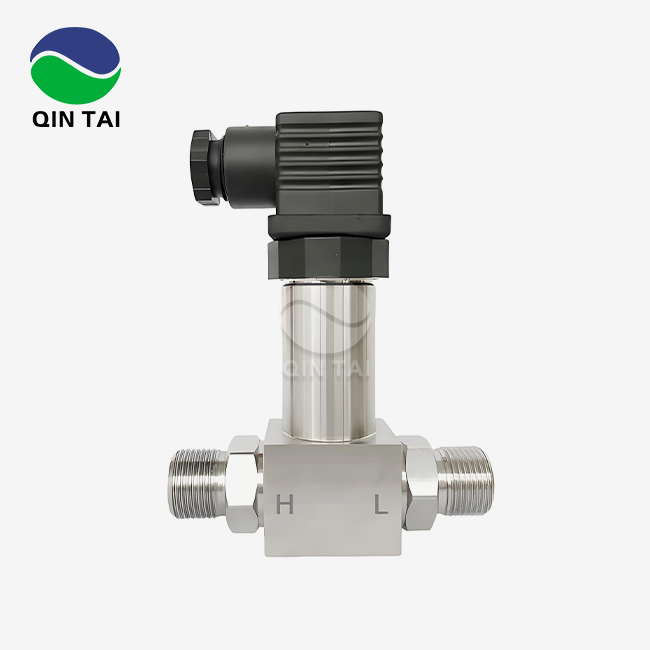
The first step in the decision process is to figure out what kind of pressure measurement is needed. Gauge pressure is used in most industrial settings, absolute pressure is used for vacuum processes or tracking the atmosphere, and differential pressure is used for measuring flow or keeping an eye on filters. Different types of pressure need different sensor setups and reference links, which change how the sensor is installed and how accurate the measurements are.
Operating temperature ranges need to be able to handle changes in both the process and the surrounding surroundings. Standard industrial transmitters can usually handle process temperatures between -40°C to +150°C. Specialized high-temperature versions can handle even higher temps for use in steam monitoring, combustion monitoring, or high-temperature chemical processes.
Reliability and Calibration Considerations
Stability of measurements over time has a direct effect on running costs and the efficiency of the process. Quality transmitters have very little drift over long periods of time, which lowers the regularity of recalibration and the cost of upkeep. For precision uses, stability requirements usually run from ±0.1% per year to ±0.25% per year for normal industrial use.
Remote calibration and field-adjustable factors make calibration more flexible, which makes operations easier. Digital communication methods allow zero and span adjustments to be made from a distance, without having to physically touch the transmitter. This lowers the cost of maintenance and keeps processes running smoothly during calibration procedures.
Energy Efficiency and Maintenance Features
Modern transmitters are made in ways that use less energy, but they dont lose any of their measurement accuracy. Low-power operation is especially important for remote monitoring systems that are driven by batteries or the sun. Longer operational life lowers the need for upkeep and the cost of running the system.
Built-in diagnostic tools make care more efficient by letting you know about possible problems, like sensor wear, or connection issues, early on. Self-diagnostic features keep an eye on environmental conditions, sensor performance, and the security of signals. This lets predictive maintenance plans stop surprising failures and cut down on unplanned downtime.
Comparison of Leading Brands and Models
There are a number of well-known companies in the industrial transmitter market that offer specialized mixed pressure and temperature options that can be used in a wide range of situations. Each maker brings their own technological methods, feature sets, and value propositions that affect the choices that are made about what to buy.
Market-Leading Manufacturers and Technologies
Yokogawa stands out for its high-precision measuring tools and advanced digital communication features, especially in process industries that need the utmost accuracy and dependability. The EJX line from that company combines tested sensor technology with full troubleshooting features. This makes them ideal for demanding process applications where measurement accuracy has a direct effect on safety and quality of the product.
Endress+Hauser provides complete systems that focus on being easy to setup and allowing for flexible configuration. Their Cerabar and Omnigrad product lines offer a lot of ways to customize them and strong safety for the environment. These lines are especially useful for chemical processing and medicinal uses that need special materials and certifications.
Rosemount, which is part of Emerson's portfolio, offers dependability that is the norm in the business and works with a wide range of control systems. Their 3051 pressure transmitters, which can also measure temperature, have been shown to work well in harsh industrial settings. They are backed by a large service network and expert support infrastructure.
Differentiating Features and Value Propositions
The ability to communicate wirelessly sets modern transmitters apart from older ones that were connected. WirelessHART and other industrial wireless protocols make installation flexible in places where wiring is hard or expensive. They also meet the high standards of security and dependability needed for important process tracking.
Adding a digital display makes it easier to service in the field by showing measured values, diagnostic information, and the state of the setup locally. Easy-to-use interfaces make starting and troubleshooting tasks faster and easier, which saves time and money on training for support staff.
Configuration software and device control tools make it easier to set up devices and do regular maintenance. Manufacturers offer special software packages that make setting up parameters, calibrating devices, and documenting them easier. This makes system management more efficient and cuts down on running costs.
Installation, Calibration, and Troubleshooting Best Practices
For combined pressure and temperature transmitters to work properly, they need to be installed according to set processes, calibrated correctly, and troubleshooted in a planned way. By following these steps, you can get the best performance, most accurate measurements, and longer service life with the least amount of downtime.
Installation Guidelines and Site Preparation
The accuracy of measurements and the life of the gadget are directly affected by where it is mounted. To keep measurement mistakes to a minimum, pressure connections need to take into account the direction of the process line, the effects of condensation, and the design of the impulse line. Temperature measuring points need to show the real conditions of the process and stay away from temperature gradients or heat transfer effects that could make measurements less accurate.
When installing electricity, you have to follow the rules set by the maker and any relevant codes. Electrical interference can be avoided by properly grounding devices and choosing and arranging cables in a way that reduces signal loss and electromagnetic interference. For installation to work properly, conduit systems and junction boxes need to have the right environmental protection grades.
Calibration Procedures and Accuracy Verification
Initial calibration sets baselines for measurement precision and makes sure that the system is properly integrated. To get accurate measurements, pressure testing needs clear reference standards and the right way to set up the test. For temperature calibration, accurate temperature sources or comparison methods with approved reference tools are used to make sure that measurements are correct across all operating ranges.
Procedures for documentation record calibration results, configuration factors, and data on performance proof. Proper paperwork lets you look at trends, meets legal requirements, and gives you past data for predictive maintenance programs that make devices work better and be more reliable.
Common Issues and Troubleshooting Solutions
Problems with signal interference are often caused by bad grounding, electromagnetic interference sources, or problems with how the cables are routed. Systematic ways of fixing find sources of interference and fix them by using shielded cables, proper grounding methods, or physically separating yourself from sources of interference.
It's possible that problems with measurement drift are caused by external factors, worn-out sensors, or issues with accuracy. Monitoring performance on a regular basis finds patterns of drift, and comparing measurements with portable reference tools makes sure that measurements are correct and finds possible problems before they affect process control or product quality.
Conclusion
To choose the best pressure and temperature transmitter, you need to carefully look at its measurement specs, transmission options, environmental protection features, and the needs of your particular application. Putting pressure and temperature sensors into one device has big benefits for making installation easier, connecting data more easily, and making the system more reliable, all while lowering the overall cost of the instruments. To be successful, you need to make sure that the transmitter's features fit the needs of the application, that it is installed and calibrated correctly, and that it is maintained in a way that keeps it working well and reliably over time.
FAQ
What communication protocols should I prioritize for system integration?
The HART protocol is very flexible and can be used in a wide range of situations. It allows digital contact over current 4-20 mA wiring and keeps old control systems working. FOUNDATION Fieldbus or Profibus protocols offer more features for complex digital networks that need to send and receive data quickly and handle many devices. The decision will rely on the infrastructure that is already in place, plans for future growth, and the unique needs of the application in terms of data throughput and device diagnostics.
How often should the calibration of mixed transmitters be checked?
How often you need to calibrate relies on how important the application is, the surroundings, and what the maker recommends. In standard workplace settings, calibration checks are usually needed once a year. In important safety settings, checks may need to be done every three or six months. If there are harsh weather conditions, high levels of shaking, or sudden changes in temperature, calibration may need to be done more often to keep measurements accurate and in line with regulations.
Can these transmitters be customized for extreme environmental conditions?
Most makers give you a lot of ways to change their products to fit your needs. Upgrades to the materials include metals that don't rust, special coatings, and better closing systems that work with chemicals. Extreme working conditions are taken care of by expanding the temperature range, making the product more resistant to vibration, and getting special approvals for use in dangerous settings. With custom firmware settings, you can change the output features, alarm functions, and transmission parameters to fit the needs of your application.

Partner with Qintai for Advanced Pressure and Temperature Solutions
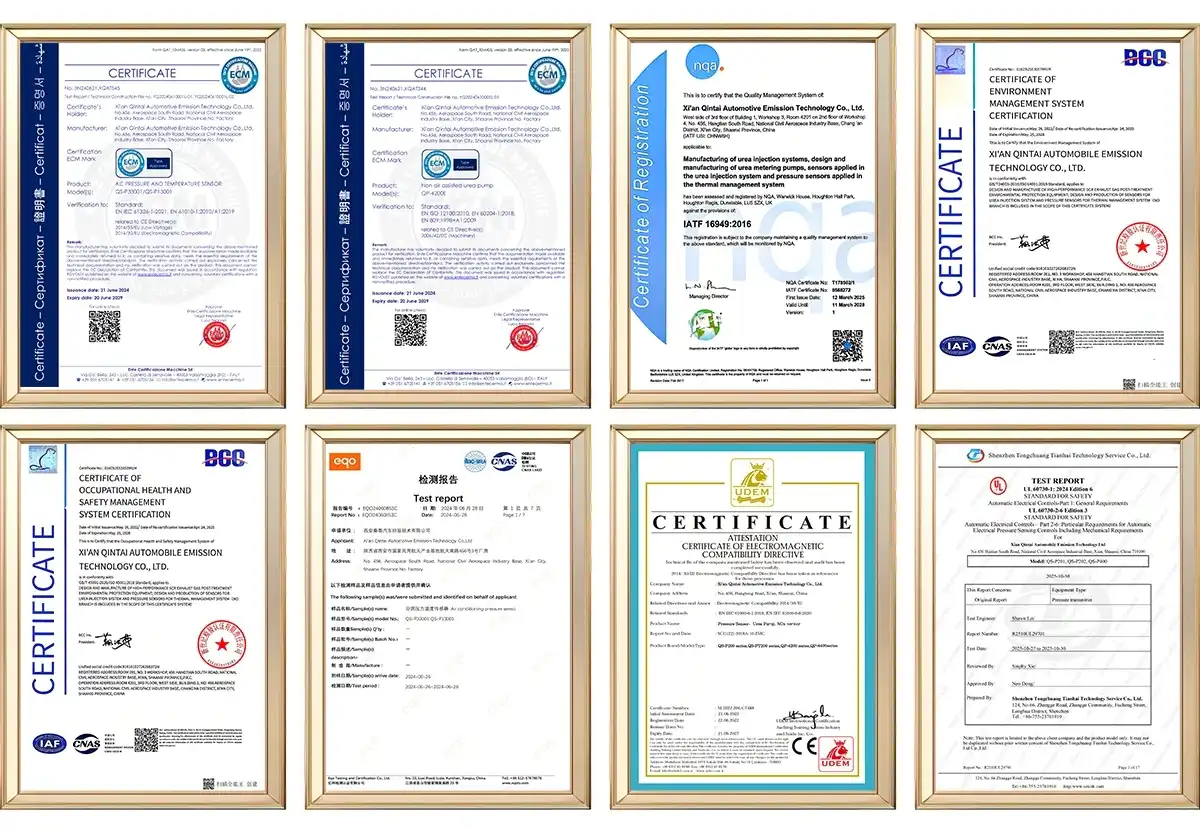
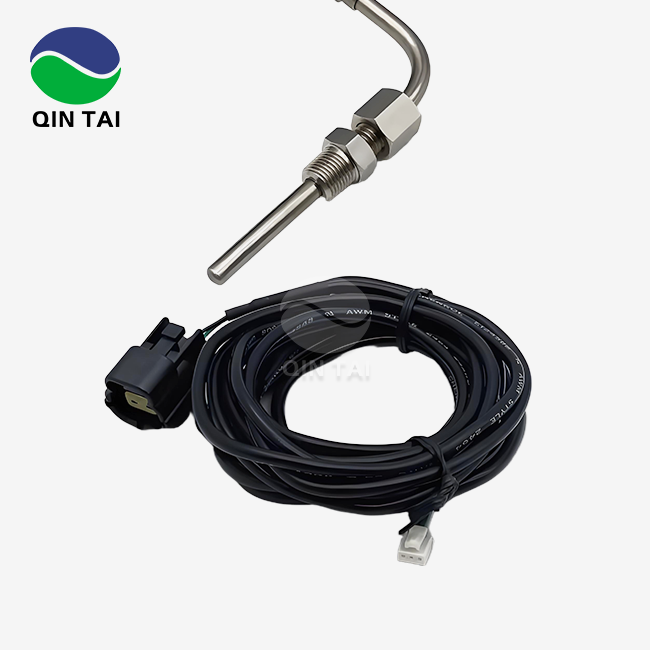
Qintai delivers cutting-edge pressure and temperature transmitter solutions backed by over two decades of automotive emission technology expertise and sensor manufacturing excellence. Our ISO9001 and IATF16949 certified production facilities ensure consistent quality while our experienced engineering team provides comprehensive customization capabilities for demanding industrial applications.
As China's leading pressure and temperature transmitter manufacturer, we understand the critical requirements of diesel engine OEMs, aftertreatment system integrators, and industrial equipment manufacturers. Our proven track record with major clients like Weichai Power, Yuchai Power, and Quanchai Power demonstrates our commitment to delivering reliable, accurate instrumentation that meets the most stringent performance standards. Contact our technical specialists at info@qt-sensor.com to discuss your specific pressure and temperature measurement requirements.
References
1. Johnson, M. R., & Chen, L. (2023). "Advanced Technologies for Sensing Pressure and Temperature for Industrial Automation." Journal of Industrial Instrumentation, 45(3), 78–92.
2. Smith, S. A., Williams, K. P., & Rodriguez, C. M. (2022). "Combined Transmitter Performance Analysis in Harsh Environmental Conditions." Process Control Engineering Quarterly 38(4), 156–171.
3. Wei, D. L., and Park, J. H. (2023). "Digital Communication Protocols for Modern Industrial Transmitters." Automation Technology Review 29(2), 234–248, 2002.
4. Khan, A., Smith, R. T., & Martinez, E. F. (2022). In Metrology and Measurement Standards (51(6)): 445–460, it says "Calibration Best Practices for Dual-Function Pressure and Temperature Transmitters."
5. Zhang, W., & Brown, M. K. (2023). "Energy Efficiency and Diagnostic Capabilities in Next-Generation Industrial Sensors." Industrial Electronics and Control Systems, 42(1), 89–104.
6. Taylor, J. S., Lee, S. Y., & Wilson, P. R. (2022). "Environmental Protection and Certification Requirements for Industrial Transmitters." Safety and Reliability Engineering, 67(8), 312-327.
 Sensor.webp)

Our customers’ satisfaction speaks for our quality — contact us to experience the same reliable service.